Most people assume senior cats slow down, pull away, and grow distant with age. Veterinarians and longtime cat owners say the opposite is often true. Older cats frequently become more affectionate, not less, clinging to tender rituals that intensify rather than fade as the years go on.
These aren’t random quirks. They’re deeply rooted survival and bonding behaviors cats have practiced since kittenhood, and in old age some of them grow so intense that owners struggle to describe them. Some are subtle, some are impossible to miss, but all of them mean the same thing: your cat trusts you completely. Here’s what feline behaviorists actually say about the ir very last days.
#1 – The Shadow Habit: Following You From Room to Room
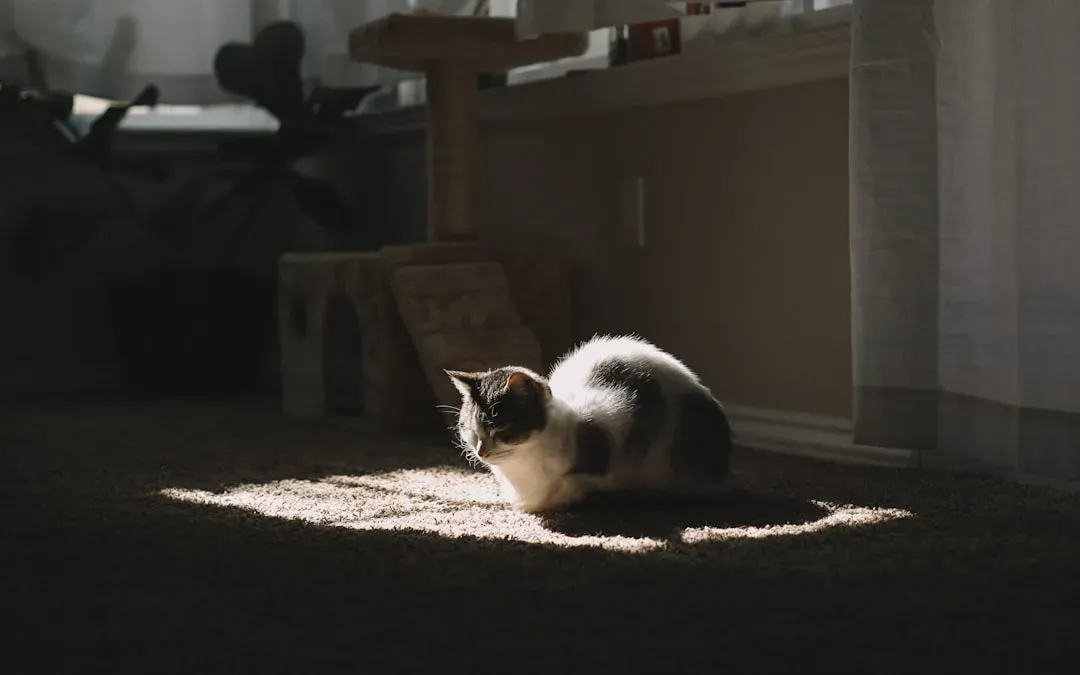
Cats are famous for their independence, but senior cats often abandon that reputation entirely. Many owners notice their aging cat suddenly wants to be wherever they are – kitchen, bathroom, home office, it doesn’t matter. This isn’t clinginess for the sake of it; it’s a comfort-seeking behavior rooted in changing sensory abilities.
As hearing and vision naturally decline with age, cats rely more heavily on physical proximity to feel secure. A senior cat shadowing you isn’t being needy – it’s compensating for a world that’s become harder to sense from a distance. Some behaviorists even compare it to how elderly humans prefer staying near familiar people in unfamiliar or overwhelming environments. It’s less about dependency and more about recalibrating trust in a body that doesn’t work quite the way it used to. But that’s nothing compared to what we found about #2…
Fast Facts
- Cats are generally considered “senior” starting around age 11, and “geriatric” past age 15.
- Feline hearing loss often affects high-frequency sounds first, making close-range cues more important over time.
- Reduced night vision is common in aging cats, which can heighten reliance on touch and scent.
- Many senior cats sleep well over half the day, even more than younger adult cats typically do.
#2 – Sleeping Pressed Directly Against You
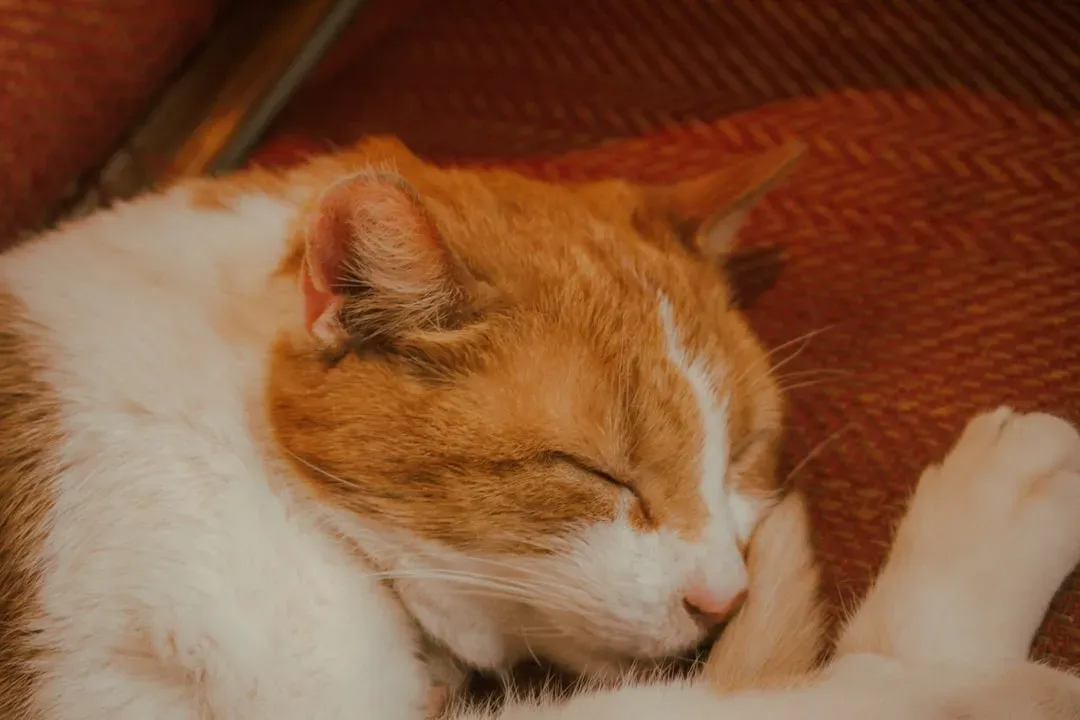
Younger cats often sleep nearby but not touching – maybe at the foot of the bed or across the room. Senior cats frequently abandon that boundary altogether, choosing to sleep pressed against a leg, curled into an armpit, or draped across a chest.
This shift is partly thermal. Older cats regulate body temperature less efficiently, so your body heat becomes a literal survival tool, not just a comfort preference. But it’s also emotional. Cats in their senior years often seek the safety of a “warm, breathing landmark” as their world becomes less predictable due to joint pain, reduced mobility, or sensory decline. Many owners report this behavior increasing dramatically in the final months of a cat’s life, almost as if the cat is holding on tighter to what feels safest. It’s one of the clearest, quietest signs of trust a cat can offer. Next, the tiny gesture almost every senior cat keeps doing until the end – and it says more than most people realize.
#3 – The Slow Blink “I Love You” Signal
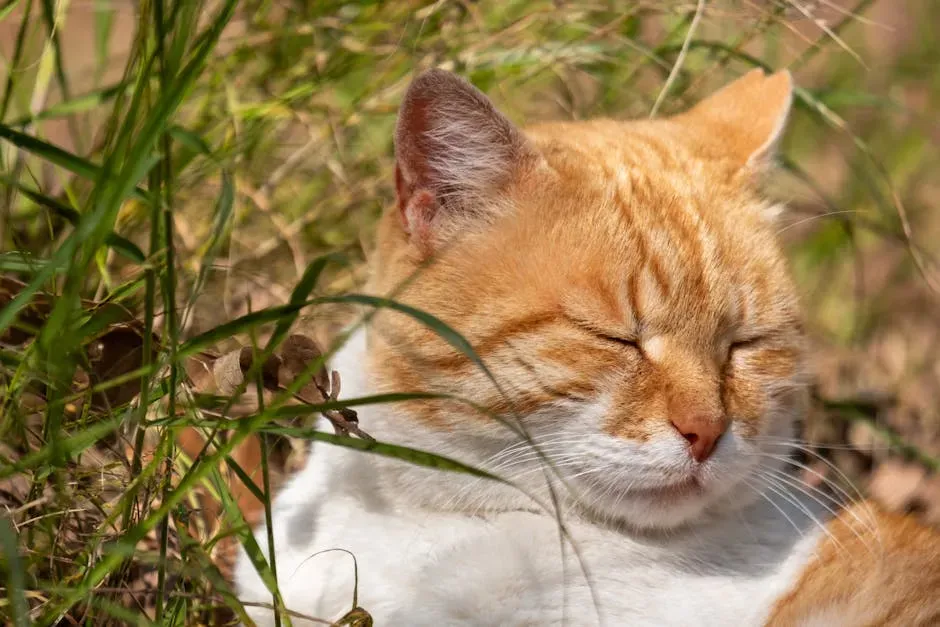
If you’ve ever had a cat stare at you, then close its eyes slowly, you’ve witnessed what behaviorists call the feline “slow blink” – often nicknamed the cat version of a kiss. Senior cats tend to do this more often, not less, especially with the humans they’ve bonded with over years.
This isn’t a random reflex; it’s a deliberate, learned social signal cats use almost exclusively with trusted humans, not with strangers or other cats they’re wary of. As cats age and become more selective about who gets their attention, the slow blink becomes a kind of daily ritual – a quiet reaffirmation of the relationship. Many longtime owners say their senior cats slow-blink at them across the room, during meals, or right before falling asleep. It’s subtle, but it’s one of the most emotionally loaded gestures in a cat’s entire behavioral vocabulary. But #4 is where things get physically endearing – and a little nostalgic.
#4 – Kneading Like They’re Kittens Again
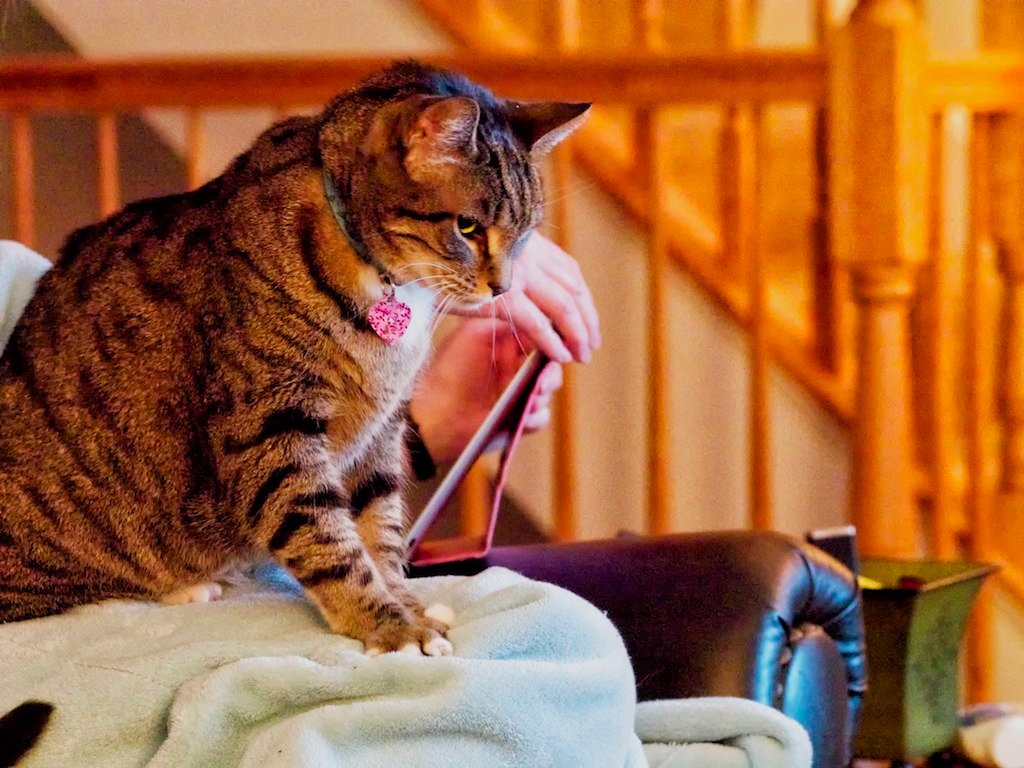
That rhythmic paw-pressing motion – often called “making biscuits” – is rooted in kittenhood, when nursing kittens knead their mother to stimulate milk flow. Most cats grow out of it, but many senior cats bring it back, often more intensely than they did as adults.
Veterinary behaviorists believe this regression happens because kneading is deeply tied to comfort and security, two things cats increasingly crave as they age. It’s a self-soothing behavior that also doubles as an affectionate one, especially when directed at a favorite blanket, pillow, or human lap. Some senior cats knead while purring loudly, eyes half-closed, completely relaxed. Others do it right before falling asleep, almost like a bedtime ritual. It’s one of the few behaviors that genuinely bridges kittenhood and old age, and it tends to stick around for life. Coming up in #5: a habit many owners mistake for aggression, when it’s actually the opposite.
#5 – Head-Butting and Cheek Rubbing (Bunting)
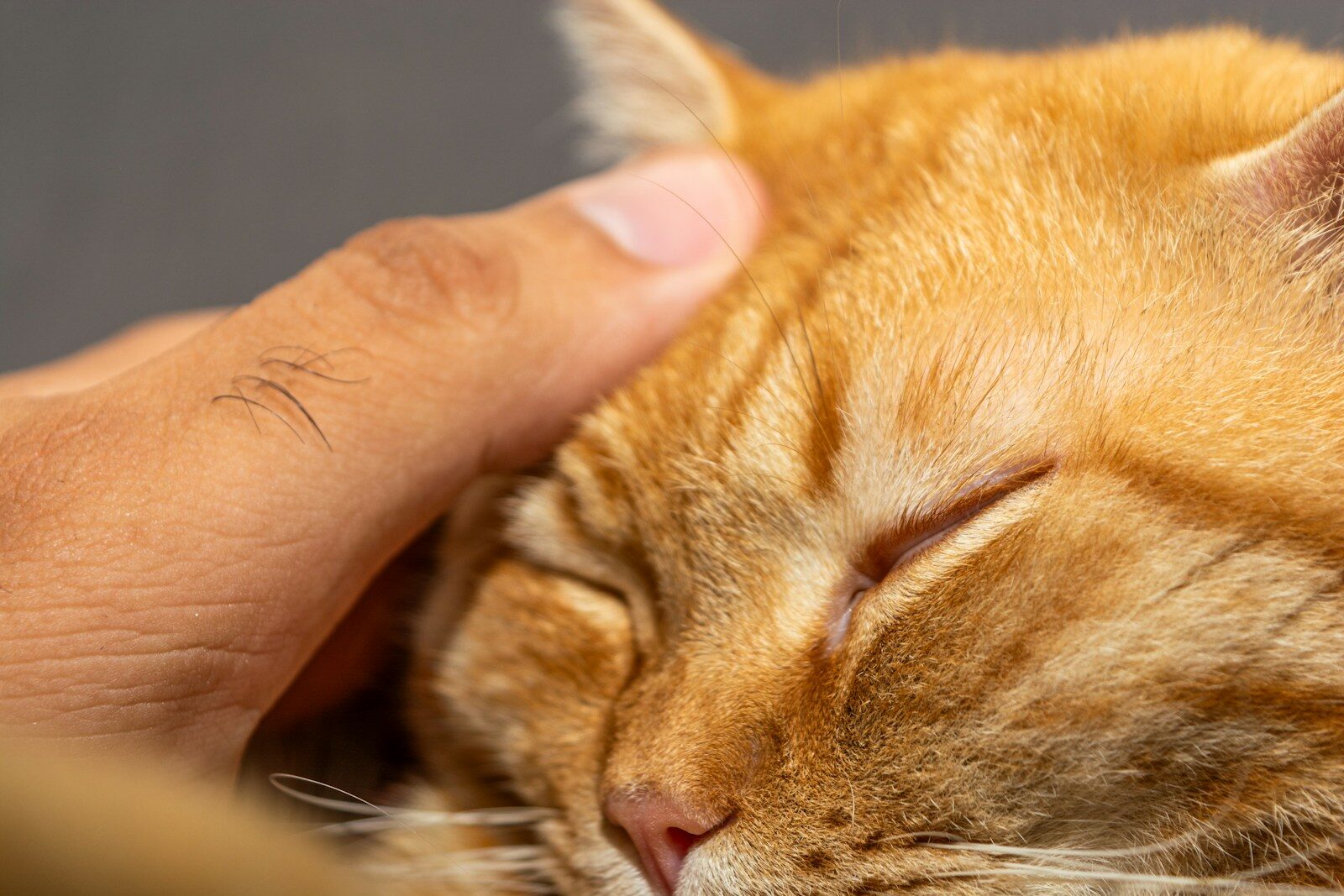
Cats have scent glands on their cheeks, chin, and forehead, and when they rub against you, they’re marking you as part of their trusted territory. Senior cats often ramp up this behavior, sometimes bunting so hard it looks like a tiny headbutt.
This is one of the clearest ownership signals in cat communication – your senior cat is essentially saying “you’re mine” in the most literal biological sense. Unlike younger cats who might reserve bunting for greetings, older cats frequently use it throughout the day: when you sit down, when you speak to them, even when you’re just walking past. Some experts argue this increase is tied to anxiety reduction – reinforcing familiar scent markers helps an aging cat feel more oriented in a home that might otherwise feel increasingly disorienting due to cognitive changes. It’s affectionate, but it’s also functional. Next up, the sound most owners say they’ll miss the most.
#6 – Soft Chirps, Trills, and Greeting Sounds
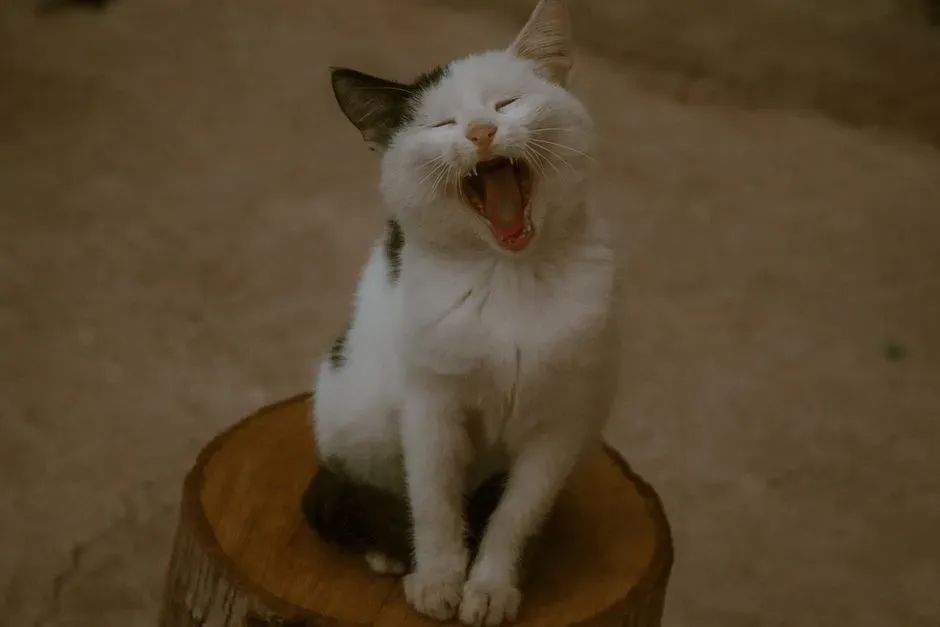
Not all cat vocalizations are created equal. The short, bird-like chirps and rolling trills many senior cats develop are distinct from meows – and they’re almost always directed at a specific, trusted person.
Behavior specialists note that trilling is a uniquely social sound, rarely used between cats and humans who haven’t built a strong bond. Senior cats often use it as a greeting – when you walk in the door, when you open a can, or when you simply make eye contact from across the room. Some owners describe it as their cat’s own version of a hello. Interestingly, many cats increase this vocal behavior in old age even if they were relatively quiet as adults, possibly as hearing changes alter how they perceive – and produce – sound. It’s a small noise, but it often becomes one of the most emotionally memorable parts of living with a senior cat. But #7 might be the most heartbreaking one on this list.
Worth Knowing
- Trills and chirrups are thought to echo the sounds mother cats use to call and reassure kittens.
- Adult cats rarely meow at each other – meowing is largely a sound reserved for communicating with humans.
- Cats can produce a wide range of distinct vocal patterns, from chirrups and trills to soft mews and purrs.
#7 – Waiting by the Door or Window
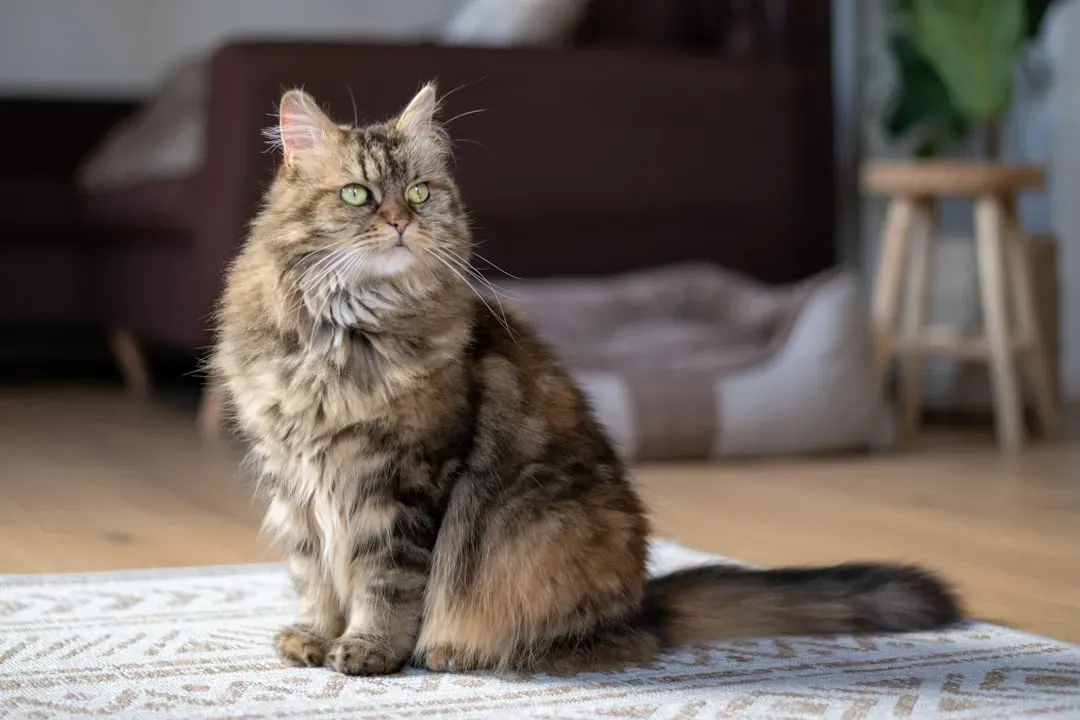
Many senior cats develop a near-ritualistic habit of waiting at the door when you leave and returning to that same spot the moment they sense you’re near again. Some sit by windows for hours, watching driveways or sidewalks.
This behavior is tied to strengthened routine-based attachment, something that becomes more pronounced as cats age and rely more heavily on predictability to feel secure. While some dismiss this as “just a cat being a cat,” longtime owners and behaviorists increasingly push back on that idea – arguing it reflects genuine anticipatory bonding, not random pattern behavior. It’s one of the more controversial takes in feline psychology circles: cats may experience something closer to attachment-based waiting than skeptics want to admit. Whether you call it instinct or emotion, the result is the same – a senior cat who visibly lights up the moment you’re home. Next: the grooming habit that flips the usual dynamic completely.
#8 – Grooming You Back
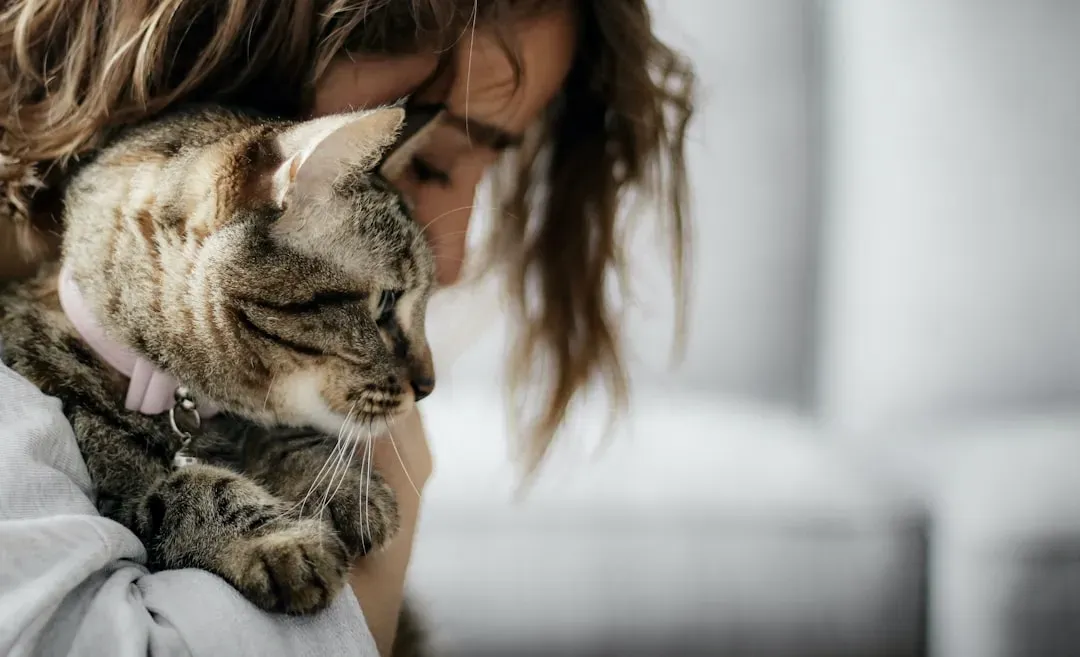
Grooming is one of the most intimate behaviors in a cat’s social toolkit, typically reserved for trusted companions – including humans. Senior cats often start grooming their owners more than they did in earlier years, licking hands, hair, or even faces.
This reciprocal grooming, sometimes called allogrooming, signals that your cat views you as part of its social “colony,” not just a caretaker. It’s a role reversal many owners find deeply touching, especially since younger cats often reserve this behavior almost exclusively for other cats. Some experts suggest senior cats increase this behavior because grooming also has a calming, endorphin-releasing effect – meaning your cat may be self-soothing while also expressing affection simultaneously. It’s a two-for-one behavior: comfort and bonding, wrapped into one small gesture. Up next, a sound that surprises almost every new cat owner.
#9 – Purring Even Through Pain or Stress
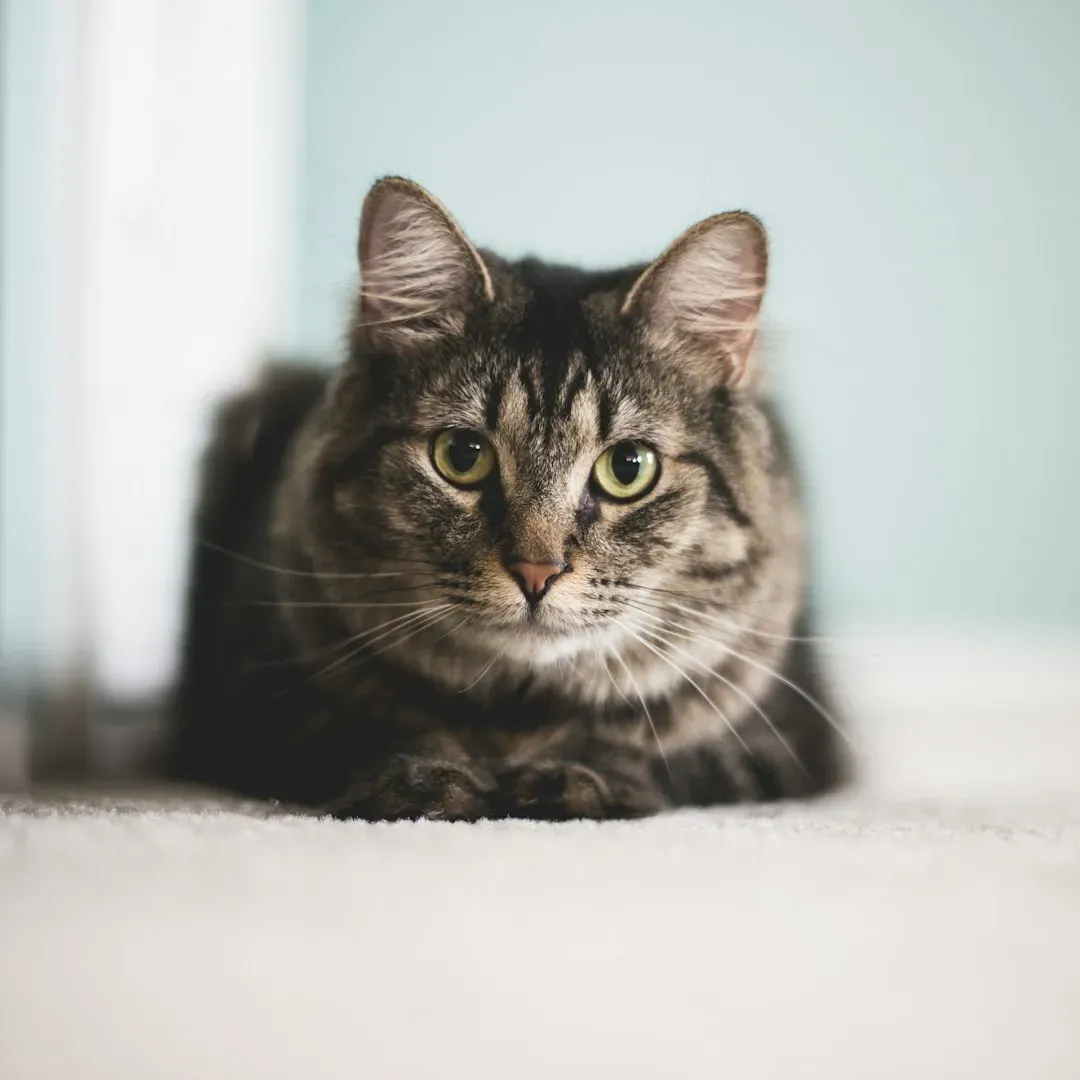
Purring isn’t just a happiness signal – and this is where popular belief often gets it wrong. Veterinarians have long noted that cats purr during stressful situations, vet visits, and even while in physical discomfort, not just when content.
Turns out, purring may actually be a self-soothing mechanism tied to low-frequency vibrations that promote healing and reduce stress hormones, which is why senior cats – who deal with more chronic discomfort from arthritis or organ changes – often purr more consistently than younger cats. This challenges the common assumption that a purring cat is automatically a happy cat. Some behaviorists argue this widespread misconception causes owners to overlook pain symptoms in aging cats simply because they’re still purring. It’s a tender habit, but also a quietly complicated one that deserves more attention than it usually gets. But #10 is the gesture almost every cat owner recognizes instantly.
Quick Compare
- Happy purring: slow, steady rhythm, usually paired with kneading or relaxed body language.
- Stress purring: tighter, faster rhythm, often paired with a hunched posture or tucked paws.
- Pain purring: constant, low-level purring even at rest, easy to miss until other symptoms appear.
#10 – Bringing You “Gifts”
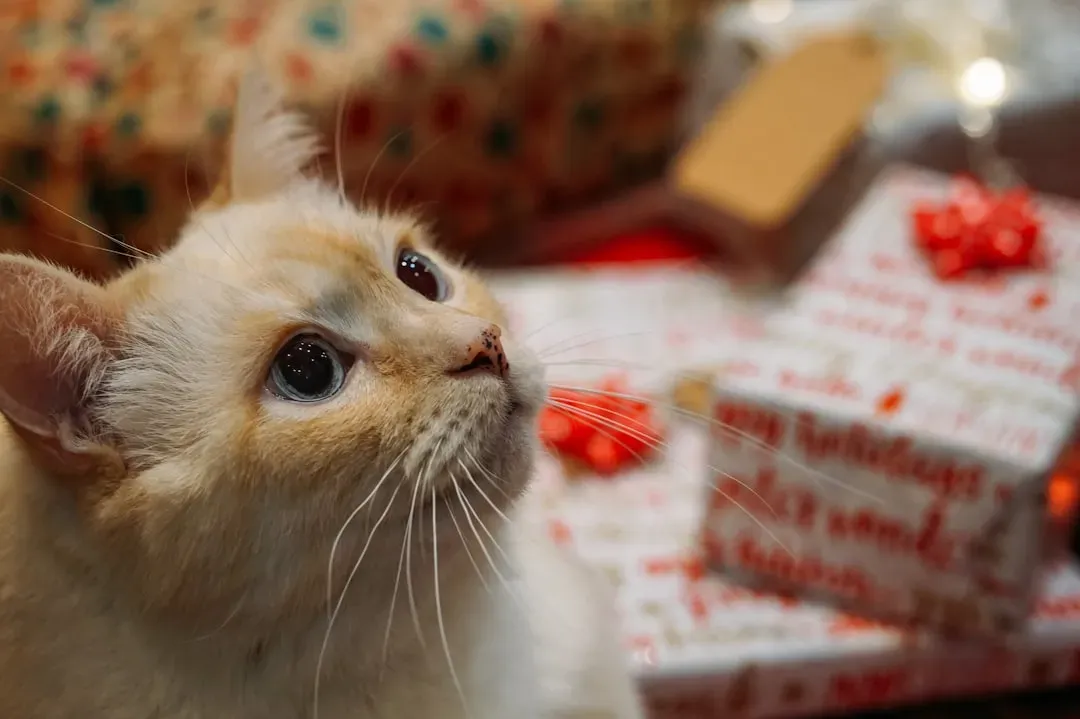
Whether it’s a toy mouse, a sock, or an actual hunted item, gift-bringing is a behavior rooted in predatory instinct and social bonding. Senior cats often continue this habit well into old age, even when their hunting drive and mobility decline.
This behavior is widely believed to stem from maternal instincts, where cats “teach” or provide for trusted members of their social group, and continuing it into old age reflects just how strongly cats view their humans as part of that inner circle. Some senior cats swap hunted items for toys or household objects as their physical abilities decrease, but the underlying motivation stays the same. It’s less about the object and more about the offering itself – a small, consistent act of inclusion. Coming up next: the lap-time habit that intensifies dramatically with age.
#11 – Spending More Time on Your Lap
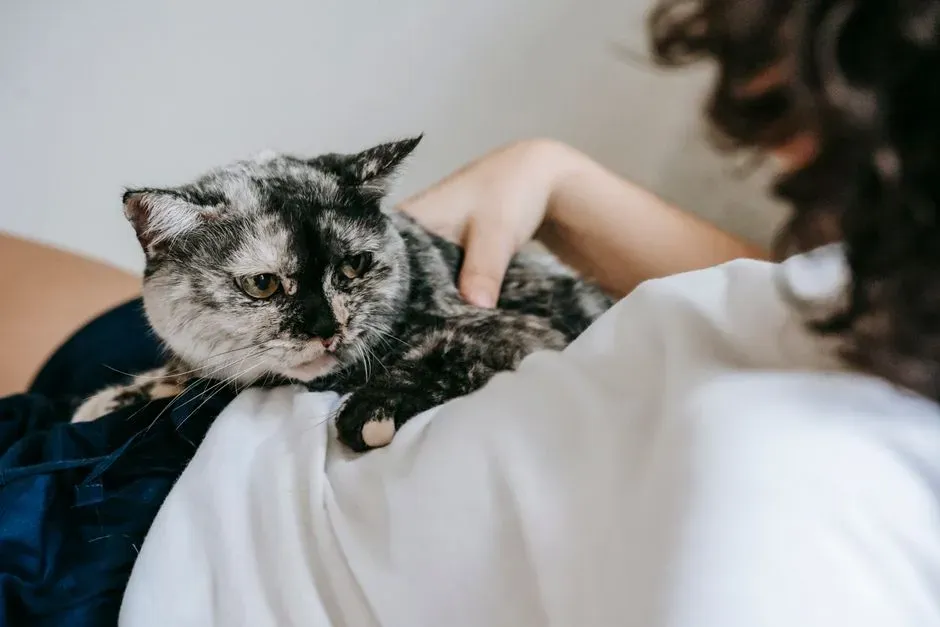
Younger cats often treat lap time as optional – nice, but not essential. Senior cats frequently flip that script, seeking out laps more often and staying far longer than they used to.
This shift is largely physical: lap time provides warmth, joint relief, and a sense of stability that becomes increasingly valuable as arthritis and reduced muscle mass make movement harder. But it’s also emotional. Many owners report their senior cats becoming noticeably more insistent about lap time, sometimes interrupting work, meals, or conversations just to climb up. Some experts argue this increased dependency is one of the clearest indicators of a cat’s aging needs, even more telling than physical symptoms alone. It’s a small daily ritual, but for many owners, it becomes one of the most cherished parts of caring for an aging cat. Next: the eye contact habit that feels almost human.
At a Glance
- Seeking your lap more often, even mid-task
- Choosing to sleep pressed against you rather than nearby
- Holding eye contact instead of looking away
- Following you room to room without being called
#12 – Holding Prolonged Eye Contact
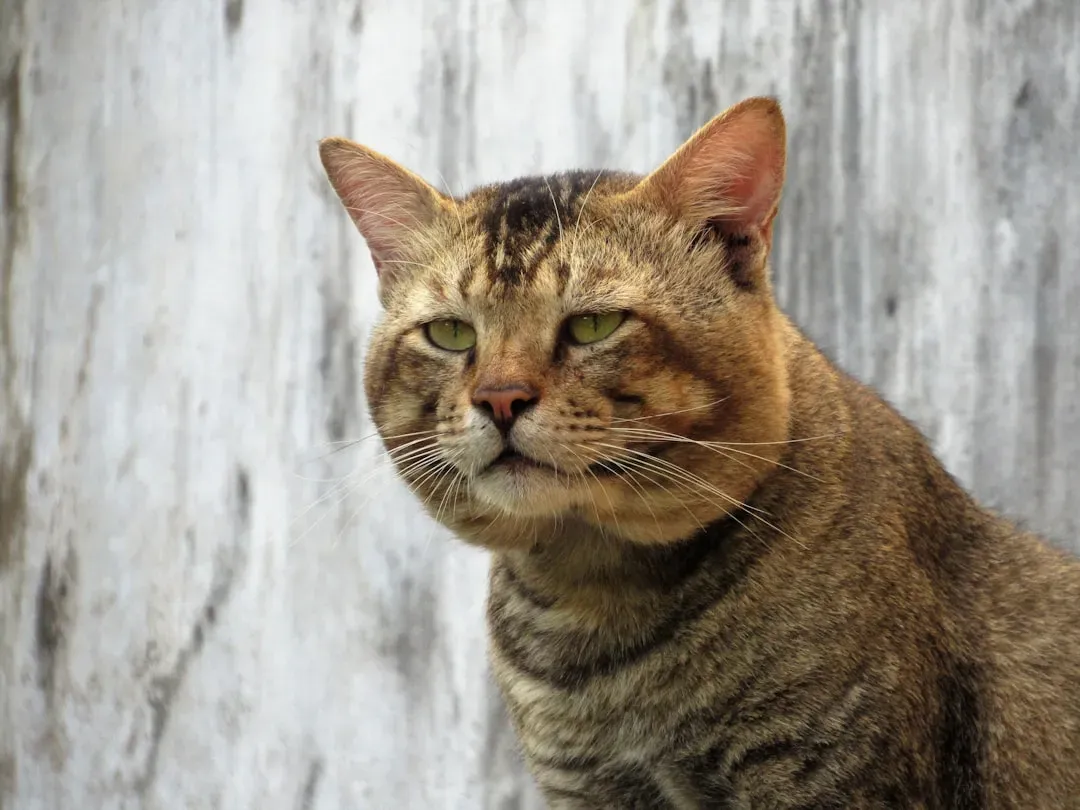
Cats are naturally cautious about direct eye contact, often associating prolonged staring with threat assessment. But many senior cats break this rule entirely, choosing to hold eye contact with trusted humans for extended periods.
This behavioral shift suggests a level of comfort and trust that simply didn’t exist earlier in life, according to feline behaviorists who study bonding patterns across a cat’s lifespan. Some senior cats will maintain eye contact during quiet moments – while you’re reading, working, or simply sitting nearby – almost as if checking in. Others use it alongside slow blinking, creating a layered, unmistakable expression of affection. It’s a subtle shift, but one that feels deeply personal to owners who notice it, often described as their cat “really seeing them” in a way that feels new. Finally, the last habit on this list – and arguably the most telling of them all.
#13 – Kneading Blankets Before Settling In
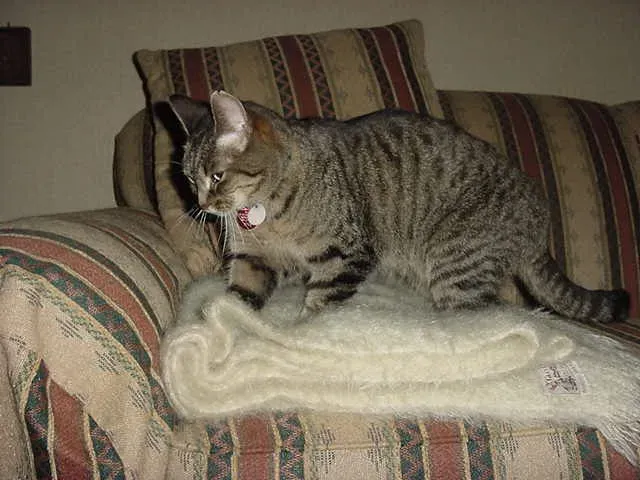
While kneading itself made an earlier appearance, the specific ritual of kneading a blanket, towel, or soft surface before lying down deserves its own spotlight. Senior cats often perform this multiple times a day, treating it almost like a bedtime routine.
This habit is believed to be one of the most deeply ingrained behaviors in a cat’s psychology, tracing directly back to nursing instincts from infancy, and its persistence into old age shows just how much comfort-seeking behavior intensifies with time. Many owners note this ritual becomes almost ceremonial in a cat’s final months – slow, deliberate, and repeated with the same blanket or spot every single time. It’s a small, quiet act, but for those who’ve lived through a cat’s full lifespan, it often becomes one of the most bittersweet things to witness.
The Bottom Line
Senior cats don’t lose their affection as they age – they refine it. The habits that stick around longest are almost always the most vulnerable ones: pressing closer, seeking eye contact, purring through discomfort, waiting by the door. These aren’t random behaviors; they’re a lifetime of trust distilled into small, repeated gestures.
A cat has absolute emotional honesty: human beings, for one reason or another, may hide their feelings, but a cat does not.
Ernest Hemingway
If your aging cat seems more “clingy” lately, don’t dismiss it as a personality change – it’s likely one of the most sincere forms of communication they have left. Honestly, that’s the part more owners need to sit with: these habits aren’t decline, they’re devotion. When a senior cat keeps choosing you, in whatever stiff, half-deaf, arthritic body it’s stuck in, that’s not something to shrug off – it’s something to notice, and something to earn, for however many days you’ve got left with them. Which of these habits does your cat still do? Tell us in the comments.
Kristina is a young writer from India. An arts graduate and an avid content creator, Kristina is passionate about animals and wildlife. She enjoys exploring topics related to pet care, animal behavior, conservation, and nature, combining thorough research with engaging storytelling.