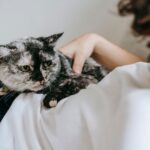
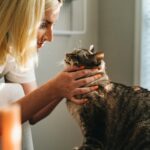
You probably think your senior cat sleeps through most of your absence and barely notices when the door opens. You’re wrong, and the truth is a little unsettling once you see it laid out. Older cats run a quiet, almost forensic surveillance operation on you every single day – tracking your scent, your schedule, your footsteps, even the exact minute you’re due home.
It looks like affection. Sometimes it’s closer to worry. Aging cats lean on these silent check-ins because their eyes, ears, and even their brains aren’t as sharp as they used to be, and you’ve become the one reliable constant in a world that’s gotten blurrier and quieter. Here are the fourteen ways your senior cat is quietly confirming, over and over, that you actually came back.
#1 – Camping By The Door Minutes Before You’re Due Home
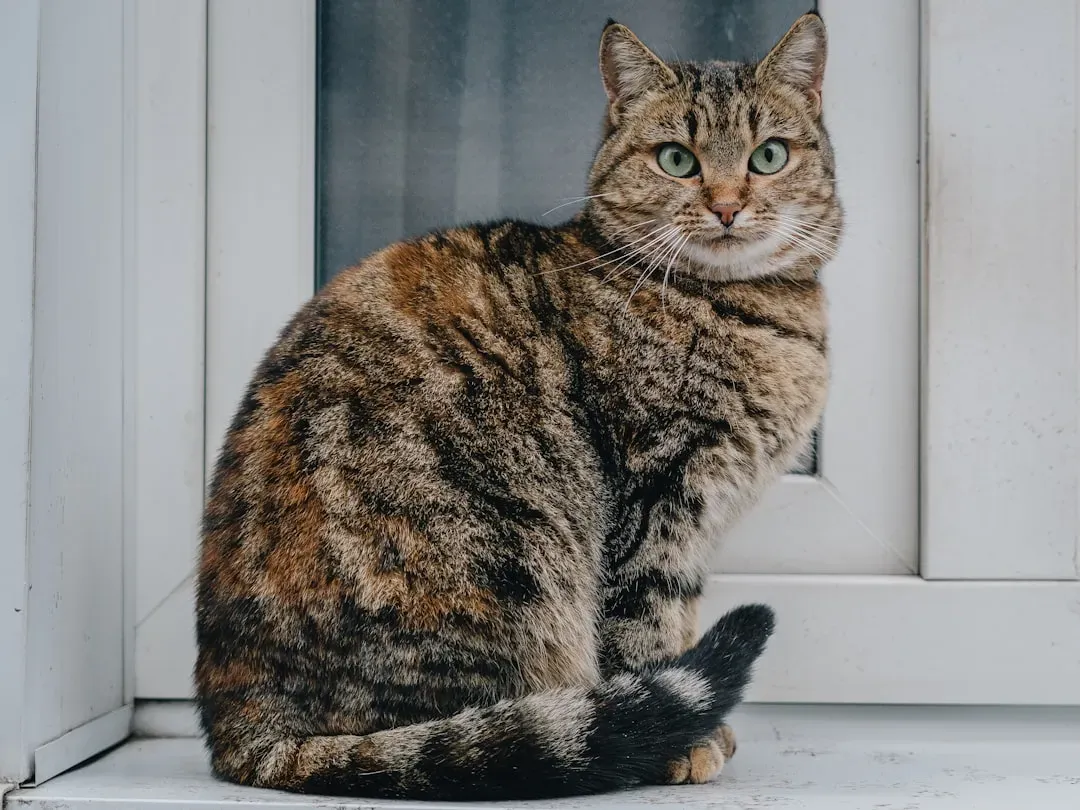
Senior cats don’t need a clock – they’ve built one out of habit. Older cats develop an almost eerie sense of timing based on light patterns, house sounds, and the rhythm of your day. Many owners swear their senior cat is parked at the front door within minutes of their usual arrival time, every single day, without fail.
This isn’t coincidence. It’s a learned association built over years of repetition, and aging cats often lean on routine even harder as their other senses start to fade. What looks like a cute welcome-home ritual is actually a coping mechanism – predictability is the one thing they can still count on.
#2 – The Nose-To-Nose Scent Check Upon Your Return
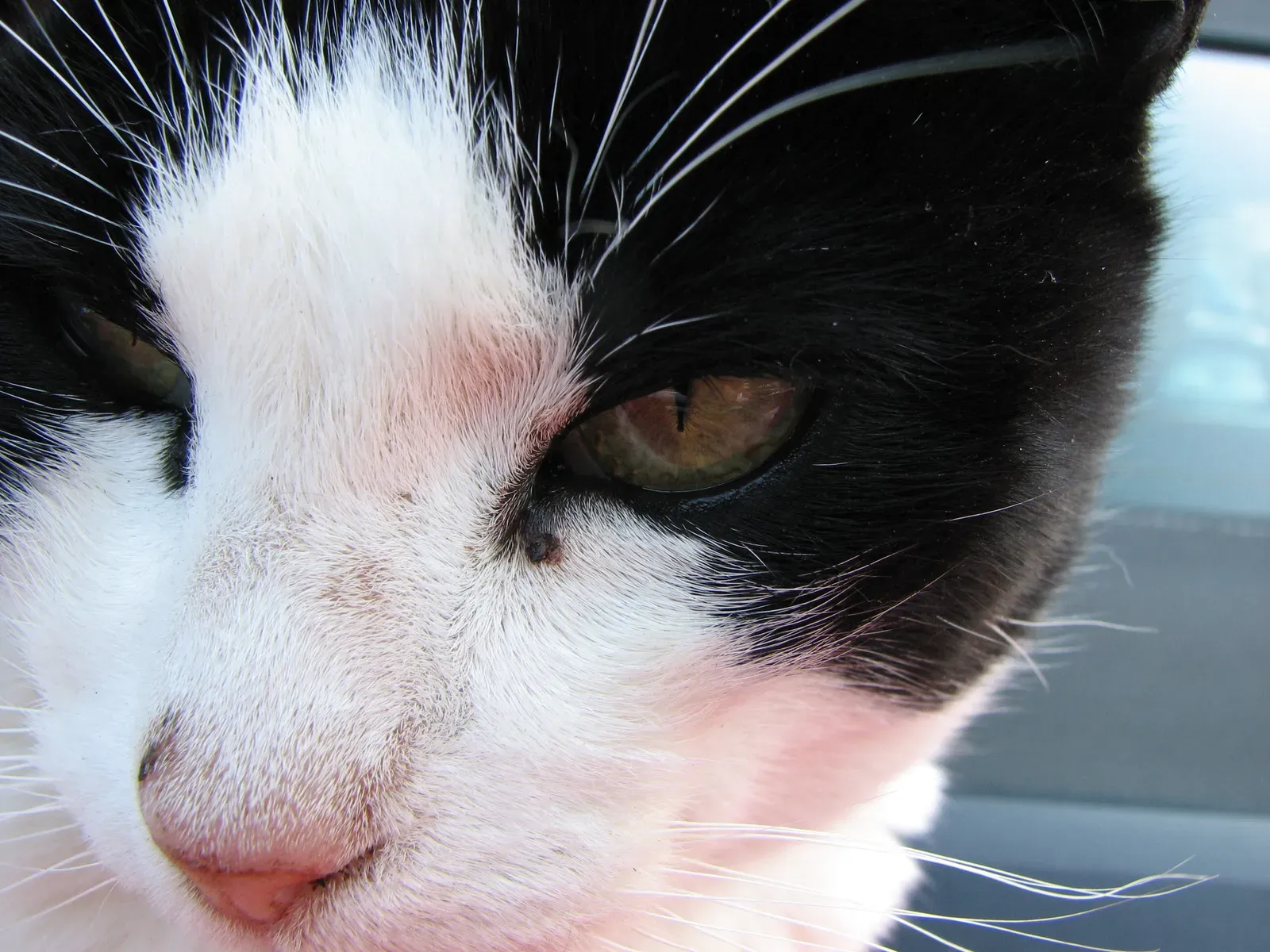
Your cat isn’t just happy to see you – they’re confirming it’s actually you. As vision becomes less reliable with age, scent takes over as the primary identity check. A senior cat’s nose-to-nose greeting is essentially a biometric scan, verifying you against their internal scent memory before they let their guard down.
This is why some senior cats hesitate for a few seconds after you walk in wearing a new coat or unfamiliar cologne. They’re not being cold or rude. They’re running a quick identity audit, and until the scent lines up, you’re technically still a stranger standing in their house.
Fast Facts
- Cats carry scent glands on their cheeks, chin, and paw pads, all used to mark and recognize familiar things.
- A cat’s nose holds roughly 200 million scent receptors, compared to about 5 million in humans.
- As fine-detail vision naturally declines with age, scent becomes an even more trusted identity check.
#3 – The Silent “Meow” Mouthing At You
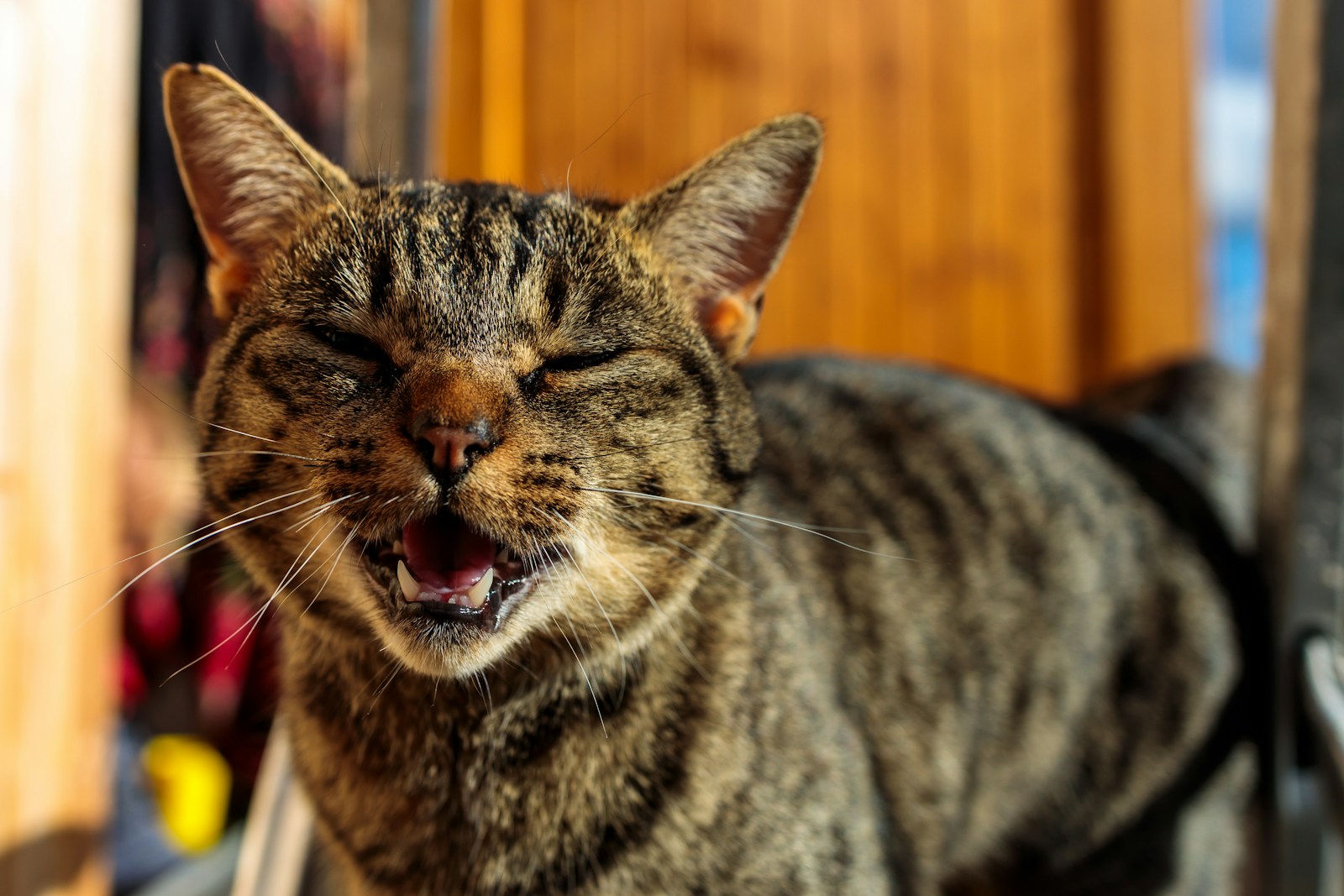
That adorable open-mouth, no-sound meow isn’t always just cute – it’s often physical decline in disguise. As cats age, their vocal cords weaken and the muscles controlling airflow lose strength. The result is a “silent meow,” where the mouth opens in a full greeting posture but little or no sound comes out.
Most owners mistake this for a quirky personality trait. In reality, it’s an aging vocal apparatus struggling to keep up with the cat’s intent, and some behaviorists believe owners who never mention it to a vet are missing an early marker worth tracking. Harmless alone, but worth watching alongside everything else on this list.
#4 – Sniffing Your Shoes And Bags For Foreign Scents
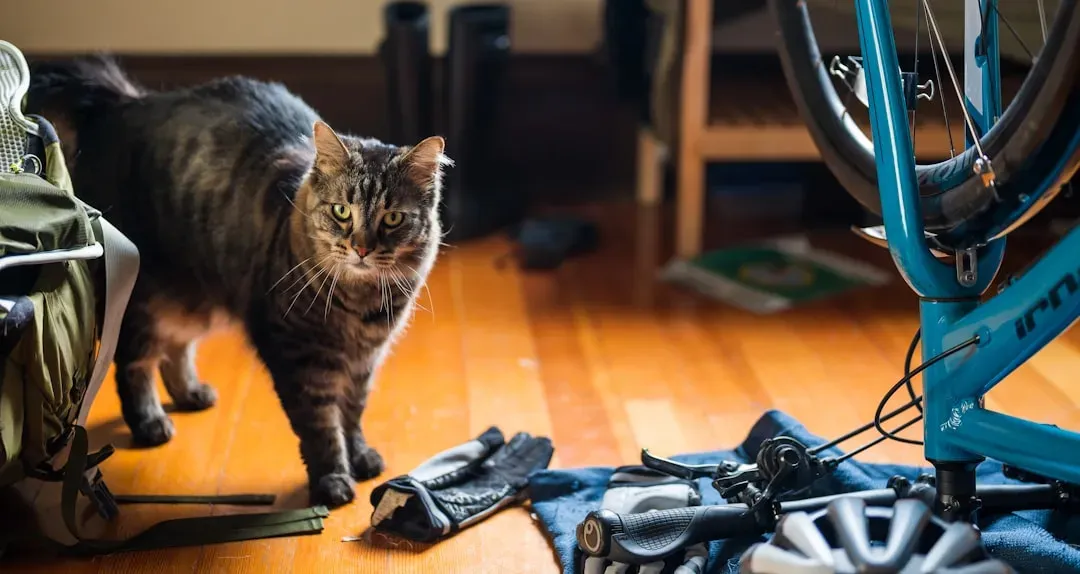
Your senior cat is basically running a background check on your day. The moment you set your bag or shoes down, an older cat will often go straight in for a slow, deliberate sniff, cataloguing where you’ve been and whether anything about you has changed since you left.
This behavior increases with age because cats rely more heavily on scent-based information gathering as their other senses fade. It isn’t paranoia, it’s reassurance-seeking – a mental “scent map” they check obsessively, almost as if confirming your absence didn’t bring anything dangerous back into their world.
#5 – The Shadow Follow: Trailing You Through Every Room
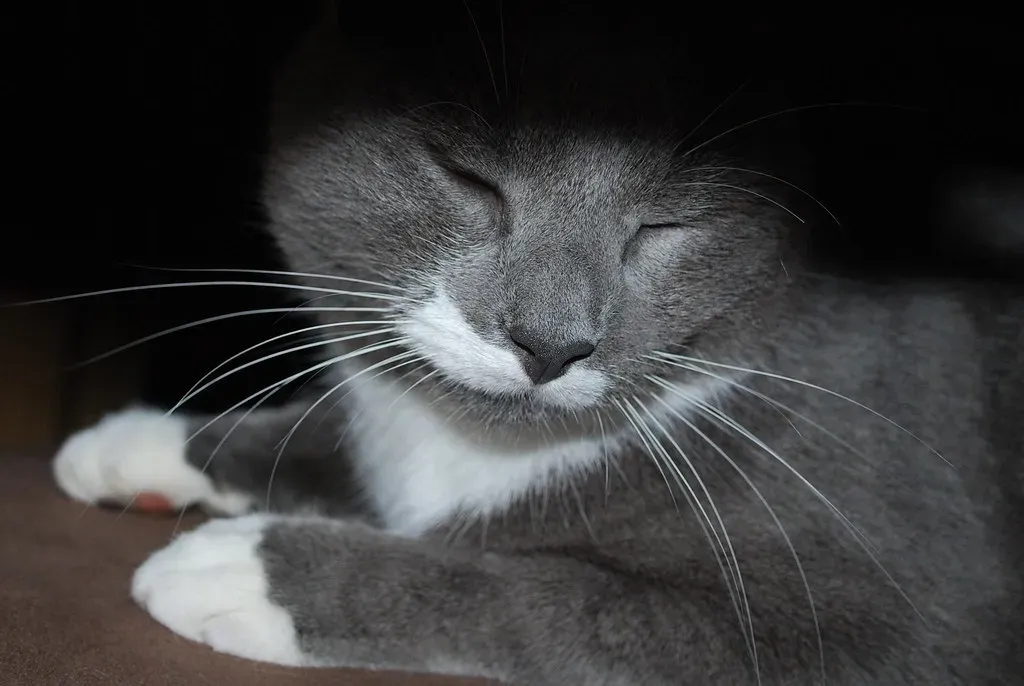
If your senior cat suddenly wants to be in every single room you enter, that’s not clinginess – it’s a check-in ritual. Senior cats frequently develop “shadowing” behavior, trailing their owner from room to room for the first ten to twenty minutes after arrival home.
This is widely tied to mild separation anxiety, which becomes more common in older cats, especially those living solo or in quiet households. Some experts argue this habit gets unfairly dismissed as “just old-cat behavior” when it’s actually one of the clearest emotional signals a cat can send – they want proof you’re staying, not just passing through.
#6 – Guarding Your Unwashed Laundry While You’re Gone
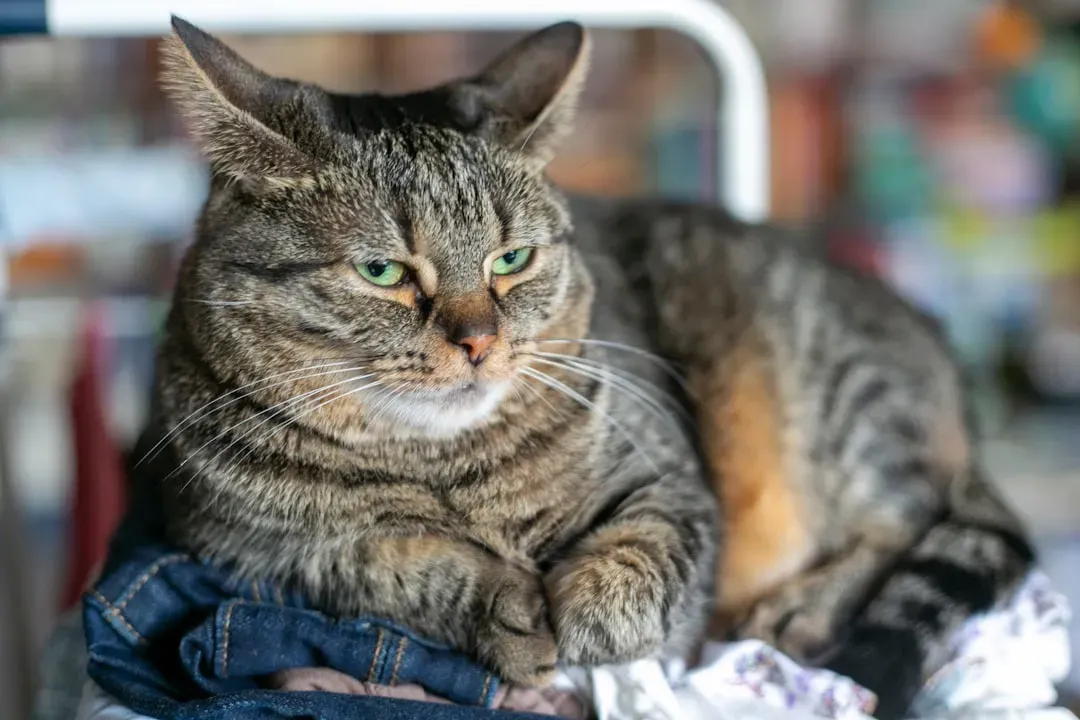
Senior cats often adopt your scent like a security blanket the moment you leave the house. Owners frequently find their older cat curled up on a worn t-shirt, a used towel, or an unmade bed while they’re away, using your residual smell to self-soothe.
This scent-guarding behavior spikes noticeably in senior cats and often gets stronger, not weaker, with age. A cat that never bothered with your laundry pile in its younger years may suddenly claim your side of the bed as its own once the house feels a little too quiet without you in it.
#7 – Sudden Yowling Episodes Tied To Your Absence
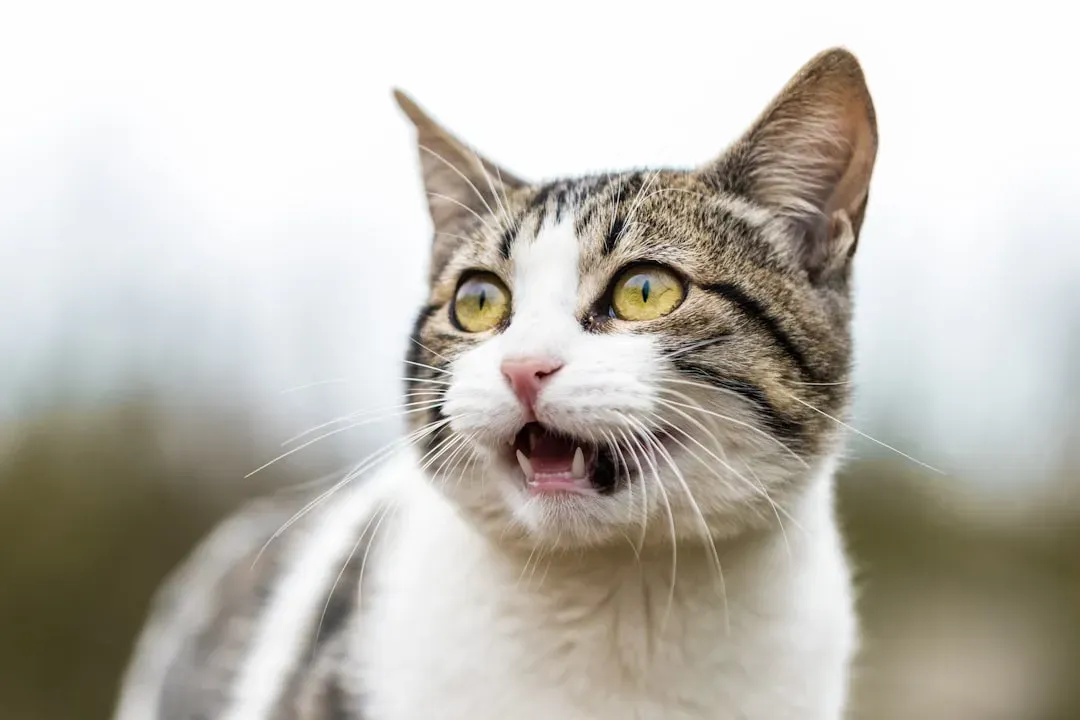
That loud, mournful yowl your senior cat lets out isn’t random – it’s often a distress signal linked directly to you being gone. Excessive vocalization is one of the most documented signs of feline cognitive dysfunction syndrome, a condition affecting a significant portion of cats over age eleven.
Vets increasingly flag sudden yowling tied to an owner’s absence as an early cognitive or sensory red flag, not just an “old cat being dramatic” issue. Plenty of owners still laugh off the howling stereotype, but many veterinary behaviorists push back hard on that framing – this one deserves an actual vet visit, not a shrug.
Cats are masters at hiding pain and confusion, which is exactly why sudden changes in vocalizing or routine deserve real attention, not a joke.
Jackson Galaxy, cat behaviorist
#8 – Sentry Duty At A Specific Window
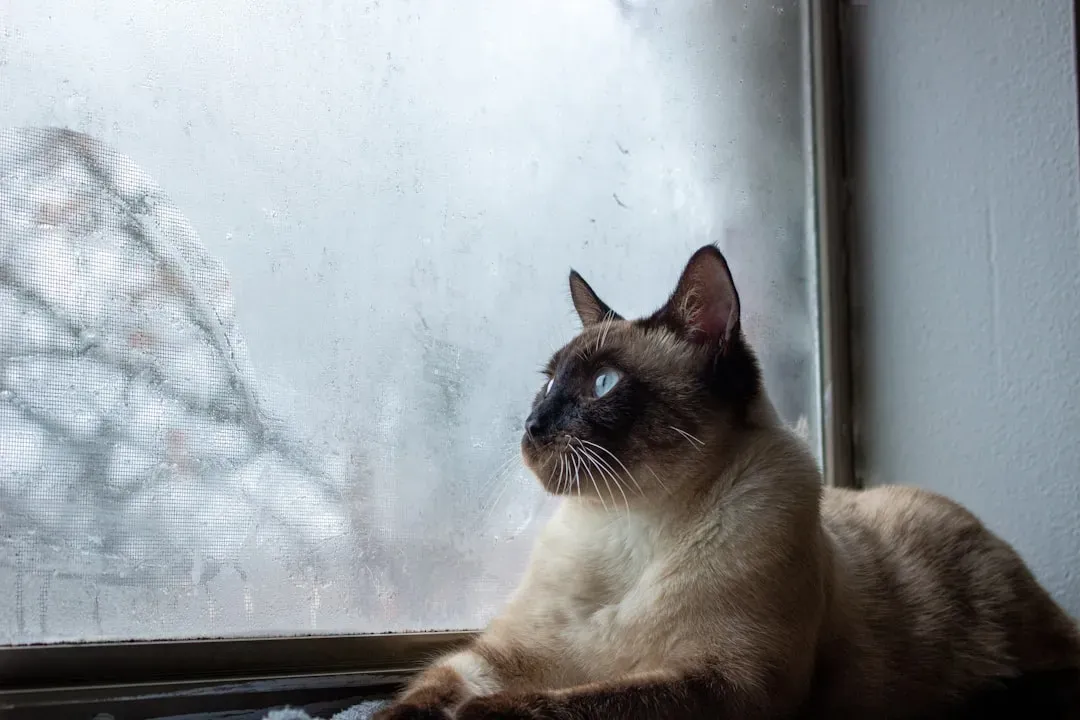
Not just any window – a very specific one, usually facing the driveway or street. Senior cats often develop a fixed “watch post” that offers the earliest possible visual or auditory cue of your car, footsteps, or the mail truck signaling activity.
This sentry behavior tends to intensify with age, likely because a predictable visual routine helps compensate for declining hearing or eyesight. Owners often notice their cat abandons favorite sunny spots elsewhere in the house for this one strategic post in the hour before you’re due home. It’s less “cat watching birds” and more “cat monitoring the perimeter.”
Worth Knowing
- Cats can hear frequencies up to roughly 64,000 Hz, well beyond the human range of about 20,000 Hz.
- Age-related hearing and vision decline often pushes senior cats toward more visual, routine-based monitoring.
- A consistent watch post near a window or door lets an aging cat lean on familiar sightlines instead of sound alone.
#9 – The Excessive Grooming Session The Moment You’re Home
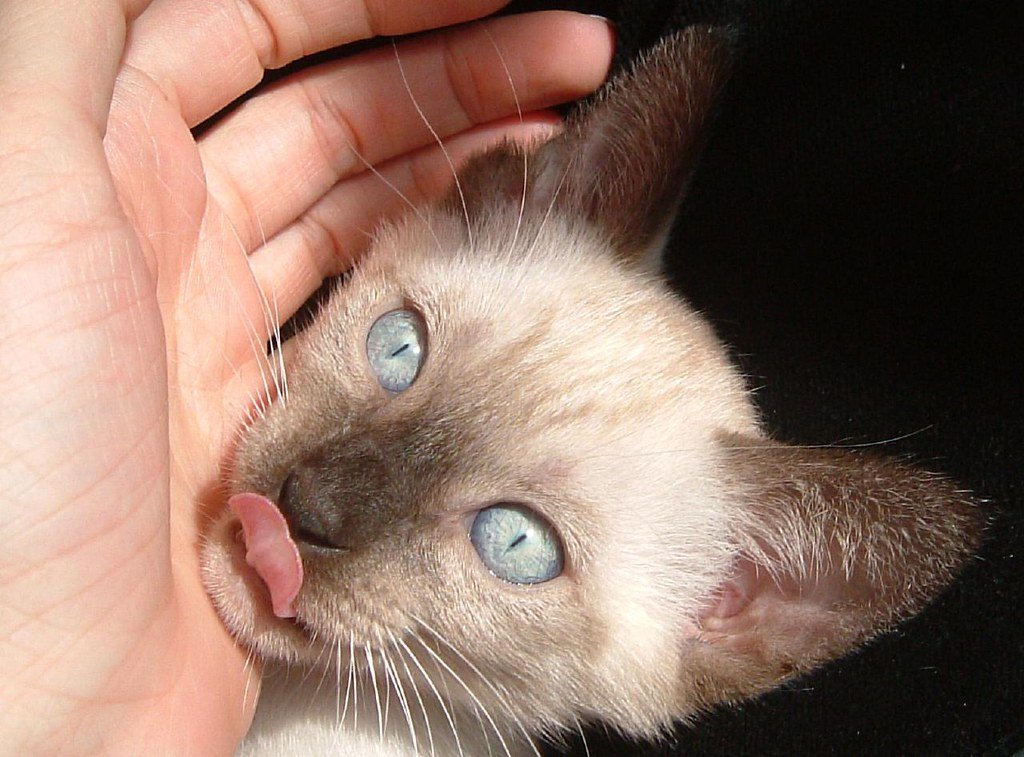
If your senior cat suddenly turns into a full-service groomer the second you sit down, pay attention. Allogrooming – grooming directed at another individual – is a bonding behavior rooted in social reassurance, and senior cats often ramp up the intensity specifically after periods of separation.
This can look like intense licking of your hands, arms, or hair, sometimes to the point of mild irritation on your skin. Many behaviorists interpret it as a stress-relief mechanism unique to reunion moments – the grooming session physically closes the loop on the anxiety of not knowing where you were.
#10 – Kneading You Like A Kitten The Moment You Sit Down
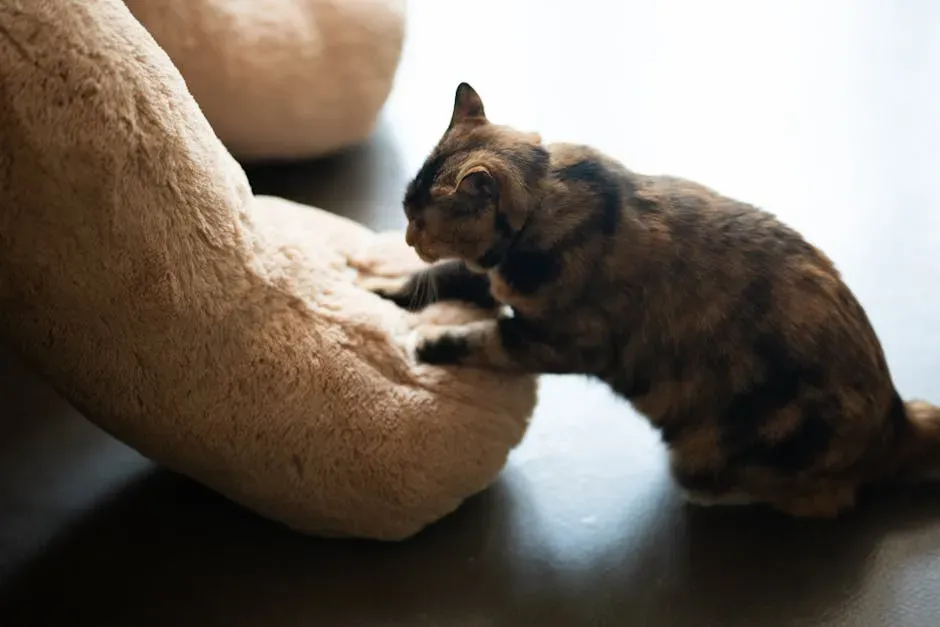
That rhythmic paw-pressing behavior you thought your cat outgrew? It often comes roaring back in the senior years, specifically around reunions. Kneading is rooted in kitten-nursing instincts, and it resurfaces as a comfort-seeking behavior during moments of high emotional need.
Many senior cats knead almost exclusively in the window right after their owner returns home, treating it as a self-soothing ritual tied directly to reunion relief. It’s one of the clearest physical tells that your absence registered as a genuine stressor, not background noise.
#11 – The Methodical Room-By-Room Patrol
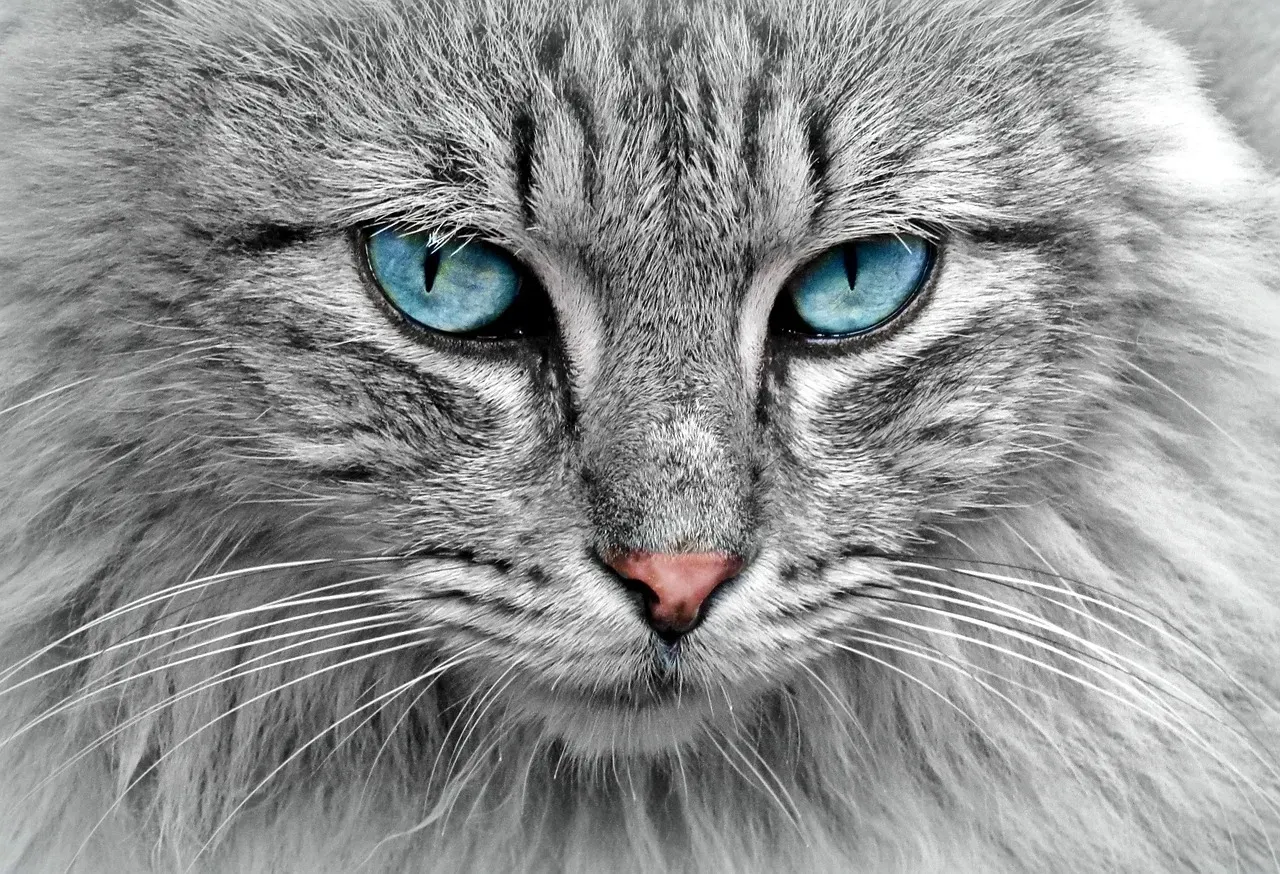
Before your senior cat settles anywhere, it often runs a full sweep of the house – every room, in the same order, every time. This patrol is widely interpreted as a territorial and safety check, confirming nothing changed while you were both away.
Senior cats frequently perform this patrol with more rigidity than younger cats, sticking to an almost identical route, and skipping a room can sometimes trigger visible agitation. Many owners assume it’s just wandering, but behaviorists increasingly frame it as a genuine security check – the feline equivalent of walking through your house after a long trip to make sure everything’s still where it should be.
At a Glance
- Territorial patrolling is rooted in a cat’s instinct to confirm its environment is safe and unchanged.
- Senior cats often follow a nearly identical route each time, room by room, in the same order.
- Skipping a step in the routine, like a closed door, can visibly unsettle an older cat.
#12 – Sleeping In The Laundry Basket Or Your Dirty Clothes
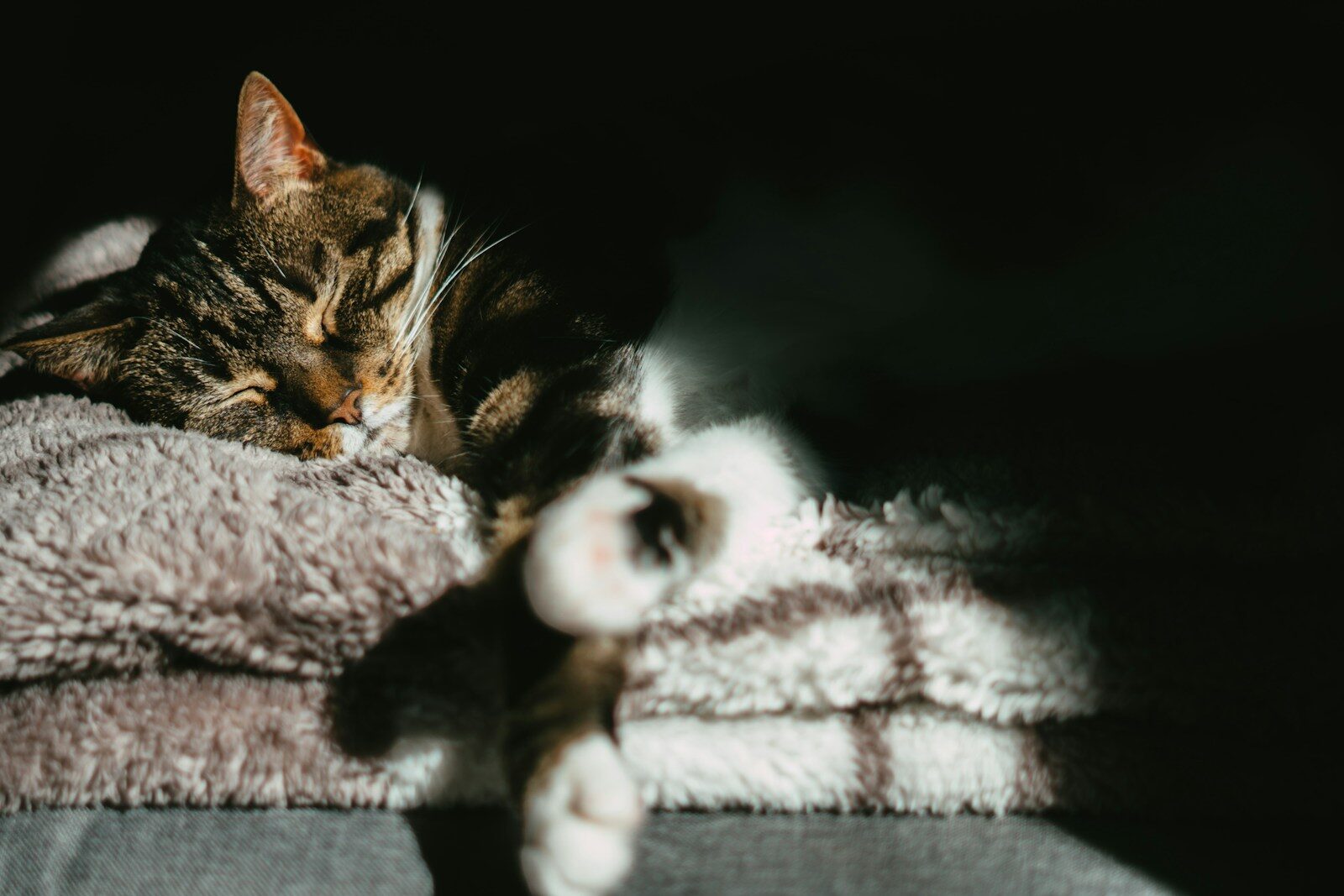
This one overlaps with scent-guarding, but it deserves its own spotlight for how specific senior cats get about it. Rather than any laundry, older cats often fixate on one particular item – a specific hoodie, a pillowcase, a pair of socks – and defend that item as their designated napping spot.
This hyper-specific scent attachment tends to appear or intensify almost exclusively in senior cats, rarely showing up this strongly in kittens or younger adults. Vets sometimes flag it as a mild anxiety coping mechanism, especially paired with other signs on this list – a single favorite item standing in for your entire presence when you’re not there.
#13 – A Raspier, More Insistent Greeting Call
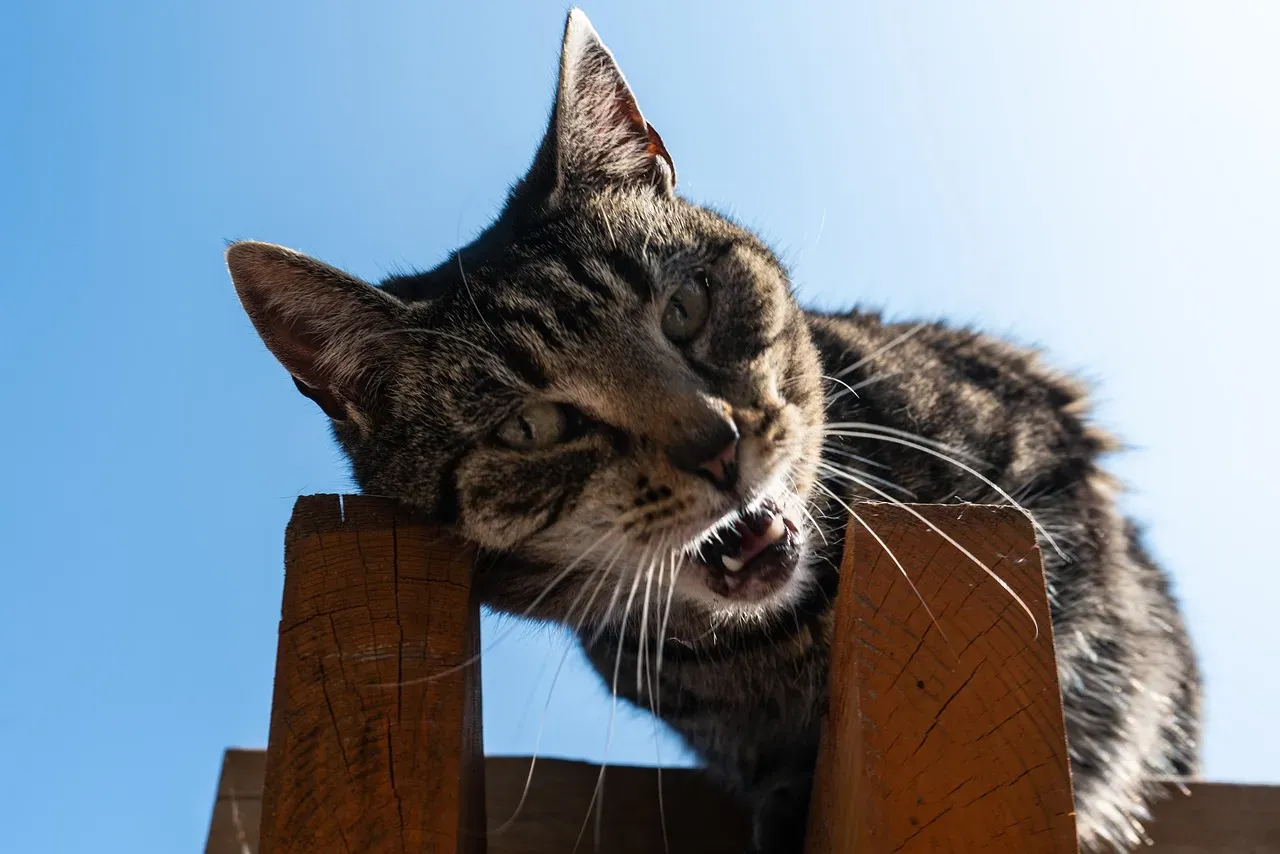
Listen closely: the sound your senior cat makes when you walk in probably isn’t the same sound it made five years ago. Age-related changes to the larynx and vocal cords often produce a rougher, lower, or more urgent-sounding greeting call in older cats.
This shift in vocal tone specifically upon your arrival is frequently more pronounced than changes in a cat’s everyday vocalizations, suggesting the greeting carries extra emotional weight. Owners who’ve lived with the same cat for over a decade describe it vividly – the same excited energy, delivered in a voice that sounds noticeably different, almost like the vocal equivalent of a slower, more deliberate walk.
Quick Compare
- Younger cats: brighter, higher-pitched greeting meows tied mostly to routine excitement.
- Senior cats: rougher, lower, more insistent calls shaped by age-related changes to the larynx.
- Either way, a noticeable shift in one specific “arrival sound” over the years usually points to the vocal cords, not mood.
#14 – Refusing To Leave Your Lap For Hours After You’re Home
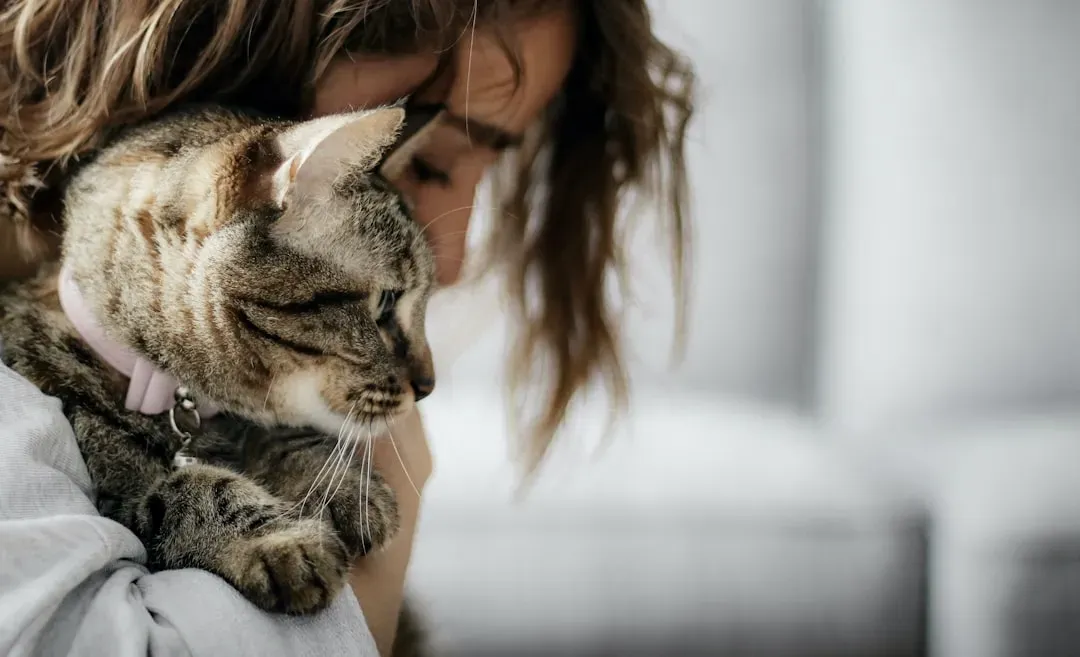
This is the big one – the behavior that ties every previous check together into a single, undeniable statement. Once a senior cat has scent-checked you, patrolled the house, and confirmed everything is in order, many settle into extended, almost stubborn lap-time that can last far longer than their younger-cat habits ever did.
Behaviorists consistently point to this prolonged post-reunion lap session as the clearest sign that a senior cat experienced real anxiety during your absence, not mild boredom. It’s the physical equivalent of a sigh of relief, and it often surprises owners who knew their cat as fiercely independent for years. Independence softens with age, and for many senior cats, physical closeness becomes the final, most important confirmation that you’re really, truly home.
The Bottom Line
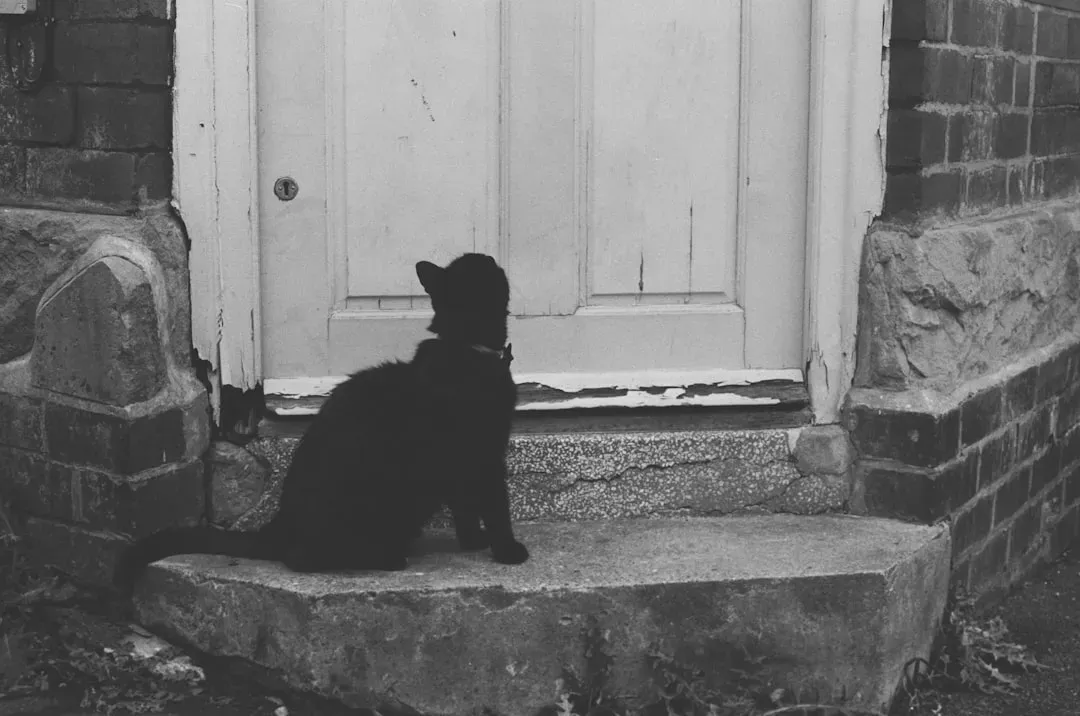
Senior cats aren’t being needy. They’re running a full-sensory audit on your absence every single time you leave, using scent, sound, sight, and touch to confirm you actually came back. The most uncomfortable truth here is how many of these behaviors trace back to declining vision, hearing, and even cognitive function – not just personality quirks owners love to joke about online.
Dismissing yowling, shadowing, or excessive grooming as “just an old cat thing” means missing real signals worth mentioning to a vet. If your senior cat runs even half of these checks on you, it’s not clingy, and it’s not dramatic – it’s telling you, in the only language it has left, that you matter more than you realize. Which of these fourteen does your cat do? Drop it in the comments.
Kristina is a young writer from India. An arts graduate and an avid content creator, Kristina is passionate about animals and wildlife. She enjoys exploring topics related to pet care, animal behavior, conservation, and nature, combining thorough research with engaging storytelling.