Most cat owners assume a slower, sleepier senior cat is just “getting old” and leave it at that. But vets and behaviorists say that assumption might be costing cats real, treatable relief – because cats are evolutionary masters at hiding pain, and the tiny changes owners write off as quirks are often the only warning they’ll ever give.
A skipped greeting. A longer nap. A half-second hesitation before a jump that used to be effortless. None of these look like emergencies – which is exactly why they get missed. Here are the 13 quiet signals vets say deserve a second look, starting with the one almost every owner mistakes for simple laziness.
#1 – They Sleep Noticeably Longer, and Wake Up Slower
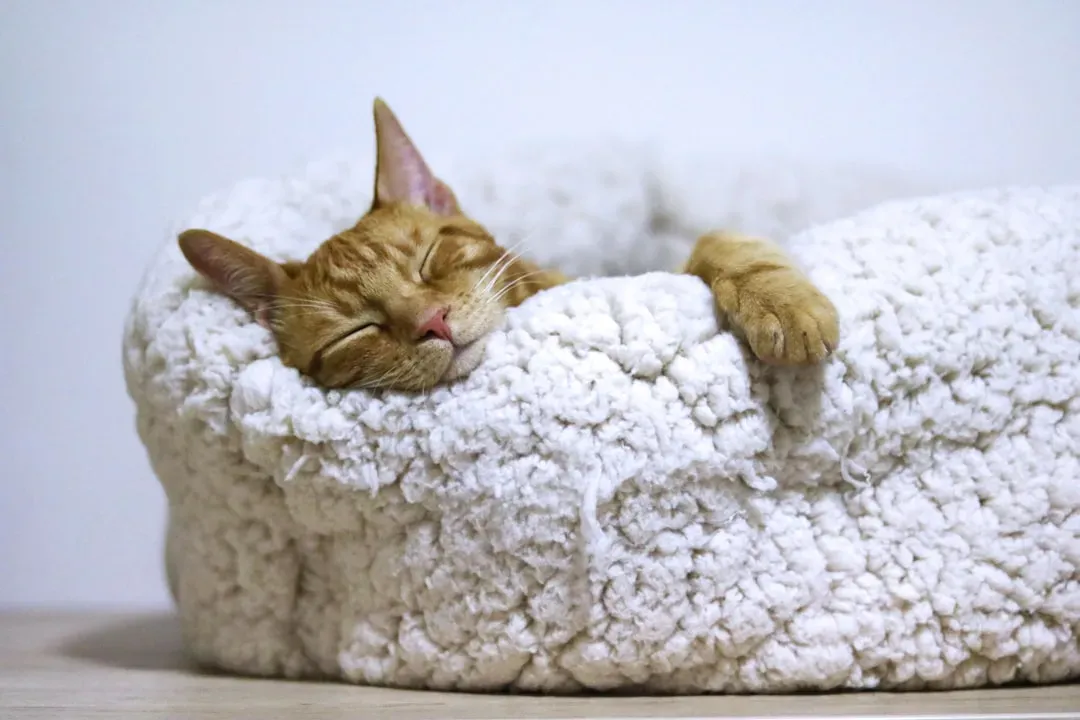
An older cat dozing through half the afternoon isn’t lazy – it’s biology quietly rewriting the rules.
Cats already sleep for a huge chunk of the day even in their prime years, but seniors take it further. Adult cats already spend about 16 hours sleeping every day, and when they reach their senior years, they may rest even more. As those hours stretch out, they can become harder to wake – especially if their hearing and vision aren’t as sharp as they used to be. That grogginess isn’t attitude. It’s often sensory decline working quietly in the background.
The real red flag isn’t the extra sleep itself – it’s what happens around it. A noticeable bump in nap time, especially when a cat skips the usual play or greeting rituals, can be one of the earliest signs of pain or systemic illness. Older cats often cope by quietly shutting down and resting more rather than obviously limping or crying. That’s exactly why so many owners miss it entirely. But that’s nothing compared to what we found about #2.
#2 – They Hesitate Before Jumps They Used to Nail Blindfolded
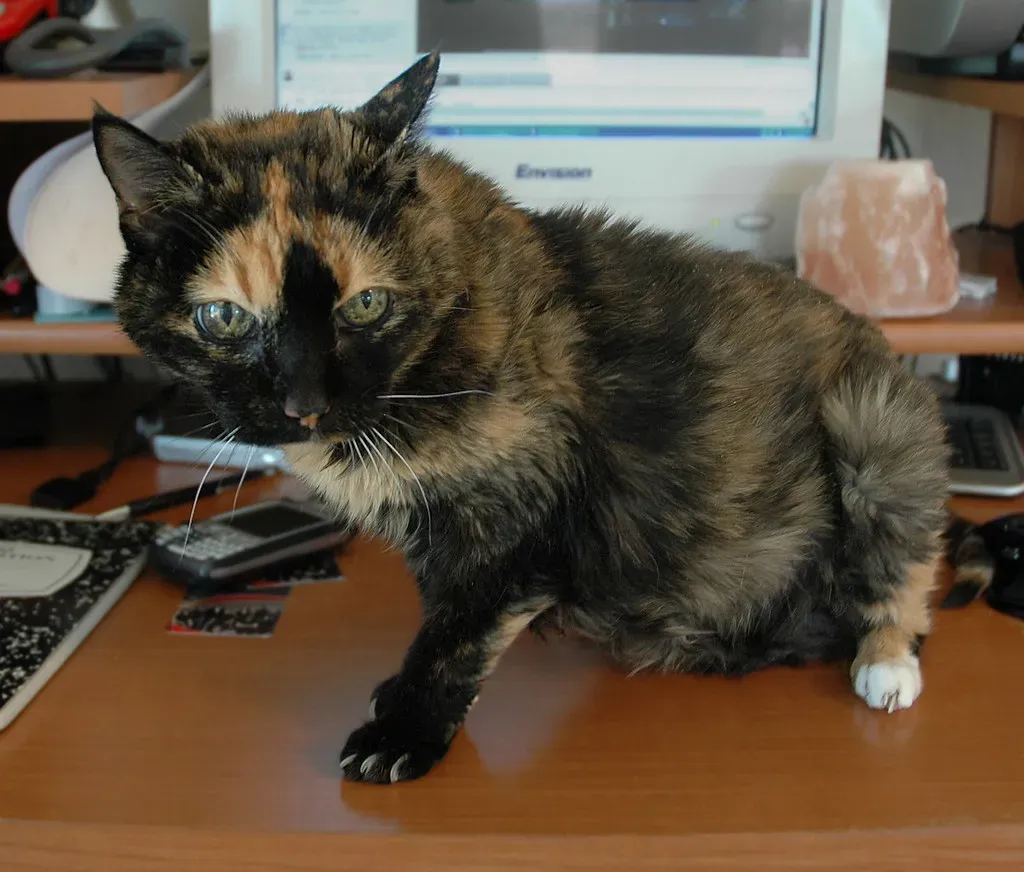
That half-second pause before hopping onto the couch isn’t clumsiness. It’s a warning light.
Joint pain builds so gradually in cats that most owners never clock the moment it started. If a cat seems stiff and sore getting up, or is suddenly struggling with jumps or stairs, it’s worth a vet visit – because underlying health conditions may be at play. The scary part is how common this actually is: arthritis is wildly underdiagnosed in cats because they rarely limp the obvious way dogs do.
Instead of avoiding jumps altogether, many seniors quietly rewrite how they move. Instead of leaping wildly, they might bat from a sitting position, roll onto their side to bunny-kick, or land one solid pounce and call it a day – and that’s not laziness, it’s energy budgeting. Nearly nine in ten cats over 12 show hidden signs of joint disease on X-rays, and most owners never notice until the limp is already severe.
Quick Compare
- Normal slowing down: occasional hesitation, still eager to play after warming up
- Possible arthritis: stiffness after naps, avoiding stairs, skipping jumps entirely
- Call the vet if: hesitation shows up alongside less grooming or touchiness when picked up
But #3 is where things get genuinely unsettling.
#3 – They Groom Themselves Less, and It Shows in Their Coat
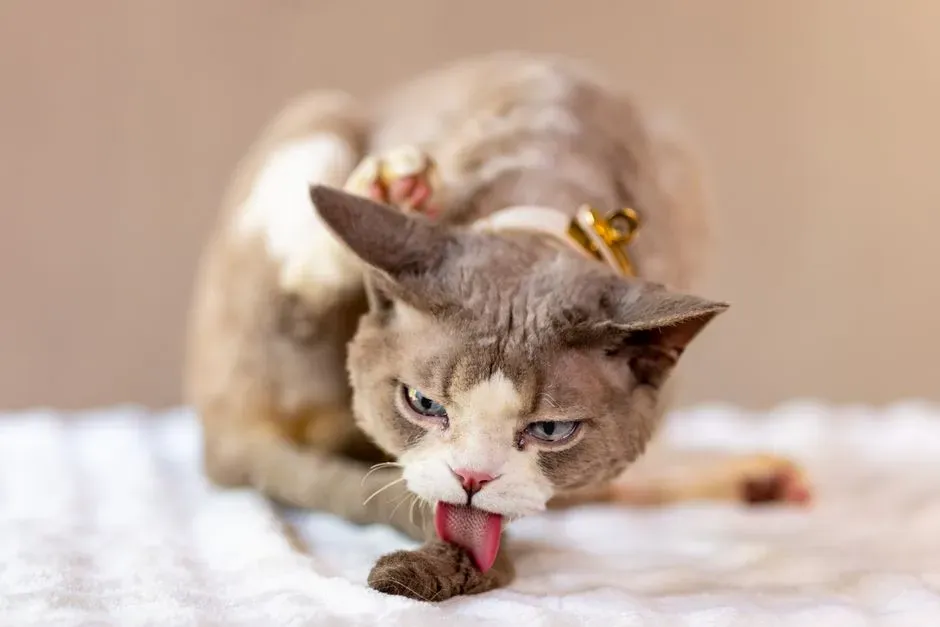
A dull, slightly greasy coat on an older cat isn’t cosmetic. It’s often the first physical clue that something hurts.
Grooming requires flexibility – twisting, stretching, reaching awkward angles most seniors simply can’t manage comfortably anymore. Senior cats naturally groom less, but a significant drop-off or a total stop may point to arthritis or dental disease. A cat who once kept a flawless coat suddenly looking patchy or matted is telling you, in the only language available, that reaching certain spots now hurts.
Vets increasingly treat this as a diagnostic clue rather than a grooming preference. Combine it with quiet weight changes and the picture gets clearer fast – more napping and less greeting often pair with dull, matted fur and unexplained weight loss. Owners who dismiss a rougher coat as “just age” are frequently missing dental pain hiding right underneath it. But wait until you see what #4 reveals about hiding.
#4 – They Retreat to Quiet, Dark Corners More Often
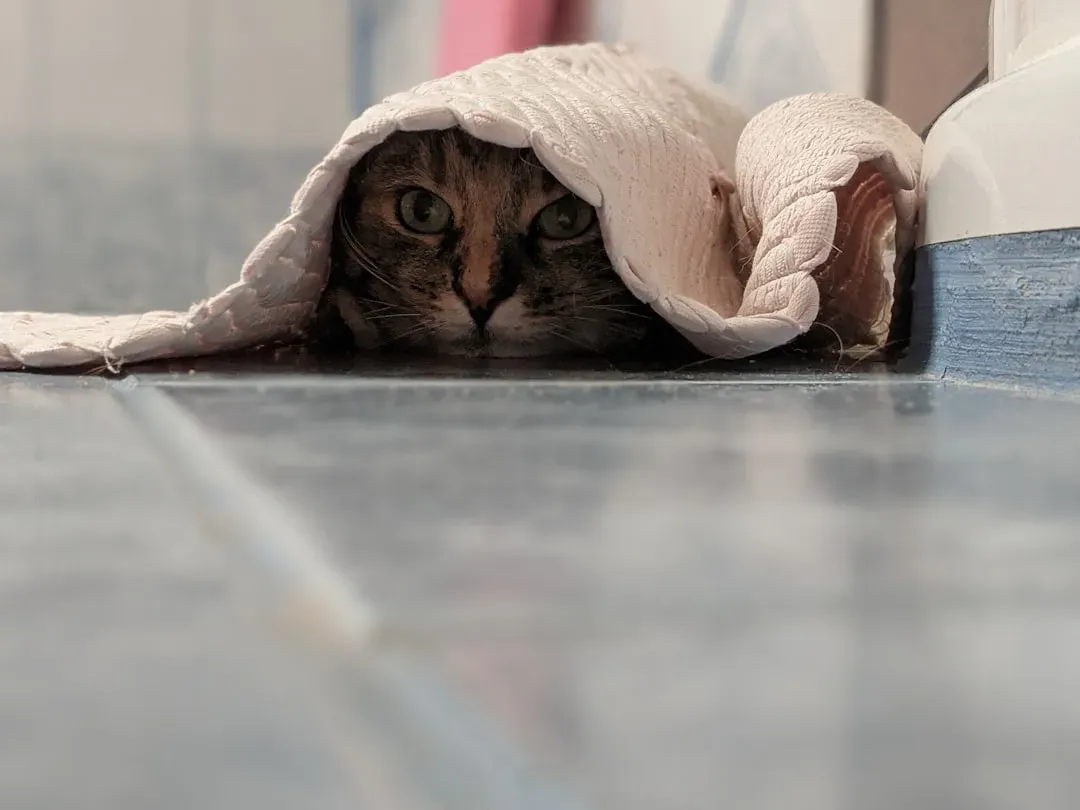
A social cat suddenly vanishing into the closet isn’t choosing solitude for fun. It’s often a survival instinct kicking back in.
This is one of the most consistently misread signals in aging cats. A cat who starts disappearing for hours isn’t being “moody” – it’s often an early warning sign, because cats are instinctive survivors, and that instinct doesn’t switch off with age. In the wild, a vulnerable animal hides. Domestication never fully erased that wiring.
Owners frequently reframe this as independence, which is exactly the mistake vets warn against. Many assume their cat “prefers to be alone now,” when really they’re conserving energy or avoiding noise that suddenly feels overwhelming. This single behavior gets dismissed as “moodiness” more than almost any other sign on this list. But #5 flips the script entirely.
#5 – Some Become Unusually Clingy Instead of Distant
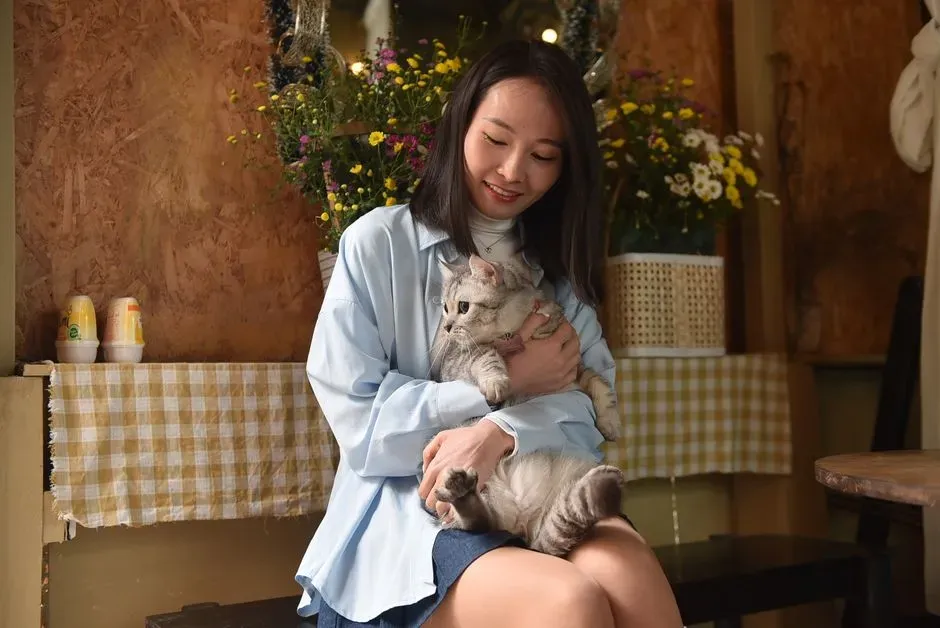
Here’s the twist nobody expects: some aging cats don’t withdraw at all – they suddenly can’t stop following you.
This pattern confuses owners constantly, and it’s genuinely divisive in cat forums. Some insist clinginess means “she just loves me more now,” when in reality it can be a comfort-seeking response tied to pain or anxiety – worth mentioning to a vet, not brushing off as sweetness. A once fiercely independent cat suddenly needing to be near you at all times is rarely random affection.
Declining senses often drive this shift more than emotion does. A formerly independent cat who begins following you everywhere may have fading vision or hearing and simply feel safer knowing where you are. Vets now treat extreme clinginess and extreme withdrawal as two sides of the same coin – both are self-protective responses to a body that no longer feels reliable. But #6 is the one owners argue about the most in comment sections.
#6 – They Become Irritable When Touched or Picked Up
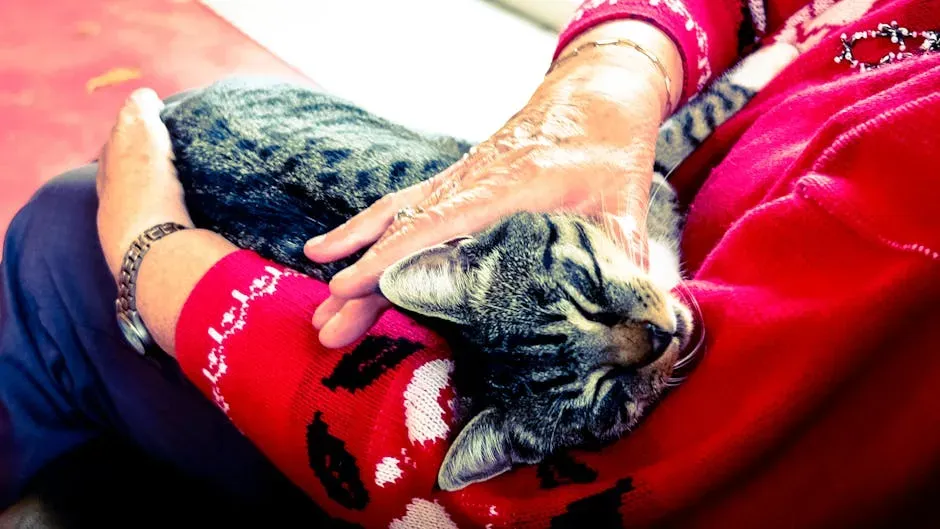
A senior cat swatting when lifted isn’t suddenly “getting mean.” It’s very likely pain talking.
This is one of the most commonly misjudged behaviors on any senior-cat list, and it causes real friction between owners and their pets. Living with a constant toothache or joint ache would make anyone less patient. Some owners even scold their older cats for swatting when picked up, not realizing that lifting triggers sharp hip or spine pain. That swat isn’t an attitude problem. It’s a reflex.
Vets confirm this isn’t a personality flaw appearing out of nowhere. Many older cats get more irritable, especially when awakened from a deep sleep or handled when they don’t want to be – and a normally grumpy cat can become downright cranky with age. Scolding a cat for pain-driven irritability is one of the most common – and most avoidable – mistakes owners make. But #7 happens exclusively at night, and it’s the sign most people laugh off first.
#7 – They Vocalize or Wander Restlessly at Night
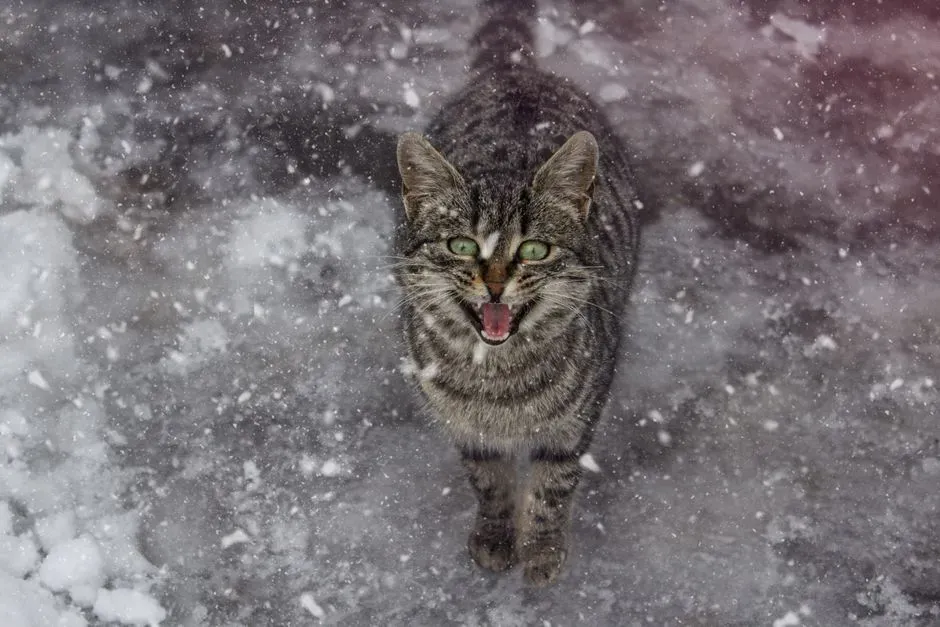
That 2 a.m. yowling isn’t your cat being “dramatic.” Vets take it far more seriously than most owners do.
Nighttime restlessness gets brushed off constantly, and that’s exactly the problem. A lot of people laugh it off as “drama” or “being annoying,” but many vets disagree entirely. This isn’t quirky senior behavior – it’s frequently one of the earliest measurable signs of a bigger issue developing quietly.
The range of possible causes is wider than most owners realize. Nighttime vocalization is one of the most common concerns raised by owners of older cats, and pain, high blood pressure, hyperthyroidism, hearing loss, declining vision, anxiety, and kidney disease can all contribute. Cognitive decline is only one possible explanation – not the default one. Sleep disruption caused by disorientation in the dark is often the real trigger.
Worth Knowing
- Chronic pain or arthritis flaring up at rest
- High blood pressure or hyperthyroidism
- Hearing or vision loss making the dark feel disorienting
- Anxiety or early cognitive changes
But #8 involves something you’ll notice at the water bowl first.
#8 – They Start Drinking More Water Than Usual
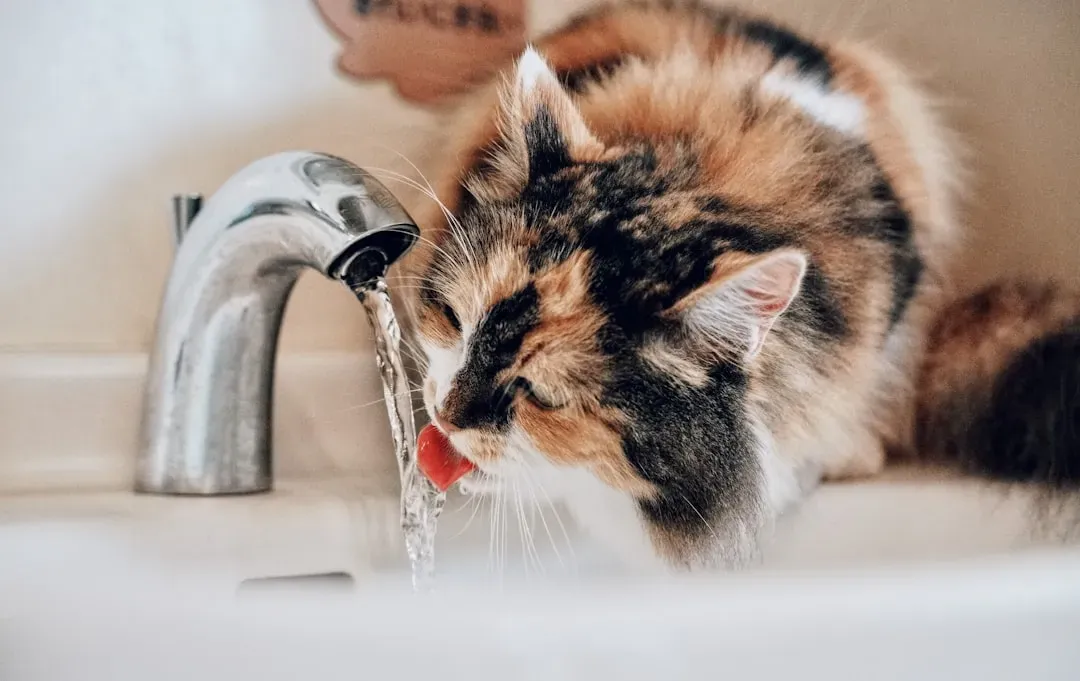
A cat suddenly draining its water bowl faster isn’t developing a new habit. It’s often the body signaling distress.
This is one of the fastest, easiest changes to track – and one of the most important. It might seem like a good thing for a cat to drink more, but in seniors it’s a very common sign of medical problems like kidney disease or diabetes. Owners shouldn’t wait to see a vet if they’re refilling the water bowl more often than usual. Kidney function naturally declines with age, and increased thirst is often the body compensating.
Smart owners start tracking water intake the same way they’d track a thermostat. Hydration becomes more important with age, especially for cats prone to kidney trouble, and keeping several water bowls around the house makes drinking more convenient – many cats drink more from fountains simply because they enjoy running water. A sudden spike in thirst is rarely “nothing” in a cat over ten. But #9 is the behavior owners find hardest to talk about.
#9 – They Start Missing the Litter Box
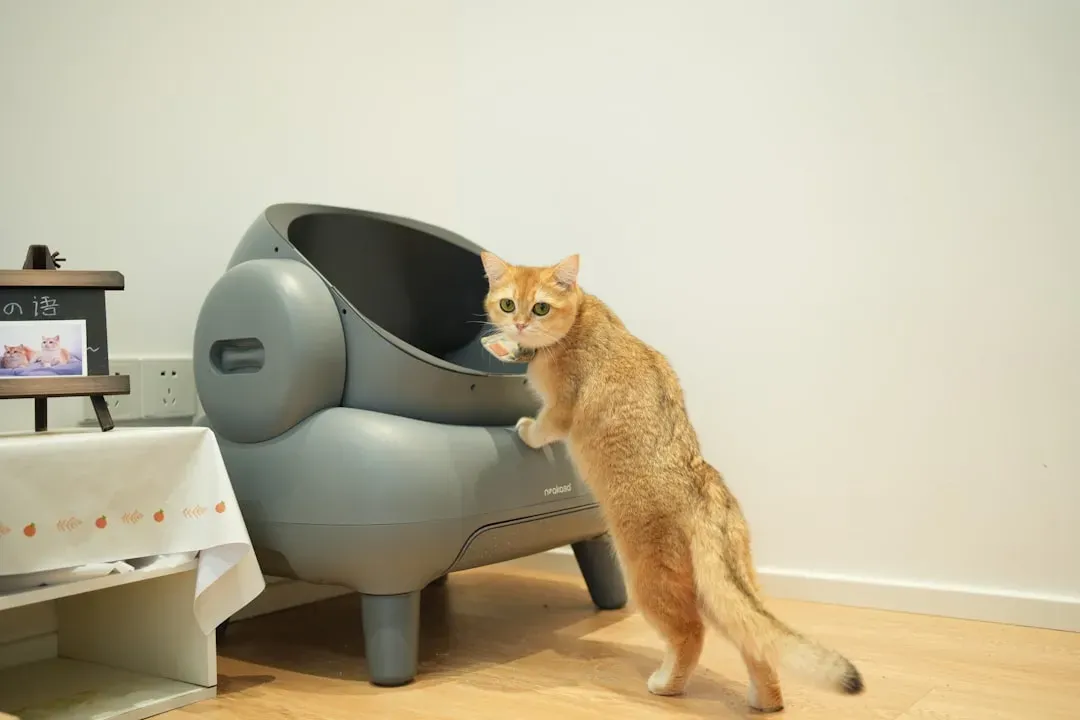
An older cat suddenly missing the litter box isn’t being defiant. It’s often a body that physically can’t manage the old routine anymore.
This is one of the most emotionally charged signs on this list, mostly because owners take it personally. Causes can include arthritis making it painful to climb into a high-sided box, or increased urine production from kidney disease or diabetes making it harder to reach the box in time. Constipation, urinary tract disease, bladder inflammation, hyperthyroidism, and cognitive dysfunction can all contribute too. None of that is stubbornness. It’s mechanics and biology colliding.
The fix is often simpler than owners expect once the medical side is ruled out. Switching to a low-sided litter box helps aging cats step in and out comfortably, paired with a soft, warm bed in a quiet corner for a safe place to rest. A cat who “suddenly stopped using the box” almost never did it out of spite. But #10 gets even stranger – and far more unsettling to witness.
#10 – They Stare Blankly or Seem “Lost” in Familiar Spaces
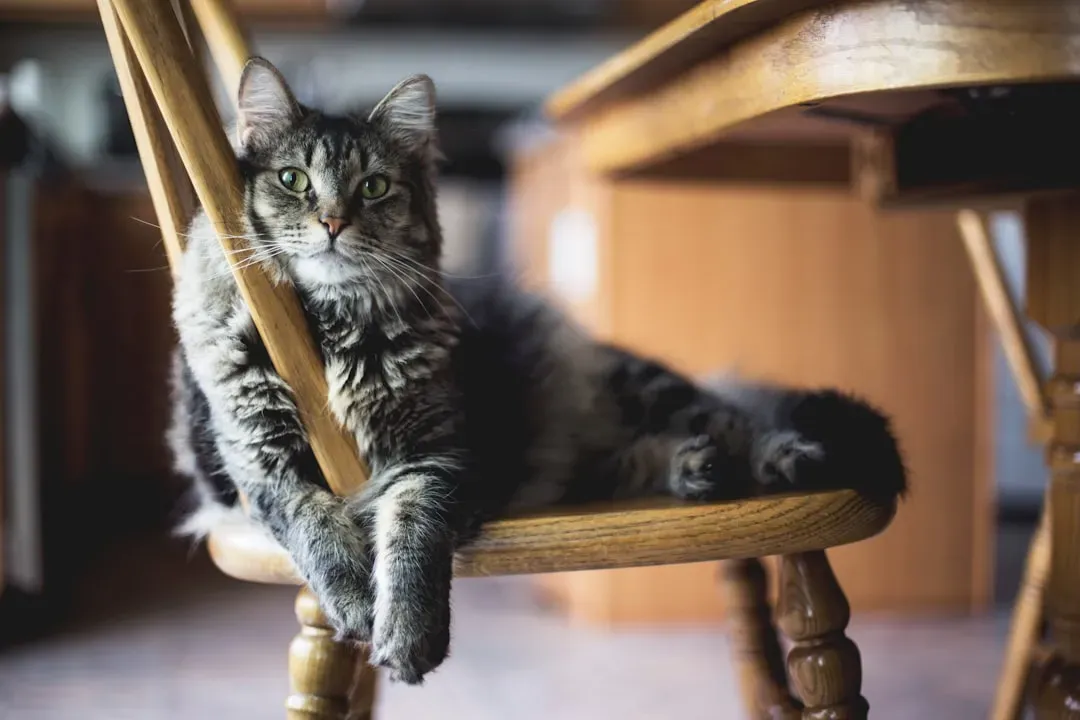
A cat freezing mid-hallway, staring at a wall for no obvious reason, isn’t zoning out. It’s often a visible symptom of cognitive decline.
This behavior alarms owners more than almost anything else on this list, and rightly so. Senior cats staring blankly at walls, forgetting the litter box location, or getting “lost” in a familiar hallway are showing more than typical old-age forgetfulness. It’s disorientation, and it’s a documented feline condition – not a personality shift.
The scale of this issue is bigger than most people assume. Feline cognitive dysfunction affects over half of cats between the ages of 11 and 15, and as many as 85% of cats over age 16, causing problems with memory, awareness, and the ability to learn new things. Most owners have never even heard the term “feline cognitive dysfunction” – despite it affecting the vast majority of cats who live long enough.
Fast Facts
- Affects 50%+ of cats aged 11-15, and up to 85% of cats over 16
- Symptoms include disorientation, memory lapses, and altered sleep-wake cycles
- Often mistaken for stubbornness instead of a diagnosable brain condition
- Frequently overlaps with litter box accidents and nighttime restlessness
But #11 is the sign that trips up even experienced cat owners.
#11 – They Skip Novelty and Stick Rigidly to Routine
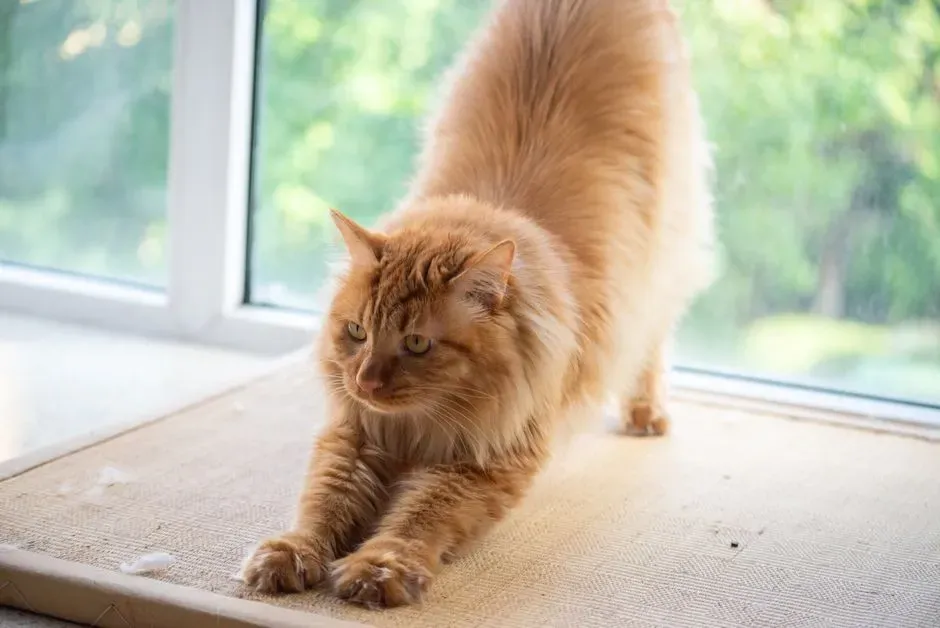
A cat who once pounced on every new box or bag suddenly ignoring it entirely isn’t bored. It’s a deliberate shift in priorities.
This change is easy to misread as depression or apathy, but experts frame it very differently. When they were young, a cat probably explored every new box, bag, and visitor like it was a mission – but older cats often quietly opt out, watching from their favorite spot instead of diving in. That isn’t giving up on life. It’s a shift in priorities. Curiosity doesn’t vanish. It just gets rationed.
Brain chemistry plays a bigger role in this than most owners assume. It also evolves with age, and senior cats might become more routine-focused or less tolerant of disruption. A senior cat’s obsession with sameness isn’t stubbornness – it’s a coping mechanism for a world that suddenly feels less predictable. But #12 might be the most surprising entry on this entire list.
#12 – They Suddenly Become More Affectionate Than Ever
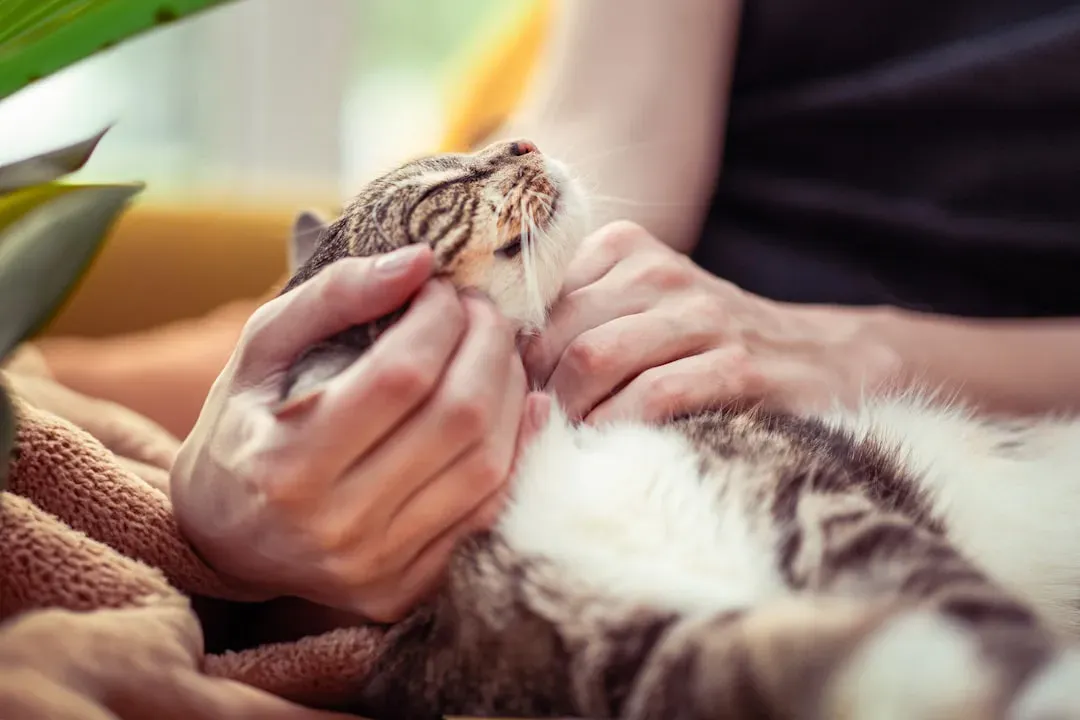
This one contradicts almost everything people expect from an aging cat – and that’s exactly why it matters.
Instead of pulling away, some seniors do the opposite entirely. The semi-feral rescue who never sat on a lap suddenly curls up on your chest. The once-independent tomcat starts sleeping pressed against your side every night. It’s not about warmth-seeking. It’s something deeper.
Vets increasingly describe this as an emotional milestone rather than a physical one. This isn’t just “getting cold” or seeking warmth – it’s a late-life decision to trust more deeply. Cats who survived their early years on high alert sometimes only feel safe enough to truly relax after a decade of consistent kindness. A once-guarded cat finally letting its guard down in old age is one of the most quietly emotional things a pet owner can witness. And #13 might be the single most overlooked sign of them all.
#13 – They Stop Greeting You at the Door
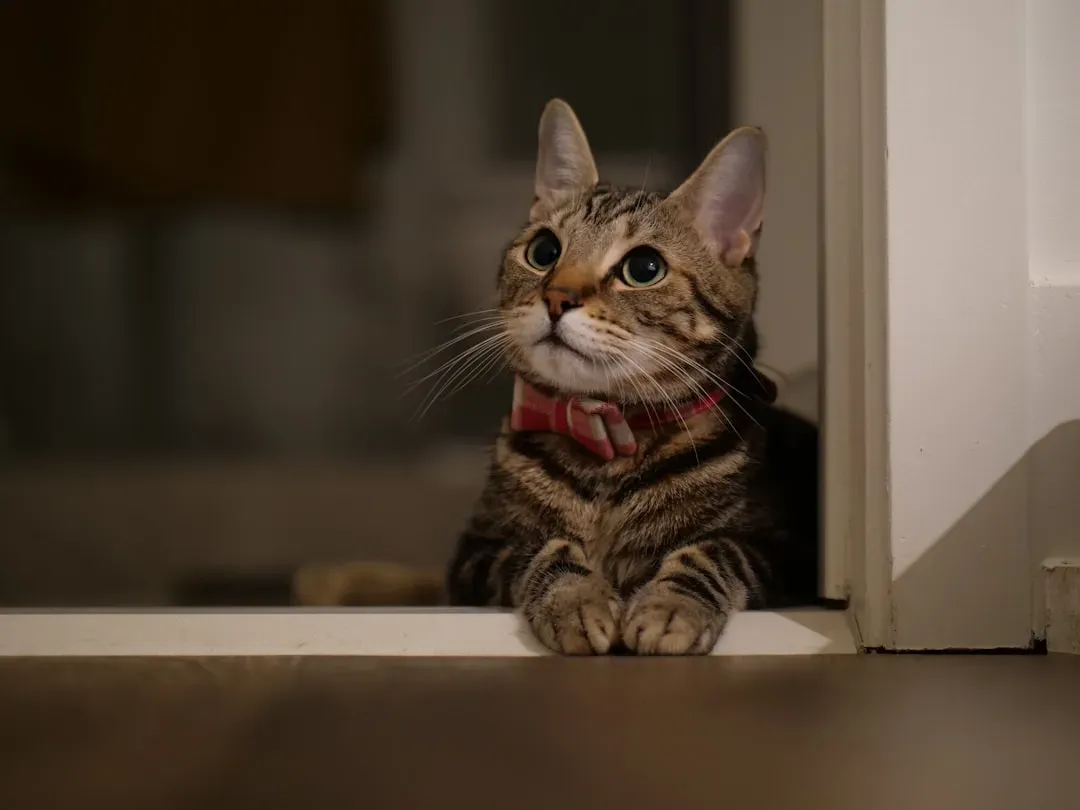
The absence of a greeting is easy to miss precisely because nothing dramatic happens – and that’s the entire problem.
This sign slips past owners more than any other because it’s defined by silence, not action. You notice when she stops greeting you at the door. You notice when he no longer sleeps on the windowsill. You notice when your enthusiastic eater suddenly leaves food behind. A missed greeting isn’t nothing. It’s often the very first data point in a much longer pattern.
Experts describe the broader picture as a slow erosion rather than a single event. Subtle changes like hiding, withdrawal, or a skipped meal are often the very first indicators that something serious is happening. The cats who “just seem a little different lately” are frequently the ones already dealing with a real, treatable problem underneath the surface. By the time symptoms become obvious, the quiet stage has usually been going on for months.
The Bottom Line
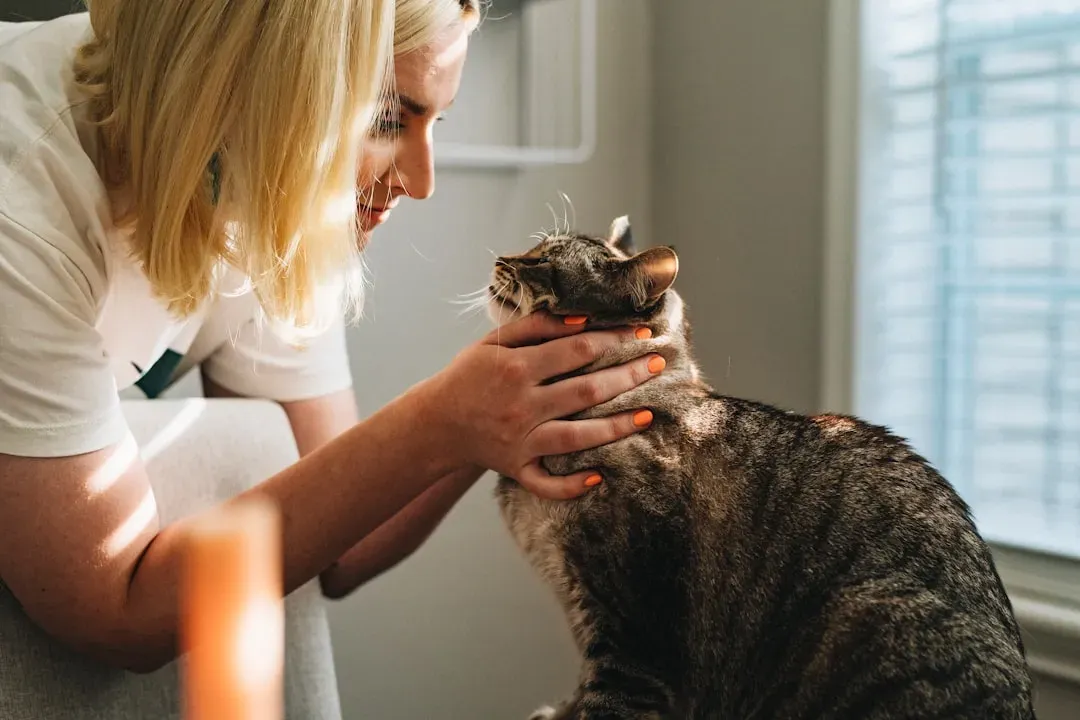
Cats don’t announce pain – they whisper it through naps, missed greetings, and quiet retreats to dark corners. Most owners chalk these moments up to “just getting old,” but the evidence says otherwise: arthritis alone affects up to 90% of cats over 12, and cognitive dysfunction touches the majority of cats over 11, yet both go undiagnosed constantly because the signs are subtle by design.
At a Glance: Signs Worth a Vet Visit
- Skipped greetings or missed meals
- Sudden clinginess or unusual withdrawal
- Increased thirst or new litter box accidents
- Staring blankly or seeming “lost” in familiar rooms
- Irritability when touched, lifted, or handled
The uncomfortable truth is that “normal aging” and “silent suffering” look almost identical from the couch. The only way to tell them apart is paying closer attention than most people think they need to – and honestly, that’s the least a cat who spent a decade curled up beside you has earned. If your senior cat has started skipping the door greeting or staring blankly down the hallway, that’s not “just getting old.” That’s a conversation your vet needs to have.
What You Can Actually Do About It
Kristina is a young writer from India. An arts graduate and an avid content creator, Kristina is passionate about animals and wildlife. She enjoys exploring topics related to pet care, animal behavior, conservation, and nature, combining thorough research with engaging storytelling.