Most people assume an old cat’s daily rhythm has gone quiet – less scratching, less rubbing, fewer of the little rituals that filled her kitten years. Veterinary behaviorists say the opposite is true. Senior cats are marking their world just as often as ever; they’ve simply switched to signals almost no owner ever notices.
The shift moves from loud spraying to silent chemical whispers, from claws to cheeks, from obvious rituals to ones easy to write off as “she’s just getting old.” Some of these changes are harmless aging. Others are the first quiet warning sign of a medical problem hiding in plain sight. Here’s what veterinary behaviorists and feline cognition researchers say is actually happening.
#1 – The Silent Scent Trail You Never Notice
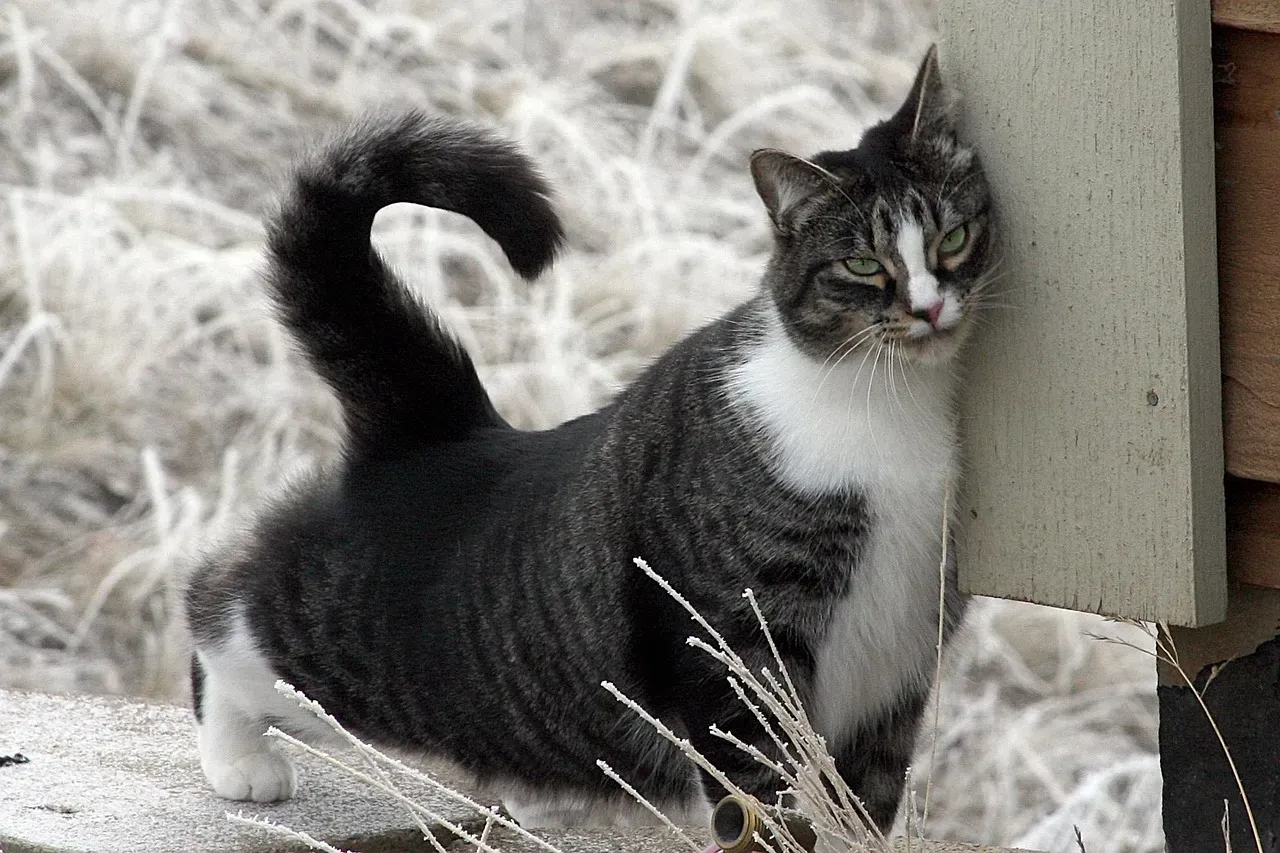
Your cat is leaving a chemical diary on your walls, furniture, and your legs every single day – and you will never smell a drop of it.
Cats communicate mostly through scent, not sound. Scent glands on the face, body, and paws release pheromones with every rub, every walk past the couch, every headbutt against your shin. None of it is accidental. It’s a running conversation you simply can’t hear.
Most owners never register that this is happening dozens of times a day. As a cat ages, where and how often she marks often shifts – but the drive itself doesn’t disappear. It just gets quieter, slower, and far easier to miss entirely.
Fast Facts
- Cats carry scent glands on the cheeks, chin, forehead, flanks, and paw pads
- Rubbing deposits pheromones that mark an area as safe and familiar
- A single head-rub can leave a scent signature that lingers for hours
- Older cats tend to shift from full-body rubs to smaller, quicker touches
#2 – Why the Corner of Your Couch Smells Like “Home” to Your Cat
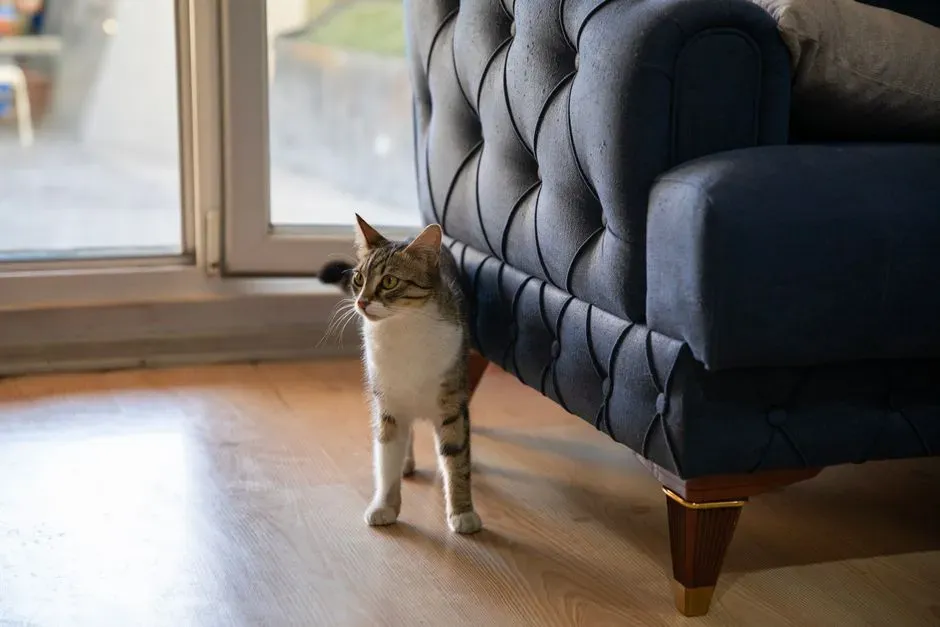
That greasy little mark on your couch corner isn’t dirt. It’s your cat’s signature.
Cats rub against furniture, walls, and people, transferring pheromones from glands in the face and head. That faint brown smudge you keep meaning to scrub off is actually doing a job – it helps your cat feel anchored in a familiar space.
For an older cat, that job matters even more. Her whole sense of security can be tied to these smudges of self. Cats rub when they’re happy, but also when they feel unsure, using their favorite living spaces to settle themselves down.
Wiping every surface with disinfectant – especially after a move or renovation – can quietly erase the scent map an aging cat depends on to feel oriented in her own home.
#3 – The 3 A.M. Wake-Up Call Nobody Talks About
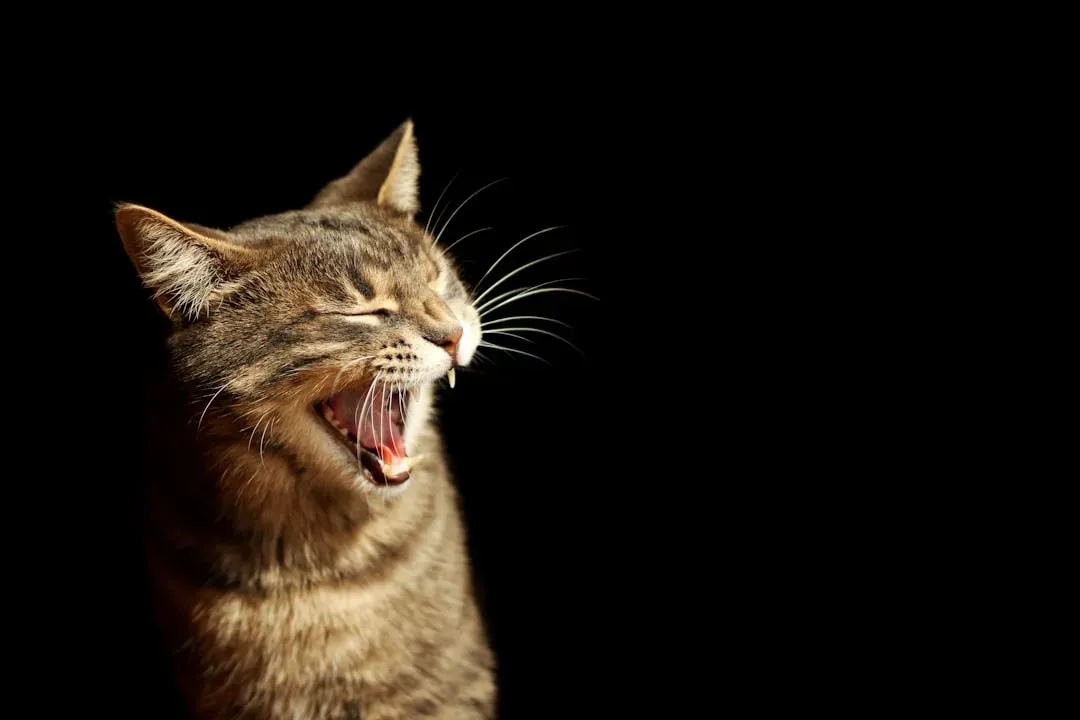
That midnight yowling isn’t your cat being dramatic. It’s often the first sign her internal clock is falling apart.
Senior cats can be wide awake and vocal at night, confused about why the house has gone quiet, then sleep off the restlessness during the day. Researchers studying feline cognitive dysfunction asked owners why their cats were crying out, and the answers were revealing.
Disorientation and attention-seeking each accounted for roughly 40 percent of the vocalizing, while hunger and pain trailed far behind. Nearly half of those midnight cries have nothing to do with food or discomfort – they’re confusion. One documented case involved a 14-year-old cat who began yowling at 3 a.m. and pacing the hallway, despite still eating eagerly. That combination points straight toward cognitive decline, not an upset stomach.
#4 – The Litter Box Clues Everyone Misses
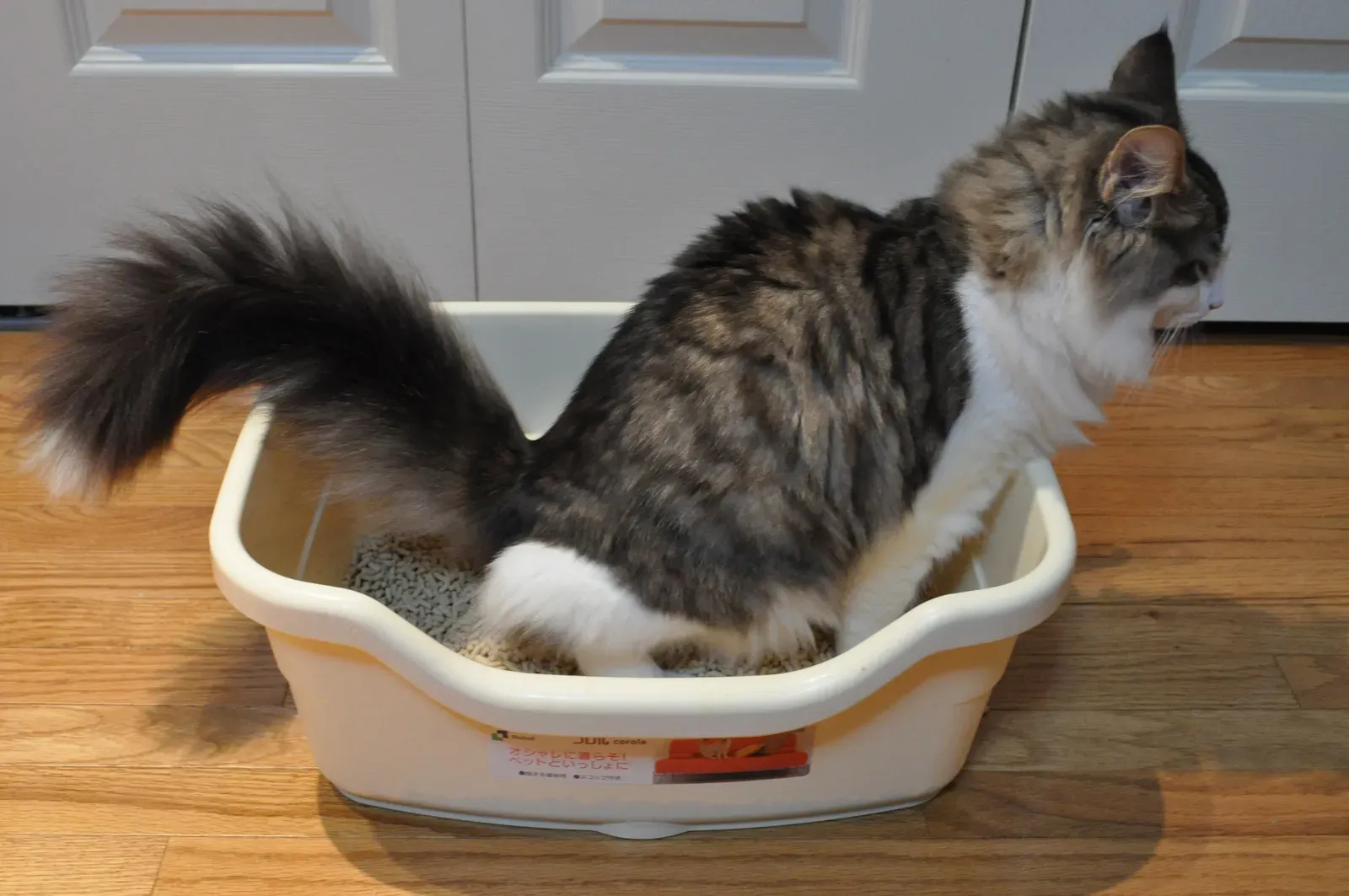
If your old cat suddenly starts missing the litter box, don’t assume she’s being spiteful. Her brain may genuinely not remember where it is.
Memory is one of the first things dementia affects in cats. She may forget feeding time, or forget where the litter box has sat for years. This isn’t rebellion – it’s neurological, and it can erase habits she’s known for a decade.
The frustrating part is that it looks exactly like a behavior problem, so plenty of owners scold a cat who is actually struggling with memory loss. Experts now say the fix isn’t discipline – it’s predictability. Keeping food, litter, and daily routine as unchanged as possible reduces disorientation. Adding an extra litter box in an easy-to-reach spot, rather than moving the one she already knows, tends to help far more than any correction ever could.
#5 – Why Your Cat’s Claws Tell a Story You’ve Never Read
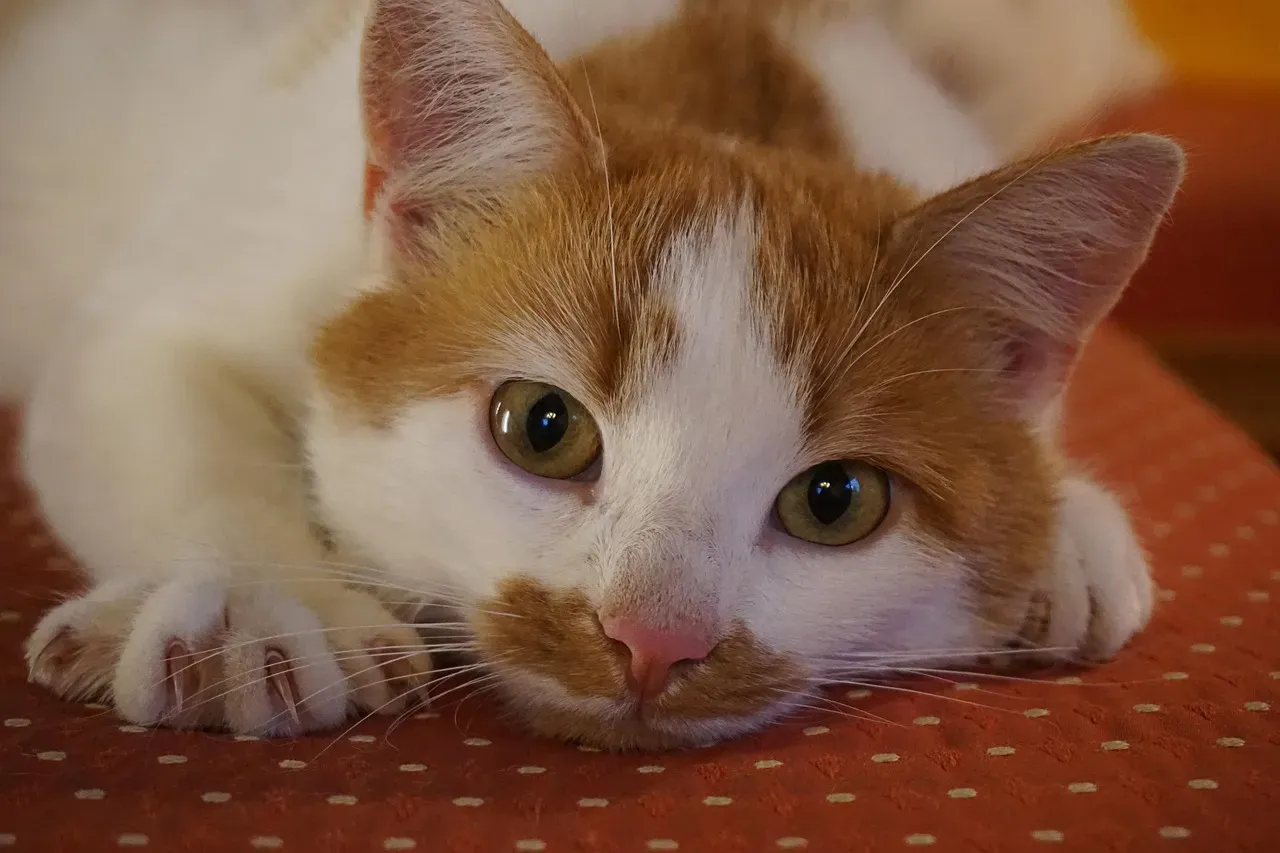
Every scratch mark on your cat’s post used to be a territorial billboard. In an old cat, the silence around that post tells its own story.
Scratching lets cats mark territory, maintain claw health, and stretch sore muscles, leaving scent from glands in the paws on every surface they claw. But aging changes the mechanics of the ritual. Osteoarthritis creeps into aging joints, and muscle loss in the hindquarters robs a cat of the strength to rear up and stretch out fully.
The scratching post isn’t being ignored out of boredom – it’s often physically painful to use. Vets recommend checking and trimming an older cat’s nails weekly, since she may no longer wear them down the way she once did. That quiet post in the corner isn’t proof she’s lost interest in marking her world. It’s proof her body can no longer keep up with the ritual.
#6 – The Group Scent Ritual Happening Right Under Your Nose
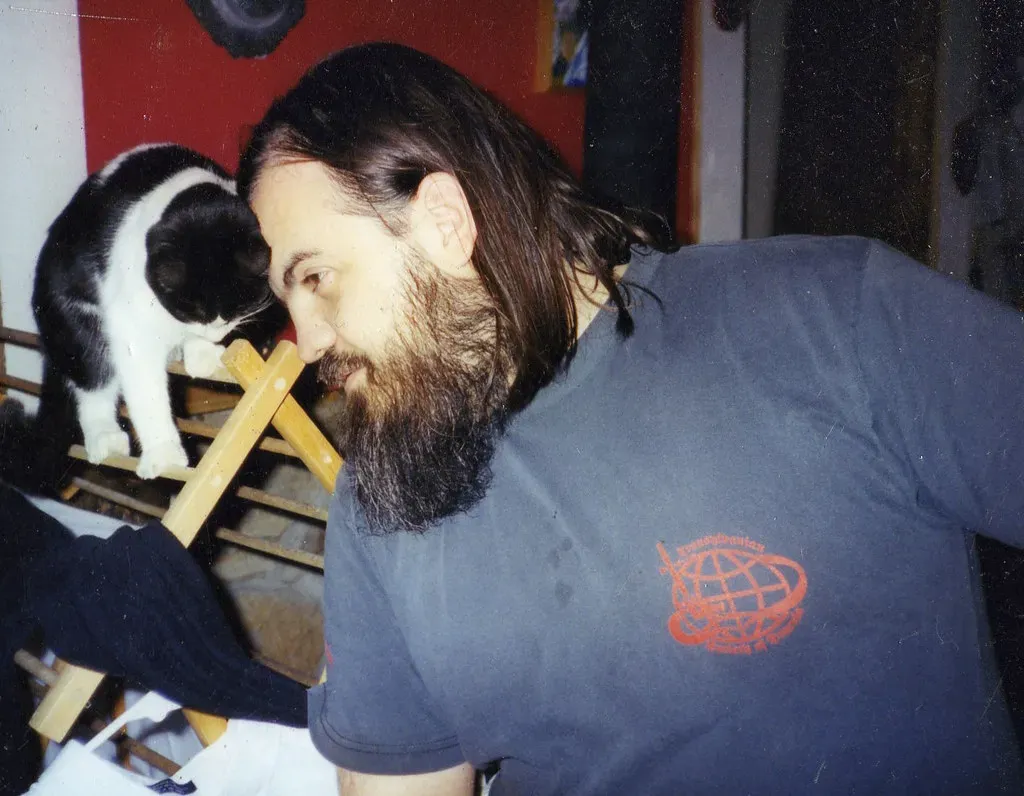
Every time your senior cat rubs against you after a nap, she’s rewriting a chemical contract that says you belong to her circle.
Cats who live together develop a shared, communal scent that helps them recognize each other as family, which is why close companions rub against one another or groom mutually to keep that scent current. The instinct extends fully to humans – when a cat rubs against you, she’s marking you as part of her group, the same way she’d greet another cat.
This is why cats sometimes act oddly toward a family member who just got back from a trip or a vet visit. Someone who comes home smelling like “somewhere else” can briefly read as an outsider. Older cats, more sensitive to disruption, often need a few extra minutes of rubbing before they fully welcome that person back into the smell-based circle of trust.
#7 – The Nose Knows: 200 Million Reasons Your Cat Reads the World Differently
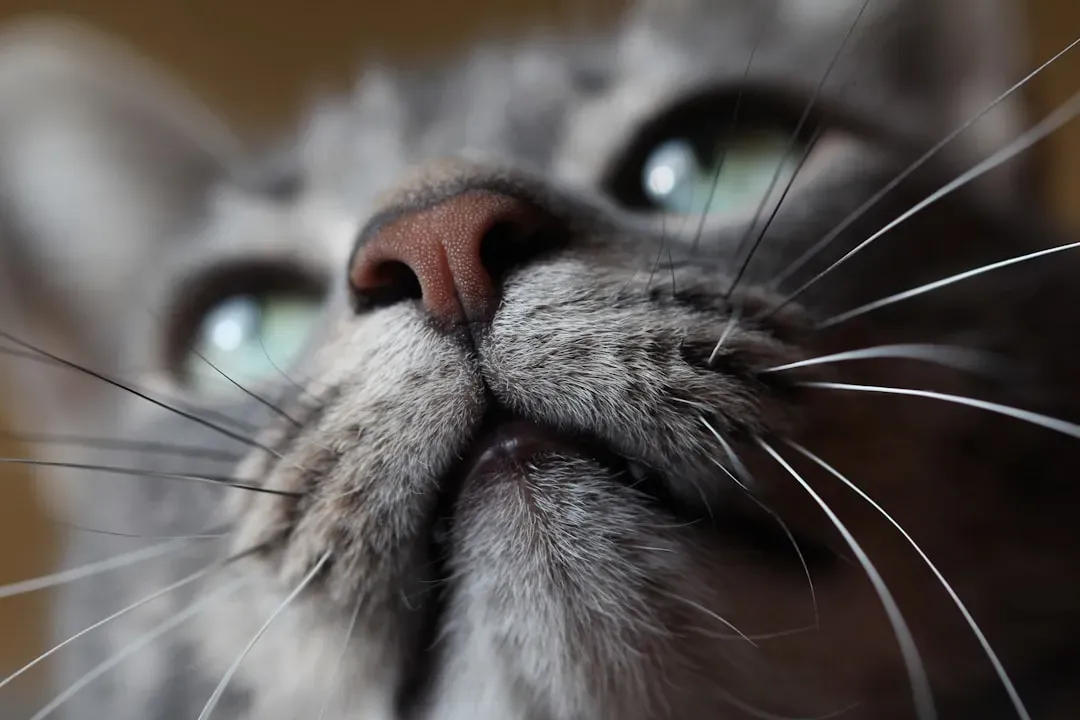
Your cat’s nose isn’t just more sensitive than yours – it’s operating in an entirely different sensory universe.
Cats carry roughly 200 million scent receptors compared to our five million. On top of that, they have a second scent tool humans don’t have at all: the Jacobson’s organ, a pair of ducts in the roof of the mouth built for deep chemical analysis.
That organ is why cats make the odd, gaping “stink face” when they run into a strong new smell – mouth open, tongue collecting the scent, then flicking it up for closer inspection. In an aging cat, this system doesn’t fade the way eyesight and hearing often do. If anything, she may lean on it more heavily than she did as a kitten, using smell to make sense of a world her eyes and ears can no longer fully cover.
Quick Compare
- Human sense of smell: about 5 million scent receptors
- Cat sense of smell: roughly 200 million scent receptors
- Extra tool cats have: the Jacobson’s organ for deep chemical analysis
- Extra tool humans have: none – we rely on the nose alone
#8 – The Sleep Schedule That’s Quietly Rewriting Itself
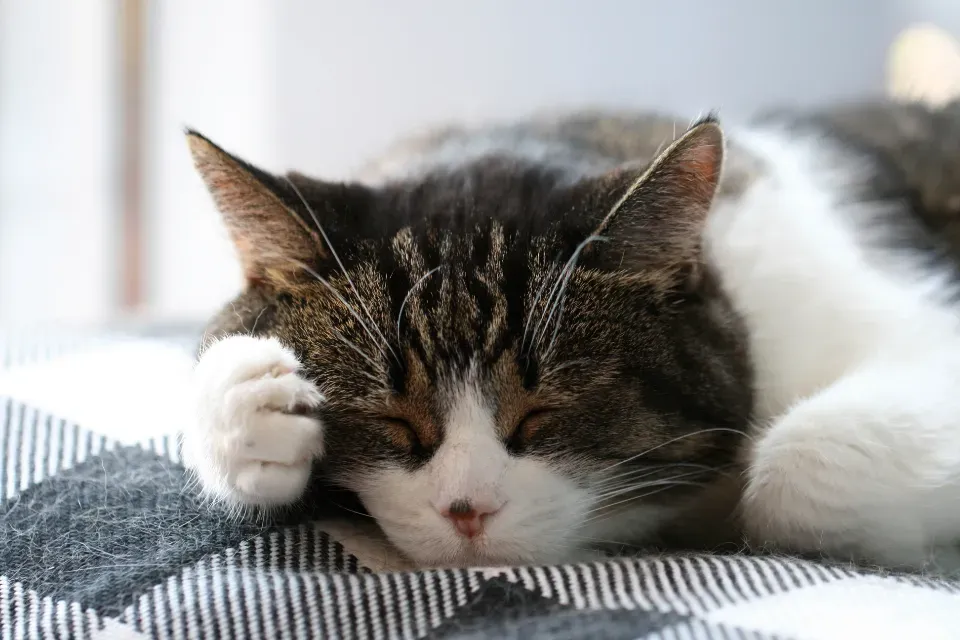
If your senior cat seems to sleep through half the day, that’s not laziness. That’s biology.
Aging cats often sleep 16 to 18 hours a day, more than they did as adults. But total hours aren’t the real issue – it’s when those hours fall. Circadian rhythms live in the brain, and dementia disrupts that internal clock directly.
This flipped schedule is one of the clearest daily “markers” of aging, and most owners misread it as simple tiredness. Veterinary sleep researchers say the pattern is worth tracking closely: sleep-wake reversal paired with confusion points toward cognitive dysfunction, while restlessness paired with other symptoms can signal something entirely different, like hyperthyroidism or kidney disease. A cat who naps all day and paces all night isn’t choosing a new lifestyle – her internal clock may genuinely be breaking down.
#9 – Why Old Cats Get “Lost” in the Corner
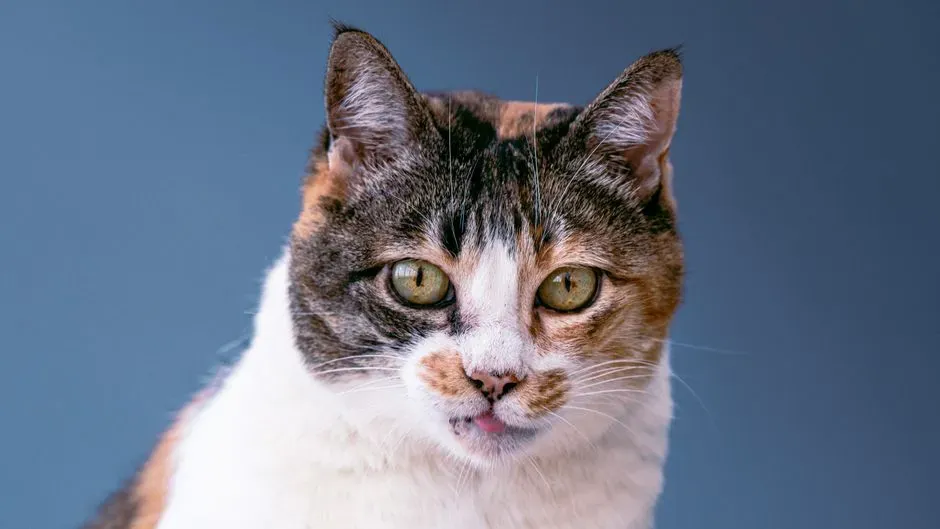
One of the eeriest signs of feline aging isn’t loud or obvious. It’s a cat standing frozen in a corner, staring at nothing.
Families of senior cats often notice howling at night, pacing, excessive daytime sleep, and a cat who seems to get “lost” staring into space. Once medical causes are ruled out, cognitive dysfunction becomes the likely explanation – and it’s far from rare.
Cognitive decline affects more than 55 percent of cats aged 11 to 15, and more than 80 percent of cats aged 16 to 20. By the time a cat hits her late teens, cognitive decline is closer to the norm than the exception. That frozen stare in the hallway isn’t a quirk. It’s her brain briefly losing the map of a house she’s lived in for a decade.
At a Glance
- Ages 11-15: over 55% show signs of cognitive decline
- Ages 16-20: over 80% show signs of cognitive decline
- Common signs: night yowling, daytime sleeping, disorientation, “lost” staring spells
#10 – The Hidden Meaning Behind That Head-Bump
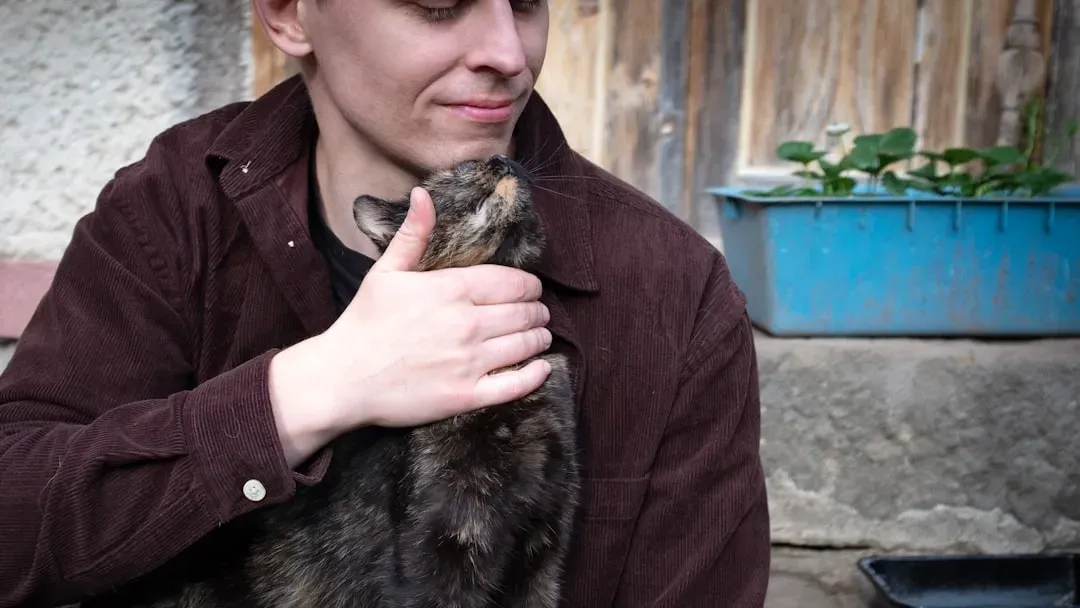
That gentle forehead bump your senior cat gives you every morning is doing double duty – part love letter, part legal document.
People tend to get marked with the forehead, while furniture and other objects get the cheeks and chin. It’s tempting to read the head-bump purely as affection, and it partly is. But there’s a functional layer underneath – friendly cats mix scents through rubbing and grooming because scent is how they recognize their own.
Most owners never realize the head-bump is a cat literally filing paperwork on them. As cats age and become less mobile, this small gesture often becomes their primary marking behavior, quietly replacing full-body rubs and scratching-post visits their bodies can no longer manage.
#11 – What Vets Wish You Knew About the Scratching Post Silence
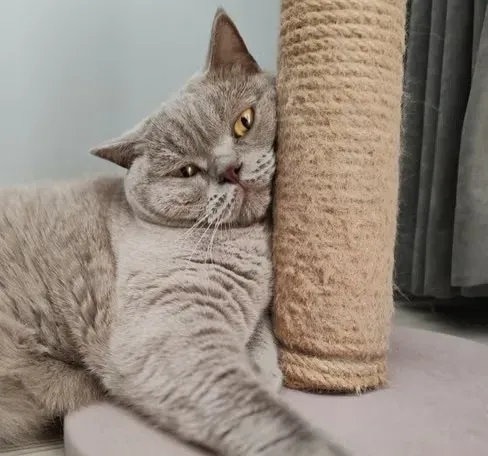
A scratching post gathering dust isn’t a sign your old cat has given up on marking. It’s a sign her body has quietly renegotiated the terms.
A large share of senior cats develop arthritis, which makes climbing and jumping painful and shifts where and how they prefer to scratch. The behavior doesn’t disappear – it relocates. Aging claws also grow weaker and more brittle, meaning she may need help keeping them trimmed since she can no longer wear them down on her own.
Many owners mistake this decline for indifference when it’s actually physical limitation. Here’s the uncomfortable truth: most households never adjust the scratching post for an aging body at all. They leave the same tall sisal post from kittenhood in place for fifteen years, then wonder why an arthritic senior stops using it. Swap it for a low, horizontal scratcher near her favorite resting spot, and the ritual often comes right back.
#12 – The One Sign That Means It’s More Than Just “Getting Old”
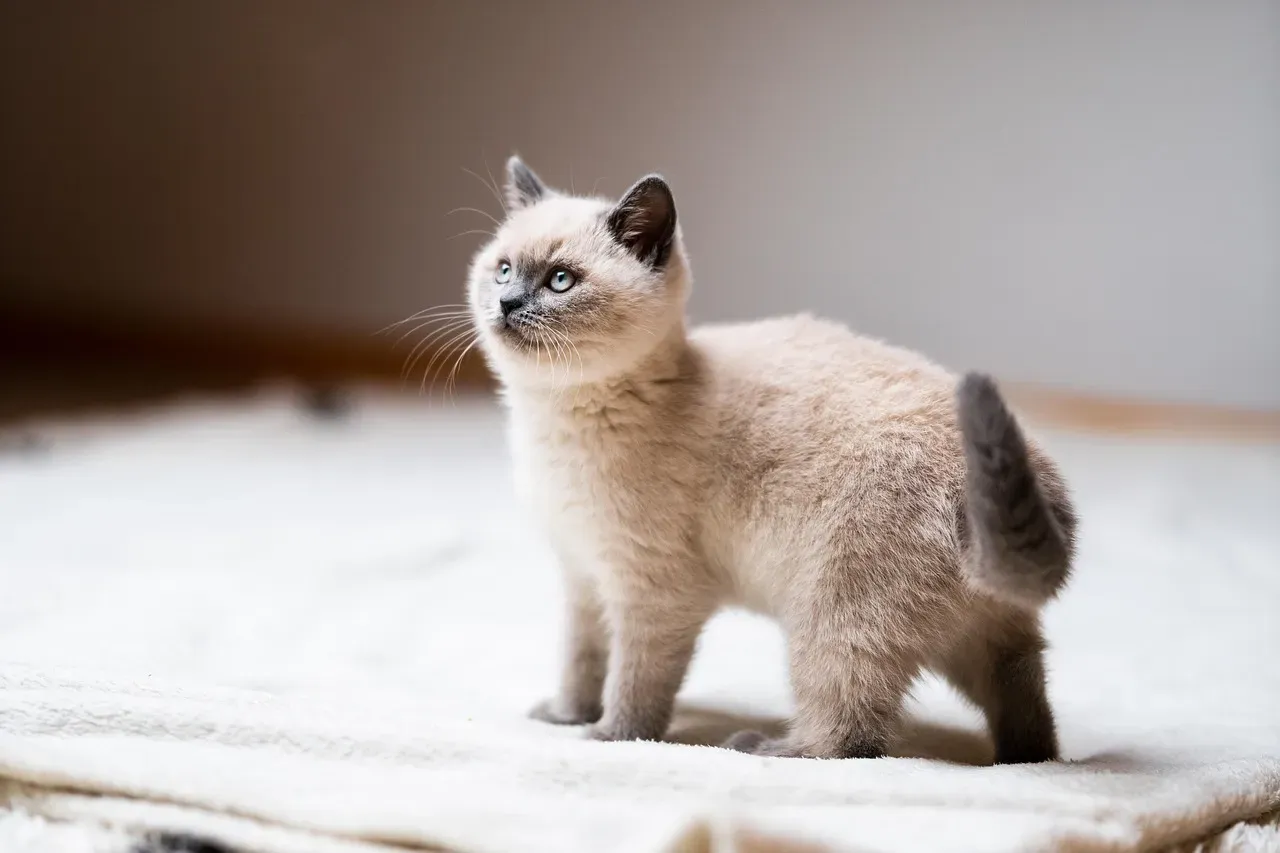
Here’s the marking-related detail that should never get brushed off as simple aging: a sudden change in direction.
A sudden loss of rubbing behavior, a sudden spike in rubbing, or new urine spraying inside the home are all flagged as signs worth reporting to a vet. The keyword is sudden. Gradual softening of marking rituals over years is normal aging – an abrupt switch, stopping cold or spiking overnight, is a different animal entirely.
This is the one pattern that consistently separates “just getting old” from “something is medically wrong.” A drop in pheromone production or scent behavior can point to hormonal imbalance or age-related decline, and conditions like hyperthyroidism – which affects an estimated 10 percent of cats over age 10 – can quietly rewrite a cat’s entire marking routine long before more obvious symptoms show up. A vet visit at the first sudden shift, not the tenth, is what actually protects a senior cat.
Worth Knowing
- Sudden stop or spike in rubbing and marking behavior
- New urine spraying indoors after years of none
- Hyperthyroidism affects an estimated 10% of cats over age 10
- Any sudden shift warrants a vet visit, not a wait-and-see approach
The Bottom Line
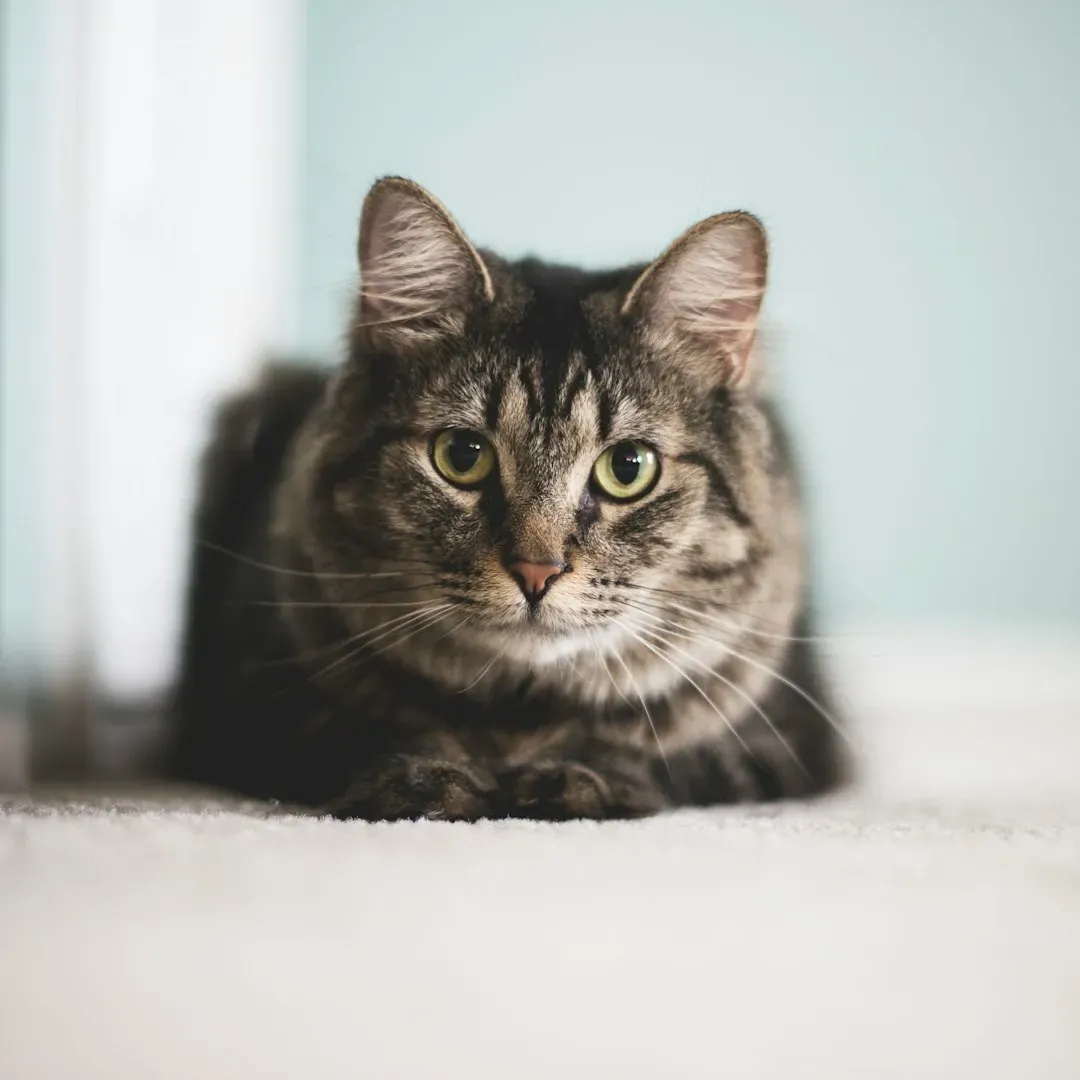
The daily marking of an old cat isn’t gone – it’s been rerouted through cheeks, foreheads, and quiet corners instead of loud sprays and constant scratching.
Most owners read this quieting as simple old age, when it’s often arthritis, sensory decline, and early cognitive dysfunction working together behind the scenes. The real mistake isn’t missing the signs – it’s assuming every change is “just aging” instead of asking a vet to rule out what’s hiding underneath.
Here’s the opinion worth sitting with: gradual softening deserves patience and a few thoughtful adjustments around the house. Sudden shifts deserve a vet appointment, full stop, no waiting to “see how it goes.” Has your senior cat’s daily rituals changed in ways that caught you off guard? Tell us in the comments – chances are, you’re not the only one who almost missed it.
Kristina is a young writer from India. An arts graduate and an avid content creator, Kristina is passionate about animals and wildlife. She enjoys exploring topics related to pet care, animal behavior, conservation, and nature, combining thorough research with engaging storytelling.