Watch a fifteen-year-old cat sleep and it looks like pure peace. Curled paws, slow breathing, not a worry in the world. But veterinarians say that peaceful scene is often a lie – the second the lights go out, something very different starts happening inside that quiet, aging body.
Most owners assume nighttime “quirks” in old cats are just old age being old age. Vets disagree, and the reasons why might change how you look at your own cat’s 3 a.m. wandering forever. Here are 15 things senior cats do after dark that almost nobody notices – until it’s already gone too far.
#1 – The 3 A.M. Yowl That Isn’t Random
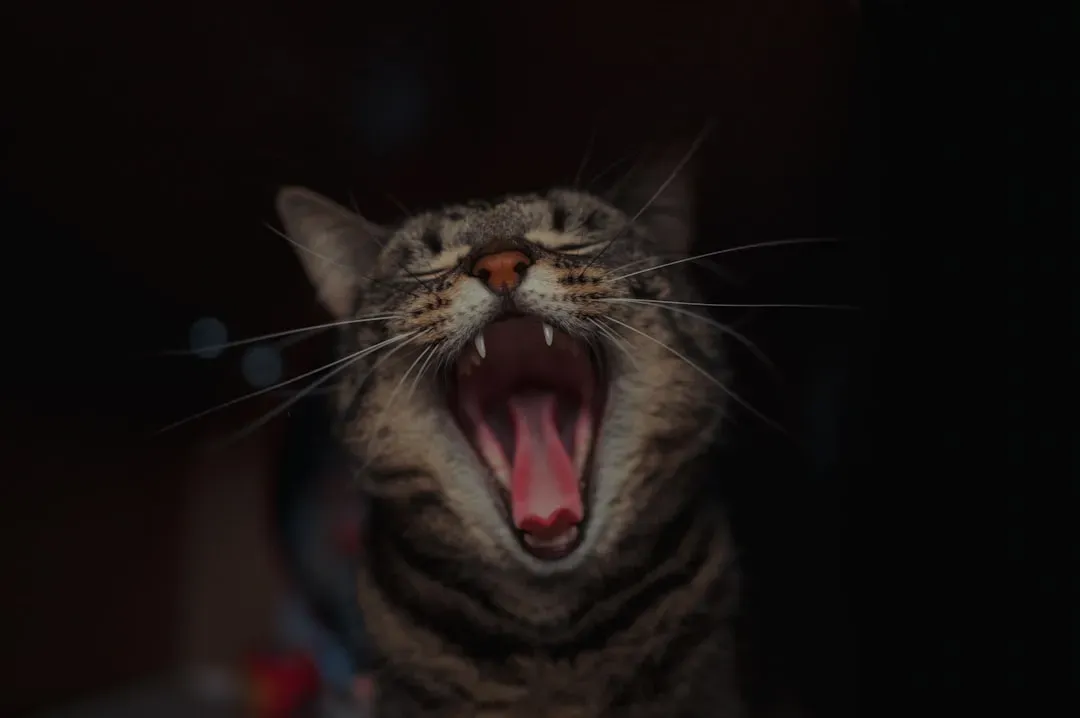
Your cat’s midnight scream isn’t a bad dream – it’s often a medical distress signal.
Loud, confused yowling in the middle of the night is the most common early symptom of feline cognitive dysfunction, according to veterinary sources. What’s actually happening inside their brain is unsettling: as a cat’s cognitive function declines, their sleep-wake cycle becomes completely inverted and broken, so they often wake up in the pitch black, completely forget where they are, and begin to yowl loudly out of sheer panic and confusion.
It’s not the only cause, though. Inappropriate vocalisation, especially at night, is one of the behavioural changes in cats with cognitive dysfunction syndrome, but a 2020 owner survey found something surprising: the majority of owners reported that the main cause of their cat’s vocalisation appeared to be disorientation (40.5%) or attention seeking (40.5%), followed by seeking a resource such as food (16.2%), and pain (2.7%). In other words, that 3 a.m. howl is rarely “just noise.” But that’s nothing compared to what we found about #2…
Fast Facts
- A 2020 study of senior cats found that increased vocalization was reported in over 58% of elderly cats during the day and more than 30% at night.
- The same research showed 55% experienced new house-soiling issues as they aged.
- More than a third of cats in the study showed increased affection and dependency on their owners.
- Nighttime noise, litter box misses, and sudden clinginess often show up together, not as separate “random” problems.
#2 – Frozen, Staring Into Corners for No Reason
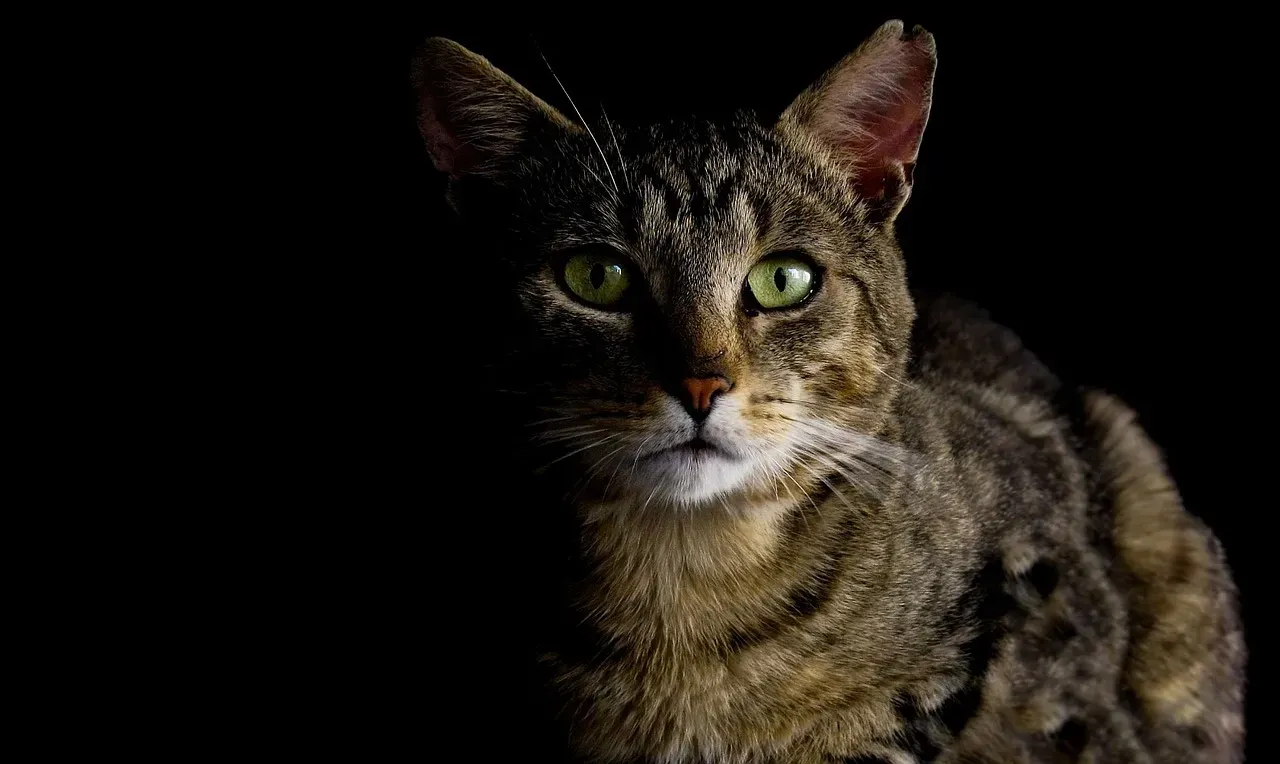
If your old cat suddenly locks eyes with an empty wall at midnight, something neurological may be going on.
Families of senior cats often notice their cat staring into space or getting “lost” in a corner as their cat ages. This isn’t a quirky new hobby – it’s one of the clearest signs of brain aging that vets look for. Cornell’s late anatomy professor Alexander de Lahunta explained the phenomenon in blunt terms.
When examining a cat, if it is acting as if it’s in a world of its own, doesn’t respond to me, paces in a circle, or gets itself in a corner and just stays there, I’ll consider that to be a prosencephalon problem.
Alexander de Lahunta, Cornell University
The prosencephalon is essentially the thinking, decision-making part of the feline brain. When it starts to decline, cats can appear to “check out” mid-stride, mid-meal, or mid-walk across the living room. Owners often mistake this for calmness or curiosity when it’s actually confusion, and it tends to happen most in low light, when the visual cues that normally anchor a cat disappear. That’s a small preview of a bigger issue we cover in #3…
#3 – Aimless Pacing Through the House
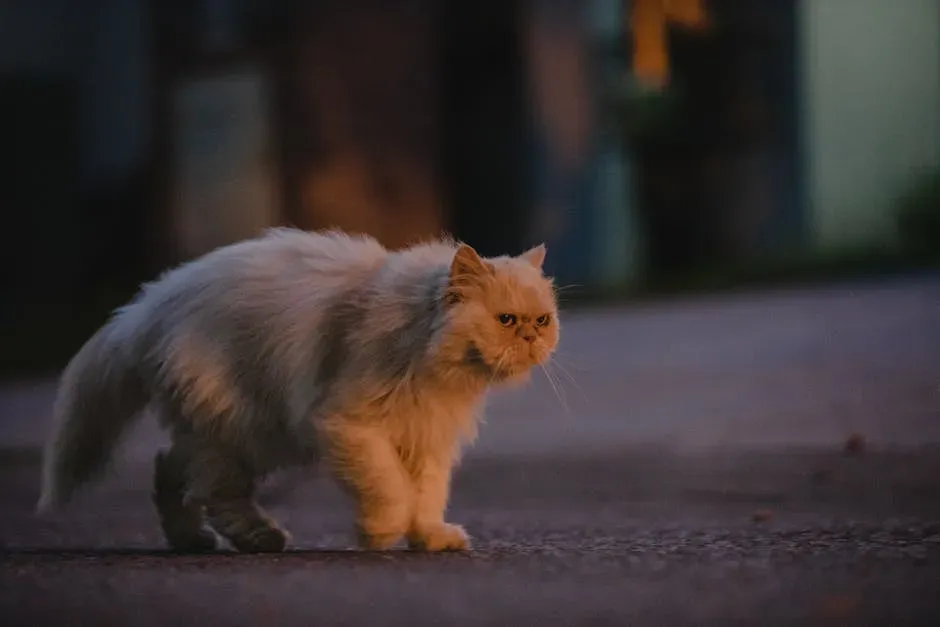
Old cats don’t wander at night for exercise – they’re often trying to figure out where they are.
Families of senior cats often notice howling and pacing in the middle of the night and excessive sleeping during the day as their cat ages. This pacing pattern is textbook disorientation, one leg of the veterinary acronym vets use to describe cognitive decline in cats. It looks aimless because, neurologically, it often is – the cat has simply lost its bearings in a room it has lived in for years.
Cornell researchers describe this same pattern from a slightly different angle: the signs include spatial disorientation, wandering away from home into unfamiliar territory, lack of interest in playing, excessive sleeping, altered cycles of sleep and wakefulness, and long periods of staring blankly into space or at walls. Most owners assume restlessness means their cat wants something – food, attention, the door – when it may simply mean the cat’s internal map has stopped working correctly after dark. Next up, a habit that quietly wrecks carpets and litter boxes alike…
#4 – Forgetting Where the Litter Box Is
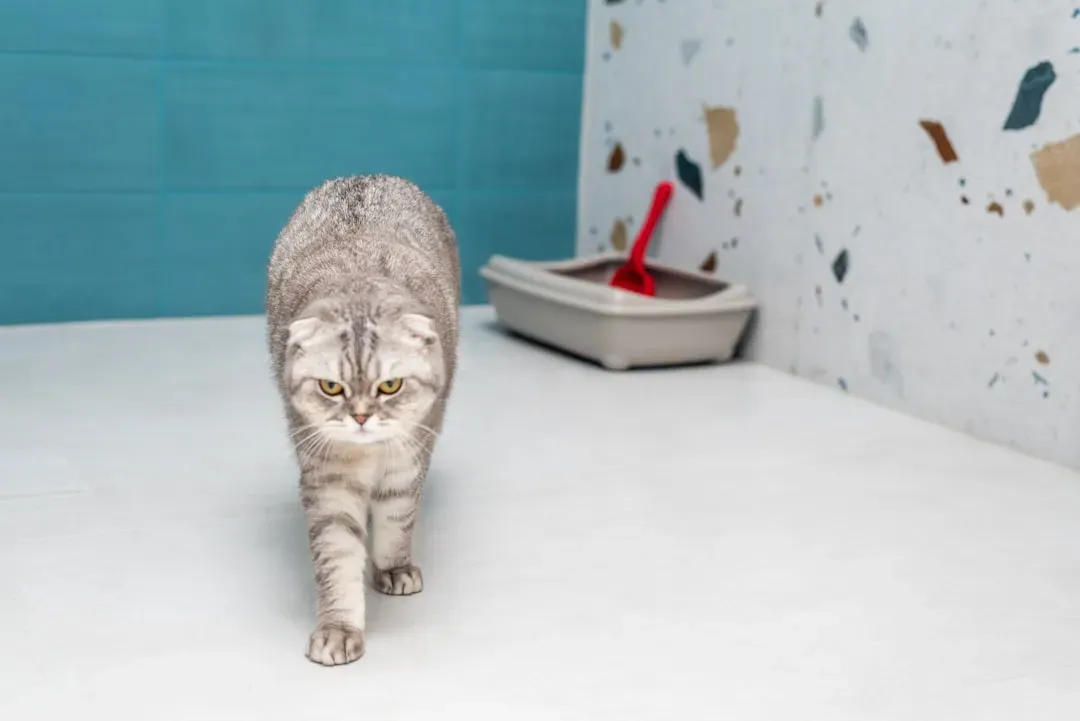
Nighttime accidents in senior cats are rarely about spite – they’re about memory.
Cognitive decline can make cats forget previously learned habits they once knew well, such as the location of the litter box or their food bowls. This is especially cruel because it strikes cats who have used a litter box flawlessly for a decade. Vets are blunt about the reality: you should never punish a senior cat for missing the litter box – they literally forgot where it is.
The nighttime timing makes sense too. In the dark, with fewer visual landmarks and a declining sense of direction, a cat that’s normally fine during the day can completely lose track of the box’s location once the lights go off. Some cats even remember the box but forget how to use it, ending up standing inside it but peeing right over the edge. Coming up in #5, a nighttime habit tied directly to a hormone problem most owners never suspect…
#5 – Demanding Food in the Middle of the Night
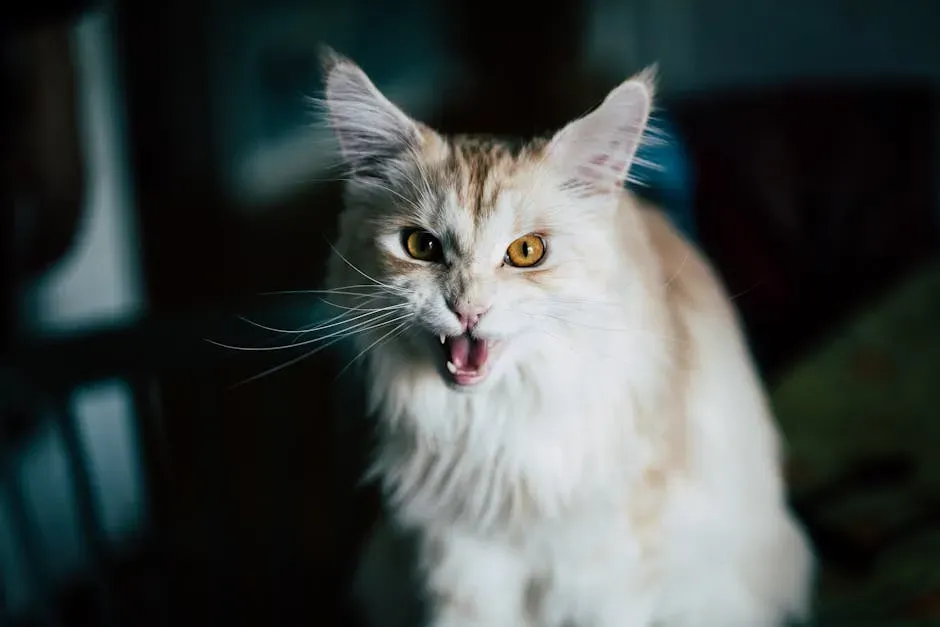
That insistent 2 a.m. meow by the food bowl might be your cat’s thyroid talking, not their stomach.
If your older cat is howling at night, seems unusually restless, and is eating more than ever while still losing weight, feline hyperthyroidism is a strong medical suspect – an endocrine disorder extremely common in senior cats, typically caused by a benign growth on one or both thyroid glands. The hormone imbalance essentially puts the cat’s metabolism into overdrive, which triggers relentless hunger at all hours.
Research backs up just how common this really is: hyperthyroidism affects about 10% of cats over age 10, leading to symptoms like weight loss, increased appetite, and restlessness. One study found the vocal connection is almost universal in these cases – around 60% of hyperthyroid cats exhibit increased vocalization. So if your senior cat is suddenly a food-obsessed night owl, it’s worth mentioning to your vet before assuming it’s just old-age quirkiness. Up next in #6, a related nighttime behavior involving the water bowl…
#6 – Draining the Water Bowl and Needing the Litter Box More
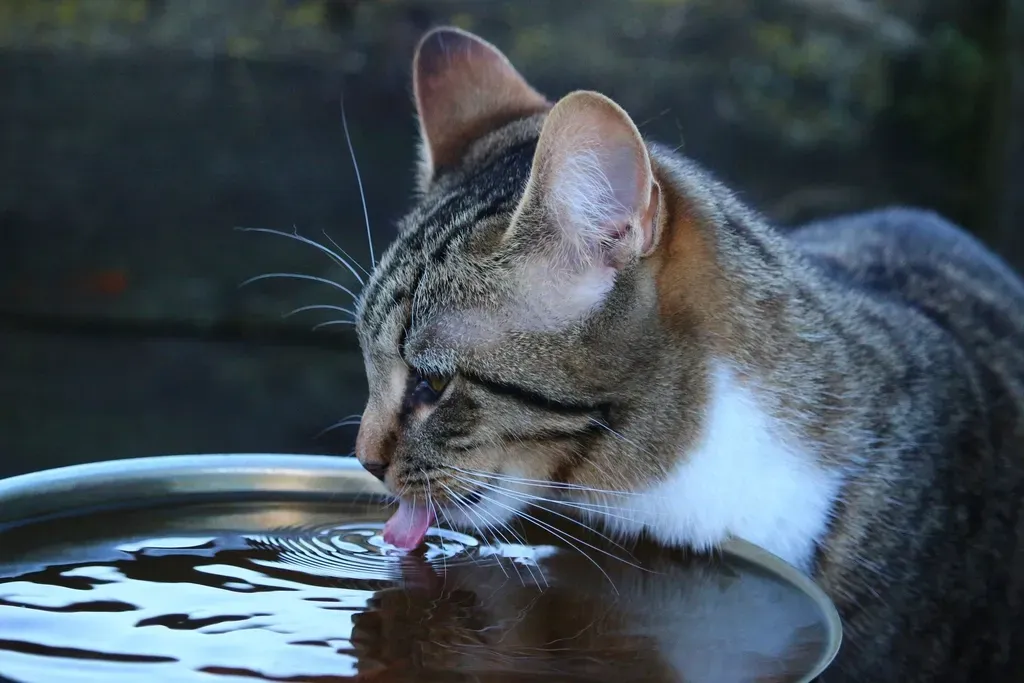
If your old cat is suddenly slurping water at 1 a.m. and making extra litter box trips overnight, kidney function is likely involved.
Veterinary sources point out that chronic kidney disease is common in senior cats and can contribute to urinating outside of their litter box. As kidneys lose efficiency with age, cats naturally drink more to compensate, and that increased fluid intake has to go somewhere – often in the dead of night when everyone else is asleep. This is one of the most overlooked “aging” symptoms because it develops gradually rather than overnight.
Combine failing kidneys with reduced mobility or confusion in the dark, and you get exactly the kind of nighttime accidents owners often blame on “bad behavior.” The truth is far less personal: it’s biology catching up with an aging organ system. Vets consistently recommend ruling out kidney and urinary issues before assuming any nighttime toileting change is behavioral. Next, we look at #7 – a physical symptom that gets worse specifically once the house goes quiet…
Quick Compare
- With hyperthyroidism the appetite and activity tend to be increased, whereas cats with chronic kidney disease have normal to decreased appetites and activity levels.
- Both conditions can trigger increased thirst and urination, which is exactly why they’re so easy to confuse from the outside.
- Because of significant overlap in the clinical presentation, it can be difficult to differentiate between the two without bloodwork.
- Many senior cats end up with both at once, which is one more reason nighttime water-bowl changes deserve a vet visit, not a guess.
#7 – Restlessness From Arthritis Pain That Flares at Night
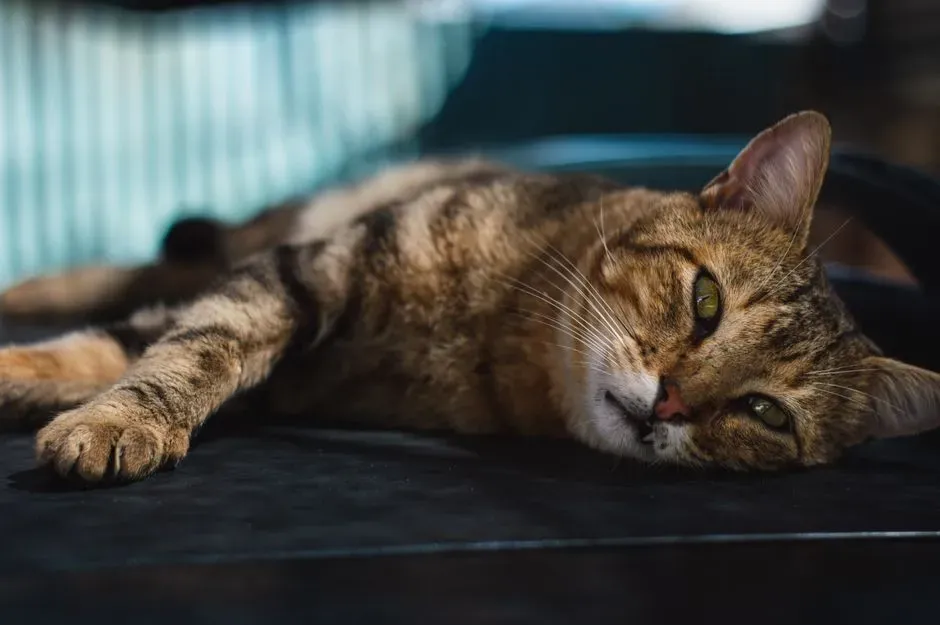
Old joints don’t clock out just because the sun goes down – if anything, they get louder.
Veterinary experts note that the pain of arthritis can intensify over the years and cause a formerly athletic cat to slow down dramatically, and that same pain can also hinder a cat’s ability to get into the litter box in time. At night, without the daytime distractions of activity, food, and human interaction, arthritis discomfort tends to become more noticeable to the cat – and more disruptive to sleep.
This is why some cats who seem “fine” all day suddenly become restless, repositioning constantly or crying softly once they lie down. Many owners never connect nighttime fidgeting to joint pain because their cat doesn’t limp obviously during waking hours. Vets increasingly recommend pain assessments for any senior cat showing new nighttime restlessness, since arthritis is drastically underdiagnosed in cats compared to dogs. Coming next in #8, a sensory decline that turns simple nighttime walks into obstacle courses…
#8 – Bumping Into Furniture in the Dark
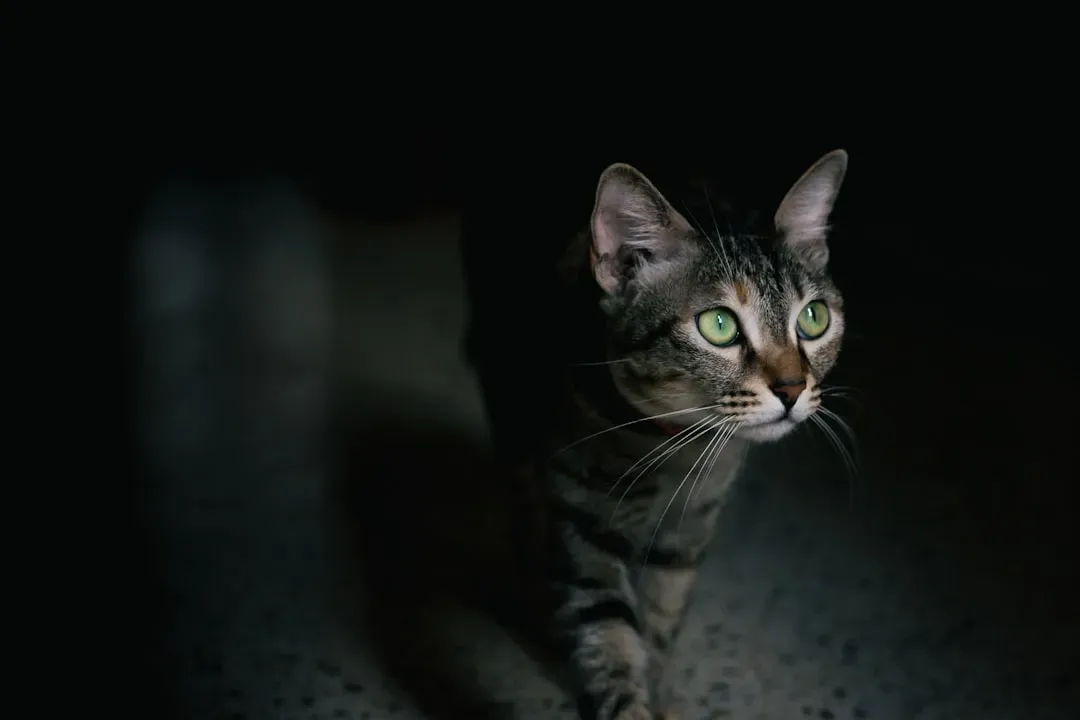
Your cat isn’t clumsy – they may simply be losing the ability to see in low light.
According to veterinary sources, eye function can deteriorate in the older cat, leading initially to “night blindness” – difficulty seeing and moving around in the environment – and potentially full visual loss, which can be distressing for cats who are naturally nocturnal and enjoy playing or hunting at night. This is a massive shift for an animal whose entire life has revolved around confident nighttime movement.
Hypertension makes this worse. Night-time vocalizing is relatively common in hyperthyroid cats or cats with hypertension, and hypertension can also cause retinal detachment and blindness, leading to anxiety and confusion. A cat that once prowled the house gracefully in pitch darkness may now hesitate at doorways or misjudge jumps entirely. This single sensory decline explains a huge number of “weird nighttime behavior” complaints owners bring to vets. Next, in #9, we look at how this same confusion changes where your cat chooses to sleep…
Worth Knowing
- Increased clumsiness, like bumping into furniture, walls, or other obstacles, is a common early sign, especially in a pet that was previously agile.
- Hesitation before jumping onto furniture or navigating steps can mean depth perception is fading.
- Dilated pupils that don’t shrink much in bright light are another common indicator.
- Startling easily when touched or approached unexpectedly can be a sign a cat is compensating for reduced vision with other senses.
#9 – Abandoning Their Usual Sleeping Spot
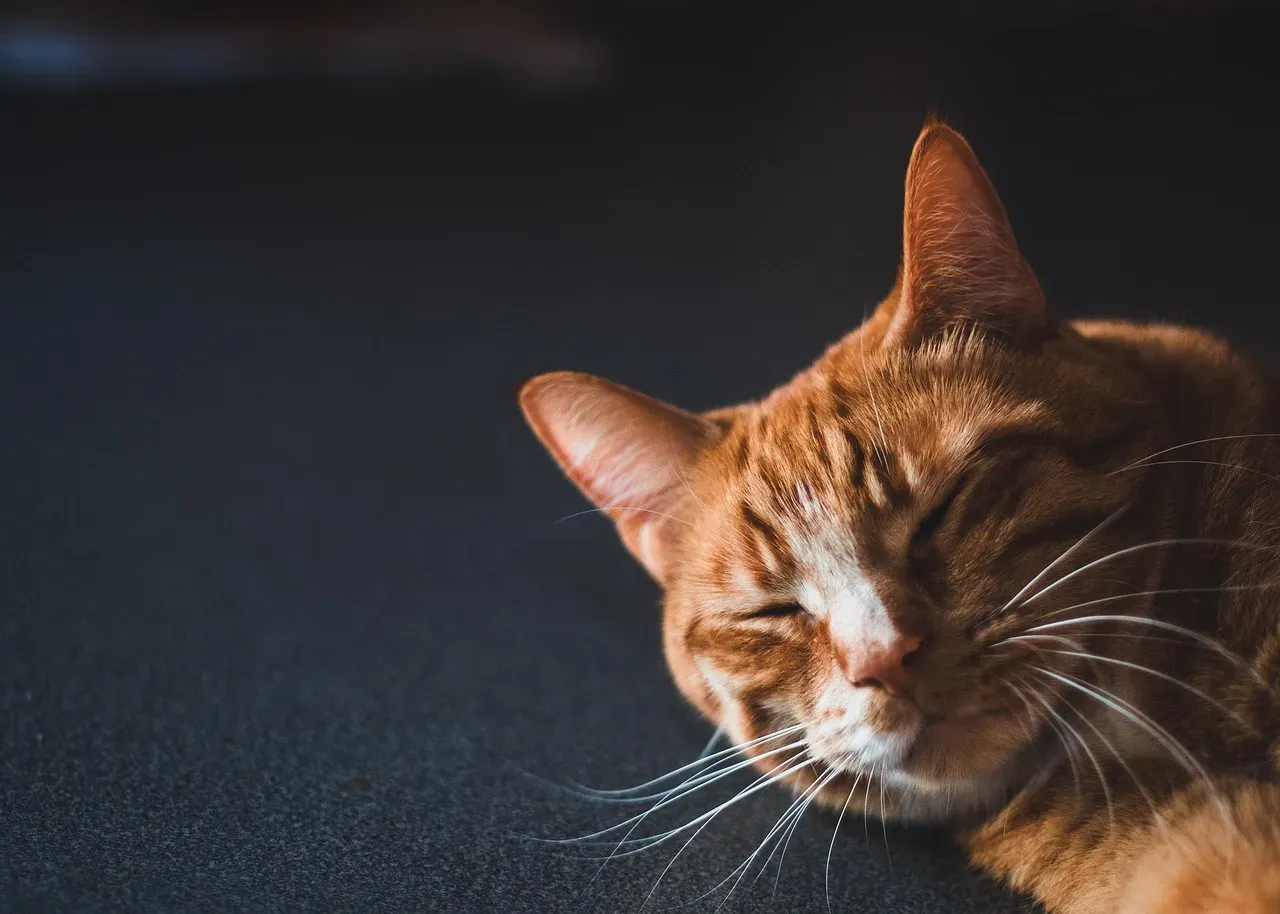
If your senior cat suddenly refuses their favorite bed, disorientation and anxiety are the most likely explanations.
Behavioral experts note that cognitive dysfunction can also change a cat’s social relationships with you and with other pets in your home, and that shift often extends to where a cat feels safe sleeping. A spot that once felt secure may now feel unfamiliar simply because the cat’s spatial memory has weakened. This is one of the more heartbreaking changes owners report, since it can look like rejection when it’s actually confusion.
Vision loss compounds the problem – if a cat can no longer clearly see the layout of a room at night, familiar furniture and bedding may not register as “safe” anymore. Some cats compensate by choosing enclosed, low spots like under a bed or behind furniture, where fewer sensory inputs are needed to feel secure. It’s a quiet behavior change, but a meaningful one. Up next in #10, the opposite reaction – cats who suddenly can’t stand to be alone…
#10 – Becoming Clingy and Needing Constant Contact Overnight
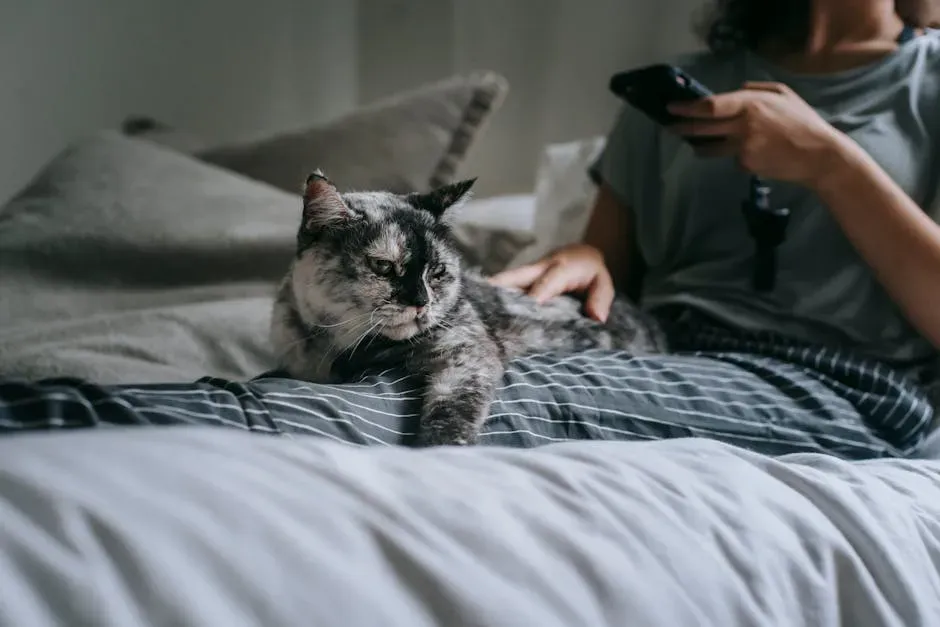
Some senior cats swing the opposite direction, refusing to let their owner out of sight once night falls.
The ASPCA lists this directly among cognitive dysfunction warning signs: a cat needs constant contact, becomes overdependent and clingy. This isn’t your cat suddenly becoming more affectionate out of nowhere – it’s frequently a sign of rising nighttime anxiety as the world becomes harder to interpret.
Real owner experiences reflect this pattern closely. One vet consultation described an 18-year-old cat whose nighttime demands intensified after aging began affecting her behavior, and the explanation given was telling: older cats often become more vocal at night due to mild cognitive changes, altered sleep patterns, or anxiety, and even without medical issues, their need for attention and reassurance can be quite strong. If your independent, aloof cat suddenly wants to sleep pressed against you every night, don’t dismiss it as sweetness alone – it may be a coping mechanism. Coming up in #11, a full reversal of your cat’s entire daily rhythm…
#11 – Sleeping All Day, Then “Waking Up” at Midnight
Your old cat’s internal clock may be quietly flipping upside down.
Veterinary sources describe this shift plainly: some older cats become more unsettled at night because their normal sleep-wake pattern has changed – they may sleep more during the day, then wake, wander, or vocalise when the house is quiet. This isn’t laziness catching up with them – it’s a documented symptom of brain aging.
Cornell’s veterinary team confirms this pattern is a recognized clinical sign, not just anecdote: altered sleep-wake cycles, disorientation, excessive sleeping, and loud vocalising in the middle of the night are all listed among the classic signs seen with feline cognitive dysfunction. So while your cat naps peacefully on the couch all afternoon, their brain may already be prepping for a wide-awake, confused, and vocal overnight shift once the house goes dark. Next, in #12, a strange self-soothing behavior tied directly to this same anxiety…
#12 – Excessive Grooming or Licking Right Before Bed
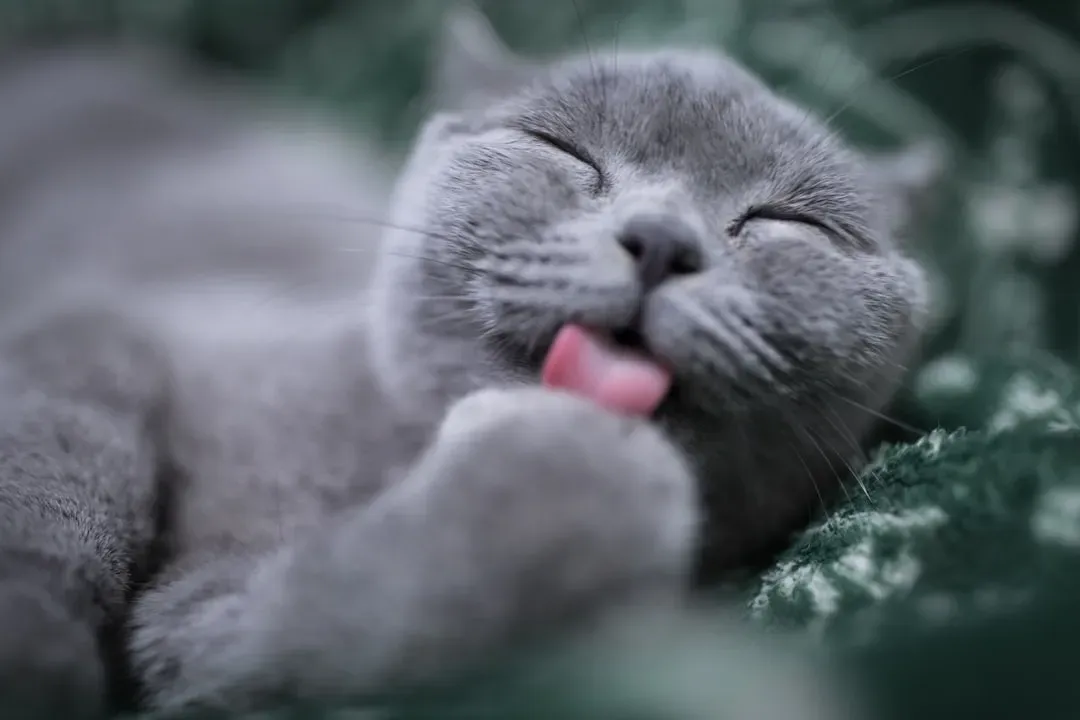
If your senior cat is suddenly licking one spot obsessively at night, it’s often anxiety talking, not vanity.
While grooming is normal cat behavior, a sudden increase – especially concentrated at night – frequently signals underlying stress or discomfort. Veterinary behaviorists commonly link excessive self-grooming in aging cats to the same anxiety spikes that drive nighttime yowling and restlessness, since repetitive licking is a well-documented self-soothing mechanism in cats facing sensory or cognitive decline.
This behavior often overlaps with arthritis pain, too – cats may over-groom a specific joint or area that’s bothering them, especially once they’ve settled down for the night with nothing left to distract them. Owners frequently mistake this for a skin issue alone, when it may really be a window into pain or stress a cat can’t express any other way. Coming up in #13, a habit that reveals just how much your cat’s memory has slipped…
#13 – Waiting by an Empty Food Bowl They Already Emptied
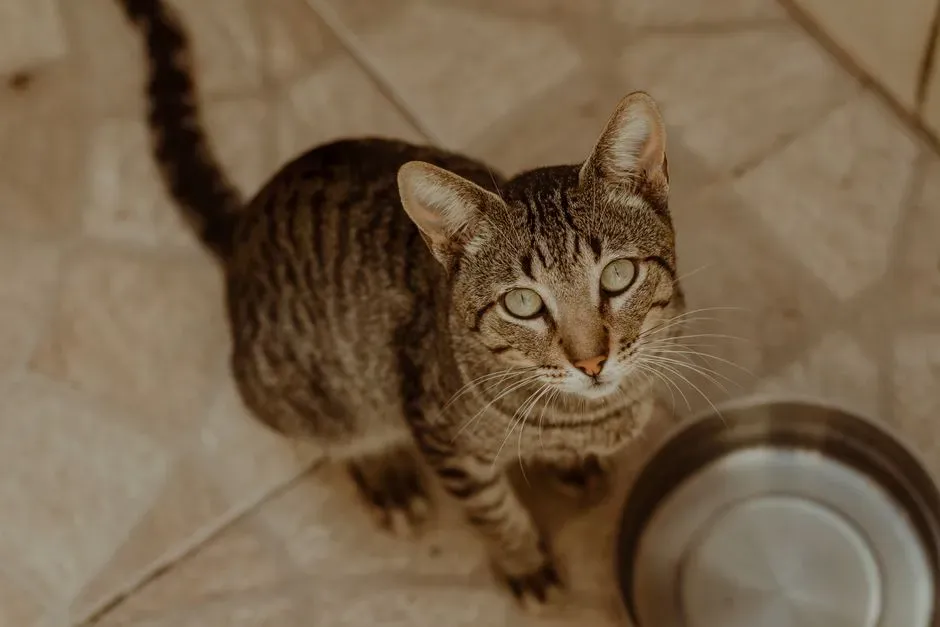
Some senior cats will sit beside a food bowl they finished hours ago, seemingly convinced they haven’t eaten at all.
This ties directly into memory decline associated with cognitive dysfunction. Behavior specialists note this pattern among common signs of aging-related confusion, where cats genuinely appear to forget recent meals and demand food again shortly after eating. It’s one of the clearest signs that a cat’s short-term memory – not just their long-term habits – is being affected by aging.
At night, this behavior often intensifies because there are fewer distractions to interrupt the fixation. A cat parked silently by an empty bowl at 3 a.m., occasionally meowing softly, is frequently exhibiting exactly this kind of memory-related confusion rather than genuine hunger. It’s a small, quiet behavior, but one that speaks volumes about what’s changing inside an aging cat’s brain. Next, in #14, a nighttime shift that involves your cat’s oldest instincts fading…
#14 – Losing Interest in Nighttime Hunting Instincts
Cats are naturally wired to be active hunters after dark, but old age can quietly erase that drive entirely.
Veterinary sources note that sensory decline can be especially distressing for cats, since they’re naturally nocturnal and instinctively wired to play, hunt, and stay active once the house goes dark. A cat that once pounced at shadows or chased toy mice across the floor at midnight may now simply sit still, uninterested, watching nothing happen.
This isn’t boredom – it’s often a combination of declining vision, joint pain, and reduced cognitive sharpness all working together to dull instincts that were once automatic. Vets frequently list lack of interest in playing alongside spatial disorientation and excessive sleeping as part of the broader cognitive decline picture. It’s a quiet loss, but one long-time owners notice almost immediately once their cat’s nighttime energy disappears. Finally, in #15, the behavior that ties every single one of these changes together…
#15 – Vocalizing Out of Pure Confusion, Not Need
At the center of nearly every nighttime change in senior cats sits one unifying cause: confusion.
Veterinary researchers put it plainly: Feline Cognitive Dysfunction Syndrome involves progressive neurodegeneration, characterized by neuronal atrophy and potential amyloid plaque formation, leading to persistent yowling, profound confusion, spatial disorientation, and severe disruption of circadian rhythms, often resulting in nocturnal vocalization. This single condition can explain nearly every behavior on this list at once – the pacing, the staring, the litter box accidents, and the yowling all trace back to the same degenerating brain circuitry.
The scale of this is larger than most owners assume. More than a quarter of cats aged 11 to 14 show at least one sign of dementia, and it’s even more common as they age, with half of cats over the age of 15 showing signs of cognitive dysfunction. That means the strange nighttime behavior isn’t rare or random – it’s an expected part of aging for a huge share of cats, and it deserves a vet visit, not a shrug.
At a Glance
- Signs of cognitive dysfunction syndrome can begin to show as early as 10 years old in cats.
- Cats with the condition have been shown to accumulate beta-amyloid plaques in the brain, which block normal communication between neurons.
- There’s no cure, but early intervention can slow the progress of the disease and improve quality of life throughout the senior years.
- The earlier a vet catches it, the more comfortable a cat’s remaining years can be – which is exactly why none of this list is worth shrugging off.
The Bottom Line
Here’s the uncomfortable truth: almost none of these 15 nighttime behaviors are “just old-age quirks.” They’re rooted in real, documented conditions – cognitive dysfunction, hyperthyroidism, arthritis, kidney disease, and vision loss – that vets can often manage once identified.
Too many owners wait years before mentioning nighttime yowling or pacing to a vet, assuming nothing can be done. That assumption is flatly wrong, and honestly, it costs cats comfort they didn’t need to lose. If your senior cat is doing even three of these things after dark, it’s time for bloodwork, not just a shrug and a closed bedroom door. Which of these behaviors has your own cat done? Tell us in the comments.
Kristina is a young writer from India. An arts graduate and an avid content creator, Kristina is passionate about animals and wildlife. She enjoys exploring topics related to pet care, animal behavior, conservation, and nature, combining thorough research with engaging storytelling.