Your cat gives you that same blank, unreadable stare every single day, like a tiny furry stranger who just wandered in off the street. Most owners assume that means the memory bank is basically empty – new house, new smells, new life, clean slate. Animal behaviorists say that’s almost exactly backwards.
Cats don’t forget their first home. They just stop advertising it. Somewhere behind that flat, judgmental gaze is a mental filing cabinet stuffed with scents, sounds, and routines from the very first place they ever called home – and some of it can resurface years later in ways that will genuinely unsettle you. Here’s what feline cognition research actually says is still rattling around in there.
#1 – The Smell of That First Home Never Fully Fades
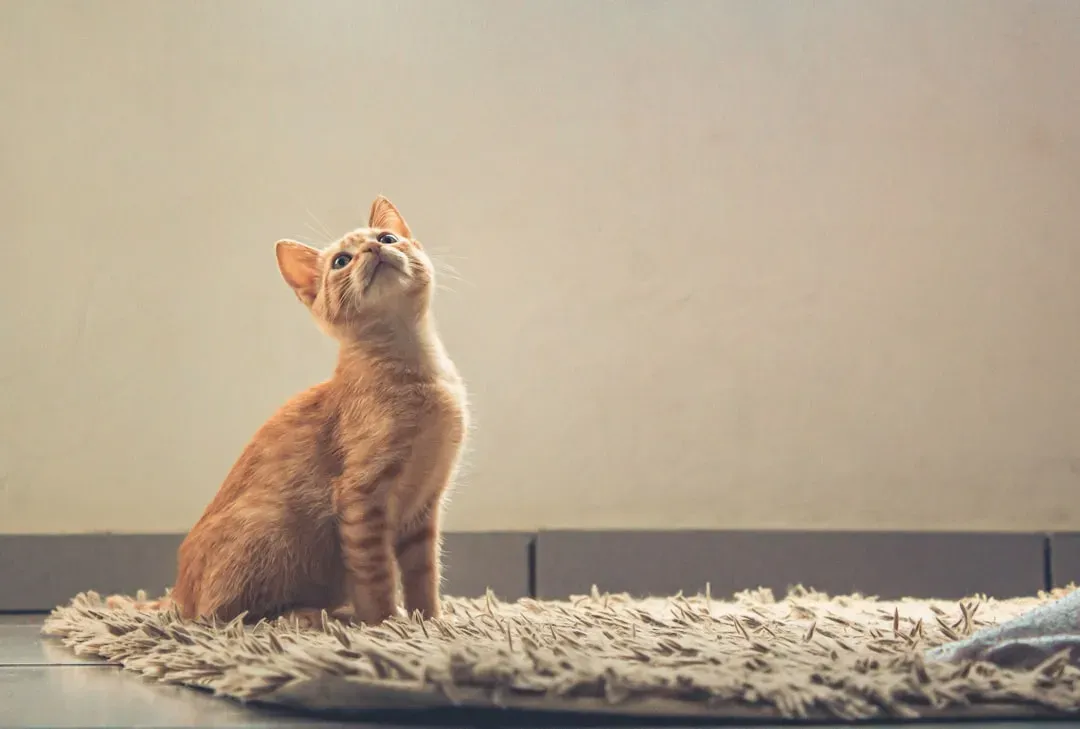
Cats experience the world nose-first, and that changes everything about how their memory works. A cat’s nose carries over 200 million scent receptors, compared to a human’s roughly 5 million, which means the exact smell-fingerprint of their first house – the carpet, the laundry detergent, the particular blend of humans and other pets – gets encoded far more permanently than any visual memory ever could.
That’s why a cat introduced to an old blanket or an unwashed sweater from its original home can suddenly go soft, rub against it, or start scent-marking like it never left. Smell isn’t a side detail for cats the way it is for us. It’s the primary language their brain uses to file away “home,” which is exactly why this sense stays sharpest the longest.
Fast Facts
- Cats have over 200 million scent receptors, versus roughly 5 million in humans.
- Scent-based memories tend to outlast visual memories by years.
- An unwashed blanket or worn sweater is often the strongest trigger for “home” recognition.
#2 – Your Cat Remembers the Sound of the Front Door
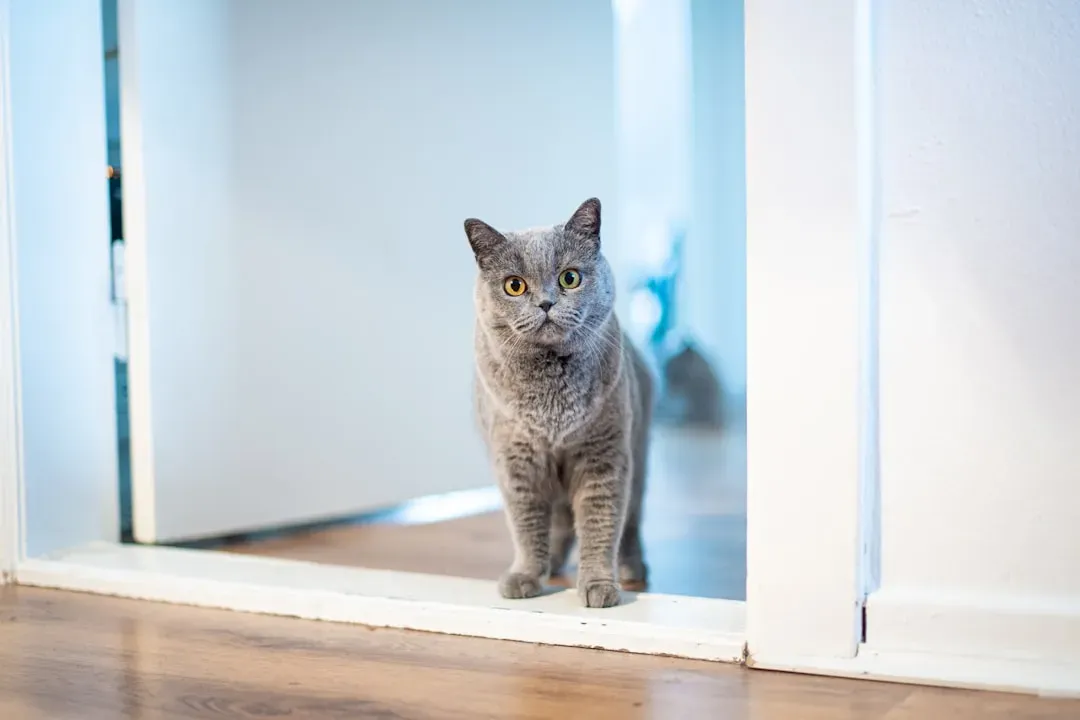
Long before a cat learns to recognize faces reliably, it’s already memorizing sound patterns tied to safety and food. The specific creak, click, or slam of the door in its first home becomes an early acoustic marker for “someone is coming” or “danger is near,” and that association can quietly outlast the move itself.
Some owners report their older cat startling or perking up at a door sound in a brand-new house that just happens to closely mimic the old one. Experts say this isn’t coincidence – it’s a conditioned response wired in during the earliest weeks of life, when a kitten’s brain is busy sorting safe patterns from threatening ones. Those early wiring choices rarely get fully overwritten later.
#3 – Old Feeding Schedules Leave a Lasting Mental Groove
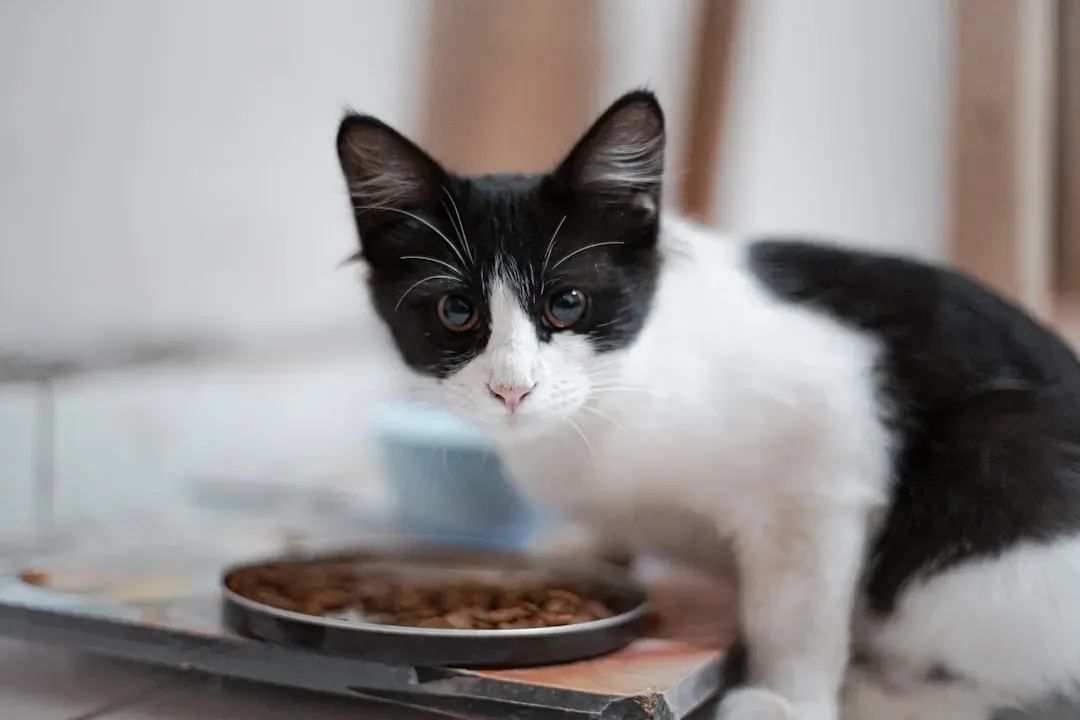
Cats are notorious clock-watchers, and that internal rhythm gets set during their earliest routine, usually in that very first home. If a cat was fed at 7 a.m. and 6 p.m. as a kitten, that timing can echo in its behavior for years, showing up as restlessness or pacing at those exact hours even in a completely different household.
This isn’t just anecdotal quirkiness. It reflects how tightly circadian rhythm and associative memory overlap in cats. The routine itself becomes the memory, stored less as a single event and more as a body-level expectation – and some behaviorists argue it’s the single most persistent form of memory a cat carries out of kittenhood.
#4 – Cats Recall Favorite Hiding Spots for Years
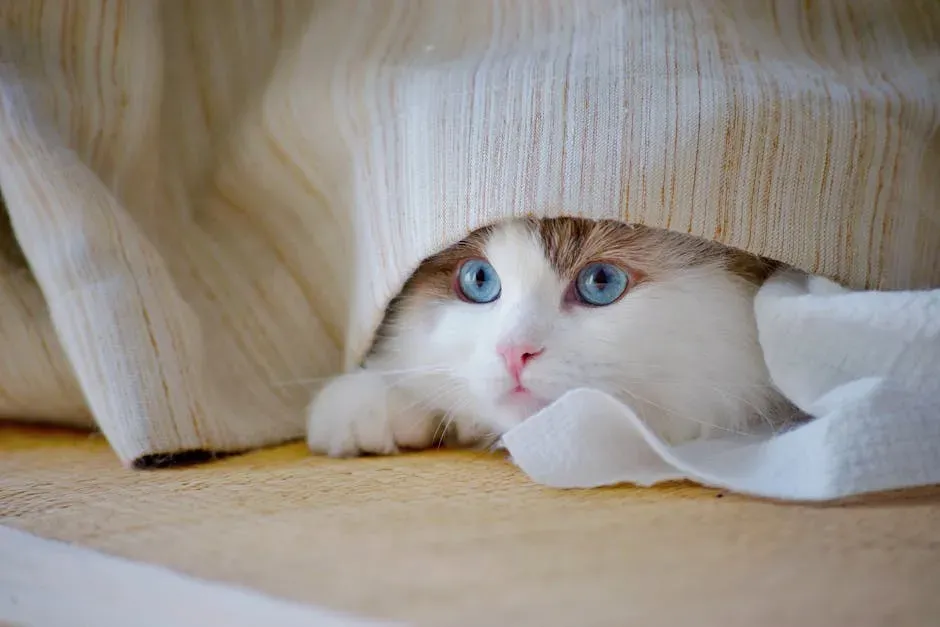
Territorial memory in cats is shockingly durable, and it doesn’t just apply to wherever they live now. A cat moved to a new home may still attempt to return to its original territory, which is a strong hint that the mental map of that old place never actually got deleted.
This shows up most clearly when a cat happens to revisit an old house long after moving away. Set loose in a place they haven’t seen in years, they’ll often walk straight to a specific closet or a specific gap under the furniture – the exact spot they used to disappear into as a kitten. That kind of precision suggests the spatial map from that first home doesn’t vanish. It just goes quiet.
#5 – The First Person Who Fed Them Gets a Special Place in Memory
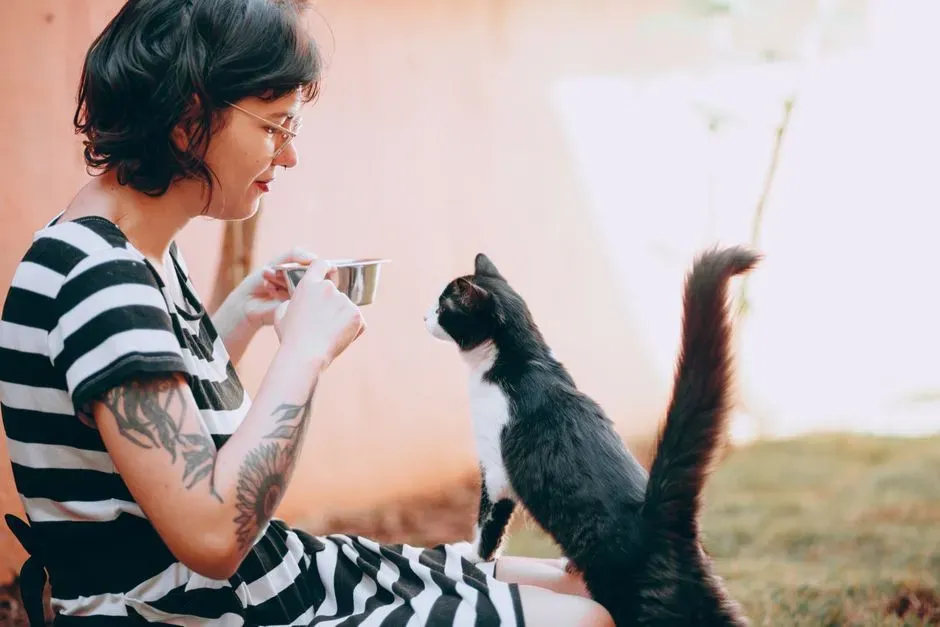
Cats form some of their strongest bonds around resource providers, and the human who fed them consistently in their earliest weeks often occupies a uniquely durable slot in memory. This isn’t necessarily affection the way we’d define it. It’s about reliability, and cats track reliability with startling precision.
That’s part of why some cats react strongly, even years later, to a scent or voice resembling that original caregiver. The bond isn’t really about love in the human sense – it’s closer to survival math, and cats are quietly excellent at running those numbers. Rehomed cats sometimes show brief spikes in vocalization or clinginess when something in a new environment echoes that original provider relationship.
#6 – They Remember Traumatic Moments Longer Than Happy Ones
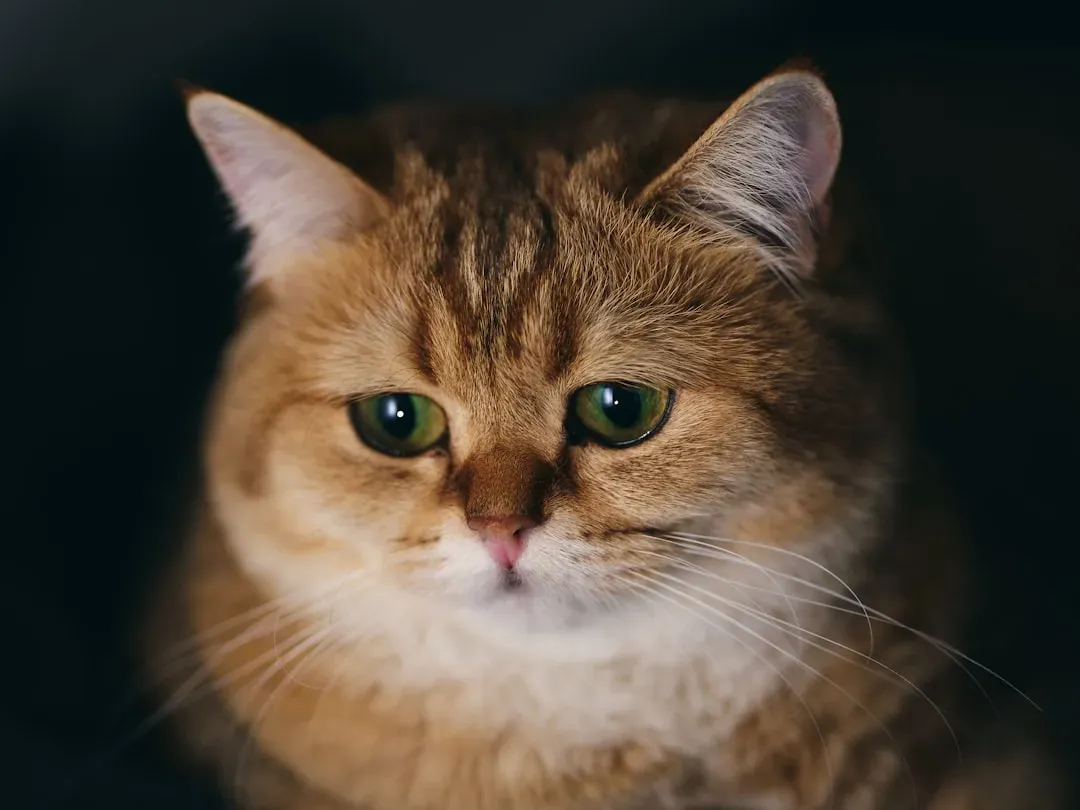
Here’s an uncomfortable truth many cat owners resist: fear-based memories tend to stick harder and longer than pleasant ones. A loud, frightening event in a cat’s first home – a slammed door, an aggressive dog, a rough handling incident – can create a lasting behavioral flinch that outlasts almost every other memory from that period.
This tracks with how memory generally works across mammals; emotionally intense negative events get prioritized for long-term storage because they’re tied directly to survival. Vets frequently see this in older cats who react strongly to specific triggers – certain footsteps, a certain tone of voice – with no obvious connection to their current life. The root cause is almost always buried in that very first environment.
#7 – Cats Recognize Their Original Name, Even After Years
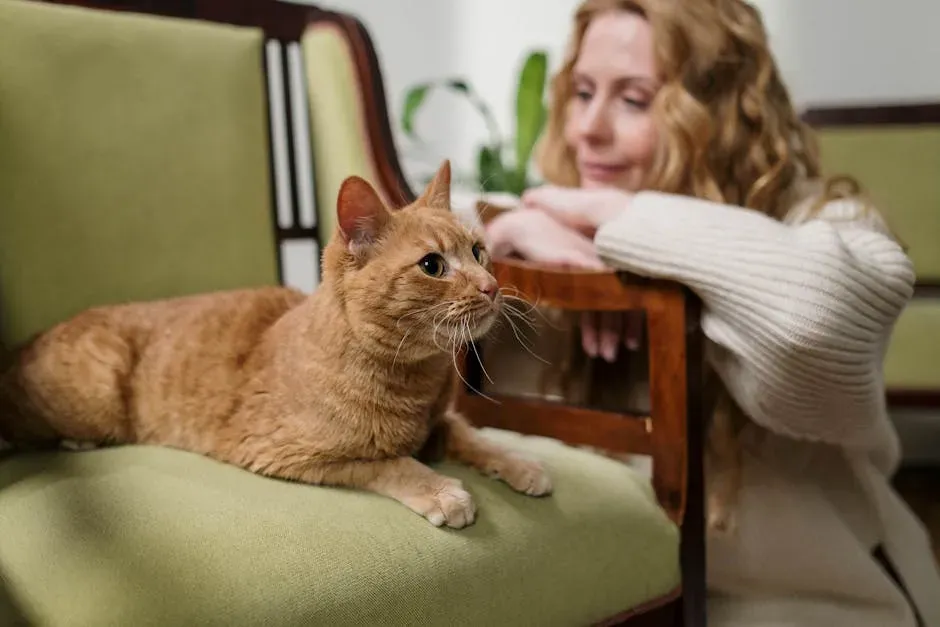
Name recognition in cats is real, and it’s more sophisticated than most owners give credit for. Research shows cats can link a specific name to a specific face without any explicit training, meaning they build genuine associative connections between a sound and a person, not just a generic attention cue.
That matters a lot for rehomed or rescued cats. How likely a cat is to remember its old name seems tied to things like family size and how long it lived with that family – generally, the longer and closer the bond, the stronger the memory. A cat that spent its first two years responding to one name may show subtle hesitation or renewed interest when that old name gets used again, even long after adoption into a completely new household.
Worth Knowing
- Cats can link a name to a face without any explicit training.
- Longer, closer bonds with a family raise the odds an old name still registers.
- A subtle ear flick or head turn is often the only visible sign a former name is remembered.
#8 – Litter Box Location Memory Runs Deep
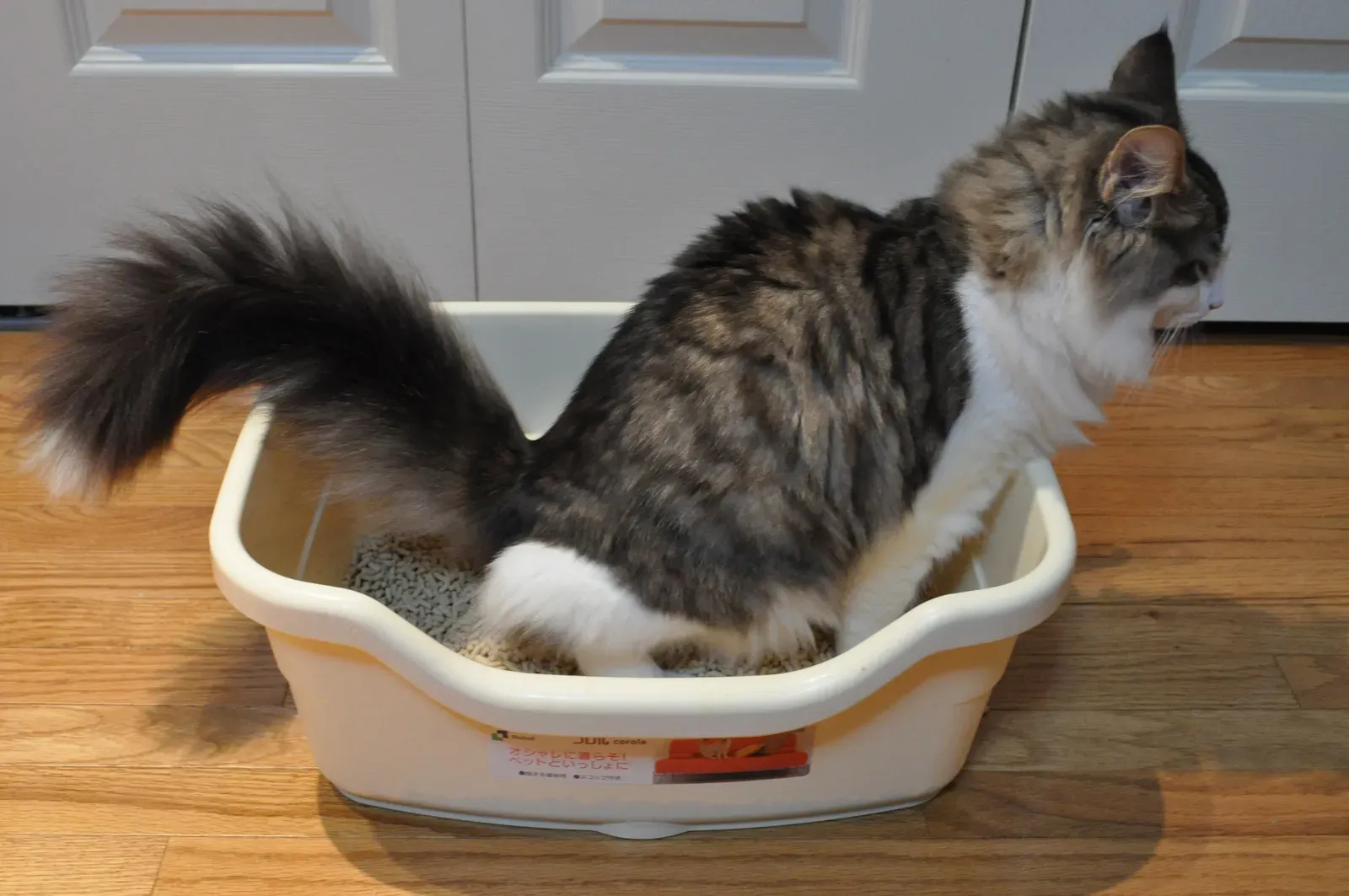
Bathroom habits are one of the most stubbornly memorized routines in a cat’s life, and the layout of their very first home often sets the template. Cats build a strong spatial association between “safe elimination zone” and specific physical features – corners, textures, distance from food – during their earliest weeks.
This is why cats moved into a drastically different layout sometimes struggle temporarily, searching for a spot that just “feels right” based on the old floor plan instead of the new one. The confusion isn’t disobedience. It’s outdated spatial memory colliding with a new environment, and while most cats adjust within days, that brief searching behavior is a direct window into how deeply the first home’s geometry got imprinted.
#9 – The First Home’s Temperature and Lighting Leave an Impression
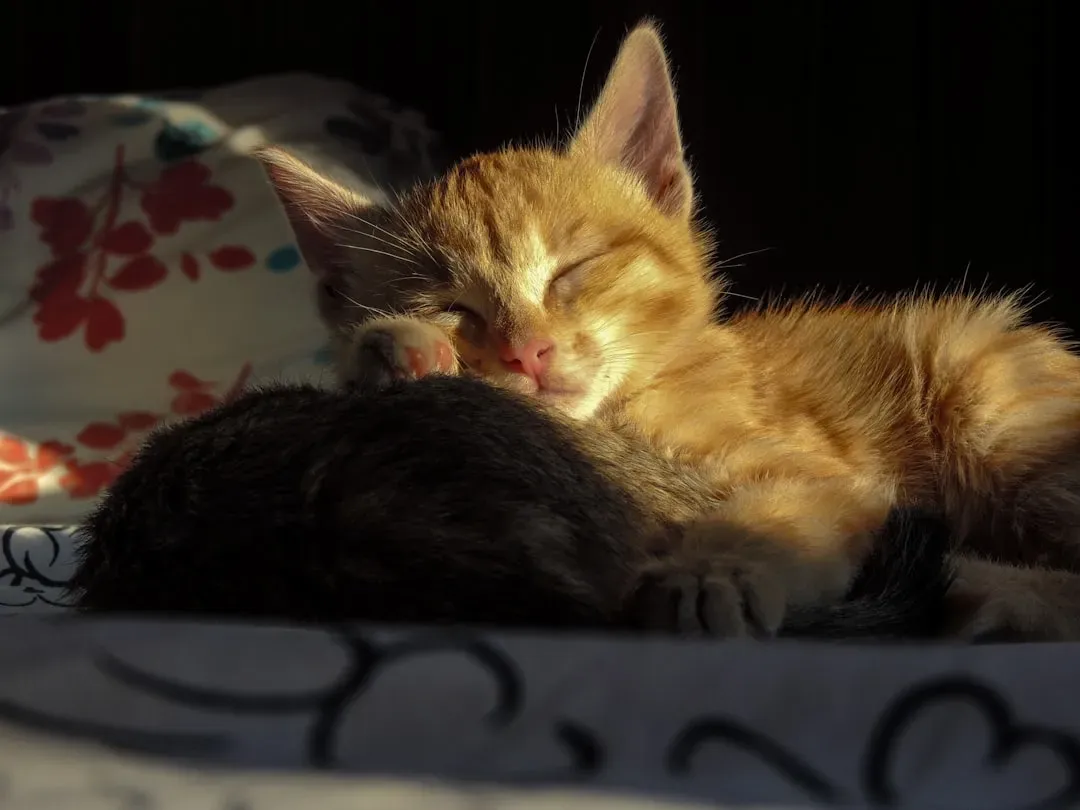
Cats are extremely sensitive to ambient comfort cues, and the specific warmth, drafts, and light patterns of their first home often become an unconscious baseline for what “normal” feels like. A kitten raised in a sunny, warm room may spend years afterward gravitating toward similar light patterns in every home that follows, almost like chasing a memory it can’t name.
This isn’t random pickiness. It’s rooted in early thermoregulation habits formed when a kitten’s environment directly shaped its comfort and safety. Cats that consistently seek out one specific windowsill or heat source in a new house are often unconsciously recreating a comfort pattern first established somewhere else entirely, years earlier.
#10 – Multi-Cat Households Leave Behind Social Memory
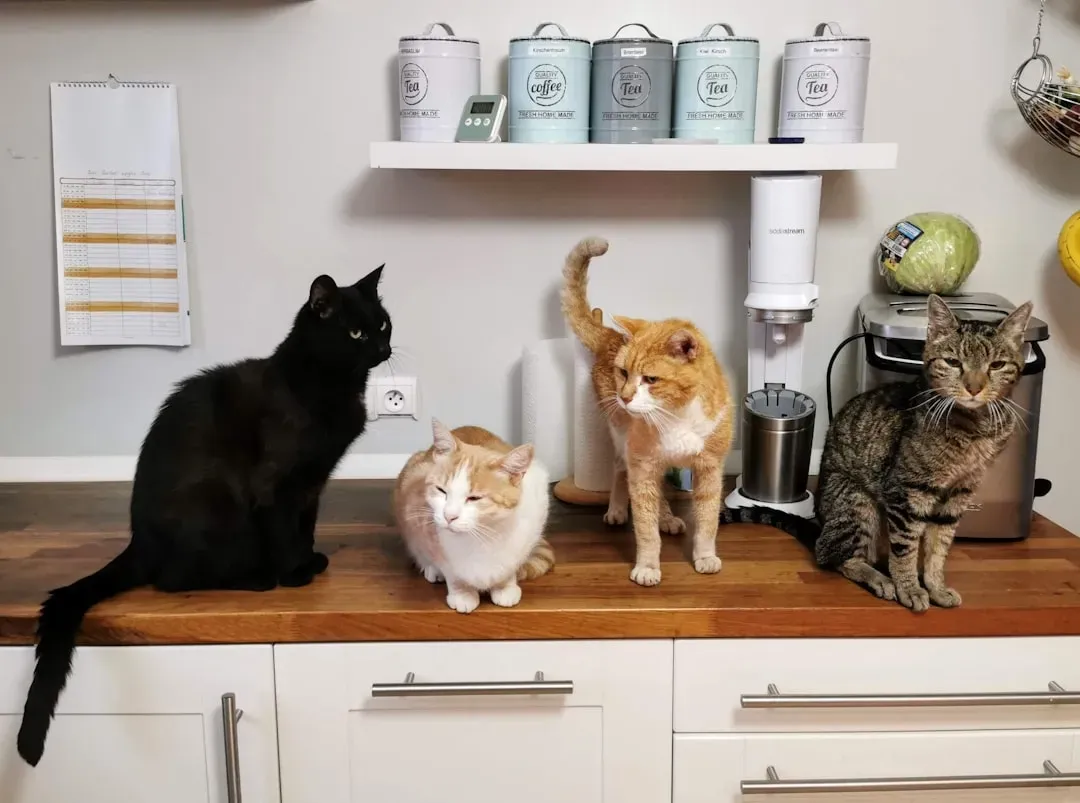
If a cat’s first home included other cats, that social hierarchy and companionship pattern doesn’t just vanish after separation. Cats form genuine social memory of the felines they lived with, and reunions – even after years apart – sometimes trigger recognizable behavior patterns from that shared past.
This connects to how cats generalize social learning in general: relationships from that first environment quietly shape expectations in every future household. A cat that grew up in a chaotic, competitive multi-cat home may show a very different baseline anxiety level than one raised solo, and that difference often traces straight back to social dynamics set in that very first home, no matter how long ago it was.
#11 – Cats Remember the Voice of Their First Caregiver
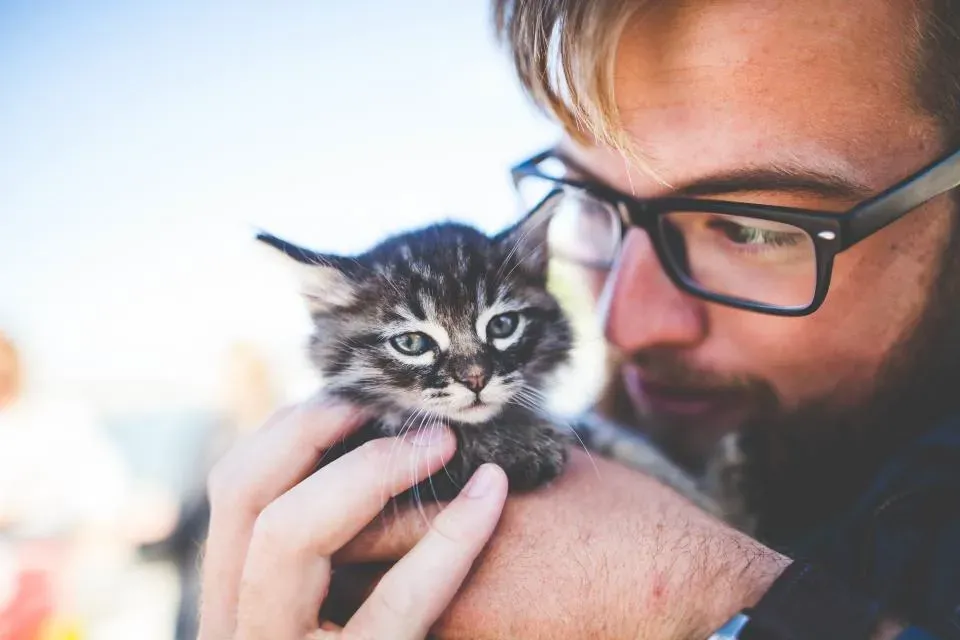
Voice recognition in cats is more durable than most people expect, and it doesn’t need frequent reinforcement to stick around. Research confirms cats can recognize their owners’ voices even after long periods of separation.
This is separate from facial recognition, which is notably weaker – one widely cited study found cats could only tell their owner’s face apart from a stranger’s face about half the time. In other words, your cat may not remember what its first owner looked like at all, but the specific tone, pitch, and cadence of that person’s voice can stay recognizable for years.
Quick Compare: Voice vs. Face Memory
- Voice recognition: Strong and durable, even after long separations.
- Facial recognition: Weak – cats often can’t reliably tell a familiar face from a stranger’s.
- Takeaway: A cat may forget how someone looked long before it forgets how they sounded.
#12 – Territory Maps From Kittenhood Stick Around
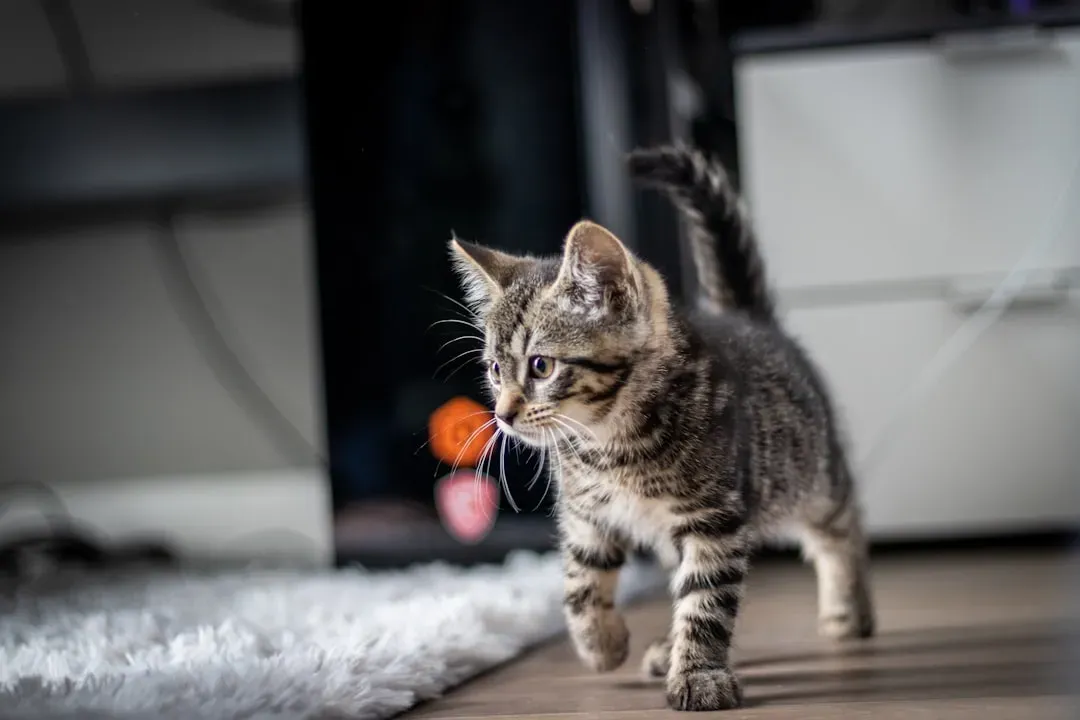
A cat’s brain builds an extraordinarily detailed spatial model of its first territory, and that model rarely gets fully erased, even decades later in cat-years terms. Research suggests cats combine visual landmarks, scent cues, and an innate sense of direction to build these mental maps, and domestic cats have shown a real capacity to find their way back home from surprising distances.
This is part of why cats separated from their original territory sometimes attempt long, improbable journeys back toward it. The instinct is tied to their territorial nature and their drive to patrol what they consider theirs. That drive doesn’t disappear with age – it just becomes less physically actionable, even while the underlying mental map stays fully intact.
#13 – Cats Notice When Their Living Situation Has Changed
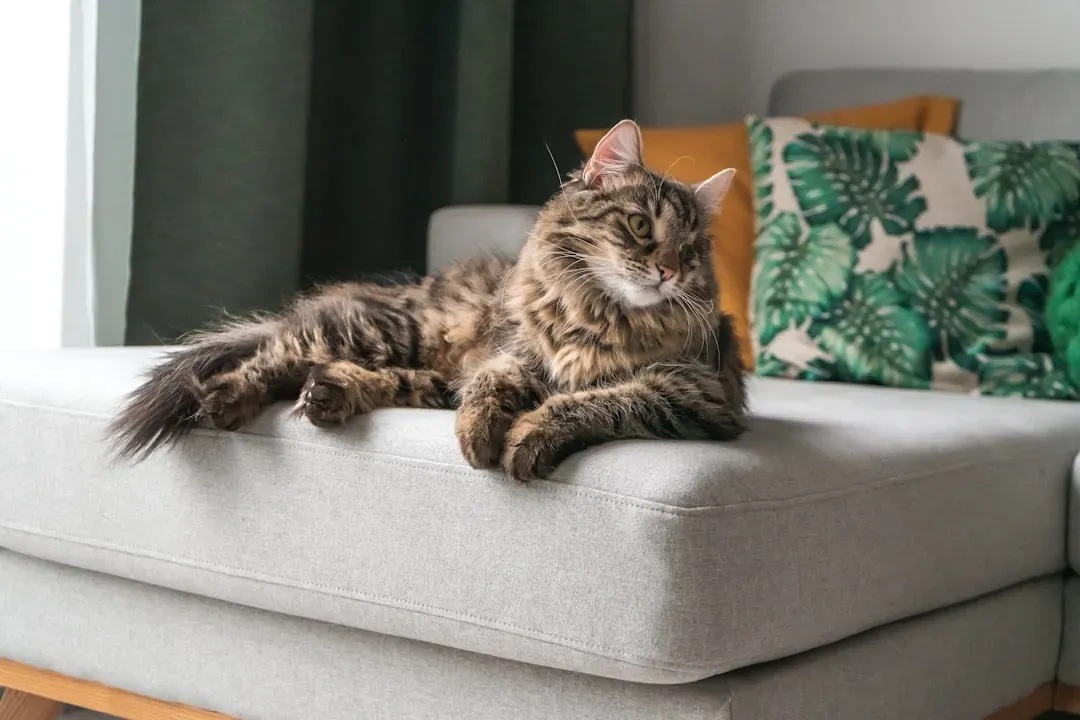
Cats don’t just passively adapt to a new environment – they actively register the shift, comparing it against an existing internal baseline built in an earlier home. Studies confirm cats can recognize individual humans and clock changes in their living situation.
This is subtler than most owners realize: it’s not just “remembering” the old home in isolation, it’s actively cross-referencing the new environment against it in real time. That comparison process is likely why some rehomed cats show temporary confusion or restlessness, searching or sitting in odd spots as they process the difference. That’s not confusion for confusion’s sake – it’s active memory retrieval happening right in front of you.
#14 – Early Trauma or Neglect Leaves the Deepest Imprint
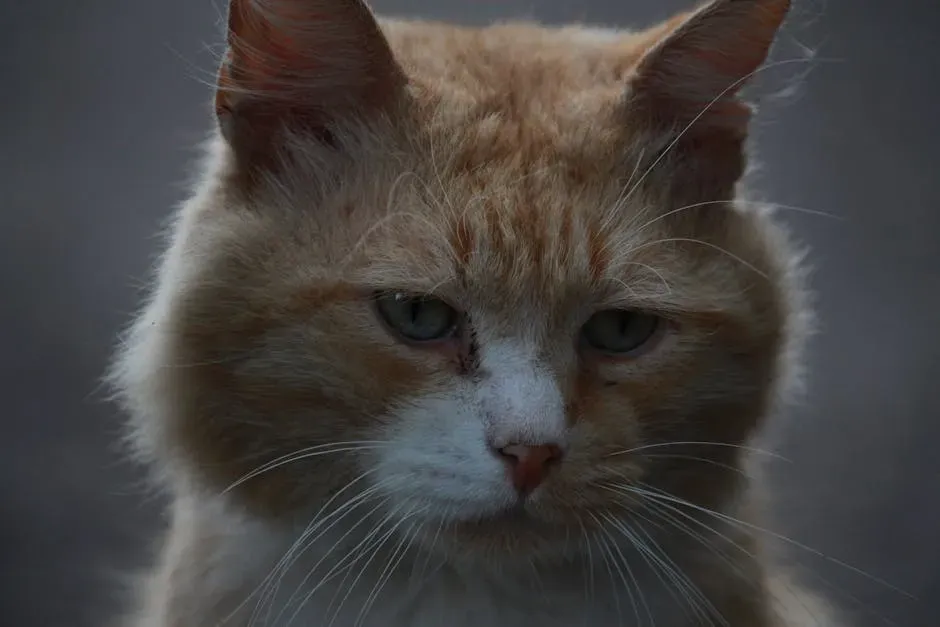
This is the uncomfortable one, and it deserves to be said plainly: cats that experienced neglect, instability, or fear in their first home often carry behavioral scars that no amount of later love fully erases. Skittishness around certain sounds, resistance to being picked up, or hyper-vigilance in new spaces frequently traces back to that original environment, not the current one.
Many owners mistakenly blame themselves for a rescue cat’s ongoing anxiety, when in reality the root cause was set years earlier, somewhere else entirely. The uncomfortable truth is that some behavioral issues aren’t fixable, only manageable, because the memory imprint from that first home runs too deep to fully overwrite. Understanding that shifts the goal from “curing” the behavior to simply accommodating it with patience.
At a Glance
- Early neglect or trauma often shows up as noise sensitivity, handling resistance, or hyper-vigilance.
- These behaviors usually trace back to the first home, not the current one.
- Management and patience typically work better than trying to “cure” the reaction.
#15 – The Emotional Bond With Their First Human Rarely Disappears Completely
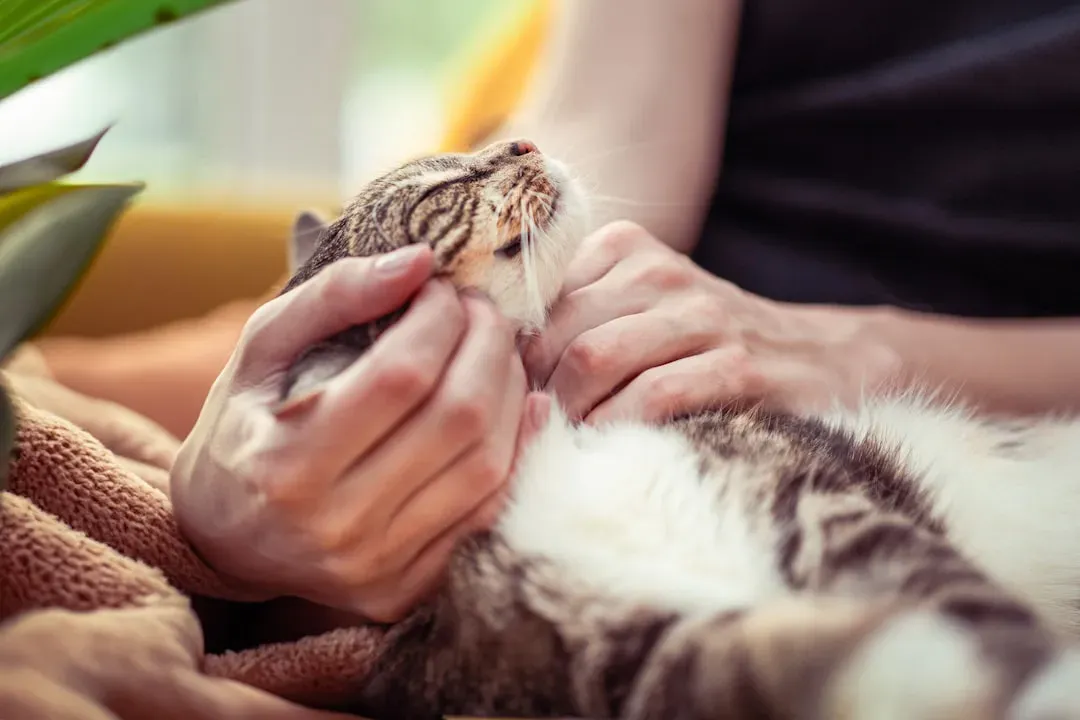
This is the one that surprises people most: cats don’t just remember facts about their first home, they retain emotional residue from the relationships formed there. Even after a long separation, a cat may still recognize a former owner through scent alone, since olfactory memory lets them identify familiar people long after visual details have faded.
That bond can outlast the window most people assume memory even covers. A cat’s attachment to a former owner can persist well beyond the few years typically associated with its long-term memory, likely because the emotional associations built during that time are simply stronger than ordinary recall. In other words, the emotional core of that first home – not just the smells or sounds, but the specific feeling of being cared for by one particular person – can end up being one of the longest-lasting memories a cat ever forms.
The Bottom Line
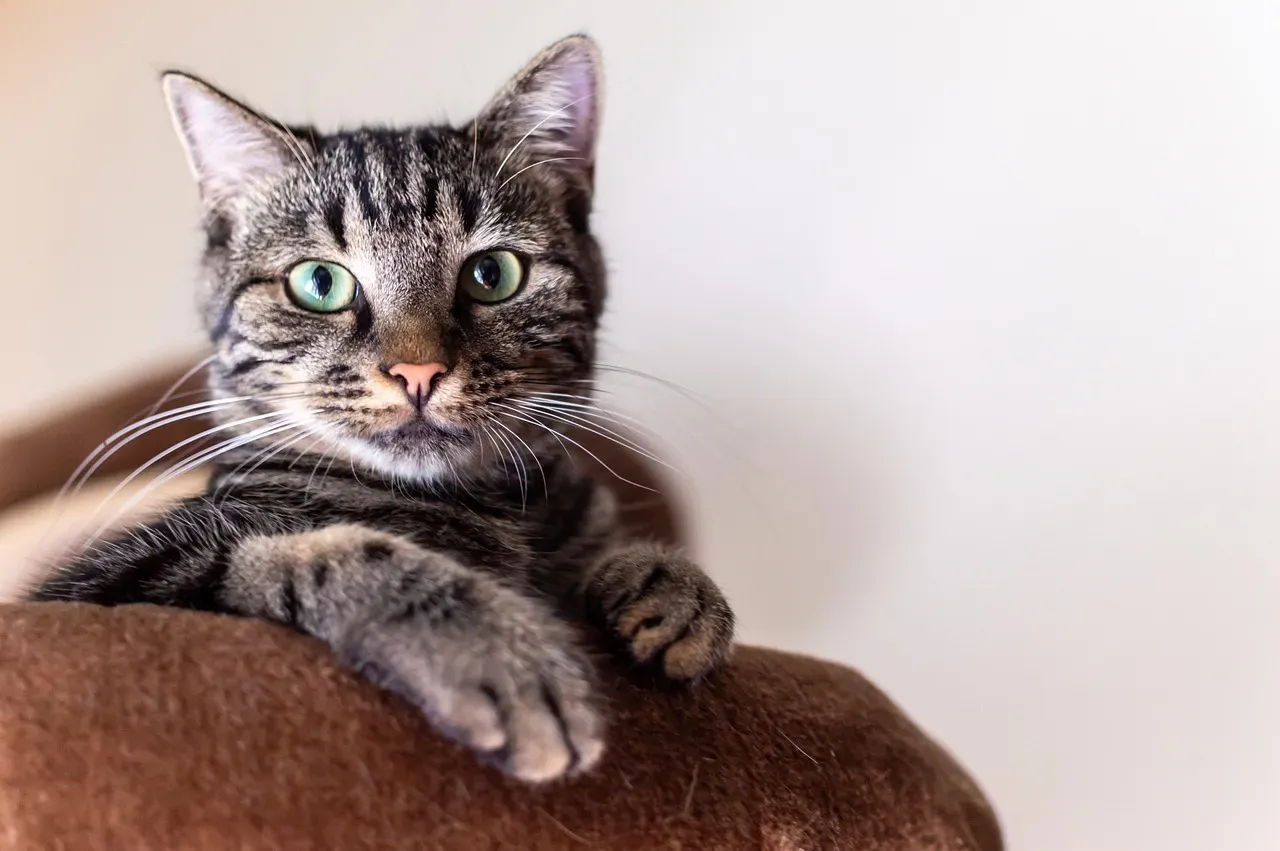
Cats don’t erase their first home. They archive it – in scent, sound, routine, and emotional residue that can resurface years later with almost no warning. Their memory isn’t sentimental the way ours is, but it’s far more durable than most owners give it credit for, especially around smell and early trauma.
A cat doesn’t forget. It just decides whether showing you matters.
Old veterinary saying
If your older cat suddenly reacts to a smell, a sound, or an object with no obvious connection to its life right now, there’s a good chance that’s not confusion at all. It’s a flashback – a door opening, for half a second, onto the very first home it ever knew. What’s the strangest “old memory” moment your cat has ever shown you? Drop it in the comments.
Kristina is a young writer from India. An arts graduate and an avid content creator, Kristina is passionate about animals and wildlife. She enjoys exploring topics related to pet care, animal behavior, conservation, and nature, combining thorough research with engaging storytelling.