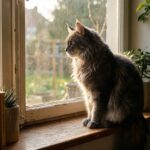
Everyone assumes an old cat is slipping quietly into deafness – bumping into things, ignoring you, drifting further from the world with every passing year. That’s the story vets hear from worried owners constantly. But veterinary behaviorists say the truth is almost the opposite of what you’d expect.
Older cats don’t lose their hearing so much as they get ruthlessly selective about it. Their brains quietly filter out the noise that doesn’t matter and lock onto the handful of sounds tied to food, safety, and the people they love – sometimes catching those sounds faster than a kitten ever could. It’s not decline. It’s decades of experience sharpened into something closer to a superpower. Here are the 15 tiny sounds your senior cat still catches instantly, even when the rest of the world has gone quiet for them.
#1 – The Specific Click of the Treat Bag
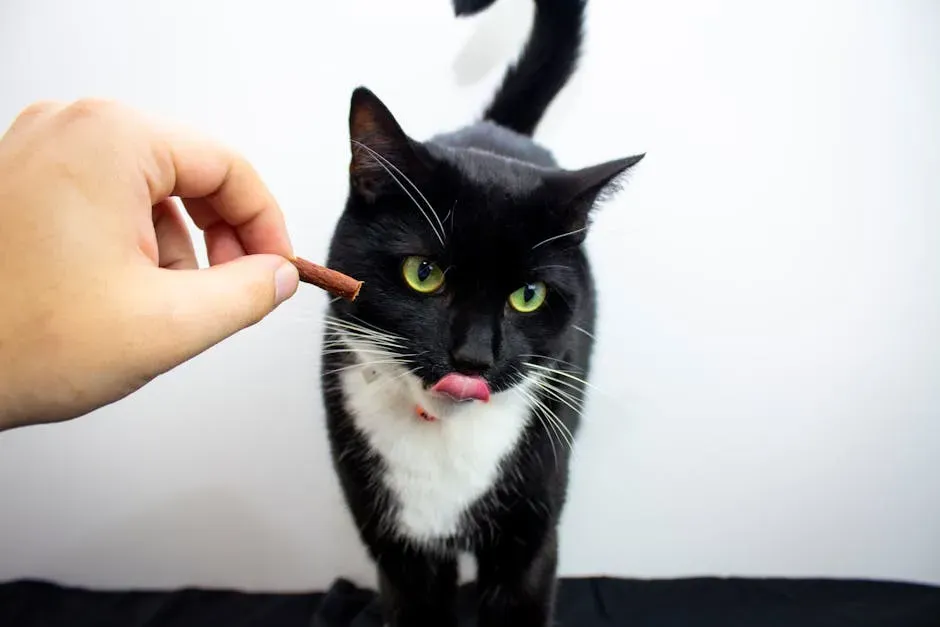
Your senior cat can pick the treat bag out of a lineup of crinkling plastic without even looking up. Not the chip bag. Not the cereal box. That exact bag.
Cats build what researchers call associative sound memory early on, and it only gets stronger with age. After thousands of repetitions, the crinkle-and-click combo becomes a distinct signature burned into the brain’s reward pathway. Many senior cats have already lost the ability to hear a doorbell chime, yet that one specific rustle still launches them off the couch at full speed. Somehow, this sound survives hearing loss better than almost anything else in the house.
#2 – The Can Opener, Even From a Different Room

You probably think your cat only reacts to the can opener because it’s standing right there watching you. It isn’t. Senior cats can identify that mechanical whir from two rooms away, through a closed door, mid-nap.
This is decades of classical conditioning doing its quiet work. Older cats have lived through thousands of feeding cycles, so the pairing between sound and meal is locked in tighter than in any kitten. Some senior cats generalize the sound so aggressively that a bottle opener or a twisting jar lid triggers the exact same sprint to the kitchen – a phenomenon behaviorists call stimulus generalization. It’s one of the last sound associations to disappear, even in cats with documented hearing loss.
#3 – Their Own Name, Even in a Different Tone
There’s a popular myth that cats simply ignore their names. Senior cats quietly prove it wrong, recognizing their name regardless of who says it or how it’s said.
Research on domestic cats shows they lock onto syllable pattern and rhythm rather than pitch or tone alone – which means your cat almost always hears you. It just decides whether responding is worth the effort. Older cats get especially picky, often only reacting when a name is followed by something they actually care about, like a treat or an open door. Owners read this as hearing loss. It’s really just an aging cat being efficient with its energy.
Fast Facts
- A cat’s upper hearing limit runs up to 20,000 Hz for humans, which falls to about 12,000–15,000 Hz as we age… Cats can hear sounds up to 64,000 Hz – roughly three times higher than a person’s range.
- In controlled testing, cats had more pronounced responses to their own names – meowing or moving their ears, heads or tails – than to similar words or other cats’ names.
- Cats owe part of their pinpoint hearing to their ears themselves: thanks to about 30 sets of muscles (by comparison, humans only have 6 sets), a cat can rotate its pinna up to 180 degrees in order to locate and identify the faintest of noises.
#4 – The Sound of a Specific Person’s Footsteps
Your senior cat almost certainly knows the difference between your footsteps and a stranger’s before you’ve even reached the door.
Over years of cohabitation, cats build detailed auditory maps of weight, pace, and rhythm for every human and animal in the house. That’s why an old cat stays curled up for a familiar family member but snaps to attention the second an unfamiliar gait hits the hallway. This skill sharpens with age instead of fading, since it depends entirely on repeated exposure – something a decade in the same house provides in abundance, and something a younger cat in a new home simply hasn’t earned yet.
#5 – A Car Pulling Into the Driveway
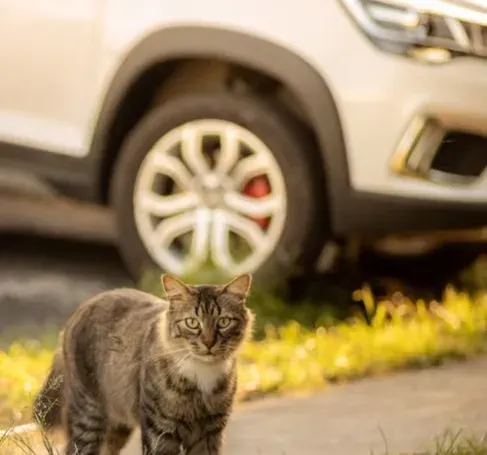
Many senior cats can pick out their owner’s car engine from every other vehicle that rolls past the house, sight unseen.
It isn’t about volume – it’s pattern recognition built from years of the exact same routine: engine hum, tires on the driveway, the rhythm of the door closing. Cats who’ve lived through the same daily arrival for years start anticipating it seconds before it happens. And this recognition tends to survive serious hearing loss, since low-frequency rumble is far easier for aging feline ears to catch than the sharp, high-pitched sounds around the house. It’s one of the last sounds to fade.
#6 – The Crinkle of Their Food Bag
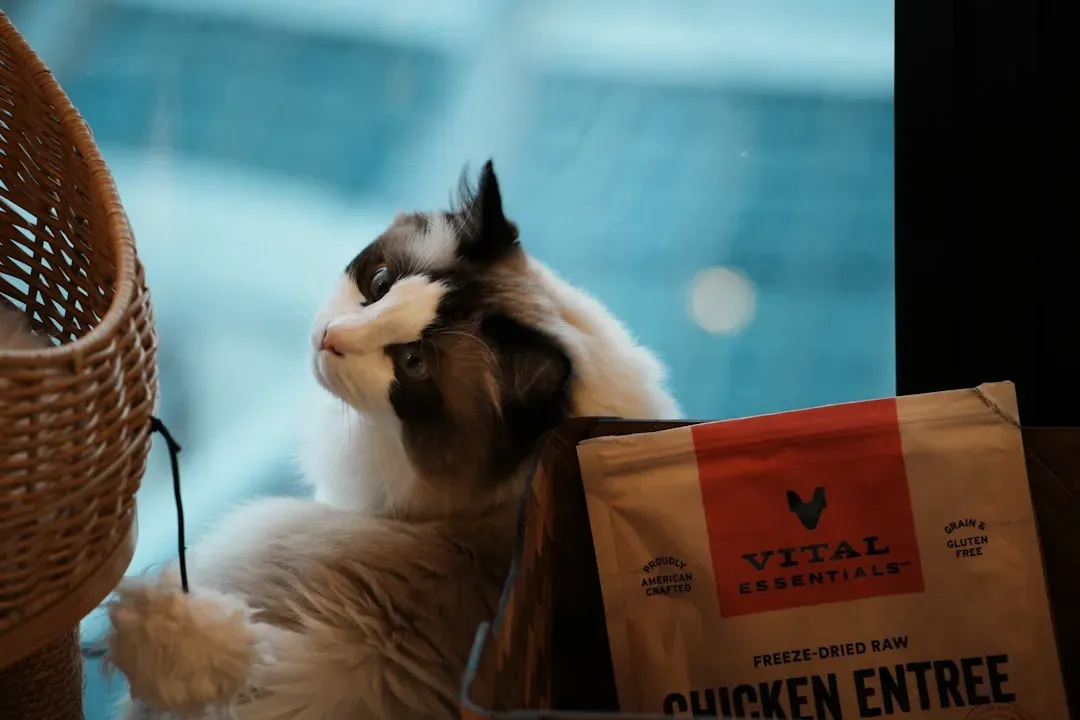
Senior cats can often tell their specific food bag apart from every other bag in the pantry – paper versus plastic, one brand’s pouch versus another’s.
A cat’s inner ear can detect frequency differences far smaller than what humans can perceive, which is exactly why this level of specificity is possible. Switch brands, and many owners notice a strange dip in their cat’s excitement at feeding time – not because the food smells different, but because the familiar sound cue is gone. Once the new bag becomes routine, the enthusiasm comes back. It’s a small reminder that a senior cat’s world runs on sound-based expectation as much as it runs on smell.
#7 – The Specific Ringtone or Alarm Tied to Feeding Time

If you rely on a phone alarm to remember feeding time, your senior cat has probably already beaten you to it.
Cats on structured routines – especially seniors managing kidney disease or diabetes – build sharp, time-based expectations reinforced by the same recurring sound. The alarm becomes a secondary conditioned cue layered on top of natural hunger, and some cats respond to it before the actual feeding even starts. Here’s the surprising part: disrupt that alarm, even after the cat has already eaten, and many show real anxiety. For an aging cat, the routine itself has become the source of comfort – sometimes more than the food.
#8 – Another Cat’s Meow, Even From a Different Room
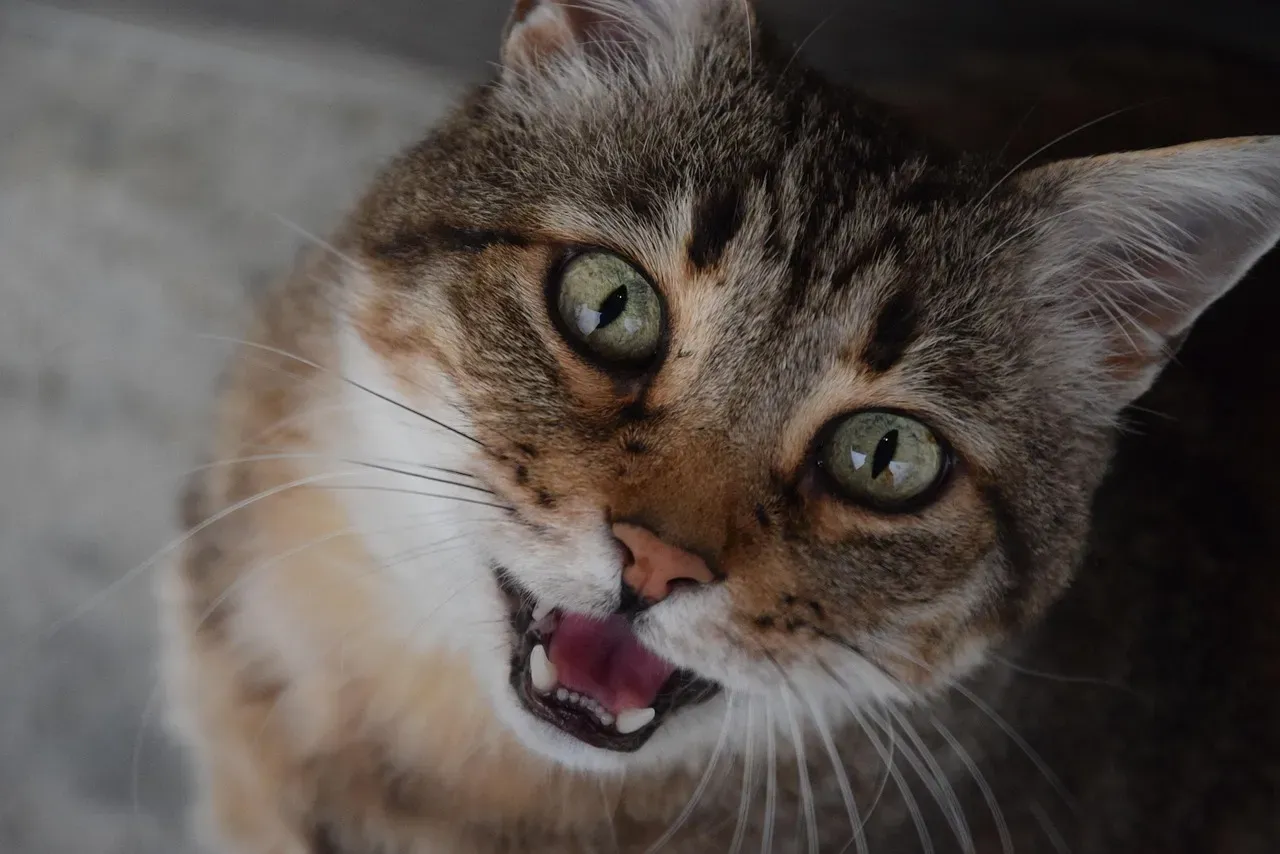
In multi-cat households, senior cats often recognize the specific voice of their longtime companion apart from every other vocalization in the house.
Feline communication researchers note that meows vary by context, and individual identity can be subtly encoded in vocal pattern. Cats who’ve shared a home for years develop a finely tuned ear for that one particular voice – especially a distress yowl. Many owners report their senior cat reacting to a housemate’s cry faster than to a human’s call, which quietly undercuts the old myth that cats are indifferent to each other. Long-term feline cohabitation, it turns out, often produces real social recognition.
At a Glance
- Ignoring a loud, sudden noise but still reacting to the treat bag or can opener usually points to selective attention, not deafness.
- Increased vocalizing, especially at night, can be a senior cat’s way of compensating for sounds it can no longer hear well.
- A cat that no longer startles awake from naps at normal household noise may be showing early signs of hearing decline.
- Only a vet-administered hearing test can confirm true hearing loss versus a cat simply choosing what to respond to.
#9 – The Rustle of a Litter Bag or Scoop
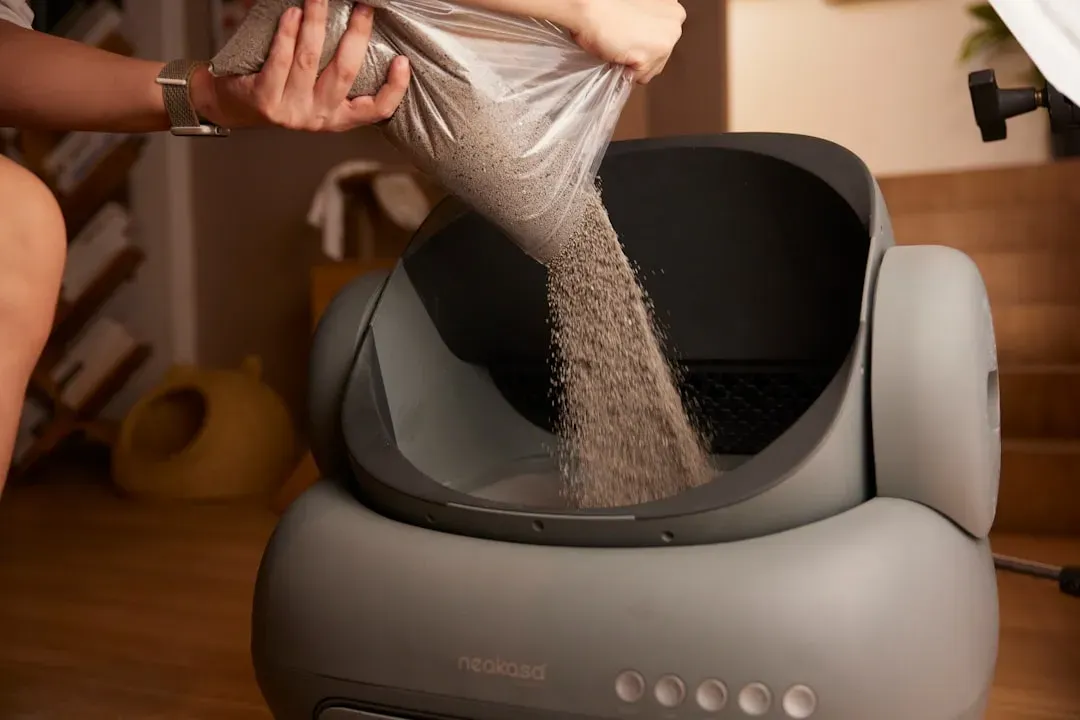
This one catches a lot of owners off guard: senior cats often react to litter being poured or scooped, treating it as a signal that a cleaner box is on the way.
Older cats, frequently dealing with joint pain or reduced mobility, place outsized value on a low-effort, freshly maintained box. The sound of a scoop against plastic can send a senior cat walking toward the box before the scooping is even finished. Some behaviorists argue this reaction actually intensifies with age rather than fades – a controversial but increasingly accepted idea: comfort-driven sound recognition gets stronger, not weaker, as mobility declines.
#10 – The Doorbell, Even With Partial Hearing Loss
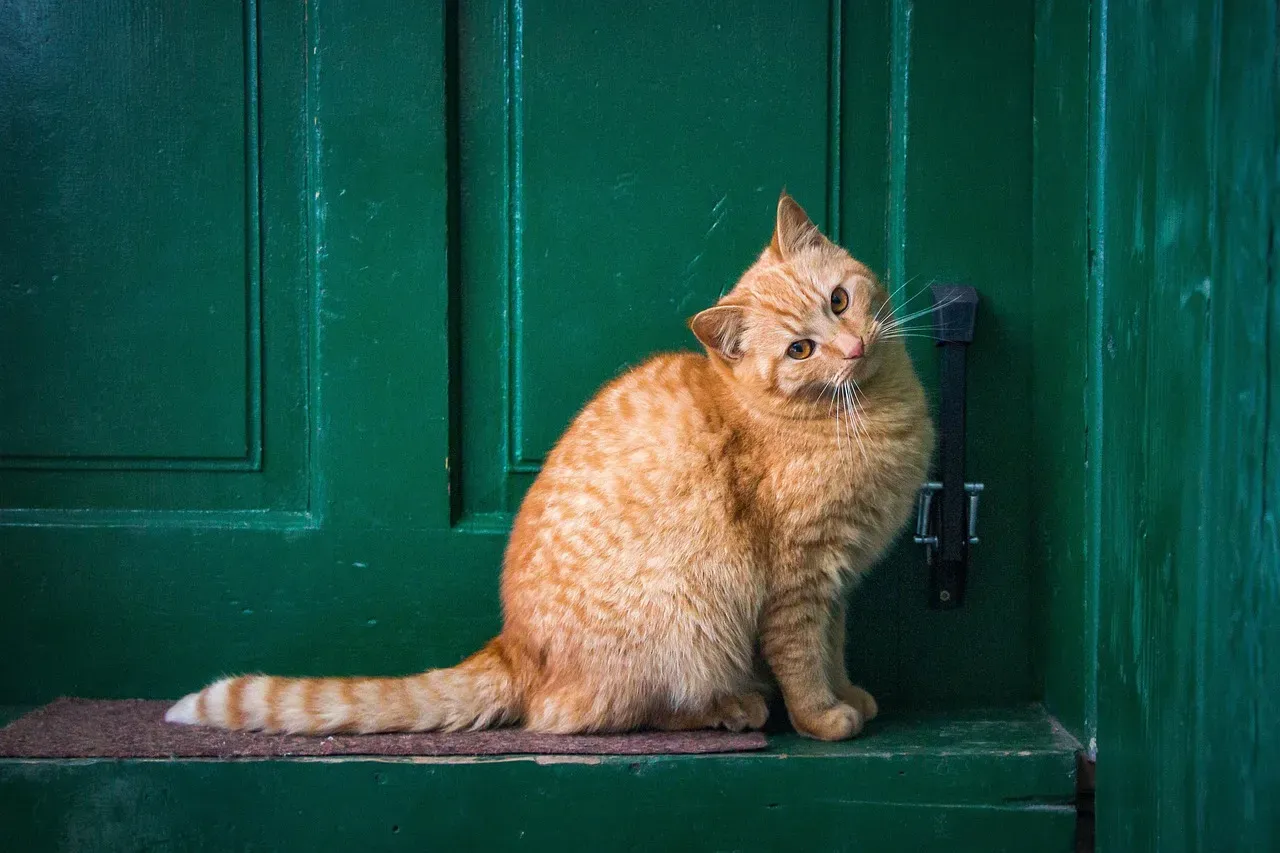
Age-related hearing loss usually hits high frequencies first, yet many senior cats still react to the doorbell long after they’ve stopped noticing other high-pitched sounds.
The reason is a hidden backup system: doorbells often carry a strong vibrational component alongside the audible tone, and cats sense vibration through both their ears and their paws. This dual-sensory workaround is part of why full deafness in cats is fairly rare compared to partial hearing loss. It also explains something eerie owners often notice – senior cats sensing a visitor’s arrival before the bell even rings, picking up footstep vibration on the porch first.
Quick Compare
- Partial hearing loss (most common): a condition known as presbycusis, which typically affects their ability to hear high-frequency sounds first… usually gradual and stems from the natural degeneration of the delicate hair cells within the inner ear. Low, rumbly sounds like engines and footsteps usually stay audible.
- Full deafness (less common): Total loss across all frequencies, often tied to severe illness, certain medications, or advanced untreated ear infections. Cats compensate heavily with vibration and visual cues.
#11 – The Specific Tone of a Scolding Voice
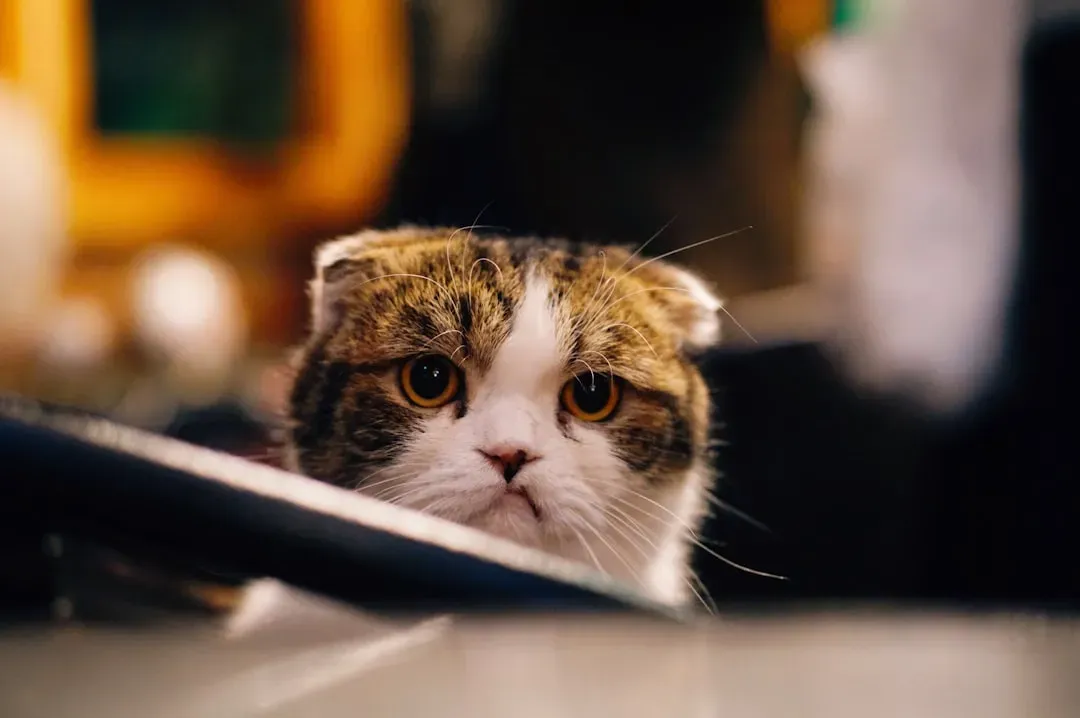
Senior cats respond to tone, not language, and many can distinguish a scolding voice from ordinary conversation with unsettling consistency.
They’re not parsing your words – they’re reading pitch, sharpness, and volume, all of which shift the moment frustration creeps into your voice. Older cats, having lived through more of these moments, react faster and retreat sooner than younger cats still building their tonal library. It looks like guilt. It isn’t. It’s pattern recognition, years in the making, with zero moral judgment attached.
#12 – A Specific Cabinet or Drawer Opening
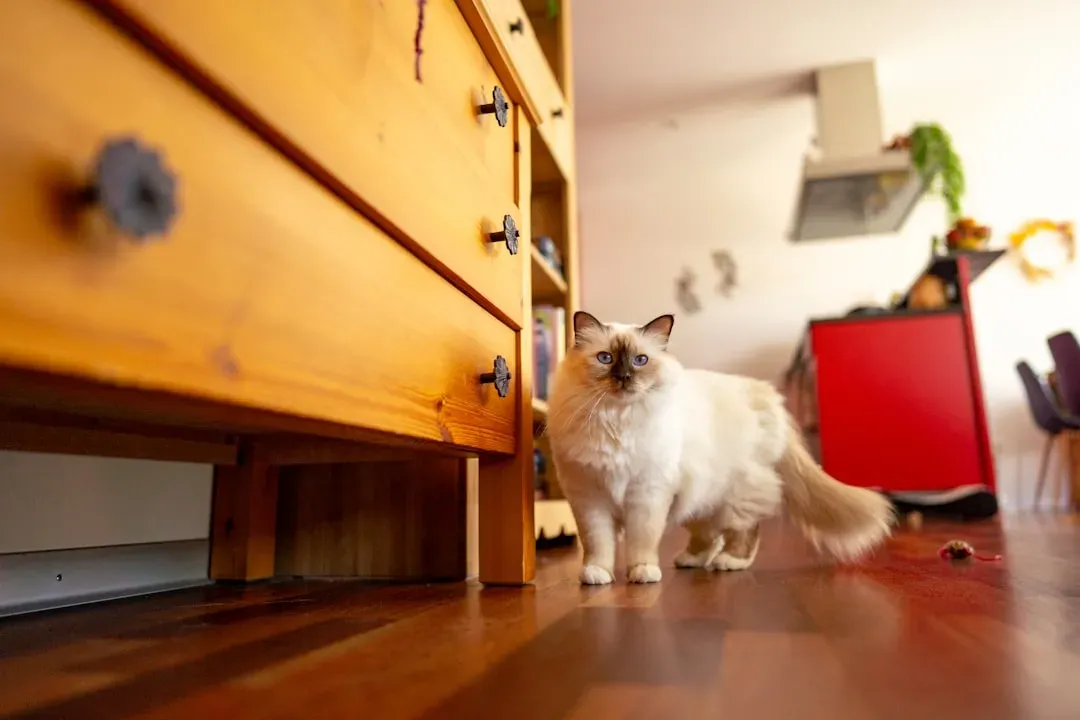
If your cat’s food, treats, or medication live behind one particular cabinet door, your senior cat can almost certainly tell that sound apart from every other cabinet in the kitchen.
Hinges and drawer slides each produce a subtly different acoustic signature depending on material and age, and cats pick up on these differences with ease. Over years in the same home, a senior cat learns to tune out dozens of similar-sounding cabinets while reacting instantly to the one that matters. New house guests find it baffling – total silence for most of the kitchen, full alert for one specific drawer.
#13 – The Hum of the Refrigerator Door Opening

Many senior cats associate the mechanical seal-breaking sound of the fridge door with the possibility of food, whether or not anything ever actually appears.
This reaction runs stronger in older cats simply because they’ve had more years of repeated sound-reward pairing. A single memorable treat from the fridge, according to feline conditioning research, can create an association that lasts a lifetime. Notably, many cats respond to this cue regardless of whether they’re even hungry – proof that conditioned expectation, not biological need alone, drives a lot of a senior cat’s daily behavior.
#14 – Their Owner’s Sneeze or Cough
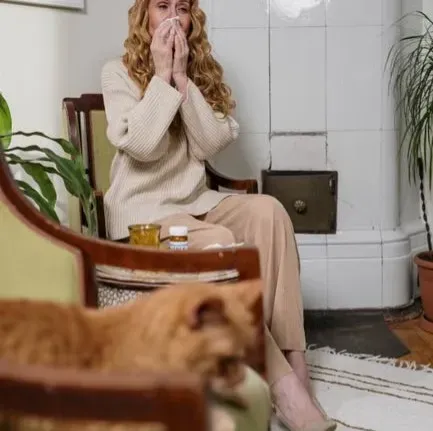
It sounds almost too specific to be real, but many senior cats learn to distinguish their owner’s particular cough or sneeze from ordinary household noise.
Cats in long-term bonds become finely tuned to the “normal” baseline sounds of the people they live with, and any sharp deviation – a sudden cough, a startled sneeze – can trigger a brief moment of alert or approach. Older cats, having logged the most years beside one person, tend to show the most refined version of this response. It doesn’t mean your cat knows something is medically wrong. But the vigilance is real, well documented, and worth noticing.
#15 – The Sound of Their Own Human’s Laughter
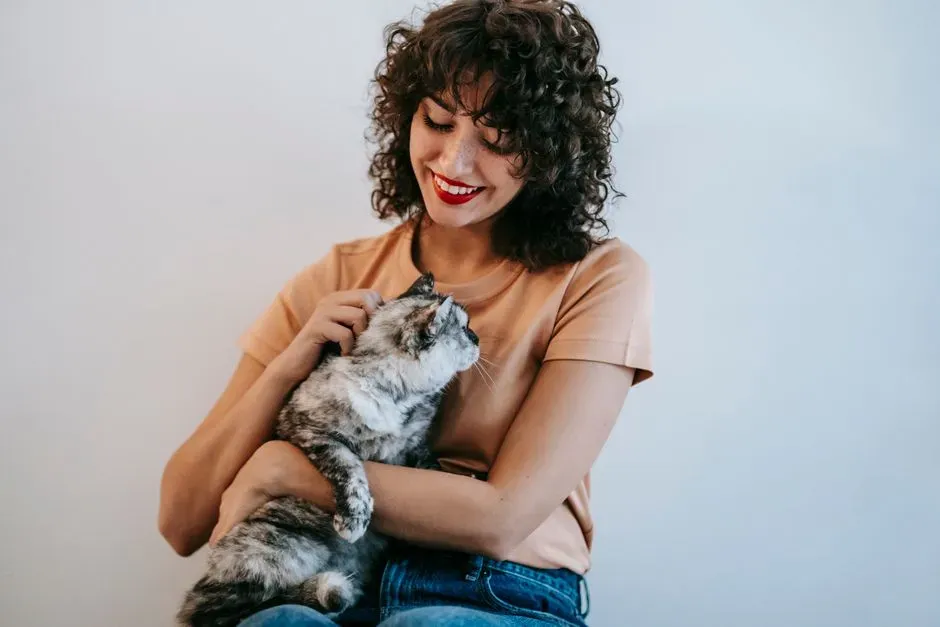
Save the most emotionally loaded one for last: many senior cats respond specifically to their owner’s laughter, often drifting closer or repositioning themselves nearby the moment they hear it.
Laughter has a distinct acoustic fingerprint – rapid, high-energy, rhythmically irregular compared to normal speech – and cats who’ve spent years around the same person learn to tie that exact pattern to safety and calm. Older cats, having logged the most cumulative time with their owners, show this response more consistently than younger cats in the same household, which suggests the bond deepens the sensory connection over time instead of wearing it down.
Why It Stands Out
- Recognition sounds like name, footsteps, and laughter tend to survive hearing loss far longer than random background noise.
- Long-bonded cats show more consistent responses to a favorite person’s laugh than newer cats in the same household.
- Sound-based comfort cues often become a senior cat’s primary way of tracking a favorite human indoors, ahead of sight or smell.
The Bottom Line
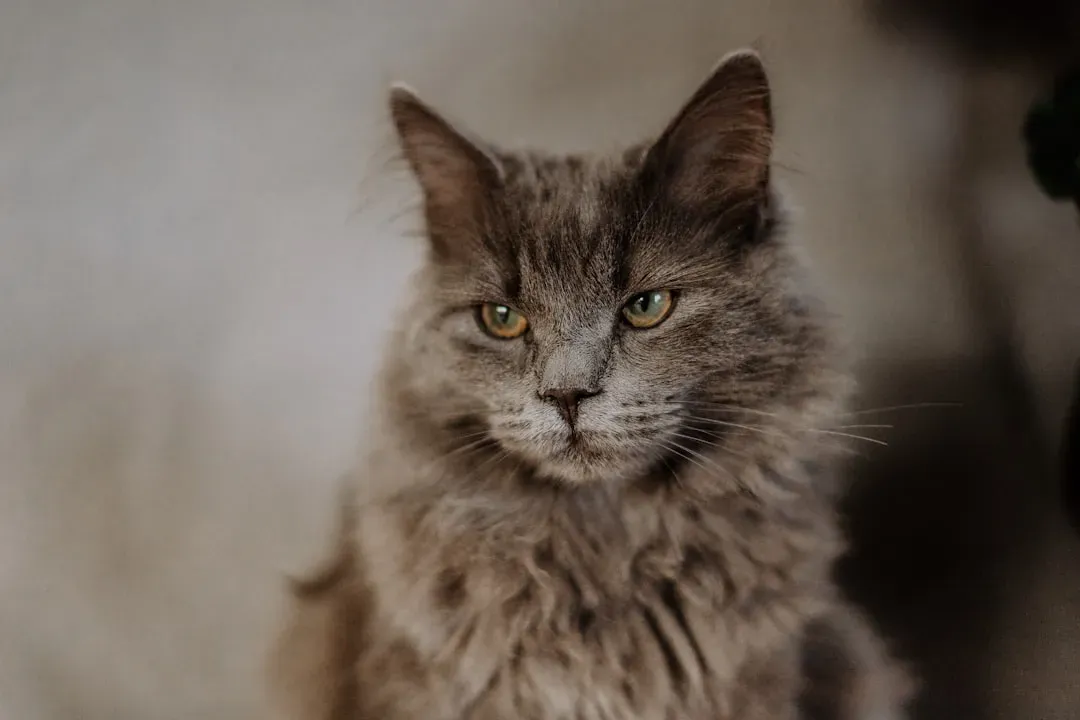
Senior cats aren’t fading out of the world – they’re editing it down to what actually matters. Hearing loss is real, but it rarely touches the sounds tied to food, routine, and the people they trust most. If anything, those are the last things to go, not the first.
That’s a far kinder story than the one we usually tell about aging pets quietly losing their senses. So which sound on this list does your senior cat still catch instantly, no matter how much else has gone quiet around them? Drop it in the comments – we’d love to know which one surprised you most.
Kristina is a young writer from India. An arts graduate and an avid content creator, Kristina is passionate about animals and wildlife. She enjoys exploring topics related to pet care, animal behavior, conservation, and nature, combining thorough research with engaging storytelling.