Most people assume an old cat just “slows down” once the sun goes down. Feline behaviorists say that’s actually backwards – evening is when a senior cat’s most honest behavior shows up, and almost nobody is watching closely enough to catch it.
The spot they choose, the way they groom, the long stare at a dark window – none of it is random. It’s a quiet nightly report on pain, fear, memory, and how safe they actually feel in your home. Most owners don’t notice the pattern until something breaks it – a sudden vet visit, a scary change that feels like it “came out of nowhere.” It didn’t. It was building every single night. Here’s what those rituals are really telling you.
#1 – The Same-Spot Check-In That Never Changes
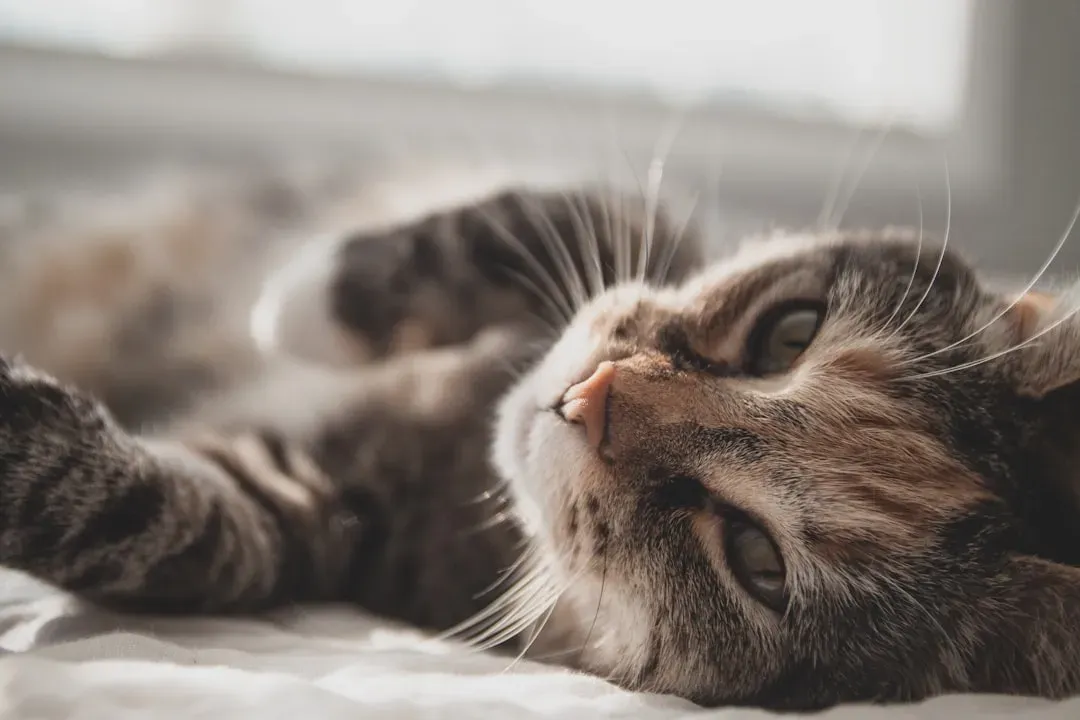
Senior cats don’t wander the house debating where to settle. Almost every night, they beeline for one exact place – the end of the couch, a corner of your bed, that ugly chair nobody else wants. That consistency isn’t laziness. It’s a survival calculation running quietly under the surface.
Older joints, dimmer eyesight, and slower reflexes make familiar ground feel non-negotiable. If your cat claims the same spot every night, they’re essentially saying, “this is where I know I’m safe.” But watch closely: a sudden switch – abandoning the bed for a spot under the couch – can be the first visible sign of arthritis pain, stress, or something a daytime glance would never reveal.
Fast Facts
- Up to 90% of cats over age 12 show radiographic signs of arthritis, even when they never limp or cry out.
- Cats instinctively mask pain, so a changed napping spot is often the only visible clue owners ever get.
- Vets increasingly treat “just being an old cat” as a red flag phrase rather than a harmless explanation.
#2 – The Slow, Almost Ceremonial Grooming Session
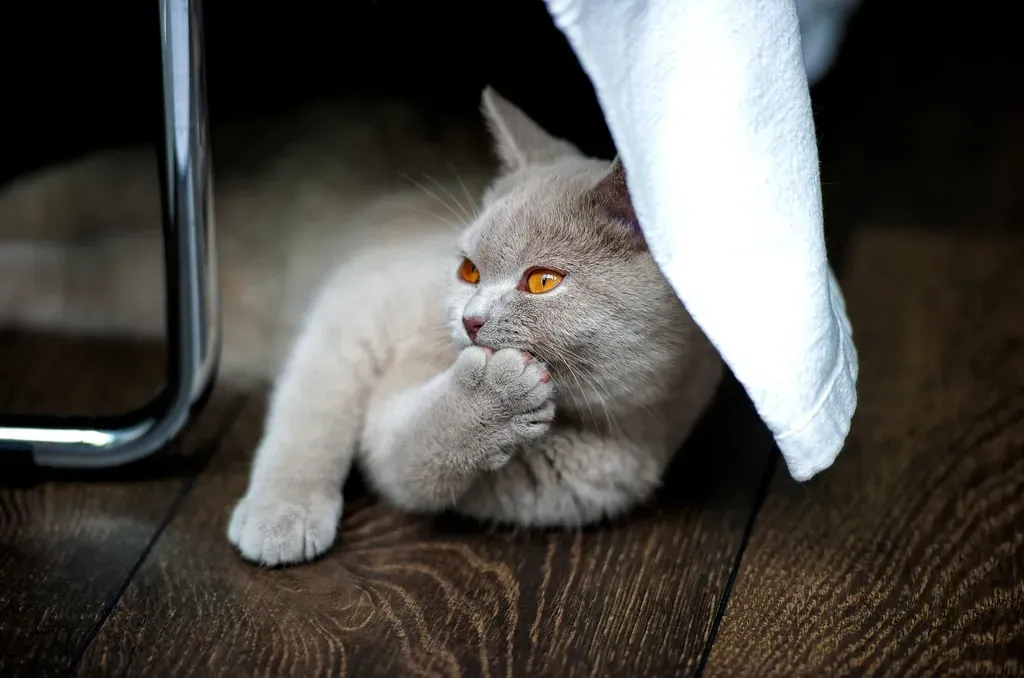
If your older cat turns into a tiny spa manager the moment the lights dim, that’s not vanity. It’s maintenance, and it’s more careful than it looks. Seniors tend to groom slower and more deliberately in the evening, lingering over paws, joints, belly, and the base of the tail.
Here’s the part most owners miss: cats over-groom the exact spots that ache. That “cute” obsessive licking of a hip or lower back at night might be the only visible clue you’ll ever get that arthritis has moved in. Grooming is also emotional release – a calm senior washing themselves is telling you, “I feel safe enough to be vulnerable right now.” If that ritual suddenly turns frantic, or disappears altogether, something is already wrong.
#3 – The Slow, Deliberate Patrol of Their Territory
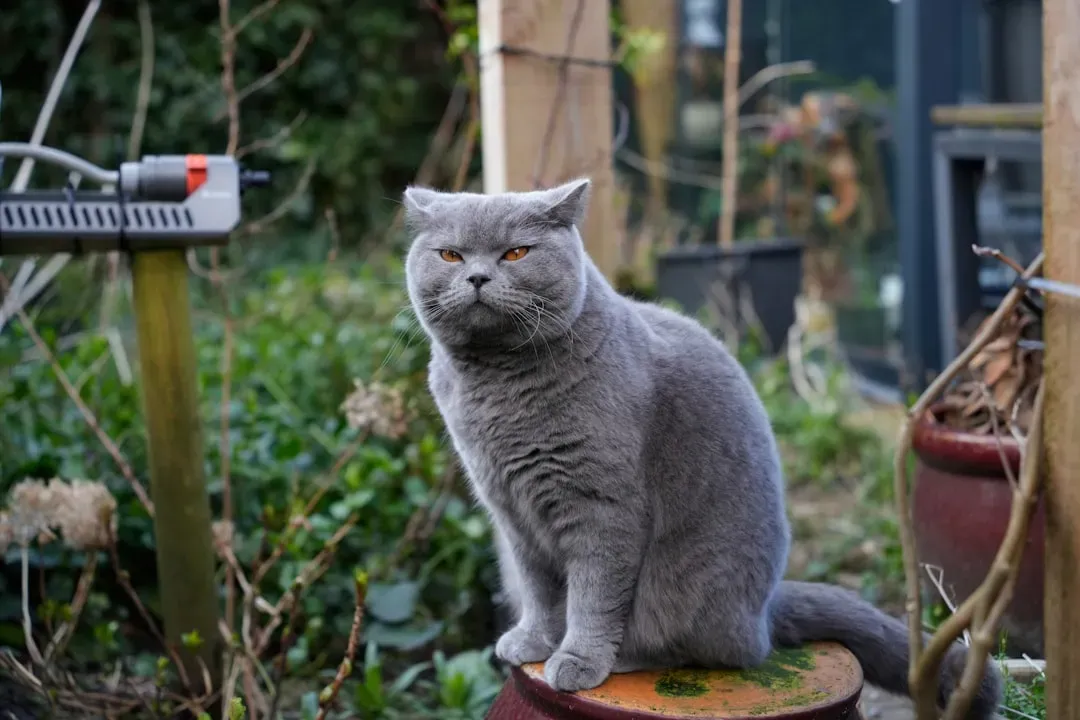
Young cats zoom. Old cats patrol. Many seniors do a slow, almost ceremonial walk through their usual zones each evening – past the windows, around the food bowl, a loop through the living room. It looks pointless. It isn’t.
They’re checking for new smells, missing objects, anything out of place. Cats are control freaks in fur coats, and older ones especially hate surprises. The concerning version of this ritual is subtle: a cat that suddenly skips the patrol, or looks lost in a room they’ve walked through a thousand times, may be showing early signs of cognitive decline – something owners often shrug off as “just being a quirky old cat.”
#4 – The Eerie Staring Spell at Doors and Windows
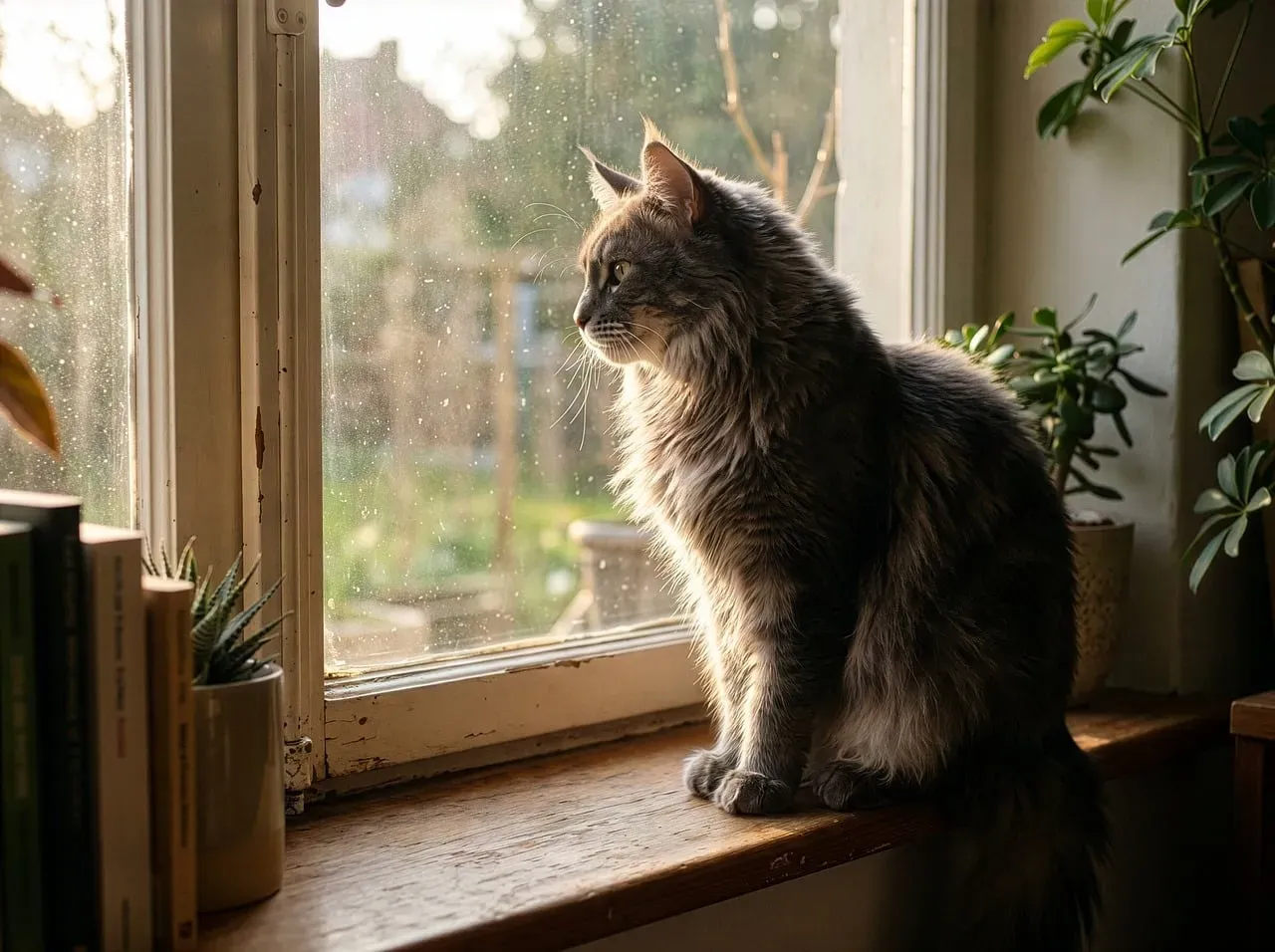
You’ve seen it – your senior cat locked in on the front door or a dark window like they’re watching something you can’t see. It’s unsettling, and it’s not nothing. Many older cats hold a scheduled “watch period” at key entry points, scanning for unfamiliar sounds or movement outside.
Even after a decade indoors, the old survival wiring never fully shuts off. Some cats are even watching a specific spot tied to memory – a place where a raccoon once appeared at the glass, or a storm once rattled the windows years back. If your cat suddenly stops caring about that ritual, or stares without actually tracking anything, it may point to vision or hearing loss – often mistaken for a cat simply “mellowing out.”
#5 – The Ruthless, Clockwork Dinner Demand
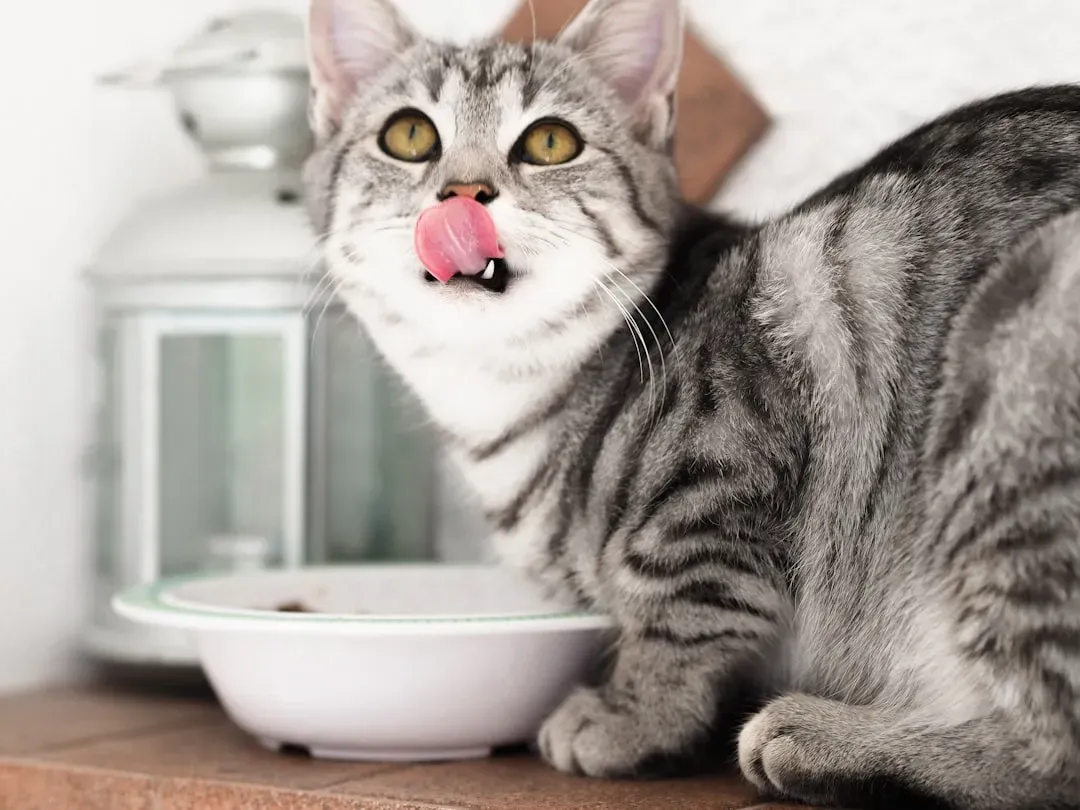
Senior cats do not play around with mealtime. That 6:17 p.m. yowl, the leg-weave, the countertop protest – it isn’t just an annoying habit. It’s a body running on a schedule it desperately needs. Digestion, medication timing, and blood sugar regulation all lean hard on predictable meals as cats age.
What throws people off is assuming seniors naturally eat less, so louder evening begging gets dismissed as “just being spoiled.” In reality, any shift in appetite deserves a second look. A cat devouring dinner and still screaming for more may be dealing with thyroid or kidney issues. A cat that once rushed the bowl but now wanders off mid-meal could be in pain or fighting dental disease. This nightly ritual is one of the clearest health gauges you have.
Quick Compare
- Eating more, still losing weight: often linked to thyroid or kidney issues, not just appetite.
- Eating less or walking away mid-bowl: can point to dental pain, nausea, or discomfort.
- Begging at odd, inconsistent times: may reflect medication timing or blood sugar swings worth flagging to your vet.
#6 – The Deliberate Litter Box “Last Call”
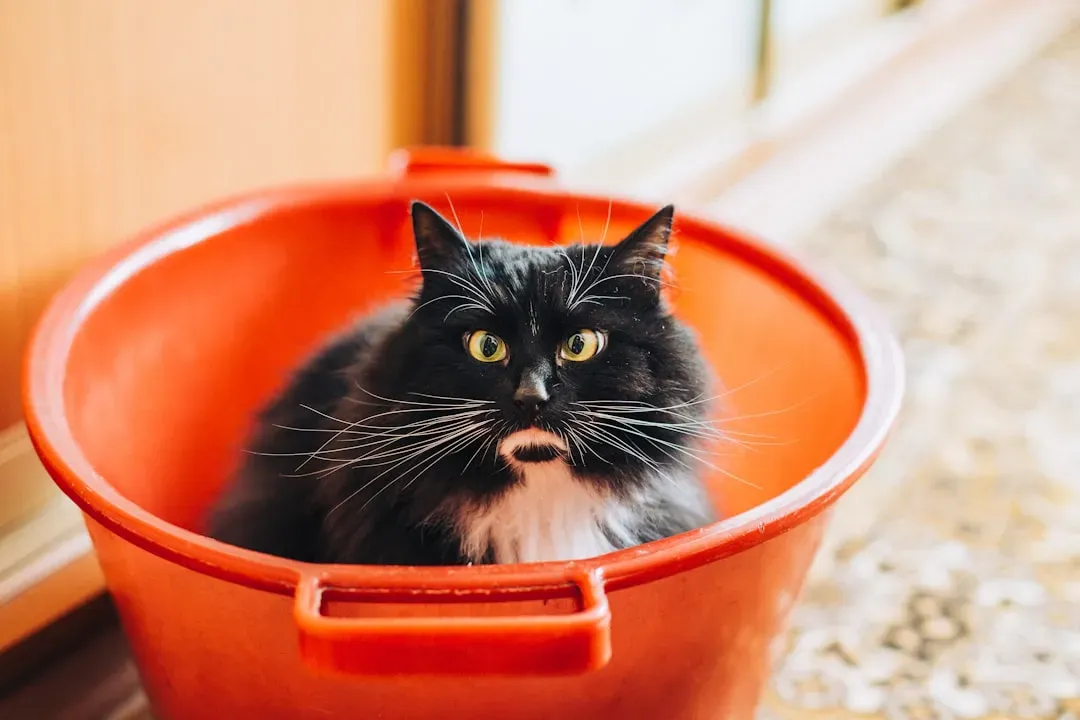
Many senior cats make one final, unhurried trip to the litter box before settling in for the night – almost like a kid being told to go before bed. They’re not reading a clock. They’re anticipating that nighttime is longer, darker, and harder to navigate if pain hits later.
Here’s the uncomfortable part: changes here get ignored until they’re serious. Multiple evening trips, straining, or just sitting there without results isn’t “old age” – it’s often a bladder, kidney, or diabetes-related issue asking for attention. On the flip side, a cat that suddenly skips this ritual may be avoiding a box that’s grown too tall, too far, or too painful to climb into. Sometimes a lower box changes everything.
#7 – The Nightly Shadowing of Their Favorite Human
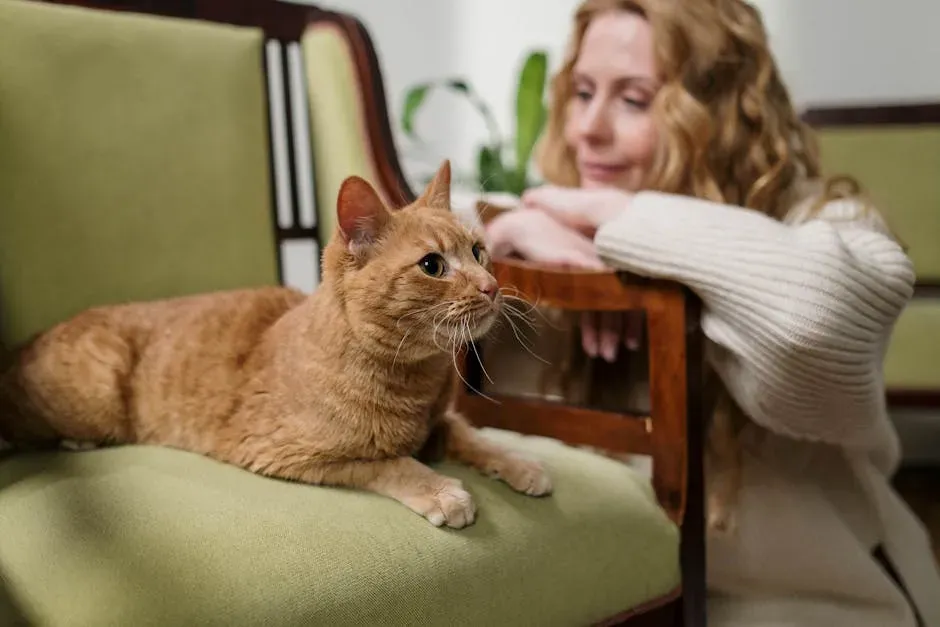
There’s a myth that cats grow distant with age. Plenty do the opposite once evening hits – following you from room to room while you brush your teeth, make tea, or settle onto the couch. This isn’t clinginess. It’s strategy.
Senior cats know they’re more vulnerable, and staying close to their “safe human” is protective behavior – warmth, food, and help are all wherever you are. Some owners find this needy or annoying, but increased evening attachment is often driven by low-grade pain, anxiety, or fading senses. If your once-independent cat suddenly needs to be in the same room every night, that’s a message worth listening to, not a personality change to brush off.
There are two means of refuge from the misery of life: music and cats.
Albert Schweitzer
#8 – The Short, Comical Bursts of Evening Play
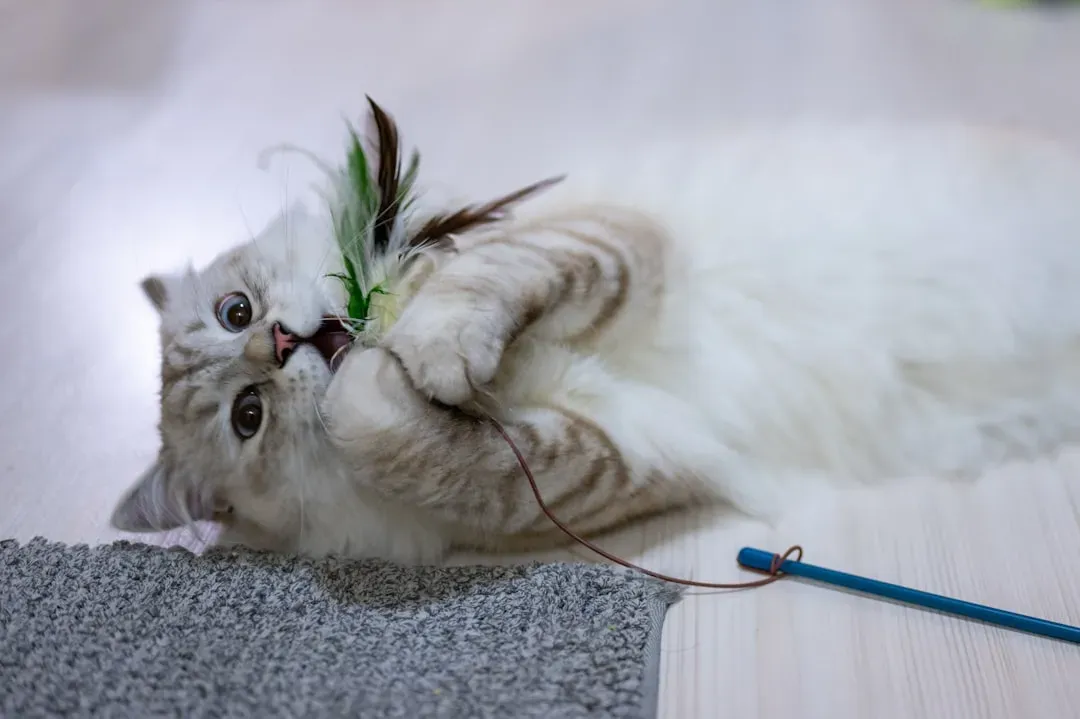
Yes, senior cats still play – just not like kittens. Evenings often bring a quick, almost clumsy 30-second chase after a toy, a wobble-pounce on a string, or a surprise ambush on that stuffed mouse that’s been ignored all day. It looks silly. It matters more than people think.
Those bursts help keep joints mobile, minds sharp, and confidence intact. Some experts even argue owners baby senior cats too much at night, skipping gentle play entirely because they’re “too old” – which can quietly speed up decline. If your cat completely loses interest in every play attempt, it can flag pain or depression. Sixty seconds of half-hearted bunny kicks may matter more long-term than another treat.
Worth Knowing
- Short, low-impact play sessions help preserve joint mobility without overtaxing aging muscles.
- Even a half-hearted pounce keeps a senior cat’s confidence and mental sharpness intact.
- A total loss of interest in every toy is a common early sign of pain or low mood, not just “maturity.”
#9 – The Ritual of Grooming You, Specifically
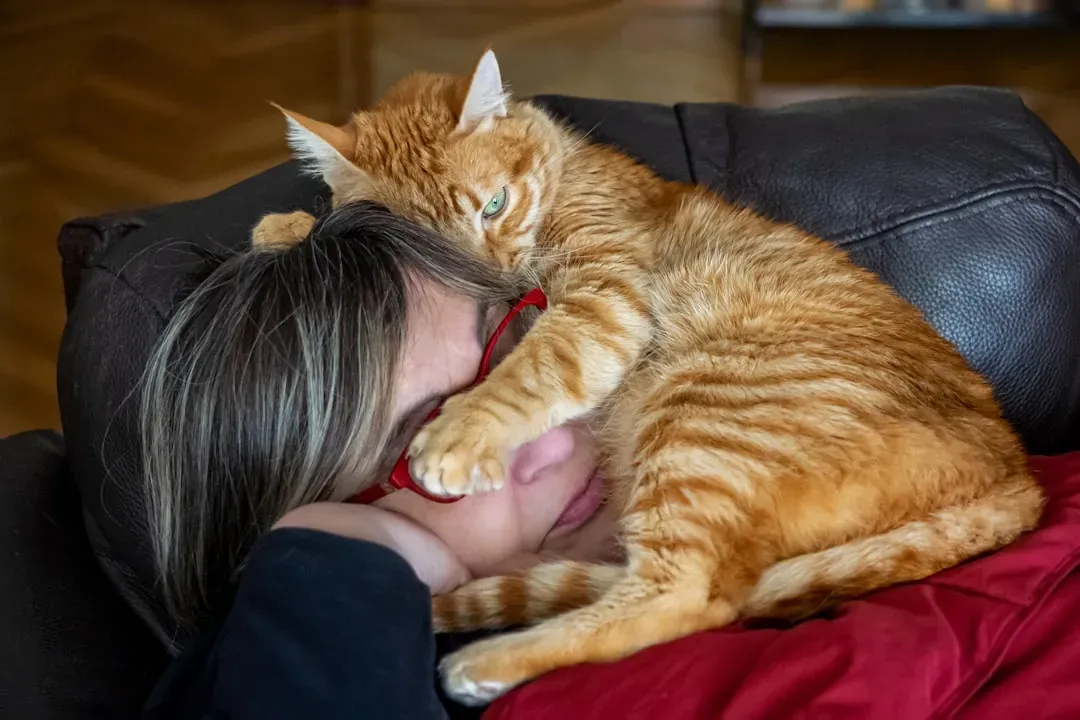
Nightly face licks, gentle hair-chewing, a paw tapping your arm before you both settle in – that’s not just affection, it’s social grooming. In a colony, cats bond by grooming each other before rest. When your senior does this to you at night, they’re saying, “you’re family – we sleep together, we survive together.”
It’s easy to dismiss as gross or weird, but behaviorally it’s significant. Some seniors shift from rough, intense grooming toward softer touches – sometimes about missing teeth or a sore mouth, sometimes just maturity. If a cat that always groomed you suddenly stops, take notice. If they suddenly start doing it obsessively, it can signal insecurity, like they’re trying to lock the bond down tighter.
#10 – The Strange Habit of “Talking” to the Room
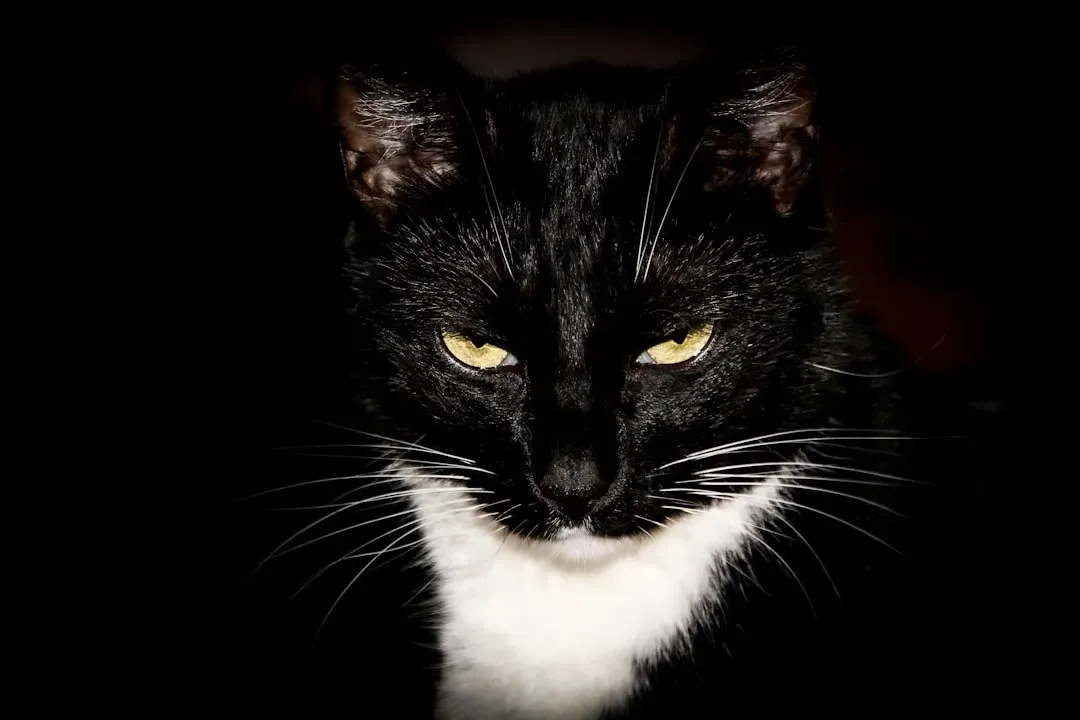
Many senior cats grow more vocal at night – not screaming, but that odd murmuring-to-themselves thing in the hallway or at the foot of the bed. Owners either find it endearing or immediately panic. The truth is in the pattern, not the noise itself.
Predictable, low-stress chatter is often just a cat announcing transitions – mealtime, bedtime, checking where you are. But a shift in volume or tone matters a lot in seniors. A once-quiet cat suddenly yowling at night can be dealing with pain, disorientation, or cognitive dysfunction syndrome – feline dementia often shows up first as strange nighttime meowing. A once-chatty cat gone silent may be shutting down from discomfort.
#11 – The Careful Positioning Around Your Bed
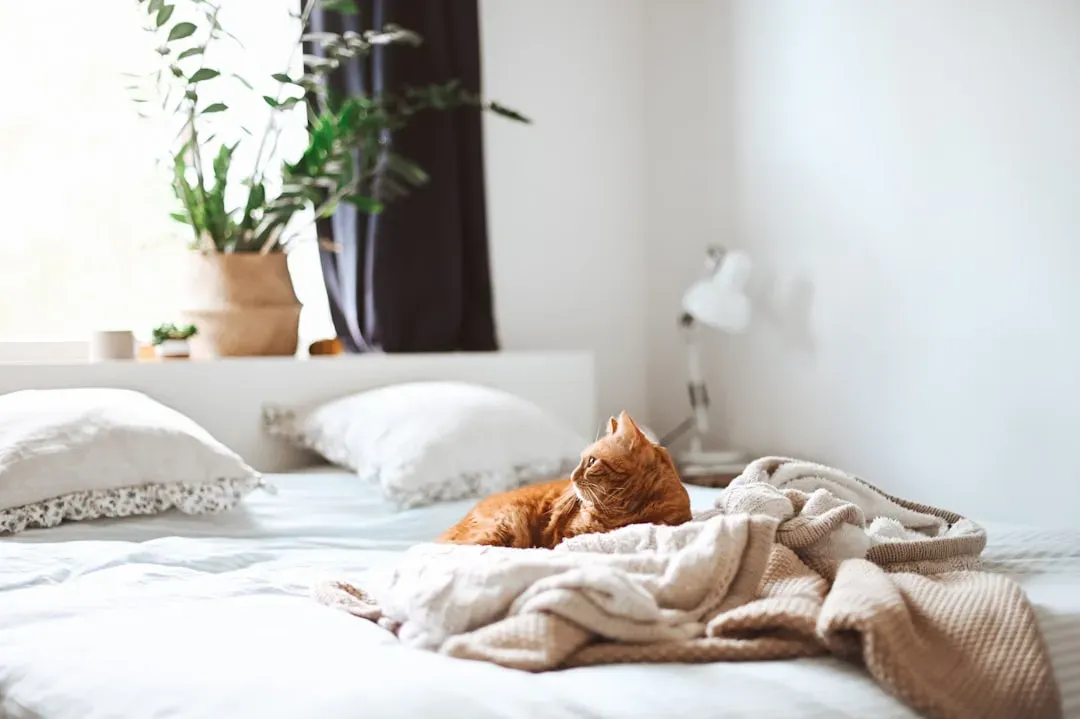
Pay attention to exactly where your cat chooses to be relative to your bed. Some press against your legs. Others guard the foot of the bed like a tiny sentry. Some prefer a nearby chair, angled just enough to watch you. None of this is random – they’re balancing warmth, escape routes, and contact.
A cat that sleeps with its back to the door and its eyes on you is literally using you as part of its security plan. If they suddenly move to a colder, more isolated spot, it can mean they’re not feeling well – or not feeling safe. Jumping on and off the bed can become painful with age, so ramps or lower sleeping options often bring that closeness right back.
At a Glance
- Pressed against your legs: maximum warmth and reassurance, especially on cold nights.
- Guarding the foot of the bed: a self-appointed watch position, eyes toward the door.
- Sudden move to a distant, isolated spot: often a sign of pain, illness, or reduced sense of safety.
- Avoiding the bed entirely: may simply mean jumping has become painful – a ramp or step can help.
#12 – The Final Stillness Check Before Real Sleep
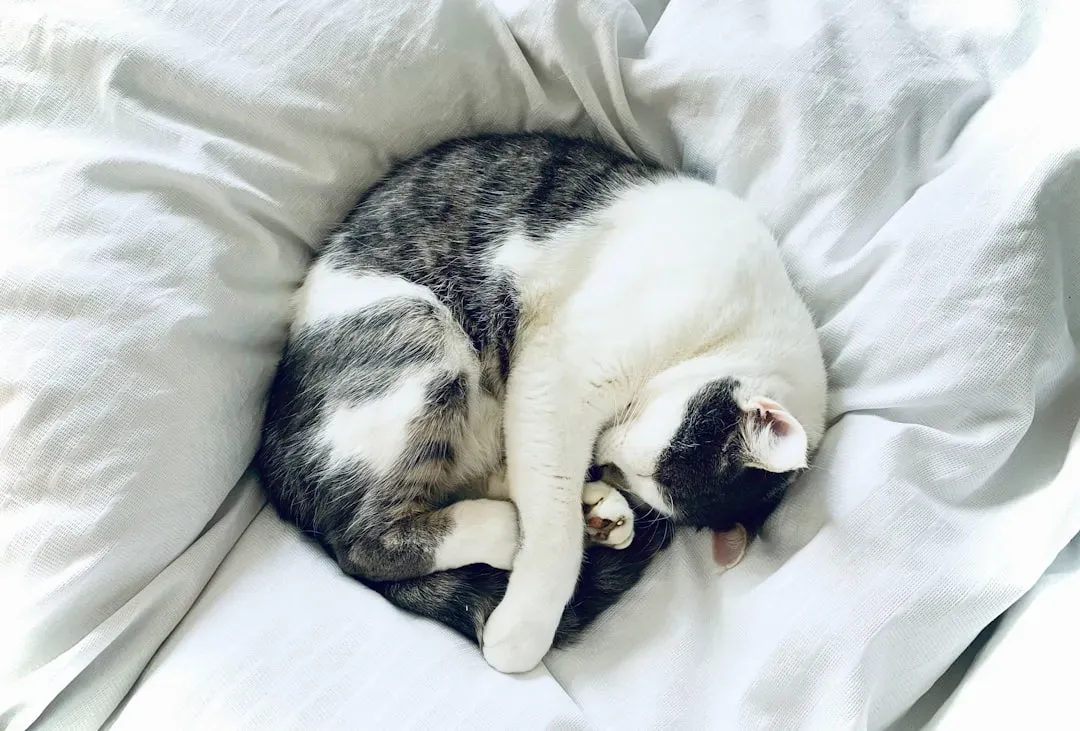
Right before a senior cat truly settles, there’s a distinct pause – they curl, adjust once or twice, go completely still, then release a long, slow blink or a sigh-like exhale. That’s their nervous system finally powering down.
This final stillness is the payoff of every other ritual on this list – the patrol, the grooming, the litter visit, the food, the bonding, the positioning. It’s their way of saying, “checklist done, I can afford to sleep now.” If your senior spends most nights restless, pacing, or jolting awake instead of reaching that calm, it’s worth treating as a real signal – pain, anxiety, or an environment that isn’t as comfortable as it looks.
Senior cats aren’t just getting old – they’re running a tight, specific nightly routine that tells you exactly how they’re doing, if you actually bother to look. Their evening habits around food, litter, grooming, patrol, and where they choose to rest are early warning systems for pain, fear, confusion, or genuine contentment. Writing off changes as “she’s just old” is, honestly, how a lot of preventable suffering slips through unnoticed.
The uncomfortable truth is that your cat already told you how they’re feeling last night. The only question is whether you were paying attention, or scrolling past it like background noise. Watch tonight’s ritual a little closer – you might catch something worth catching.
Kristina is a young writer from India. An arts graduate and an avid content creator, Kristina is passionate about animals and wildlife. She enjoys exploring topics related to pet care, animal behavior, conservation, and nature, combining thorough research with engaging storytelling.