Most people assume their aging cat is “just slowing down,” but veterinarians see something far more troubling hiding behind that phrase. Cats are evolutionary masters of disguise, and the quiet signals of decline rarely look like decline at all – they look like naps, quirks, and personality “phases.” By the time a cat finally cries out in obvious pain, the discomfort has often been building for months, sometimes years, completely unnoticed.
Owners scroll past dozens of these tiny clues every single day without realizing what they’re actually watching. Below are the twelve soft signals vets wish every owner understood – starting with something as innocent-looking as a nap.
#1 – The Sleep Pattern That’s Not Just “Getting Old”
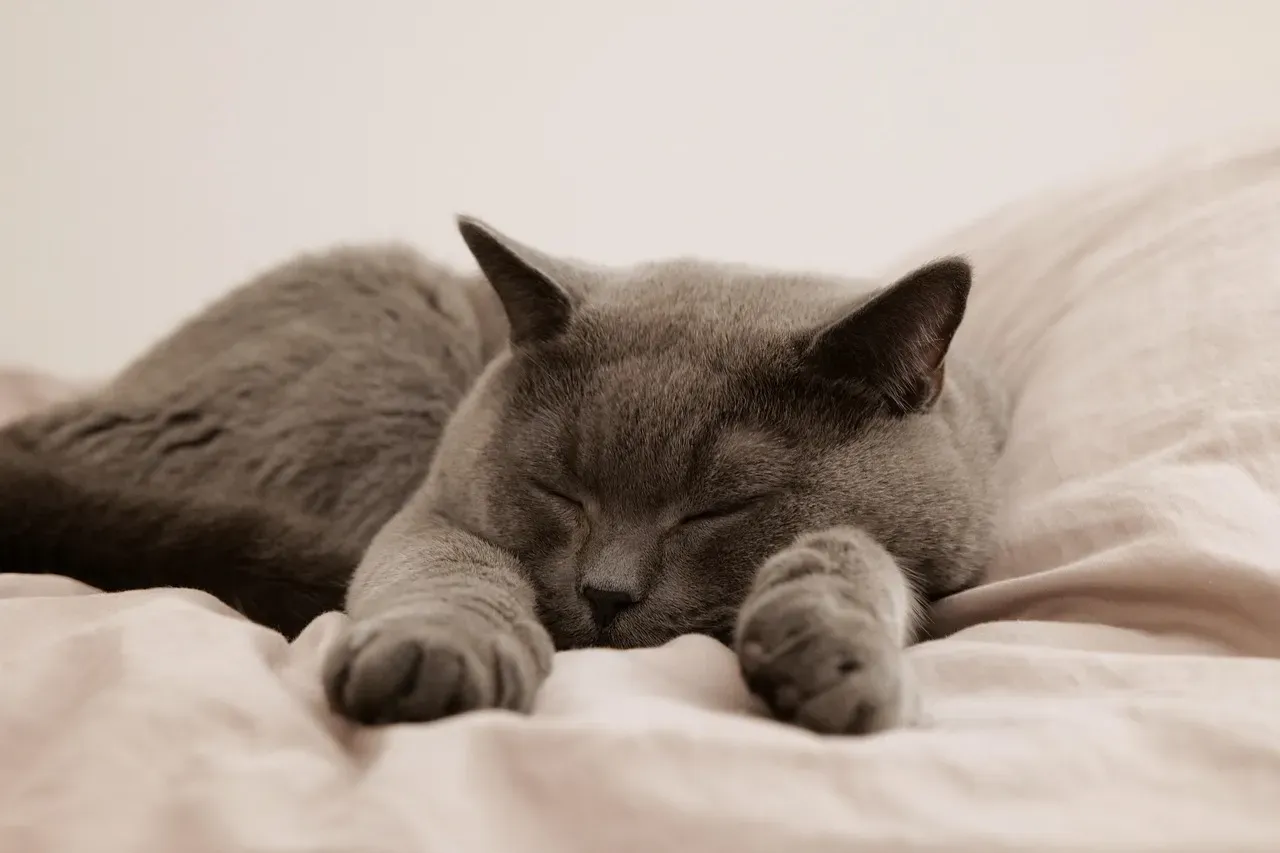
Every cat owner expects more napping as the years add up, so almost nobody questions it. That’s exactly the problem – the assumption itself becomes the blind spot.
The real tell isn’t how much a senior cat sleeps, but how it sleeps. Instead of just “a lot of naps,” owners might notice a cat is harder to wake, seems disoriented when it first gets up, or shifts its favorite sleep spots more frequently. Cats may also start sleeping in quieter, hidden areas instead of the social hot spots they loved for years. Vets often describe this as a self-protective shift rather than a lifestyle choice. A cat trading the couch cushion for a closet floor is telling you something changed inside its body, not just its mood.
#2 – The Grooming Slip Nobody Connects to Pain
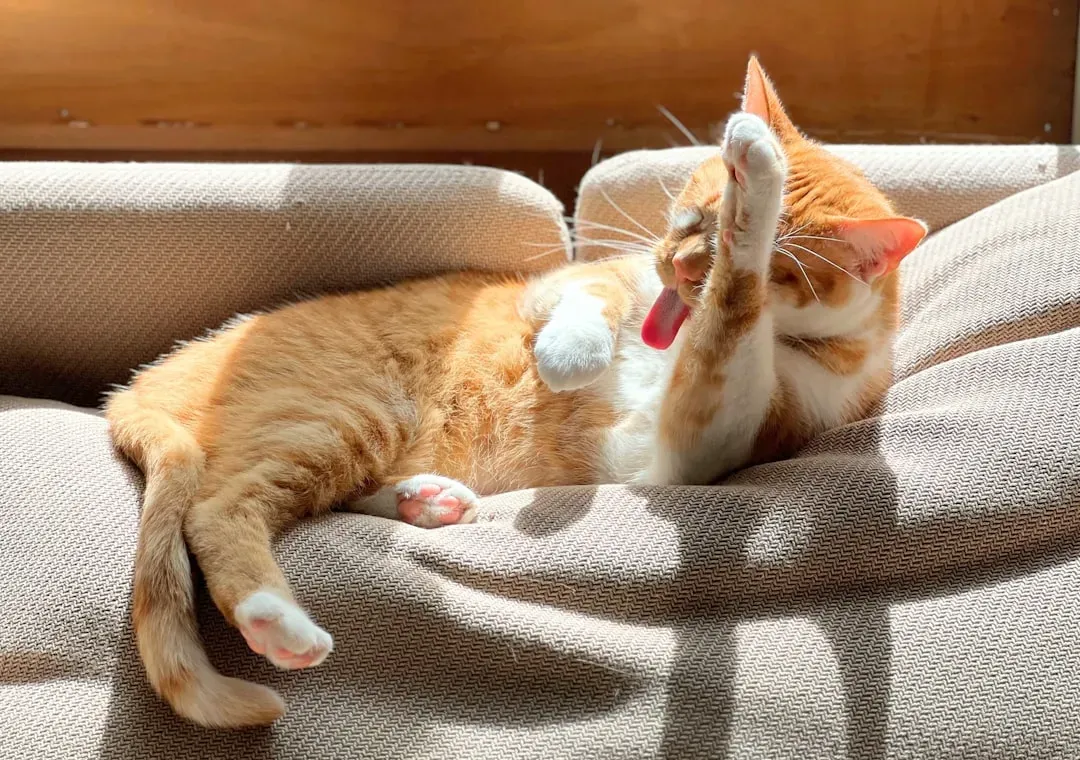
A slightly greasy coat looks harmless. Vets say it’s one of the most reliable, quietly ignored warning signs in aging cats.
Matted fur, greasy patches, and a generally unkempt coat are often dismissed as simply being old and stiff, but decreased grooming doesn’t necessarily signal impending death – senior cats may stop grooming due to arthritis, which makes it painful to reach certain areas, or dental problems causing discomfort. Changes in grooming habits can also show up as excessive grooming, especially in painful areas. The mistake owners make is treating grooming as cosmetic instead of medical. A cat that stops cleaning itself is almost never being lazy – it’s often in pain it can’t verbalize.
#3 – The Hesitation Before the Jump
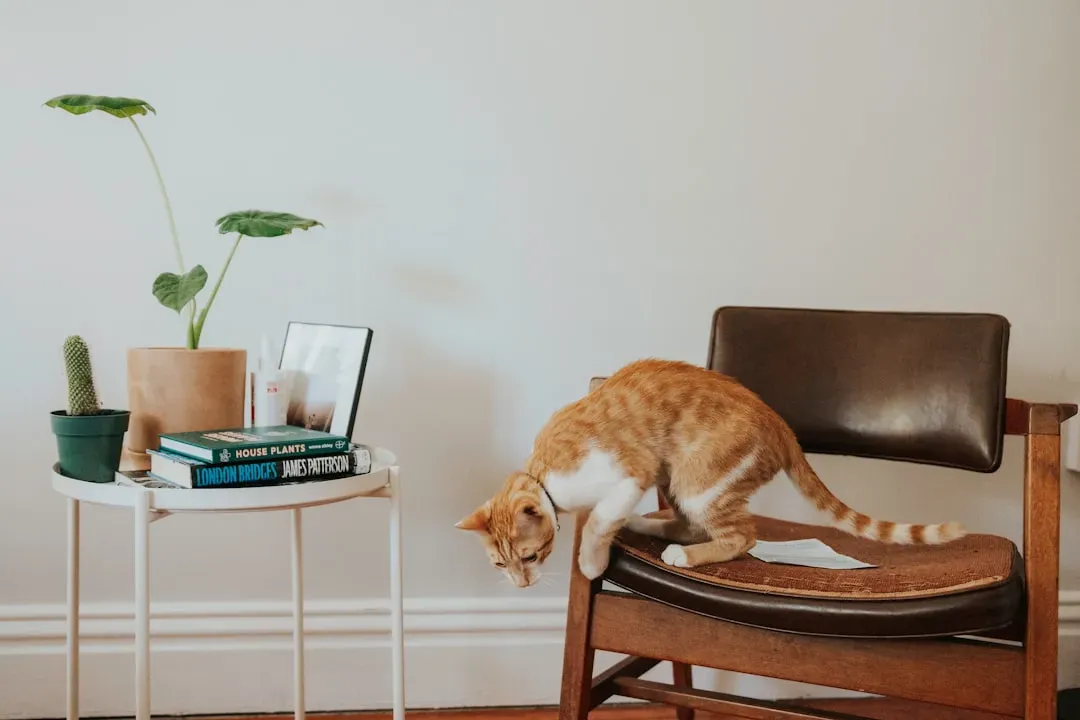
Watch closely the next time your senior cat eyes the couch or windowsill. The pause before the leap says more than the leap itself.
Even a small pause before hopping onto the couch can signal arthritis, and this hesitation typically shows up long before any visible limp. Cat arthritis typically manifests as hesitation before jumping, avoiding high surfaces, or taking longer routes to favorite spots, and owners might notice their geriatric cat moving more slowly after naps or showing stiffness in their gait. Most owners chalk this up to a cat simply “not being as playful anymore.” In reality, that hesitation is often the very first physical symptom of degenerative joint disease – a condition that affects a staggering share of senior cats but rarely gets diagnosed until it’s advanced.
Fast Facts
- More than 90% of cats over age 12 show radiographic evidence of degenerative joint disease.
- Roughly 60% of cats over age 6 already have measurable joint changes, often with no visible limp at all.
- An estimated 40% of cats are believed to live with genuine arthritis-related pain, not just structural wear.
- Historical clinic data found fewer than 1 in 100 cats were ever brought in specifically for arthritis – a massive detection gap between what’s happening and what gets treated.
#4 – The “Occasional” Litter Box Miss
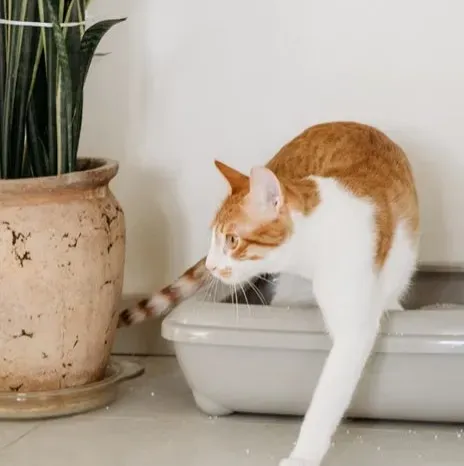
An accident outside the box gets blamed on stubbornness almost every time. Vets say that assumption is almost always wrong.
Most people assume an accident outside the litter box is spite or laziness, but feline veterinarians will tell you that’s almost never the case – new or increasing accidents in an older cat are strong signals of pain, arthritis, urinary issues, or cognitive decline. A cat with perfect lifelong habits doesn’t just “forget the rules” for fun; it may be peeing right beside the box because stepping in or squatting hurts, or avoiding a box with high sides because climbing is painful. A single missed litter box visit is rarely random – it’s a pain report written in the only language your cat has.
#5 – The Sniff-and-Walk-Away at the Food Bowl
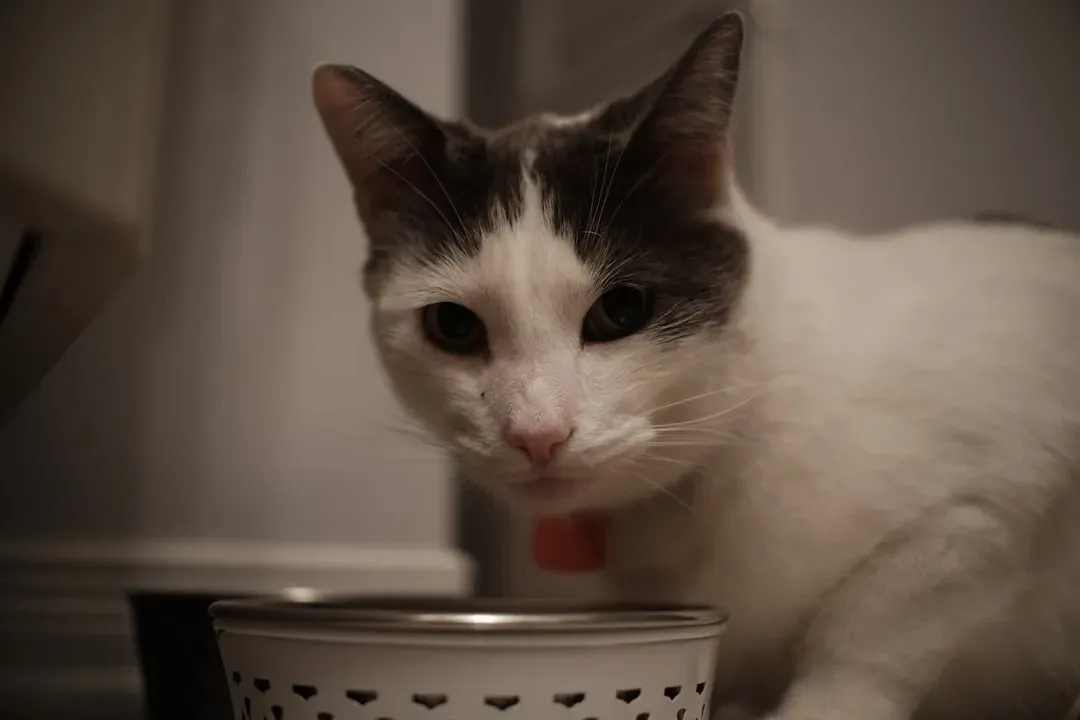
Most owners only worry when a cat refuses food entirely. Vets say the real warning shows up much earlier, and much quieter.
Most owners only panic when their cat stops eating completely, but vets watch for subtler patterns around the bowl, because that’s often where the truth leaks out first. A cat who goes to the bowl, sniffs, then walks away is not being “picky” – that’s nausea, pain, or advanced discomfort, and a cat that still seems hungry but only licks gravy or chews on one side is showing a late-stage warning sign, especially in seniors. Dental disease, kidney failure, and certain cancers can all make eating physically miserable. The bowl doesn’t lie, even when the cat pretends everything is fine.
#6 – Drinking a Little More Than Usual
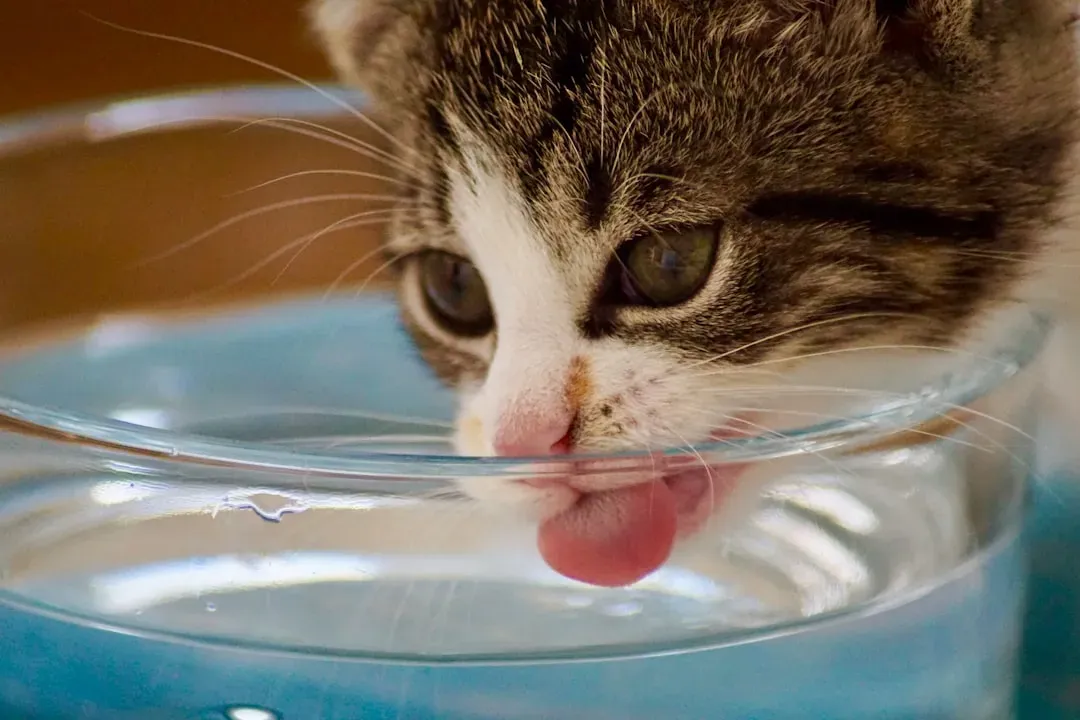
A slightly damp water bowl seems trivial. It’s actually one of the most under-reported red flags in feline medicine.
Subtle changes in thirst are one of the most under-appreciated signs of disease in older cats. This shift is easy to dismiss because it happens gradually – a cat visiting the water bowl a bit more often, or a litter box that seems heavier than it used to. Increased thirst and urination can indicate kidney disease, diabetes, or hormonal changes and should never be ignored. By the time thirst becomes obvious enough for an owner to notice without measuring, kidney function has often already dropped significantly.
Worth Knowing
- Chronic kidney disease affects roughly 30-40% of cats over age 10, and as many as 80% of cats over 15.
- At least two-thirds of total kidney function is typically gone before bloodwork or symptoms show anything abnormal.
- Kidney damage tends to build quietly for months or years before a cat looks or acts noticeably “sick.”
- Increased thirst is one of the few early clues an attentive owner can actually catch in real time, long before a diagnosis.
#7 – Skipping the Greeting Ritual
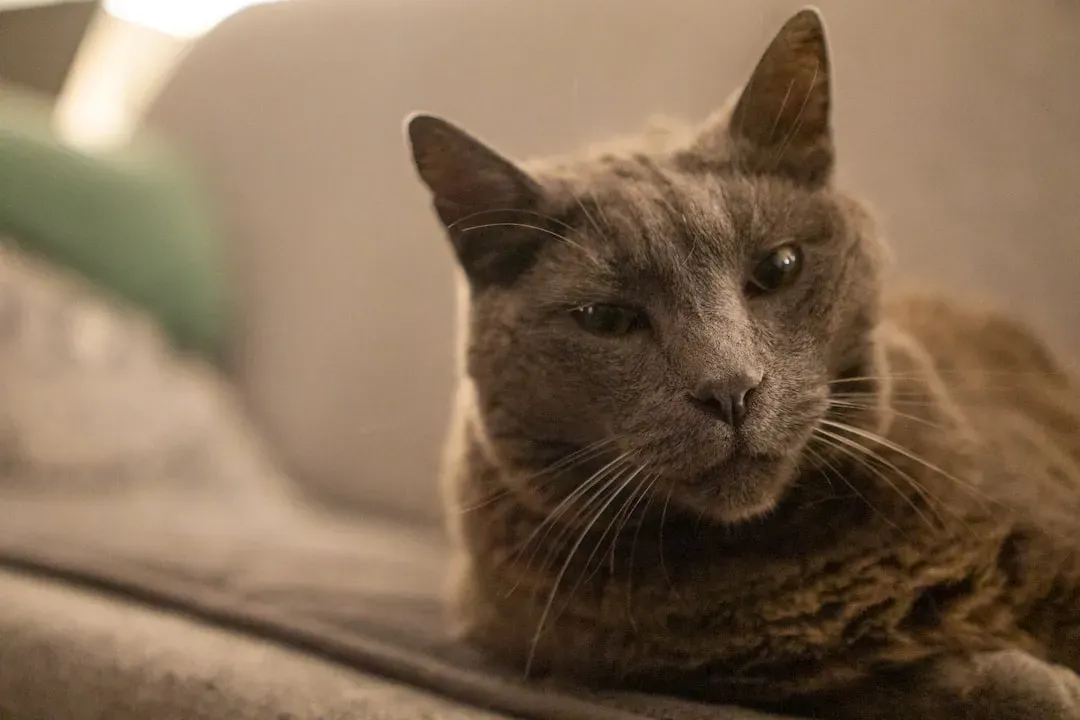
Every cat has a way of saying “you’re home.” When that ritual quietly disappears, it means far more than owners assume.
If a social cat stops greeting you at the door, stops showing up for TV time, or skips their usual sun spot in favor of isolated corners, that’s not “normal aging” – that’s a quality-of-life flag screaming for attention, and it’s one people miss constantly. A sweet, social cat who slowly becomes irritable, avoids touch, or hides more often is rarely “just moody with age,” because behavior changes in seniors are frequently pain, fear, or cognitive decline quietly wearing a cat down. Here’s the controversial part: many owners actually praise this change, calling their cat “calmer” or “more chill” in its old age. That calm is often withdrawal wearing a friendly disguise.
#8 – Losing the One Signature Habit
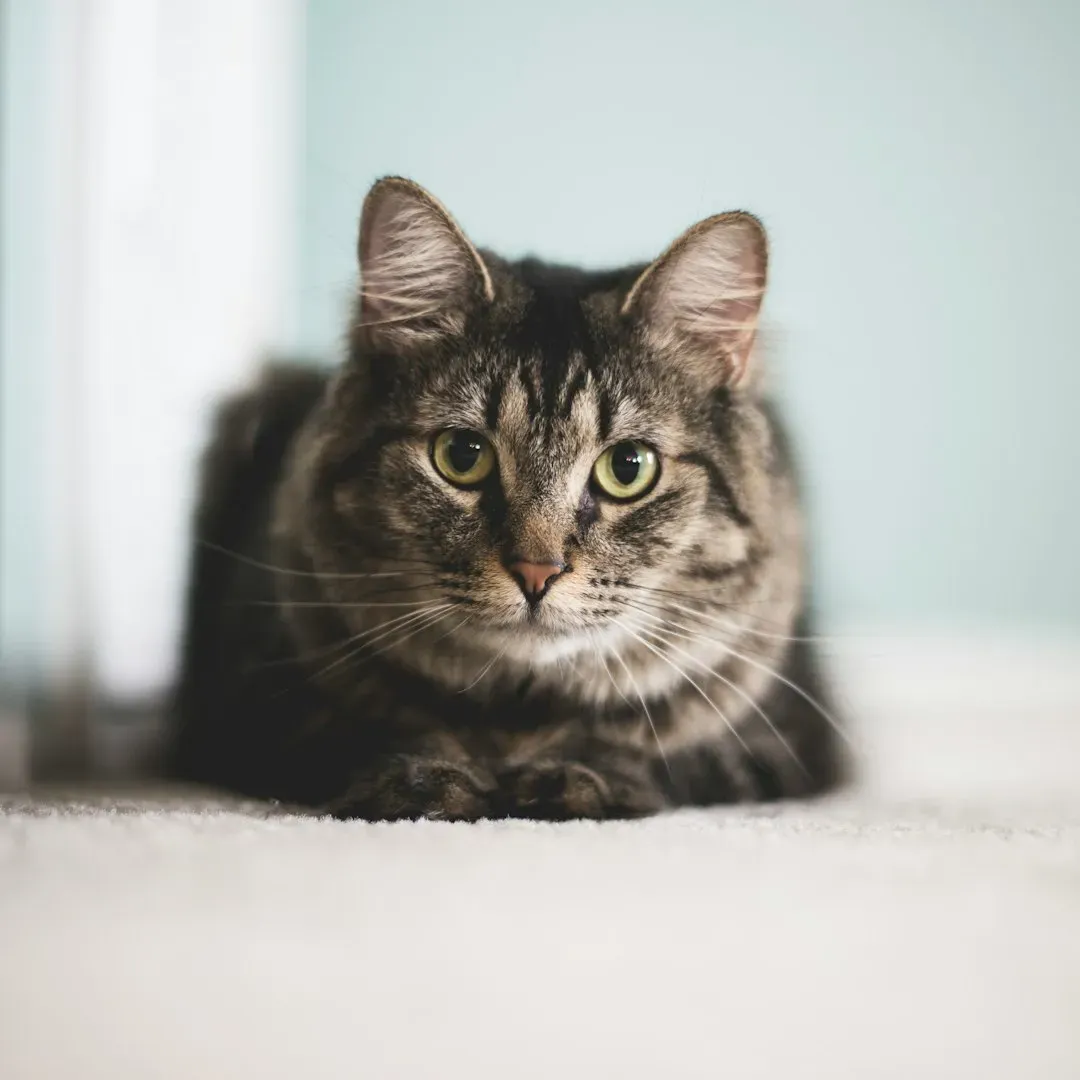
Every cat has a personal ritual that defines it. Vets say the disappearance of that one specific habit is one of the most honest signals an owner will ever get.
Every cat has “their thing” – maybe it’s kneading, racing to the kitchen at the sound of a can, or curling in a favorite window at a specific time – and when a cat drops their most core routine, not just once but consistently, that’s often the most honest signal that something has changed, even if the owner isn’t ready to see it. A cat who no longer cares about the ritual that defined them is telling you their internal world has changed more than you want to admit, and it’s subtle, deeply personal, and easy to rationalize away. This is the sign owners regret missing the most, because in hindsight, it was the clearest one all along.
#9 – Staring at Walls and Getting “Lost”
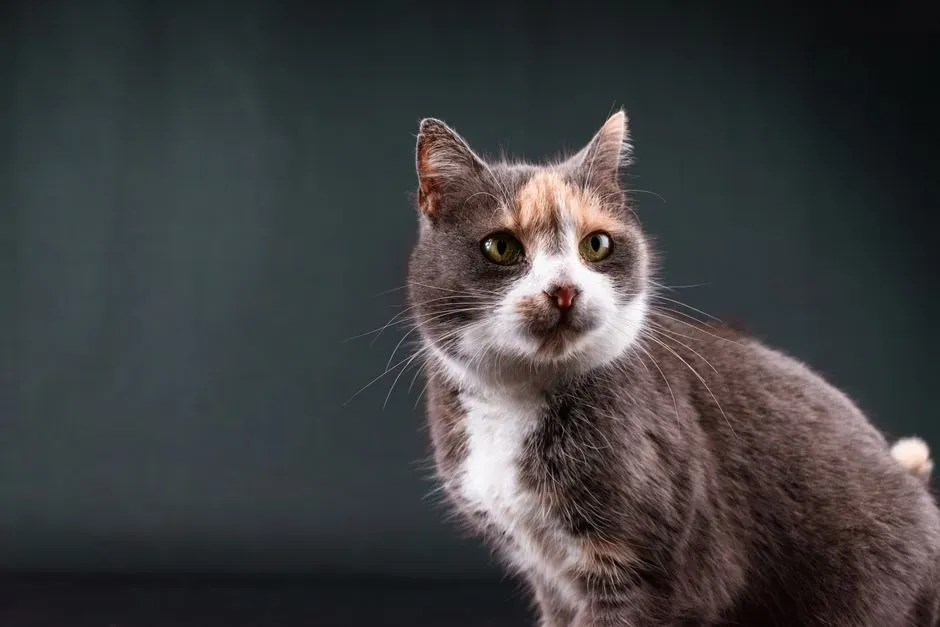
A cat pausing in a hallway it’s walked a thousand times looks like a funny quirk. It’s frequently something far more serious.
Senior cats staring blankly at walls, forgetting the litter box location, or getting “lost” in a familiar hallway are showing more than typical old-age forgetfulness. Cognitive decline is one of the most under-discussed signs of aging in cats, and it’s frequently mistaken for a personality shift rather than a medical one. Owners often laugh off these moments as “senior cat being goofy,” but veterinarians rarely see it that way. Disorientation in a cat that used to navigate the house flawlessly is a brain signal, not a comedy bit.
At a Glance
- About 28% of cats aged 11-14 show at least one sign of cognitive dysfunction.
- That share climbs past 50% in cats over age 15.
- Common signs include staring fixedly at walls, getting lost in familiar rooms, and forgetting where the litter box or food bowl is.
- Vets note these behaviors are frequently mistaken for a quirky personality change instead of a neurological shift.
#10 – Restlessness That Won’t Settle
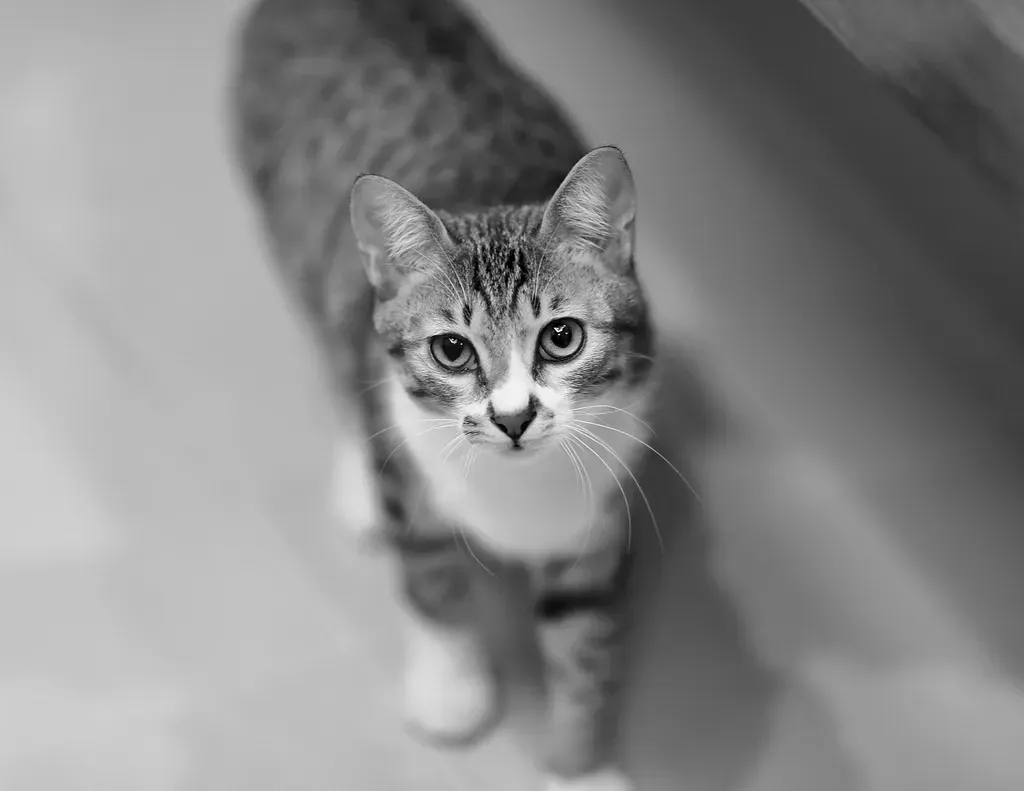
A cat pacing at odd hours doesn’t look like a red flag. Vets insist it should be treated as one.
A cat pacing at 3 a.m., unable to get comfortable in any position, is showing something far more specific than “insomnia.” This restlessness is frequently grouped with pain behaviors rather than dismissed as a random quirk of old age. Subtle signs of pain include hiding, loss of appetite, drooling, neglect of grooming, sitting huddled up, restlessness, and loss of interest in surroundings. Cats can’t tell you a joint aches at 3 a.m., so they show you by refusing to stay still. Here’s the unpopular opinion: sedatives and “calming” supplements often mask this signal instead of solving it, delaying a real diagnosis by months.
#11 – Taking Longer to “Bounce Back”
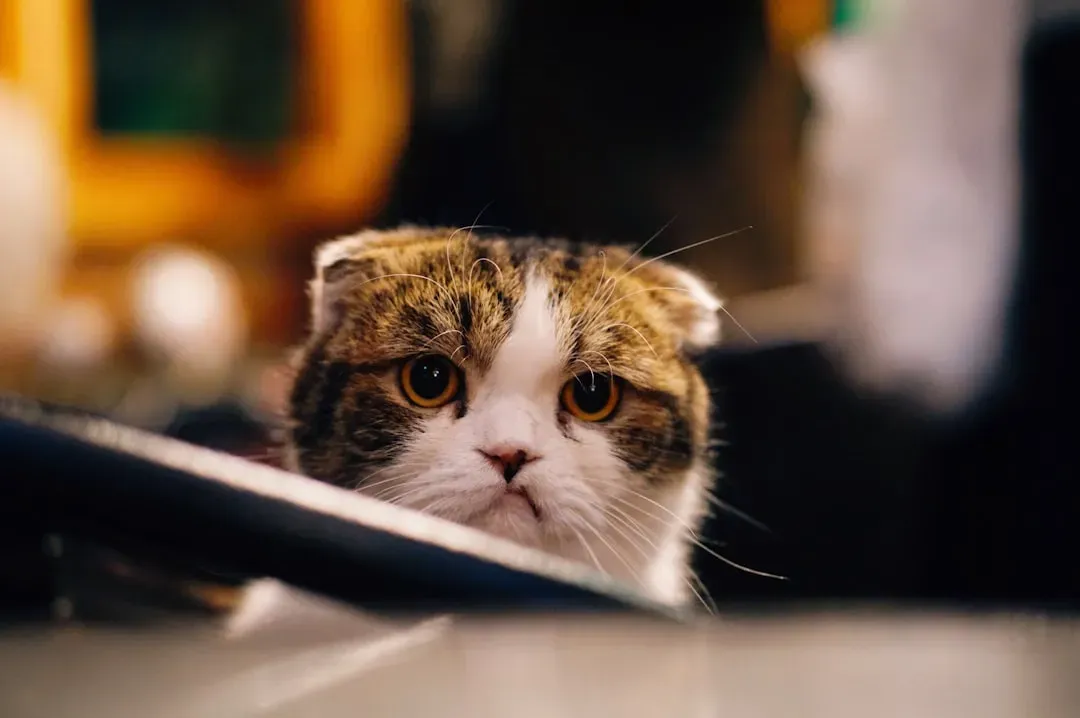
A stressful vet visit or a loud thunderstorm shouldn’t linger for days. When it does in a senior cat, that lingering is the actual message.
After a stressful event – a vet visit, a change in routine, a new person in the house – some cats take longer to return to baseline than they used to. There’s a difference between a cat who is aging gracefully and a cat whose body is working harder than it should to maintain homeostasis; one looks like a gentle slowing, and the other looks like effort. Owners frequently praise a “resilient” senior cat that appears to shrug things off quickly, without realizing slow recovery is the opposite of resilience. A cat that needs three days to feel normal after one stressful hour is running on a much thinner physical margin than it looks.
#12 – The Hollow Look Nobody Notices in Time
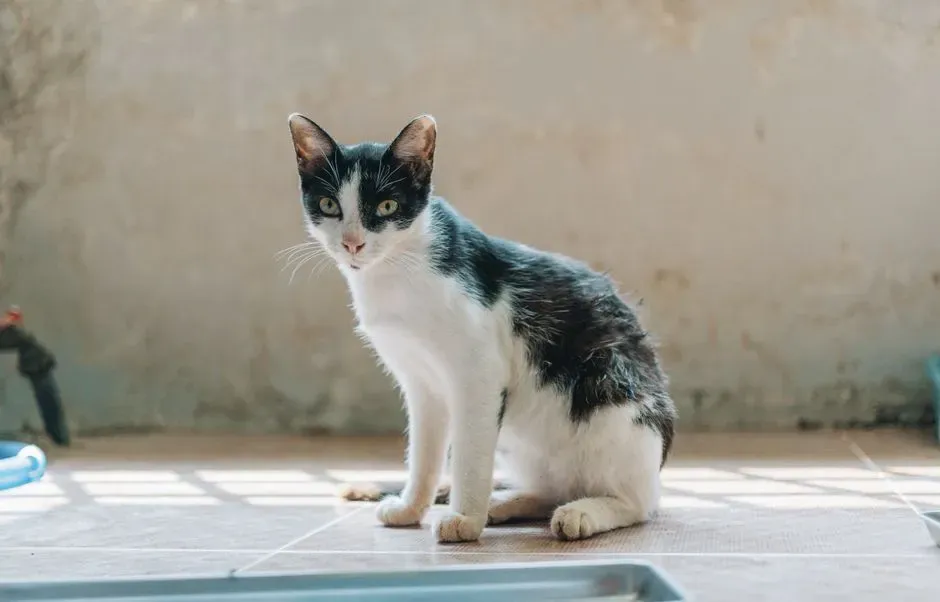
Weight loss in a senior cat gets treated as expected. Vets say there’s a very specific version of it that almost never gets caught early.
Weight loss in senior cats is common, but there’s a specific look that separates “normal aging” from something far more serious – most owners notice a thinner body first, while vets notice the face. Slow, steady weight loss is common in pets with chronic illness, but sudden or worsening weight loss can be a sign of deeper trouble, and in cats, significant and rapid weight loss can cause a distinctive, hollow appearance to the face. This is arguably the single most missed signal on this entire list, because by the time the face visibly changes, the underlying condition has usually been active for a long stretch already. A gaunt face on a senior cat is not “just thin” – it’s a late chapter in a story that started weeks or months earlier.
Quick Compare
- Normal aging: a slow, gradual loss of muscle tone over a year or more, with appetite staying steady.
- Cause for concern: visible loss along the spine, hips, or face within just a few weeks, paired with a normal or even increased appetite.
- Normal aging: the coat stays reasonably full even as the body slims slightly.
- Cause for concern: the face looks “hollowed” or skull-like while the cat still seems alert and otherwise engaged.
The Bottom Line
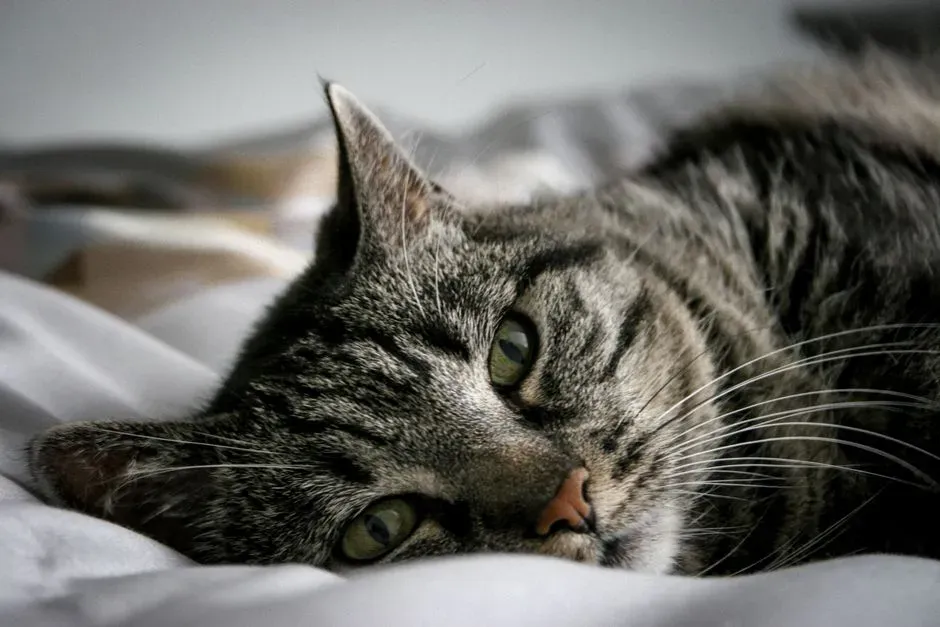
Here’s the uncomfortable truth: senior cats aren’t secretly suffering because they’re mysterious creatures – they’re suffering quietly because owners keep mistaking survival instincts for personality. By the time cats show dramatic, textbook symptoms, they’ve often been struggling silently for months or years, because most people underestimate how stoic cats really are and overestimate how “normal” it is for seniors to slow down, hide more, or look a little unkempt.
Every “quirky” nap spot, every skipped greeting, every slow jump is data your cat is handing you for free. Ignoring it isn’t kindness – it’s a delay tactic dressed up as patience. Has your own cat shown one of these twelve signs and you brushed it off at the time? Tell us which one in the comments – you might save someone else’s cat by admitting it.
Kristina is a young writer from India. An arts graduate and an avid content creator, Kristina is passionate about animals and wildlife. She enjoys exploring topics related to pet care, animal behavior, conservation, and nature, combining thorough research with engaging storytelling.