You’re folding laundry and suddenly your cat appears, claiming the warm pile as their throne. You’re trying to make the bed, and they’re diving under the sheets like it’s some kind of competitive sport. You reach for the vacuum, and there they are, supervising from the doorway. Sound familiar? If you’ve ever wondered why your feline friend insists on being your uninvited assistant for every household task, you’re about to discover that the reason runs much deeper than simple nosiness.
Let’s be real, your cat isn’t actually helping you scrub that counter or sweep the floor. Something far more fascinating is happening behind those watchful eyes. Get ready to see your furry supervisor in a whole new light.
It’s About Territory, Not Just Being Nosy
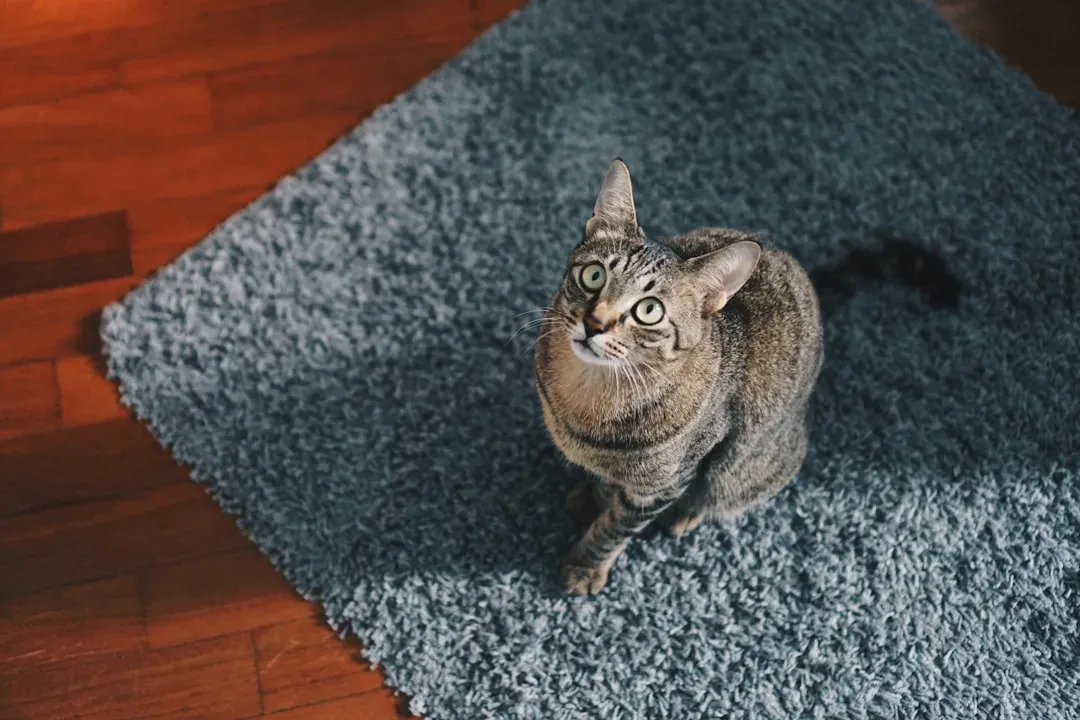
Your cat views your home as their domain, a trait deeply rooted in wild ancestry where establishing and defending territory was essential for survival. When you bring in grocery bags or rearrange furniture, your cat isn’t just curious. They’re gathering information and reinforcing their sense of ownership by sniffing and inspecting everything new.
A cat’s curiosity is instinctive, and checking out anything new to the territory is a way of protecting their domain. Think about it this way: even though you pay the mortgage, your cat genuinely believes they’re the landlord. Every chore you do, every item you move, represents a potential change to their carefully mapped kingdom. They mark their territory through several behaviors, including sniffing, patrolling, rubbing, scratching, and sometimes urine marking.
They’re Following Ancient Hunting Instincts
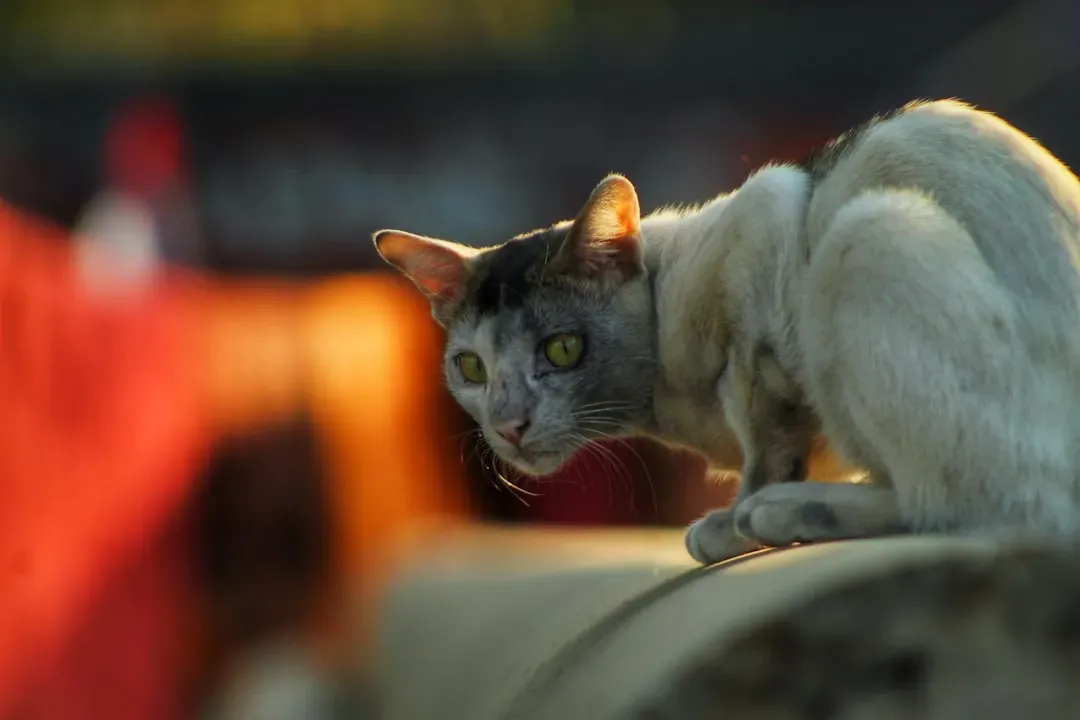
For cats, curiosity is more than a cute trait, it’s a survival strategy where every scent, sound, or flicker of movement could mean the difference between catching prey or avoiding a predator. When you’re dusting or doing dishes, the movement itself triggers something primal in your cat. Cats inherit their curiosity from wild ancestors who relied on exploration to hunt, find shelter, and stay safe, with curiosity fueled by instincts related to hunting, territorial awareness, and problem-solving.
Your sweeping broom becomes prey. The laundry you’re tossing becomes a game to catch. Even the running water from the faucet mimics the movement patterns that would have attracted their ancestors’ attention in the wild. It’s hard to say for sure, but honestly, your cat probably doesn’t distinguish much between “helping with chores” and “practicing their hunting technique.” They’re wired to pay attention to anything that moves, shifts, or changes in their environment.
You’re Their Favorite Person to Shadow
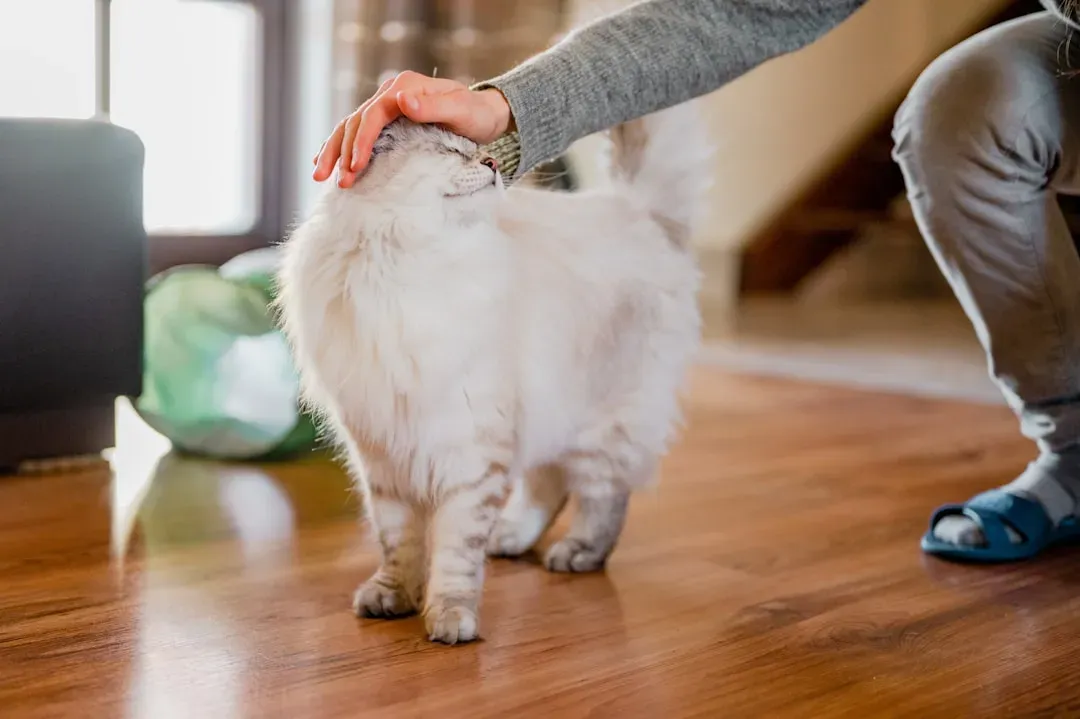
Cats form strong bonds with their owners and often follow them from room to room, ‘helping’ with chores or curling up for a nap nearby. Cats seem curious about all sorts of human behaviors like cooking, cleaning or building furniture, and their inquisitiveness comes from a desire to hang out with you, which means supervising your tasks throughout the day.
Here’s the thing: your cat genuinely enjoys your company. Perhaps surprisingly to those who think cats don’t care about us, research shows roughly 64 percent of felines were identified as secure, and the findings indicate that cats have greater flexibility and depth of social relationships than previously thought. When you move from room to room doing chores, they’re not about to let you out of their sight. You’re basically their world, and they want to be part of whatever you’re doing.
They’re Keeping Tabs on Environmental Changes
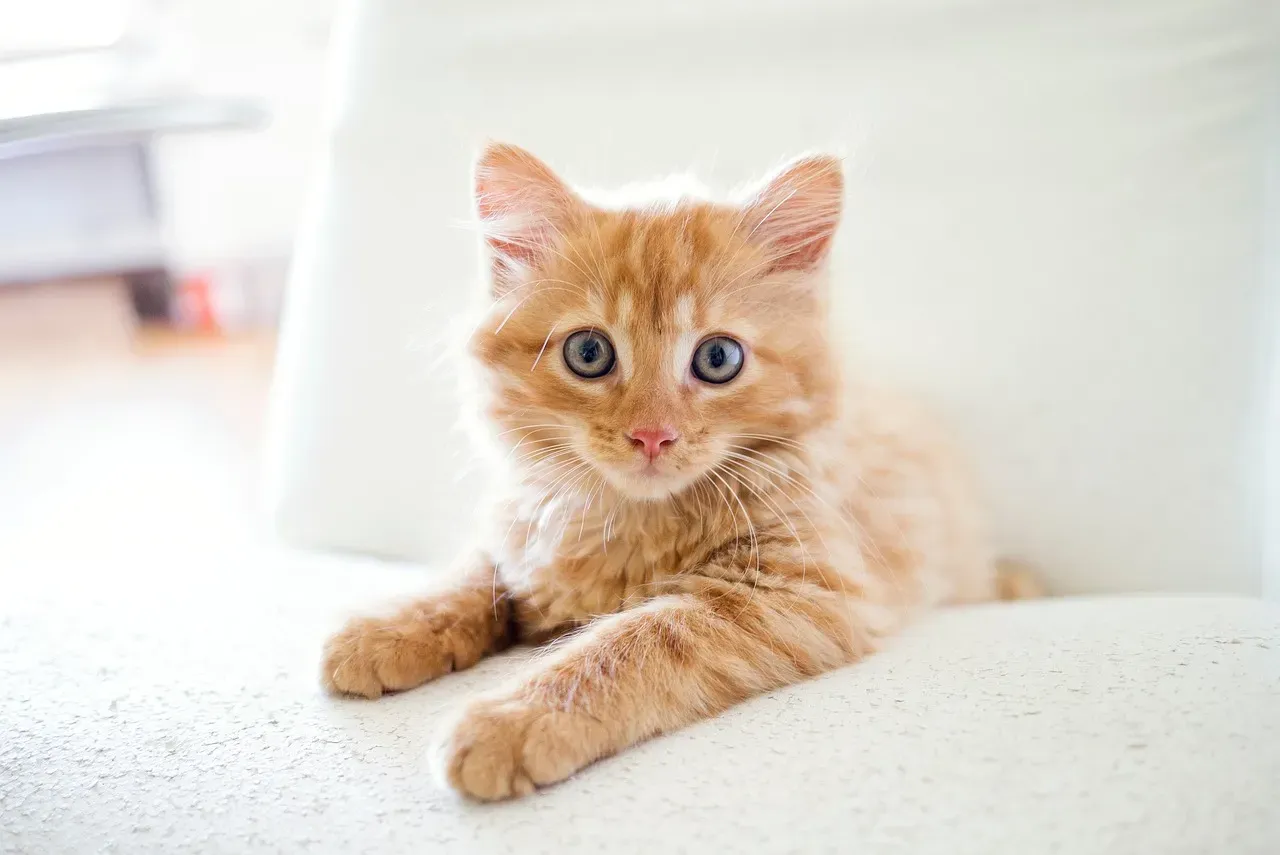
A cat’s very biology is designed for curiosity, as evolution has taught your cat to be an expert at taking in and processing their surroundings. Every time you vacuum, fold clothes, or reorganize a closet, you’re fundamentally altering the sensory landscape of your home.
Cats aren’t being rude, they’re being instinctive, as their natural curiosity makes them investigate anything new or interesting in their environment to assess safety, detect prey-like movements, and stay mentally stimulated. Your cat needs to know what’s different, what smells have changed, and whether these alterations pose any kind of threat or opportunity. Think of them as tiny home inspectors who take their job incredibly seriously.
Movement Equals Mental Stimulation
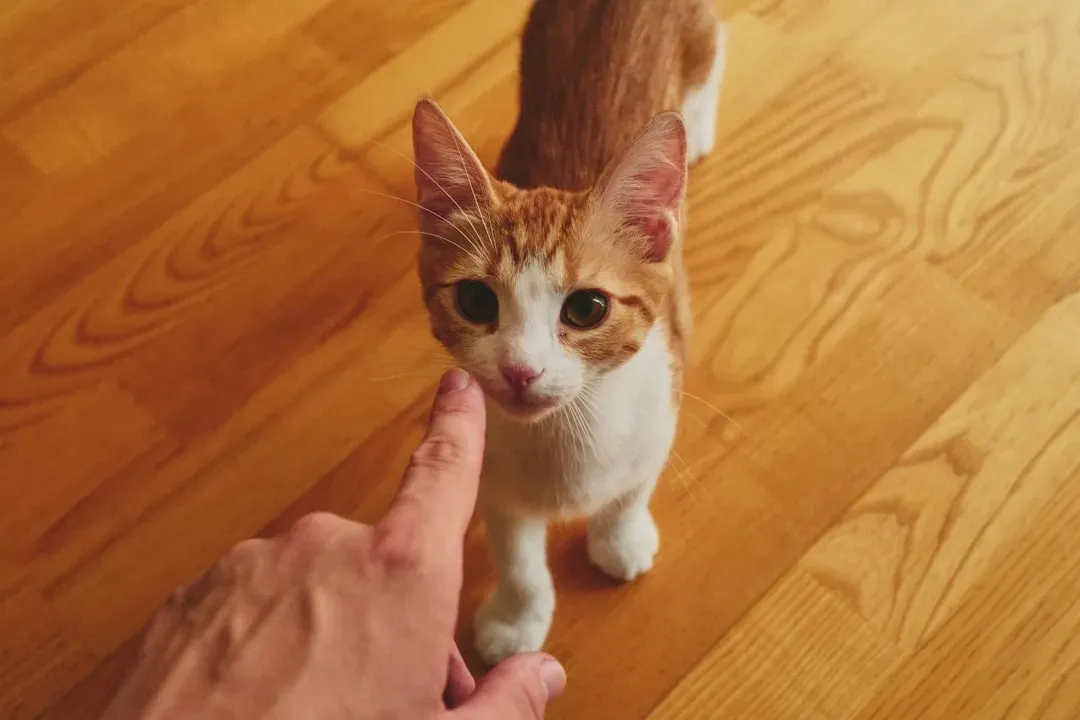
Indoor cats especially crave stimulation. Indoor cats who may experience boredom and lack of stimulation may exhibit greater physical engagement, driven by lower levels of environmental enrichment, and indoor cats exhibited stronger interest in various stimuli, perceiving tasks as novel experiences that stimulate their curiosity.
Your chores provide free entertainment. Watching you make the bed is like their version of watching an action movie. The sheets billow, creating movement. There are hidden pockets to explore. Objects disappear and reappear. Cats love to play and can turn almost anything that catches their eye into a toy, and this play-driven curiosity helps them stay mentally sharp, physically active, and emotionally balanced. So when your cat “helps” you fold laundry by sitting directly on the pile, they’re actually getting crucial mental exercise.
It’s a Social Bonding Experience
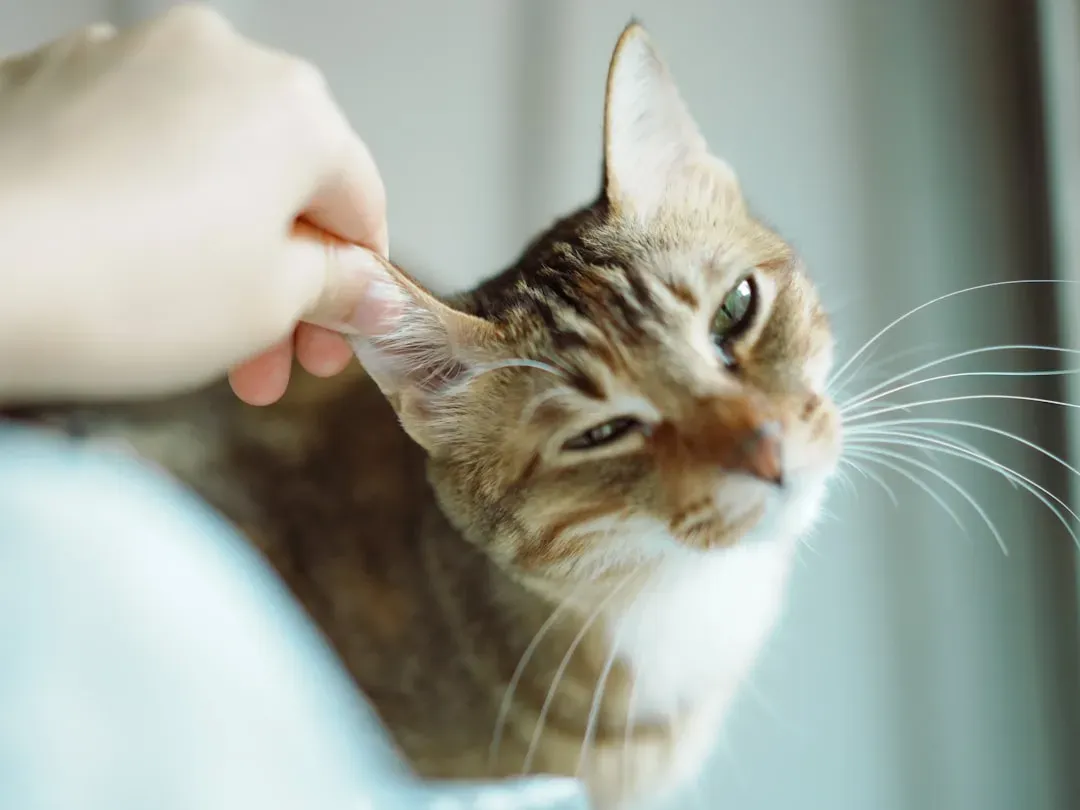
A study found that cats show attachment to their human companions in the same way babies and dogs do, using the same behavioral criteria used to evaluate attachment styles of human infants. Your cat following you around while you do chores isn’t clingy behavior. It’s attachment.
When you’re busy with household tasks, you’re still present and accessible. Your cat can observe you, occasionally interact, and feel connected without demanding constant attention. Cat owners get the biggest kick out of their cats ‘helping’ with chores, as cats are right next to them, involved with nose stuck into what they’re doing or just hanging out in the room. This parallel play style of interaction actually suits many cats perfectly. They’re with you, but they’re also maintaining their independence.
They’re Asserting Their Role in the Household
Let me tell you something that might sound crazy, but hear me out: your cat genuinely believes they have responsibilities in your home. When owners make beds or dig in gardens, cats sit by and watch, acting as the household supervisor.
From your cat’s perspective, they’re not interrupting your work. They’re participating in household management. Cats wind around legs while owners wash up or make tea, sit on litter boxes during scooping, ride brooms during sweeping, and sit quietly watching their owners write. Every task you perform is something they feel compelled to oversee, inspect, and occasionally quality-control by, say, knocking something off the counter to test gravity.
Warm Spots and Cozy Textures Are Irresistible
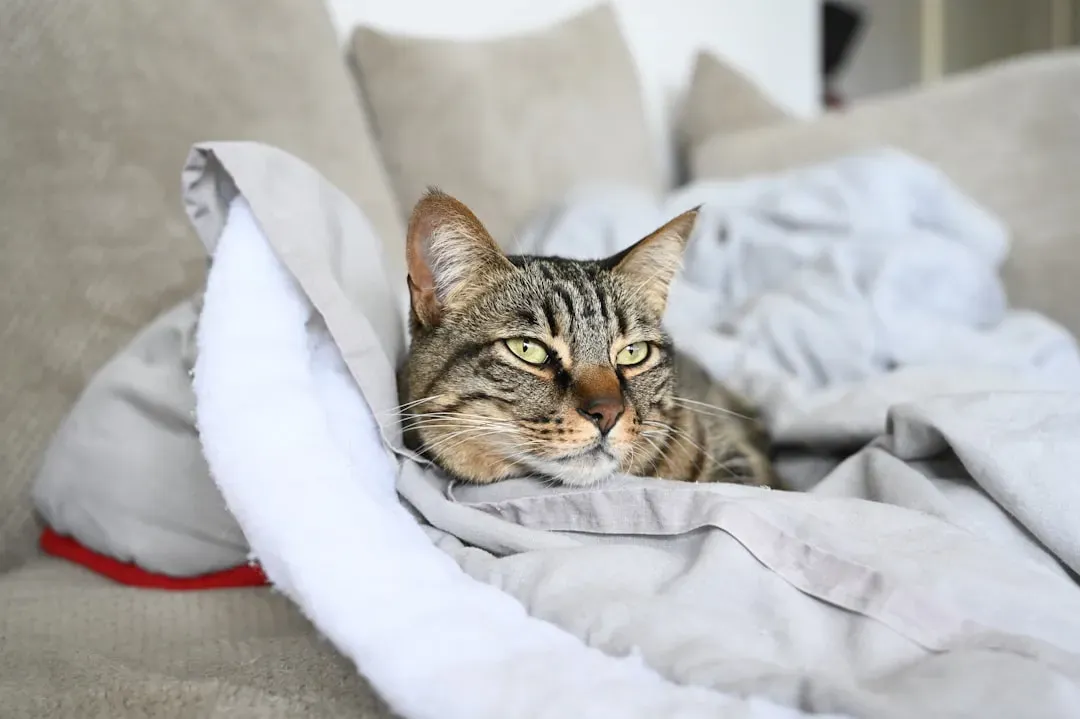
Cats sit on things people use, like laptops, books, or papers, which can come from the comfort of warmth or territory marking, and can also be a sign of seeking attention. Laundry fresh from the dryer? That’s basically a heated throne custom-made for feline royalty.
Honestly, can you blame them? If you were a small creature who loved warmth and soft textures, wouldn’t you also claim every freshly laundered towel? Your chores often create these perfect little comfort zones, and your cat has excellent timing when it comes to claiming them. They’re not trying to sabotage your folding efforts. They’re just maximizing their comfort opportunities.
They’re Responding to Your Focused Attention
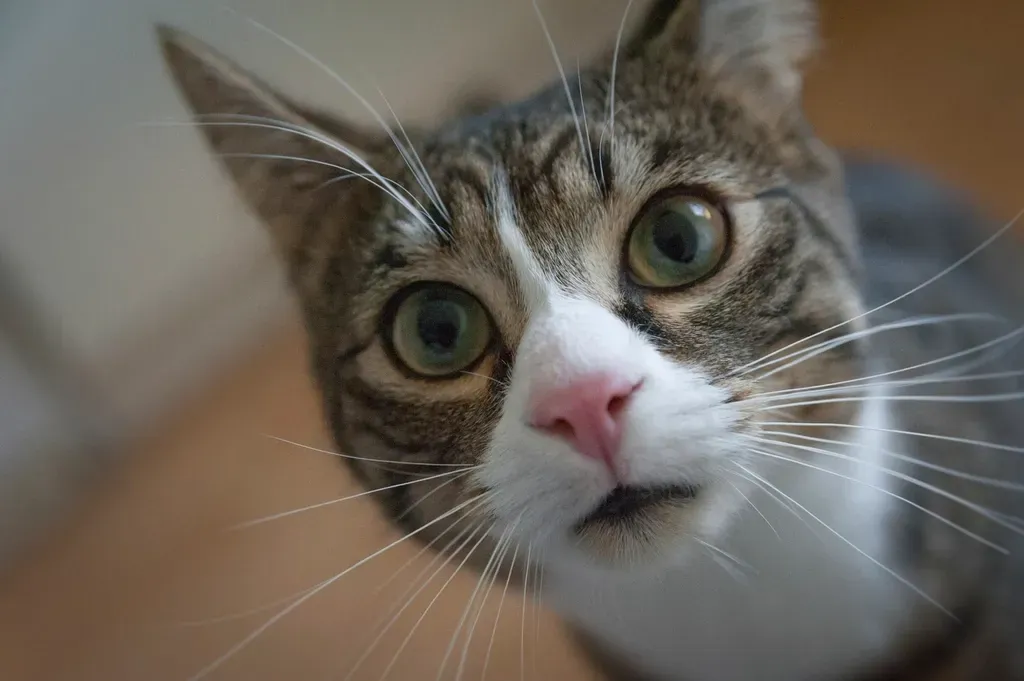
When you’re concentrated on a task, your behavior changes. You move with purpose. Your energy shifts. When a cat’s ears are pointed forward, it usually indicates attentiveness and curiosity, as they may be focused on something in their environment or preparing to pounce.
Your cat picks up on these subtle changes in your demeanor and wants to investigate what’s captured your attention so completely. If something is important enough to make you focus, your cat figures it must be worth checking out. It’s actually a compliment, in a weird way. Your cat respects your judgment enough to investigate whatever has you so engaged.
Problem-Solving and Learning Through Observation
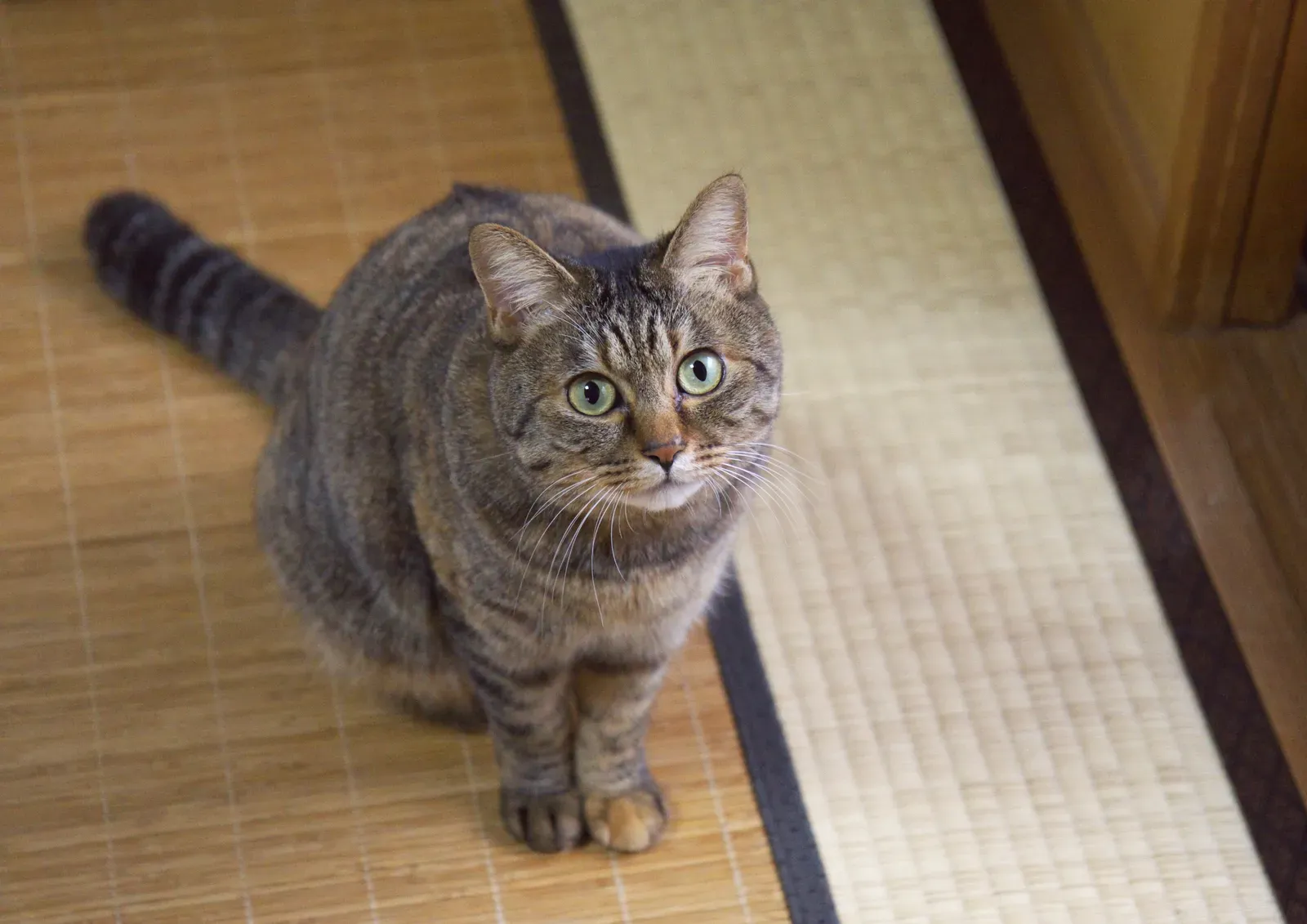
Curiosity is a healthy and natural instinct that helps cats adapt to unfamiliar environments, recognize potential threats, and learn what’s safe. When your cat watches you vacuum or mop, they’re not just passively observing. They’re learning.
Cats are remarkably intelligent creatures who learn by watching. A cat’s curiosity and need to explore is deeply rooted in ancient survival instincts, and a cat’s curiosity is a mix of natural instincts that have evolved over many thousands of years. By observing your chore routines, they’re mapping cause and effect: this machine makes noise, that spray bottle contains liquid, these movements signal you’re about to leave the room. They’re building a mental database of household operations, even if they never intend to actually help.
Your Routine Provides Them With Security
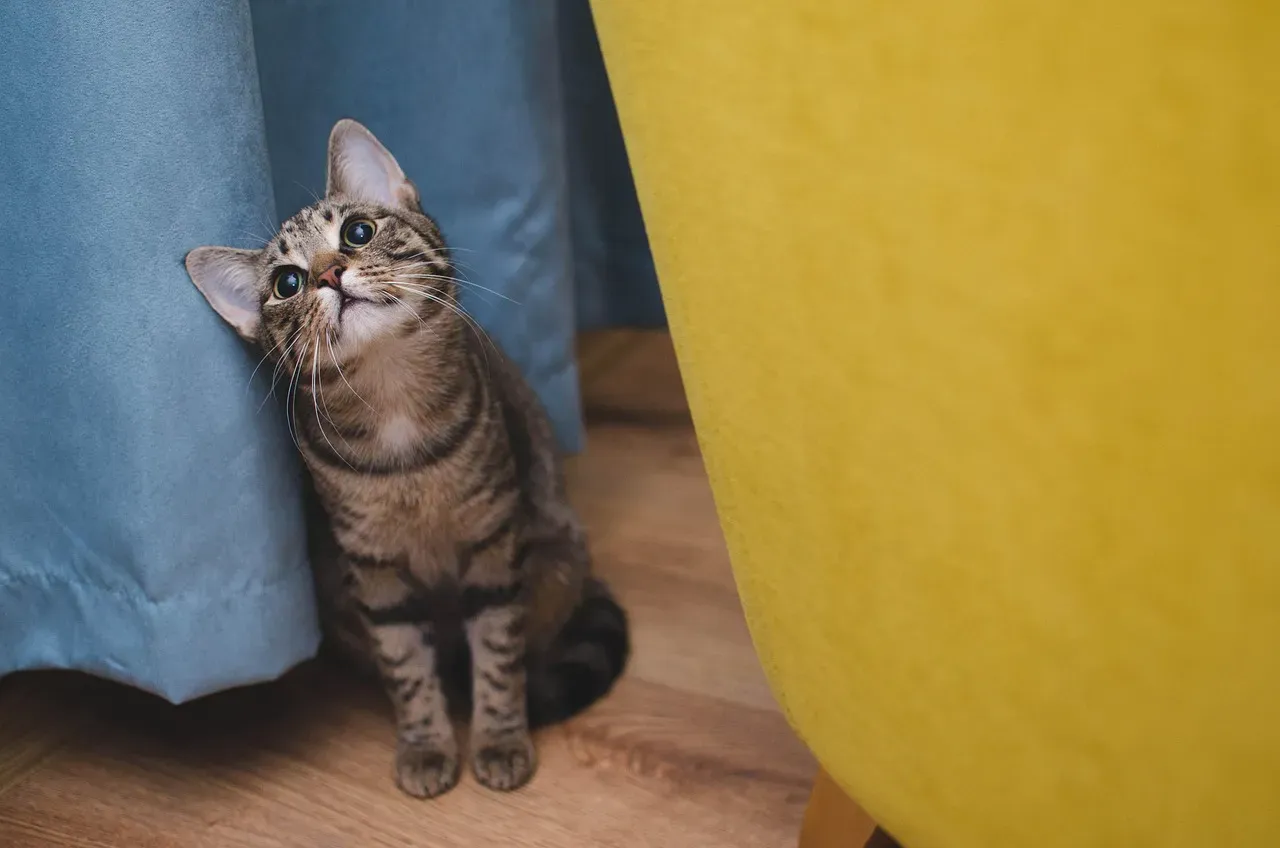
Cats wind around legs during washing up or making tea, sit on cat boxes during litter scooping, ride brooms during sweeping, tackle feet during exercise, or simply sit quietly watching their owners write. These predictable patterns create a sense of security and structure for your cat.
When you follow your regular chore routine, your cat knows what to expect. It’s comforting. Even if they seem to be “in the way,” they’re actually participating in a ritual that makes them feel safe and connected to you. Your consistency in performing household tasks becomes part of the rhythm of their day, something they can rely on in an otherwise unpredictable world.
Conclusion
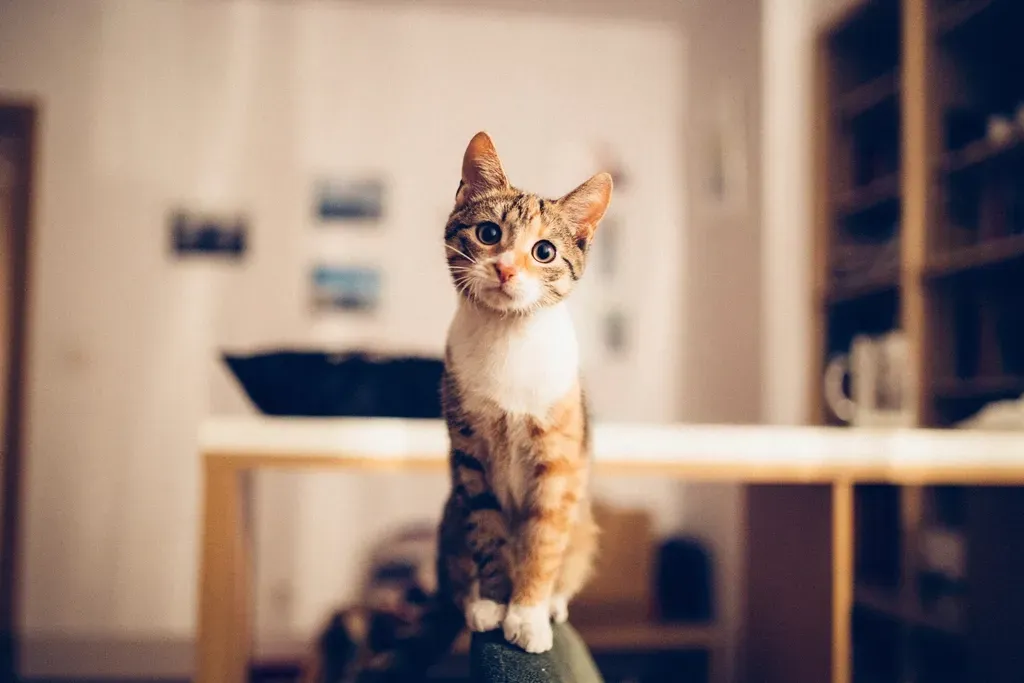
So the next time your cat plants themselves directly in the middle of your freshly mopped floor or dives into the laundry basket you’re trying to fill, remember this: they’re not being difficult. They’re being exactly what evolution designed them to be – curious, territorial, socially bonded creatures who see your home as their kingdom and you as their favorite person to supervise.
Your cat’s “help” with chores is actually a beautiful combination of instinct, intelligence, affection, and a genuine desire to be involved in your life. They’re protecting their territory, staying mentally stimulated, bonding with you, and maintaining their crucial role as household supervisor. It might slow down your productivity, but honestly, isn’t that little furry face peering into the laundry basket worth it? What would your home be without your devoted (if somewhat intrusive) feline assistant?
Kristina is a young writer from India. An arts graduate and an avid content creator, Kristina is passionate about animals and wildlife. She enjoys exploring topics related to pet care, animal behavior, conservation, and nature, combining thorough research with engaging storytelling.