Have you ever caught your feline friend perched on top of the refrigerator, gazing down at you like royalty surveying their kingdom? Maybe you’ve wondered why your cat ignores that expensive bed you bought and instead chooses the highest bookshelf in the house. This quirky behavior might seem random, but it’s actually rooted in fascinating instincts that go back thousands of years.
The truth is, your cat’s love for elevated spots isn’t just about being difficult or quirky. There’s genuine science behind this behavior that connects to survival, comfort, and even emotional wellbeing. Understanding why your furry companion craves those lofty perches can help you create a happier environment for them. So let’s dive in and explore what makes high places so irresistible to our feline friends.
Safety and Security From Ancient Predators
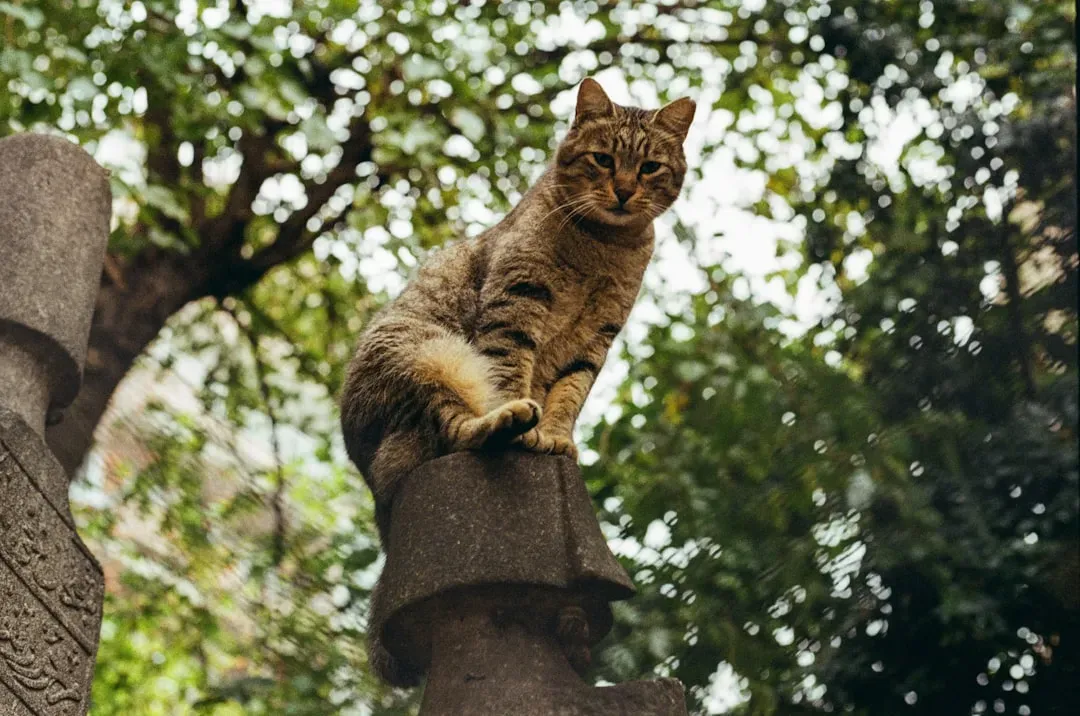
Your cat is both predator and prey, hunting smaller animals like rodents and birds while being vulnerable to larger predators such as owls, eagles, and coyotes. This dual nature shaped their ancestors’ behavior over millennia. Think about it from their perspective for a moment. When your cat climbs to the top of a cabinet, they’re tapping into an ancient survival mechanism that kept their wild relatives alive.
In the wild, elevated perches offered crucial protection from ground-dwelling predators, allowing cats to rest without fear of attack. Even though your pampered indoor cat doesn’t face coyotes in your living room, they can sleep in higher places with decreased risk of getting surprised, and trees provide camouflage from flying predators. That instinct hasn’t disappeared just because they live with you now. When cats experience stress or illness, they seek out high spots more often to feel safe and secure.
The Ultimate Surveillance Spot for Hunting and Watching
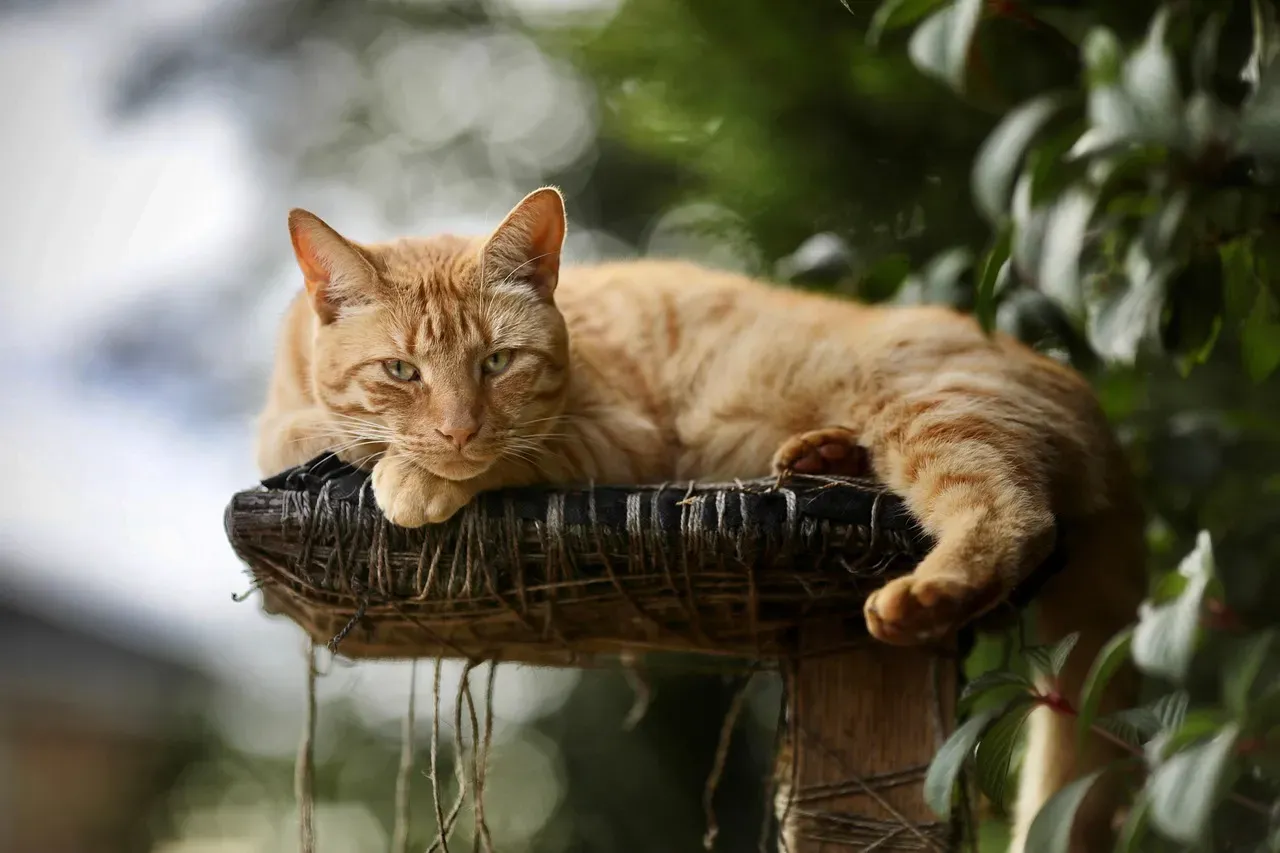
Surveying the area from an elevated location allows cats to observe their surroundings for food and protect themselves from attack, with many predators unable to climb as high as a light, agile cat. Your cat’s wild ancestors perfected the art of observation from above. From those vantage points, they could spot a mouse scurrying across the forest floor or detect danger approaching from a distance.
The opportunity to keep a lookout relates to their predatory nature as many species of cats go to raised areas to watch for prey. Even if the only thing your indoor cat is watching is you making dinner, they’re still fulfilling that deep biological need to monitor their environment. High places offer a panoramic view of their environment, allowing them to spot both prey and predators from afar. I think it’s kind of beautiful how these instincts persist, even when the biggest threat in their world is the vacuum cleaner.
Temperature Control and Cozy Comfort
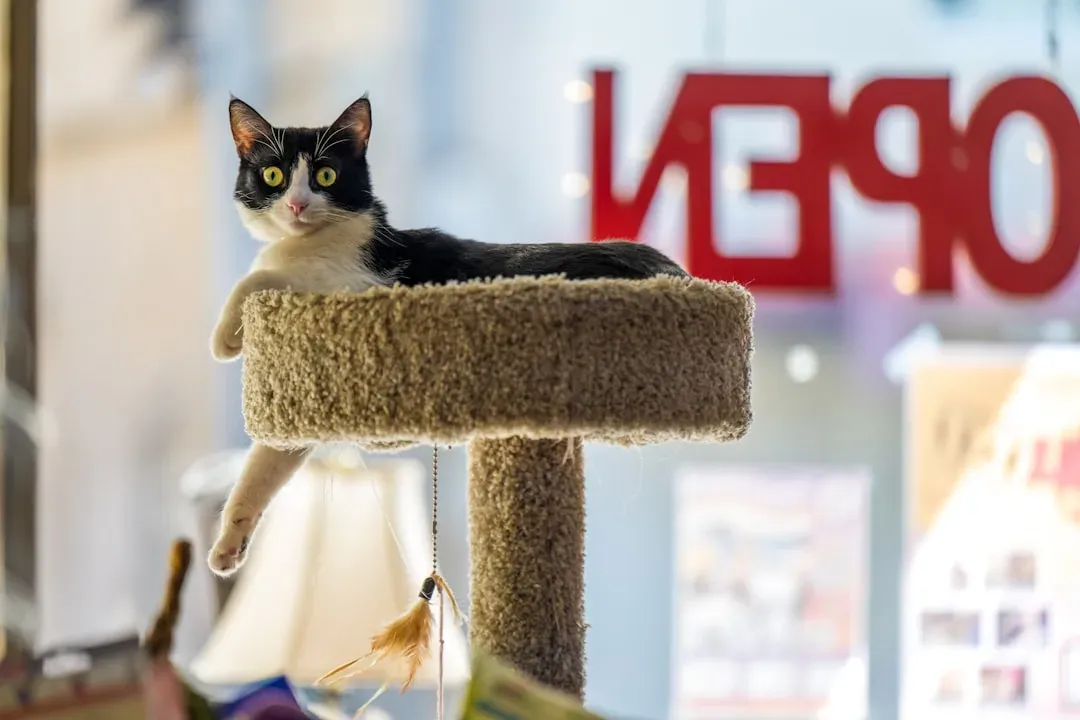
Here’s something you might not have considered. High places provide a warm location for cats to rest because warmer air rises, making them prefer the tops of appliances, cat trees, and bookshelves over cold floors. Your cat isn’t just being picky when they choose that specific spot on top of the kitchen cabinet.
This can be especially true during winter when it’s colder in many places. Science shows that warm air rises, making elevated spots naturally warmer and more comfortable, particularly appealing during cooler months, and high perches near windows offer cats the perfect combination of warmth from sunlight and entertainment from watching outdoor activities. It’s honestly quite clever when you think about it. Cats figured out basic physics long before we started explaining it to them in school.
Territorial Control and Social Hierarchy
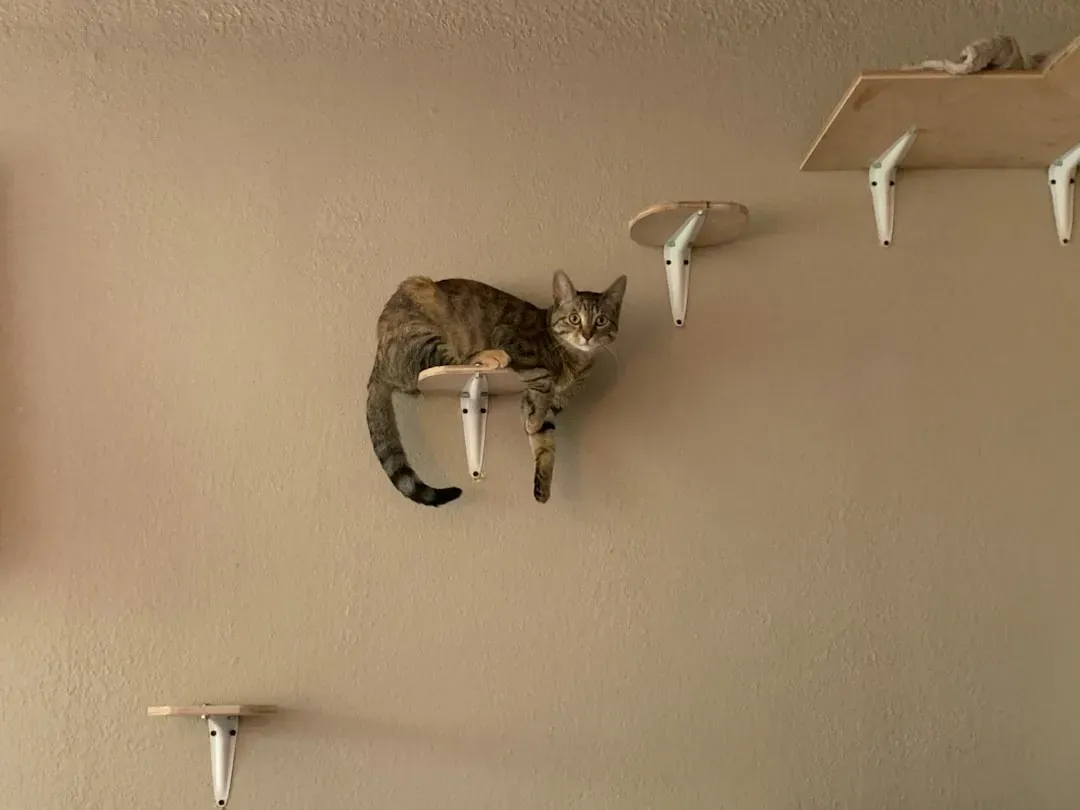
Your cat may enjoy being high up as it makes them feel more powerful and in control, and this is especially common in homes with multiple cats where one may establish dominance by remaining in a high place above all the other cats. In the complex social world of felines, height literally equals status. When you have more than one cat, you’ve probably noticed they don’t all choose the same level to hang out on.
In multi-cat households, high places expand available territory so cats can avoid conflict, with one cat having dominion over floor spaces while another claims elevated spaces. This vertical arrangement is actually brilliant for keeping the peace. The higher up a cat is, the more visual advantage and warning time they have to see anyone approaching, which eases tension in multicat environments because a more timid cat has adequate warning, while a more assertive cat can claim the highest spot as a show of status.
Escape From Household Chaos and Stress
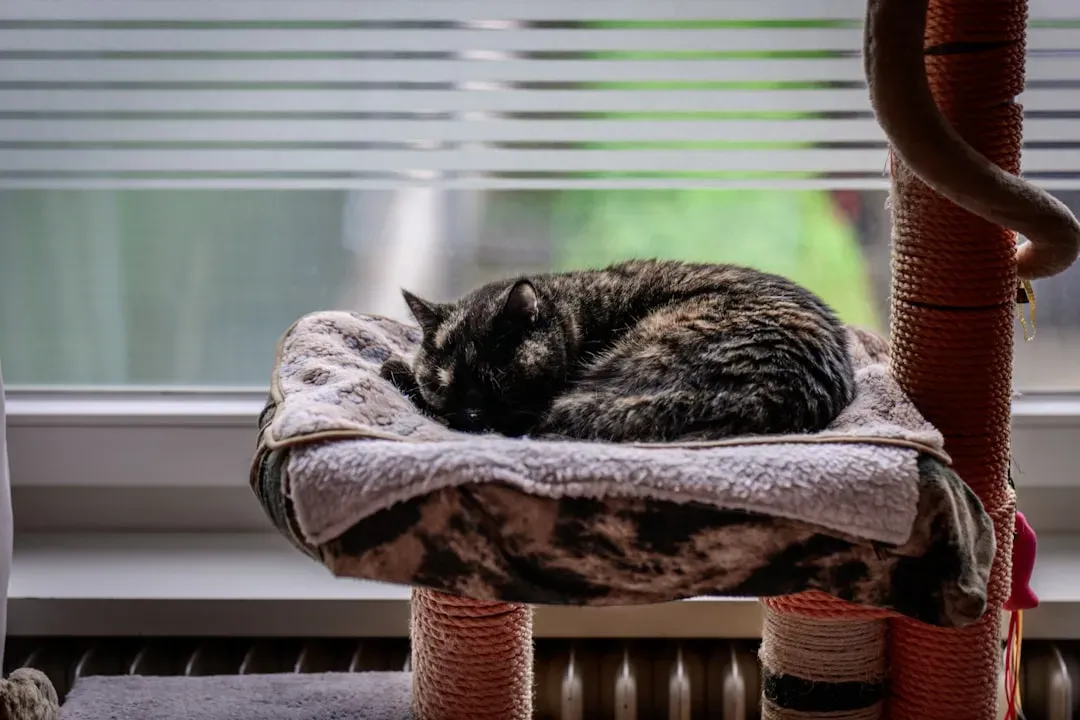
Let’s be real, our homes can be overwhelming for cats sometimes. Cats like high places to avoid noise and commotion from other members of the household, whether from small children, dogs, or other cats. Your cat isn’t being antisocial when they retreat to the top of the closet during your dinner party. They’re just managing their stress in the way evolution taught them.
During stressful situations such as thunderstorms, construction noise, or household celebrations, cats often retreat to high places as a coping mechanism, and these elevated safe zones help reduce anxiety and provide a peaceful retreat when things get overwhelming. Elevated areas offer cats the opportunity to escape from anyone upsetting them, most frequently dogs and children, and some cats who hide under beds would spend more time with the family if elevated escapes were present. It’s actually quite smart that they’ve developed this strategy for self-care.
Physical Exercise and Mental Stimulation
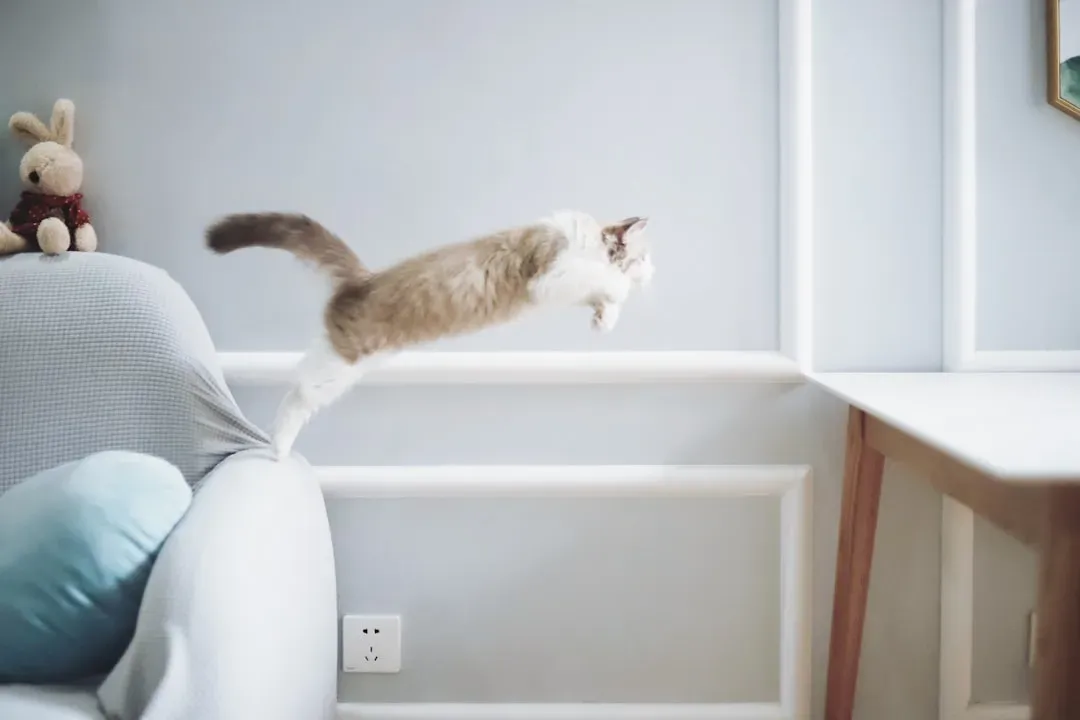
Jumping to high places is a form of physical exercise that mimics hunting behavior, and cats use their strong hind leg muscles to jump, which keeps them agile and healthy. Climbing isn’t just fun for your cat. It’s genuinely important for their physical fitness and mental health.
Perching at different heights gives cats new views, helping to keep their environment interesting, allowing them to engage in natural behaviors like watching the action below, which stimulates their mind and reduces boredom, while climbing and jumping between perches provides much-needed exercise that helps keep cats agile, toned, and healthy. Think of it like their version of going to the gym. Their unique anatomy gives felines the ability to jump six times their length, springing up to six feet high to get on top of bookcases, shelves, and any other elevated spot. Honestly, if humans could jump six times our body length, we’d probably be showing off constantly too.
Conclusion
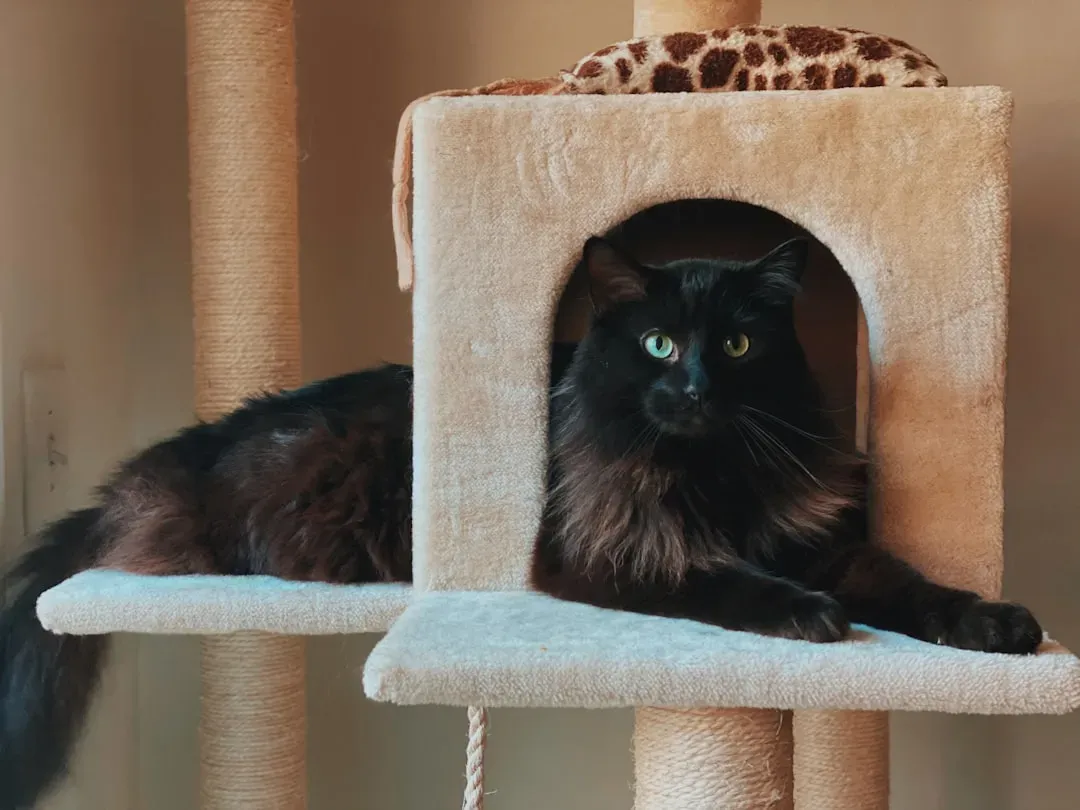
Your cat’s obsession with high places is anything but random or annoying. It’s a complex behavior woven from threads of survival instinct, comfort seeking, social dynamics, and genuine physical needs. From escaping ancient predators to finding the warmest spot in your house, every leap to the top of your furniture serves a purpose.
By understanding these six reasons, you can better support your feline companion’s natural instincts. Consider adding cat trees, wall shelves, or window perches to give them safe vertical spaces to explore. Remember, when your cat surveys their domain from atop the bookcase, they’re not plotting world domination. They’re simply being the magnificent, instinct-driven creatures evolution designed them to be. What’s the highest spot your cat loves to claim in your home?
Kristina is a young writer from India. An arts graduate and an avid content creator, Kristina is passionate about animals and wildlife. She enjoys exploring topics related to pet care, animal behavior, conservation, and nature, combining thorough research with engaging storytelling.