There is a good chance you have been staring at your cat for years, completely convinced they are impossible to read. Maybe you have tried to pet them and got a swat for your trouble. Or perhaps you reached for a cuddle only to be met with a slow, dramatic walk away. Here’s the thing – your cat was talking to you the entire time. You just didn’t know the language.
Cats are arguably one of the most sophisticated silent communicators in the animal kingdom. They can use a range of communication methods, including vocal, visual, tactile, and olfactory communication. The wild part? Most of it happens without a single sound. This article is your translation guide. Get ready to see your cat in a completely new light. Let’s dive in.
Why Cats Developed a Silent Language in the First Place
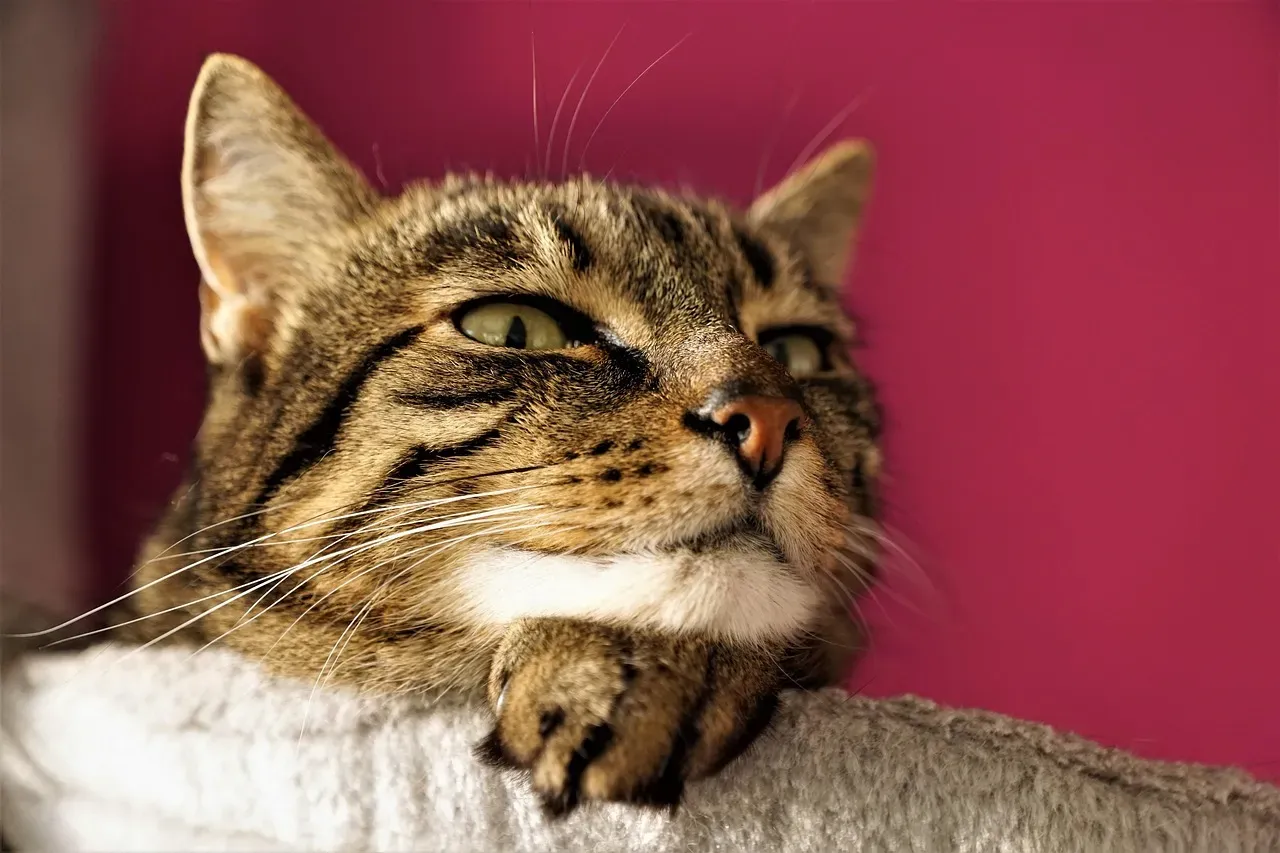
Research from the University of California shows that cats actually developed many of their vocalizations specifically for communicating with humans, while their body language remains their primary method of cat-to-cat communication. Think about that for a second. The meowing? Mostly for you. The real, ancient conversation happens through movement, posture, and expression.
Domestic cats have two different vocabularies. In contrast to wild cats, who abandon the language of kittens for a different one in adulthood, domestic cats that are cared for by humans retain the language used between feline mothers and their young, even when they reach maturity. In other words, your cat treats you like their eternal parent. Sweet, strange, and actually a little moving when you think about it.
The Tail: Your Cat’s Emotional Weather Vane
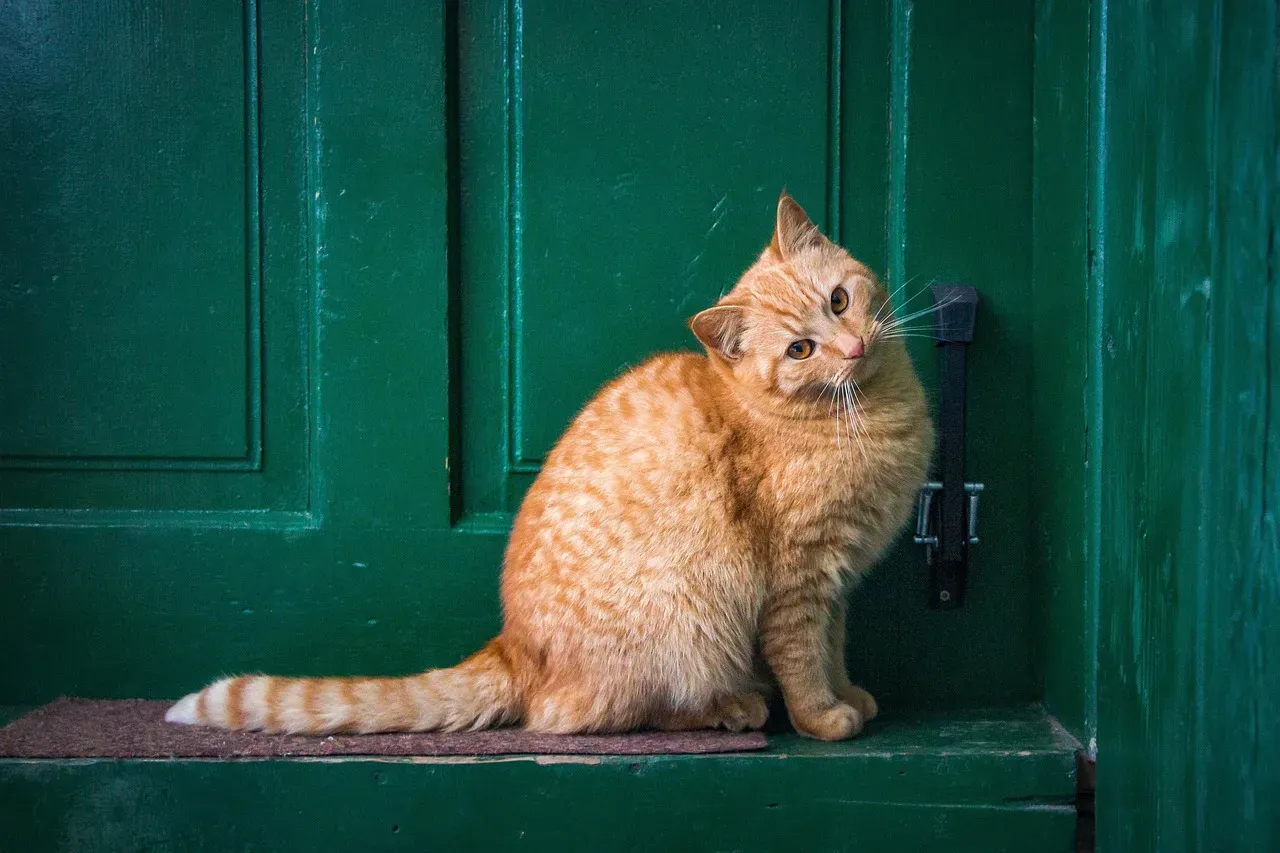
Honestly, if you learn nothing else from this article, learn to read the tail. It is the single most expressive physical tool your cat has, and it broadcasts their emotional state in real time. The tail position is a well-known way that cats communicate visually. Generally, the “tail up” position, where the tail is held vertically in the air at a right angle to the ground, signals friendly intent when a cat approaches another cat, animal, or person.
A tail tucked between the back legs is often a sign that a cat is anxious or fearful, whereas a tail held out moving slowly side-to-side across the body may signal frustration. In more extreme cases, the tail may be held up and “puffed out” by raising the hairs to make the cat’s silhouette appear larger, often continued as a strip along the cat’s back as well. So when you see that bottle-brush tail, back off gently. Your cat is not being dramatic. They are genuinely scared or agitated, and they’re asking for space.
The Ears: Tiny Antennas Broadcasting Big Emotions
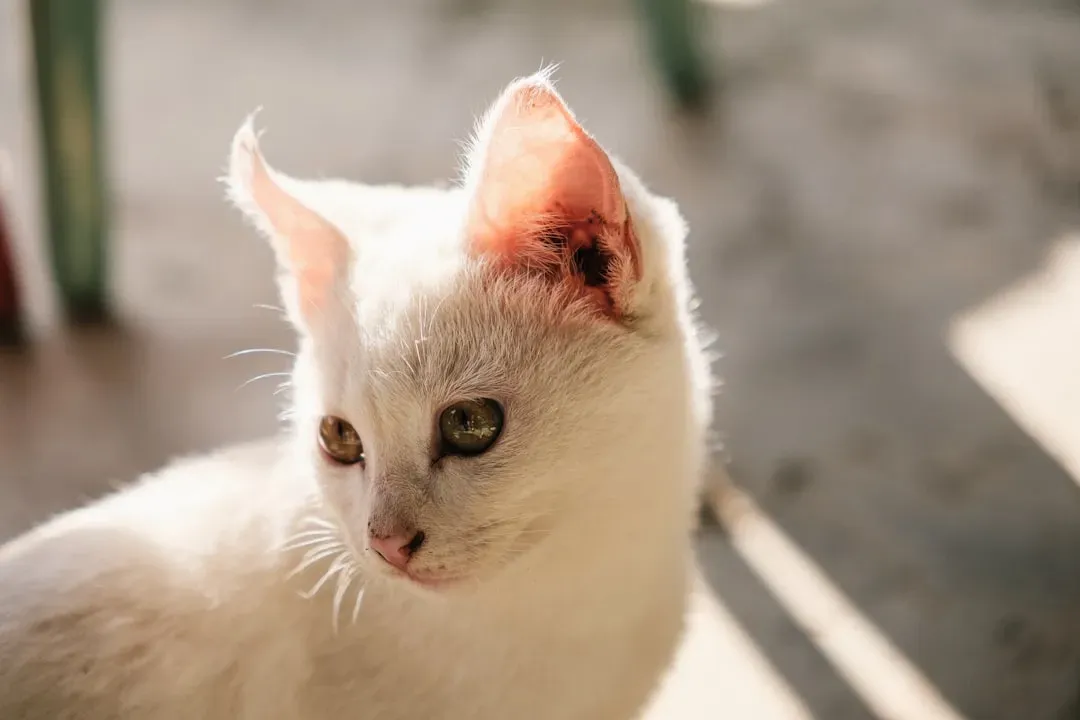
With over 30 muscles involved, the position of the ears reveals a great deal. No other animal has quite this level of ear articulation, and cats use every bit of it. If you watch closely, you’ll catch micro-movements in those ears that change by the second.
Forward-facing ears indicate alertness and interest, while ears that swivel independently show a cat is monitoring multiple stimuli simultaneously. When ears flatten against the head, it’s a clear warning signal that the cat feels threatened or defensive. This position protects the delicate ear structures during potential conflicts and serves as a visual warning to other cats. Think of flattened ears like a storm warning flag. You would not ignore that on a beach, and you should not ignore it on your cat either.
The Eyes: Windows Into a World of Feline Feeling
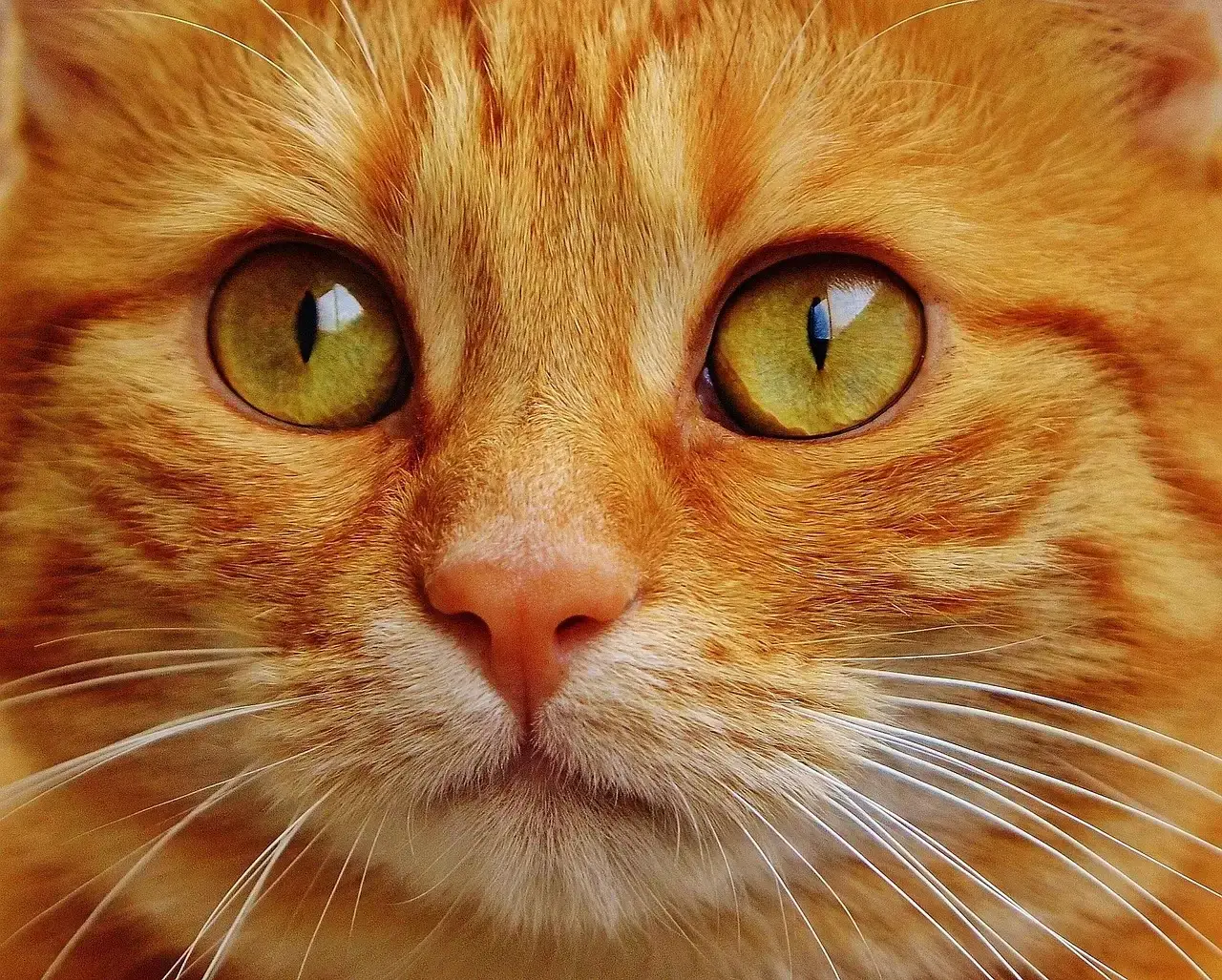
You have probably heard that the eyes are the window to the soul. For cats, that is not just a metaphor – it is practically instruction manual material. Cat eyes communicate volumes about their emotional state and intentions. The famous “slow blink” that cats give their trusted humans is actually a sign of deep affection and trust, often called a “cat kiss” by behaviorists.
You can actually “speak” back to your cat by slowly closing your eyes and opening them again. Most cats will respond with their own slow blink, creating a beautiful moment of mutual understanding. I think this might be one of the most underrated things any cat owner can do. It costs nothing. It takes two seconds. And it tells your cat: “I trust you too.” Meanwhile, direct staring between cats is considered a challenge or threat, which is why many cats look away when making eye contact with unfamiliar humans or other cats. Understanding this helps explain why some cats seem “rude” when they ignore our attempts at eye contact.
Whiskers: The Mood Meters You Never Noticed
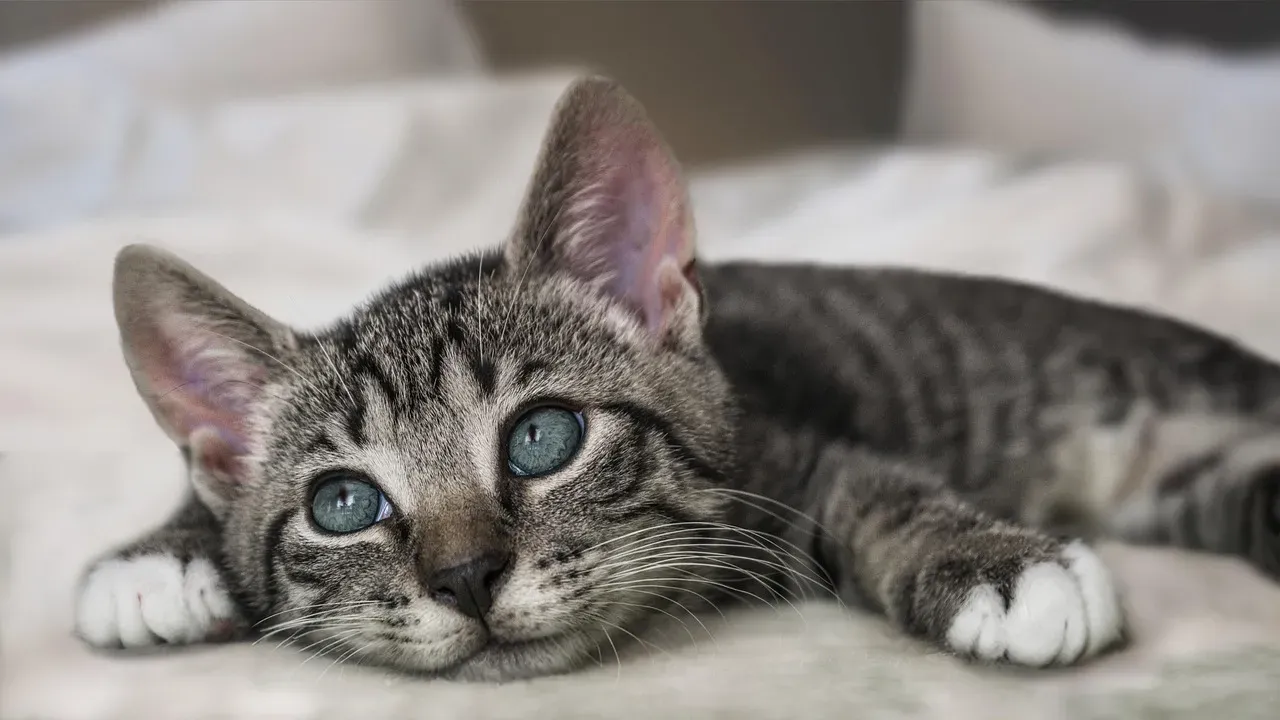
Most people think whiskers are just for navigation. They are absolutely that. Yet they are doing so much more at the same time. A cat’s whiskers act as both sensory tools and emotional indicators. Relaxed, forward-pointing whiskers suggest a calm, curious cat, while whiskers pulled back against the cheeks might indicate fear or stress. The position of these sensitive tools can help you gauge your cat’s comfort level in any situation.
When tense or highly alert, the whiskers will be fanned out and pointing forward in front of the face. When relaxed, a cat’s whiskers point directly out and are less spread out. A frightened or nervous cat may flatten their whiskers against the side of their face and bunch them together. It’s a bit like how people tense their jaw when stressed. The body always tells the truth, even when words don’t. Your cat’s face works the same way.
Body Posture: The Full Sentence Your Cat Is Speaking

Individual signals are helpful, but posture is the full sentence. It combines all the smaller clues into one complete message. A cat’s overall posture provides immediate insight into their emotional state. A relaxed cat typically displays a loose, comfortable stance with their weight evenly distributed. Their body appears neither rigid nor tense, and they may stretch out confidently, showing their belly in a secure environment.
When cats lie on their back with their bellies exposed, they are in a position of vulnerability. Therefore, this position may communicate a feeling of trust or comfort. Here’s a word of caution though. When cats roll over and show their bellies, they’re displaying ultimate trust. However, unlike dogs, this doesn’t always mean they want belly rubs. Many cats will grab and kick if you touch their exposed belly, as it’s a natural defensive response to protect their vital organs. Consider yourself warned. The belly is a privilege, not an invitation.
Scent Marking: The Invisible Language You Cannot See
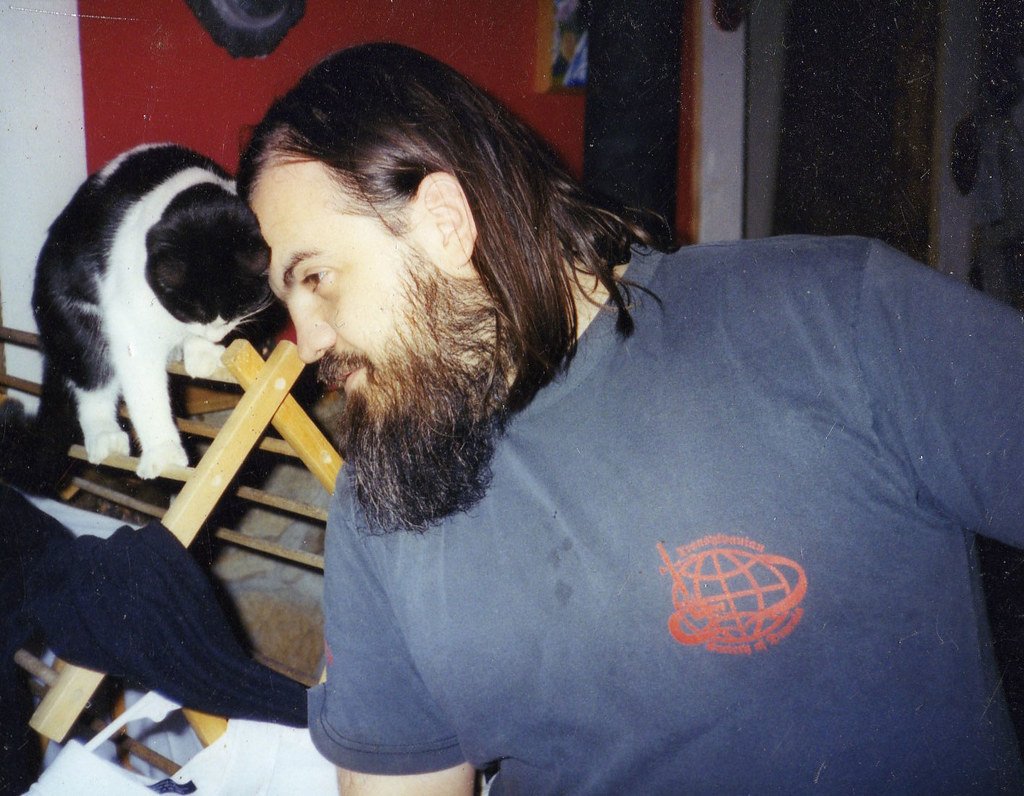
Releasing chemical signals is one of the most significant components of cat communication. It’s hard to fully appreciate because you literally cannot smell it. Yet to your cat, the home is covered in messages, like a living, scented bulletin board that only cats can read.
Cats have nine different scent glands in their body. These are located at the outer ear flaps, temples, cheeks, mouth corners, under the jaw, between toes, sides of the anus, along the tail, and at the base of the tail. When your cat rubs their face against your leg or the couch corner, the cat rubs its cheeks on prominent objects in the preferred territory, depositing a chemical pheromone produced in glands in the cheeks. This is known as a contentment pheromone. In a sense, your cat is literally coating their world in feelings of safety. Pretty remarkable, honestly.
Kneading: The Love Language Rooted in Kittenhood
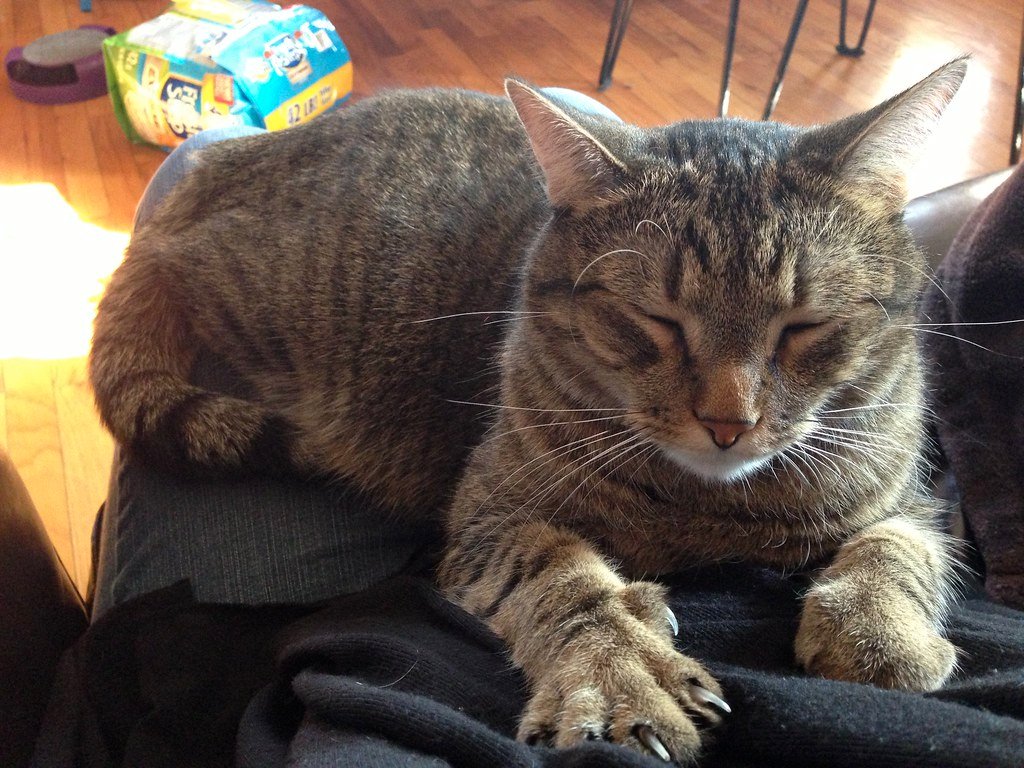
Few cat behaviors are as immediately adorable as the “making biscuits” routine. Your cat climbs onto your lap, starts pressing their paws rhythmically in and out, and looks utterly blissed out. There is deep biology behind this one. Nursing kittens instinctively press their paws against their mother’s belly to stimulate milk flow, creating a powerful association between kneading and comfort. That early memory doesn’t disappear as cats grow up. Instead, it becomes a deeply ingrained behavior tied to safety, warmth, and emotional security.
Cats have scent glands in their paws, and kneading allows them to mark you as part of their territory. This is not ownership in a negative sense, but rather a declaration that you are part of their safe inner circle. So when your cat kneads you, they are not just being cute. They are doing something ancient and intimate. If your cat kneads you, it means they trust you. So instead of brushing it off or getting annoyed, take it as a loving gesture from them.
How Cats Adjust Their Communication Style for You
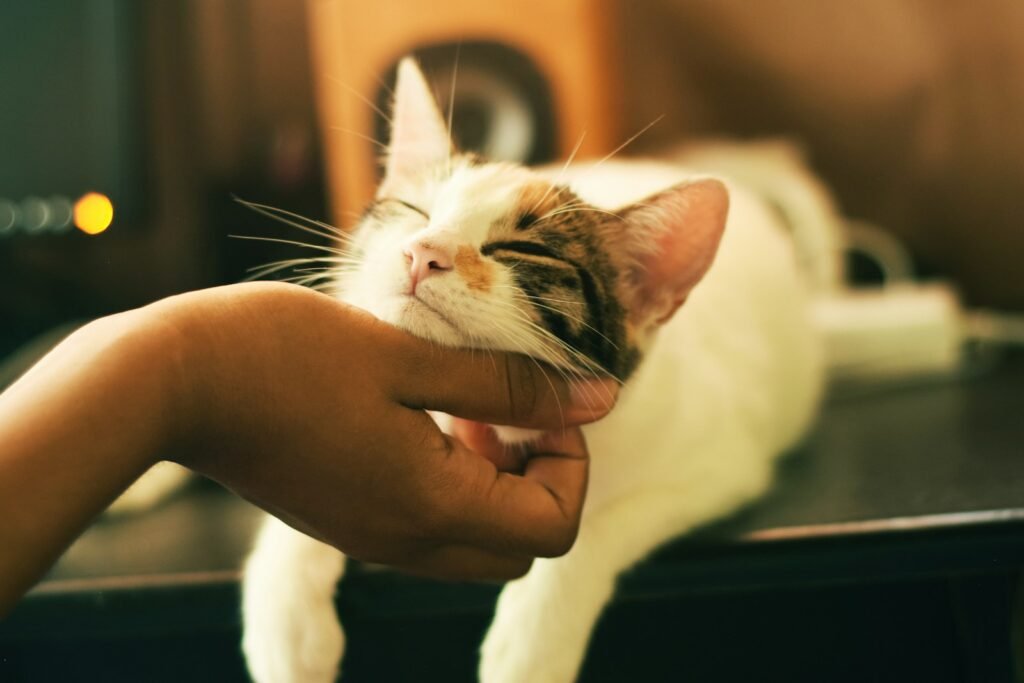
Here is something that doesn’t get nearly enough credit. Your cat is actually adapting to you. Specifically. Not just to humans in general, but to your patterns, your voice, your mood. When a cat lives with a human, it very quickly learns to read their mood at any given moment from their body language, the sound of their voice, and eye contact with them. Cats are extremely good at picking up on emotions such as nervousness and fear.
Research shows cats adjust their body language and vocalizations when interacting with humans, using more eye contact and meows than they do with other cats. They are doing the translation work too. Adult cats rarely meow to each other, and so adult meowing to human beings is likely to be a post-domestication extension of mewing by kittens. Your cat essentially developed a new vocabulary, just to talk to you. Let that sink in.
Reading Warning Signals Before They Escalate
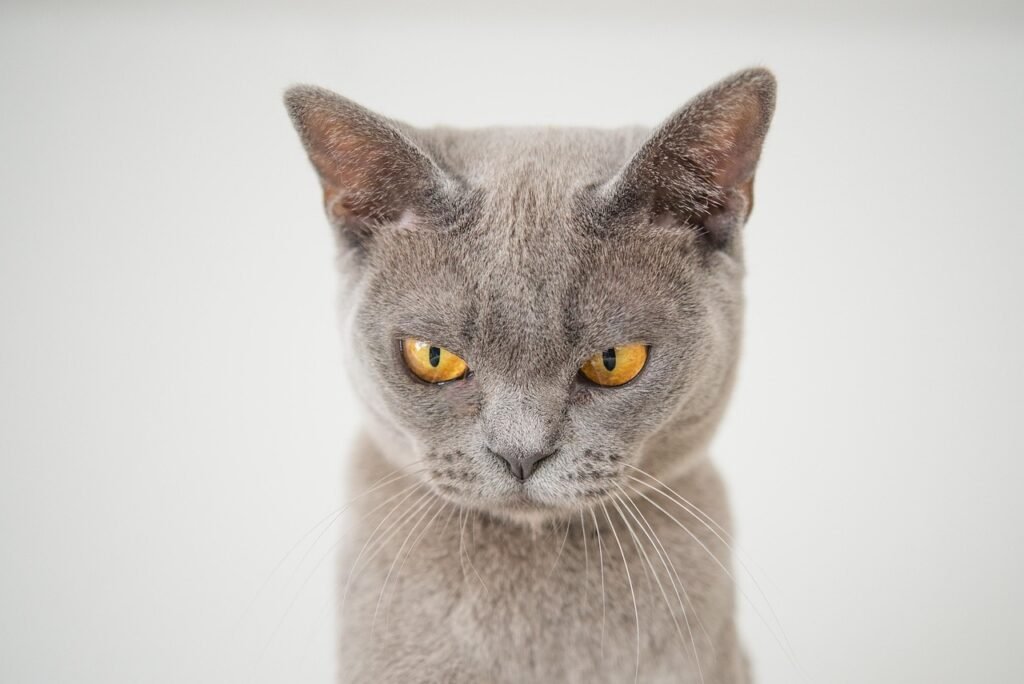
This is where understanding cat communication becomes genuinely practical and even safety-relevant. A cat who’s mildly stressed or trying to avoid something unpleasant might blink rapidly, turn their ears outward or back, and turn their head away. The cat’s pupils might also be dilated, and their whiskers might be held farther forward than normal.
Signs of illness or pain include hunched posture, lethargy, tucked tail, squinted or dull eyes, flattened ears, and withdrawal from social interaction. Any sudden changes in normal body language patterns warrant veterinary attention. The ability to spot these signals early is not just about avoiding a scratch. It’s about genuinely caring for your animal. It is extremely difficult to notice pain in cats as they tend to hide pain well, but they do demonstrate some noticeable behaviors. You have to be paying attention, and now you know what to look for.
How to Respond: Speaking Your Cat’s Language Back
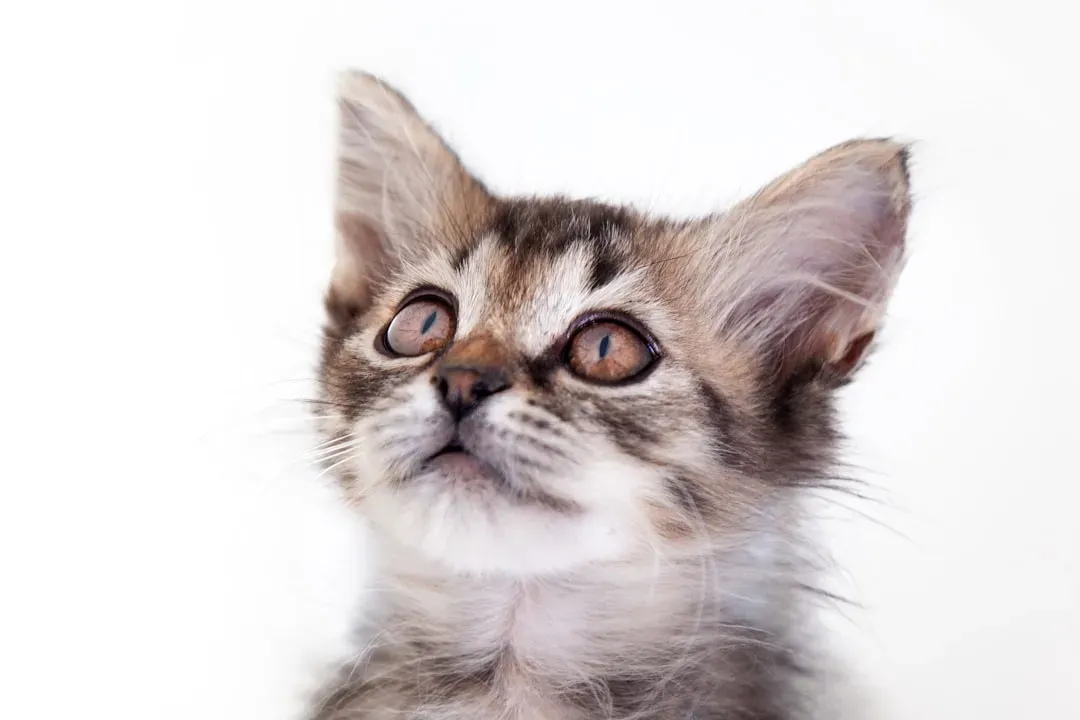
Reading your cat is one thing. Responding in a way they actually understand is the next level. Tips include respecting warning signs such as flattened ears or whipping tails, rewarding calm behavior with gentle praise or treats, engaging in play if your kitty shows hunting readiness with focused posture, providing space when signs of stress or irritation are present, and encouraging slow blinking exchanges to strengthen mutual trust.
Understanding your cat’s non-verbal communication takes time and patience. Start by observing your cat during different activities and keep a mental note of the body language patterns you observe. Over time, you’ll develop an intuitive understanding of your cat’s unique communication style. It’s hard to say for sure how long this takes, since every cat is genuinely different. But the effort is always worth it. Every cat is unique, and their behaviors are influenced by their individual personality, past experiences, and environment. Think of learning your cat’s language as learning a dialect, not just a language. Specific to them, shaped by their life, and deeply personal.
Conclusion: The Conversation Has Always Been Happening
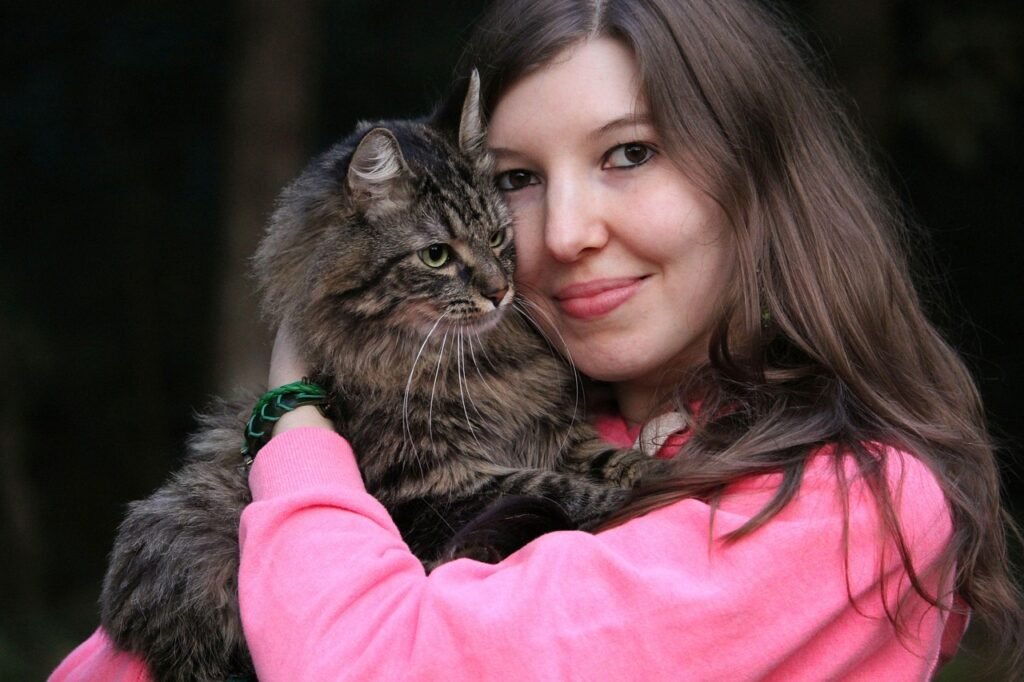
The truth is, your cat has been talking to you since the day they walked into your life. Every tail flick, slow blink, ear rotation, and paw press has carried meaning. Understanding your cat’s body language opens up a whole new world of communication that goes far beyond simple meows and purrs. This silent language system, refined over thousands of years of evolution, offers incredible insights into your feline companion’s thoughts, feelings, and needs.
Learning to read your cat is not just a curiosity exercise. It deepens trust, prevents misunderstandings, and honestly makes the relationship richer for both of you. Cats possess intricate and subtle body language, making it crucial to pay close attention to their non-verbal communication. Respecting a cat’s body language is essential in establishing a trusting relationship. Once you start seeing it, you really cannot unsee it.
So the next time your cat locks eyes with you and offers that long, slow blink, blink back. You’ve learned the language now. Use it.
What surprised you most about how your cat communicates? Tell us in the comments below.
Kristina is a young writer from India. An arts graduate and an avid content creator, Kristina is passionate about animals and wildlife. She enjoys exploring topics related to pet care, animal behavior, conservation, and nature, combining thorough research with engaging storytelling.