There is something deeply fascinating about living with a creature that has its own private language. Your cat watches you, nudges you, stares at you from across the room, and somehow manages to get exactly what they want, all without uttering a word. It sounds a little like sorcery, honestly.
Most people assume the meow is a cat’s main tool for communication. Turns out, that is barely scratching the surface. Cats are sophisticated, silent communicators who speak in a rich dialect of body, scent, and movement that most of us only half-understand. Curious yet? Let’s dive in.
The Tail That Tells Everything
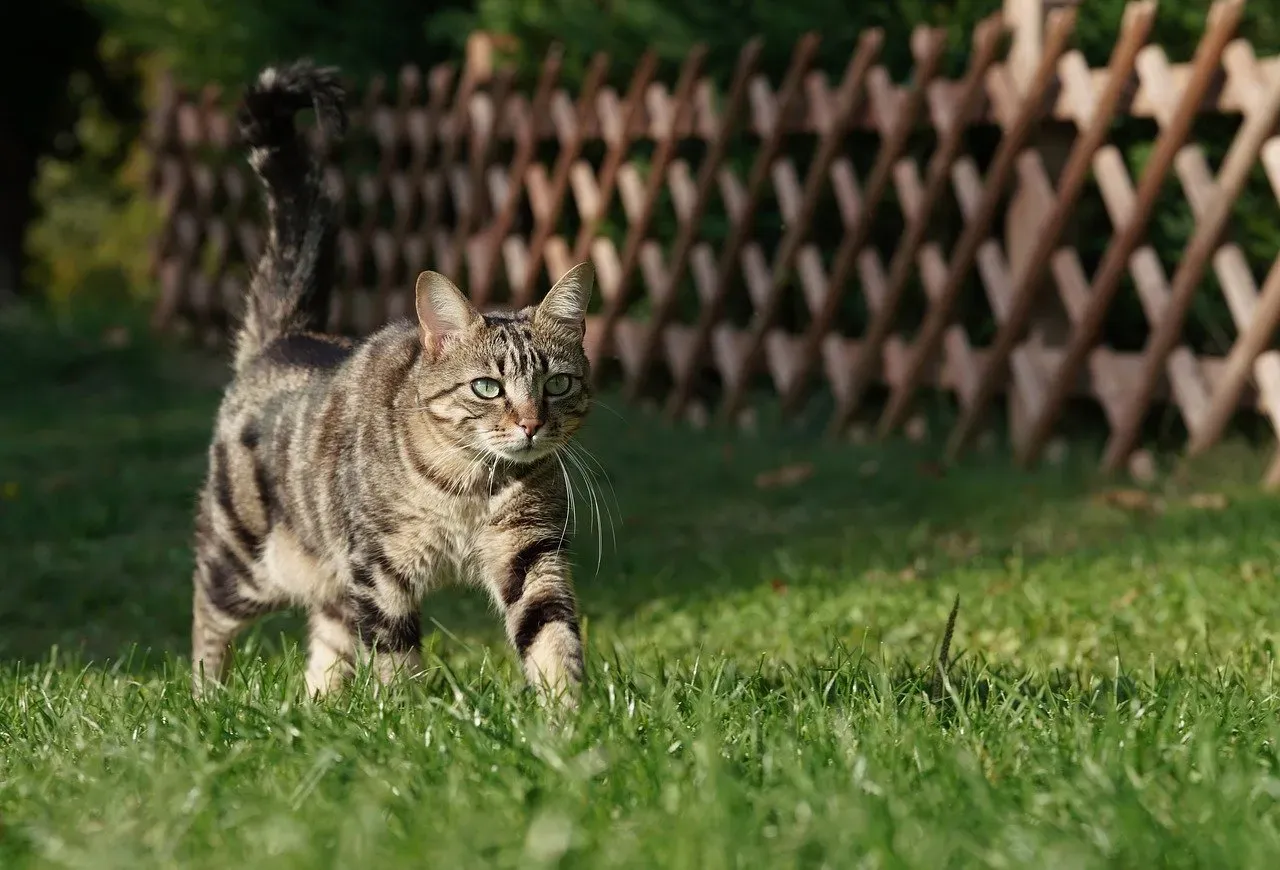
You might have glanced at your cat’s tail a thousand times without realizing you were reading a real-time emotional broadcast. In cats, it is their tail position that provides the greatest insight into what they are feeling, and cats use their tail movements along with their eyes, ears, and body postures to communicate. Think of it like a mood barometer you can actually see.
If a cat walks into the room with its tail sticking straight up, they are feeling confident, comfortable, and ready to engage in some friendly interaction. On the flip side, a cat may lower their tail below the level of their back if they are frightened or anxious, and if the tail is tucked between their legs, they are really scared or may even be experiencing pain. It is a remarkably clear signal once you know what you are looking for.
The Slow Blink, a Silent Love Letter
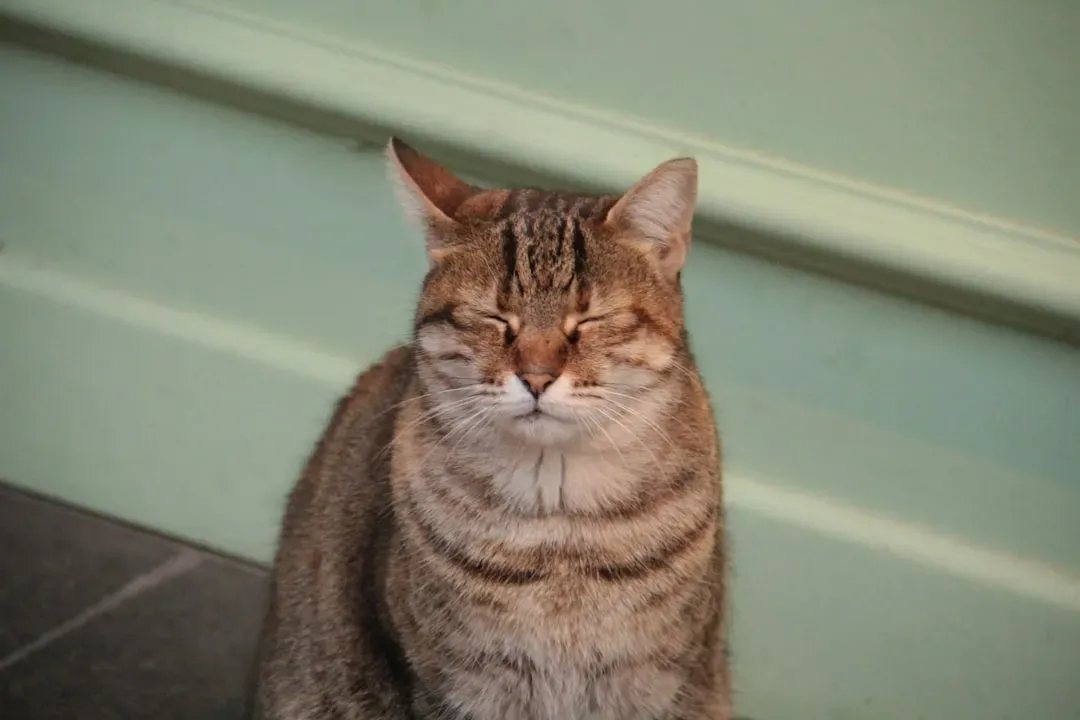
Here is something genuinely touching. When your cat locks eyes with you and then slowly, deliberately closes their eyes, they are handing you a gift. A slow blink is a deliberate, prolonged eye closure lasting roughly half a second to a full second that signals non-aggression and trust between cats or from a cat to a human. It sounds almost too simple, yet it carries enormous emotional weight in feline culture.
The slow blink is often referred to as a “cat kiss,” and in the feline world, closing their eyes in front of someone is a vulnerable act that indicates they feel safe. If you return the slow blink, you are communicating back in a language they understand, and this mutual exchange strengthens the bond between you and your feline companion. Honestly, it is one of the most intimate things a cat can share with you.
The Headbutt That Marks You as Family
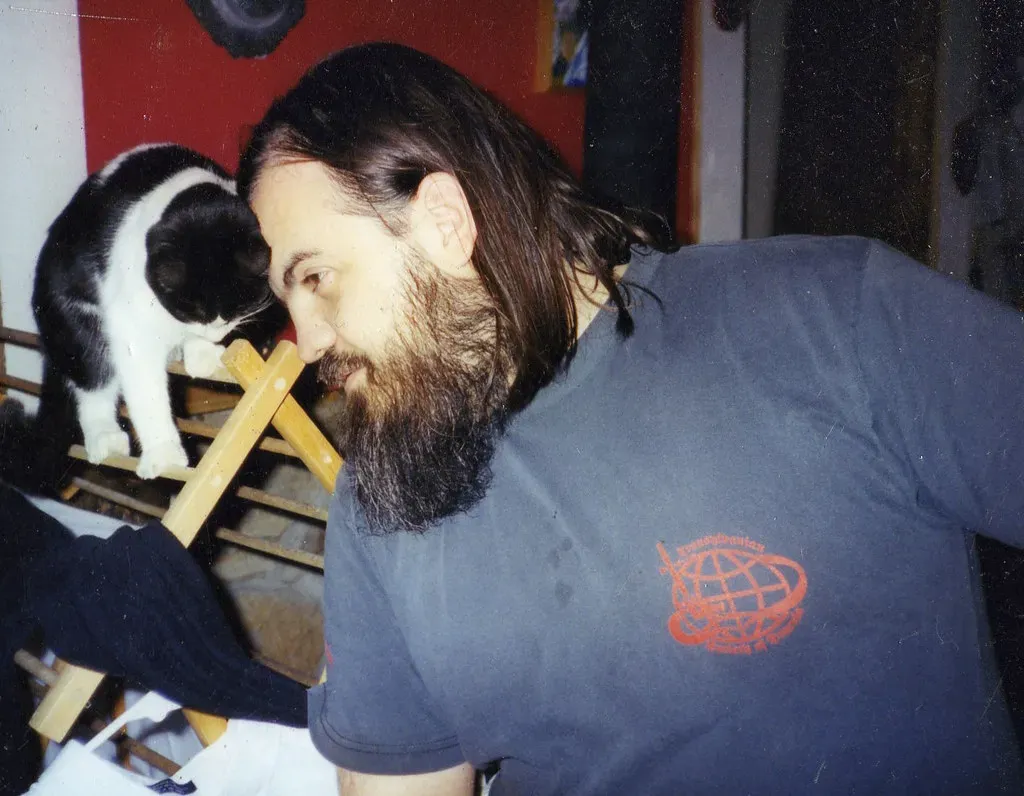
If your cat has ever walked up and pressed their forehead firmly into your face, congratulations. You have been claimed. What we commonly call headbutting is scientifically known as bunting, a deliberate, rhythmic motion where a cat presses the side or top of their head against a person, object, or surface, often holding their eyes half-closed and sometimes purring softly. It is an intentional act, never accidental.
When a cat headbutts you, they are rubbing pheromones on you, and the pheromone deposited during headbutting comes from glands located just in front of a cat’s ears. Humans cannot detect these pheromones, but to a cat, you have been marked. The facial pheromones released during bunting are often associated with calm, comfort, and emotional security, and when your cat rubs their face on you, they are spreading these calming pheromones and reinforcing a positive association.
Kneading, the Comfort Signal From Kittenhood
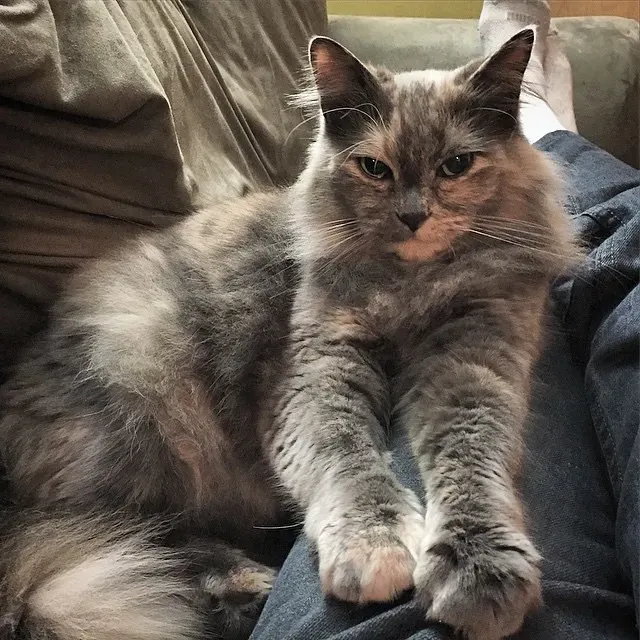
Few things are as endearing as watching your cat rhythmically push their paws into your lap like tiny bread-making machines. This adorable behavior, often called “making biscuits,” starts in kittenhood when babies knead their mother’s belly to stimulate milk flow. The fact that it carries over into adulthood says something remarkable about the trust your cat places in you.
Kneading originates from nursing behavior in kittens and persists into adulthood as a self-soothing mechanism triggered by comfort and security, and the rhythmic pushing motion is thought to stimulate oxytocin release, indicating your cat feels safe enough to regress to infantile comfort behaviors. So let’s be real, if your cat is kneading you, you are basically their comfort blanket. That is not a small thing at all.
Scent Marking, Claiming Their World in Silence
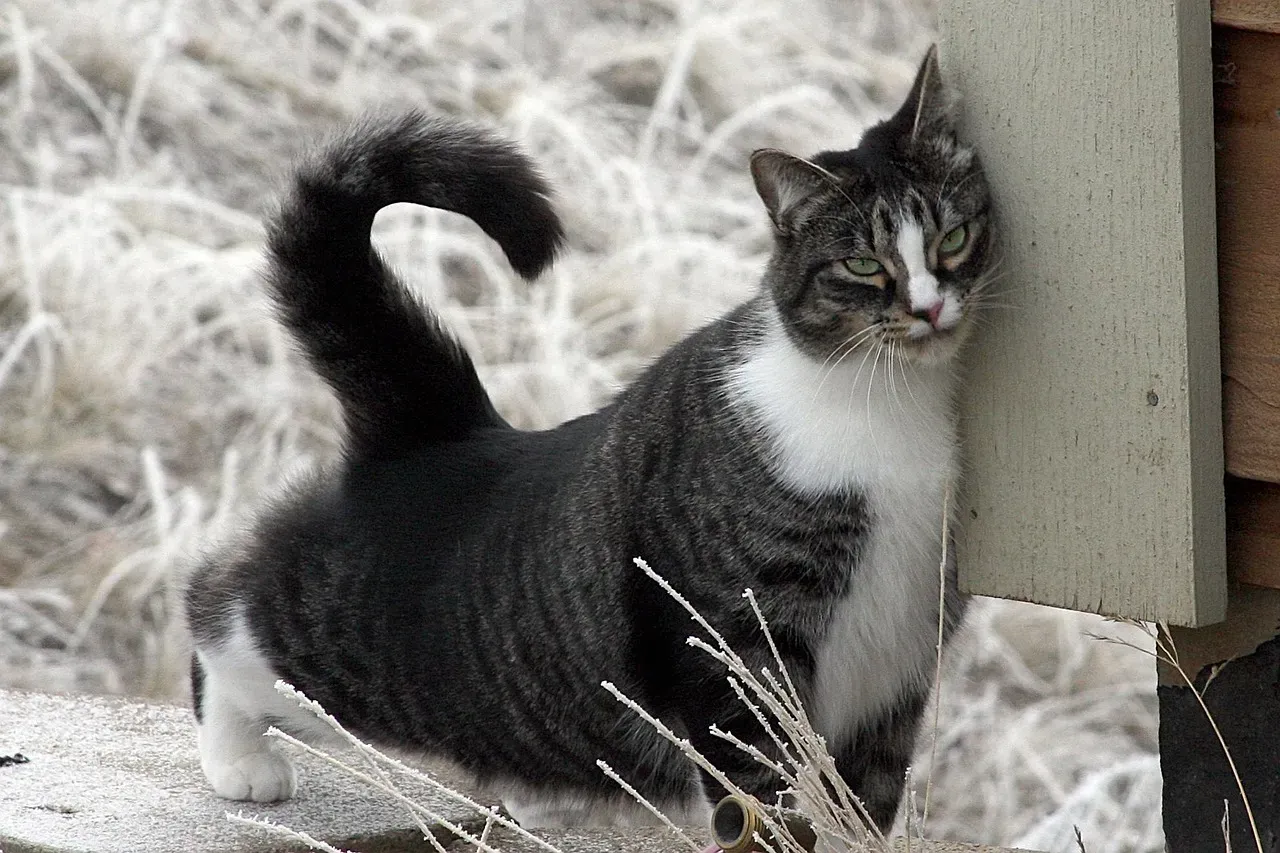
Cats live in a world dominated by invisible chemical signals that we humans simply cannot perceive. Scent marking is a fundamental aspect of feline communication, allowing cats to establish territory and convey information to other animals, and cats have scent glands located on various parts of their bodies, including the face, paws, and tail. When a cat rubs its face against an object or person, it is depositing pheromones that signal ownership and familiarity.
Scratching is another form of scent marking, as it releases pheromones from the glands in the paws while also serving to sharpen the claws. So that deep scratch in your sofa? It is not purely destruction. Your cat is literally writing their name on the furniture. Understanding the role of scent marking can help you appreciate your pet’s territorial instincts and provide appropriate outlets for this natural behavior, such as scratching posts and designated areas for rubbing.
Ear Positions, the Face Within the Face
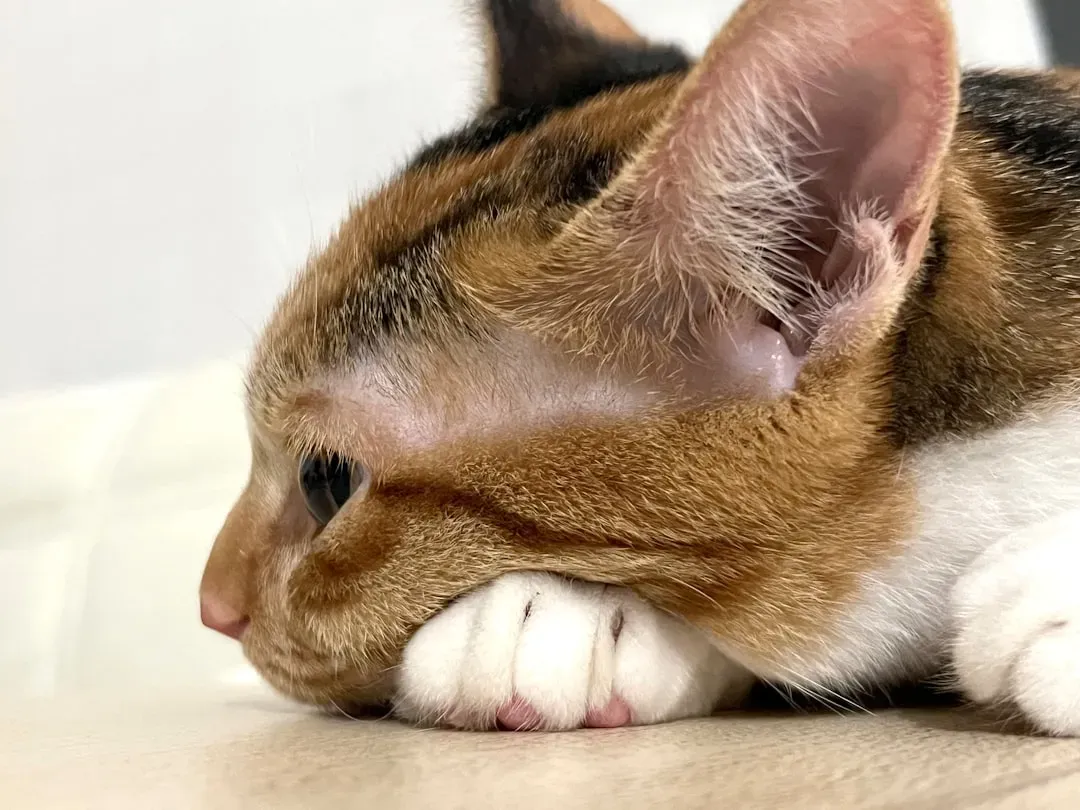
Your cat’s ears are doing a lot more work than just listening for kibble hitting a bowl. Changes in position or movement of the eyes, ears, and mouth along with the cat’s whole-body posture are significant. Ears that are erect and rotated out along with narrow pupils are usually a signal of frustration, whereas dilated pupils with ears held flat against the head are often a sign of fear.
Here is something that surprises most cat owners. Research demonstrates that ear positions of cats in dyadic interactions with other cats are actually the best predictor of the outcomes of those interactions. Not the tail. Not the posture. The ears. When both partners held their ears erect, the outcome was significantly positive, such as rubbing or close proximity, while in all other ear position combinations, the outcome was negative with increased distance between the partners. It is hard to say for sure whether cats are aware of this, but the data speaks clearly.
Body Posture and the Art of Making Yourself Small or Large
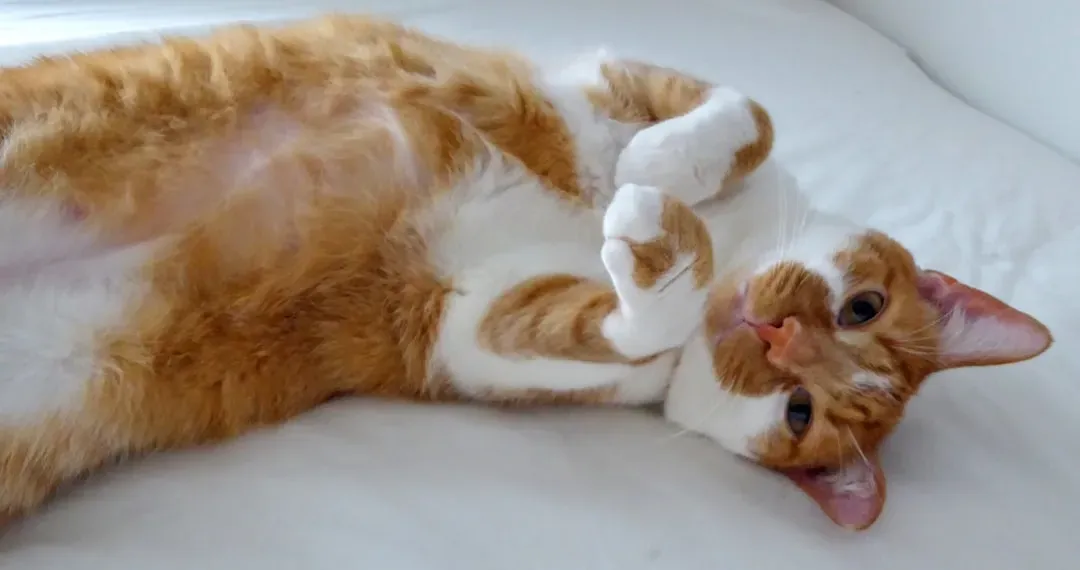
A cat’s entire body is a canvas for emotional expression, and learning to read posture is like gaining a superpower in your home. A stretched-out, tense, and forward-facing body may show confidence or, in some cases, that a cat is ready to attack, whereas an anxious or fearful cat will pull their head and neck in to look small, hold their body close to the ground, and place four paws firmly on the floor in case they need to flee quickly. The contrast between the two is striking once you notice it.
Cats also perform something called a social roll, where they roll around on their backs moving from one side to the other, sometimes just laying on one side and exposing their belly. This can be aimed at other cats, animals such as dogs, or people, and is usually carried out as a friendly greeting showing that the cat is relaxed, comfortable, or in a playful mood. That belly-up pose is an invitation, though as many cat owners have learned the hard way, it is not always an invitation to touch.
Allogrooming, When Your Cat Decides to Wash You
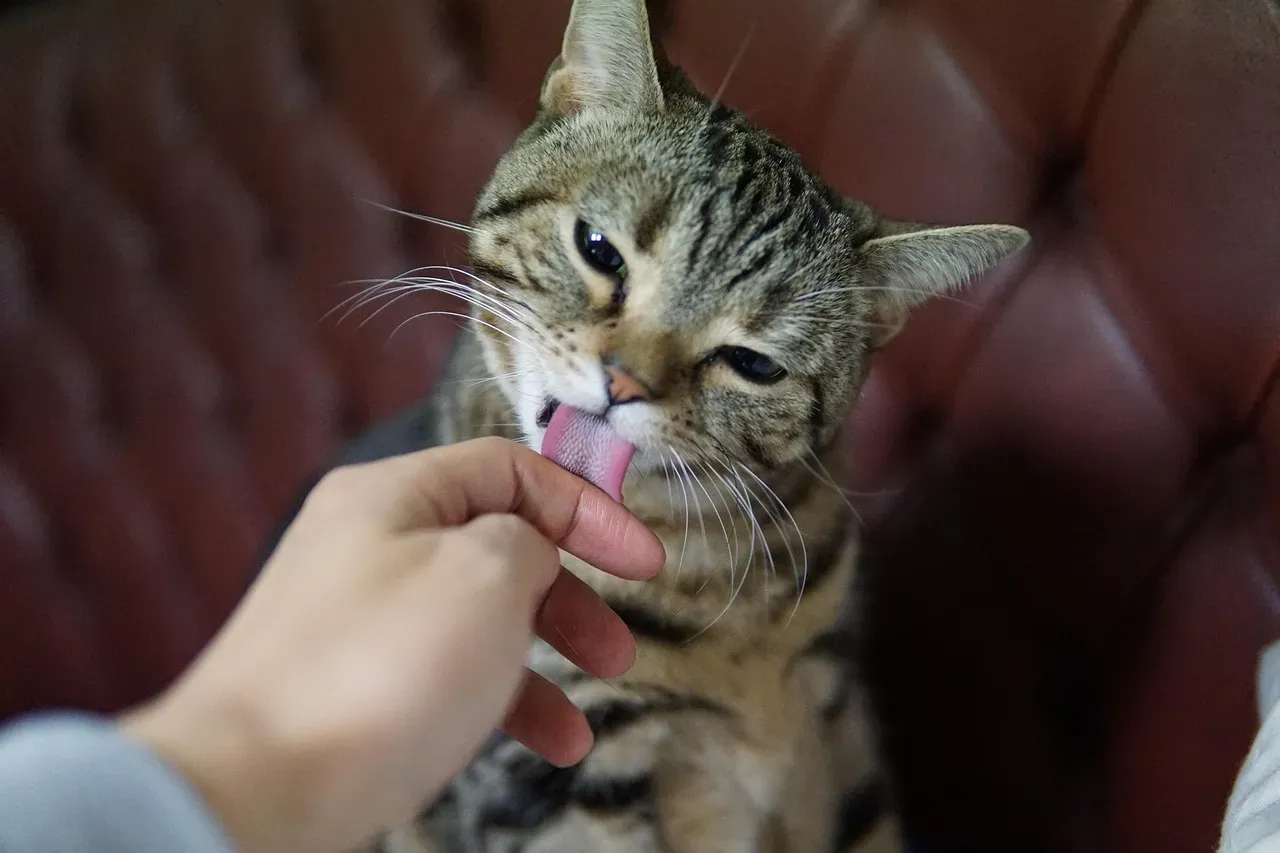
If your cat has ever sat beside you and started licking your hair or arm with full commitment, you are witnessing one of the deepest bonding behaviors in feline culture. Grooming is not only a means of maintaining cleanliness but also a social activity that strengthens bonds between cats and their companions. Cats often groom each other as a sign of affection and trust, a behavior known as allogrooming, and this ritual helps reinforce social hierarchies and establish group cohesion.
When a cat grooms a human, it is extending this bond, marking the person with its scent and expressing trust and affection. Think of it as your cat placing you firmly within their inner social circle. It is the feline equivalent of a friend throwing an arm around your shoulder. Headbutting and rubbing are forms of cat communication that allow cats to mark their territory by transferring scent from glands located around their cheeks and jaw, and these behaviors signal comfort, affection, and familiarity.
The Tail Wrap and the Leg Weave
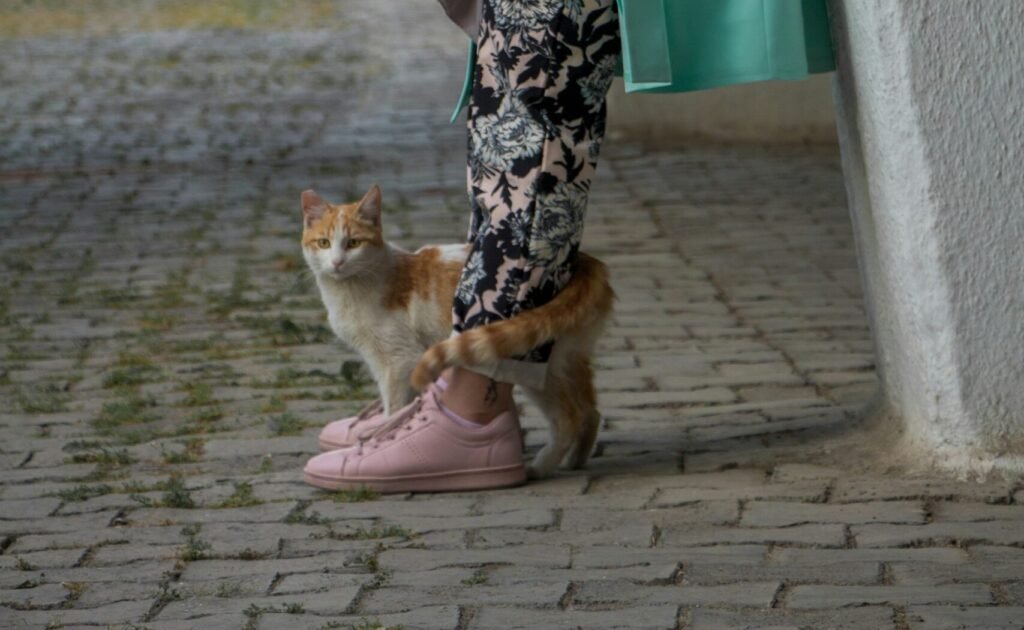
There is something quietly magnificent about a cat wrapping their tail around your ankle as you stand at the kitchen counter. It is easy to dismiss it as mere habit, but the gesture runs much deeper than that. Cats often engage in tactile communication, whether with their owners or other felines, as part of their bonding, and if your cat wraps their tail around you, they are probably showing trust and security.
Just as we greet one another with handshakes or hugs, cats may greet by curling their tails around people and by intertwining their tails with other cats. And when your cat weaves between your legs as you walk? Leg rubbing deposits scent from facial and body glands to mark familiar individuals and territories, functioning essentially as a claim of ownership, and when your cat weaves between your legs, they are essentially saying you are theirs. This behavior often intensifies after disruptions because the cat is working to restore the scent landscape to its familiar state.
Conclusion: Your Cat Has Been Talking All Along
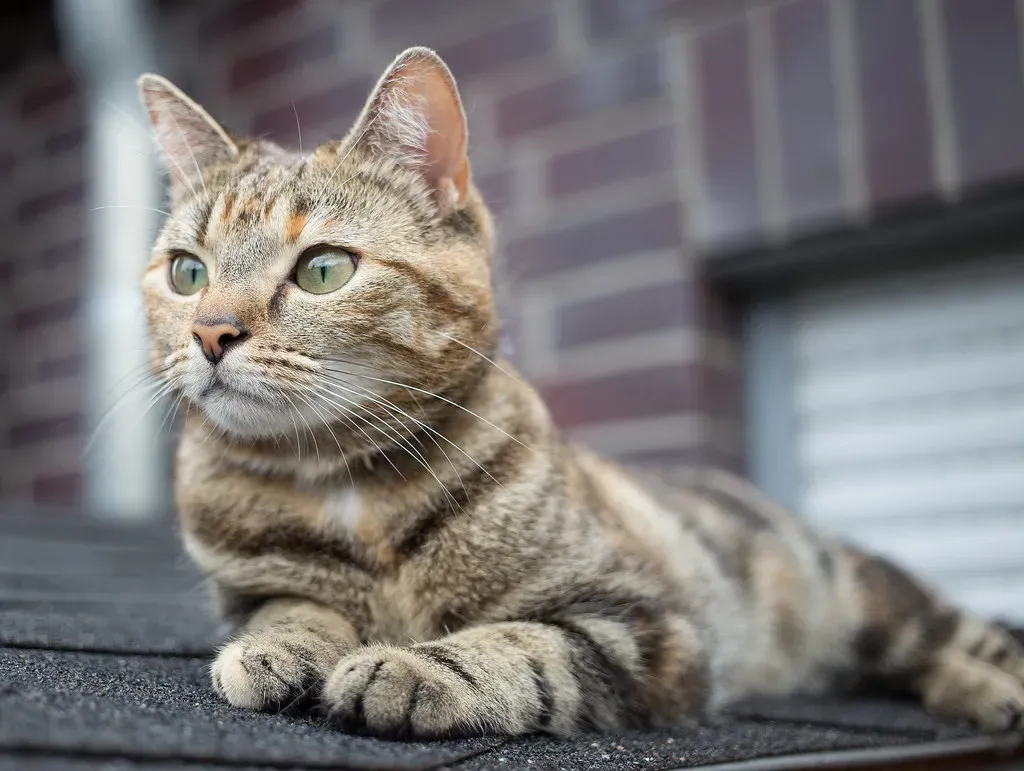
The truth is, your cat has never been silent. Every slow blink, tail flick, kneading session, and forehead nudge is a sentence in a language that has been evolving over thousands of years of feline history. This silent language system is incredibly sophisticated and allows cats to convey everything from ‘I love you’ to ‘back off’ with remarkable precision. You just needed the vocabulary to understand it.
While cats tend to have an independent nature, they are communicating with you constantly, and you just may have to pay closer attention to their nonverbal cues to truly understand what they are trying to tell you. Once you start reading the signals, you realize you have been living with one of nature’s most eloquent communicators all along. The meow was never the main event.
The moment you recognize that a slow blink across a quiet room is your cat saying “I trust you completely,” something shifts in the relationship. It stops feeling one-sided. You realize you are both in a conversation, and you have been for longer than you knew. So the next time your cat wraps their tail around your leg or kneads your blanket at midnight, what do you think they are really trying to say? Tell us in the comments.
Kristina is a young writer from India. An arts graduate and an avid content creator, Kristina is passionate about animals and wildlife. She enjoys exploring topics related to pet care, animal behavior, conservation, and nature, combining thorough research with engaging storytelling.