You walk into the kitchen at the same time every morning. Your cat is already there, sitting by the food bowl, watching you like a tiny, fur-covered security camera. Coincidence? Not even close. Cats have been observing human behavior with unsettling precision for thousands of years, and science is only now beginning to catch up with what cat owners have suspected all along.
These animals are not the indifferent, aloof creatures pop culture makes them out to be. Honestly, the idea that cats simply don’t care about you is one of the biggest misconceptions in the pet world. The truth is far more fascinating. Let’s dive in.
Your Cat Is Literally Building a Map of Your Movements
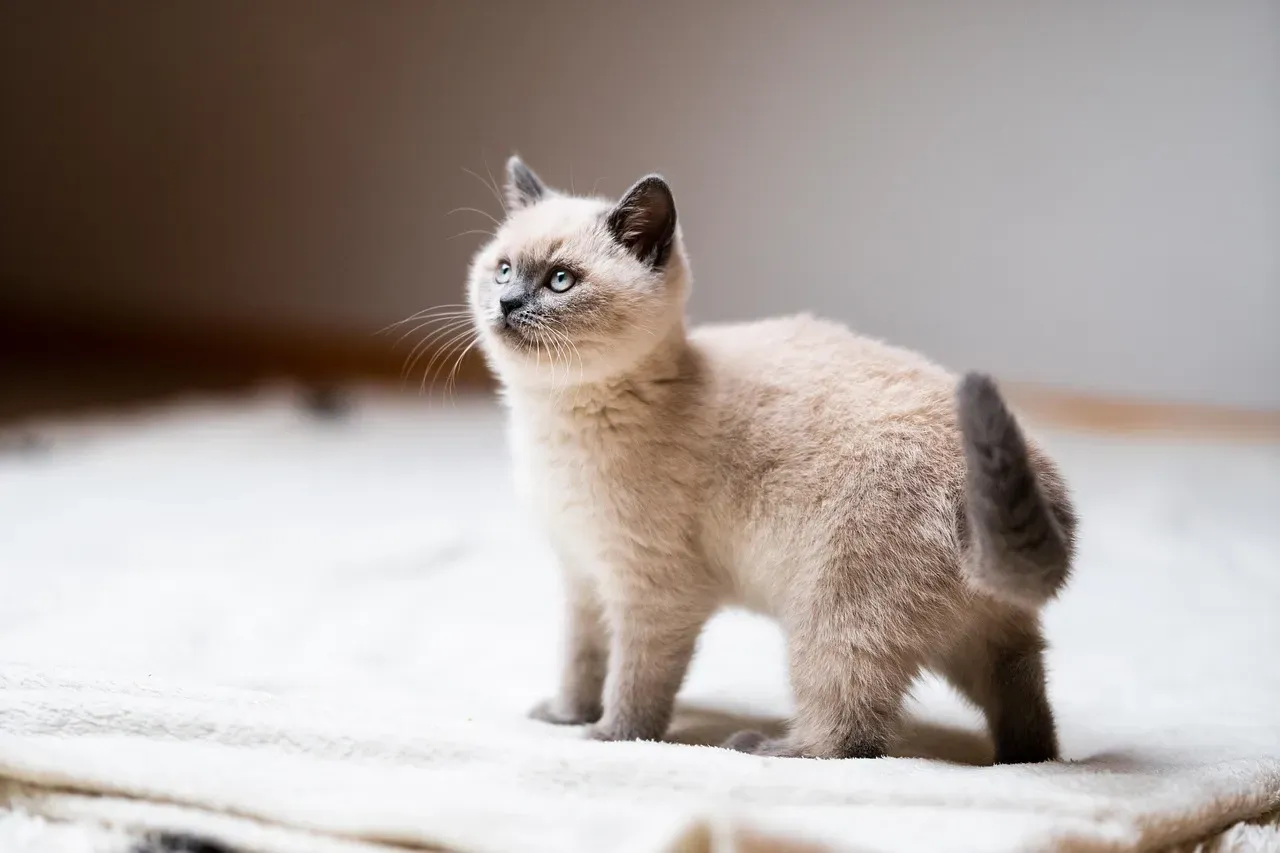
Here is something that might genuinely surprise you. A team of researchers in Japan found that cats keep track of where people are in their homes even when they cannot see them. Think about that for a moment. Your cat knows roughly where you are in the house right now, even from another room.
The cats in this study appeared to express surprise when hearing their owner’s voice first inside an enclosure, then suddenly outside it, suggesting they were keeping track of where the human was supposed to be by building a mental map of their surroundings, which included the humans that lived with them. So when your cat trots into whatever room you just moved to, they are not being clingy. They are running a location update.
They Know Your Voice the Moment You Open Your Mouth
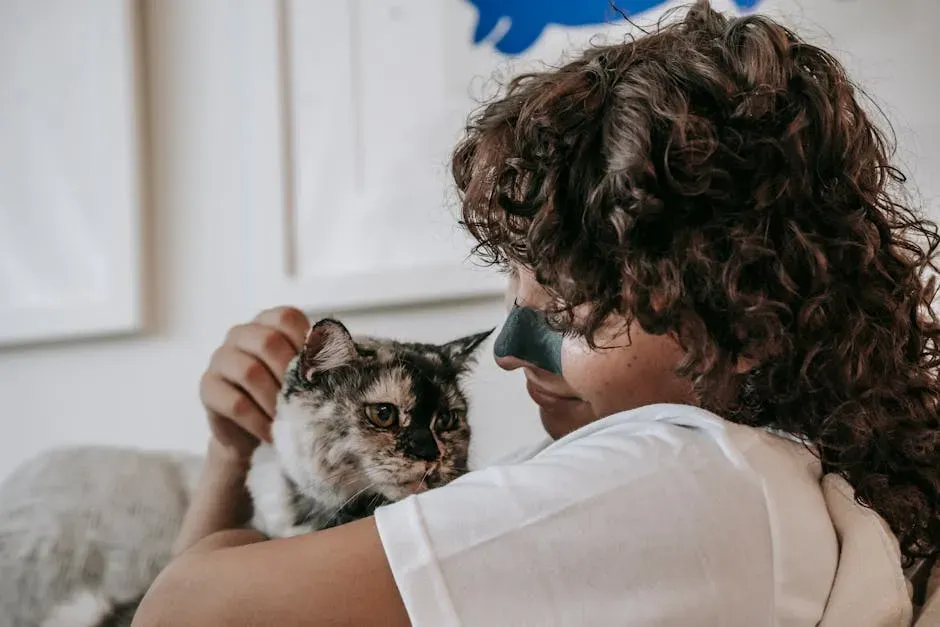
A study indicates that domestic cats recognize their own names, even if they walk away when they hear them. Researcher Atsuko Saito, a behavioral scientist at Sophia University in Tokyo, previously showed that cats can recognize their owner’s voice. Let that sink in. Your cat hears you, recognizes you, and sometimes decides you are just not interesting enough to respond to right now.
Cats responded to a greater extent when it was the owner’s voice calling them. Importantly, studies demonstrated that cats can understand humans, at least to an extent, and that they can discriminate between different human voices even in the absence of any visual cues. Your voice alone is enough to give you away. You can whisper from around a corner and they still know it’s you.
Cats Observe Your Facial Expressions and Adjust Their Behavior Accordingly
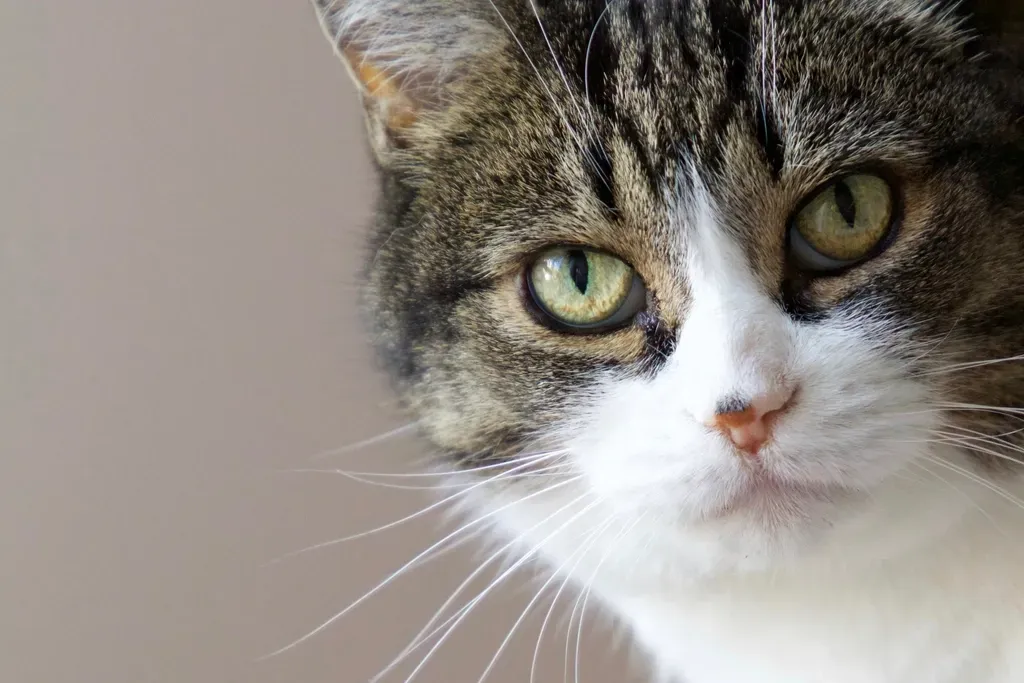
Research has shown that cats react in different ways based on a human’s facial expressions. This suggests they can “read” how we are feeling in a similar way that humans can “read” each other. Your cat is more likely to come to you if you are smiling. If you avoid eye contact or are scowling, they are more likely to stay away. That explains a lot, doesn’t it?
A 2015 study revealed that cats react differently based on their owner’s facial expressions. When owners smiled, cats were more likely to exhibit affectionate behaviors like purring and rubbing against them. So the next time your cat vanishes when you are in a foul mood, do not take it personally. They are reading your face like a book and making a very informed decision.
They Can Smell Your Fear, Literally
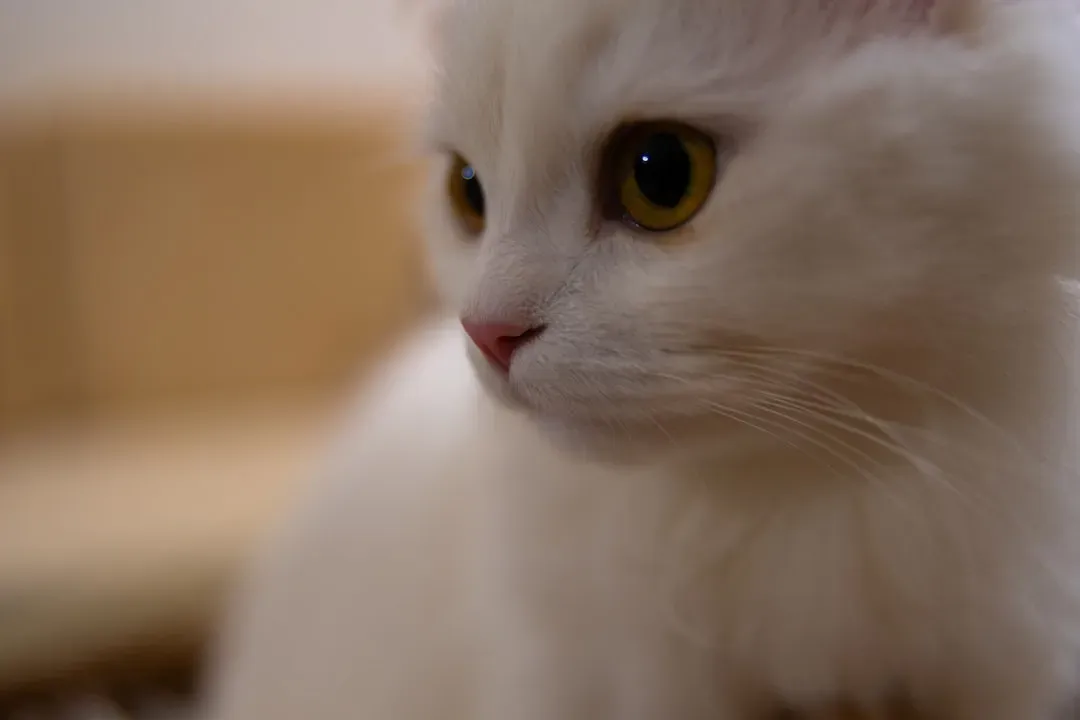
This one is almost hard to believe, but the science is solid. A recent study shows cats can detect human emotions through scent, especially fear, suggesting our cat friends might understand us more than we realize. Your emotional state produces actual chemical signals in your body, and your cat’s nose picks those up with remarkable accuracy.
Researchers found that “fear” odours elicited higher stress levels in cats than “physical stress” and “neutral” odours, suggesting that cats perceived the valence of the information conveyed by “fear” olfactory signals and regulate their behaviour accordingly. Let’s be real, this is the stuff of science fiction. Your cat is essentially sniffing out your inner emotional world without you saying a single word.
They Integrate Sound and Sight to Read Your Emotions
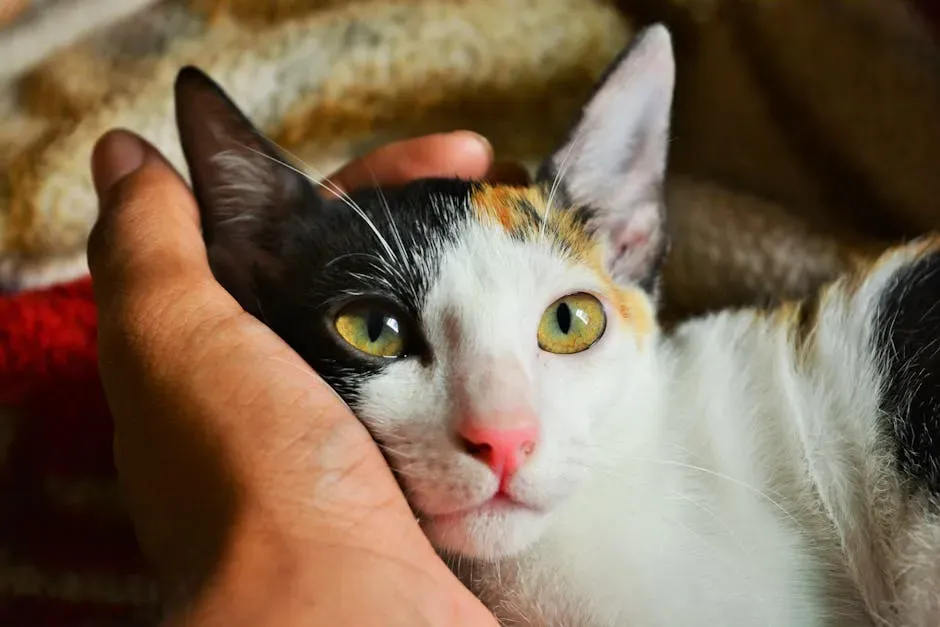
Cats do not rely on just one sense when sizing you up. They cross-reference. Research demonstrates that cats integrate visual and auditory signals to recognize human and conspecific emotions and they appear to modulate their behavior according to the valence of the emotion perceived. It is almost like having a tiny emotional analyst sharing your home.
Behavioral results demonstrated that cats respond in a functional way to human “anger” and conspecific “hiss” emotions, since behavioral expression of their stress levels were higher when responding to these emotional stimuli than in response to human “happiness” and conspecific “purr.” In plain terms, when you are angry, your cat feels it. They are not just passively lounging around. They are actively processing you.
They Notice When Your Behavior Changes and React to It
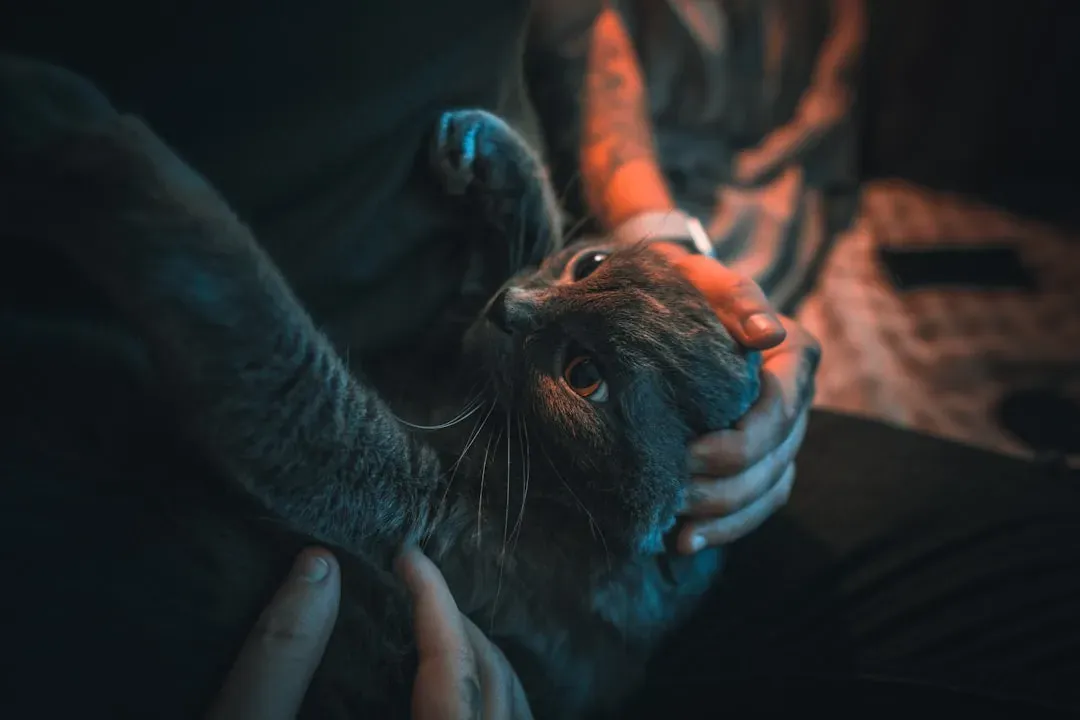
Cats can sense human emotions by observing body language, tone of voice, and behavior changes. They respond to anxiety or depression with extra cuddles, energy mirroring, vocalizations, and protective behavior. I think this is one of the most underappreciated things about cats. They are not just passive observers. They are responsive ones.
A depressive owner initiates fewer interactions with the cat, but when the cat approaches that person, the cat accepts the intent to interact, which affects the human’s mood. The cat also changes its behavior in response to depressiveness of the human when close to the person, vocalizing more frequently and head and flank rubbing more often on that person. Your cat is genuinely responding to your emotional state, shifting their own behavior like a small, furry support system.
They Learn the Names of the People and Other Cats Around You
You might have assumed your cat only cares about their own name. Wrong. In a further study, an even greater ability of cats to recognize names was demonstrated. Using photographs displayed on a laptop screen, cats were shown images of other familiar cats or their human family members. At the same time, either the cat’s owner or a stranger would call out different names, some of which matched the cats and humans in the photos and some that did not.
The results showed that when the names called out did not match the picture, the cats spent longer looking at the picture on the screen than when the name and image did match. That means they notice mismatches, which tells us they are keeping tabs on who’s who in your entire household. Your cat is essentially running a social register of everyone under your roof.
They Observe Your Routines and Anticipate What Comes Next
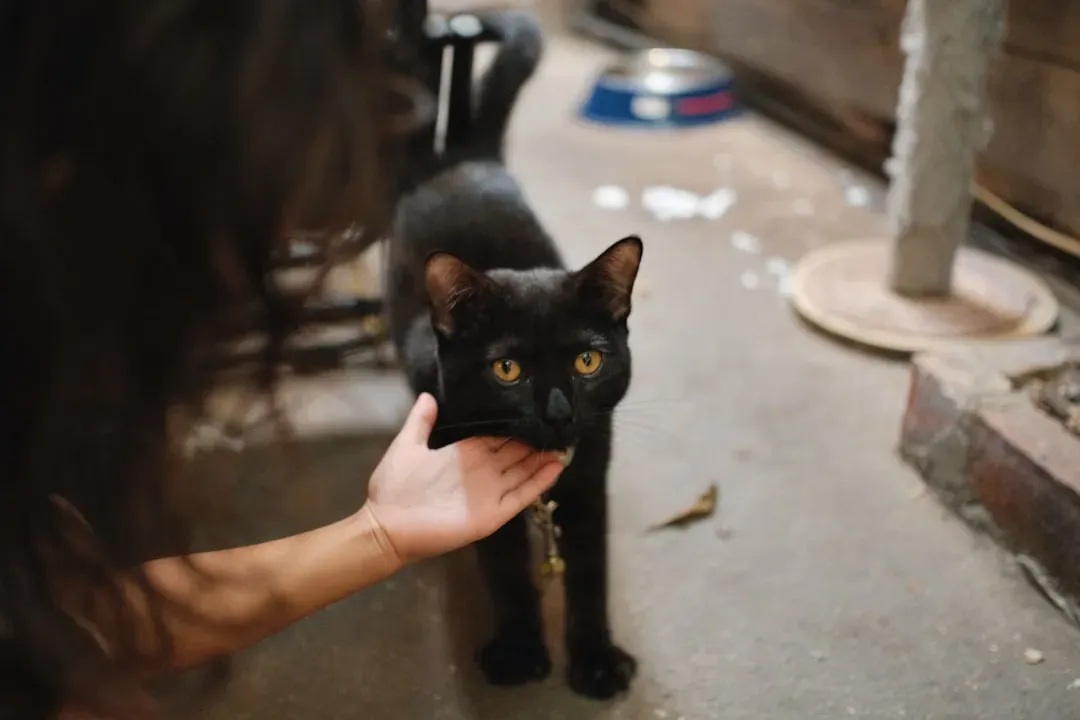
Research suggests that cats have what seems to be an understanding of the concept of time. If you have ever noticed your cat showing up near their food bowl ten minutes before you usually feed them, that is not a fluke. Just like we do, cats have internal clocks that enable them to recognize normal wake and sleep cycles. They are also capable of picking up on their body’s cues when they are feeling hungry, thirsty, or tired.
Combine that internal clock with their sharp observation of your daily patterns, and you get an animal that essentially predicts your schedule. Think of them as a clock that watches you instead of the wall. Cats are much smarter than we give them credit for. They learn what works with what person and they know if one member of the family is prone to get up at 4 a.m. and give them some treats. Yes, they have your habits catalogued.
They Watch and Learn, Especially From Other Cats and Familiar Situations
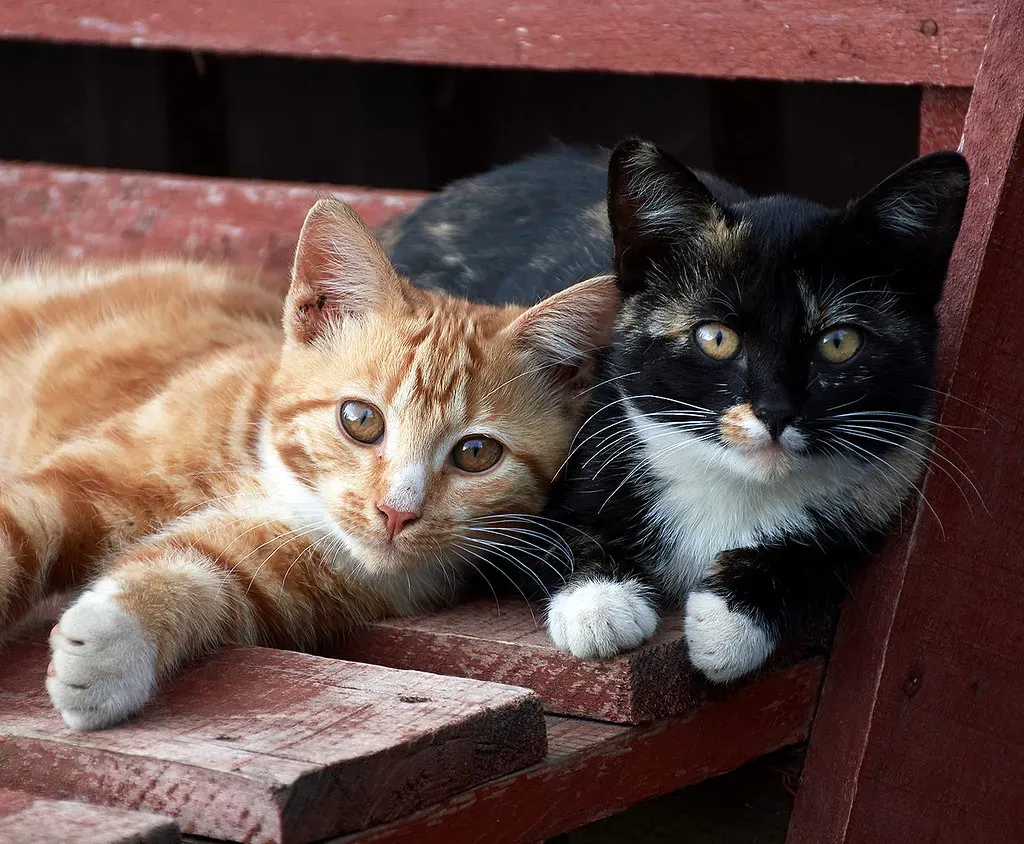
Cats do not just learn through repetition. They also learn by watching. Observational learning in cats refers to their ability to pick up behaviors, routines, and problem-solving strategies simply by observing humans or other animals. It is hard to say for sure exactly how much they absorb just from watching, but research gives us some strong clues.
Observer cats acquired the avoidance response significantly faster and made fewer errors than cats that were conventionally trained. Watching a situation unfold once can be more effective for a cat than repeated trial and error. Siamese cats, for example, excel at learning through observation, often watching humans closely before acting. They study routines, notice cause and effect, and quickly apply what they have seen, whether it’s opening doors, locating treats, or anticipating daily activities. Certain breeds take this to genuinely impressive extremes.
Conclusion

Here’s the thing: cats have spent somewhere between eight thousand and ten thousand years observing humans up close. They have had millennia of practice. They track your location, read your face, smell your emotions, recognize your voice, learn the names of your family members, and adjust their behavior to match your mood. That is not indifference. That is a sophisticated, evolved social intelligence that we have spent decades underestimating.
The next time your cat stares at you from across the room with that unreadable expression, remember that they are probably reading you just fine. You are the one who does not fully understand what is happening. So here is the question worth sitting with: if your cat has been watching you this closely all along, how much have you actually been watching them back?
Kristina is a young writer from India. An arts graduate and an avid content creator, Kristina is passionate about animals and wildlife. She enjoys exploring topics related to pet care, animal behavior, conservation, and nature, combining thorough research with engaging storytelling.