You probably already suspected it. The way your cat pads softly into the room right after a rough day, settles beside you without being invited, and fixes you with that slow, half-lidded gaze that somehow feels like it means something. It’s not coincidence. It’s memory. It’s recognition. It’s something far more layered than most people give cats credit for.
For years, cats got a bad reputation as cold, self-serving creatures who merely tolerate the humans around them. But science is steadily dismantling that myth. Your cat isn’t indifferent to the way you treat them. Quite the opposite, they’re quietly cataloguing every scratch behind the ear, every soft voice, every moment of warmth you offer. Let’s dive into why that matters more than you might think.
The Surprising Science Behind Your Cat’s Memory
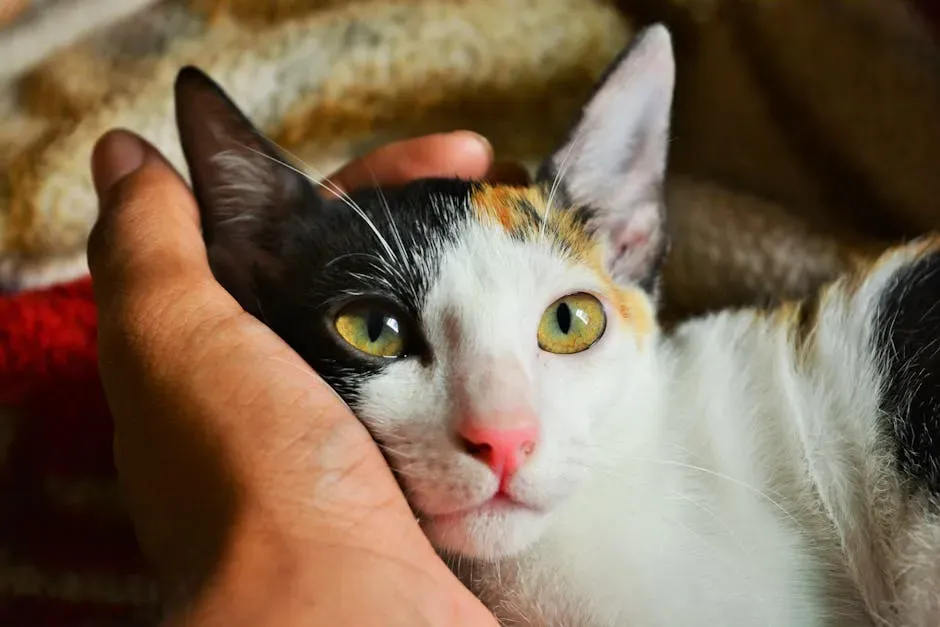
Here’s the thing most people get wrong about cats: they assume a cool exterior means a blank interior. That couldn’t be further from the truth. Research in animal cognition paints a very different picture – cats actually possess impressive memory abilities, shaped by their survival instincts and emotional bonds.
Cats possess impressive long-term memory capabilities, retaining recollections of events and locations for a decade or longer, and they can remember people, places, and experiences for years, with some documented cases of cats recognizing their owners after separations lasting several years. Think about that for a second. Years. Not hours, not weeks. Years.
While humans rely on precise dates and clocks, cats rely on experiences, senses, and emotions to build lasting memories. It’s a completely different filing system, but it works remarkably well. In some ways, it might even be more honest than ours.
How Their Brains Actually Store What You Do
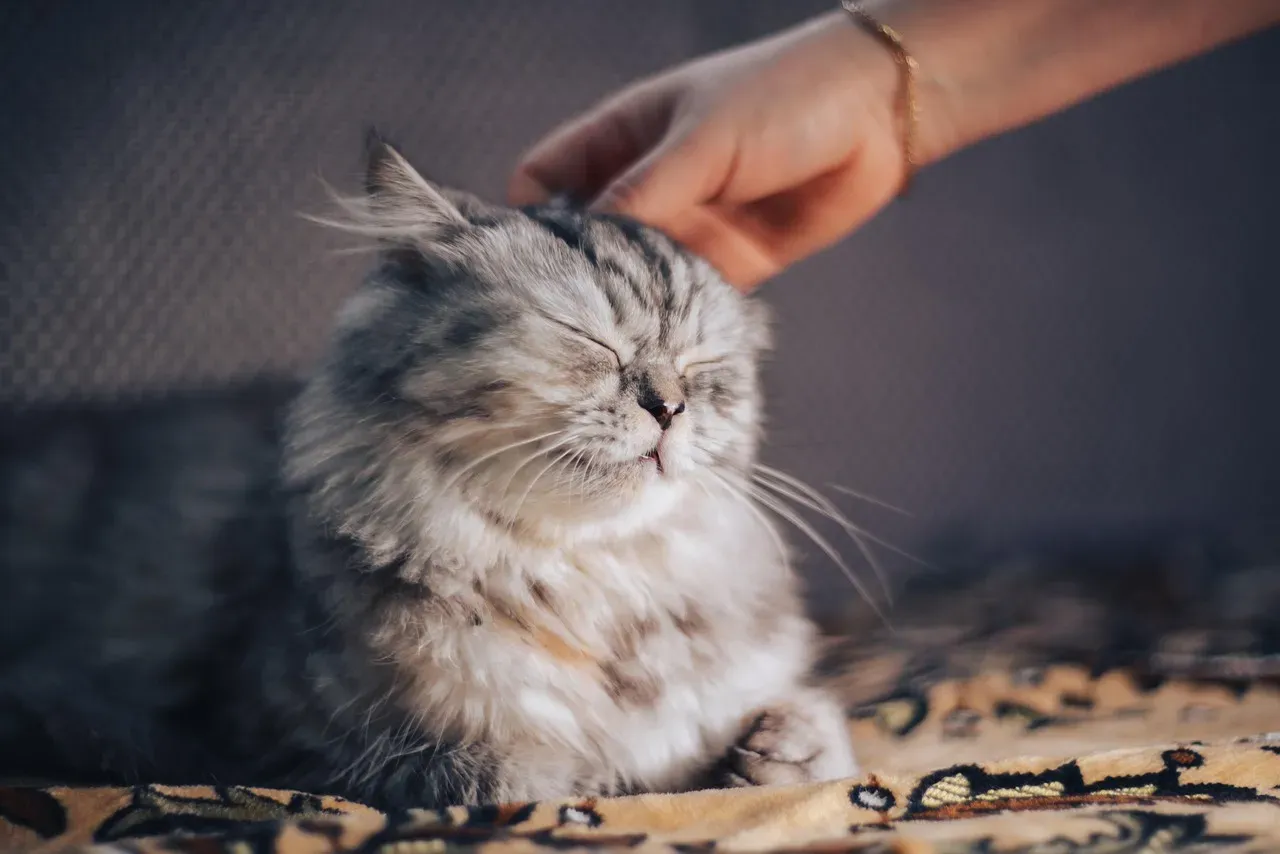
Memory originates from an area of a cat’s brain called the hippocampus. This is the same region that plays a central role in human memory formation. Their brains are actually structured similarly to humans in areas responsible for emotions and memory. So when your cat seems to “just know” that you’re the safe one, that’s neuroscience at work.
Research has shown that cats exhibit episodic-like memory, similar to humans and dogs. This means they can remember not just what happened, but also where and when events occurred, creating a more complete memory of their experiences with people. Honestly, it’s a bit humbling when you realize your cat may remember that afternoon you stayed home sick and kept them company on the couch.
Short-Term Versus Long-Term: What Actually Sticks
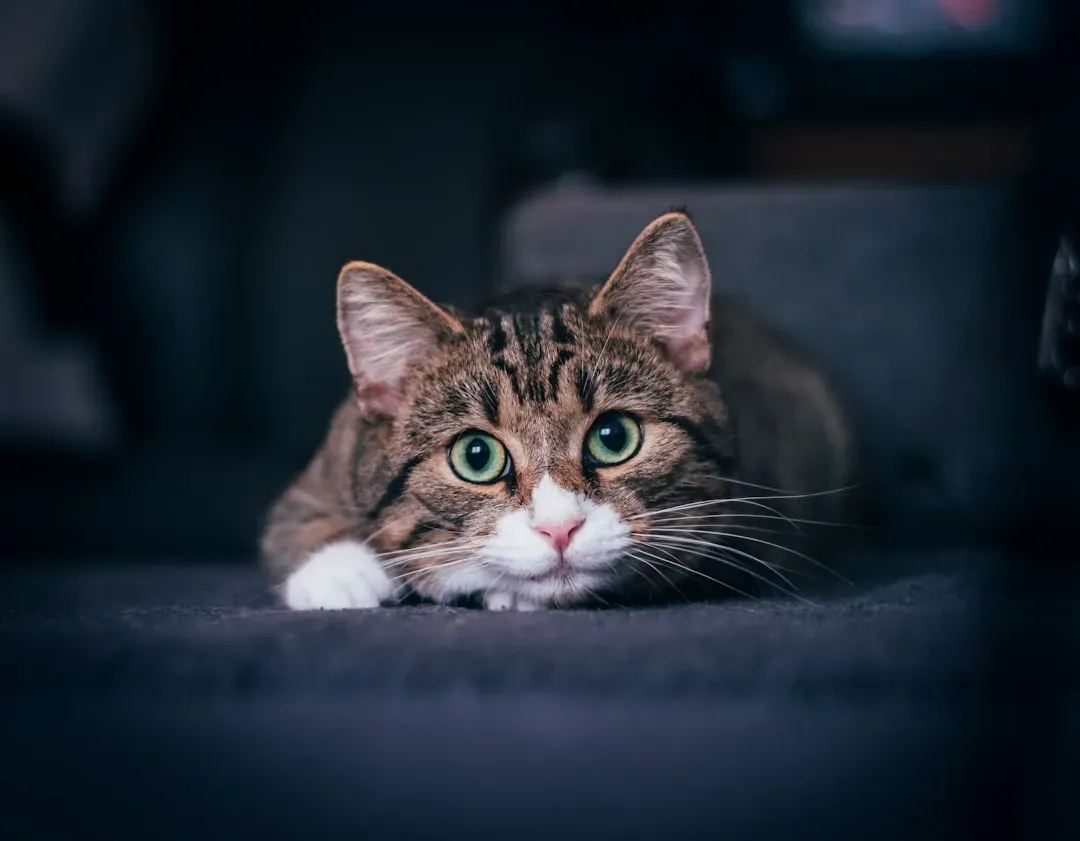
According to veterinary experts, a cat’s short-term memory lasts about 16 hours, but their long-term associative memory, especially tied to strong emotions, can last for years – often for their entire life. This distinction matters enormously when you think about how your daily interactions with your cat are being processed and stored.
One possible explanation for how long cats remember people centers on specific things people might have done to cats or near them. For example, your cat might not remember a guest who visits but doesn’t like cats and, thus, didn’t interact with them. So while your cat notices someone else is in their environment, if the person didn’t affect them, their short-term memory disregards the experience after a few hours and moves on. What gets filtered in is what truly touched them.
Kindness Gets Filed Under “Never Forget”
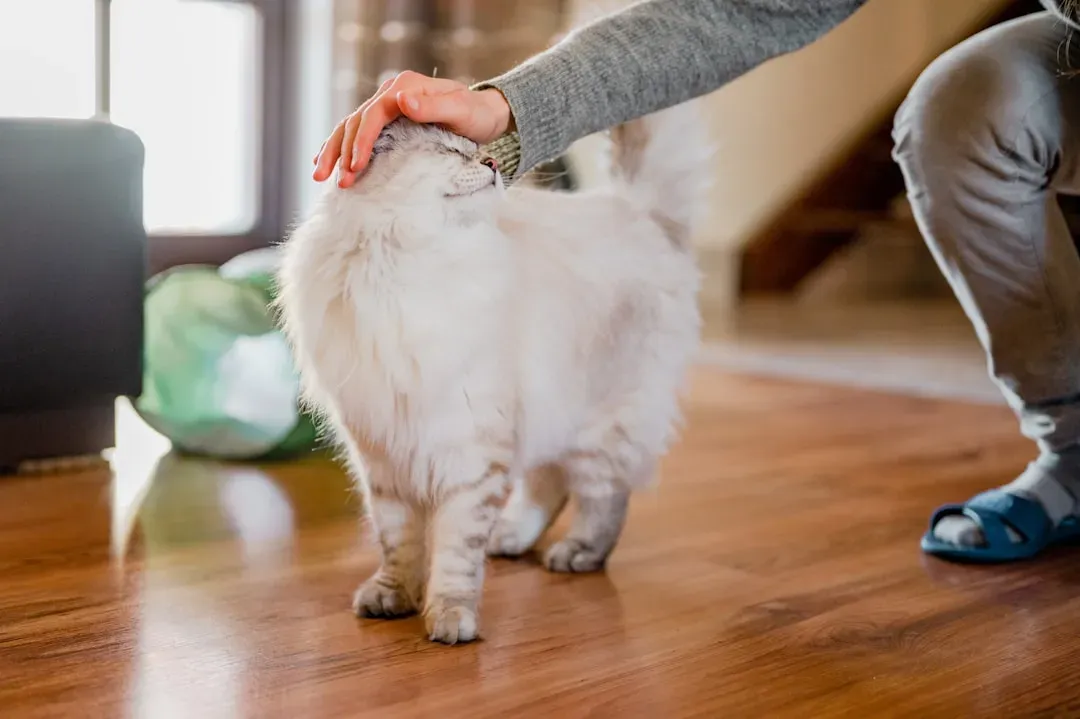
If a cat is treated with kindness, rewarded with affection or food, that positive experience can leave a deep, lasting imprint. This isn’t just feel-good speculation. It’s a finding that behavioral researchers keep returning to, and it has real implications for how you build your relationship with your cat every single day.
Behaviorists call this positive reinforcement: the more your cat experiences warmth and care, the more likely they are to approach you for affection, follow you around the house, and even purr contentedly in your presence. Interestingly, even small gestures matter. A scratch behind the ears, a warm lap, or consistent attention during stressful times can strengthen the emotional bond between you and your cat. Small things really do add up to something enormous.
Your Cat Recognizes You Through More Than Just Your Face
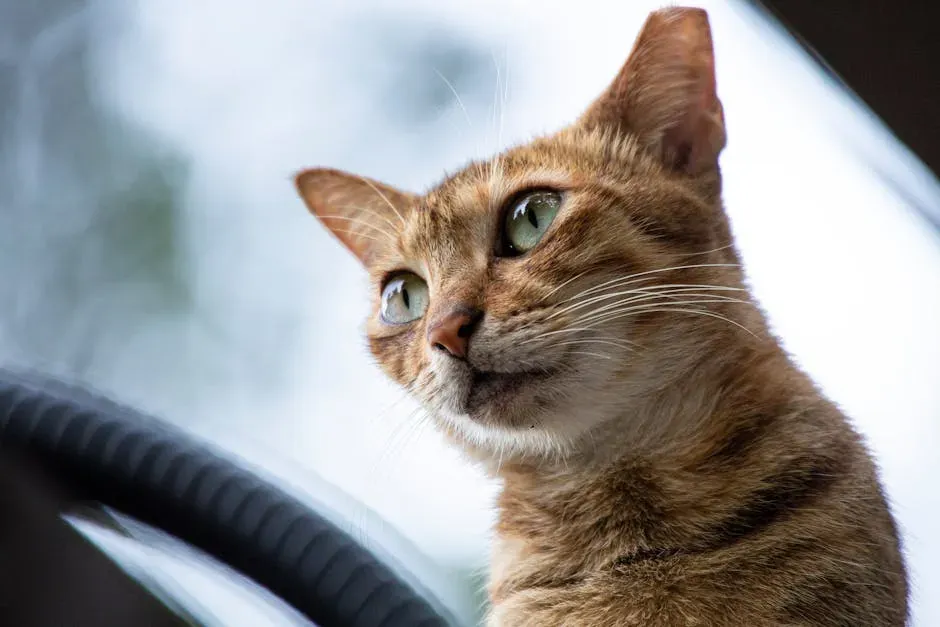
This is one of those facts that genuinely surprises people. When it comes to remembering people, cats rely on multiple sensory inputs to create and maintain their memories. They process visual information about faces and body language, recognize specific voice patterns, and remember distinct scents associated with individuals. These various inputs combine to form a complete memory profile of the people in their lives.
Research from the University of Tokyo demonstrated that cats distinguish their owner’s voice from strangers. They may not always run to greet you, but ear twitches and head turns show they recognize familiar sounds. So the next time your cat barely lifts an eyebrow when you walk in the door, don’t be offended. They absolutely know it’s you. They just have opinions about showing it.
The Emotional Weight of Negative Memories
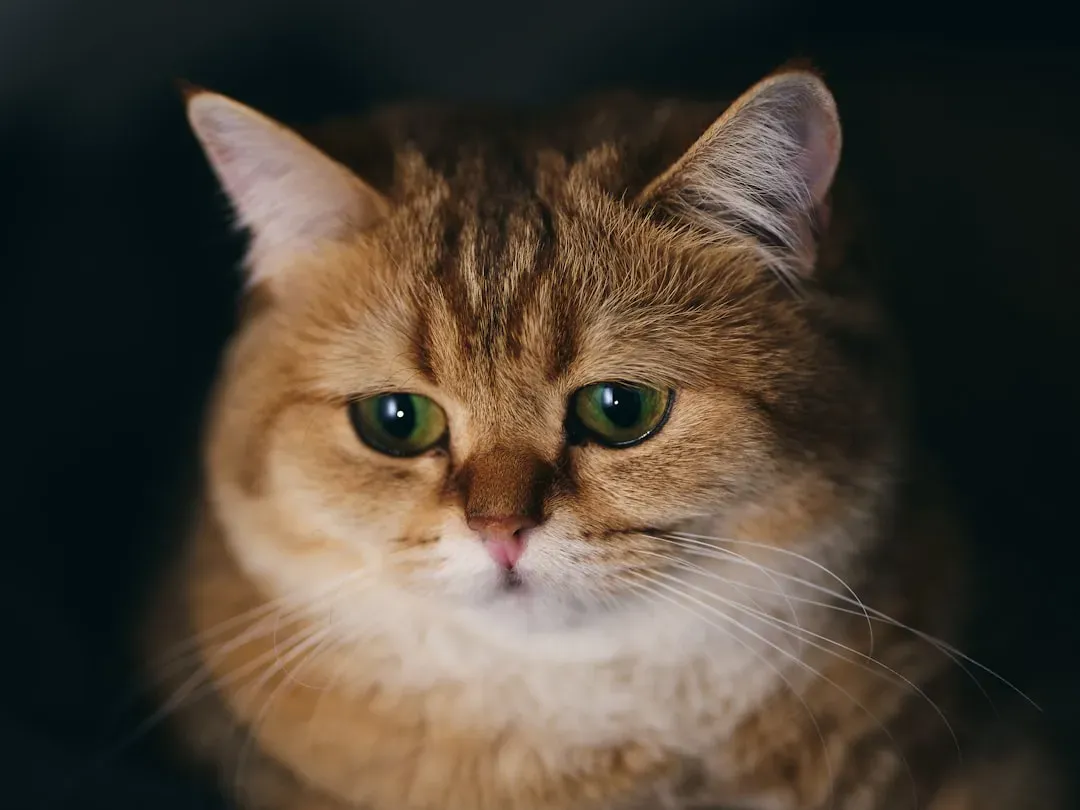
Here’s the part that should make every cat owner sit up straight. Memory is a survival tool, which means negative experiences can create memories that are just as powerful, if not more so, than positive ones. Your cat’s brain is not just cataloguing the good stuff. It keeps records of the uncomfortable moments too.
Thanks to their long-term memories, cats are pretty good at holding grudges, as demonstrated by a cat who would always start hissing the moment a person who had previously hissed at them walked in the door. This shows just how deeply emotional memories can embed themselves in feline consciousness. The good news? Persistent patience and gentle care can help rewrite those painful memories. Over time, acts of kindness can become new reference points, helping traumatized cats feel safe and loved again.
Routines Are Kindness in Disguise
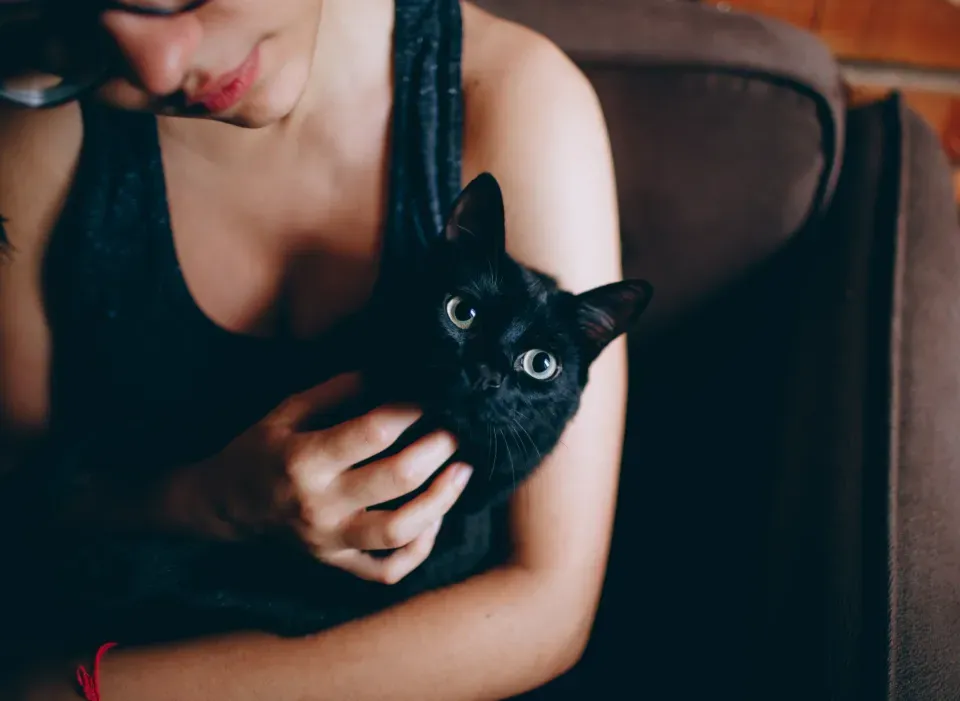
Cats thrive on routine, and daily acts of kindness become rituals they remember and expect. Whether it’s morning cuddles, evening playtime, or a special treat before bed, these routines reinforce positive memories. Breaking a beloved routine might leave your cat confused or anxious, while maintaining it strengthens the bond between you. Think of your daily routine as a love language your cat actually understands fluently.
Long-term cat memory is tied to survival and emotional impact. A positive routine such as regular feeding, gentle play, or cozy lap time can stick with them for years. It’s almost poetic when you think about it. The simple, ordinary acts of caring for someone become the architecture of their deepest memories. Not grand gestures. Just showing up, again and again.
The Bond Is Deeper Than You Probably Realized

Researchers have discovered that cats form attachments to people similar to the way infants bond with caregivers. This attachment is built through repeated positive interactions, like feeding, petting, and playing. Cats remember those who consistently meet their needs and provide comfort. This scientific insight explains why your cat chooses to curl up next to you at night or follows you from room to room.
Most cats actively want to be around their owners and choose to spend time with them. They feel content and calm in their company and may pine for them when they are away. That’s why cats can be so loyal and affectionate to their owners and the people they trust – because they know that you care for them, feed them, and meet their needs. I think that’s one of the most unexpectedly moving things science has confirmed in recent years.
How to Make Sure Your Cat Remembers the Best of You
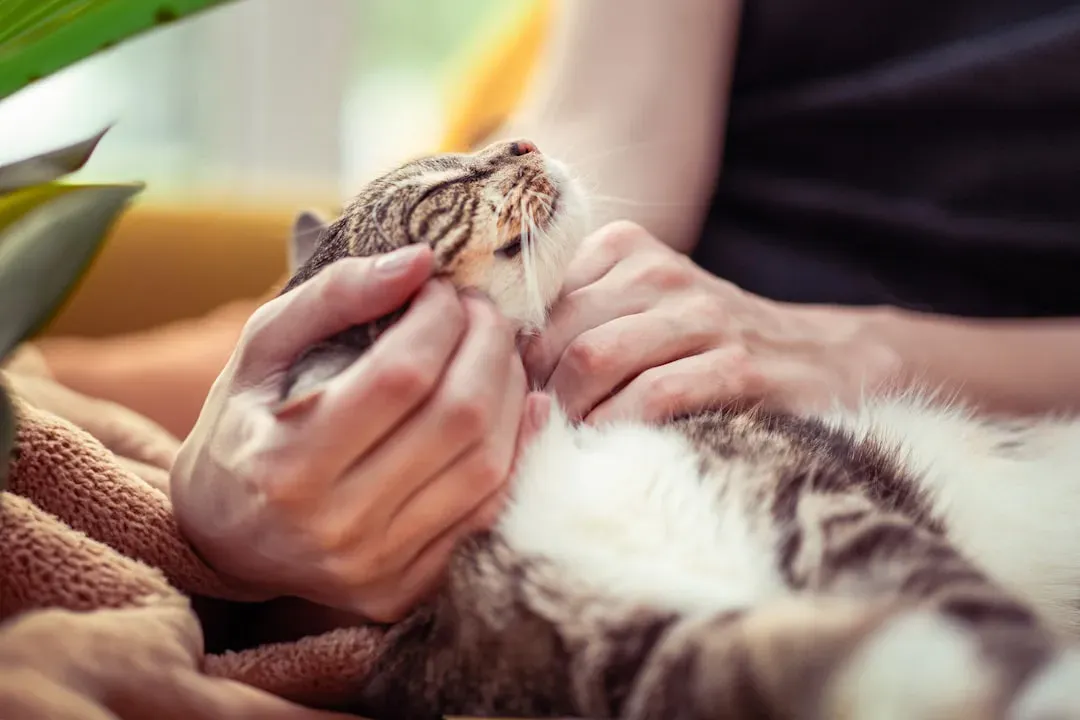
Let’s be real, knowing your cat remembers everything makes you want to be a bit more intentional. To build a strong, lasting bond, spend time with your cat in ways they enjoy. Let them come to you when they want affection. Use gentle touches, regular play, and quiet time together to create good memories. Stay consistent with your tone and daily habits so they know they can trust you. Consistency is, honestly, the underrated superpower of cat ownership.
If you’ll be away, leave an unwashed T-shirt, blanket, or pillow in their favorite resting spot. Your scent works as a “memory anchor,” reminding them of your presence even when you’re not home. With patience, consistency, and affection, your cat can learn to trust deeply, love fully, and even forgive past mistakes. That last part carries a quiet kind of grace, doesn’t it?
Conclusion
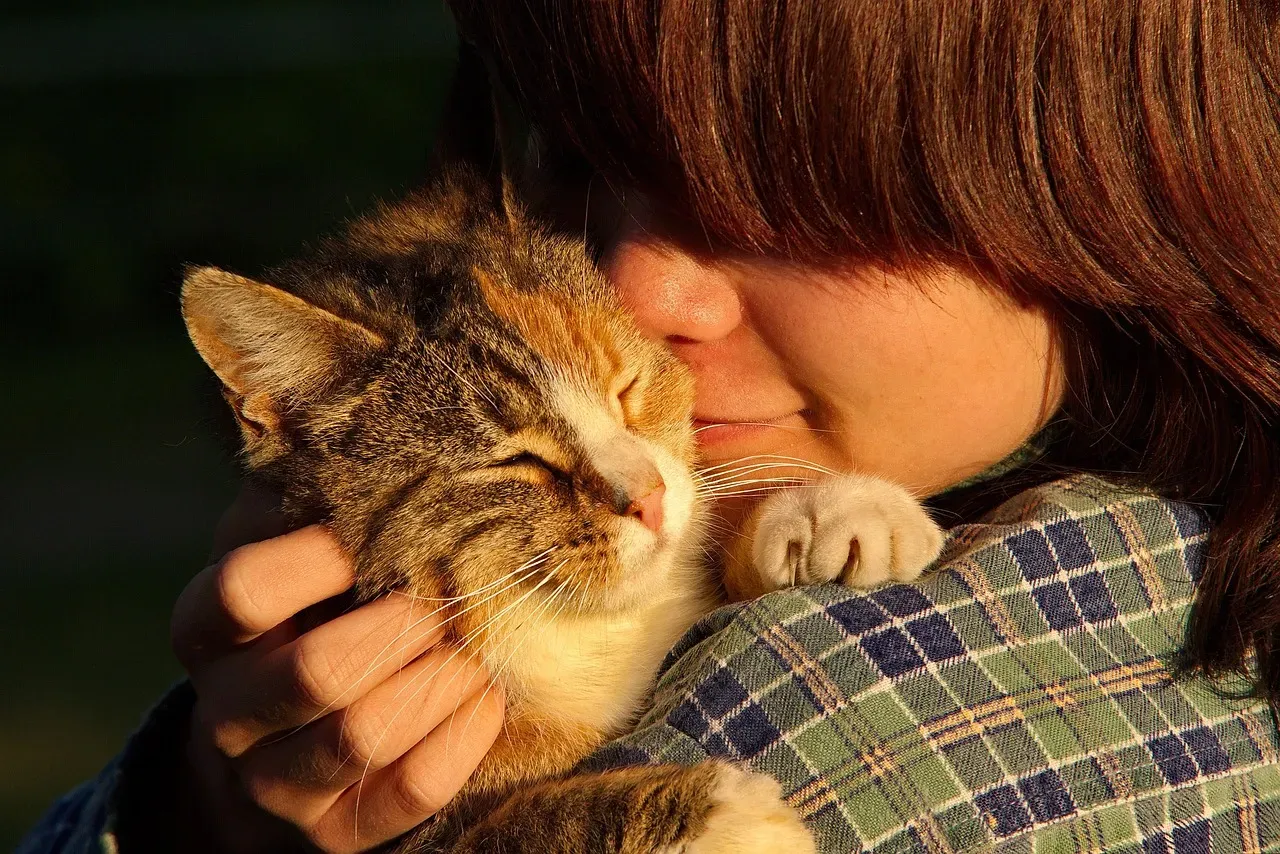
Your cat is not a passive occupant of your home. They are an active, emotionally intelligent being who is quietly building a portrait of you from every kind gesture you offer. Every gentle word. Every soft stroke. Every time you showed up for them, even when you didn’t think they noticed. They noticed.
The science makes it beautifully clear: that purr, that head-butt, that quiet presence at your side – it’s more than just a habit. It is proof of a bond etched into their memory through every feeding, petting session, and shared nap. It is a bond that time and distance cannot easily erase.
So the next time you reach down to give your cat a quick scratch on the way past, or stay a few extra minutes on the couch because they’ve settled on your lap, know that it’s going somewhere. Deep into that small, remarkable brain of theirs, where kindness is not just appreciated. It is remembered. What’s the small moment with your cat that you hope they carry with them forever? Tell us in the comments.
Kristina is a young writer from India. An arts graduate and an avid content creator, Kristina is passionate about animals and wildlife. She enjoys exploring topics related to pet care, animal behavior, conservation, and nature, combining thorough research with engaging storytelling.