You live with a creature that never speaks a single word to you, yet has an entire language waiting to be decoded. That’s the strange, beautiful reality of life with a cat. Every day, your feline companion is broadcasting emotional signals, and most of the time, you’re probably missing them.
The tail is arguably the most honest part of your cat’s body. It doesn’t lie, it doesn’t hold back, and it doesn’t need translation apps. Once you learn to read it, you’ll wonder how you ever misunderstood your cat for so long. Let’s dive in.
The Tail Is Your Cat’s Emotional Dashboard
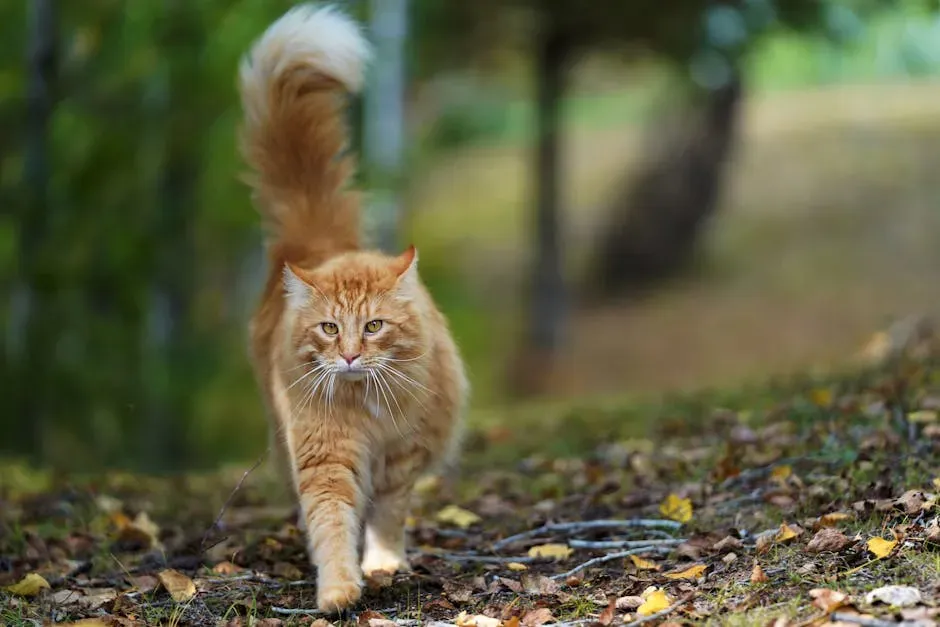
Here’s the thing most people don’t realize: your cat’s tail is essentially a live feed of whatever is going on emotionally in their mind. In cats, it’s their tail position that provides the greatest insight into what a cat is feeling, and they use their tail movements, along with their eyes, ears, and body postures, to communicate. Think of it like the fuel gauge on a car dashboard. If you’re not looking at it, you’re going to run into trouble.
A cat’s tail holds a complex language all its own, and every swish, wag, flick, and curl contains a hidden message. Understanding cat tail positions and movements can give you deeper insight into your cat’s personality and feelings, leading to a deeper bond with your furry friend, as well as a better sense of whether your cat is sick or in pain. Honestly, once you start paying attention, it becomes almost addictive to read.
The High Tail: Your Cat’s Version of a Big Smile
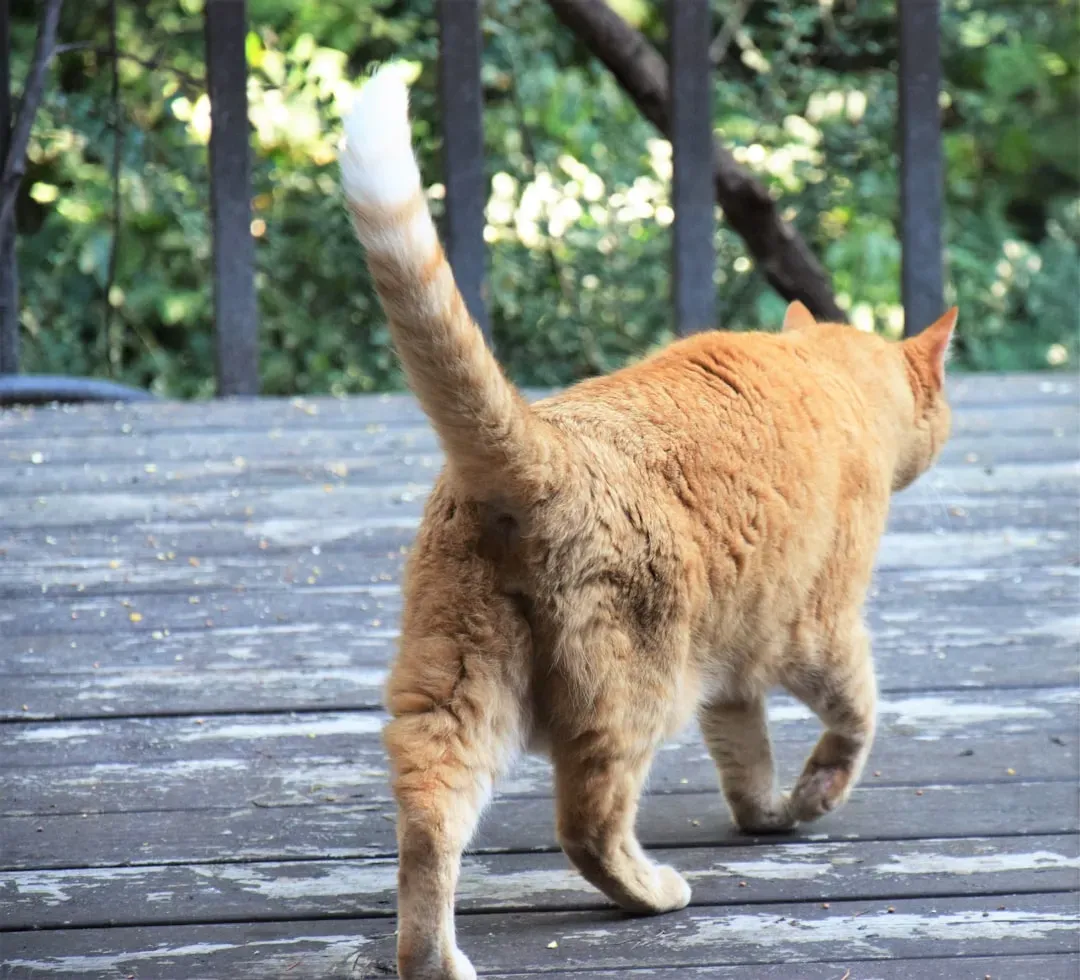
When your cat walks into the room with their tail pointed straight toward the ceiling, that’s not arrogance. That’s joy. If a cat walks into the room with their tail sticking straight up, they’re feeling confident, comfortable, and ready to engage in some friendly interaction. It’s the feline equivalent of walking into a room with your shoulders back and a grin on your face.
When your cat holds their tail high in the air as they move about their territory, they’re expressing confidence and contentment. A tail that sticks straight up signals happiness and a willingness to be friendly. So the next time your cat saunters in with that tall, proud tail, take it as an invitation. They want to connect with you.
The Quivering Tail: Pure, Unfiltered Excitement
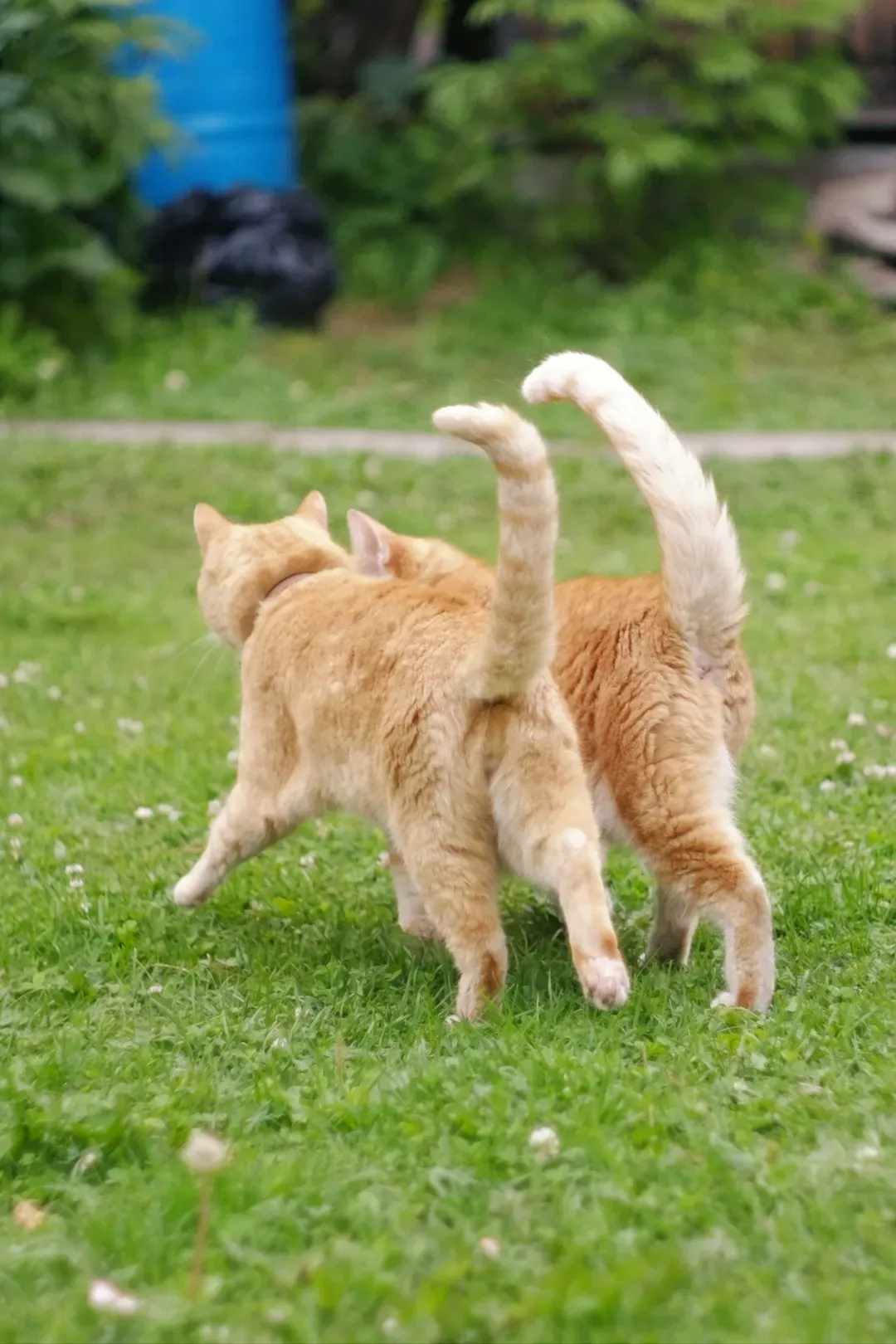
You might notice, especially around mealtime or when you first get home, that your cat’s upright tail starts to vibrate or quiver at the base. That’s not a nervous twitch. It’s the opposite. A tail that points up accompanied with a quiver at the base is often an indication your cat is especially excited to see you or to be getting a tasty bowl of cat food. It’s probably the most overtly enthusiastic thing a cat will ever do, which, when you think about it, is pretty adorable.
Watch the tip of an erect tail closely. A little twitch can mean a particularly happy moment. So if you’re ever wondering whether your cat actually cares that you walked through the door after a long day, watch the tail. It will tell you everything you need to know.
The Question Mark Tail: An Invitation You Should Accept
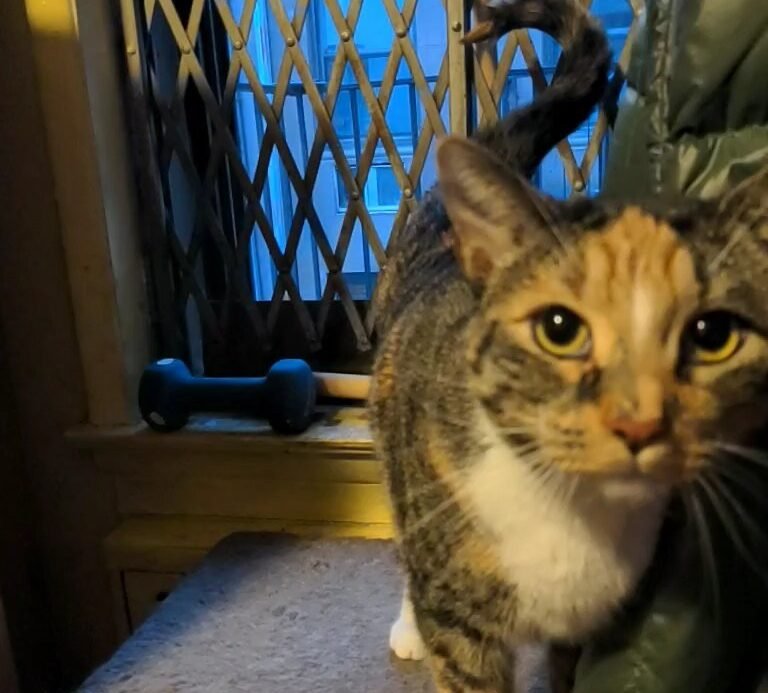
One of the most charming tail positions in the entire feline vocabulary is the question mark shape. Cats sometimes walk with their tail raised and slightly curled at the tip, resembling a question mark. This signals curiosity and a relaxed, playful mood, and if your cat displays this posture, they may be exploring or seeking engagement. I think of it as your cat literally asking, “Hey, want to hang out?”
If your cat bends their tail into the shape of a hook or question mark, this is a very positive sign. This “question mark tail” is a pro-social behavior. It’s like walking up to another person with a huge smile on your face and your arms open wide. In other words, it’s your cat’s way of giving you a friendly greeting. Don’t leave them hanging. Say hello back.
The Puffed-Up Tail: The Halloween Cat Is Real
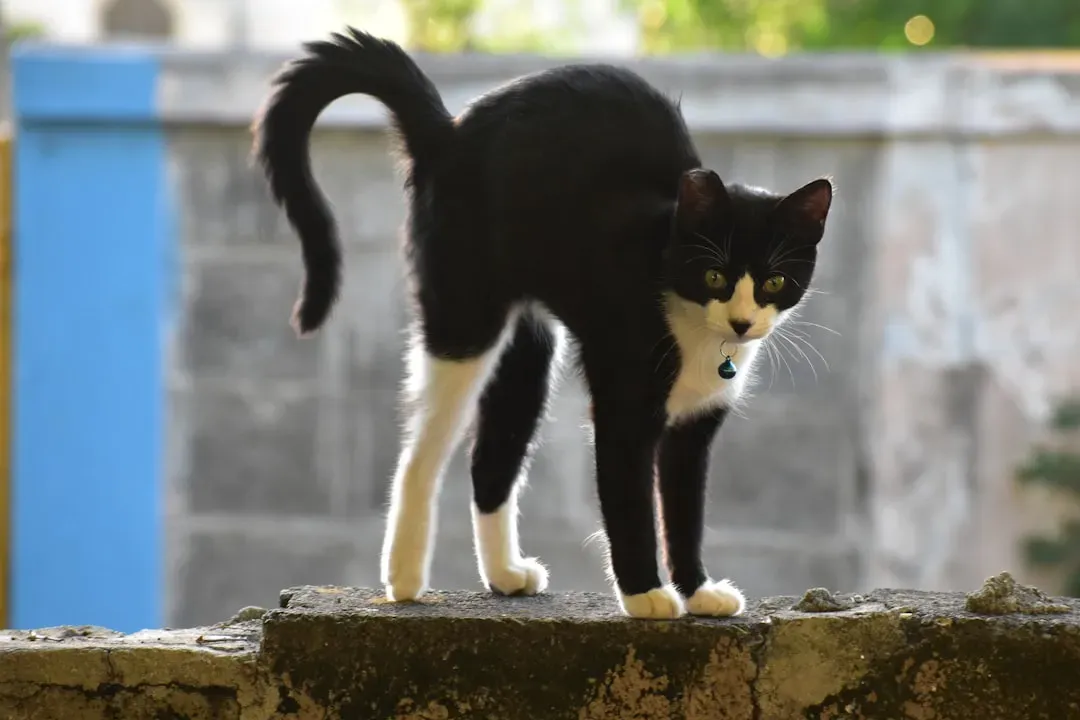
We’ve all seen it, that dramatic, bottle-brush tail that makes your cat look three times their actual size. It’s striking, slightly ridiculous, and surprisingly meaningful. A puffed-up tail means your cat is experiencing a strong emotional reaction, often fear, surprise, or aggression. You might see this after a loud noise, an unexpected guest, or when two unfamiliar pets cross paths. The puffed tail makes the cat appear larger, which is a natural defense mechanism.
If your cat assumes the quintessential Halloween-cat posture with a puffed tail and arched back, they are startled or frightened by a sudden, severe threat. Your cat’s hair stands on end so they can appear to be larger, and this is a defensive reaction indicating that your cat wishes to be left alone. The kindest thing you can do when you see this? Step back, give them space, and let them calm down on their own terms.
The Tucked Tail: Fear, Submission, and Possible Pain
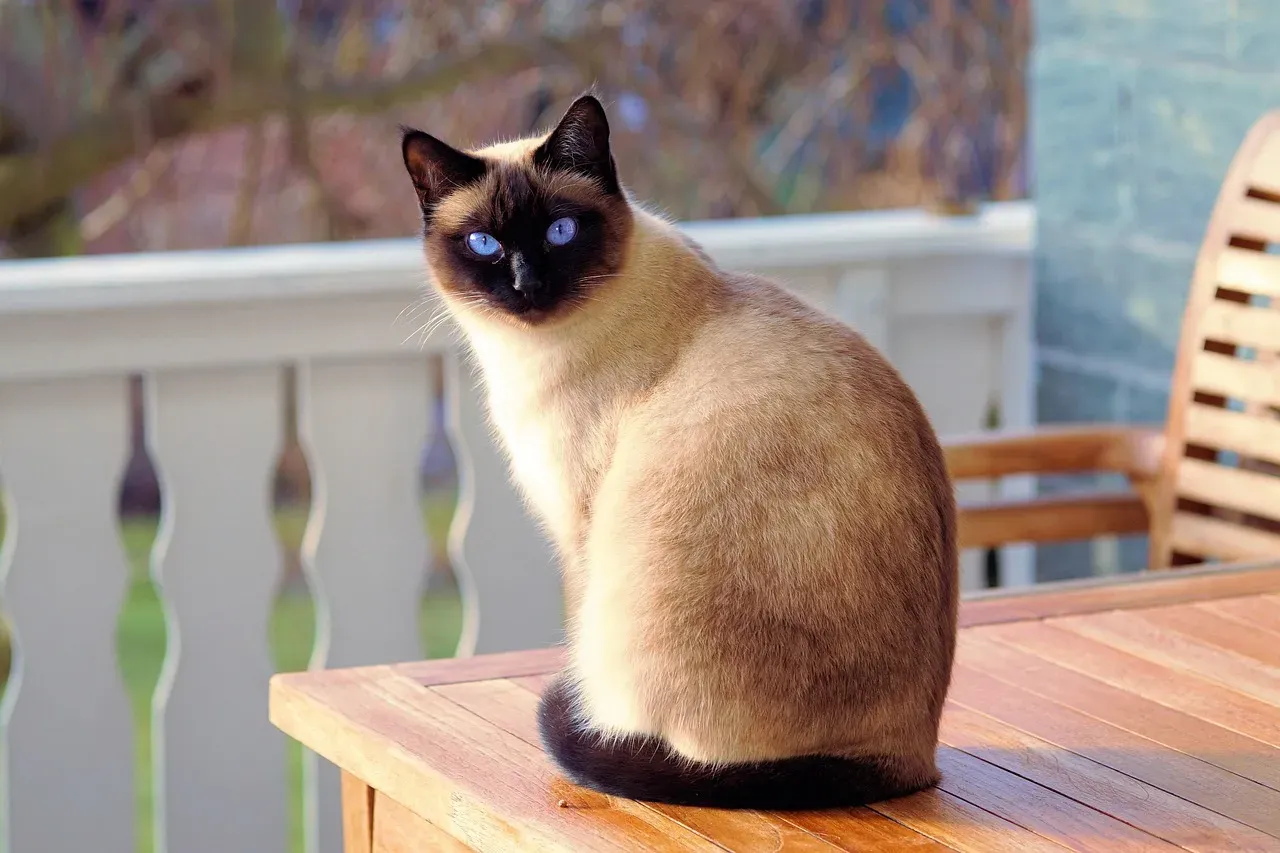
A tail that disappears between your cat’s legs or wraps tightly beneath their belly is one of the most important signals you can learn to recognize. A cat may lower their tail below the level of their back if they are frightened or anxious. If your cat’s tail is tucked between their legs, then they are really scared or may be experiencing pain. This is not a casual observation. When your cat goes full tuck, something is genuinely wrong in their world.
A cat who has tucked the tail between their hindlegs is very frightened. This is a submissive posture where the cat is trying to appear small and non-threatening. Don’t assume though that this posture says it’s safe to approach. If there’s no means of escape, the frightened cat may display defensive aggression. Respect their signal. Forcing interaction in this state could seriously backfire.
The Lashing and Thumping Tail: Your Warning Signal
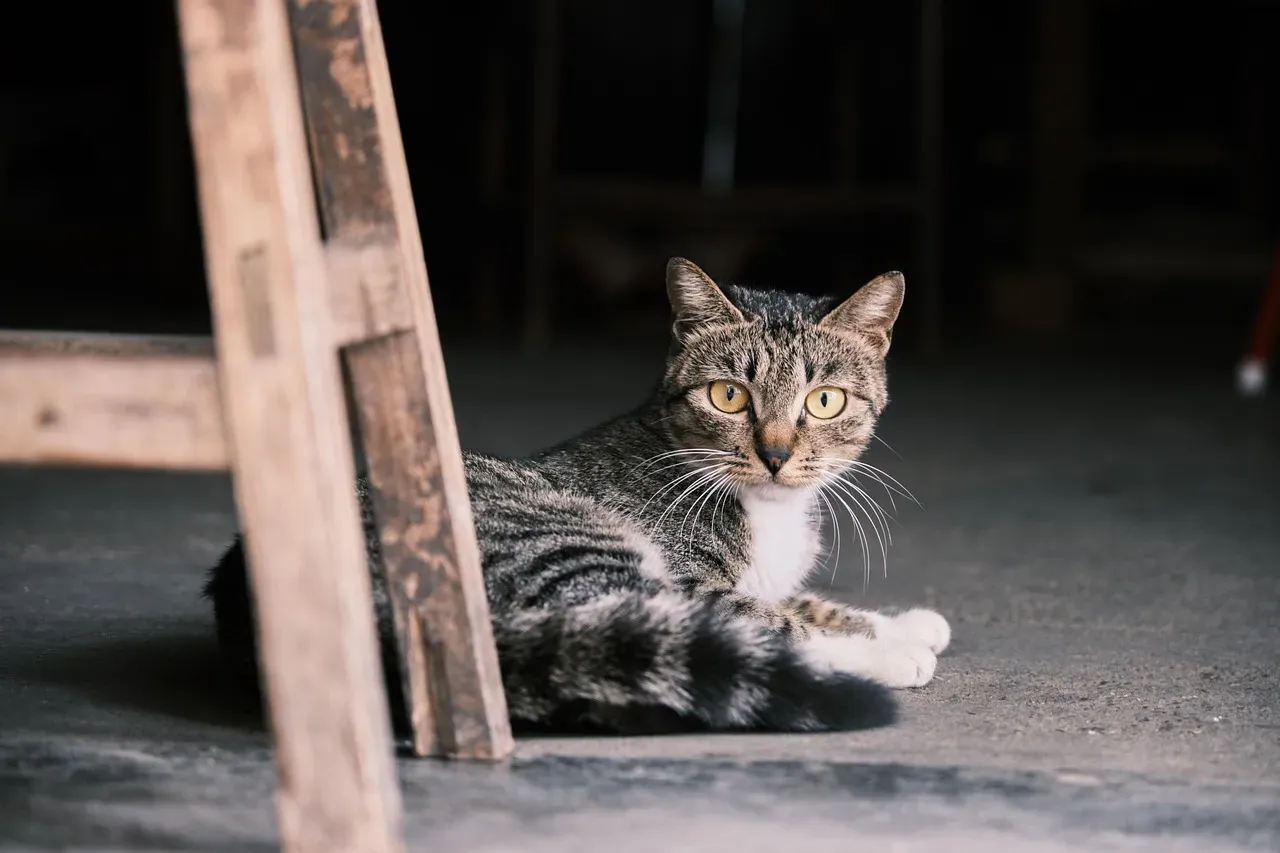
There’s a big difference between a gentle, fluid tail sway and a hard, aggressive lash. If you’ve ever been mid-petting session and suddenly your cat’s tail starts thrashing like a windshield wiper in a storm, you need to stop what you’re doing immediately. A thumping tail is one of the clearest warning signs in feline body language. When your cat deliberately thumps or thrashes their tail against the floor, they’re communicating irritation, annoyance, or anger. This isn’t a subtle hint; it’s a direct message that something is bothering them. The intensity of the thumping often correlates with your cat’s level of frustration.
A wagging tail means that the cat is ambivalent, pausing for thought and not sure about what to do next. Whipping or lashing of the tail is a sign that a cat is angry and may take a sudden, strong action in the near future. If a cat does this, it’s time to take a step backwards to give the cat some space. If you don’t, you may risk being bitten or scratched. Think of it as your cat’s polite version of a final warning before things escalate.
The Tail Wrap: The Highest Form of Cat Affection
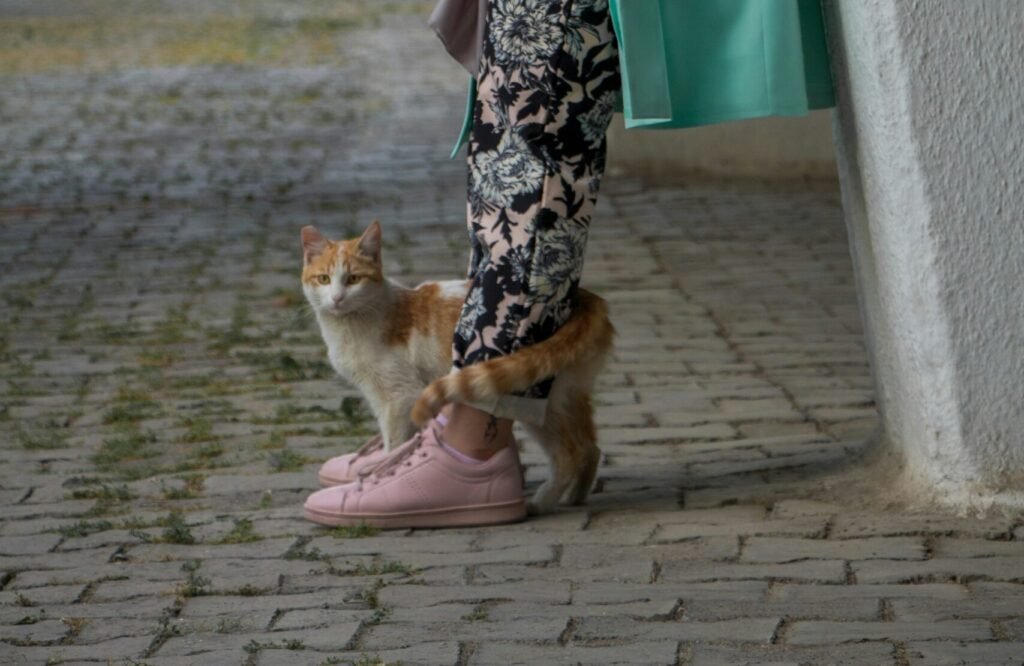
Let’s be real, cats have a reputation for being cold and aloof. So when a cat voluntarily wraps their tail around you or curls it against your leg, that is genuinely a big deal. When a cat wraps their tail around a person or animal, it is usually a sign of affection. If a cat uses their tail to wrap around your leg, or perhaps another cat’s tail, this is a sign of close affection. At a biological level, a cat’s tail includes scent glands, so the tail is being used to swap scents with the other creature.
The tail wrap is a way of marking each other with their scent and signaling who their friends are. If your cat snuggles up next to you with their tail curled around you, it means you’re part of their in-crowd – they like you a lot! Consider yourself officially inducted into your cat’s inner circle. That’s a privilege not everyone earns.
Reading the Tail in Context: The Bigger Picture
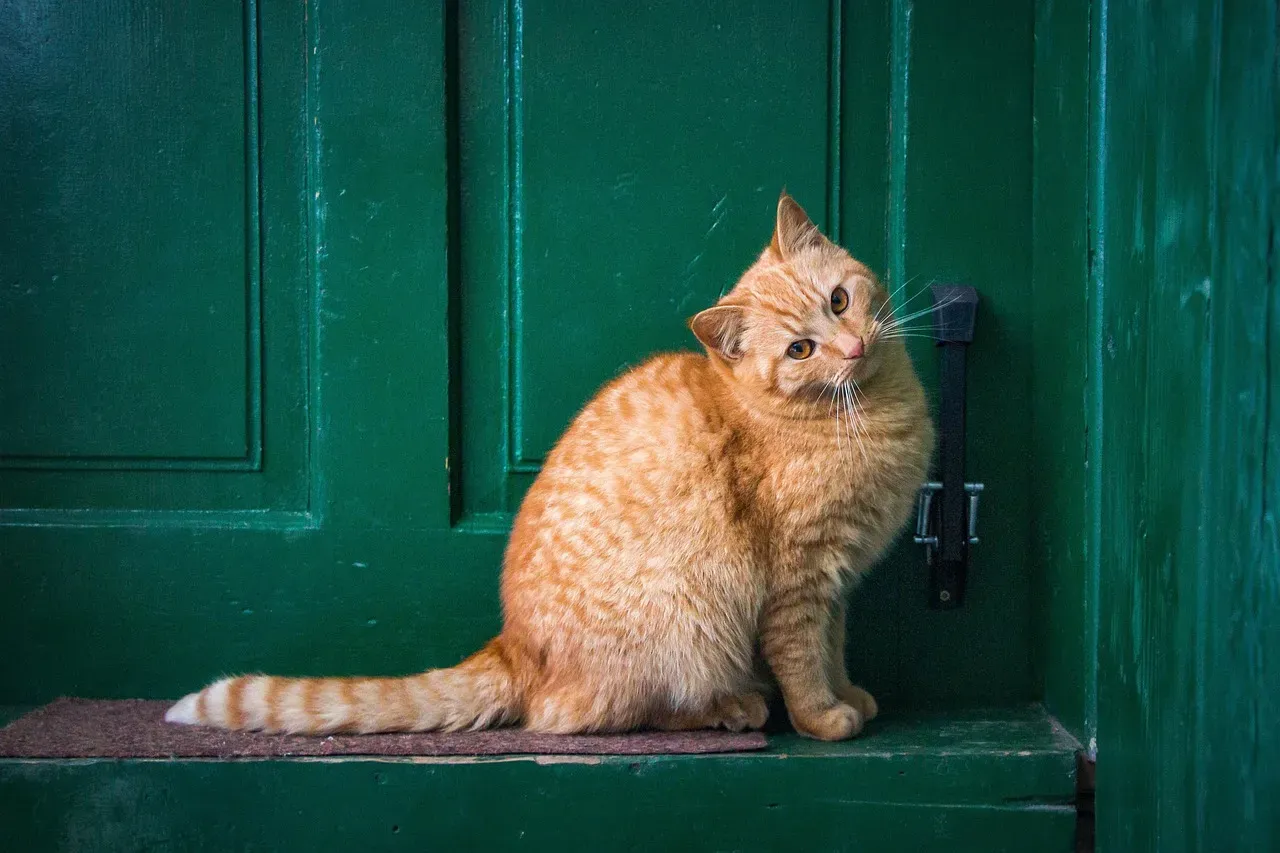
Here’s where it gets nuanced. The tail is powerful, but it works best when you read it alongside everything else your cat is doing. When it comes to reading feline body language, don’t just look at the tail position. Pay attention to things like ear position, back, and full body posture to get a better idea of your cat’s current behavior and mood. Eyes are also important. For example, a slow blink is a sign of love and trust, while constricted pupils signal nervousness.
Pay attention to a change in tail positions as well as accompanying body language that indicates a mood shift. For example, your cat may be enjoying being petted around the head and neck, but as you begin to stroke along the spine and base of tail, the tail starts lashing. What was relaxing and enjoyable has transitioned to being either too stimulating or even painful. It’s a reminder that your cat’s mood is dynamic and can shift in seconds, so stay tuned in.
Conclusion: Your Cat Has Been Talking to You All Along
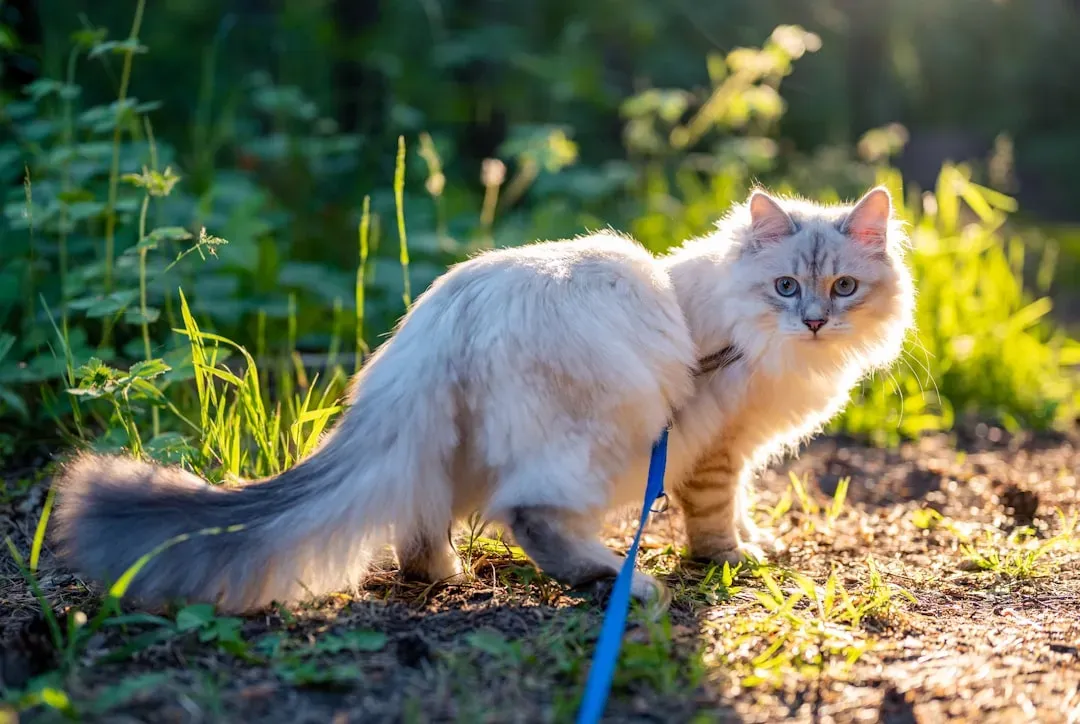
Every day your cat has been sending you signals, through every flick, quiver, wrap, and lash of that expressive tail. The truth is, you now have something most cat owners never take the time to develop: a real, practical understanding of what your feline companion is feeling at any given moment. Cats are masters of communication and our job is to pay attention. If you learn to accurately read body language signals and respect what your cat is telling you, it will create trust and strengthen the bond you share.
A cat’s tail is one of their most expressive features, and they use it to let us in on a world of feelings and emotions. Once you better understand feline body language and know what your cat is trying to convey, you can respond to them when they’re feeling happy or assist them when they’re stressed. All this knowledge can help you form a deeper bond with your furry friend. So the next time your cat walks in, resist the urge to scroll your phone. Look at that tail first. It’s been telling you the truth the whole time. Had you noticed before?
Kristina is a young writer from India. An arts graduate and an avid content creator, Kristina is passionate about animals and wildlife. She enjoys exploring topics related to pet care, animal behavior, conservation, and nature, combining thorough research with engaging storytelling.