Cats have spent thousands of years living alongside humans, yet their communication system remains genuinely misunderstood by even the most devoted owners. Unlike dogs, who broadcast their feelings with tail wags and open faces, cats work with a much more layered vocabulary. A flick of the tail, the angle of an ear, a long slow blink – each carries meaning, and getting it wrong has real consequences for your relationship.
Cats have different ways of expressing themselves than humans – and dogs, for that matter. This can lead to confusion on both ends, which can cause unnecessary stress and even safety risks. The good news is that most of these misreadings follow a familiar pattern. Once you know what to look for, you’ll start catching signals you’ve been missing for years.
1. Assuming a Purring Cat Is Always a Happy Cat
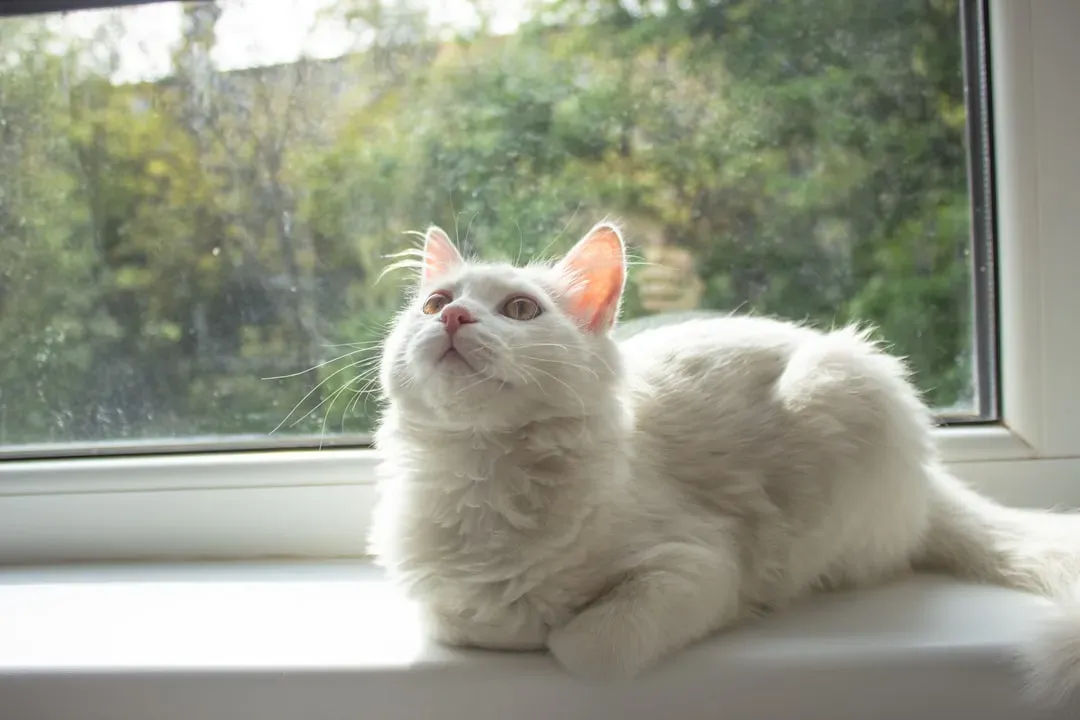
Purring is the sound most people associate with a content, comfortable cat. It’s tempting to hear that rhythmic hum and think everything is fine. The reality is more nuanced, and relying on purring alone as a happiness meter will lead you astray more often than you’d expect.
You might often think your cat is happy when they purr. This is only true if their body language is relaxed. They can also purr to get your attention. Sometimes cats can purr in stressful situations, such as going to the vet.
Cats may also purr when they’re in pain. Many veterinarians report that cats purr when they’re injured or feeling sick. So the next time your cat is purring but hiding or holding their body tense, pay attention to everything else going on around them. The purr is just one piece of a bigger picture.
2. Treating a Belly Exposure as an Invitation
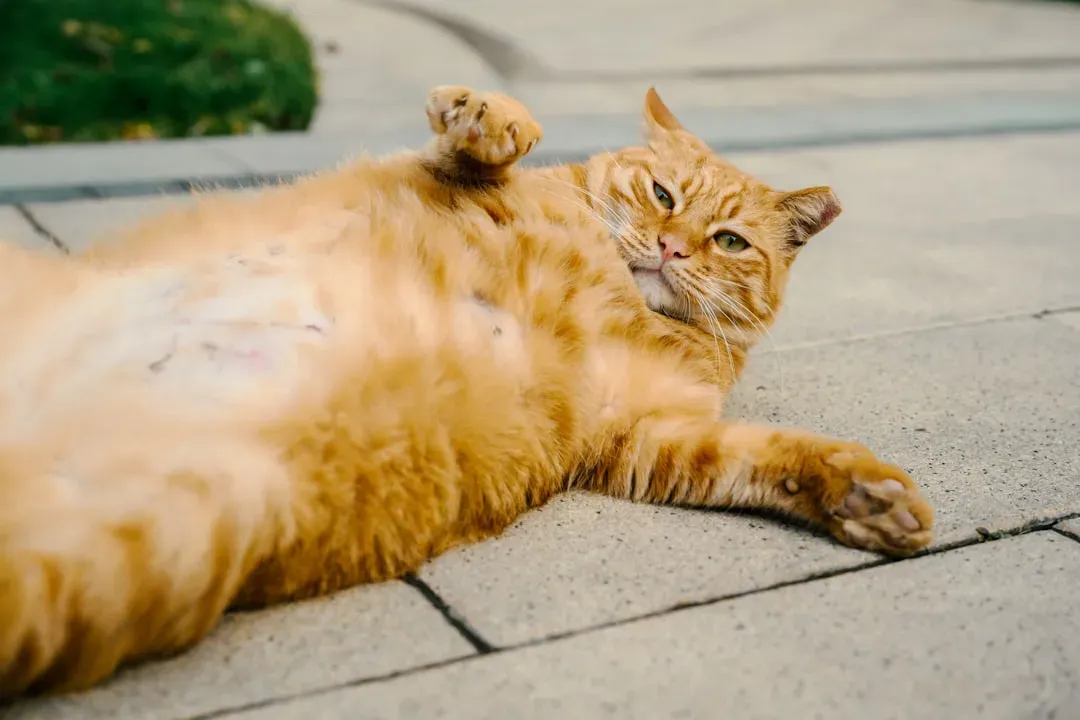
This is probably the most famous trap in cat ownership, and countless unsuspecting hands have paid the price. When your cat rolls onto their back and shows you their belly, it genuinely looks like an open invitation. It isn’t – at least not always.
Many people, after they learn that a cat exposing itself feels comfortable, may see a cat with its belly up and think it’s safe to rub or pet the cat’s belly. The exposed belly is a sign of comfort and trust, but it is not necessarily an invitation for a belly rub.
An exposed belly can be a sign of trust, but it’s also a defensive position. Some cats may feel vulnerable and react defensively when touched there. The safe approach is to read the context. If your cat is relaxed, slow-blinking, and softly purring, you may get lucky. If their eyes are wide or their tail is twitching, that belly is better left alone.
3. Misreading What a Wagging or Flicking Tail Actually Means
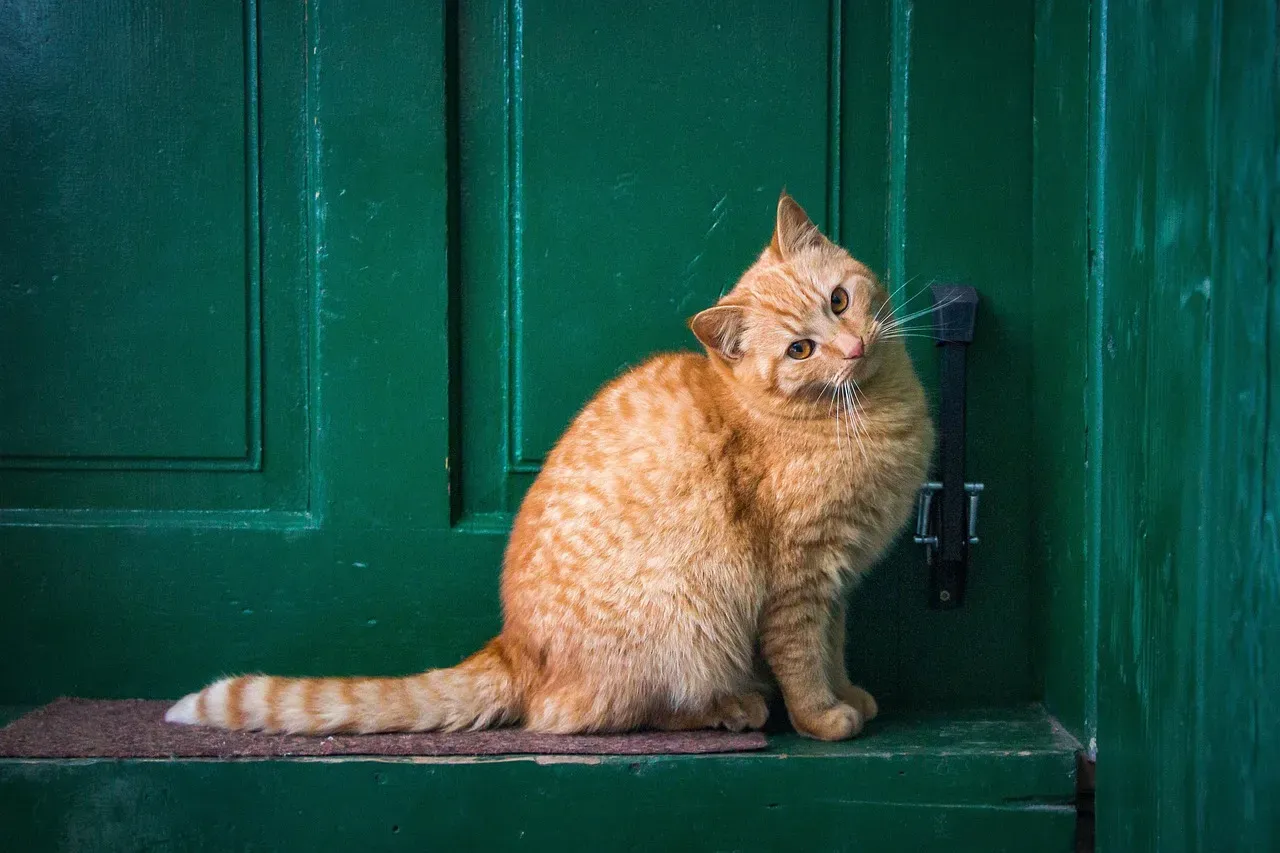
If you’ve ever shared your home with both a dog and a cat, you already know how different these two species are. One habit that trips up a lot of dog owners when they adopt cats is the tail wag. On a dog, it means joy. On a cat, it means something else entirely.
Rapid tail flicking or lashing back and forth typically indicates irritation or agitation. Your cat is likely getting overstimulated and might be preparing to retreat or swipe at something that’s bothering them. A slow, gentle swish can mean mild interest or relaxation, but that rapid lash is a warning you should take seriously.
A wagging tail tells you to “back off.” A moving tail in cats generally indicates arousal of some sort – excitement, fear, aggression – but your dog may mistake the tail-wagging cat as an invitation to approach. The end of the tail flicking back and forth usually indicates frustration or heightened emotion. Recognizing this distinction early can prevent a lot of unnecessary scratches and stress on both sides.
4. Staring Directly at Your Cat
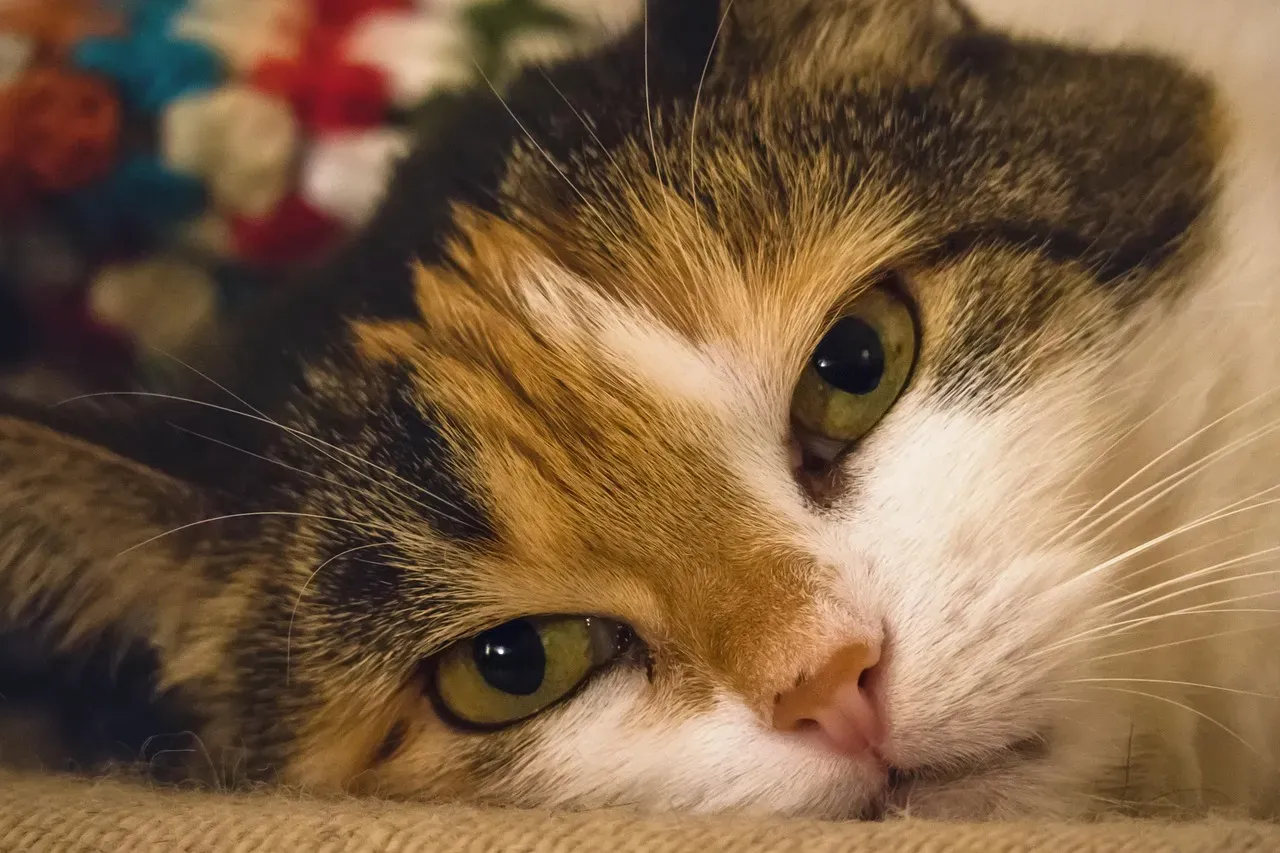
Humans use eye contact to show attention, sincerity, and affection. It feels natural to look your cat in the eyes when you’re talking to them or trying to connect. From your cat’s perspective, though, a sustained direct stare reads very differently.
The most important thing to remember is not to stare at your cat. They can see this as a threat, which can be scary for them, and they won’t respond in a friendly way. This is rooted in how cats communicate among themselves. A direct stare by a cat usually communicates a challenge or threat and is more likely to be seen in high-ranking cats; lower-ranking cats usually withdraw in response.
The better alternative is the slow blink. Cats slow blink at other cats or humans as a way of communicating that they’re not threatening. It’s a social behavior to tell others they’re calm and ready to get along. You can actually slow blink at your cat, and many times they will slow blink back and approach you – because you’ve indicated that you are a nice person who wants to be friends.
5. Reading Tail Position Without Looking at the Whole Body
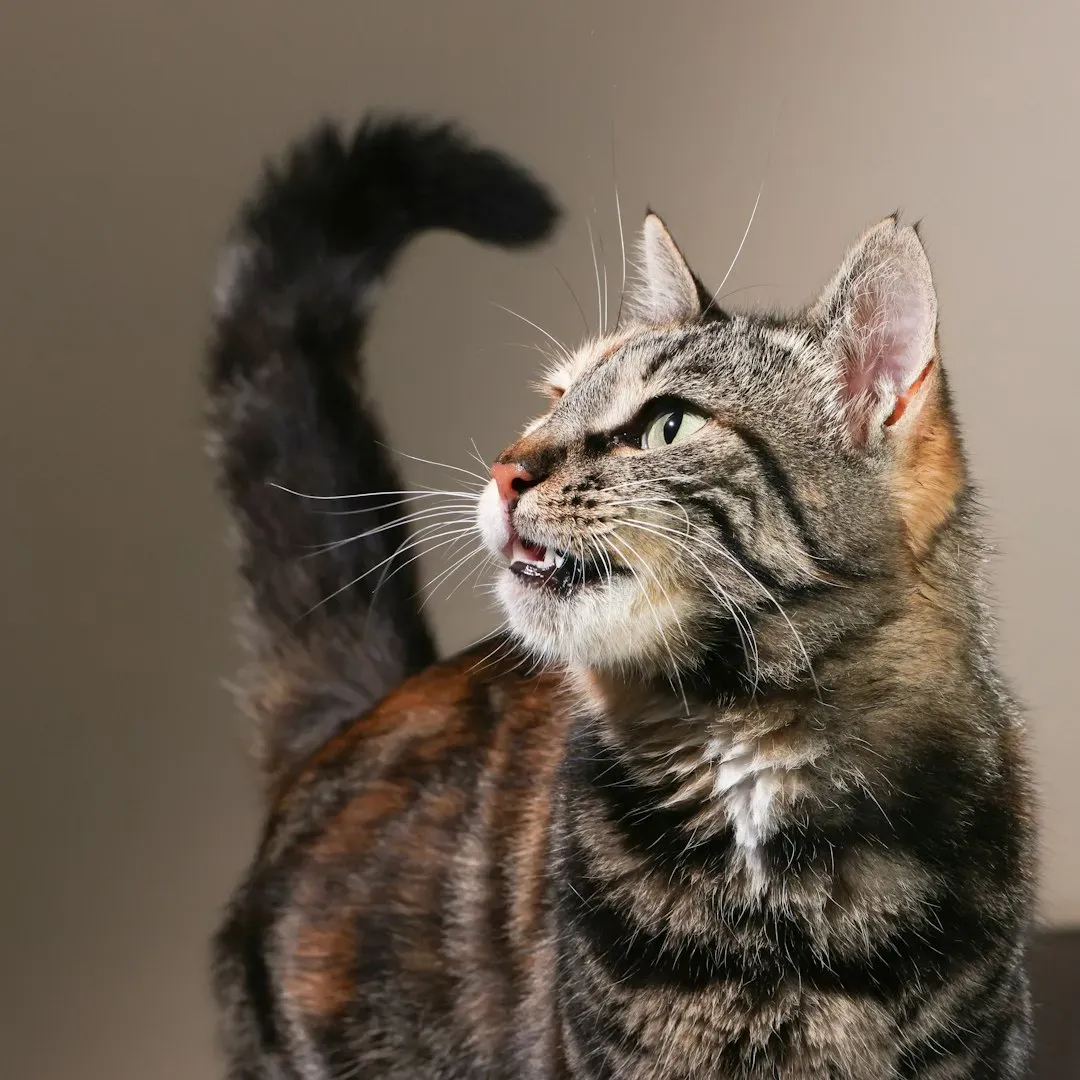
One of the most persistent mistakes owners make is focusing on a single signal in isolation. You notice the tail is up, so you assume friendliness. You see the ears are back, so you assume aggression. Neither conclusion is reliable without the full picture.
Cats rarely communicate with just one signal. Instead, they combine ears, eyes, tails, and posture into a full message. For example: forward ears, upright tail, and slow blink equals a relaxed, friendly cat. Pinned ears, dilated pupils, and lashing tail equals agitation – time to give space.
There are many physical cues of a cat’s mood, but their meaning can vary depending on the context. For example, one of the most reliable signs of a confident cat is a tail that’s lifted vertically, high in the air. Most of the time, this tail position indicates that the cat feels comfortable and open to interaction. However, in certain contexts – like warding off a strange cat in their own territory – a high tail can also indicate a willingness to attack. The high tail can represent a confident cat or a potentially aggressive cat depending on the scenario. Train yourself to scan the whole body before drawing any conclusion.
6. Ignoring Early Warning Signs Before Things Escalate
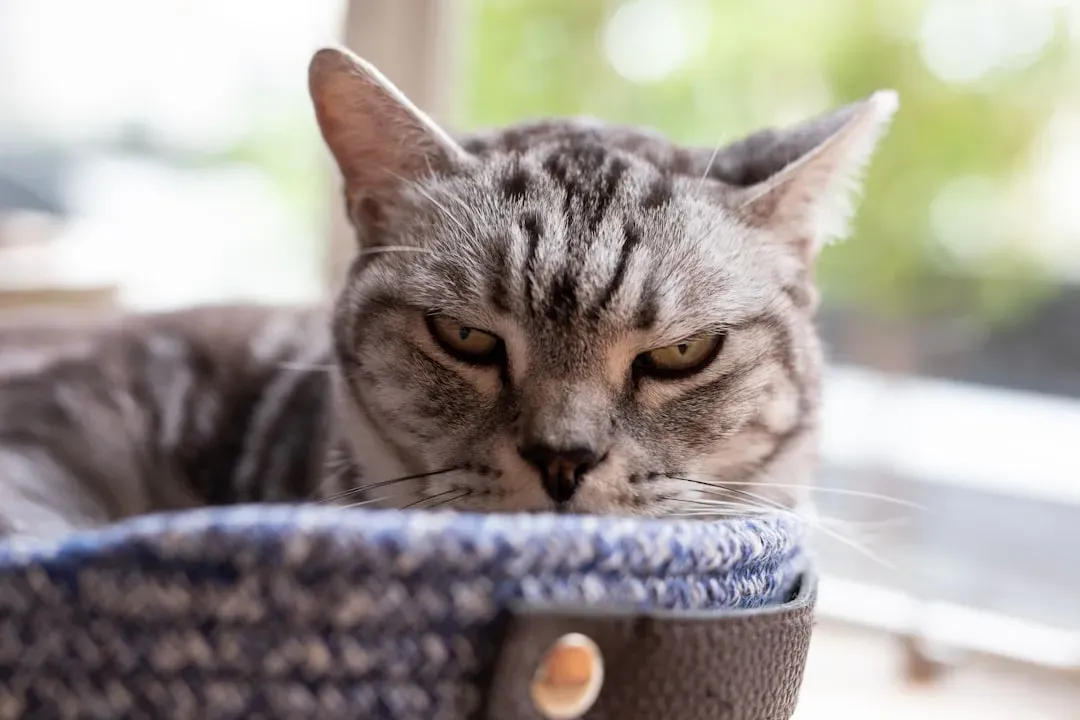
Cats rarely go from calm to aggressive without warning. The problem is that their early warning signals are subtle, and most owners either miss them or dismiss them as random fidgeting. By the time the hissing or swatting happens, several earlier signals have already passed unnoticed.
When a cat is feeling stressed, they may have a stiff and tense body held low to the ground. The cat may also engage in displacement behaviors – meaning normal behaviors such as licking their lips, scratching, grooming, and yawning – performed out of context, to cope with underlying stress. These subtle shifts are worth catching early.
Growling, hissing, a stiff body, direct staring, and a lashing tail warn of potential aggression. Respect these cues by giving space. Pushing interactions past this point risks scratches or bites. The goal isn’t to avoid all tension. It’s to recognize when your cat is signaling that they’ve had enough – and to respond before things escalate.
7. Misunderstanding What Meowing Really Communicates
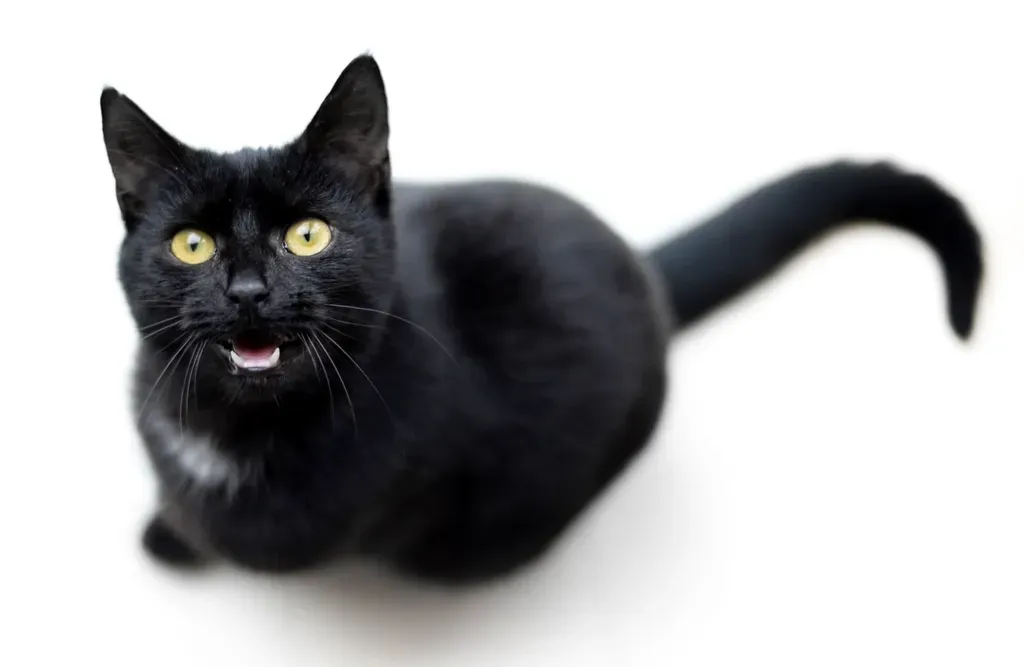
Most owners believe their cat meows to communicate with them, and in a sense, that’s correct. What surprises many people is that meowing between adult cats is actually quite rare. Meows are primarily for communicating with humans, not other cats. In other words, your cat developed that habit specifically for you.
Most commonly directed at humans, meowing is the main type of vocalization for cats. A meow is a care-seeking behavior and means your cat wants something. It could be food, cuddles, attention, or for you to open the blinds so they can watch the birds. Whatever your cat wants, they’re meowing to let you know they need it.
You’ll learn a lot when you can interpret your cat’s wide vocabulary of chirps and meows. They’ll tell you when they’re hungry, when they’re feeling affectionate, and if they’re feeling threatened or in pain. While some cats rarely make a peep, others won’t let you get a word in edgewise. Rather than treating every meow the same way, start paying attention to tone, timing, and the body language that accompanies it.
8. Mistaking Rubbing and Bunting for Pure Affection
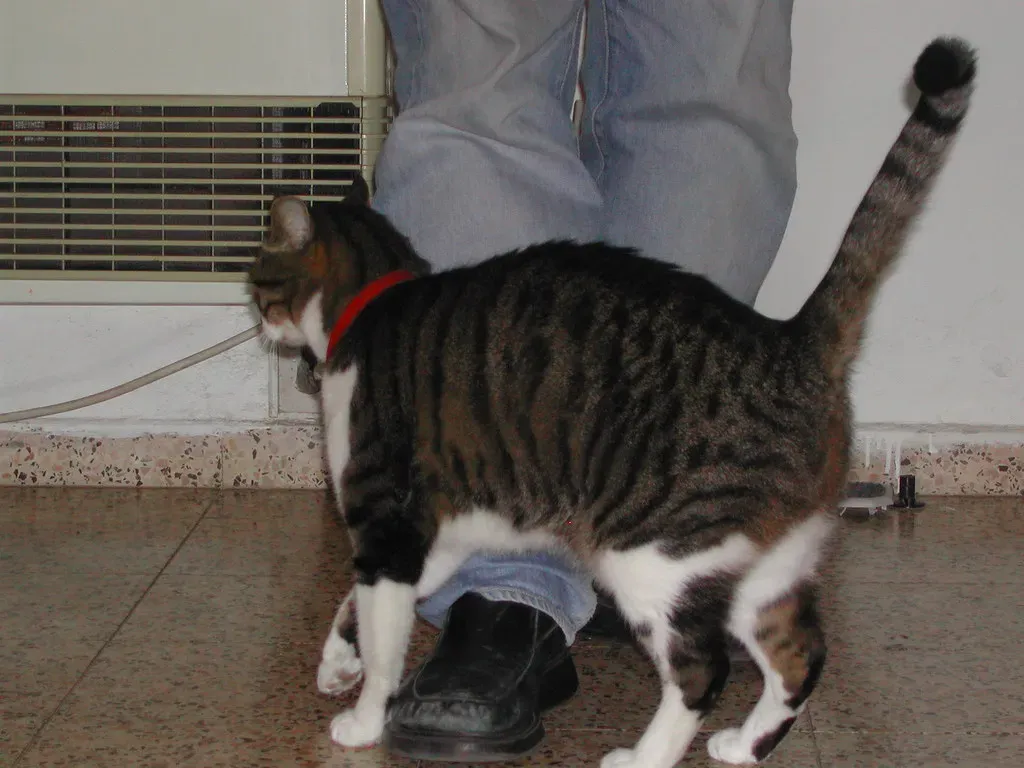
When your cat rubs their face and body against your leg, it genuinely feels like a loving gesture. There’s warmth in it, no question. But if you reduce it entirely to an expression of affection, you’re missing half of what your cat is actually doing – and why they do it.
When your cat rubs their chin and body against you, they’re telling you they love you, right? Well, sort of. What they’re really doing is marking their territory. You’ll notice that they also rub the chair, the door, their toys, and everything in sight. They’re telling everyone that this is their stuff, including you.
Cats communicate through scent using urine and chemicals or pheromones from glands located around the mouth, chin, forehead, cheeks, and other areas. Their rubbing and head-bumping behaviors are methods of depositing these scents on substrates, including humans. The cat rubs its cheeks on prominent objects in the preferred territory, depositing a chemical pheromone produced in glands in the cheeks. This is known as a contentment pheromone. Understanding this doesn’t make the gesture less meaningful – it actually makes it richer. Your cat is saying you belong in their world.
A Final Thought
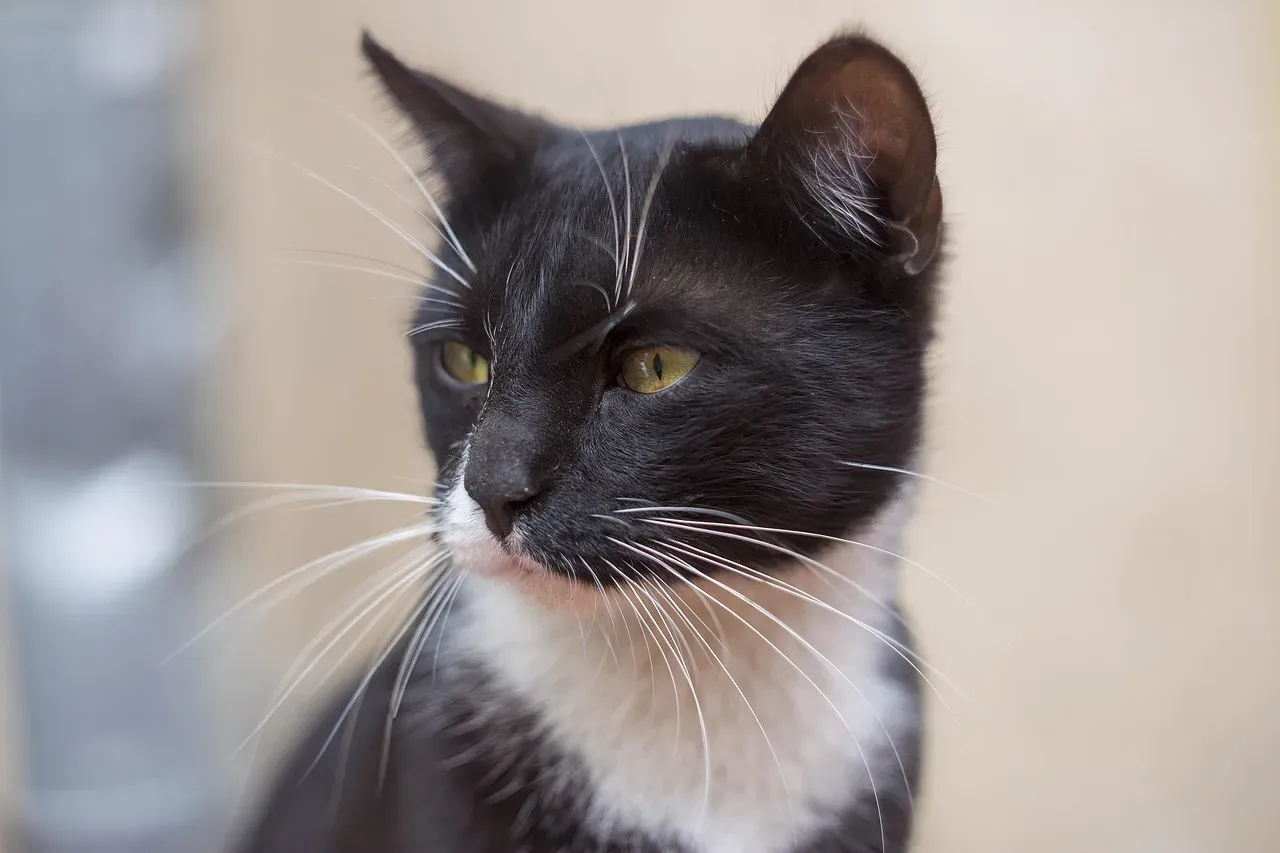
Most cat owners aren’t bad at reading their cats out of carelessness. They’re doing their best with incomplete information, often filtering feline signals through a human or canine lens. Cats may not speak our language, yet they communicate constantly through posture, movement, and subtle physical signals. Many cat owners misinterpret these signals, which can lead to confusion or even stress for both sides.
Understanding these signals is crucial because cats, by their evolutionary design, are masters at masking their feelings until they no longer can. This natural tendency to hide vulnerabilities makes it imperative for cat parents to be especially attuned to the nuances of their pet’s normal behavior and to recognize even minor deviations as potential signs of trouble.
The eight mistakes covered here share a common thread: they all come from looking at one signal in isolation, or from expecting cats to behave more like the humans observing them. The shift is surprisingly simple – slow down, take in the full picture, and let your cat set the pace of interaction. Trust, in the feline world, is built quietly and patiently, and it starts with actually listening to what they’re already saying.
Kristina is a young writer from India. An arts graduate and an avid content creator, Kristina is passionate about animals and wildlife. She enjoys exploring topics related to pet care, animal behavior, conservation, and nature, combining thorough research with engaging storytelling.