You probably think you’re just going about your day. But your cat? Your cat is taking notes. Most people assume their feline companions operate on instinct alone, drifting through the house in a self-contained world of naps, food, and mild indifference. The reality is considerably more interesting. Cats are quiet, steady observers who build an internal map of your habits, moods, and patterns over time. That soft gaze following you around the kitchen isn’t idle. It’s study.
Your Daily Routine Becomes Their Internal Clock
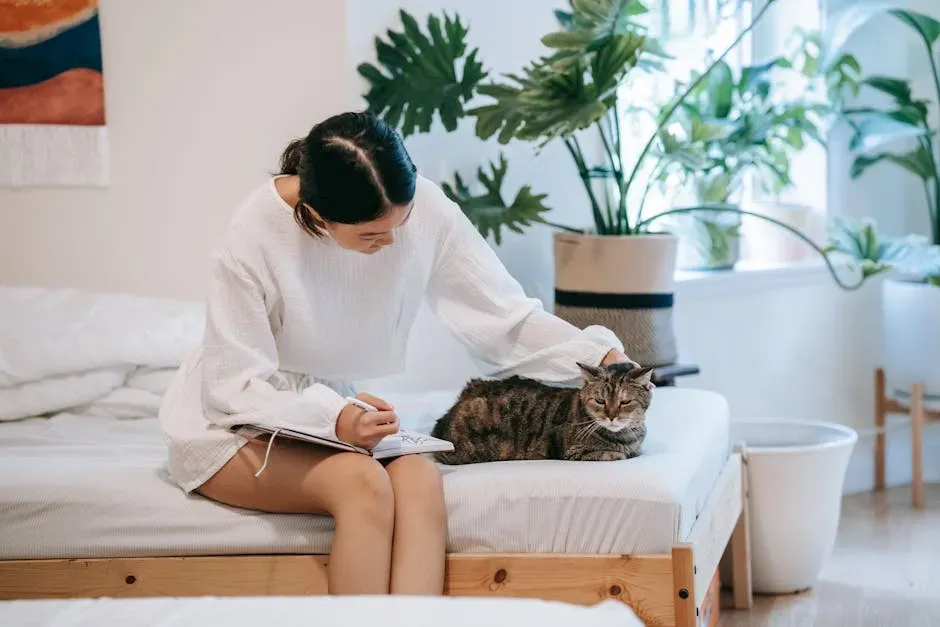
Your cat may not be able to read a clock, but they don’t need one. Research shows that cats don’t perceive time the way humans do, but rather through episodic memory and environmental cues. Those cues help them anticipate and prepare for important daily events, such as feeding times or play sessions. Your morning alarm, the sound of your slippers, the clatter of the kettle – each becomes a signal in a sequence your cat has quietly memorized.
Cats watch you because they associate your actions with predictable outcomes. If standing up usually leads to a meal, opening a door, or tossing a toy, your cat learns to pay attention. Over time, that observation becomes a habit. You may not realize it, but your routine is your cat’s most relied-upon reference point for navigating the day.
Your Emotional State Is Something They Read Closely
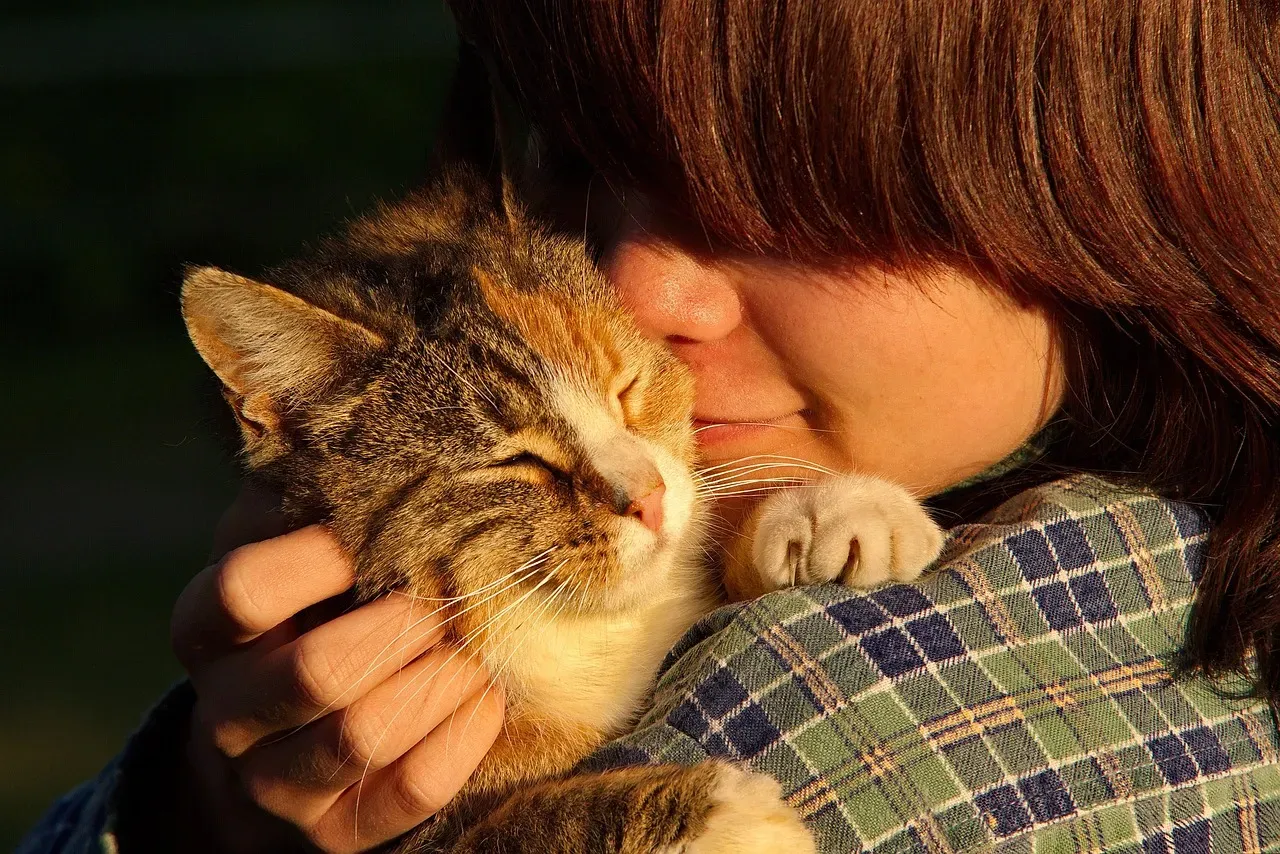
Research has shown that cats are able to integrate acoustic and visual emotional signals, including human anger and happiness. They also show a functional understanding of highly arousing emotions, regardless of the species that produced them. These findings demonstrate that cats have developed social skills that allow them to understand human emotional signals, which is a key factor in maintaining interspecies relationships.
Cats have an uncanny ability to sense human emotions, offering comfort and companionship when you need it most. Their keen observational skills help them detect changes in your behavior, body language, and tone, allowing them to respond in ways that ease stress and anxiety. When your shoulders drop, your voice softens, or you move more slowly around the house, your cat is already adjusting its approach before you’ve even sat down.
Your Vocal Patterns Teach Them How to Communicate With You
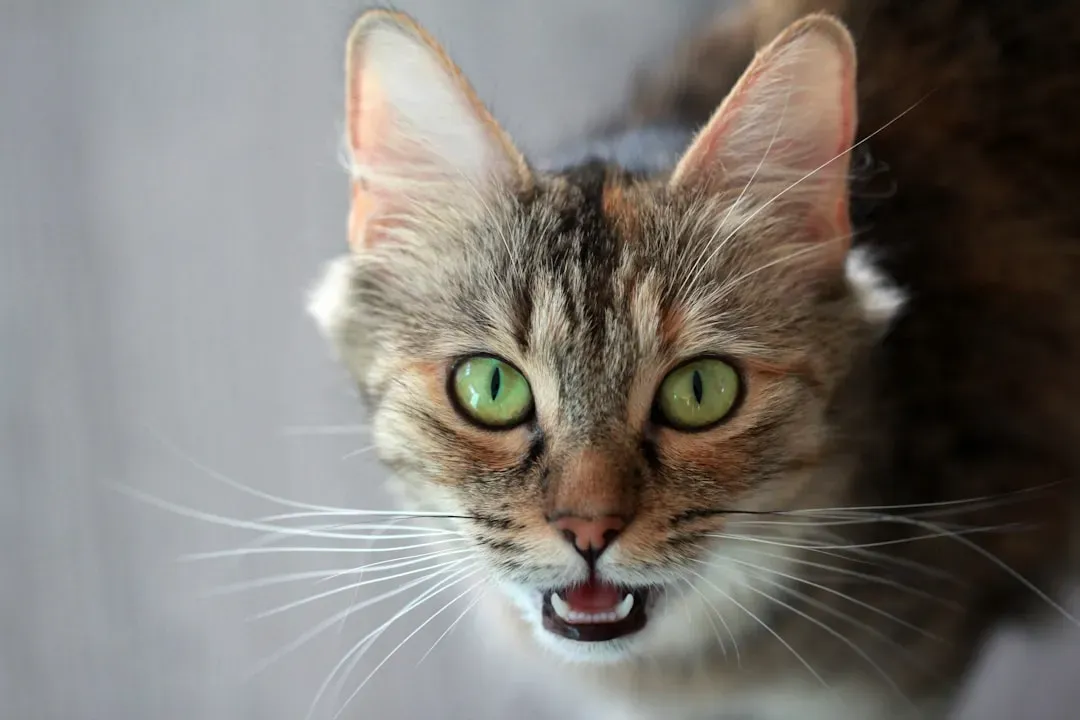
Cats learn specifically how their owners react when they make particular noises. If a cat thinks it wants to get your attention from the other room, it learns that vocalizing works. They use straightforward learning to reach that conclusion. Over time, a cat doesn’t just meow at random. It fine-tunes the pitch, urgency, and timing of its calls based on what has worked with you specifically.
Cats meow only at humans, and modify their tone of voice to get more reaction. That’s a remarkable thing to sit with. Your cat essentially develops a personalized vocabulary, shaped entirely by studying your responses. The more consistently you react to certain sounds, the more precisely your cat learns to produce them.
Your Habits – Good and Bad – Become Theirs
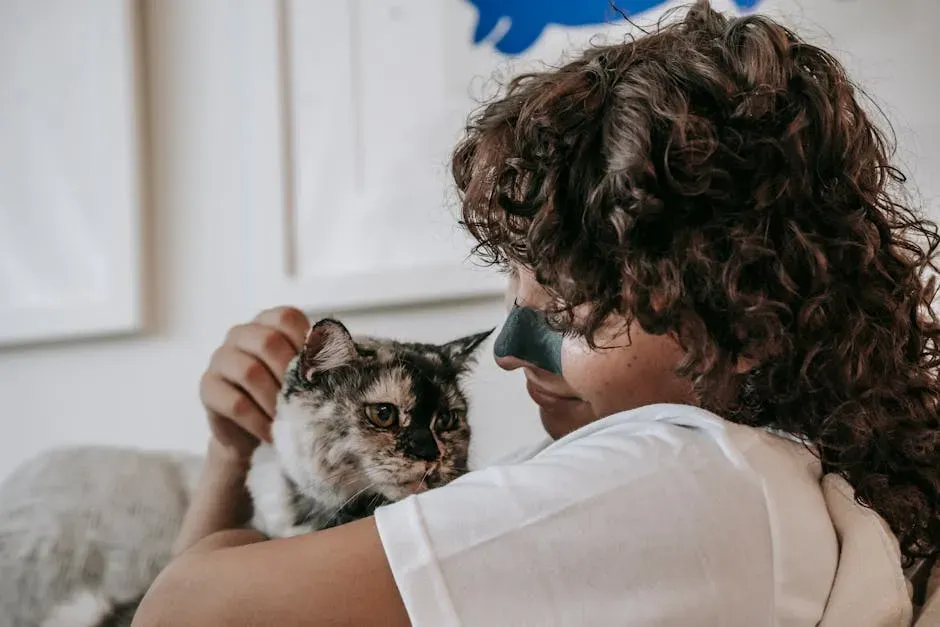
Over time, cats mirror the lives of their owners. Their eating, activity, and sleeping patterns become very similar. Cats left out at night become more nocturnal, matching the behaviors of semi-dependent farm cats with more feral ways. When you stay up late, your cat adjusts. When your lifestyle shifts, so does theirs – often without you even noticing the connection.
Research has pointed out that cats’ food intake is associated with that of their owners, perhaps explaining why human and cat obesity rates seem to so often match. Cats adapt their behavior to mimic their humans – when you eat, your cat eats; when you sleep, your cat sleeps. It’s a quiet but telling reminder that the lifestyle you model inside your home shapes more than just your own health.
Your Reactions Teach Them the Rules of the House
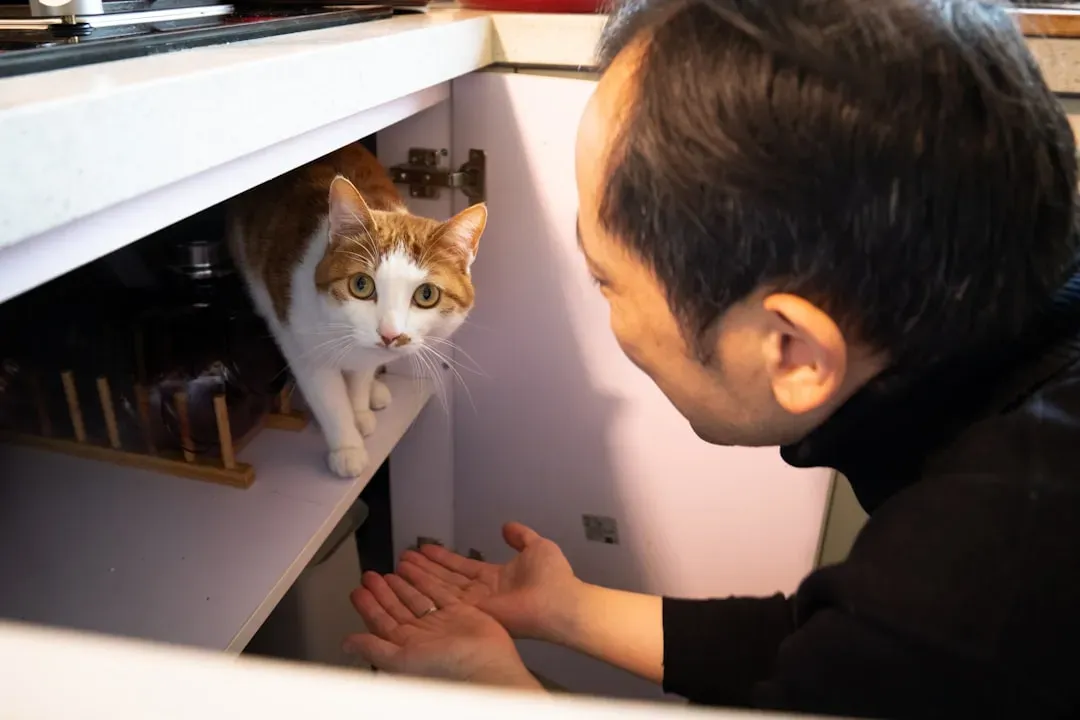
Cats are much smarter than we give them credit for – they learn what works with each person. They know which family members are prone to getting up at certain hours and responding to their requests. Your facial expressions, tone of voice, and body language in any given moment tell your cat exactly what it can and can’t get away with around you specifically.
Cats observe your emotional reactions, and if something upsets you – whether it’s the presence of a person, a sound, or a smell – they will also react with excitement or stress. Not necessarily because they’re bothered by it, but because they can see that you are. They’re learning the social rules of your household by watching how you respond to the world around you, and they update that understanding constantly.
Your Body Language Signals Whether You’re Safe to Approach
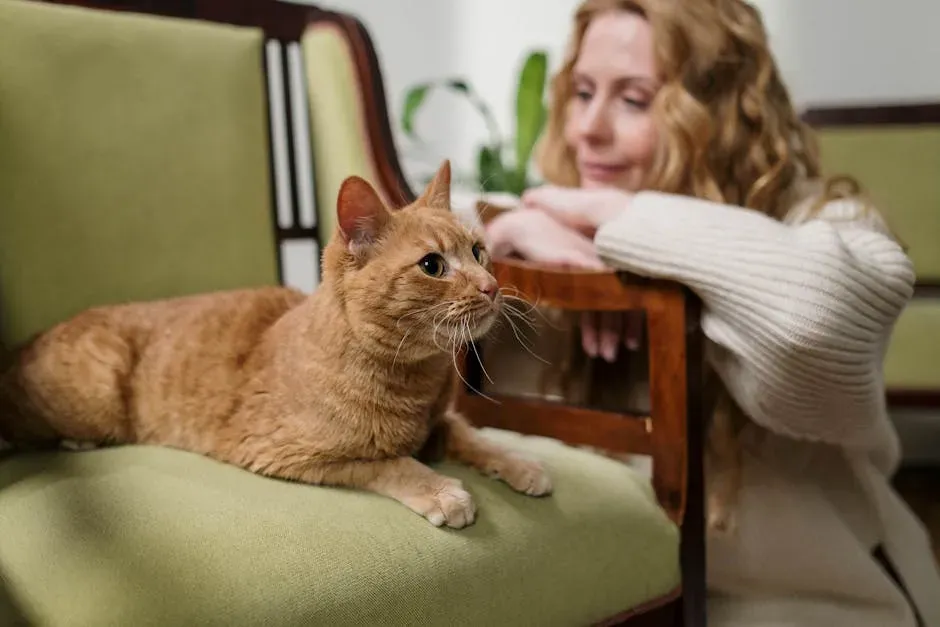
When a cat stares at a person, they often use that same instinctive focus to gather information. They may appear to simply be watching, but they are reading your movements, tone, and behavior. Research has shown that cats react in different ways based on your facial expressions, suggesting they can “read” how you’re feeling. Your cat is more likely to come to you if you’re smiling, and if you avoid eye contact or are scowling, they’re more likely to stay away.
Cats base certain behaviors and reactions on their owners’ cues in a form of social referencing. For example, cats spend more time with owners when shown positive cues but look for an exit when owners respond in a fearful way to a new object. Your posture, your pace, even the way you walk into a room – all of it informs your cat’s split-second decision about whether to come closer or hold back.
Your Interactions Shape Who They Become Over Time

Cats learn their behavior and habits from their mothers and littermates early on. If you raise a kitten, they will likely learn habits and pick up personality traits from you. This influence is slow and cumulative rather than dramatic, which is part of why so few owners notice it happening. The cat you have today has been quietly shaped by thousands of small moments of watching you.
As cats became domesticated, they developed cognitive and social skills in understanding humans’ emotions to be able to behave accordingly in response to human cues in communication and expressing emotions. Research suggests that cats possess the cognitive skill to reproduce the actions of conspecific and, if properly socialized, also heterospecific models like humans. In plain terms, a cat raised with consistent, attentive care doesn’t just tolerate humans – it learns to live alongside them in a genuinely adapted way.
Conclusion

There’s something both humbling and fascinating about realizing your cat has been quietly studying you all along. They’re not just along for the ride – they’re learning the route. Every expression you wear, every habit you keep, every tone you use adds another detail to the mental portrait your cat builds of you over time.
The relationship isn’t one-sided, either. Owners greatly influence their cats, but the reverse is also true. Cats can influence the habits and lifestyle of their owners – we often adjust our schedules to fit theirs, getting up earlier and responding to their needs. What looks like a pet watching you from across the room is, in a very real sense, a relationship in progress. The more you understand what your cat is picking up from you, the more thoughtfully you can shape what you’re teaching them – without either of you saying a word.
Kristina is a young writer from India. An arts graduate and an avid content creator, Kristina is passionate about animals and wildlife. She enjoys exploring topics related to pet care, animal behavior, conservation, and nature, combining thorough research with engaging storytelling.