There’s a reason the internet never gets tired of cat content. These creatures are endlessly watchable, reliably mysterious, and somehow simultaneously indifferent and intensely focused on everything around them. Living with a cat often feels less like owning a pet and more like cohabitating with a small, confident strategist who has very specific ideas about how things should be run.
Of course, the science tells a more nuanced story. Your cat isn’t actually scheming in the traditional sense. What you’re observing is a combination of deeply wired instincts, territorial intelligence, and learned behavior that, when you look closely enough, bears an uncanny resemblance to a miniature power play. Here are nine signs your cat might just be angling for total household control, and what’s really behind each one.
1. You Catch Them Watching You While You Sleep
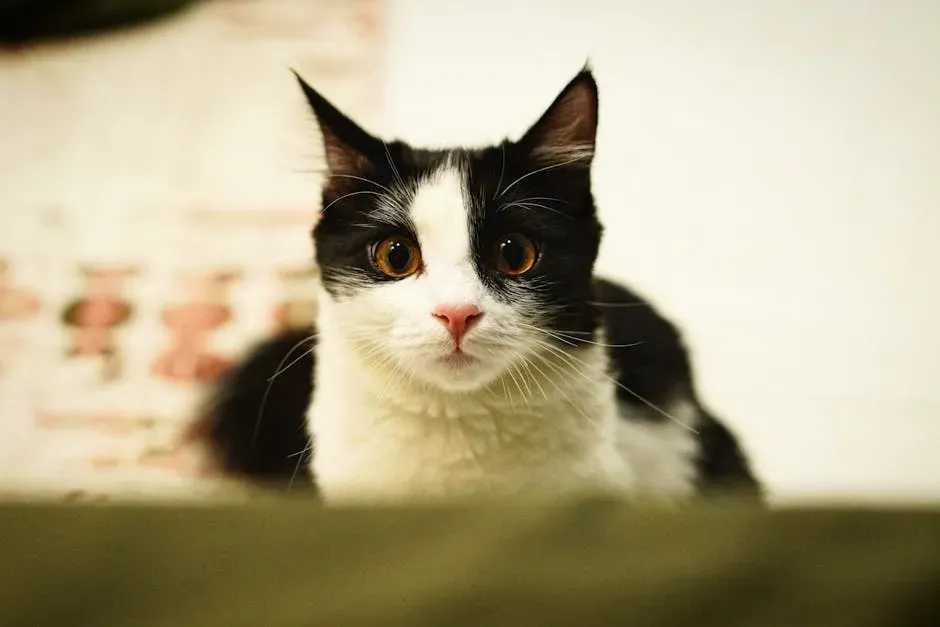
You wake up at 3 a.m. and there they are, completely still, eyes fixed on your face. It’s unsettling, no question. Cats stare at sleeping owners due to a combination of crepuscular activity patterns and learned associations between owner waking and resource provision, and they experience peak activity at dawn and dusk, meaning they are often awake and alert during human sleep hours. In other words, you’re simply up during their most active hours, and you happen to be the most interesting thing in the room.
When a cat stares at a person, they often use that same instinctive focus to gather information, reading your movements, tone, and behavior. Cats watch their owners to verify their “secure base” remains present, vigilance rooted in thousands of years of territorial surveillance instinct. It’s surveillance dressed up as affection, and honestly, it’s both.
2. They Knock Your Things Off Surfaces With Deliberate Eye Contact
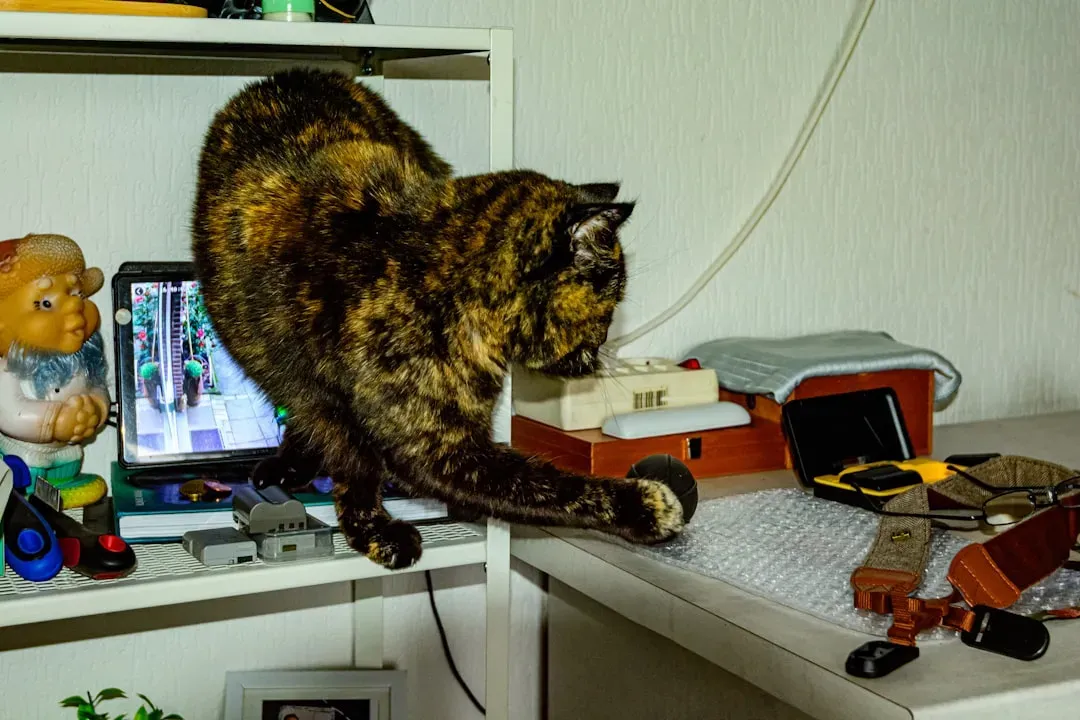
Your cat climbs onto the counter, locks eyes with you, and slowly nudges your coffee mug toward the edge. The mug falls. Your cat does not react. This is not random. Cats are remarkably intelligent when it comes to understanding cause and effect, particularly regarding human behavior, and if knocking something off a table consistently gets you to jump up, make noise, or rush over to them, your cat has learned a valuable lesson: this behavior works.
Many of a cat’s quirky behaviors can be traced back to their natural hunting instincts, and in the wild, cats often bat at their prey to see if it is alive or to weaken it before going in for the catch, so when your cat nudges an object off the counter, it could be acting on that same instinct to paw, swipe, and stalk. You’re not just being pranked. You’re being managed, through a system your cat refined over time.
3. They Claim the Highest Point in Every Room
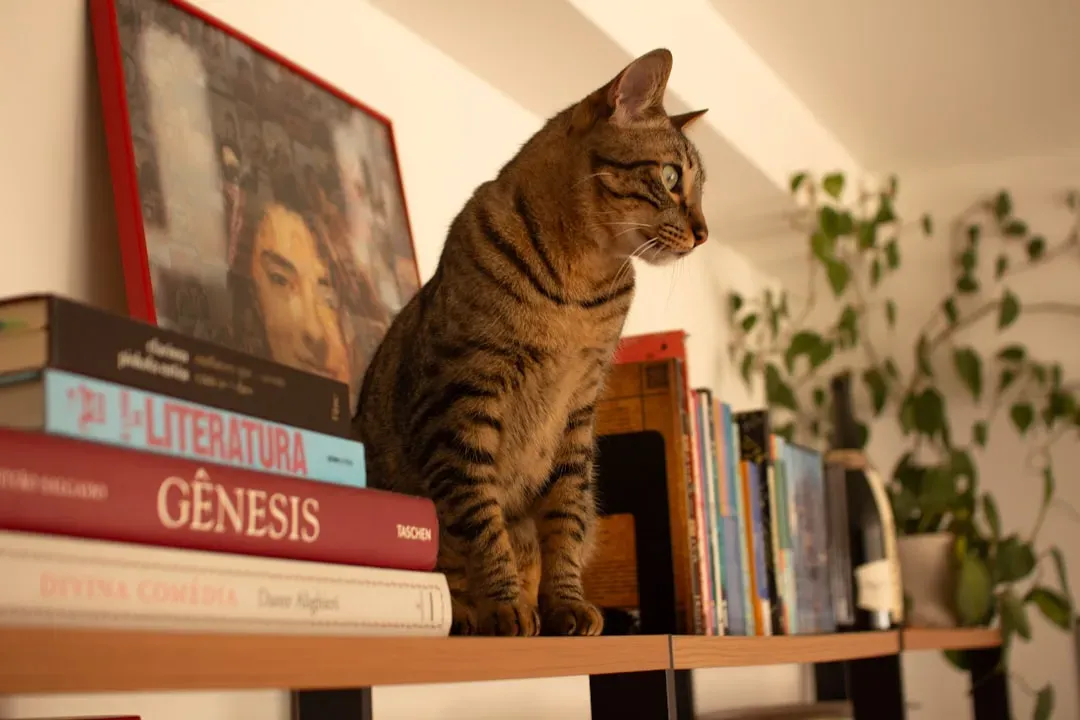
Cats don’t lounge on top of the refrigerator because it’s comfortable. There’s something more calculated going on. When a cat makes himself bigger by standing taller over another cat, climbing higher, or “puffing up” his hair, it’s usually a display of dominance or aggression or an outright threat. Elevation isn’t just a preference; it’s a strategic position that gives your cat a full view of the environment and everything happening within it.
Sometimes, domination is quiet but calculated, and a dominant cat might perch in hallways, doorways, or staircases, not to nap, but to control access, turning these spots into strategic choke points that allow monitoring and restriction of the movement of others. If your cat has claimed the top of the bookshelf and watches everyone from there, you’re witnessing a territorial survey in real time.
4. They Mark You as Their Personal Property

When your cat headbutts your leg or rubs their cheek along your arm, it feels like affection, and partly it is. This behavior, identified as “bunting,” occurs when a cat rubs up against a person to deposit scent, and this might be a way for cats to display social status or social dominance. You’re not just being greeted. You’re being labeled.
Once you come home from being out in the world, your cat’s personal scent has faded, so they may want to mark you again by rubbing, headbutting, licking, or even gently biting you, which allows your cat to reclaim you, and it’s thought that these behaviors release endorphins. In your cat’s social world, when a cat rubs against a human, it is marking them as part of its social group. You belong to them now, officially and chemically documented.
5. They Refuse to Let You Have Any Privacy
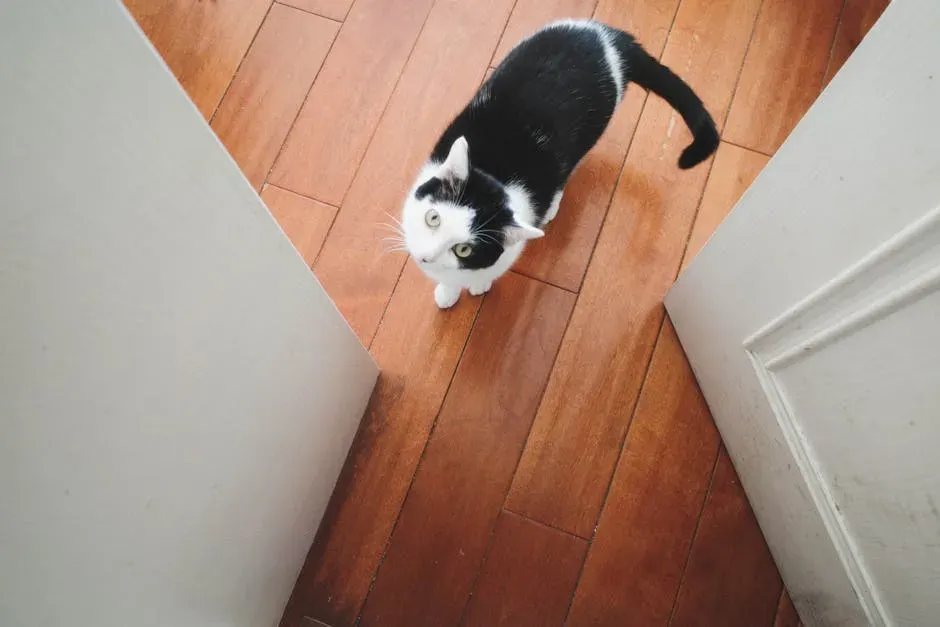
You close the bathroom door and within seconds there’s a paw sliding under the gap. Your cat must know where you are at all times. Control is significant to cats as a species, and cats feel happiest with free access to do and go wherever they want. A closed door is a direct challenge to that principle. The fact that you dared create a barrier in their territory is the problem.
Cats are essentially a solitary, territorial species, and without the support of a pack or a group, it is of paramount importance to them that they have a safe, predictable environment, so what might appear to humans as a “controlling” attitude is simply an expression of their natural instincts. Your presence behind a closed door disrupts their mental map of the household, and that genuinely bothers them.
6. They Engage in Sustained, Unblinking Power Stares
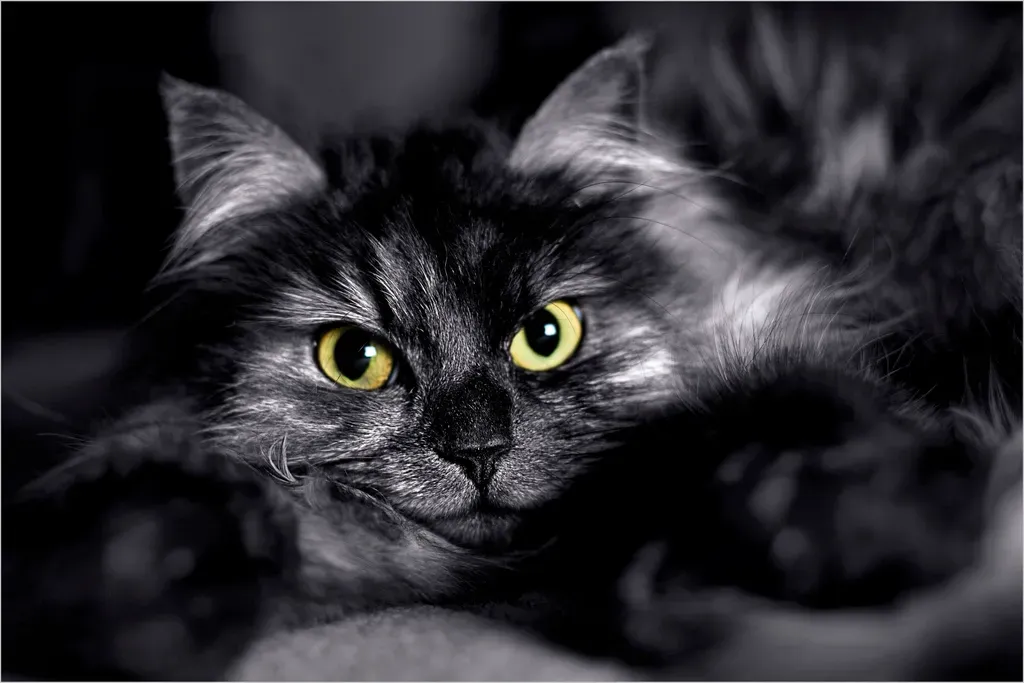
There’s a particular cat stare that’s different from the soft, dreamy gaze of a relaxed feline. It’s fixed, steady, and slightly unnerving. A prolonged, unblinking stare directed at another cat is one of the most direct status signals in feline communication, where the assertive cat fixes its gaze without breaking eye contact, often while sitting completely still, and the other cat looks away or turns its head to end the exchange without a fight.
In the feline world, staring is considered assertive behavior and is often used to establish dominance and assert control, as a form of non-verbal communication that can be employed for various purposes depending on the context. When your cat locks onto you with that unblinking gaze, they’re running a social test. Eye contact plays a significant role in the way they bond, communicate, express emotions, and even assert dominance, and on some occasions they gaze at their owners to show affection and love. Who looks away first matters more than you’d think.
7. They Guard Resources With Quiet Ferocity
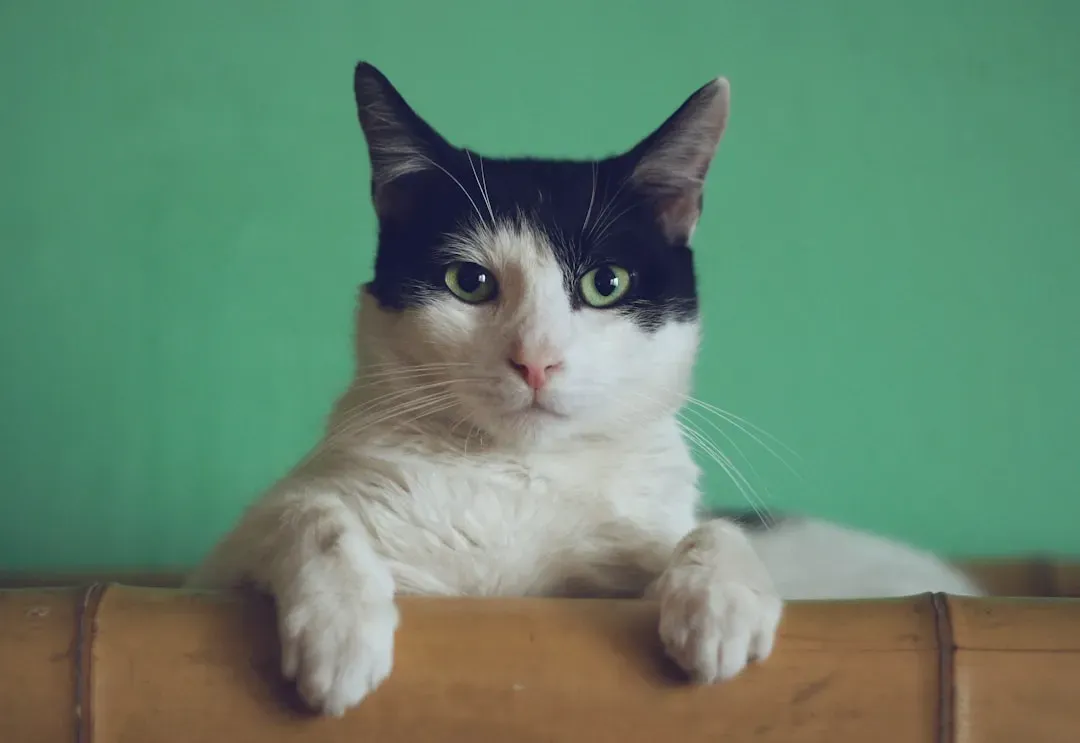
It might be the sunny spot on the couch, the window perch, or even your lap. Whatever the resource, your cat has decided it belongs to them and they’ll defend that position with a subtle but unmistakable intensity. The most consistent sign of an assertive cat is controlling access to shared resources. This behavior extends beyond food, as litter boxes, water bowls, window perches, and preferred sleeping spots all become contested territory.
Dominance in cats is about establishing control over resources like food, territory, or attention, often through subtle or overt behaviors. The remarkable part is how efficiently they manage this. Not all aggression stems from fear or discomfort; sometimes it’s pure assertion, and your cat may hiss, growl, or swat even when others haven’t provoked her, sending a strong message that she’s in charge and she decides who comes close. A single well-timed glare can clear a room.
8. They Conduct Systematic Territory Inspections After You’ve Been Out
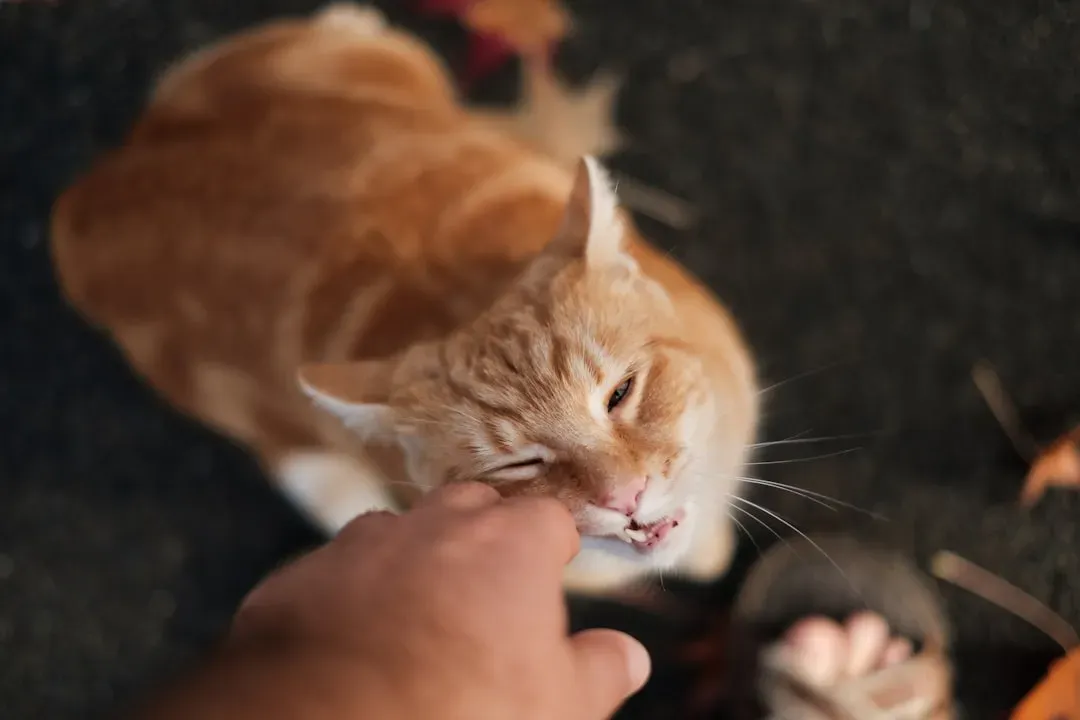
You walk through the front door and your cat immediately begins sniffing your shoes, your bag, your jacket, and your hands with focused thoroughness. This isn’t just curiosity about where you’ve been. It’s an audit. Cats are highly territorial animals, and scent marking is one of the primary ways they establish boundaries, with scent glands located in multiple areas including their cheeks, forehead, paws, flanks, and the base of their tail, and when a cat rubs its face against furniture, doorways, or even people, it deposits pheromones that signal ownership and familiarity.
Your cat is checking whether you’ve encountered foreign scents that might signal a territorial threat. Urine marking can be triggered by the sight of an outdoor cat through the window, a response to a threat to the cat’s territory, and when two or more cats share a home, they may attempt to establish territories within the home by leaving marks in prominent locations. The inspection is thorough, methodical, and entirely non-negotiable. You’ll stand there being sniffed until they’re satisfied.
9. They’ve Trained You to Respond to Their Schedule
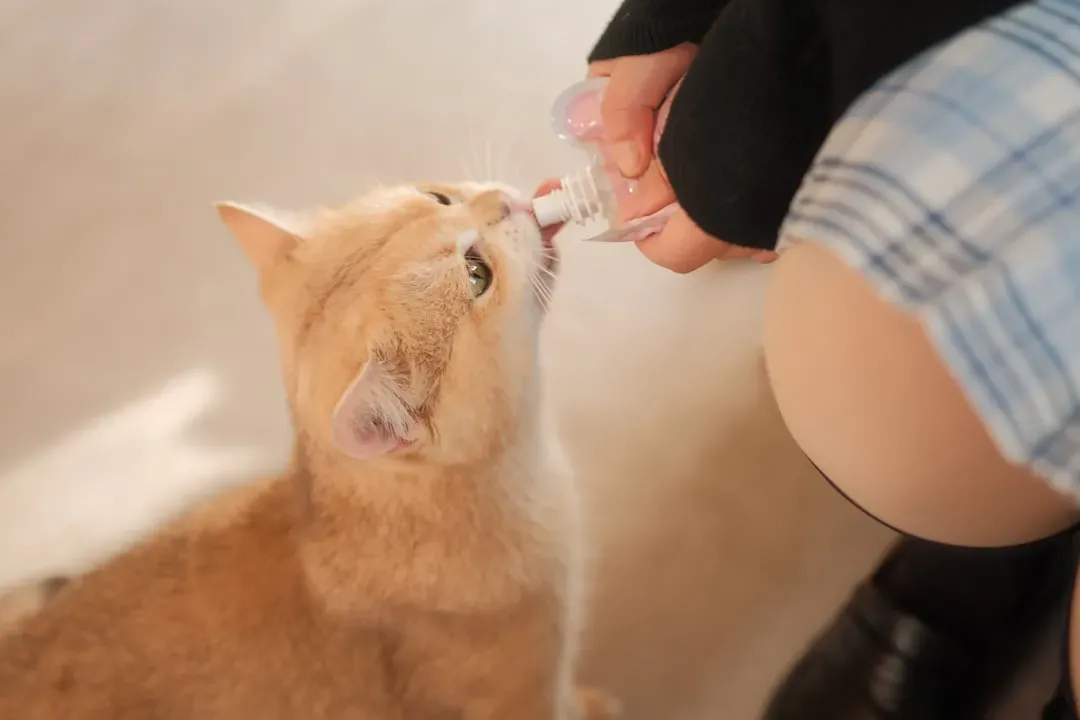
You feed your cat at six o’clock every morning, not because you chose that time, but because that’s when your cat starts demanding it. Your alarm is a formality at this point. Cats are very good at learning cause and effect, and if knocking something off a table gets your attention, they remember it. That same intelligence applies across every routine in your home.
If your cat stares at you around the same time every day, it could be part of a learned routine, as cats are creatures of habit and they quickly associate you with their needs being met. Associative learning is key to understanding cat behavior. Your cat hasn’t just learned your schedule. They’ve adjusted it, gradually, patiently, and with remarkable consistency, until your household runs on their preferred timetable. That’s not instinct. That’s management.
Conclusion
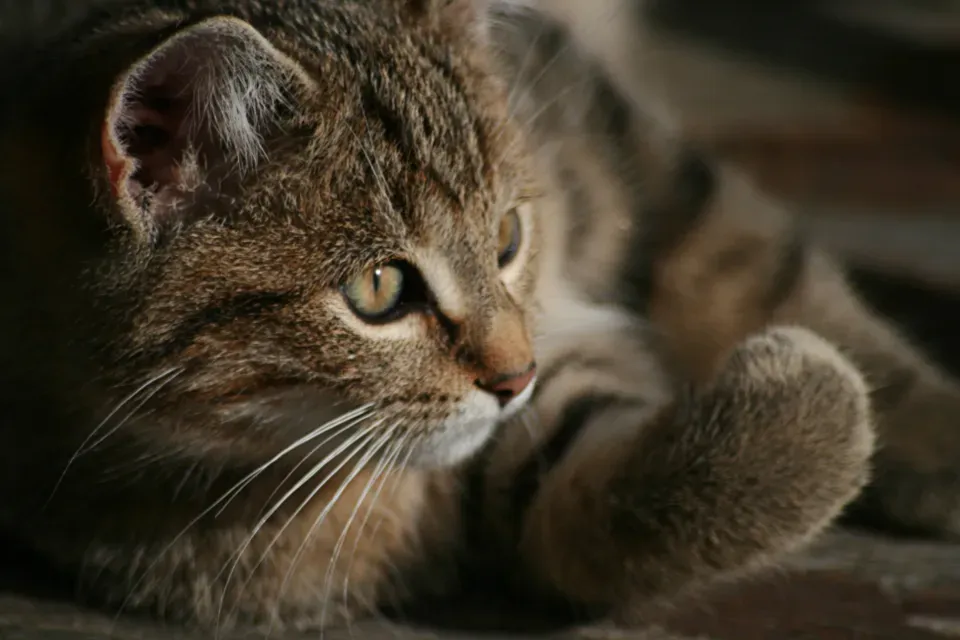
None of this means your cat is plotting anything sinister, despite what the internet would have you believe. What it does mean is that you’re sharing your home with an animal whose territorial intelligence, observational skills, and capacity for learned behavior are genuinely impressive. Dominance in cats isn’t about being “mean”; it’s often rooted in natural instincts, environmental triggers, or learned behavior from early kittenhood.
The staring, the scent-marking, the counter-clearing, the dawn wake-up calls: all of it is your cat communicating, strategizing, and maintaining a sense of order in an environment they take seriously. It’s a combination of personality types, motivations, health conditions, resource distribution, and learned experiences that determine how a cat will behave in a given situation. So no, your cat probably isn’t plotting world domination. They’re just very good at dominating the world they already have.
Kristina is a young writer from India. An arts graduate and an avid content creator, Kristina is passionate about animals and wildlife. She enjoys exploring topics related to pet care, animal behavior, conservation, and nature, combining thorough research with engaging storytelling.