There’s a reason cats have a reputation for being impossible to read. They don’t wag their tails, they don’t leap at the door when you come home, and they sometimes stare at you with an expression that suggests mild contempt. Yet most cat owners quietly suspect there’s more going on beneath that cool surface. They’re right.
Cats show affection in ways that can feel subtle, quiet, or even confusing, especially if you’re used to more obvious signs of love from dogs or people. Recognizing how cats show love starts with understanding their natural tendencies, body language, and daily behaviors. Once you start paying attention to the small moments, you may realize your cat has been showing you affection all along. Here are ten of those moments you’ve probably been missing.
1. The Slow Blink Across the Room
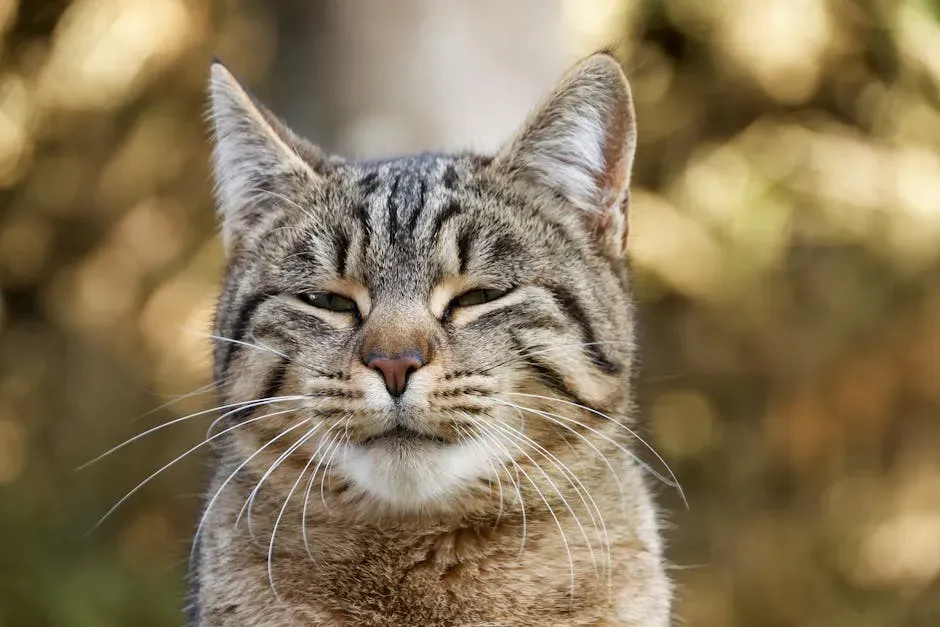
You’re sitting on the sofa, not even paying attention to your cat, and you glance over to find them staring at you. Your first instinct might be to feel slightly unsettled. Don’t be. Research suggests slow blinks are associated with a positive emotional state and can be a sign of trust, contentment, and affection, similar to a human smile.
When your cat slowly closes and opens its eyes while looking at you, it is signaling ultimate trust and deep relaxation. Because they are momentarily vulnerable, they are effectively giving you a gentle, visual “cat kiss.” You can actually return the gesture. Research has even found that if you initiate slow blinks or kitty kisses, your cat is more likely to approach you and seek out attention. It’s one of the quietest conversations you’ll ever have.
2. Head-Butting You Out of Nowhere
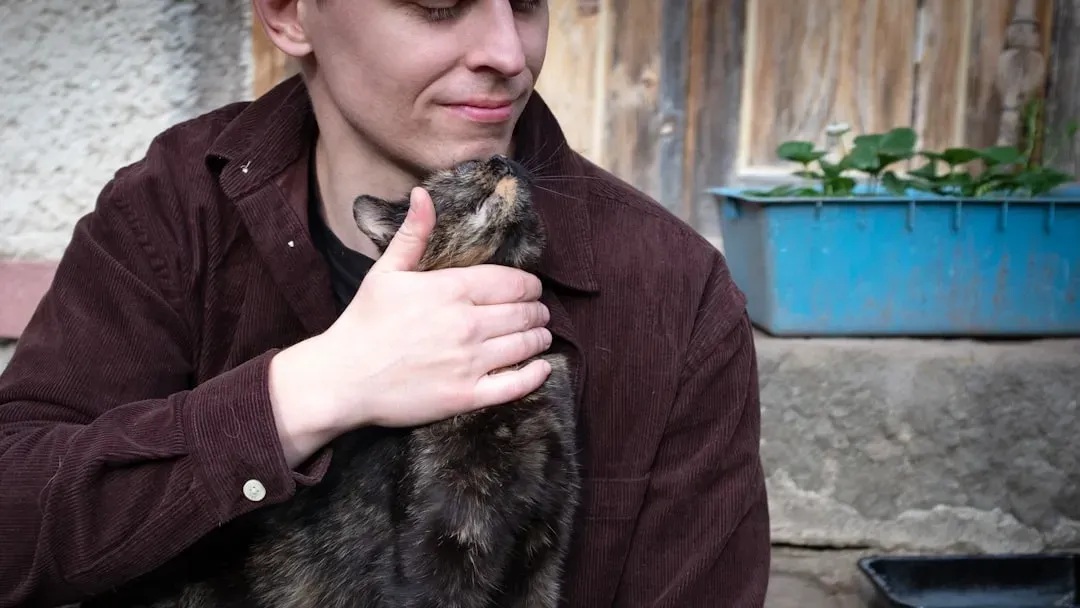
You’re reading, working, or just staring into space, and suddenly your cat walks over and bumps their head firmly into your chin or forehead. It can feel random, even a little startling. But this behavior, called bunting, is anything but accidental. Head-butting, also known as bunting, is essentially a kitty kiss. Your cat has glands in their cheeks and heads that release “happy messages.” When your cat nuzzles their face against you, they are marking you with their scent, which is a source of both comfort and familiarity for them. They’re reminding themselves that you’re safe and part of their happy family.
This behavior is also known as “bunting,” and it’s a sure sign that your cat thinks you’re awesome. Cats will only carry out this behavior with other cats that they feel confident and happy around, so if they’re doing the same to you, it means they feel safe and secure in your presence. So the next time you get an unexpected headbutt mid-task, take it as a genuine compliment.
3. Kneading Your Lap While You Watch TV
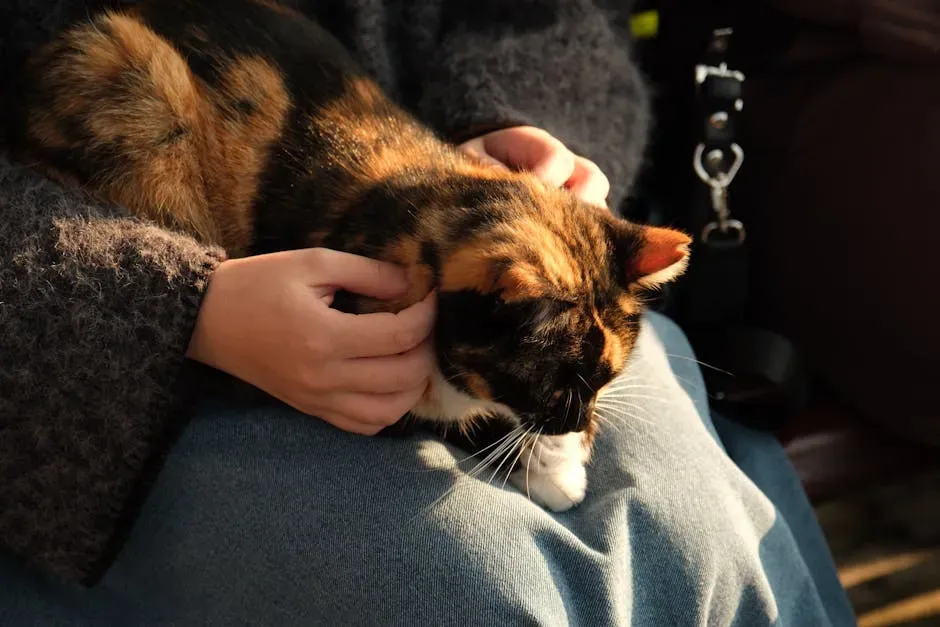
You settle in for an evening on the couch, and your cat climbs onto your lap and starts rhythmically pressing their paws into your legs. It’s both sweet and occasionally sharp-clawed. Cats begin kneading as tiny kittens when they are nursing. This behavior is the act of them doing a small little march on your leg, and it translates into affection in adult life. When your cat kneads you, they’re being very clear that you make them feel loved and comfortable.
Cats pounce on their prey, but if your kitty comes and sits on you calmly, it’s an indicator of trust and affection. This is especially true if your cat purrs while they do so. And if kneading is involved? You better believe your cat views you as family – there are multiple theories as to why cats knead, and almost all have to do with comfort and affection. It’s one of those gestures that brings the cat’s kittenhood instincts right into your living room.
4. Choosing to Sleep Near You at Night
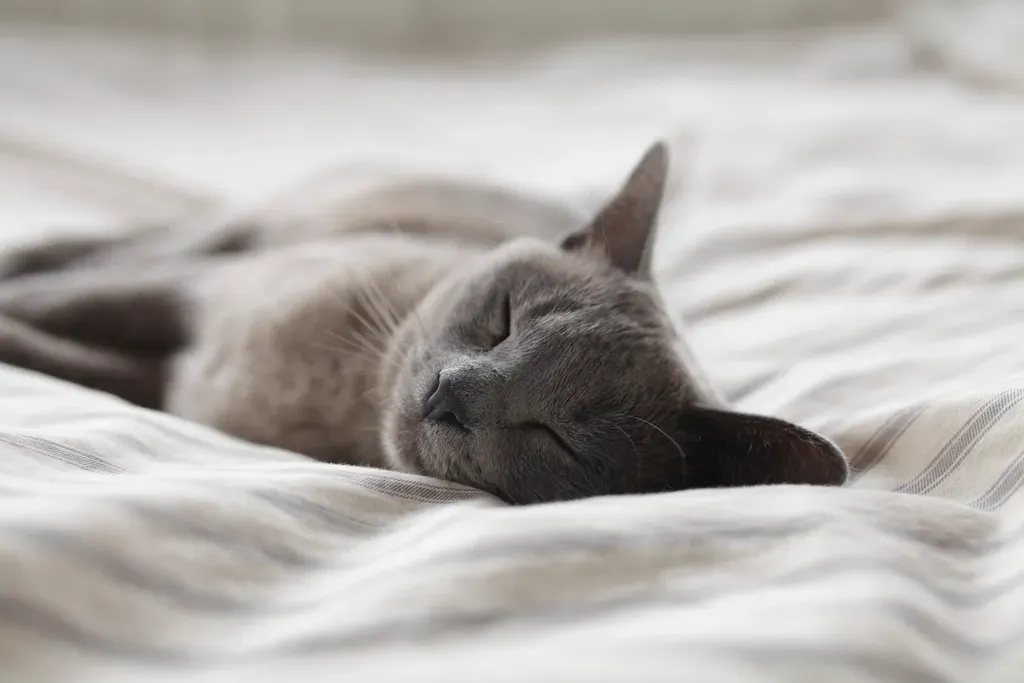
Your cat has the whole house. Every chair, every windowsill, every warm patch of sunlight. Yet somehow, they end up curled at the foot of your bed or tucked against your side each night. That’s not coincidence. Sleep is a vulnerable state for cats. Choosing to nap next to you, or even in the same room, is a strong indicator of trust.
Cats have certain ground rules when it comes to choosing their resting spots. The most important? Making sure it’s safe. So when your cat chooses to sleep with you, around you, or on you, you should know this is a sign they trust and love you. You’re like a big security blanket for them. That warm weight at the end of the bed? That’s trust made physical.
5. Grooming You When You’re Not Expecting It
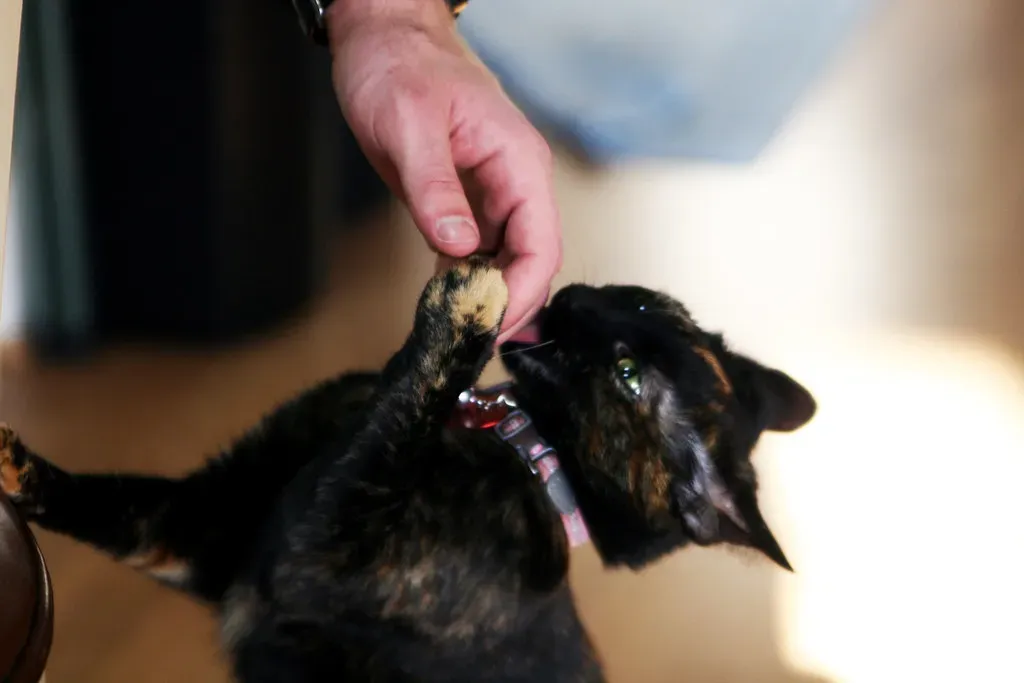
You’re sitting quietly and your cat leans in and starts licking your hand or your hair. It’s a little scratchy, and maybe a little odd, but it’s one of the most sincere things your cat can do. Cats who have a good relationship may engage in mutual grooming. It’s a way they show affection to each other and it also helps create a communal scent. In an outdoor environment, this is important since scent plays such a huge role in recognition. Grooming is also a stress-reliever and displacement behavior, so allogrooming may help cats keep each other calm.
If your cat licks your hand, hair, or even your clothing, they may be engaging in social grooming. In multi-cat households, grooming is a bonding behavior. When directed at a person, it’s often a sign your cat considers you part of their social group. Being welcomed into that circle is something worth appreciating, even if your arm ends up slightly damp.
6. Following You From Room to Room
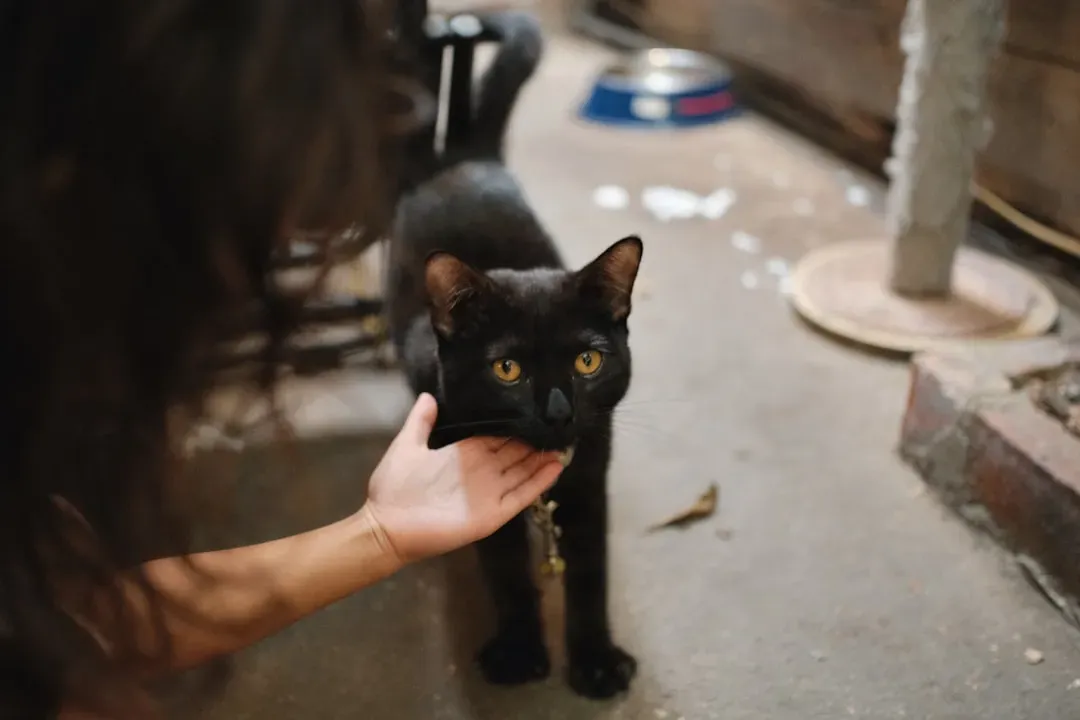
You get up to refill your water glass, and before you’ve reached the kitchen, your cat is already padding along behind you. You head to the bathroom, and there they are again, sitting in the doorway. Some cats don’t really enjoy physical contact, but that doesn’t mean they don’t want your companionship. If your cat follows you from room to room and it’s not feeding time, they want to be close to you. Kind of like your own fluffy little shadow.
Ever notice that your kitty likes to trail you around the house? There can be many reasons for this, from wanting food to being anxious, but there are many cases in which your cat simply enjoys your company and wants to be with you. If it’s not close to feeding time and your cat isn’t acting like they want anything, chances are they are just trying to bask in your presence. It’s a quieter version of closeness, but it’s closeness all the same.
7. Rubbing Against Your Legs When You Come Home
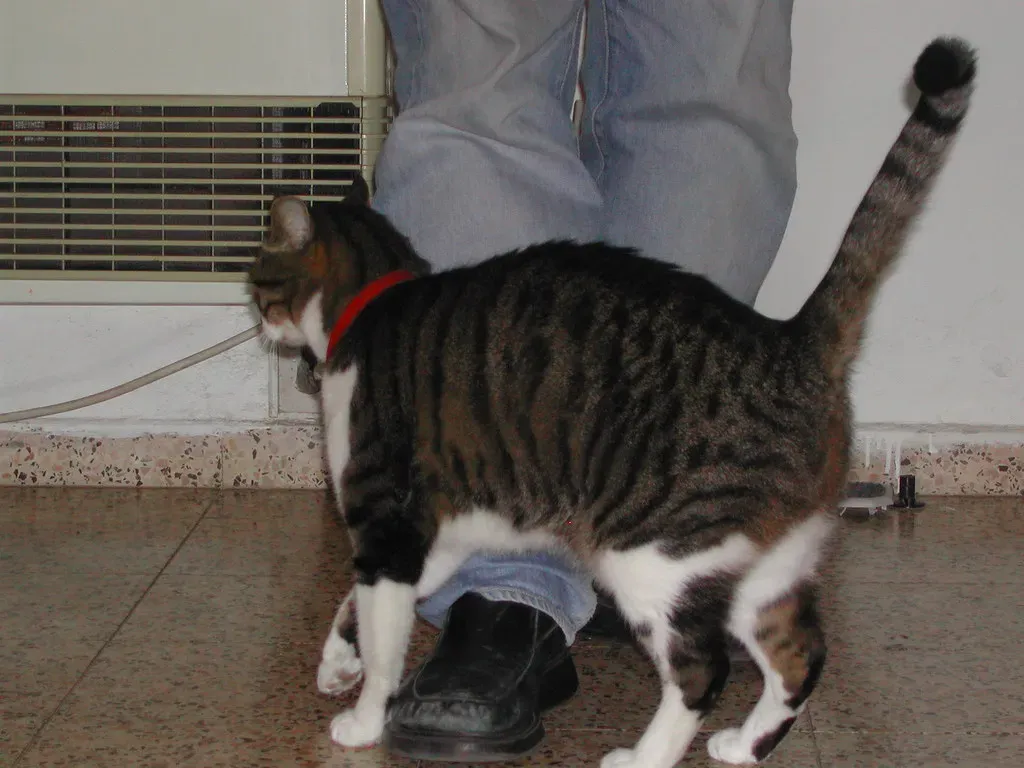
You walk through the front door after a long day and your cat winds between your ankles, rubbing against your shins. It’s easy to dismiss as routine or even inconvenient when you’re carrying grocery bags. But there’s real meaning in that gesture. If your cat constantly attempts to dance in between your legs, this is likely a sign of true love. Rubbing up against another individual is how cats show affection. Similar to head-butting, they will leave their “happy messages” on their chosen object of desire, claiming it as theirs. Essentially, your legs belong to them.
A tail held in the upright flagpole position shows a friendly intention, indicating familiarity, trust, and affection. Some cats also use an upright question-mark shaped tail to greet someone they like, or to signal that they want to play. Cats sometimes intertwine their tails as a sign of friendship, and the human equivalent of this is to wrap their tail around your calf. Pay attention to that upright tail on your way in. It’s the feline version of a warm welcome.
8. Showing You Their Belly
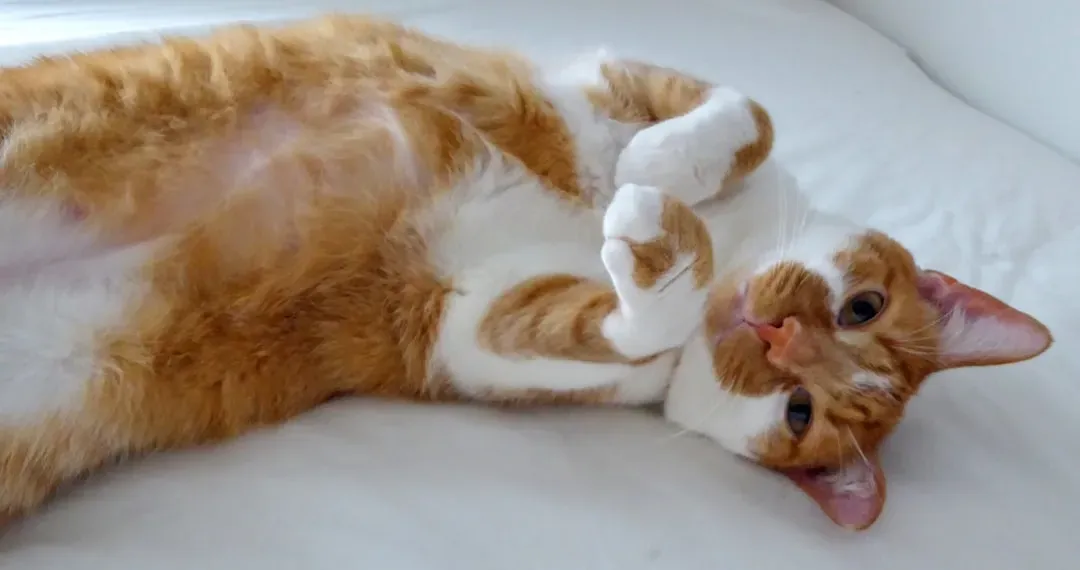
Your cat flops onto their back in front of you, paws in the air, soft belly completely exposed. It looks like an invitation, though acting on that instinct to pet the belly can sometimes earn you a quick swat. Either way, the gesture itself carries a lot of weight. A cat’s most vulnerable position is lying on their back and presenting their stomach to the world. In the wild, cats would never voluntarily expose this delicate part of their anatomy. If your cat rolls over and shows you their stomach, it’s a sure sign that they feel comfortable and, more importantly, safe around you.
When a cat takes a stretched out position for resting, it shows they feel comfortable with you. When a cat is uncertain, they tend to tuck their limbs under their body and tightly wrap their tail around themselves when resting. For a cat to leave their limbs and tail totally exposed means they feel very secure near you. If the cat is not in a confrontation, they may also stretch out so much that they’re on their back with their tummy exposed. That kind of vulnerability isn’t offered lightly.
9. Bringing You an Unexpected “Gift”
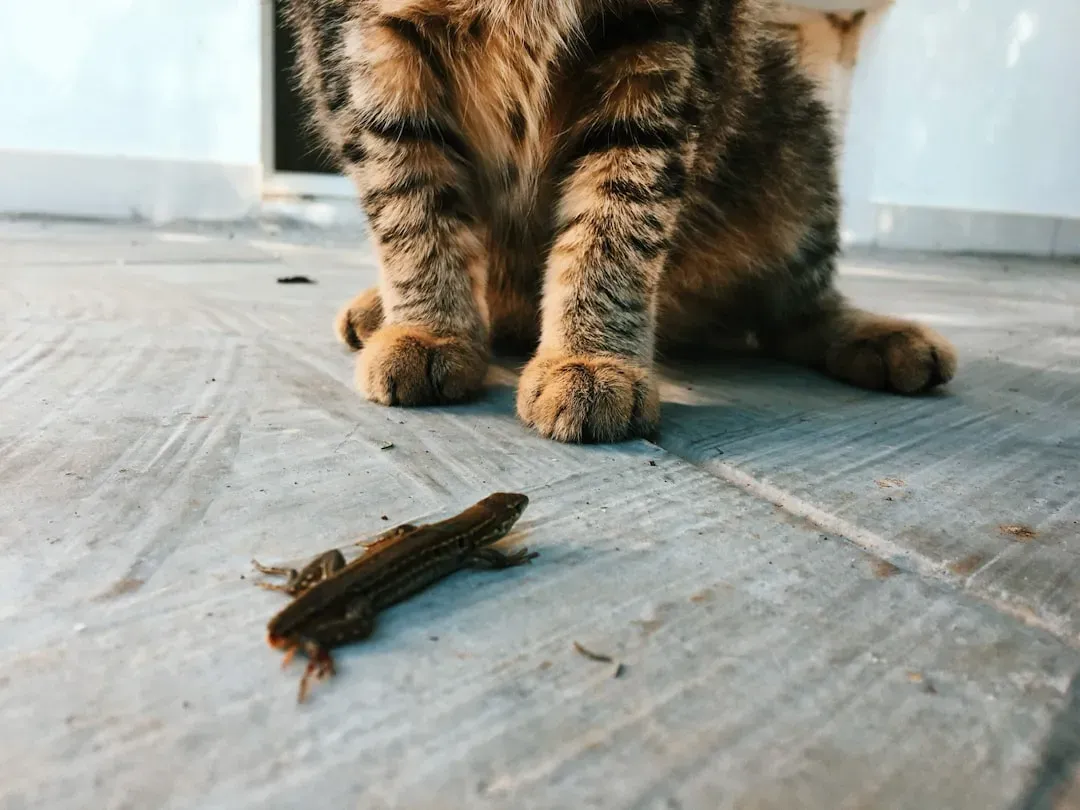
You wake up one morning and find a small, unfortunate creature left neatly at the foot of your bed or near the front door. Your reaction is probably not gratitude. But understanding what’s behind this habit might change how you see it. Oftentimes, cats show their affection by leaving presents for their caregivers to find. Cats are natural hunters, so when your kitty brings you freshly caught prey, they’re actually offering you a delicious meal. You don’t want to touch it with your bare hands, but keep in mind they mean well, and this behavior really is a sign that they care deeply for you.
Play is a social behavior for cats, especially when it’s initiated by them. Bringing you toys, or occasionally less welcome “gifts” they’ve hunted in the yard, can also reflect bonding. From your cat’s perspective, sharing resources or playing together is a form of connection. It’s not ideal, but the intention behind it is genuinely affectionate, and that’s worth something.
10. Quietly Sitting Beside You Without Asking for Anything
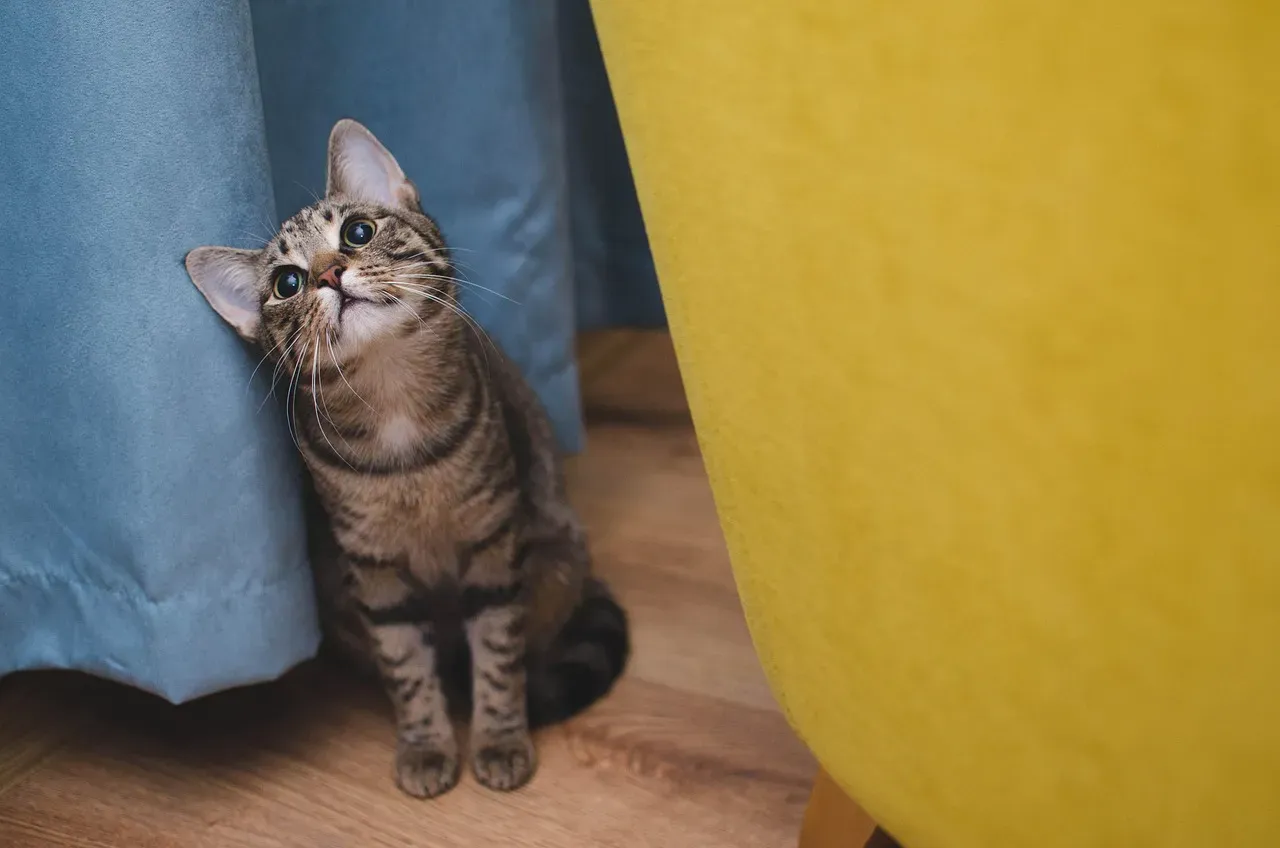
Your cat hops onto the couch and sits about a foot away from you. They’re not looking for attention, they’re not meowing, they’re not even facing you. They’re just there. This one is easy to overlook completely. Cats secretly show affection by sitting next to you, even if they have their back turned to you and are preoccupied with looking out the window. They chose to be near you.
Sitting near you is a meaningful choice. Cats are selective about where they spend their time. In fact, their independence can be one of their most admired qualities. That makes choosing to share space with you a quiet but powerful sign of attachment. For cats, bonding often centers on predictability and safety. A cat may not demand attention, but they may choose to stay near their person, sleep in shared spaces, or seek them out during unfamiliar or uneasy moments. There’s something deeply understated about that kind of love.
A Final Thought
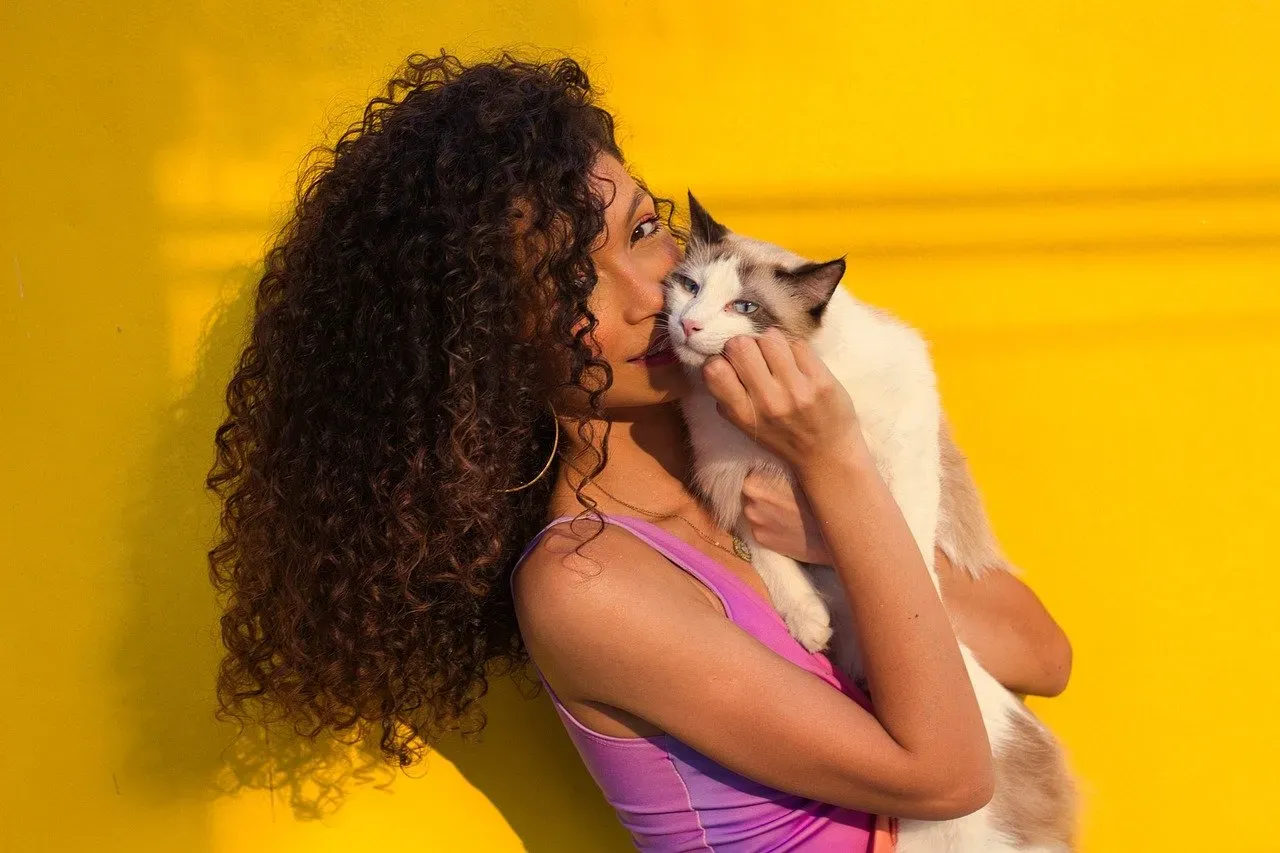
It’s a common misconception that cats are not affectionate, mainly because dogs have more explicit ways of demonstrating affection, whereas cats are much more subtle. Cats have more subtle ways of making their affection known, and just because they’re naturally more understated, doesn’t mean the bond is any less strong.
While your cat feels the joy and security of the bond, they express and expect love through their own distinct love language, which is based on trust, territory, and quiet signals, not necessarily loud displays. A cat’s affection is not loud; it’s expressed through subtle, vulnerable, and consistent behavioral cues that show they feel safe in your presence.
Once you learn to notice these moments, you start to see them everywhere. That gaze from across the room, the quiet company on the couch, the small bump of a head against your hand. Your cat isn’t withholding affection. They’ve been giving it to you all along, in their own quiet, unhurried way.
Kristina is a young writer from India. An arts graduate and an avid content creator, Kristina is passionate about animals and wildlife. She enjoys exploring topics related to pet care, animal behavior, conservation, and nature, combining thorough research with engaging storytelling.