You share your home with a small, soft, purring creature who seems perfectly content – until, out of nowhere, it bolts under the bed like something catastrophic just happened. Sound familiar? Most cat owners have been there, puzzled, maybe even a little amused. The thing is, it probably wasn’t random.
To a cat, any noise, movement, or change can be perceived as a threat. Their survival instinct is always switched on, even in the comfort of home. What feels like a perfectly ordinary afternoon to you might feel like a full-scale emergency to your feline companion. The gap between your intentions and your cat’s experience is wider than most people realize.
Here’s the thing – you’re almost certainly doing at least one of the things on this list without even knowing it. Some of these habits are deeply intuitive for humans, completely natural, even affectionate. Be surprised by what your daily routine is actually communicating to your cat. Let’s dive in.
Making Sudden, Fast Movements Around Your Cat
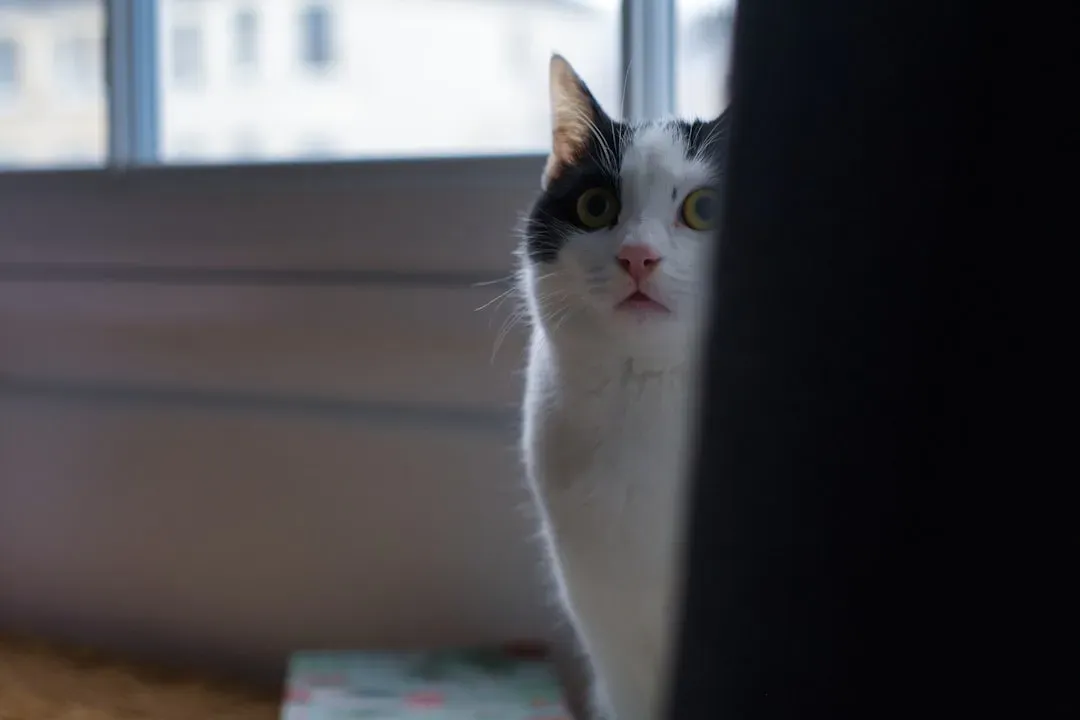
Running into a room, jumping out of a chair, or rushing out of the house – any kind of fast movement is going to startle your cat and leave them feeling uneasy. Think about it from their perspective: you’re enormous compared to them, and when you suddenly launch yourself across the room, their ancient survival wiring kicks in before logic has any chance to intervene.
Your cat’s survival instincts are always running. Even the sudden appearance of a new object can flip their “freak-out” switch. So imagine what a full-grown human leaping up from a couch does to their nervous system. Slowing down your movements, especially when you’re entering a room your cat is resting in, can make a world of difference in how safe they feel around you.
Turning On Loud Household Appliances
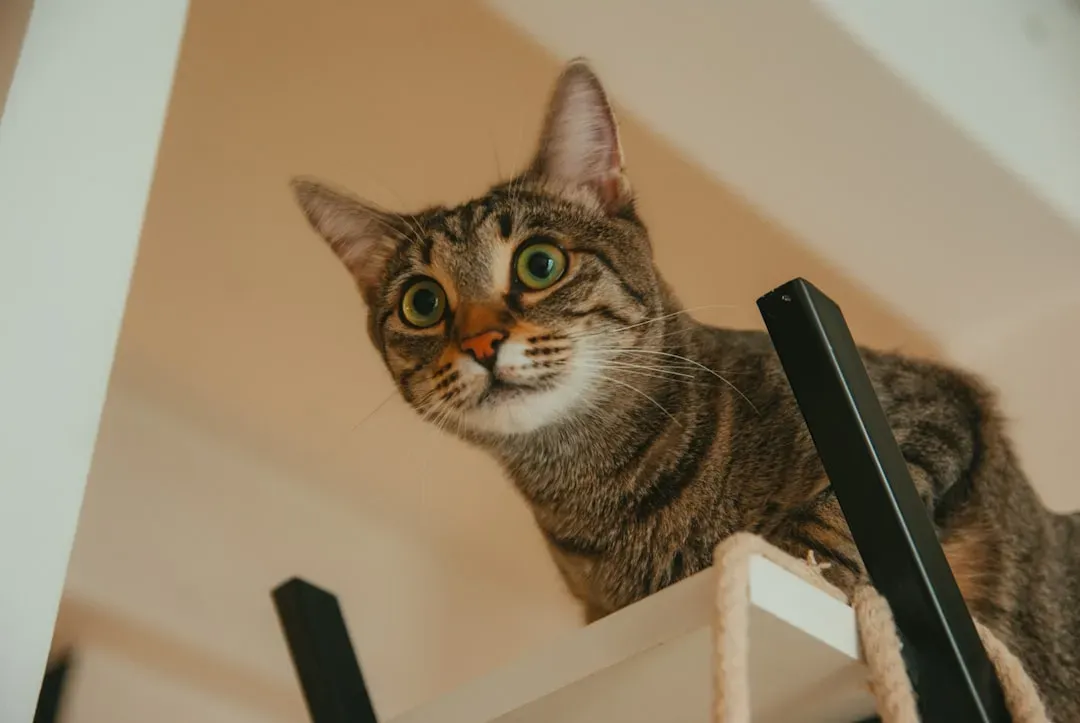
Your cat’s hearing is vastly more sensitive than yours. Cats live in a world of sound that is richer and sharper than our own. Their ears can rotate like little satellite dishes, zeroing in on faint noises, and their hearing range extends far beyond ours. What this means in practical terms is that flipping on the vacuum cleaner, the hair dryer, or even a blender is a dramatically different experience for your cat than it is for you.
The cat’s sensitive hearing amplifies any sound. What is the noise of a vacuum cleaner for us is, for a cat, the roar of a jet engine. It helps to allow your cat to explore vacuum cleaners, hair dryers, and other electrical appliances before turning them on. You can help them feel more comfortable by praising your cat and giving them treats whenever they get closer to the appliance. Taking the extra time to let your cat check out appliances on their own terms will make it more likely for your cat to build a positive association with the appliance and feel less scared.
Shouting, Arguing, or Raising Your Voice
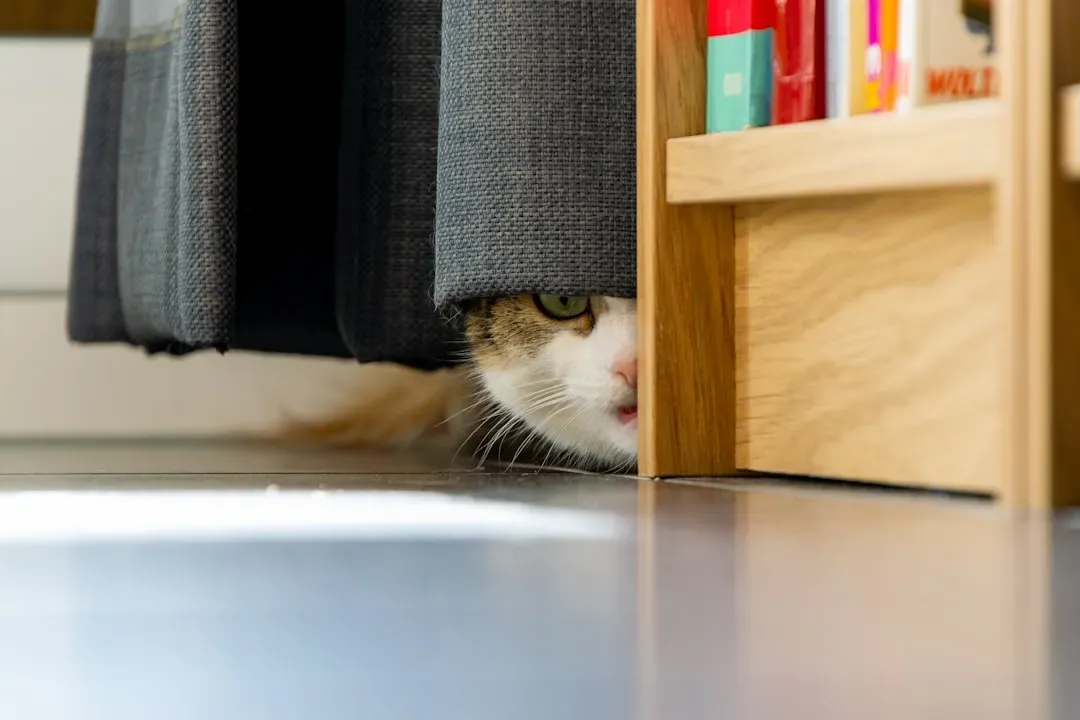
Raised voices – whether from arguments, cheering, or booming movie soundtracks – can unsettle cats quickly. Unlike dogs, which have been bred to respond confidently to loud human commands, cats are more solitary by nature. To them, sudden shouting feels like chaos, and chaos means risk. You could be cheering for your favorite sports team or having a heated debate with someone on the phone, and your cat genuinely cannot distinguish that from a dangerous situation.
These sensitive creatures may develop fearful reactions toward people, even their own owners. Common triggers for feline anxiety include raised voices, sudden movements, loud noises, or any disruption to their familiar home environment. Long-term exposure to a routinely noisy or tense household can build into chronic stress for your cat, affecting their eating, sleeping, and overall wellbeing. Think of your home’s emotional climate the same way you’d think of temperature – your cat feels every degree of it.
Hugging or Physically Restraining Your Cat

One of the things which can scare cats the most is when you try to hug them. A little soft embrace while they are lying down is usually tolerated. However, if you try to grab them and hug them tightly, most cats will not see this as a sign of affection. They will think they are being restrained and will become scared you want to hurt them. Honestly, this one stings a little. You mean it as love. They experience it as a trap.
Though you may love to cuddle with your cat and spend time with them, this should never turn into any kind of restraint. Cats can become extremely fearful if they feel that they are trapped and cannot get away. Tightly holding onto them can give them this feeling and result in them instinctively trying to flee. It can also hurt them, as cats are delicately built with small bones that could easily be broken. The better approach? Let them come to you, always on their terms.
Overwhelming Your Cat With Strong Smells

Cats’ sense of smell is their main tool for recognizing the world, so some strong smells may frighten or discomfort them. This includes things you use every single day without a second thought – your perfume, your cleaning spray, your scented candles, even your citrus hand wash. What smells pleasant and fresh to you can be genuinely overwhelming to your cat.
Surprisingly strong smells can be very upsetting to cats as they have very powerful noses. These smells can be almost unbearable for a cat and even cause them to feel fear. This includes scents that are minty or citrus specifically, however any kind of strong scent could easily upset your cat. If you’ve recently switched cleaning products and noticed your cat avoiding certain rooms, that’s likely why. Try to be mindful of where you spray strong products, and give your cat space to retreat from any heavy scent zones.
Disrupting Their Routine Without Warning
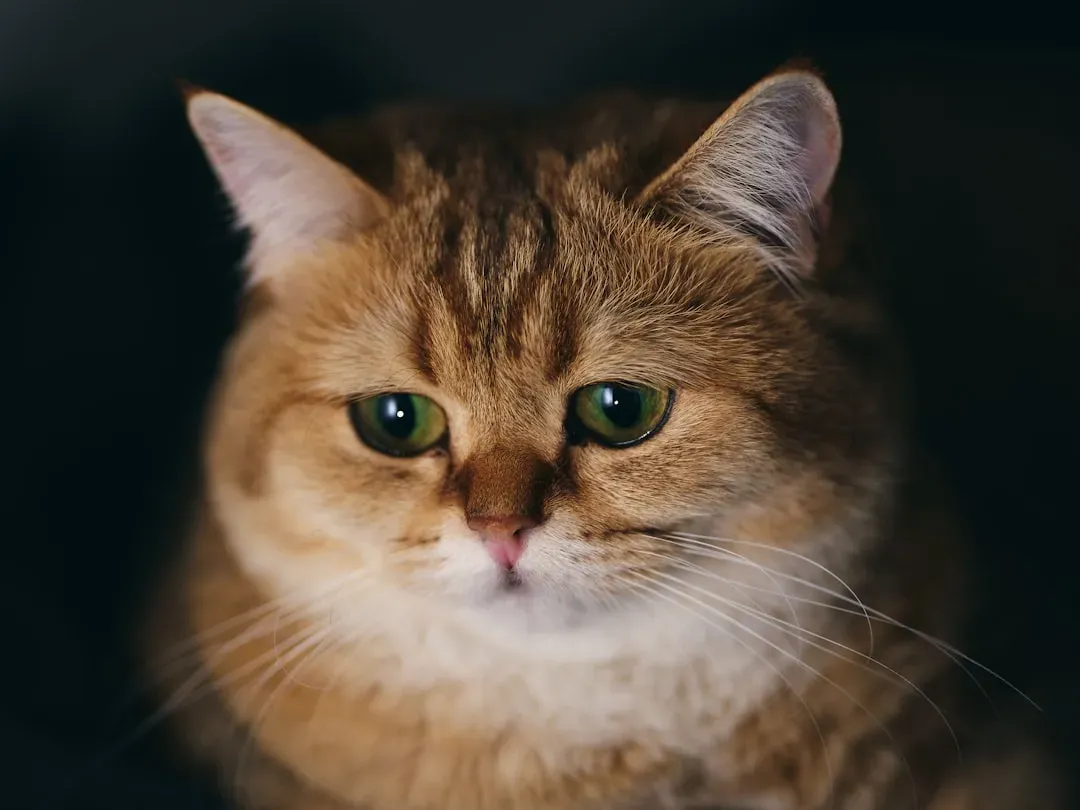
Cats are creatures of habit. They thrive on routine. They like knowing when they will be fed and when their pet parents leave for and arrive from work. Routine gives them a sense of safety because they can predict what happens next. Think of your cat’s routine like a mental map they rely on every single day. When you move feeding time, rearrange furniture, or suddenly start working from home, you’ve essentially thrown their map in a paper shredder.
Cats are creatures of habit and are known for being very resistant to change. Any change in their environment can induce fear and anxiety in them. Introduce changes gradually. Let your cat gradually explore any new objects. Maintain routines. Feeding and playing with your cat at the same time every day gives them security. Small adjustments done slowly are always kinder to your cat than big changes all at once.
Bringing Strangers Into Your Cat’s Space
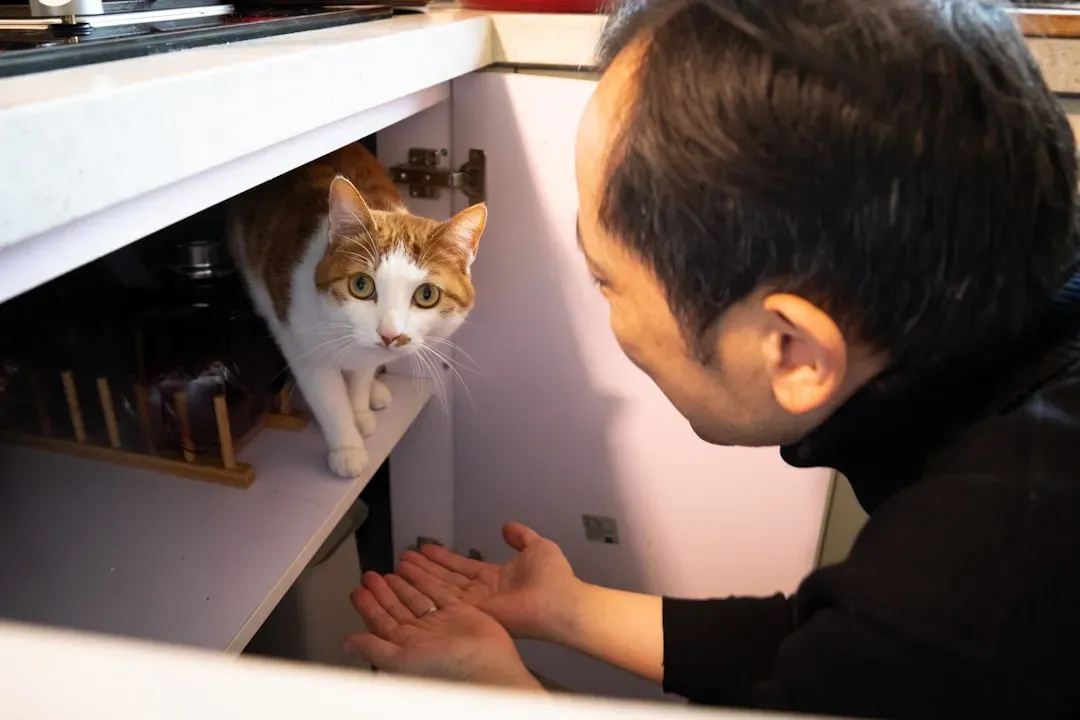
Meeting strangers is another fear trigger for most cats that their human owners may not even notice. Cats are generally reclusive and can be fearful and suspicious of people that they do not recognize. This is especially true if the visitors are disregarding your cat’s boundaries and personal space. You’ve probably witnessed this: a guest arrives, your cat vanishes. The guest says, “I love cats,” and proceeds to chase your feline into every corner of the house. Classic.
Cats are known for their heightened sense of smell, which they use to remember people, places, and things. A new person or stranger in the home introduces unfamiliar smells and sights, which can instinctually trigger caution in cats. Having guests sit quietly on the floor with some cat treats can help cats understand that people can be friends rather than foes. It sounds simple, but it genuinely works – patience and stillness are the two most powerful tools a stranger can bring into a cat’s home.
Chasing Your Cat or Forcing Interaction
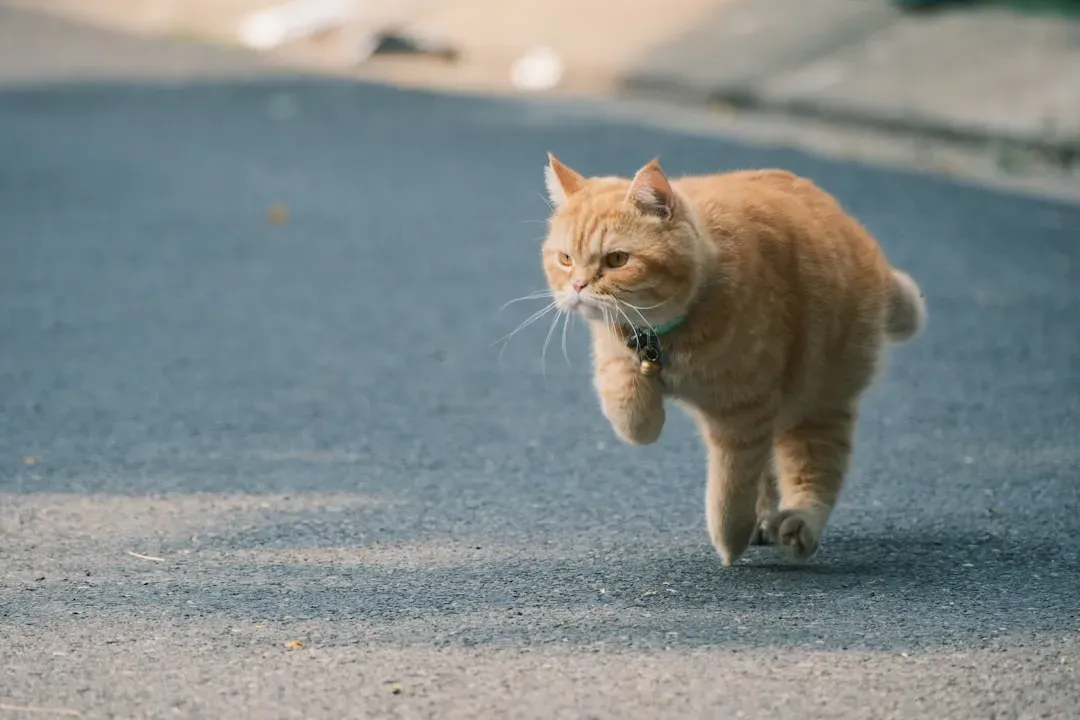
Though dogs may love a good chase, most cats do not enjoy this kind of game. Some younger cats might like it, but in general, being chased isn’t fun for a cat. Their instincts kick in, and they could become terrified as they feel like they are being hunted. Cats are much smaller than us and find this kind of game a bit too intense at times. Even playful chasing can trigger a genuine fear response – to your cat, the size difference between you and them is not trivial.
Cats are very independent animals. This doesn’t mean they don’t love affection and want to spend time with their human companions. It does mean that if they don’t want some attention, it is nearly impossible to force it upon them. Forced interaction is one of the fastest ways to erode trust with your cat. The irony is that backing off and giving your cat space is almost always what draws them closer. Let your cat make the first move, and you’ll be rewarded for it.
Ignoring the Signs of Stress Your Cat Is Showing You

Some cats will run away and hide, while others become clingy or even aggressive and destructive when they’re feeling stressed or anxious. They may also tremble, meow excessively, pace and pant, refuse to eat, or miss the litter box on purpose. The tricky part? Cats can hide signs of fear and anxiety extremely well, making them hard to pick up on. By the time things are obvious, the stress has often been building quietly for weeks.
Long-term fear and anxiety can also lead to repetitive behaviors such as overgrooming, which may cause skin infections and self-mutilation wounds. Ongoing stress or anxiety can cause health issues in cats, so talk to your veterinarian if you are worried about your cat’s anxiety or stress level. A good rule of thumb: if your cat’s behavior has shifted noticeably, don’t wait to see if it resolves on its own. Your vet is always your best first call.
Conclusion
There’s something almost humbling about realizing that the creature you love and care for every day might secretly find some of your habits terrifying. Not because you mean any harm – clearly, you don’t – but because cats process the world through an entirely different lens. Their senses are sharper, their instincts are older, and their need for safety and predictability runs deeper than most people give them credit for.
The good news is that awareness is everything. Cats may seem brave and mysterious, but deep down, they are sensitive creatures who need to feel safe in their environment. If you know your cat’s fears and help them manage those fears, you will strengthen your bond with them and make their lives happier and calmer. Small changes in the way you move, speak, and organize your home can transform your cat’s experience entirely.
Understanding your cat doesn’t require a degree in animal behavior. It just requires a little observation, a little patience, and the willingness to see your daily habits through their eyes. So, which of these habits do you think has been secretly unsettling your cat all along?
Kristina is a young writer from India. An arts graduate and an avid content creator, Kristina is passionate about animals and wildlife. She enjoys exploring topics related to pet care, animal behavior, conservation, and nature, combining thorough research with engaging storytelling.