Few animals embody raw adaptability quite like the cougar. You can find them in snow-dusted Rocky Mountain passes, bone-dry Sonoran desert canyons, dense Pacific Northwest forests, and the swampy lowlands of southern Florida. That range alone tells you something remarkable is going on beneath those tawny coats.
What keeps this animal thriving where others struggle comes down to a layered set of physical gifts, behavioral strategies, and hard-wired instincts refined over thousands of years. Cougars may have survived the Late Pleistocene megafaunal extinction due to their greater dietary flexibility. That flexibility didn’t fade. If anything, it deepened.
1. Exceptional Physical Build Designed for Rugged Terrain
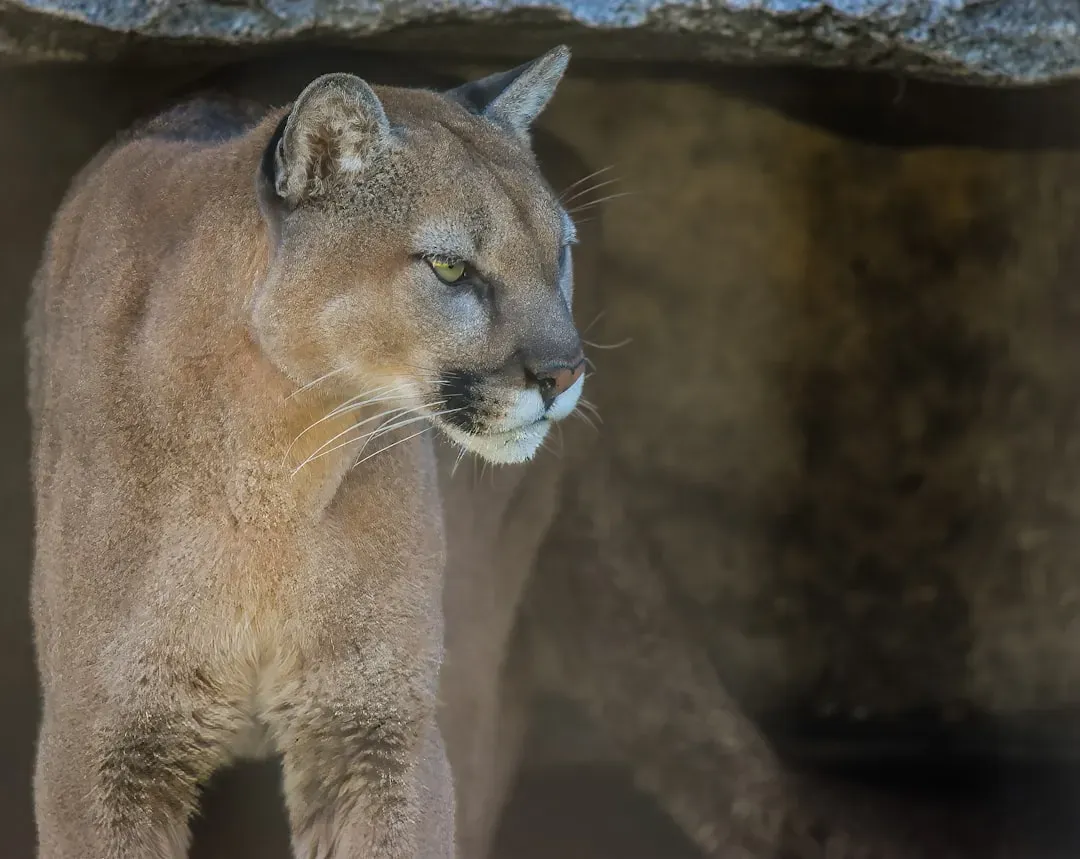
You’d be hard-pressed to find a body plan better suited to North America’s wildest landscapes. Adult males measure 2.0 to 2.7 meters in length including the tail and weigh 53 to 68 kilograms, while females are smaller, with both sexes exhibiting rounded heads, short faces, and retractile claws suited for ambush predation. That lean, muscular frame isn’t bulk for the sake of it. Every part of it earns its keep.
Cougars possess a lean, powerful build with a small head, short face, and remarkably long hind legs that are longer than their front legs, an anatomy that allows them to leap up to 18 feet vertically. Their long, heavy tail acts as a rudder, providing exceptional balance during high-speed chases and steep climbs. When you’re navigating crumbling canyon walls or dense forest understory, that kind of structural engineering matters enormously.
2. Mastery of Stealth and Ambush Hunting
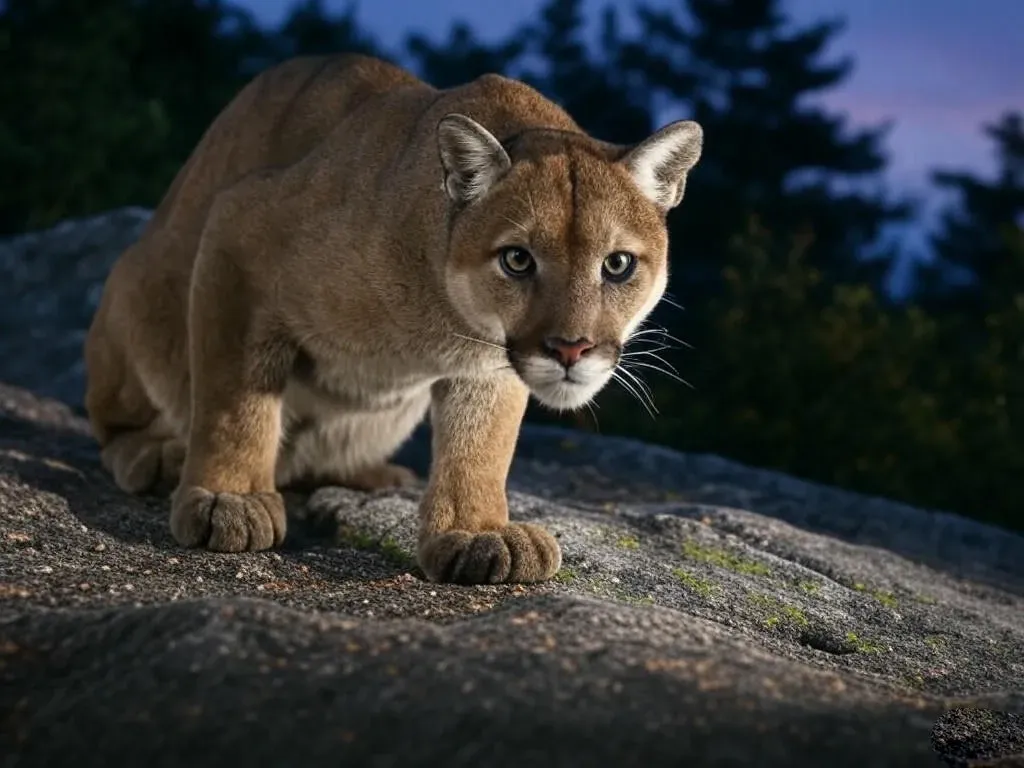
Cougars don’t chase prey down across open plains. Their strategy is built on patience, precision, and surprise. Rather than relying on endurance, cougars depend on finely honed stealth and surprise to hunt and subdue their prey, and they may conceal themselves for hours waiting for an opportune moment to pounce. That willingness to wait sets them apart from many other large predators.
Once they have their target in sight, cougars engage in a swift and lethal approach, involving a short and fast charge to catch prey off guard, aiming primarily for the back of the neck to inflict a lethal bite, with strong hind legs, well-built frames, and long canine teeth combining to devastating effect. Cougars are able to take advantage of the strength and sensitivity of their large canine teeth to probe very rapidly for the spaces between the neck vertebrae as they quickly bite down and wedge the vertebrae apart, so the prey animal’s neck is immediately broken without the need to crunch through heavy neck bones.
3. Superior Low-Light Vision and Sensory Adaptations
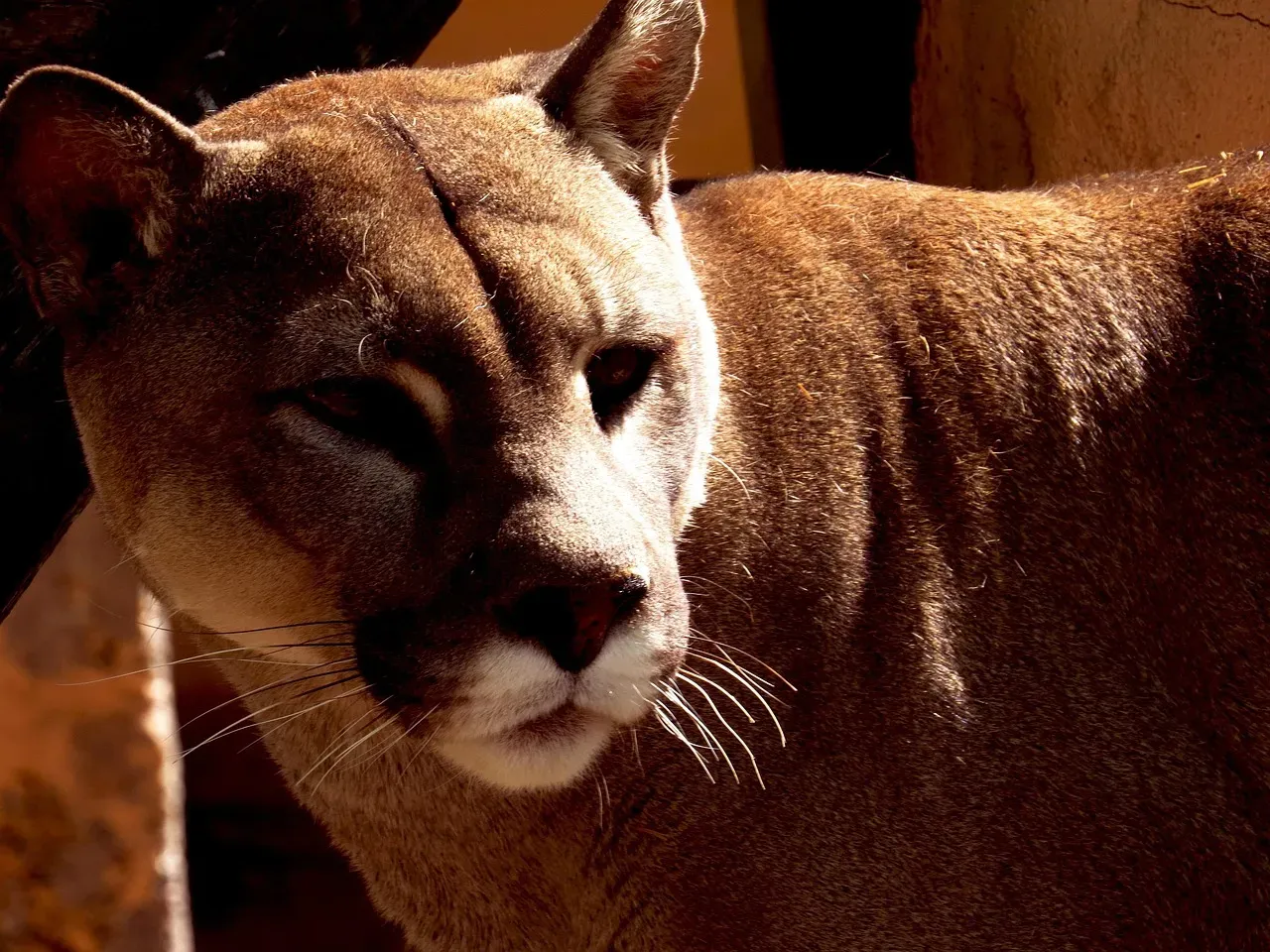
You might walk within yards of a cougar in low light and never notice it. That’s by design. A cougar’s eyesight is its most important sense, as befits an animal that secures most of its prey by stalking. With large eyes and more rod cells than cone cells, they have excellent night vision to see prey in low light. This gives them a serious hunting edge during the hours when most prey animals are active and most distracted.
Their eyes have a high concentration of rod cells and a reflective layer behind the retina called the tapetum lucidum, giving them exceptional night vision that allows them to see about six times better than humans in low light. Apart from vision, hearing is also essential. Their sensitive ears have developed to detect sounds other mammals do not, and combined with their excellent vision, their hearing helps them precisely locate their prey.
4. Flexible and Opportunistic Diet
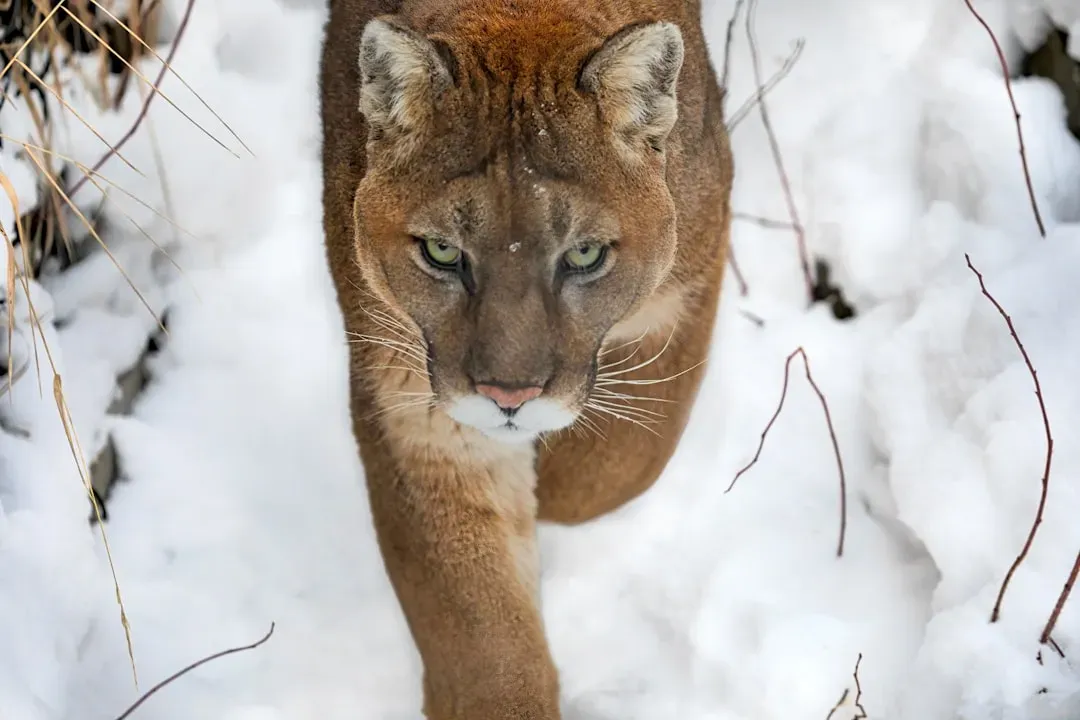
Unlike many large predators locked into a narrow prey base, cougars eat what the landscape offers. The cougar is a generalist hypercarnivore that prefers large mammals such as mule deer, white-tailed deer, elk, moose, mountain goat, and bighorn sheep, but opportunistically takes smaller prey such as rodents, lagomorphs, smaller carnivores, birds, and even domestic animals. That flexibility is a genuine survival advantage when prey populations shift.
A survey of North American research found that roughly two thirds of prey items were ungulates, especially deer. Still, when deer numbers drop or seasons change, cougars adapt quickly. Opportunistic hunters, cougars typically hunt alone from dusk to dawn, taking their prey primarily from behind. On average, a cougar kills a deer about once a week, but they also dine on coyotes, raccoons, rodents, elk, feral hogs, and even porcupines.
5. Strategic Kill Caching to Maximize Every Meal
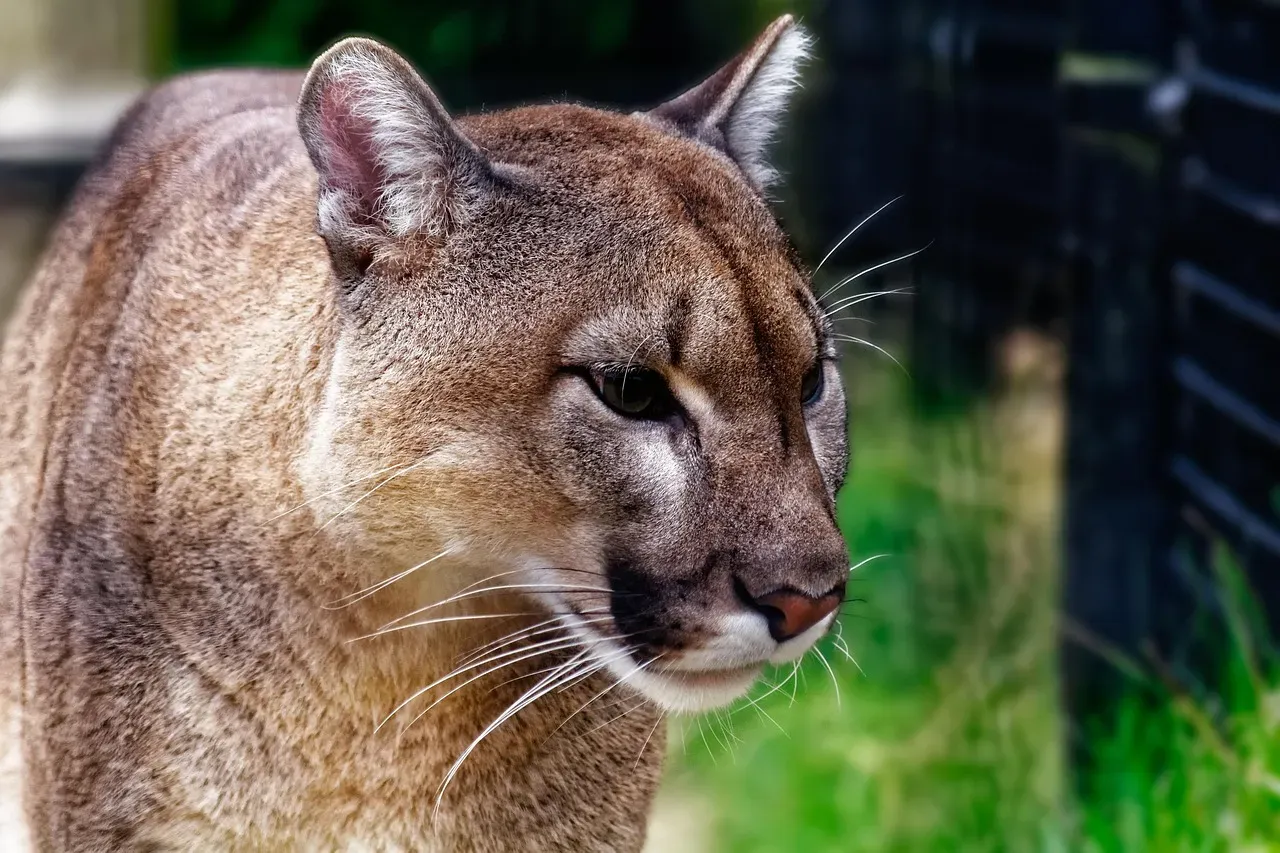
Hunting is energy-intensive and risky. Cougars know how to stretch a successful kill as far as it will go. After a successful kill, cougars often drag their prey to a secluded spot and cover it with leaves and debris. This caching behavior protects the carcass from scavengers and lets them return to feed over several days. In lean environments where prey is spread thin, that efficiency is the difference between thriving and barely surviving.
After killing a large animal and having eaten its fill, a cougar often covers the remains with debris such as snow, grass, leaves, sticks, or soil. Even where little debris is available, bits of soil, rock, grass, or sticks may be used. The cougar may remain in the immediate vicinity of its kill, guarding it against scavengers and eating it over a period of six to eight days. Cougars don’t always eat fresh kill. They have been known to bury their prey and eat off the remains for nearly two weeks.
6. Vast and Flexible Home Range Management
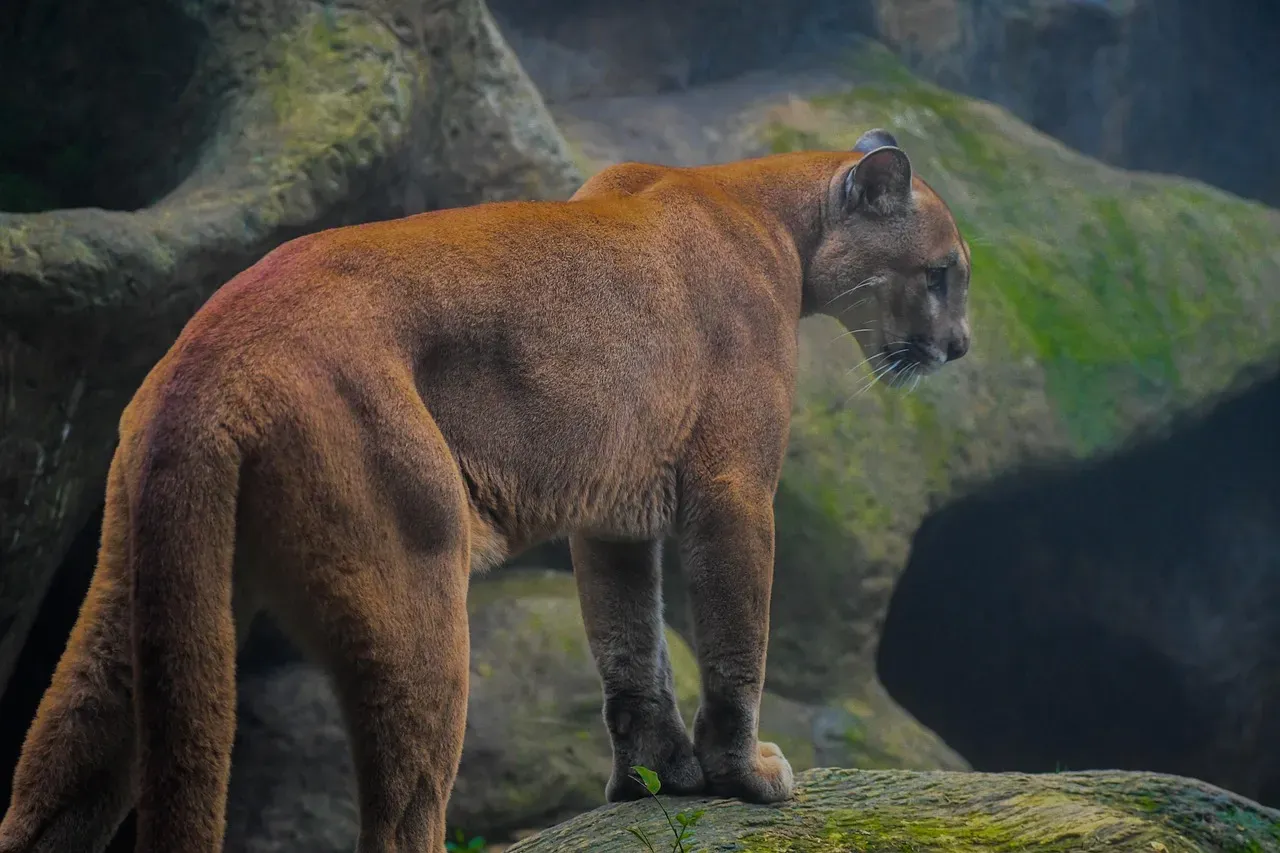
Knowing your territory intimately is a survival skill in its own right. Possession of a home range is fundamental to the cougar’s survival as a solitary predator. By having a fixed area of land to hunt in, the cougar is better able to consistently locate prey. It roams its home range constantly, learning the terrain, where the best cover is, where the deer most likely can be found. That accumulated knowledge of a landscape keeps them fed through every season.
Adult male cougars roam widely, covering a home range of 50 to 150 square miles, depending on the age of the cougar, the time of year, type of terrain, and availability of prey. Cougars use a variety of strategies to modify their space use over the course of seasonal changes in resource availability. Some cougars remain resident in one location, while others expand or constrict their home ranges to modify their energetic output and access to prey or suitable landscape features. Across all strategies, cougars are able to obtain consistent biomass from their primary prey.
7. Adaptability Across Extreme Habitats
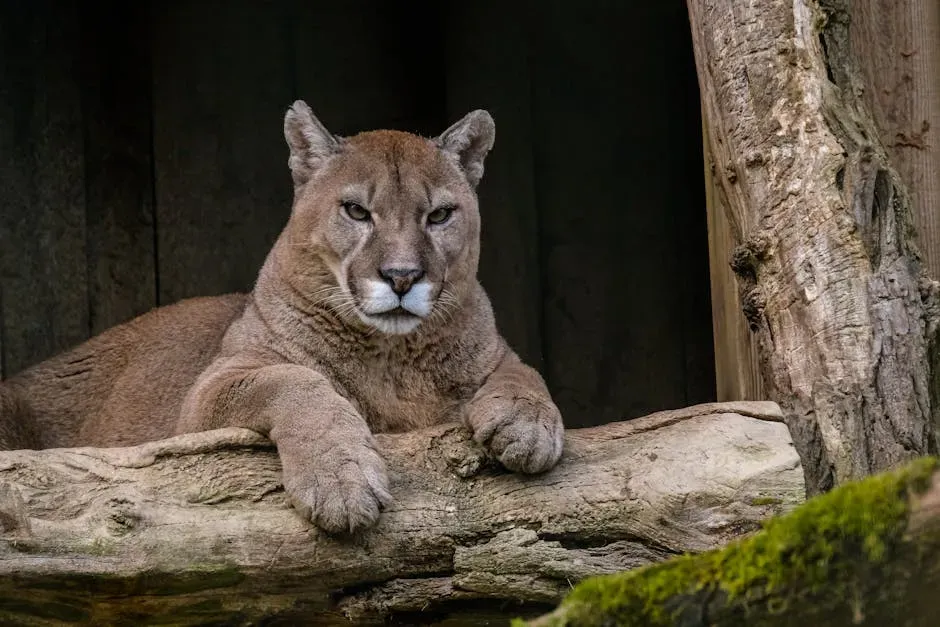
Most large predators are habitat specialists. Cougars are the opposite. Cougars live in a wide variety of environments including montane coniferous forests, grassland, swamps, lowland tropical forests, dry brush country, and any other areas that offer adequate cover and prey, using dense vegetation, rocky crevices, and caves for shelter. That tolerance for environmental variety is genuinely rare among animals of their size.
Although prey and water are harder to find in desert environments, desert topography provides excellent areas for hiding and stalking. Their coat color blends in perfectly with most desert habitats, and rocks and canyons provide shelter and enable the cougar to stand on higher ground to observe and ambush their prey. Research has shown that cougars adapted to desert conditions can survive on less water than those in mountainous regions. You won’t find many predators pulling off that kind of physiological flexibility.
8. Adaptive Hunting Schedules Based on Prey and Pressure
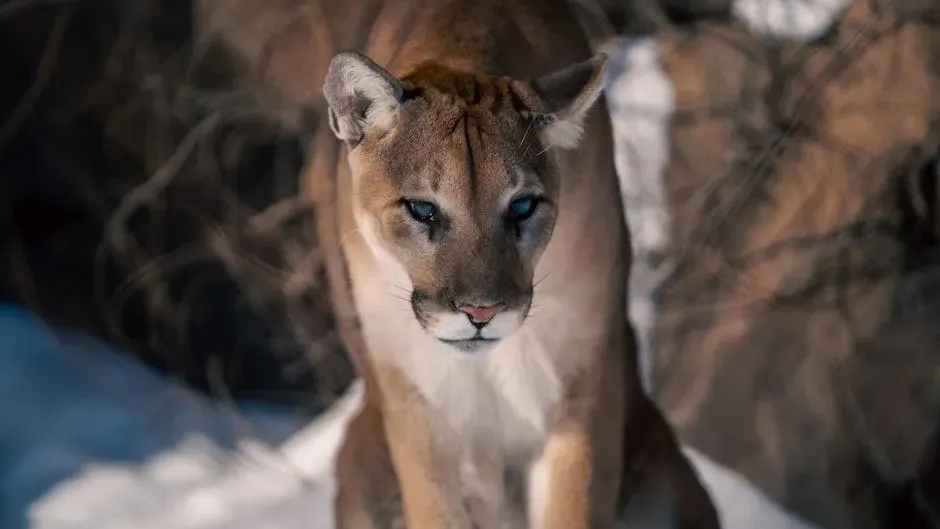
You might assume cougars always hunt the same way at the same time. The evidence says otherwise. Cougars are primarily crepuscular, meaning they are most active around dawn and dusk, but they are incredibly flexible with their schedules and can also be nocturnal, especially in areas with significant human activity. This behavioral flexibility allows them to stay productive regardless of the pressures around them.
Research from Patagonia offers a striking example of this. This behavior is part of a long-standing strategy game between cougars and their prey. Once their prey learned to avoid places where cougars hunt at night, the cats adjusted by learning to hunt during the daytime. Researchers noted that this flexibility shows cougars are capable of a wide variety of hunting strategies, and if big cats are adaptable, there is greater potential for finding ways to solve human-wildlife conflict.
9. Territorial Marking That Reduces Dangerous Conflict
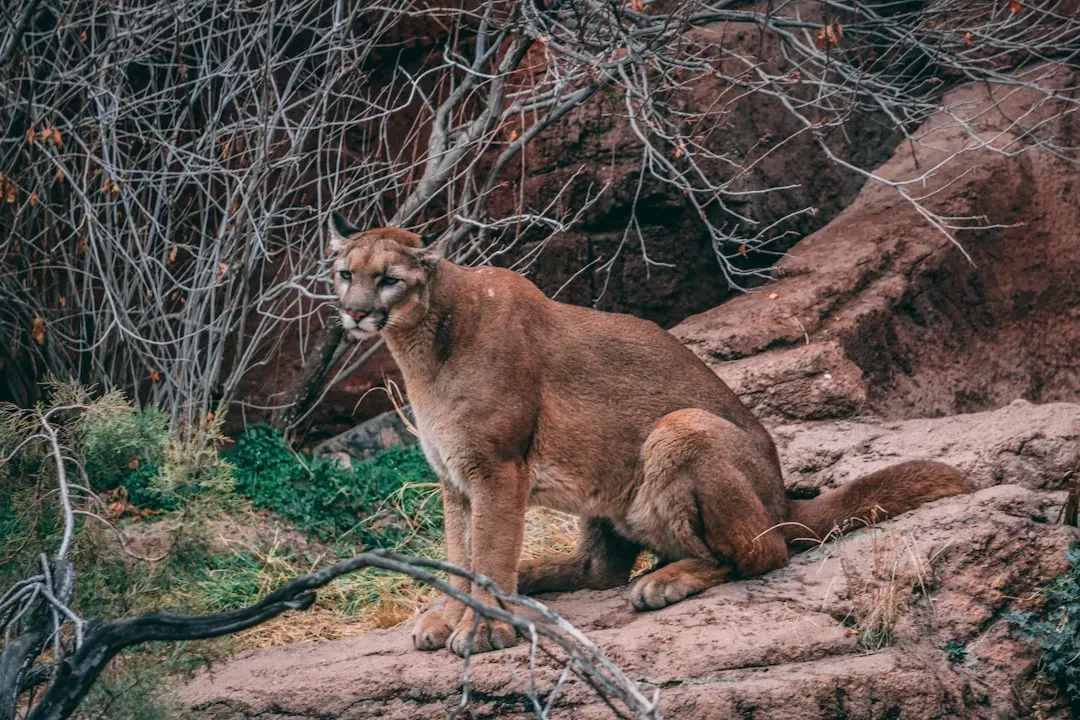
Cougars rarely seek direct confrontations with rivals. Instead, they communicate their presence through a sophisticated system of scent marking that prevents unnecessary fights. Male cougars skillfully create “scrapes” along well-worn trails, junctions, canyons, and ridgelines, using their powerful hind feet to push up mounds of leaves, needles, dirt, and debris, then leaving their scent using urine or scat. This serves as a strong way for male cougars to assert their territory and signal their presence, while also attracting potential mates.
Like house cats scratching furniture, cougars mark their territory boundaries by leaving claw marks on trees and stumps. Claw marks left by an adult cougar will be 4 to 8 feet above the ground and consist of long, deep, parallel scratches running almost vertically down the trunk. Cougars are not territorial in the sense that they defend their home ranges to exclude all other cougars. Rather, the big cats have evolved a land tenure system in which home ranges are maintained by resident lions but not transient ones. This arrangement keeps energy spent on conflict low and energy spent on hunting high.
10. Intensive Maternal Care and Long-Duration Cub Training
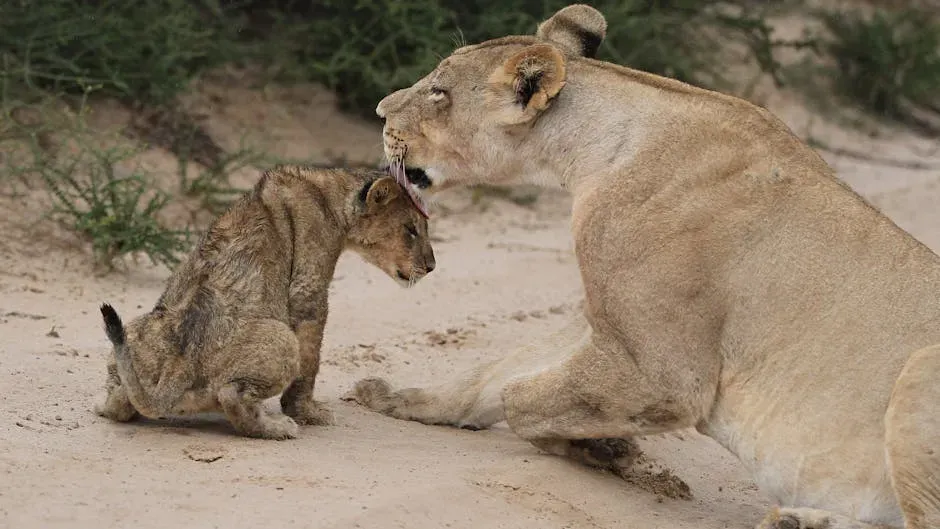
Survival skills aren’t entirely instinctual for cougars. They’re learned, carefully, over a long period of direct maternal instruction. Female mountain lions are dedicated mothers and are either pregnant or raising dependent cubs for more than three quarters of their lives. Mothers spend an average of 18 to 24 months raising a single litter to maturity, with the mother nursing her kittens for only the first seven weeks while the rest of that time is devoted to teaching the kittens how to survive on their own.
When raising kittens, the mother cougar leaves them alone for brief periods as she hunts for food. In the beginning she hunts relatively close to the den, but as the kittens grow she ventures further across her home range. At first she brings meat to her young, but after about 7 to 8 weeks she begins bringing the kittens to her kills. Experienced mothers exhibit higher kitten survival across all scenarios compared to first-time mothers, with prior maternal experience confirmed as a strong driver of increased kitten survival rates. That accumulated maternal knowledge, passed season by season, is one of the most underappreciated survival tools in the cougar’s arsenal.
Conclusion
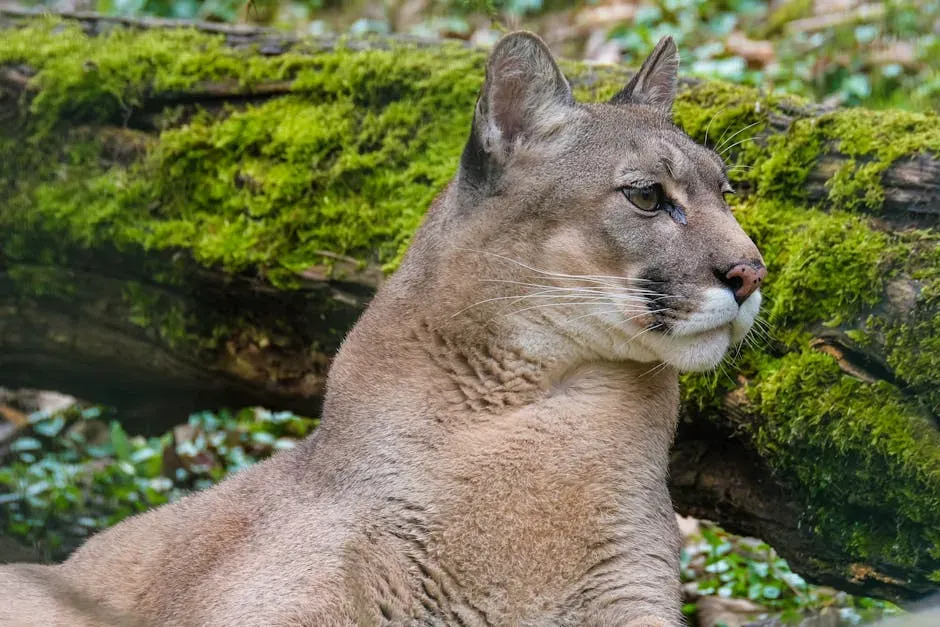
What emerges from all of this is a portrait of an animal that doesn’t simply endure difficult landscapes. It reads them. Mountain lions are highly adaptable to situations and environments, and this adaptability has enabled them to survive across much of their original range in the Americas, despite severe habitat loss and active threats.
From the precision of a neck bite to the patience of a mother teaching her cubs on a wind-blown ridge, every survival strategy the cougar relies on is finely tuned by time and pressure. The cougar is a keystone species in Western Hemisphere ecosystems, linking numerous species at many trophic levels and interacting with nearly 500 other species as a food source, through carcass remains, and through competitive effects on other predators.
Survival for the cougar isn’t a single trait. It’s a system. That system, refined across millennia, is why you can still find these animals padding silently through some of the continent’s most unforgiving terrain.
Kristina is a young writer from India. An arts graduate and an avid content creator, Kristina is passionate about animals and wildlife. She enjoys exploring topics related to pet care, animal behavior, conservation, and nature, combining thorough research with engaging storytelling.