There’s a version of cat ownership that most people imagine: fur on every surface, a faint lingering odor, and a lint roller permanently attached to your hand. For many cat lovers, that’s just the deal. Except it doesn’t have to be, not entirely.
For many cat lovers, the joy of companionship often comes with the challenge of managing fur around the home. While there’s no completely hypoallergenic cat breed, some breeds release far less hair, making them a cleaner and more manageable choice. The right breed can genuinely change what it’s like to live with a cat, especially if you value a tidy space or have mild sensitivities. Here’s a closer look at nine breeds that stand out for cleanliness, low shedding, and generally odor-free living.
Why Some Cats Are Naturally Cleaner Than Others
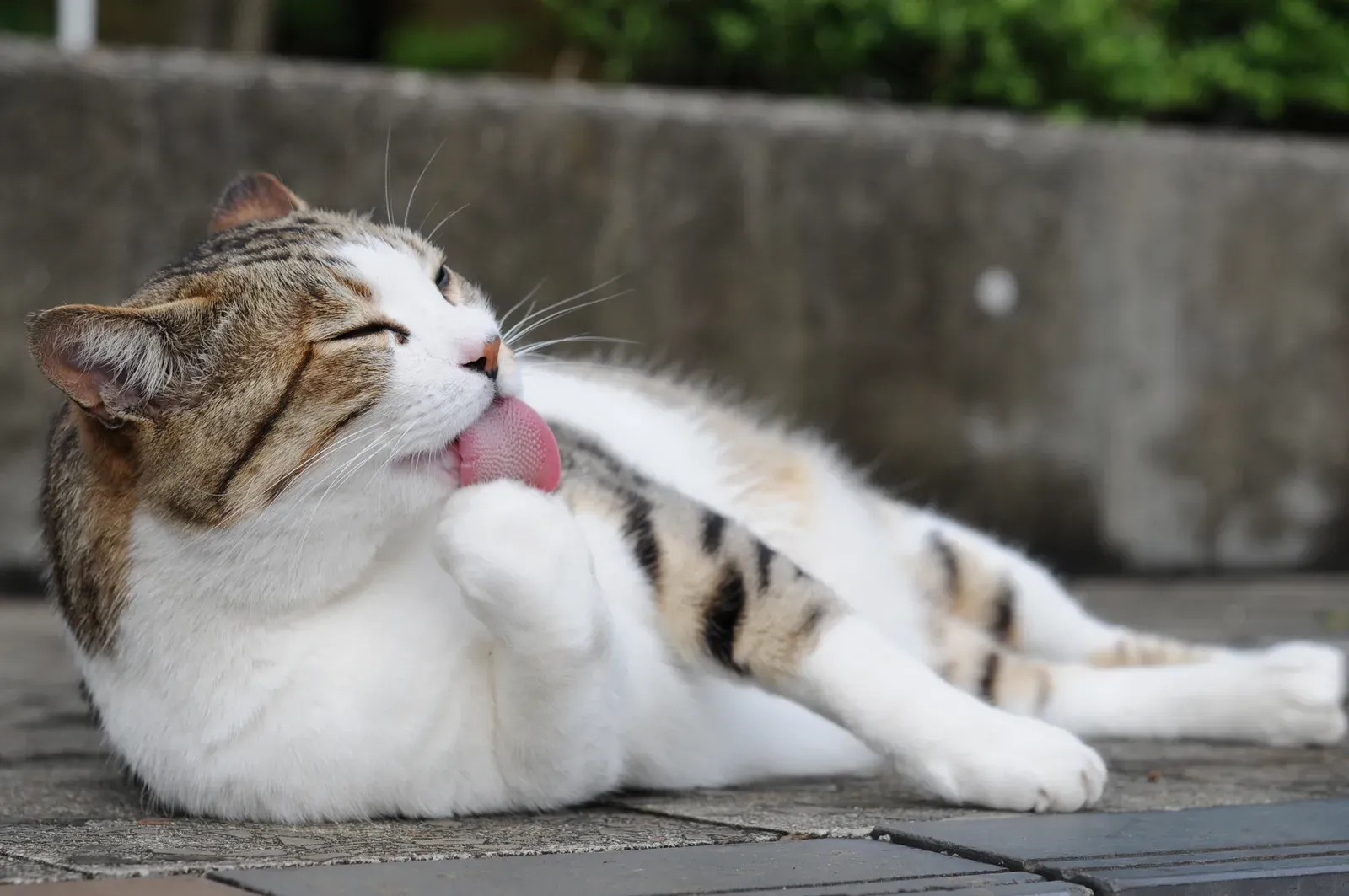
You might wonder why certain cats seem to almost never leave a trace while others coat everything they touch in fur. Shedding is a natural process influenced by coat type, genetics, and the hair growth cycle. Cats with short, fine, or curly coats tend to trap loose hair rather than spreading it, resulting in less visible shedding.
A cat’s tongue consists of many small barbs or papillae made of keratin, facing backwards on the tongue. Keratin is the same substance that makes up hair and nails. The barbs on the cat’s tongue are useful in removing hair and foreign bodies. This self-cleaning anatomy means certain breeds, especially those with shorter or tighter coats, manage their own hygiene remarkably well with very little input from you.
The Sphynx: Hairless Does Not Mean Maintenance-Free
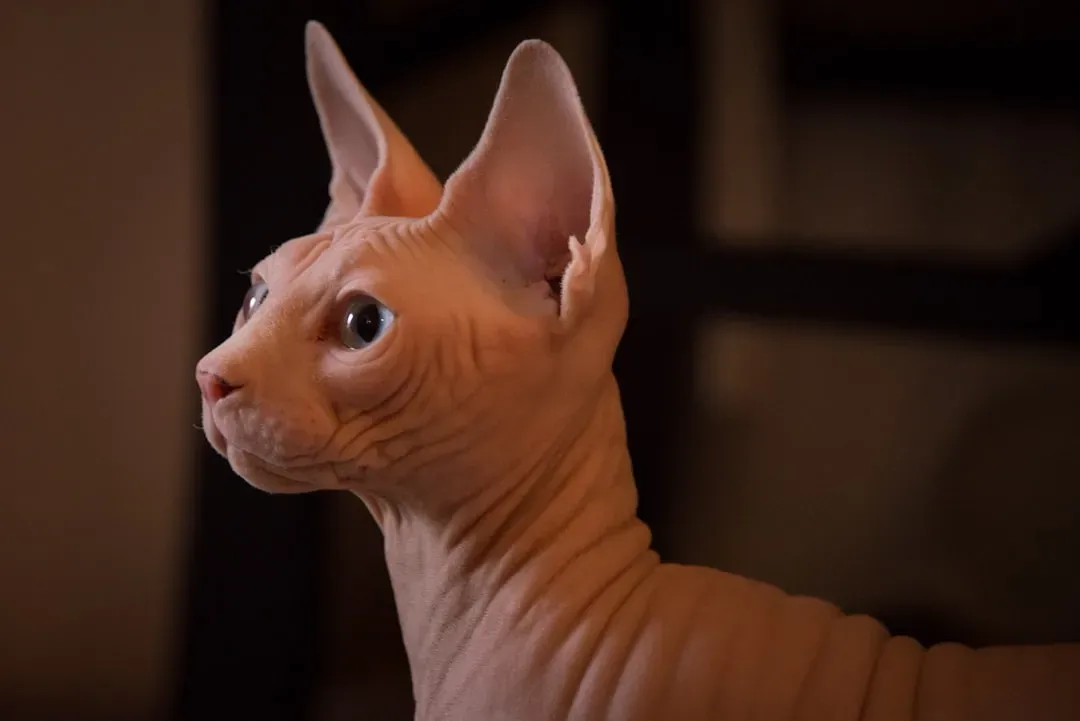
Sphynx cats are hairless, which drastically reduces shedding in the home. They don’t leave fur on furniture, clothes, or carpets. This means less cleanup for owners and a cleaner living space overall. For anyone tired of rolling lint off their clothes every morning, that alone sounds like a dream.
Without fur, Sphynx cats need regular bathing to remove the buildup of oils on their skin, which can otherwise cause skin problems. Despite lacking fur, the Sphynx cat is known for constantly grooming themselves. They’re meticulous in keeping their skin clean, often using their tongue and paws much like furry cats do. So yes, you’ll swap the lint roller for a bath routine, but your couch stays clean.
Russian Blue: The Quiet, Tidy Apartment Cat
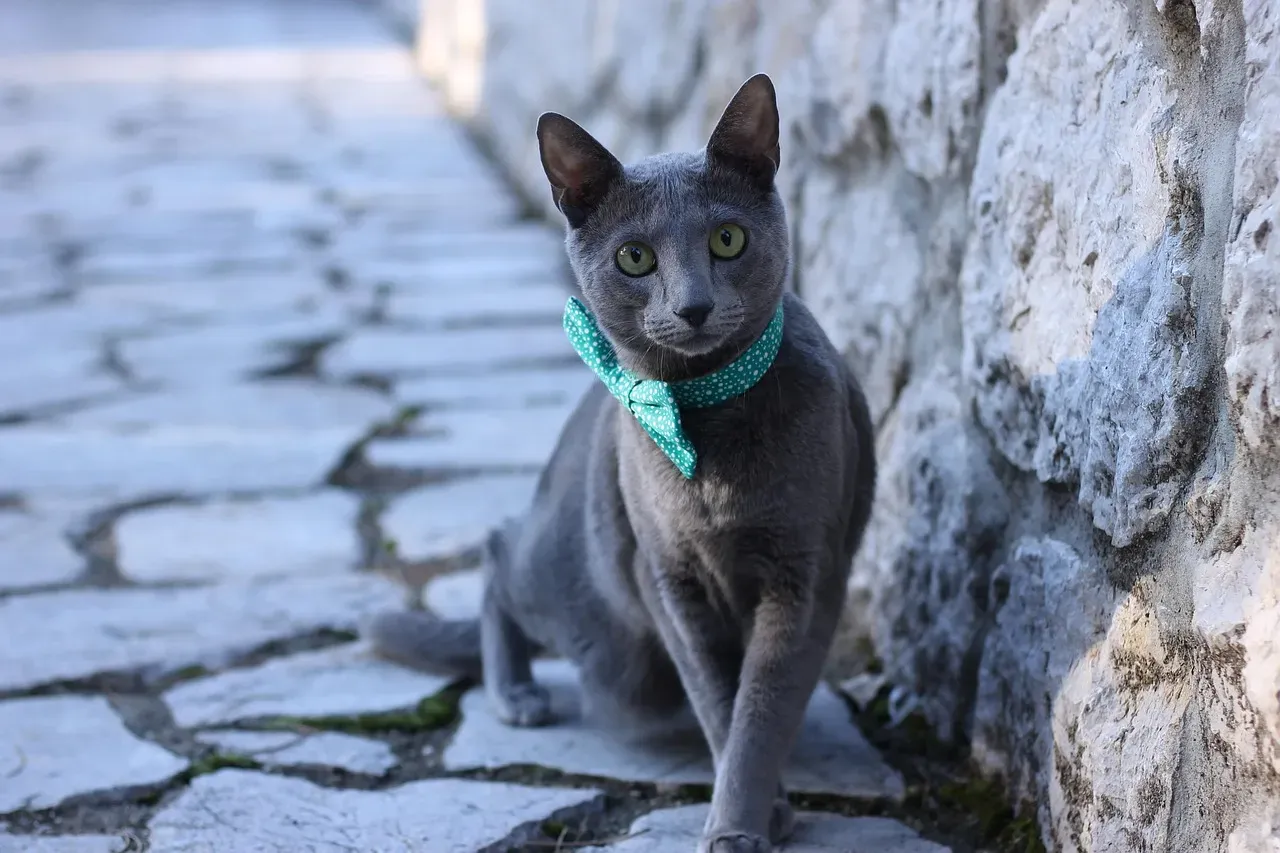
The Russian Blue has a dense, silky double coat that surprisingly sheds very little. Although the fur looks thick, the undercoat traps loose hairs close to the body, preventing most of them from ending up around your home. It’s one of those breeds where the appearance suggests high maintenance, but the reality is quite different.
Russian Blues are naturally clean cats and tend to groom themselves carefully, which also helps keep shedding under control. Despite their thick, plush coat, Russian Blues shed far less than many other breeds. They also produce lower levels of Fel d 1, making them one of the more hypoallergenic cat breeds. They are gentle, independent, and form strong bonds with their owners. If you want a refined, low-drama companion, this breed checks a lot of boxes.
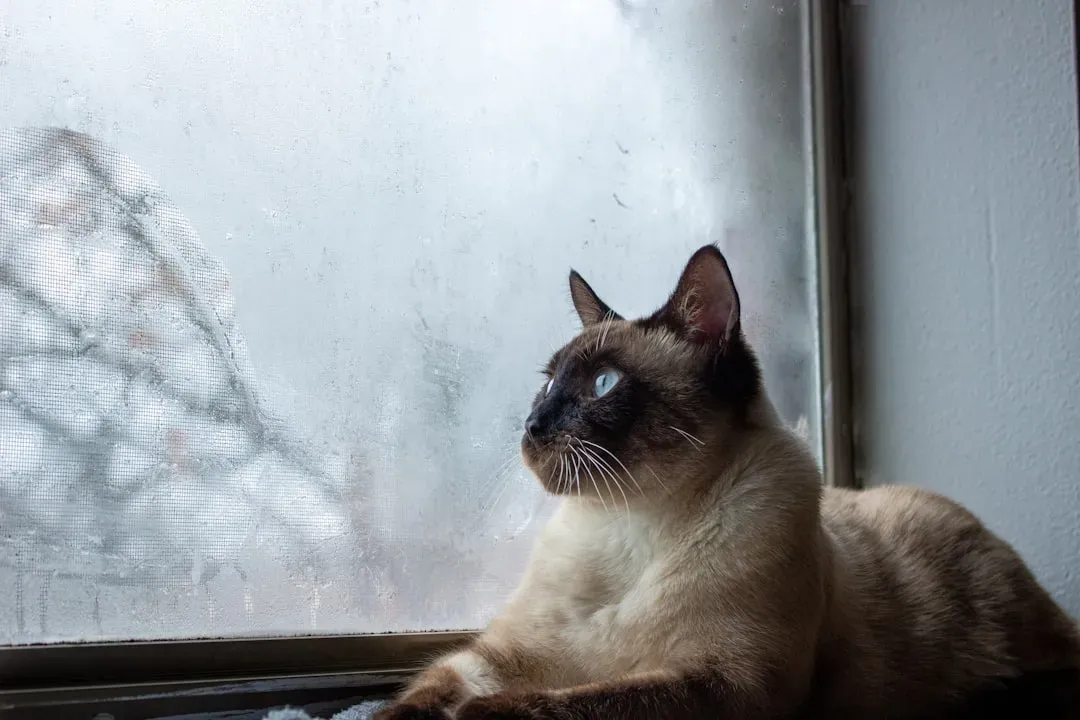
Siamese: Ritualistic Groomers with Short, Easy Coats
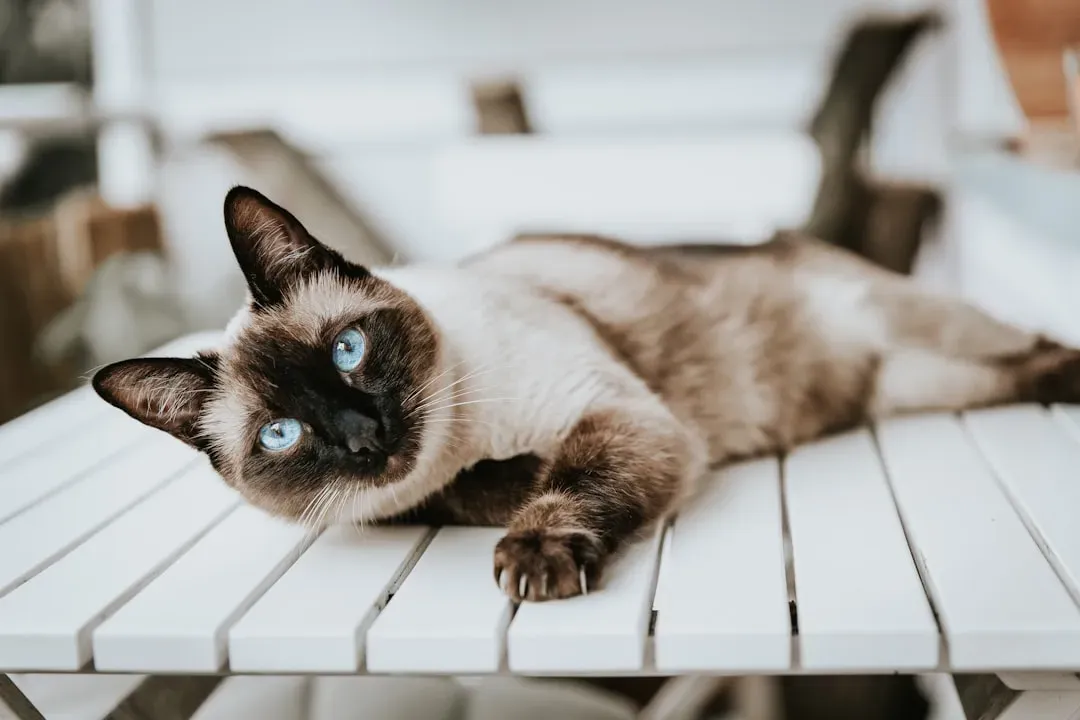
Siamese cats are known for their almost ritual-like grooming habits. With short, fine fur that lies close to the body, they devote careful attention to keeping every inch spotless, often using their paws with delicate precision to clean their faces. It’s the kind of behavior that makes owners feel like their cat is doing half the housekeeping.
According to breed experts, Siamese cats have low-maintenance coats that can be cared for by brushing with a fine-tooth comb. Once their dead hair is removed, they’ll shed minimally. Their fastidious nature means they typically require little assistance from owners to maintain a glossy coat. However, because they are highly sensitive and emotionally attuned, stress or environmental changes can sometimes lead to overgrooming behaviors. Keep your Siamese stimulated and settled, and you’ll have one of the cleanest cats around.
Bengal: The Wild Look, the Clean Reality
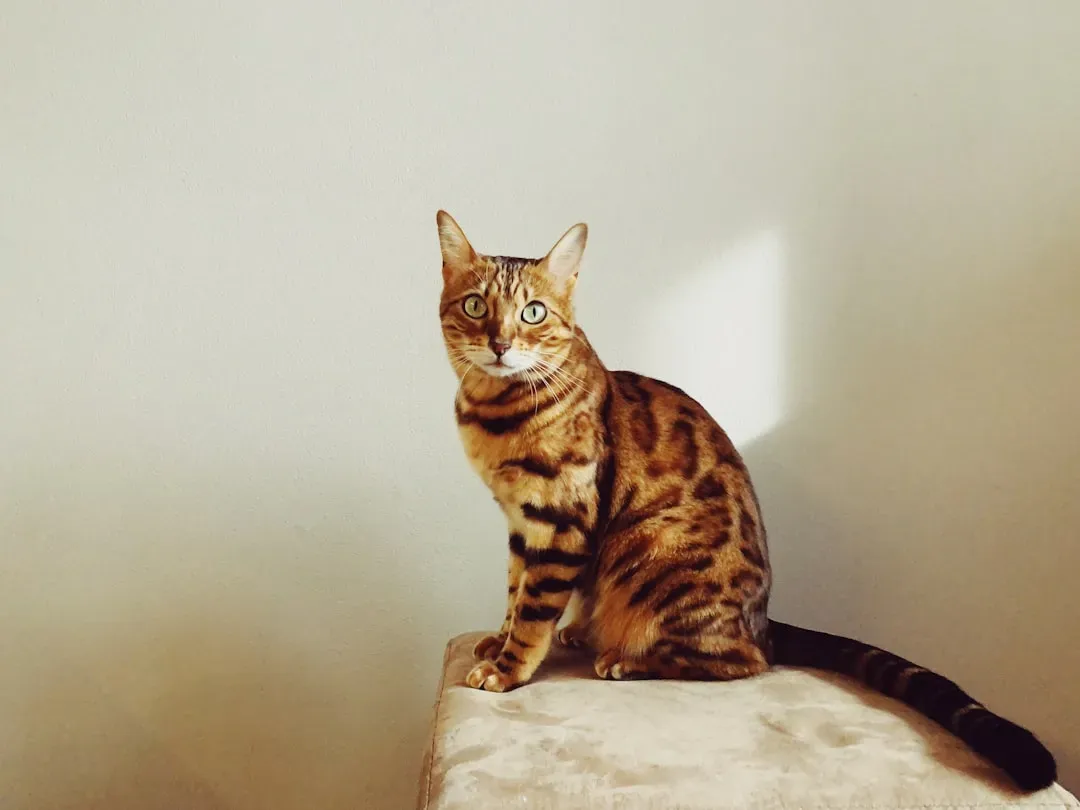
Unlike Persians or Maine Coons with their thick double coats, Bengals possess a single-layer coat often described as “pelt-like,” dense, plush, and unusually soft. This distinctive coat stems from their Asian leopard cat ancestry. The absence of a woolly undercoat dramatically simplifies grooming routines because Bengals don’t develop painful mats or require daily detangling.
Bengal cats are very clean animals and shouldn’t have a bad odor to them. In most cases, if they do smell bad, there’s a reason for it, and it will usually require a trip to the vet. Although Bengals require minimal human grooming, they are naturally meticulous about their own cleanliness. Their sleek fur resists dirt, allowing them to groom quickly and efficiently, often polishing each spot with focused precision. Their wild appearance is really just a bonus on top of genuinely low-mess ownership.
Devon Rex: Short, Curly, and Almost Nothing to Clean Up
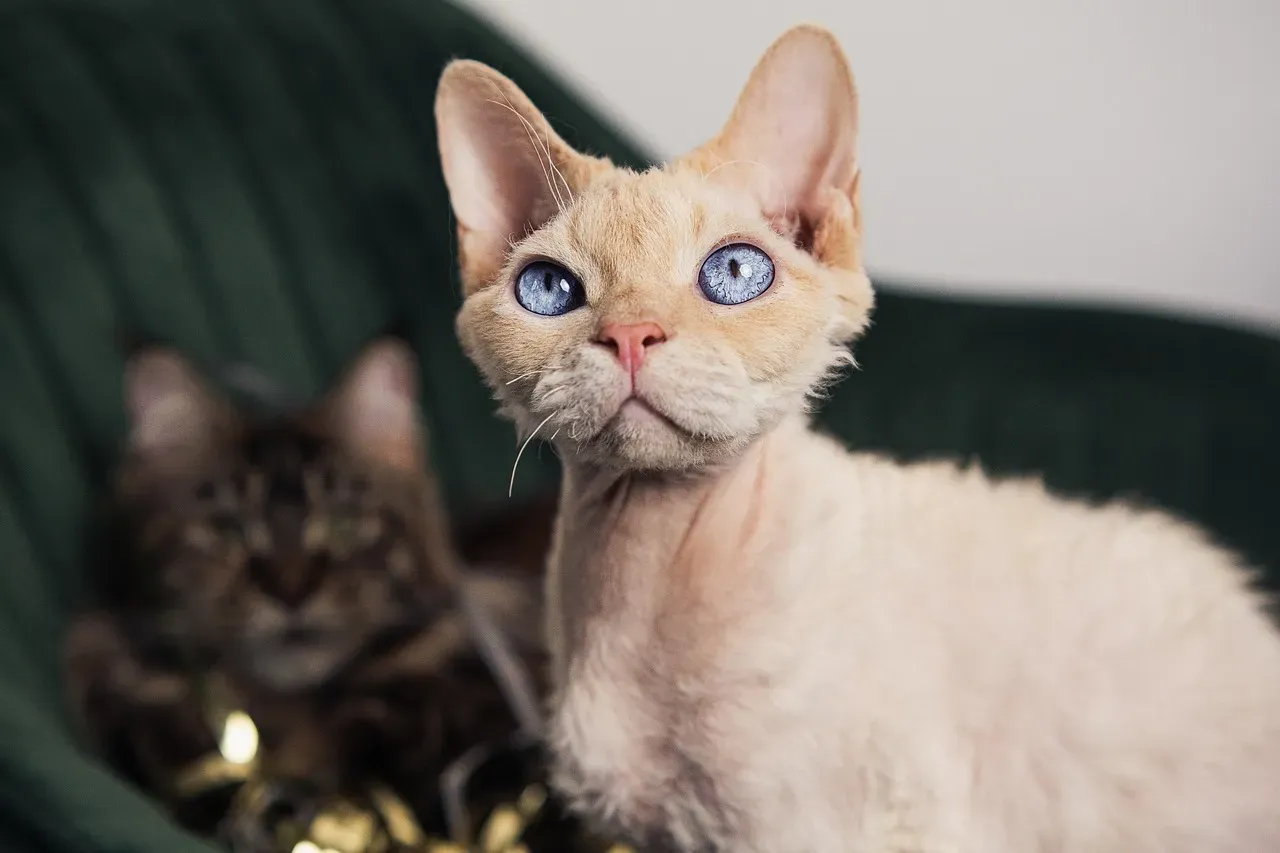
Devon Rex cats are short-haired cats that shed very little compared to most other breeds. Their fine fur reduces loose hair around the home, making them a great option for low-shedding households. Because their coat is so delicate, they require minimal grooming and simple care routines. You won’t need to schedule grooming sessions weeks in advance with this one.
The Devon Rex has a fine, curly coat without a thick undercoat, leading to minimal shedding. They are energetic, intelligent, and playful, often acting more like dogs than cats. If you want a fun, interactive pet with low shedding, this breed is a great choice. Their personalities are outsized relative to the mess they make, which is honestly the best possible combination.
Cornish Rex: The Wavy-Coated Minimalist
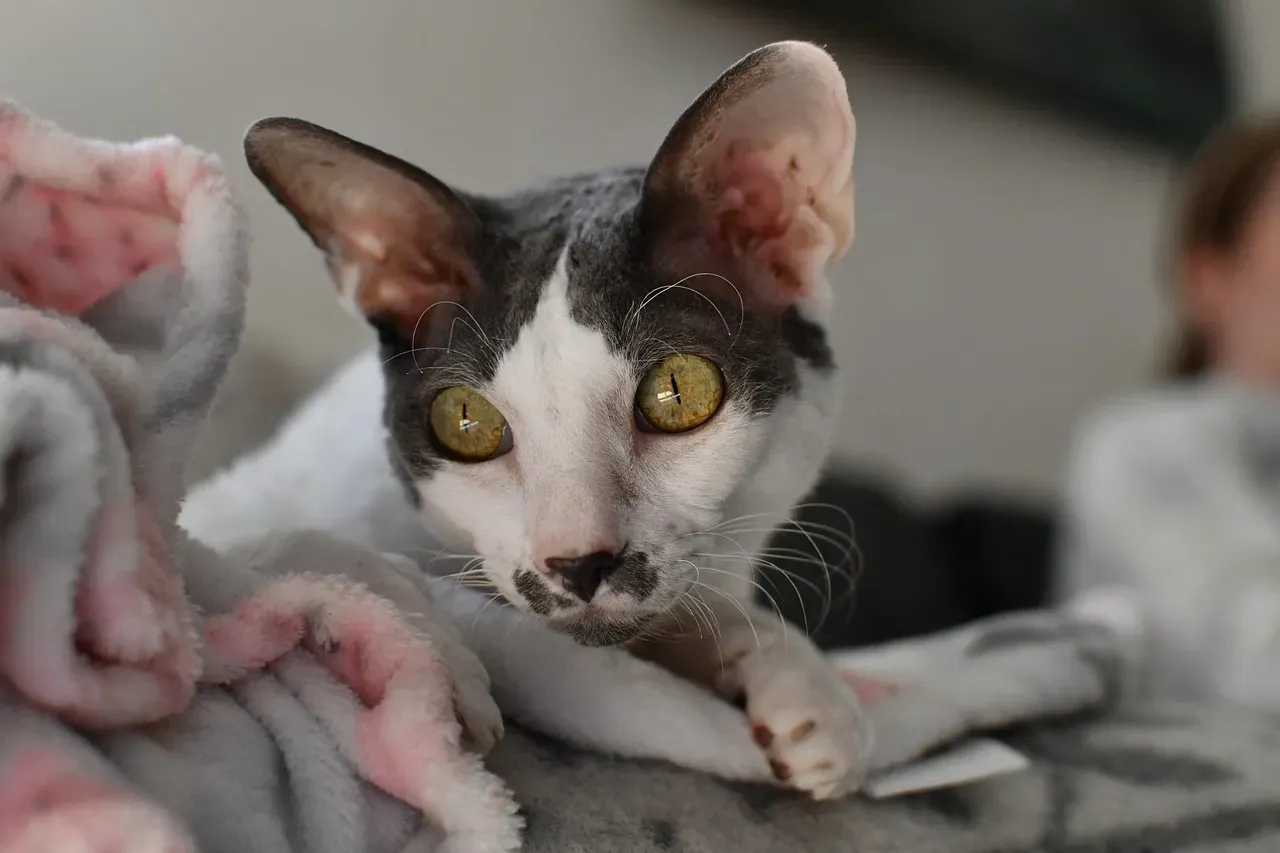
Unlike most other cat breeds, the Cornish Rex only has a single coat of short, dense down fur and no guard hairs or middle coat to speak of. While they typically require much less grooming, it’s worth keeping an eye out for unexpected fur loss. That single-layer structure is exactly why so little hair ends up on your furniture.
Like the Devon Rex, the Cornish Rex has a short coat ideal for pet parents seeking cats that don’t shed much. If you look closely, this sweet kitty is also one of the few types of cats with wavy, textured hair. They do poorly in low temperatures because of their limited single coat, so keep them nice and toasty. A warm home suits them perfectly, and a warm home without cat hair suits you just as well.
Balinese: The Surprisingly Clean Long-Haired Option
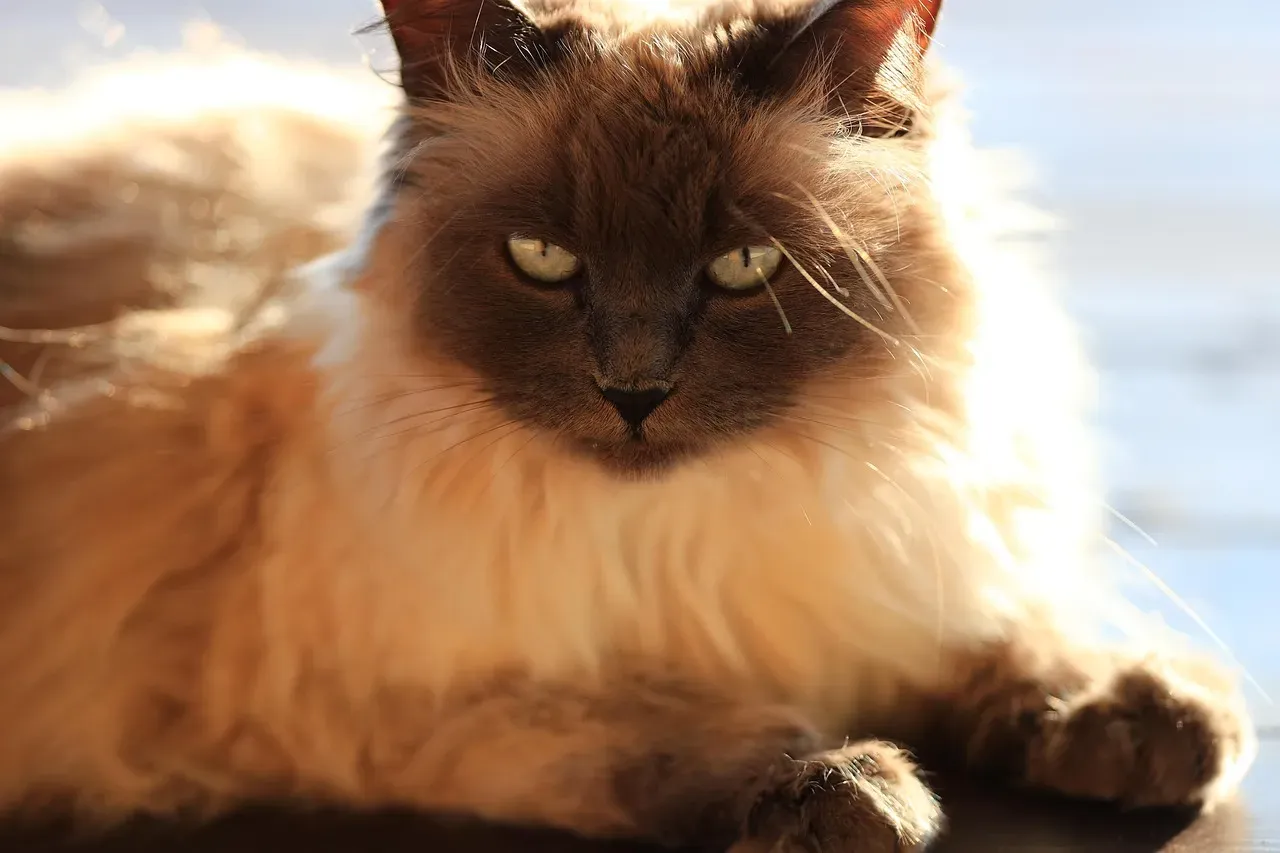
If you’ve always wanted a fluffy, long-haired cat but hate the shedding mess, a Balinese could be the perfect breed for you. Their longish silky coat lacks an undercoat, which makes their fur less prone to matting and sheds as little as any other cat on a low-shedding list. Most people assume long-haired cats are automatically high-maintenance. The Balinese challenges that assumption directly.
Balinese are single-coated cats. With no downy undercoat, they are not susceptible to mats and are extremely easy to care for. Combing or brushing several times a month is recommended to control shedding. Like the Siberian cat, Balinese cats carry less of the protein Fel d 1, which causes cat allergies in some people. For allergy-prone households that still want the experience of a long-haired cat, this breed is genuinely worth considering.
Oriental Shorthair: An Expert Self-Groomer in Over 300 Colors
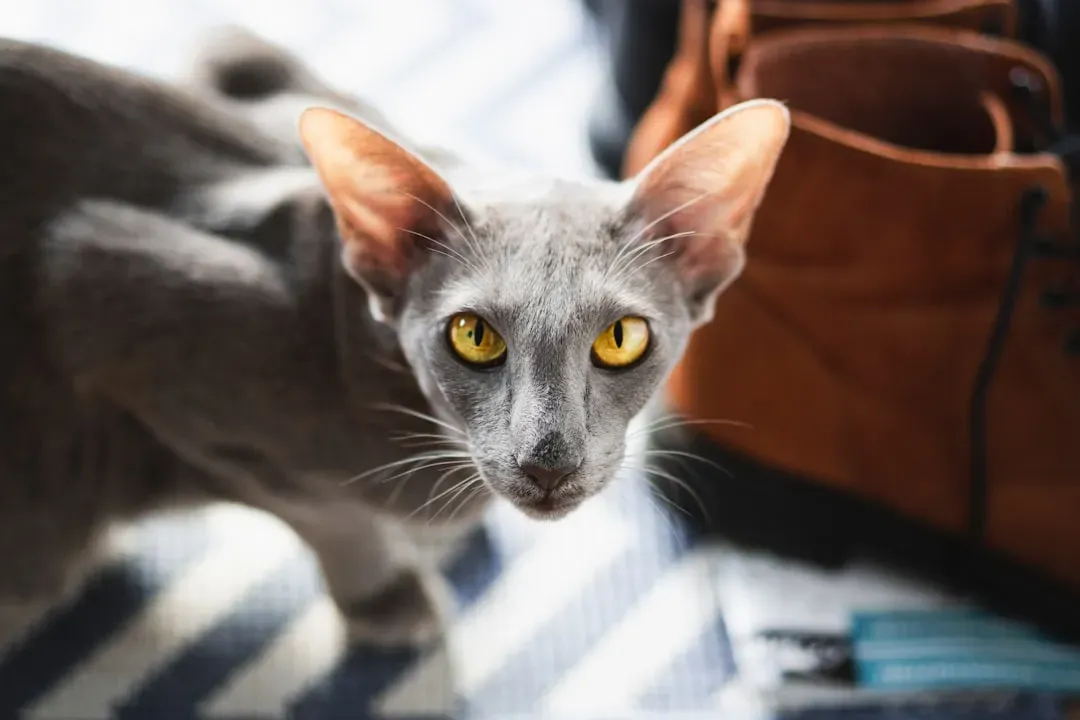
With a fine, close-lying coat, the Oriental Shorthair is a low-shedding breed that requires very little grooming. They are very intelligent, social, and chatty. They often bond closely with their pet parents. Regular brushing helps keep their shedding minimal. This is a breed that genuinely thrives on being the center of attention, which makes them as entertaining as they are tidy.
Because of their connection to the Siamese family, Oriental Shorthairs are similarly easy to groom. Long and slender like the Siamese, Oriental Shorthairs differ in their coloring, which can come in over 300 colors and patterns that include ebony, white, bi-color, and tabby. Their short, fine fur is easy to maintain, and they are expert self-groomers. These cats have a natural grace that extends to their grooming habits, often seen meticulously cleaning themselves with precision. If variety in color is something you care about, no other breed comes close.
What “Clean Cat” Really Means in Practice
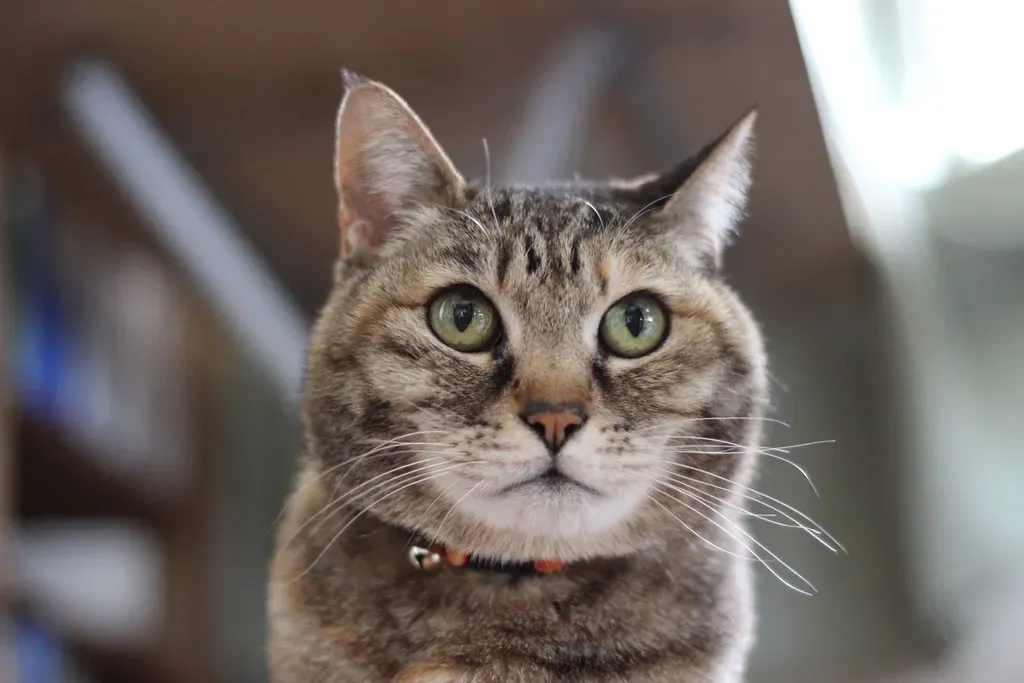
Minimal shedding does not guarantee a cat is hypoallergenic, as all cats shed allergens in their skin, urine, and saliva. These cats can be a good fit for some people with mild allergies or a preference for tidier homes. That distinction is worth keeping in mind. A clean coat doesn’t automatically mean a sneeze-free home, but it does mean a significantly easier living situation for most people.
Brushing or wiping cats weekly, using HEPA air purifiers and vacuuming frequently, creating cat-free zones like bedrooms, washing bedding and linens weekly, and cleaning litter boxes daily all work together to reduce allergens and odors regardless of breed. If you have cat allergies but hope that a low-shedding cat breed might work for you, make sure to spend some time with adult cats of the breed you are considering before bringing a kitten home. Visiting the breeder’s home cattery can often give you a good idea if you will be able to live with a low-shedding cat breed. The best data point is always your own personal reaction.
Conclusion
Choosing a cat breed based on cleanliness isn’t shallow. It’s practical, and it often determines whether cat ownership stays enjoyable long-term. A cat that naturally sheds less, grooms itself diligently, and produces fewer airborne allergens is simply a better match for certain households, and there’s nothing wrong with admitting that.
The nine breeds covered here all offer genuine advantages in the cleanliness department, though each comes with its own care requirements and personality. The Sphynx needs weekly baths. The Devon Rex prefers warmth. The Siamese craves mental stimulation. None of them are zero-effort, but they’re all considerably closer to “no mess, no smell” than the average cat. The right fit comes down to matching your lifestyle to a breed’s specific needs, and then letting the cat do most of the rest.
Kristina is a young writer from India. An arts graduate and an avid content creator, Kristina is passionate about animals and wildlife. She enjoys exploring topics related to pet care, animal behavior, conservation, and nature, combining thorough research with engaging storytelling.