Cats are experts at hiding discomfort, and in senior cats, pain is often quiet, gradual, and easy to mistake for “just getting older.” That old girl curled on the couch might look perfectly content. You might assume she’s just slowing down with age. The truth, though, is often more complicated than that.
In the wild, showing weakness makes an animal a target, and that survival instinct is hardwired into your house cat. Senior cats are particularly skilled at masking discomfort, and by the time most owners notice something is wrong, the underlying condition has often been developing for months. Learning to read the quieter signals your cat sends is one of the most important things you can do for her wellbeing. Here are nine subtle signs that deserve your full attention.
She’s Stopped Jumping to Her Favorite Spots
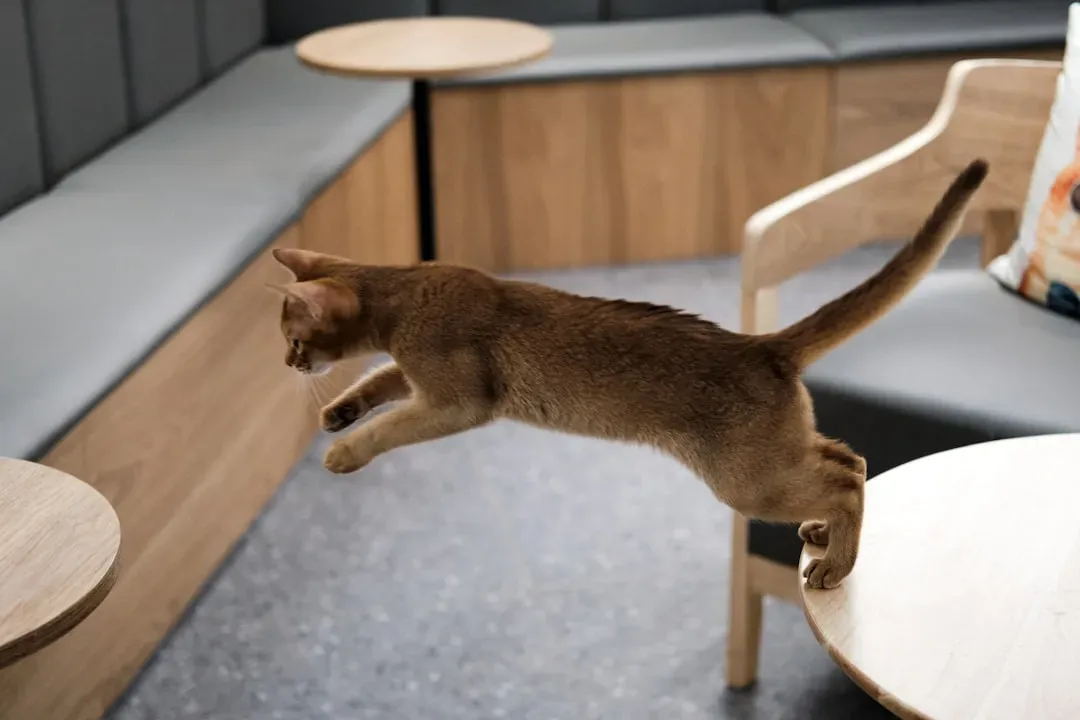
Hesitation to jump is one of the most common pain signals in older cats. Many painful older cats don’t limp. Instead, they simply redirect their world downward, quietly rearranging their daily life around their limitations without making any fuss about it.
Injuries and joint pain often prevent cats from jumping up onto surfaces and going up and down stairs. If your feline friend is suddenly spending more of their time hanging out on the floor when they used to hop up on your bed, sofa, or kitchen counter, don’t mistake this as a simple sign that your cat is getting older. Schedule a veterinary visit to rule out underlying issues.
Her Grooming Has Changed Dramatically
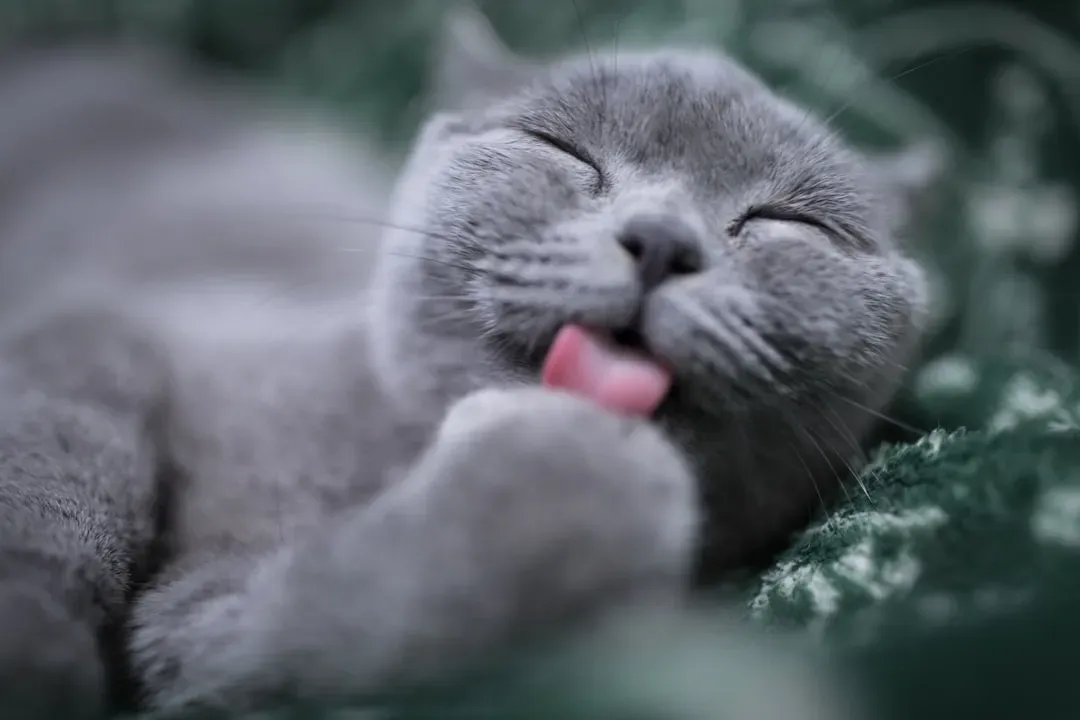
Spinal arthritis makes it uncomfortable to twist and turn, so grooming the body, especially the hind end, becomes difficult. Osteoarthritis in the lower spine and hips can make the area over the pelvis and upper rear legs tender. When grooming the lower back, pelvis, and rear legs becomes painful, the cat simply stops taking care of her coat. Ungroomed areas become matted, and the cat may develop an unkempt appearance.
Another thing you can see is abnormal grooming patterns. Sometimes cats with chronic bladder issues will start to groom their belly, or cats with arthritis will begin to groom their rump or not want to be touched on their rump. Either pattern, whether too much grooming in one spot or not enough overall, is worth taking seriously and mentioning to your vet.
She’s Withdrawing and Hiding More Than Usual
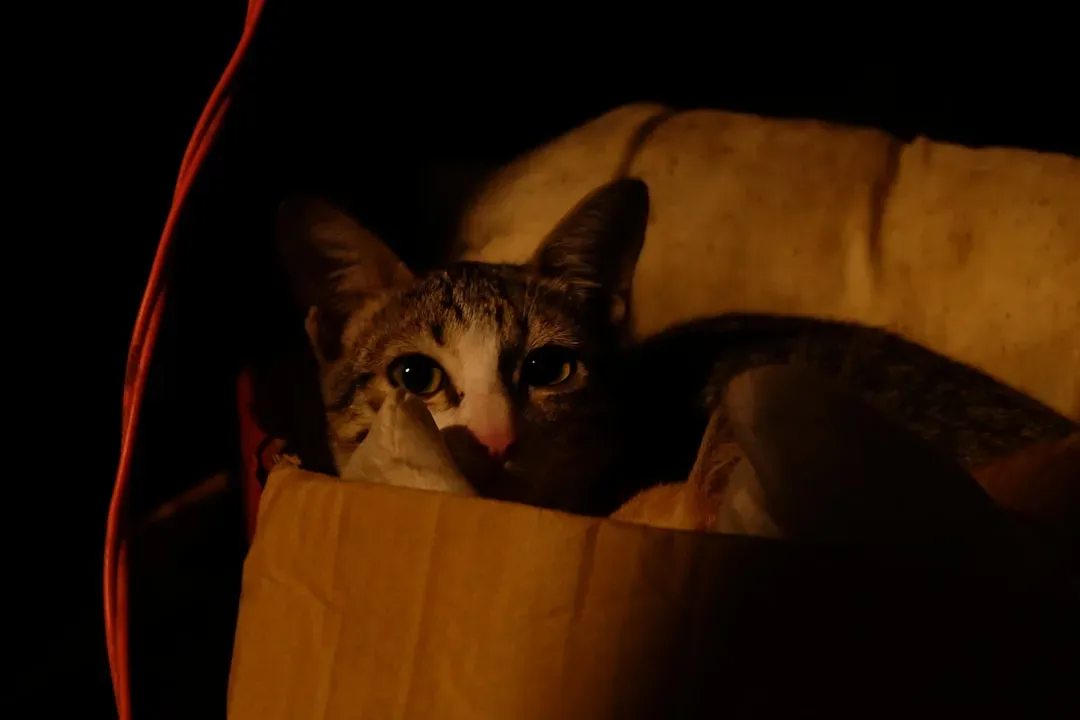
Painful cats often isolate themselves, spending more time alone in quiet, sometimes unusual hiding places. If your social butterfly has become a recluse, pain could be the culprit. This shift can be gradual enough that you might not even notice it until you realize you haven’t seen her in a few hours.
A normally social cat who is suddenly hiding and not partaking in normal daily events might be in pain. It’s not uncommon for cats to isolate themselves to show that they’re not feeling their best, whether it be pain or sickness. Watch for her abandoning the spots she used to seek out for company, particularly the rooms where your family gathers most.
Her Litter Box Habits Have Quietly Shifted
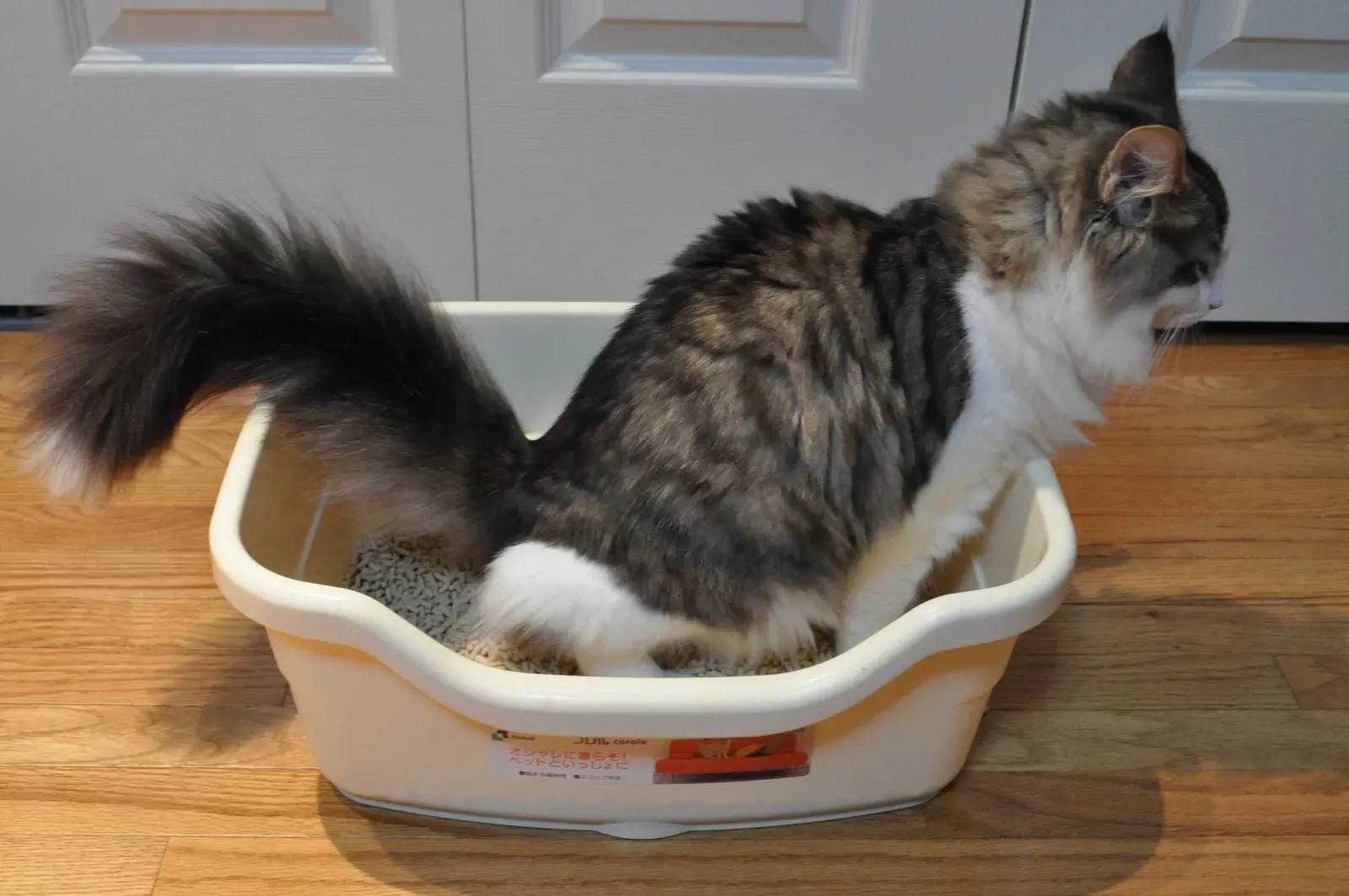
If your cat has consistently used the litter box appropriately and suddenly begins missing the box or eliminating in other areas of the house, pain should be considered as a potential explanation. When cats have lower back or hip pain, climbing into and out of a litter box can be a terrible experience. What looks like a behavioral problem is frequently a physical one.
A cat that hesitates before stepping into the box, climbs in awkwardly, or seems to struggle when exiting may have joint pain that makes the simple act of using the bathroom uncomfortable. Cats with pain might eliminate less frequently, strain during elimination, or develop inappropriate elimination behaviors. Switching to a low-sided litter box can help in the short term, but the underlying cause still needs veterinary attention.
Her Appetite Has Quietly Declined
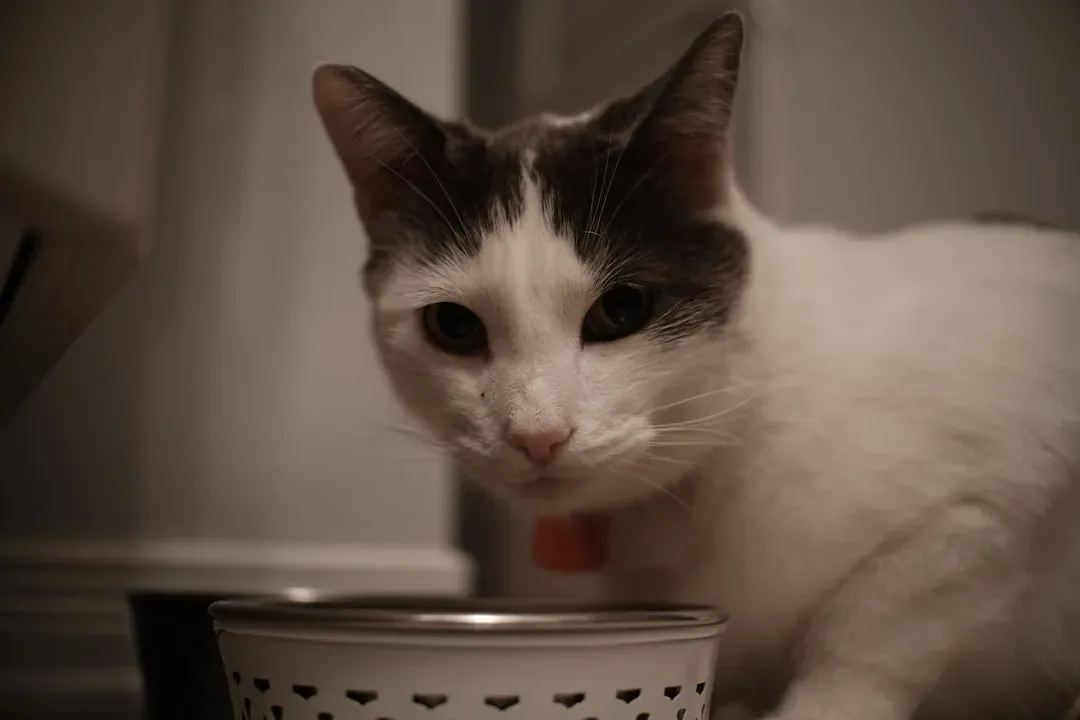
A cat with arthritis won’t cry out, she’ll simply stop jumping onto her favorite windowsill. A cat with dental pain won’t refuse food entirely, she’ll just eat more slowly or favor one side of her mouth. These are the kinds of adjustments so small they can take weeks to register, even for an attentive owner.
Schedule an appointment when your cat stops eating or drinking or consuming significantly less food than usual. Inappetence is usually one of the earliest warning signs that something is wrong. Your cat could have pain from periodontal disease, an injury, or an underlying illness, so address this symptom as quickly as possible.
Her Face Looks Subtly Different
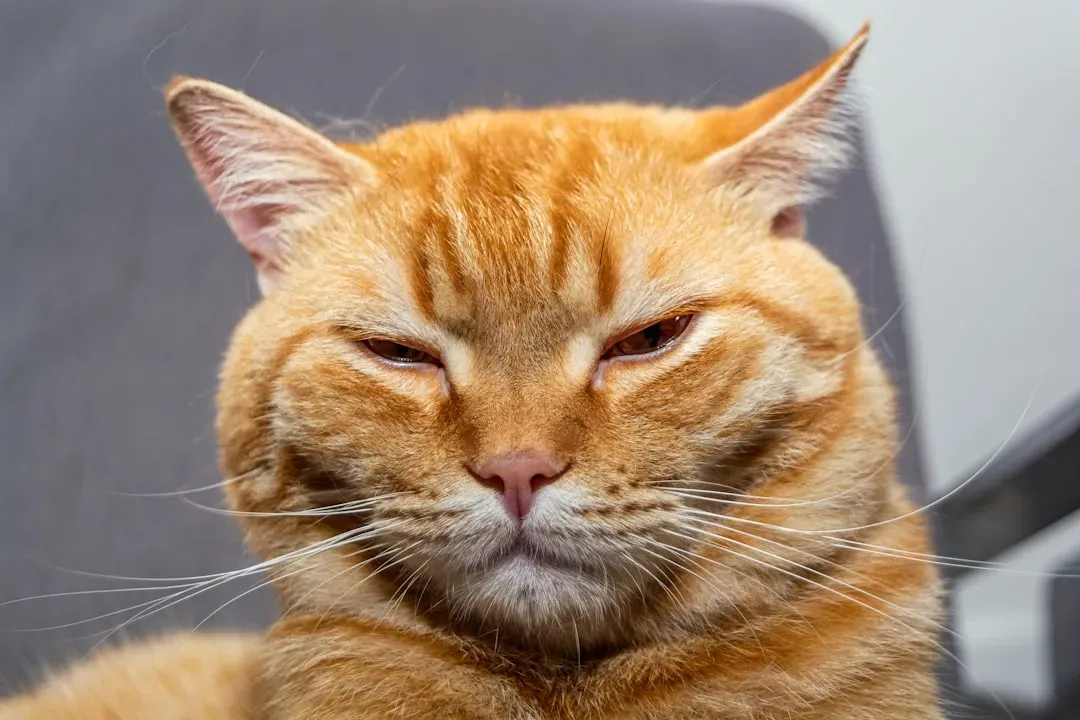
Facial expressions matter. Cats in pain often have a slightly narrowed gaze, ears rotated slightly outward, and a tense muzzle. It’s easy to dismiss this as tiredness or a bad mood. Once you’ve seen it a few times, though, it starts to look less like a mood and more like a message.
Studies by the American Animal Hospital Association have identified that cats in pain display distinctive changes including orbital tightening, or squinting, muzzle tension, ear changes, and whisker position shifts. Learning to recognize these subtle signals can help you identify discomfort before more obvious symptoms appear. The Feline Grimace Scale, a validated clinical tool, was developed precisely because these facial cues are real and measurable.
She Reacts Badly When You Touch Her
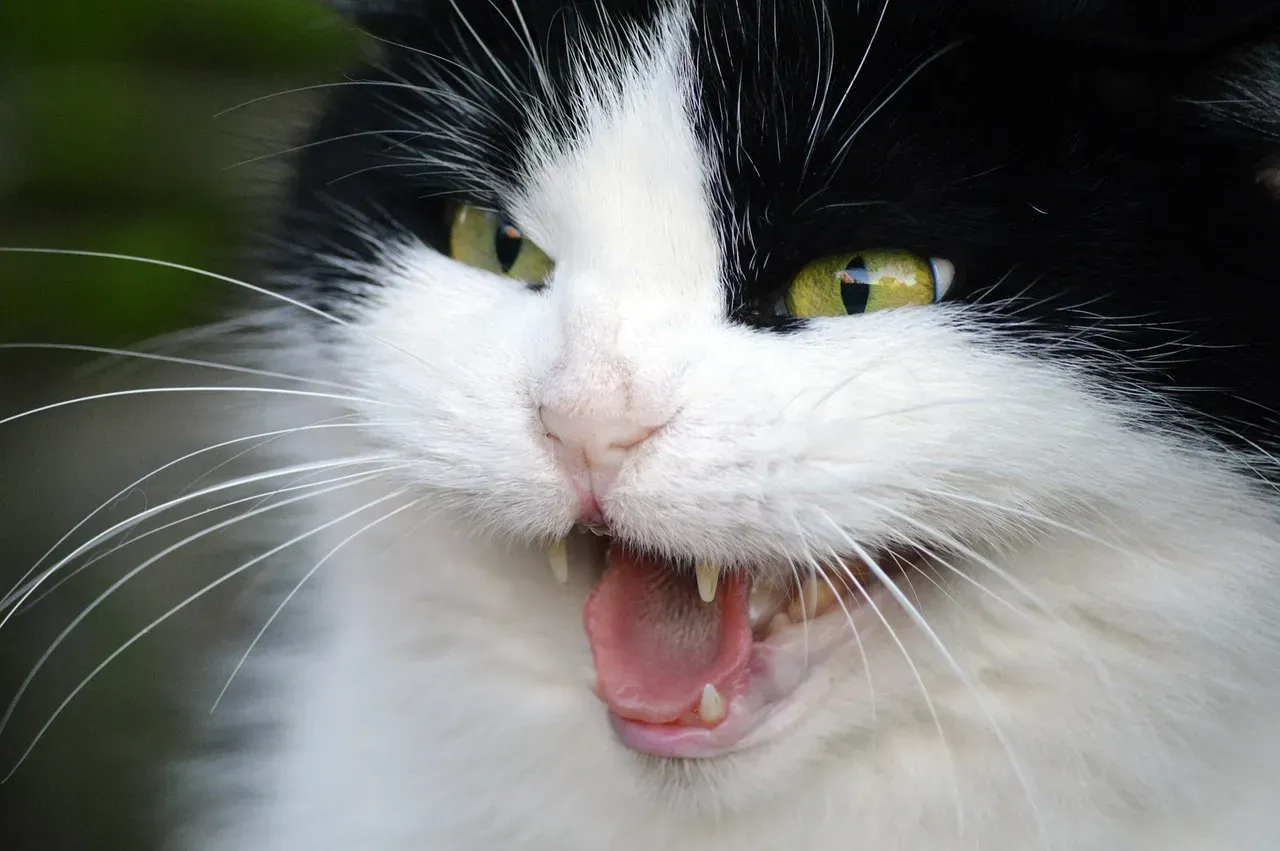
A lap cat who suddenly can’t stand being held may be experiencing pain when touched or petted. Any of these changes in their usual personality and preferences may be signs of a medical issue. You may find that she flinches, tenses up, or simply walks away from a stroking hand she used to lean into eagerly.
A cat that previously enjoyed petting but now walks away or reacts negatively may be experiencing touch-sensitive pain. These behavioral shifts are easily misinterpreted as cognitive changes or “just getting old,” but they frequently represent pain response patterns that deserve veterinary attention. Her skin and joints may simply hurt in ways that make contact, even gentle contact, unwelcome.
Her Sleep Patterns Have Changed
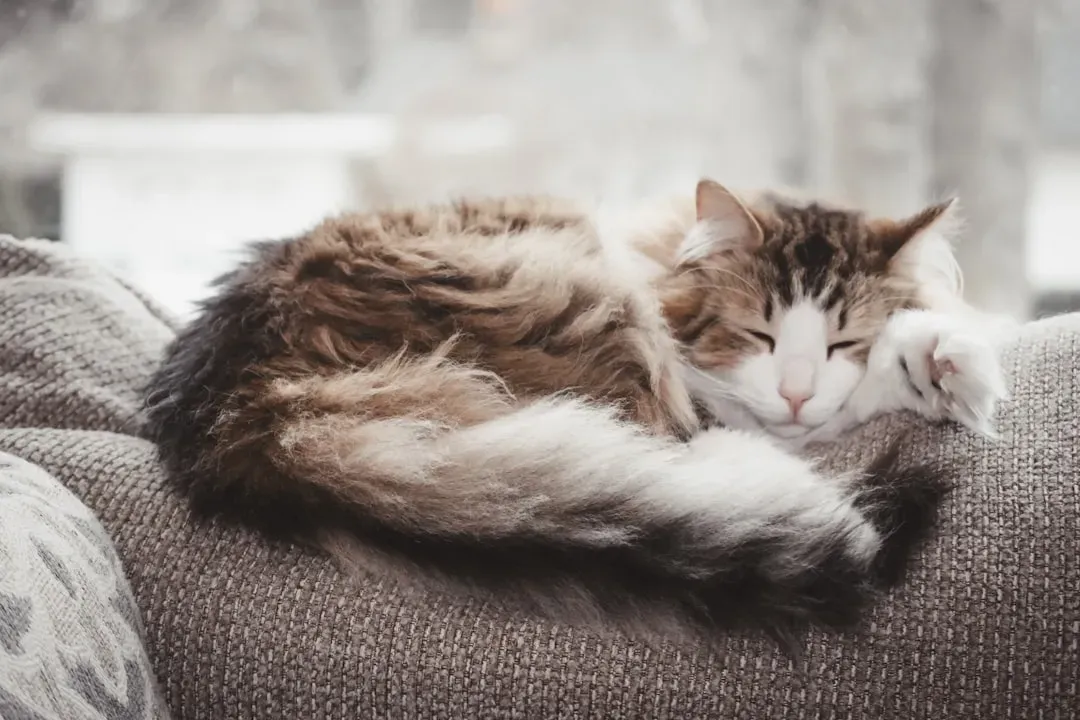
Some cats in pain may sleep more, while others sleep less. They may sleep in an unusual position, or they may sleep in odd places. You might notice her choosing the floor over her favorite elevated bed, or curling in a tight, hunched ball instead of stretching out the way she normally would.
Note if your cat has abandoned favorite sleeping spots, particularly those requiring jumping, or has started sleeping in unusual positions. Cats with joint pain often sleep in hunched positions rather than stretched out. If she also seems restless, shifting positions frequently as though nothing is comfortable, that alone is reason enough to book a vet visit.
She’s Become Unusually Inactive or Irritable
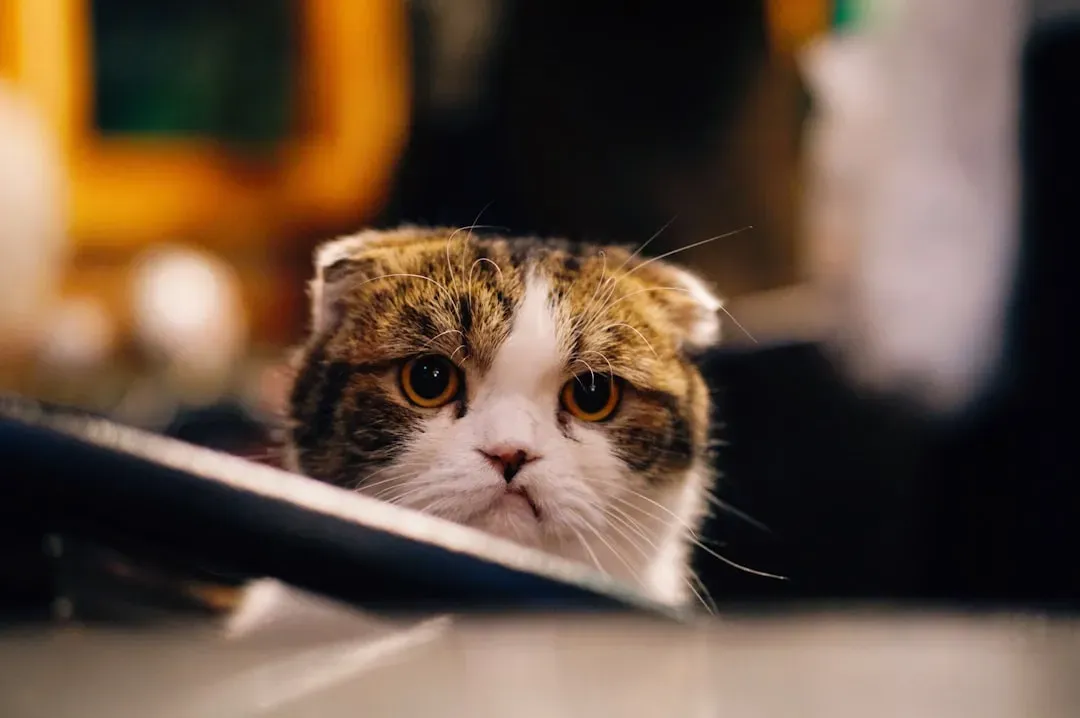
Cats experiencing pain are likely to spend more time lying around than usual. They may also lose interest in once-loved activities, like playing with you or their furry siblings. A drop in playfulness can be easy to rationalize, especially in an older cat, but a significant and persistent change is worth investigating.
Chronic pain doesn’t just hurt physically, it impacts your cat’s mental wellbeing, contributing to stress, anxiety, and depression. Research shows that unmanaged pain can significantly reduce quality of life in senior cats, making pain recognition an essential aspect of responsible pet ownership. Irritability and low-grade withdrawal are not personality quirks in an aging cat. They’re often cries for help, just very quiet ones.
What You Should Do Next
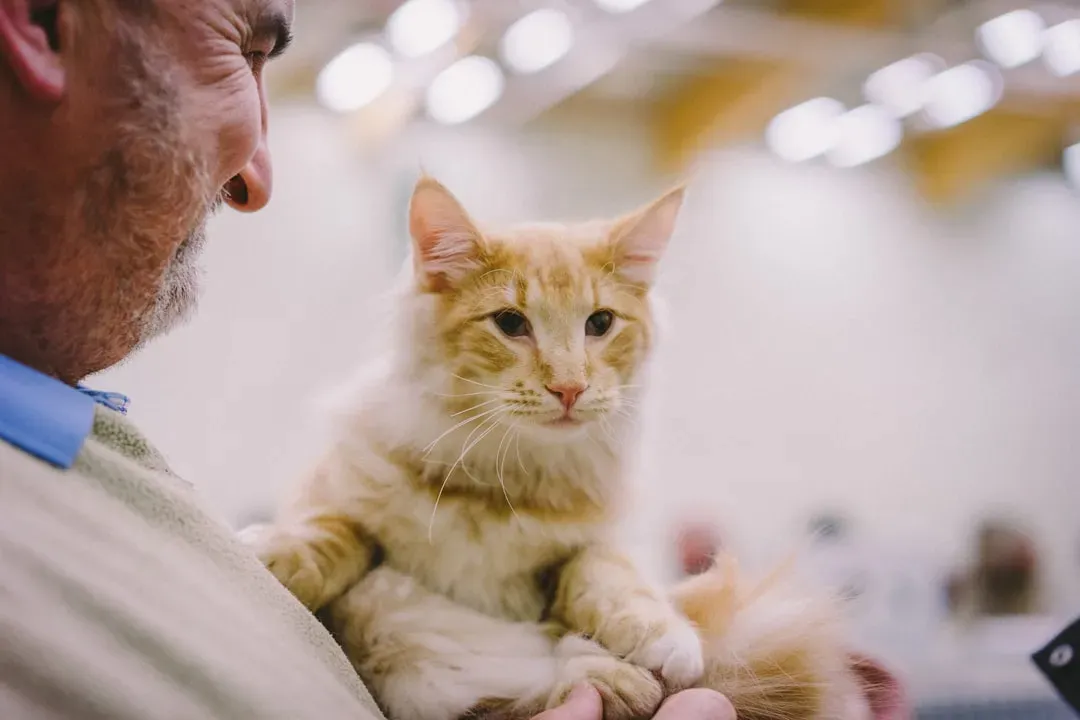
Noticing these signs is the first step. Acting on them is what matters. If you observe any of these signs in your senior cat, it’s important to schedule a visit with your veterinarian promptly. Be prepared to provide a detailed account of the changes you’ve noticed, no matter how subtle they seem. Consider keeping a log of behaviors or changes in your cat’s movement or posture, as your cat may mask symptoms during the vet visit.
The good news is that many sources of chronic pain in senior cats, such as arthritis, are manageable with medications, supplements, environmental modifications, and other therapies. While slowing down can be expected, chronic pain is treatable and should never be ignored. Your vet can build a management plan that fits your cat’s specific needs, and even modest changes can restore a surprising amount of comfort.
Never give your cat human pain medication, as many common drugs are toxic to felines. Safe pain relief for cats should always be prescribed or approved by a veterinarian. That’s the one rule that has no exceptions.
Your senior cat has spent years communicating with you in her own quiet language. Pain is just another chapter of that conversation. The signs are there if you know what to look for, and catching them early makes every difference in the world for the years she still has ahead.
Kristina is a young writer from India. An arts graduate and an avid content creator, Kristina is passionate about animals and wildlife. She enjoys exploring topics related to pet care, animal behavior, conservation, and nature, combining thorough research with engaging storytelling.