Cats are famously self-contained creatures. They sleep in sunbeams, ignore you on purpose, and then show up at 2 a.m. wanting attention. Yet underneath that composed exterior, your cat is quietly reading every signal you send. They notice when something in the home changes, when your voice sounds tense, and whether dinner arrives at the same time it did yesterday.
The relationship between a cat and their person is built less on grand moments and more on a steady accumulation of small, reliable actions. Understanding what genuinely makes your cat feel secure can change the quality of that relationship in ways that might surprise you.
1. Keeping a Consistent Daily Routine
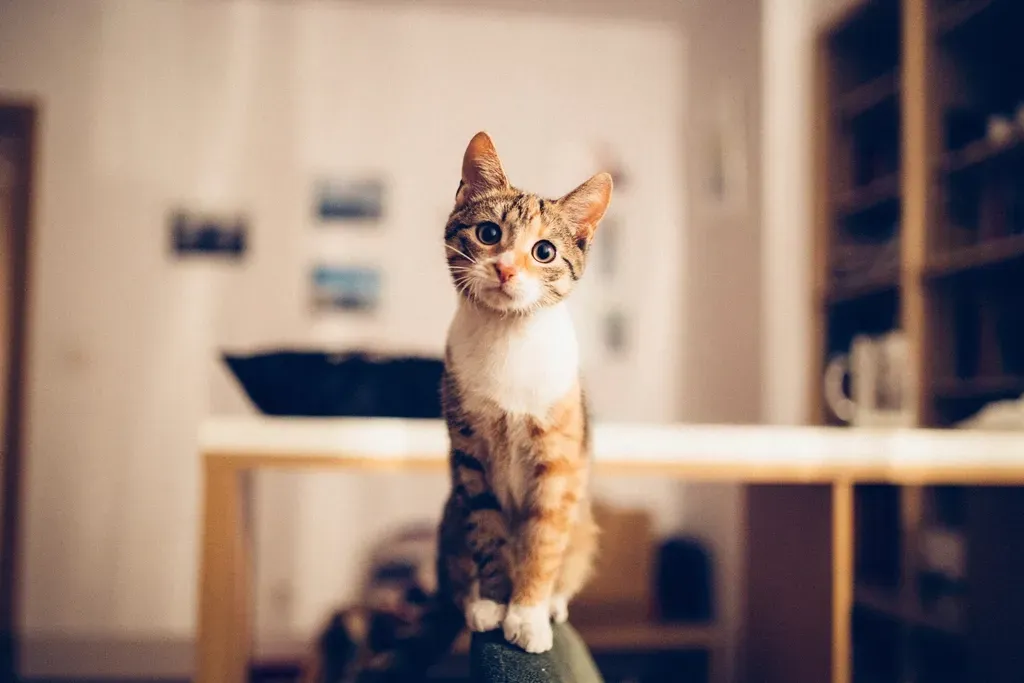
Few things please a cat more than routine. They love to know what’s coming next, and the moment their daily schedule is completely upended, they can begin to feel a little insecure. This isn’t cats being fussy. It’s a deeply wired survival instinct.
A sense of consistency and routine can help your cat feel secure. Try to keep regular habits such as mealtimes, grooming sessions, and playtime at similar times each day, so that your cat can always predict what’s going to happen next. Even small schedule disruptions, like you arriving home an hour later than usual, can stress some cats out noticeably.
2. Giving Your Cat a Private Safe Space
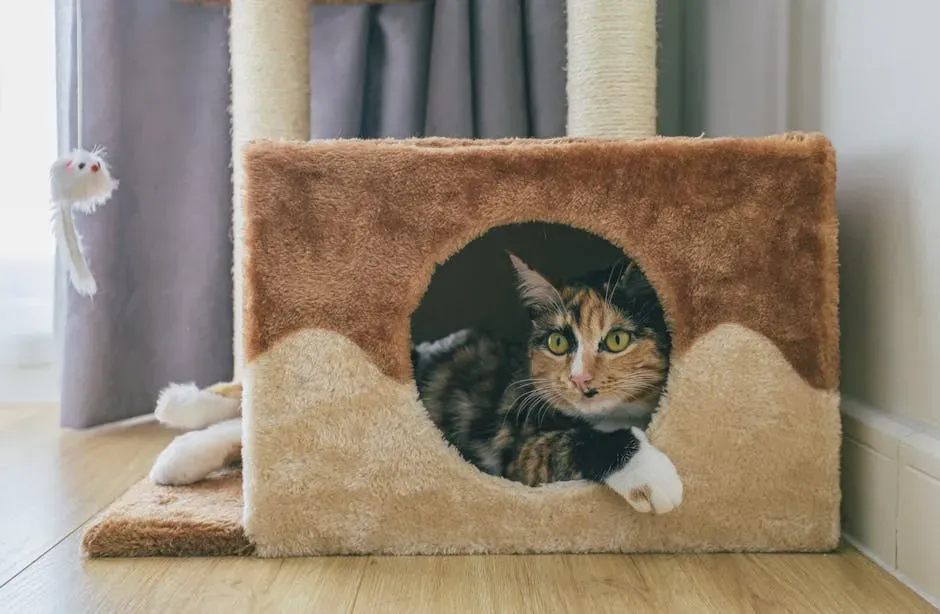
Every cat needs a safe and secure place where they can retreat to and feel protected, or that can be used as a resting area. Your cat should be able to enter and exit from this space from at least two sides if they feel threatened. Most cats prefer the safe space to be big enough to only fit themselves, have sides around it, and be raised off the ground.
A safe space is a quiet, cozy, and low-traffic area where your cat can retreat, decompress, and feel in control of their surroundings. When your cat has a reliable safe haven, they develop the confidence to explore and engage more with the rest of your home, knowing they always have somewhere to escape if needed.
3. Offering Vertical Space to Perch and Observe
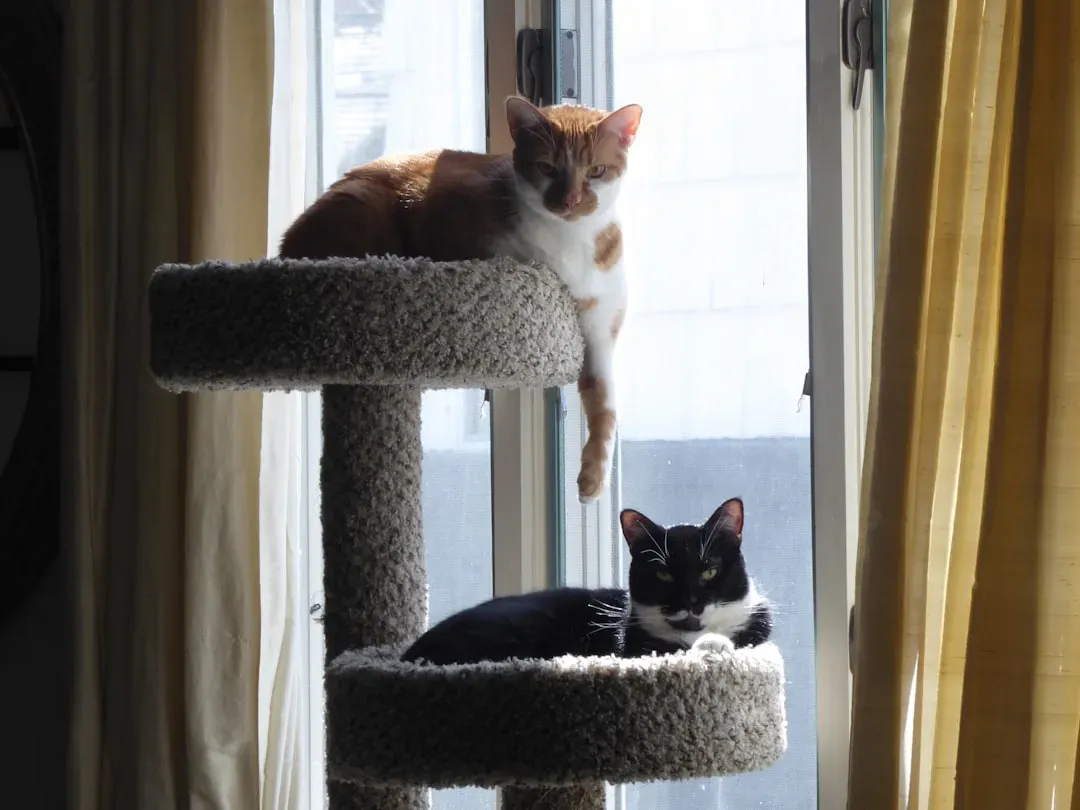
For a cat, height means safety, as they can get away from predators and observe the world from a good viewpoint. Having some perches, cat trees, or shelves that are accessible to your cat and up high will encourage feelings of security. This instinct goes back long before your cat became a pampered house companion.
Cats love vertical spaces because they provide vantage points and a sense of safety. Installing cat trees or shelves encourages climbing and exploration. These elevated spaces cater to your cat’s natural instincts, and cats feel secure when they can observe their surroundings from up high. A simple shelf near a window can do the job just as well as an expensive cat tree.
4. Keeping the Litter Box Clean and Accessible
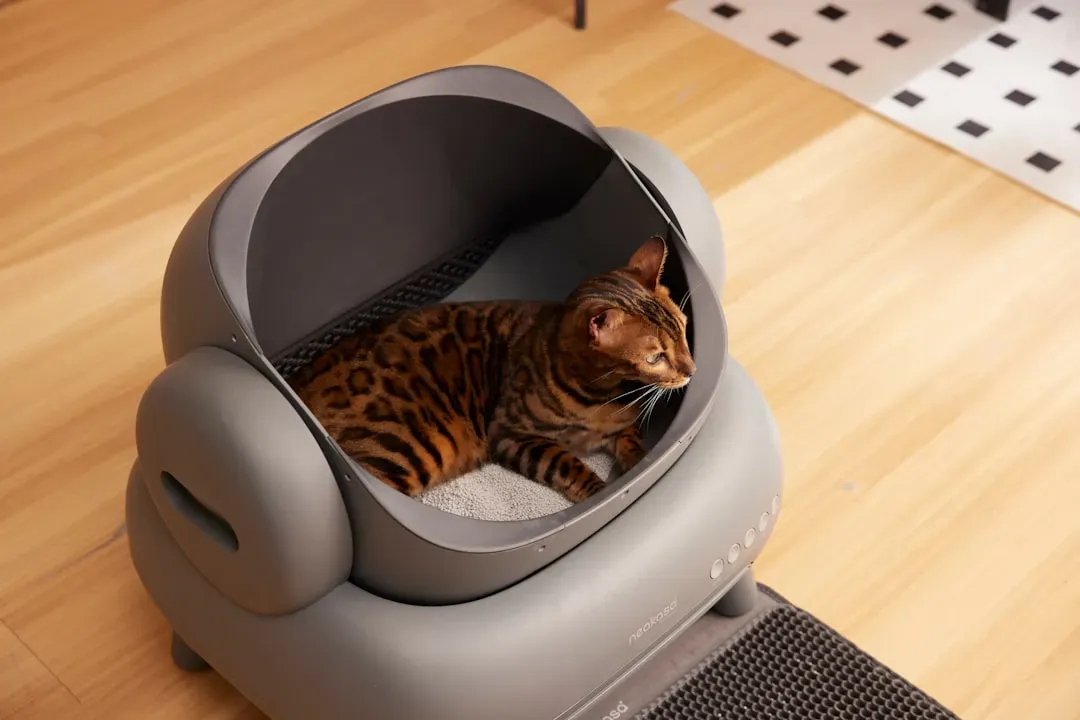
There is no debating that your cat needs their own litter box, as cats are territorial creatures. Cats have a natural instinct to bury their waste, so they won’t appreciate sharing litter boxes with other cats. A poorly placed litter box can be a real stressor for your feline friend, so be sure to position it in a place where your cat can do their business in private and that is accessible at all times.
Providing a convenient, clean, and private litter box for your cat, and scooping it at least once daily, communicates something important: that you’re paying attention to their needs. Cats who feel anxious about their litter box will often show it in ways that are harder to ignore, like using other spots in the house instead.
5. Using a Calm, Soft Tone of Voice
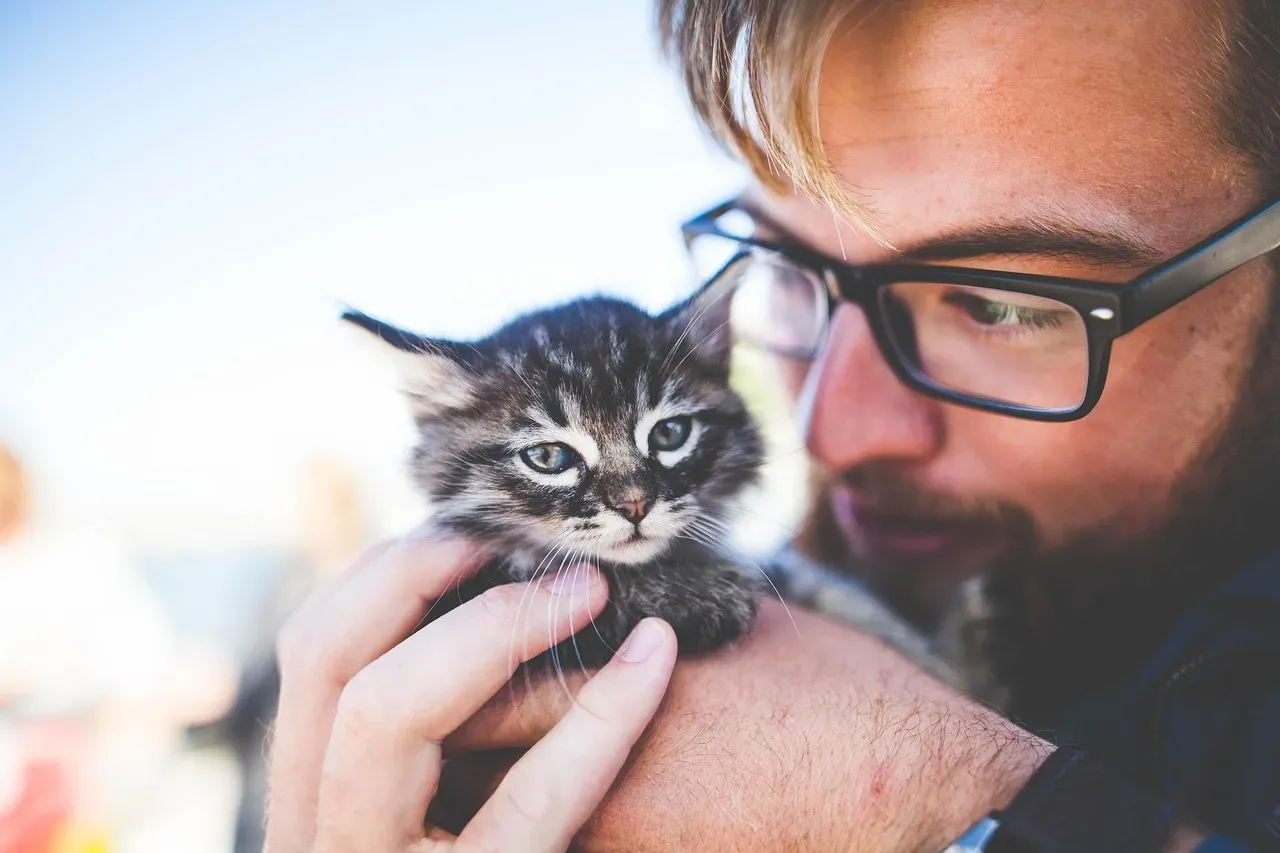
Your tone of voice is like a magic wand for your cat’s emotions. Cats are incredibly sensitive to vocal energy and can instantly tell if you’re stressed, angry, or calm. You don’t need to use a silly baby voice, but keeping your tone low, even, and unhurried genuinely matters to them.
When you raise your voice near your cat, whether at someone else or in frustration, avoid yelling or using a spray bottle to make them stop doing something. Negative reinforcement does not create lasting change in a cat’s behavior; it only makes them anxious and may damage your relationship with them. Softness, even when you’re correcting behavior, builds trust far more effectively.
6. Respecting Their Boundaries and Body Language
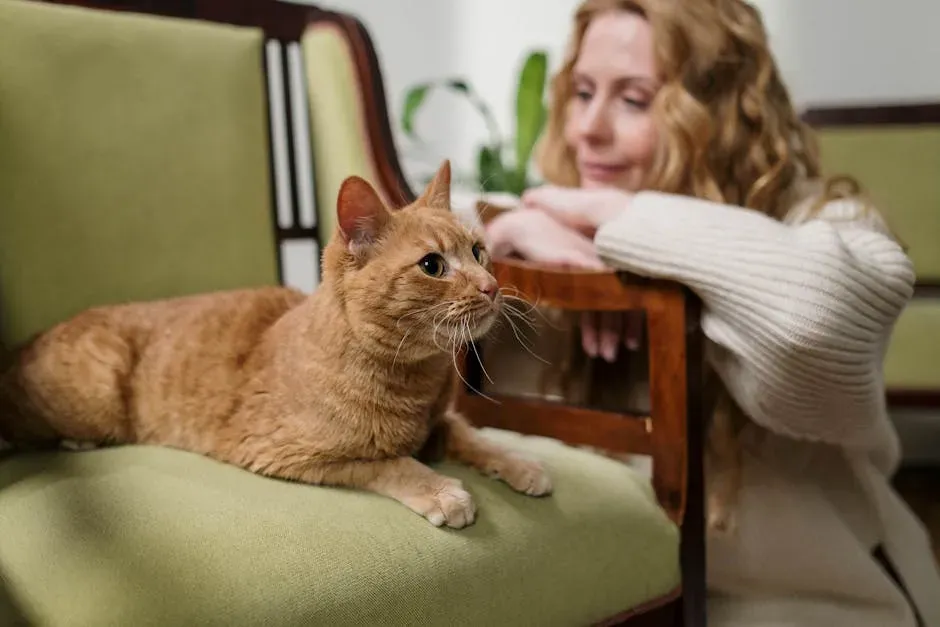
Cats are masters of consent, and respecting their boundaries is one of the most loving things you can do. Unlike dogs who often welcome attention anytime, cats have specific moods for socializing. Ignoring these moods doesn’t make a cat more affectionate. It usually does the opposite.
Cats communicate a lot through body language, and ignoring these signals can make them feel unsafe. When a cat flattens its ears, flicks its tail, or growls, it’s sending a clear message. By paying attention to your cat’s body language, you can respond appropriately and ensure they feel understood and secure. Learning to read signals like the flicking tail or the flattened ears actually makes your cat more likely to seek you out for affection later.
7. Providing Regular Interactive Playtime

Engaging in regular playtime with your cat is crucial. Play sessions simulate hunting and satisfy your cat’s natural instincts. Using toys that mimic prey, such as feather wands or laser pointers, works particularly well. Regular play sessions have the double benefit of keeping stress levels down and fitness levels up, and sessions of around ten to fifteen minutes twice a day are enough to provide plenty of stimulation.
Play and predatory behaviors allow cats to fulfill their natural need to hunt. Play can be motivated with the use of interactive toys that mimic prey, and cats need to be able to capture the “prey” at least occasionally to prevent frustration. Letting your cat actually “win” during play makes the whole experience more satisfying and calming for them.
8. Giving the Gift of a Slow Blink
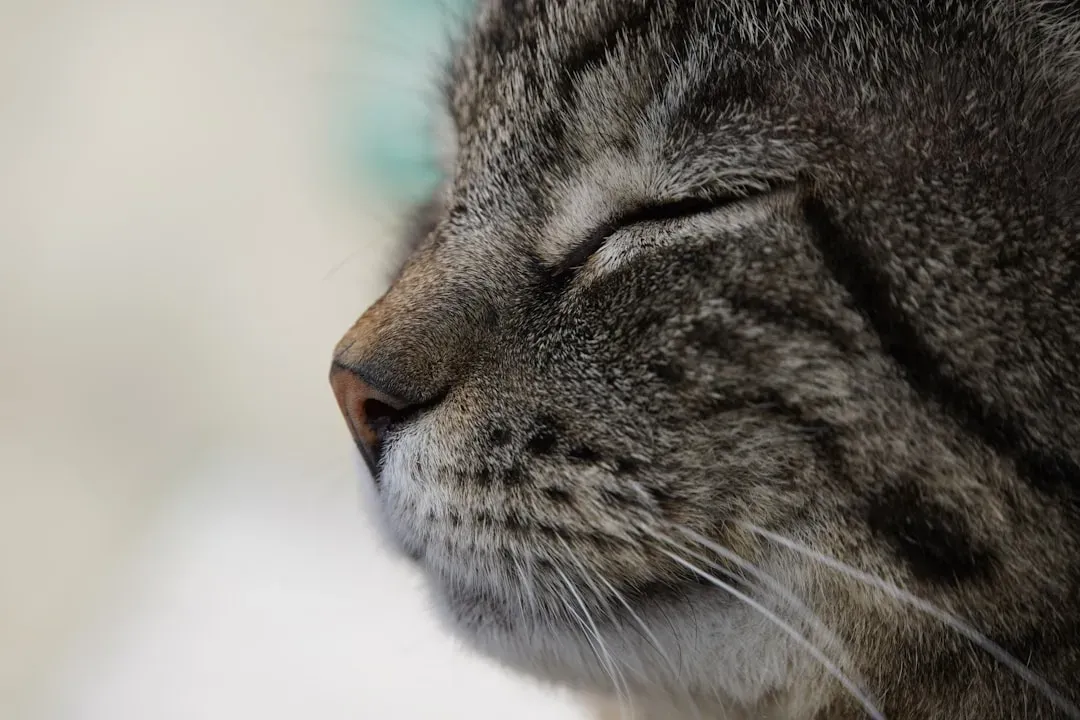
The slow blink is thought to be a cat’s way of smiling at you or showing their love. Cats slow blink and wink to show that they’re happy and also that they trust you. If your cat is staring at you without blinking, it’s a sign that they may need some space. It’s one of the simplest gestures you can exchange, and it costs nothing.
Slow blinks are cat kisses. Head bonks are cat hugs. When you respond to these gestures appropriately, slow blinking back and accepting head bonks gracefully, you’re having actual conversations with your cat. Cats use slow blinking to demonstrate affection and trust, so mirroring the gesture back is a direct and meaningful way to return that feeling.
9. Providing Soft, Familiar Bedding and Resting Spots

Soft bedding, as well as familiar smells and sounds, provides security for your cat. Creating cozy sleeping spots around the house offers your cat safe places to rest. Cats spend much of their time sleeping, and providing comfortable areas supports this need. Position beds in quiet, low-traffic areas where your cat can relax undisturbed, and consider soft, plush materials that ensure each spot has a sense of warmth.
Scent is a huge part of how cats experience security. Placing a used t-shirt, blanket, or towel with your scent in the area can make a sleeping spot feel far more reassuring. Not all cats like to sleep around their humans, but if a cat chooses to sleep on or pressed against you, it is one of the deepest signs your cat trusts you and feels comfort. Those kitty cuddles show emotional security and mean your cat loves you.
10. Enriching Their Environment with Mental Stimulation
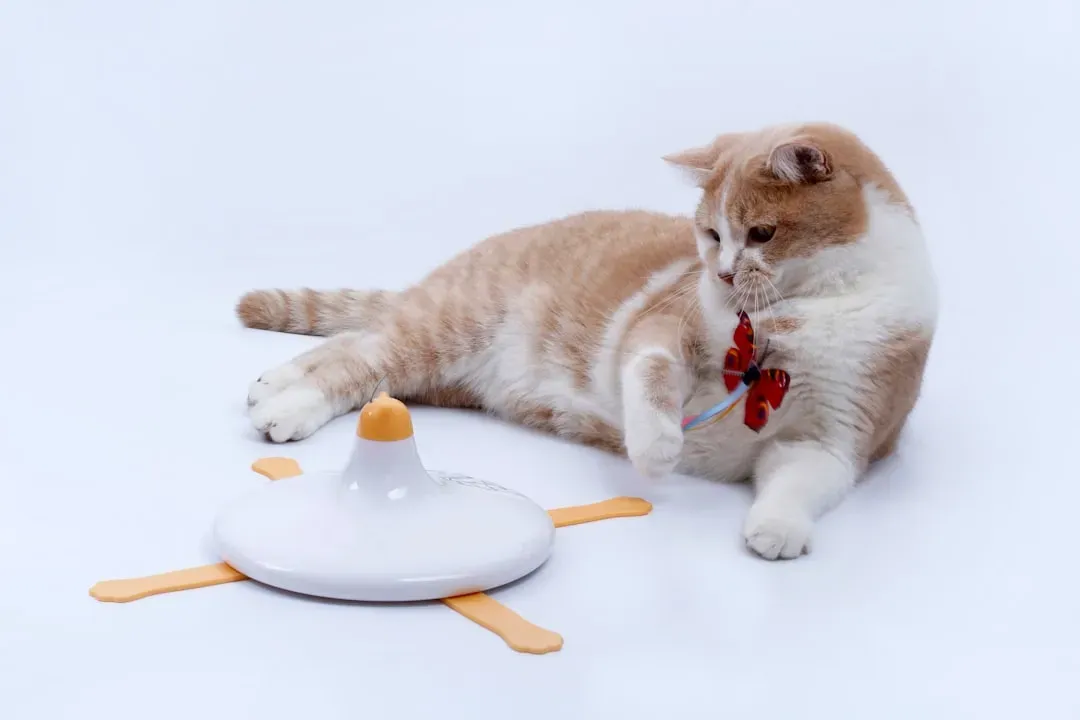
Mental challenges are just as important as physical exercise for your cat’s emotional health. Puzzle feeders, hidden treats, and interactive toys keep their minds sharp and engaged. Bored cats often become anxious or destructive cats. A cat with nothing to engage them is essentially a stressed cat in slow motion.
Resources such as toys, puzzle feeders, catnip, and interactive games can all work at keeping your cat engaged and occupied, and you don’t need to introduce them all at once. By providing mental stimulation, you’re helping your cat feel accomplished and satisfied, like they’ve worked for their rewards. Think of it as job satisfaction for cats. They need to feel useful and challenged to be truly content.
A Final Thought
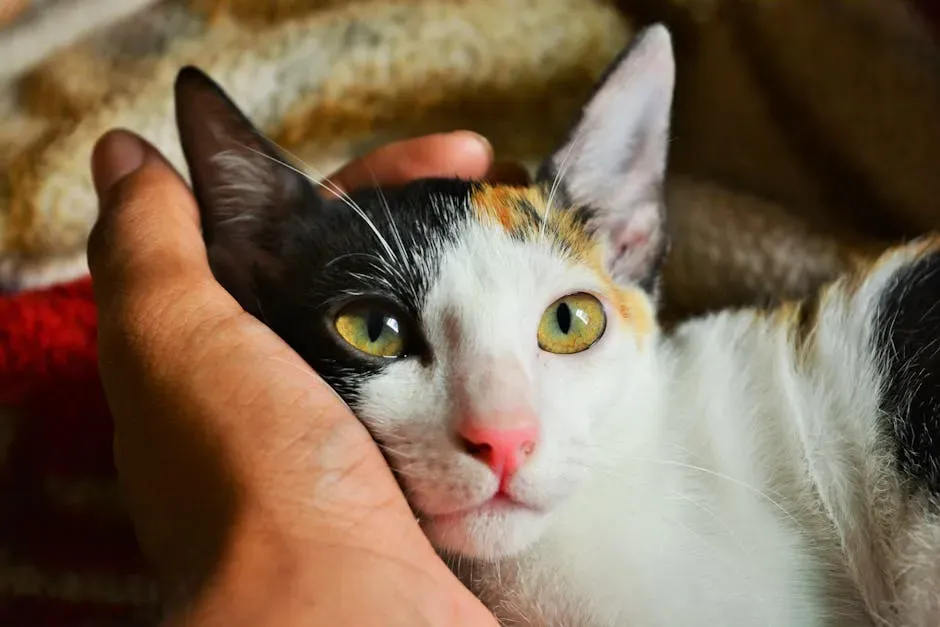
None of the things on this list are difficult. A clean litter box, a predictable dinner time, a slow blink across the room. They’re small, quiet acts that build into something much bigger over time.
What cats really ask for is consistency and respect. They want to know the world they live in won’t suddenly shift, and that the person they share it with is trustworthy. Ultimately, trust often comes down to feeling secure, and as long as you follow through on these small things, your cat will learn that they can trust you to be consistent and a good friend to them.
The reward for all of it is a cat who sleeps in the open, seeks you out on their terms, and occasionally decides your lap is the best spot in the house. That’s the whole deal, really.
Kristina is a young writer from India. An arts graduate and an avid content creator, Kristina is passionate about animals and wildlife. She enjoys exploring topics related to pet care, animal behavior, conservation, and nature, combining thorough research with engaging storytelling.