You wake up and your cat is draped across your chest, purring like a small engine, completely unbothered by the alarm going off nearby. It’s a familiar scene for millions of cat owners, and yet most people just accept it as one of those things cats do, without ever stopping to wonder what’s actually behind it.
The truth is, when your cat chooses to sleep on you, it’s rarely random. There are specific behavioral, emotional, and even biological reasons that drive this choice, and once you understand them, that small sleeping creature on your chest starts to look a lot more like a complex little communicator.
You’re the Warmest Spot in the Room
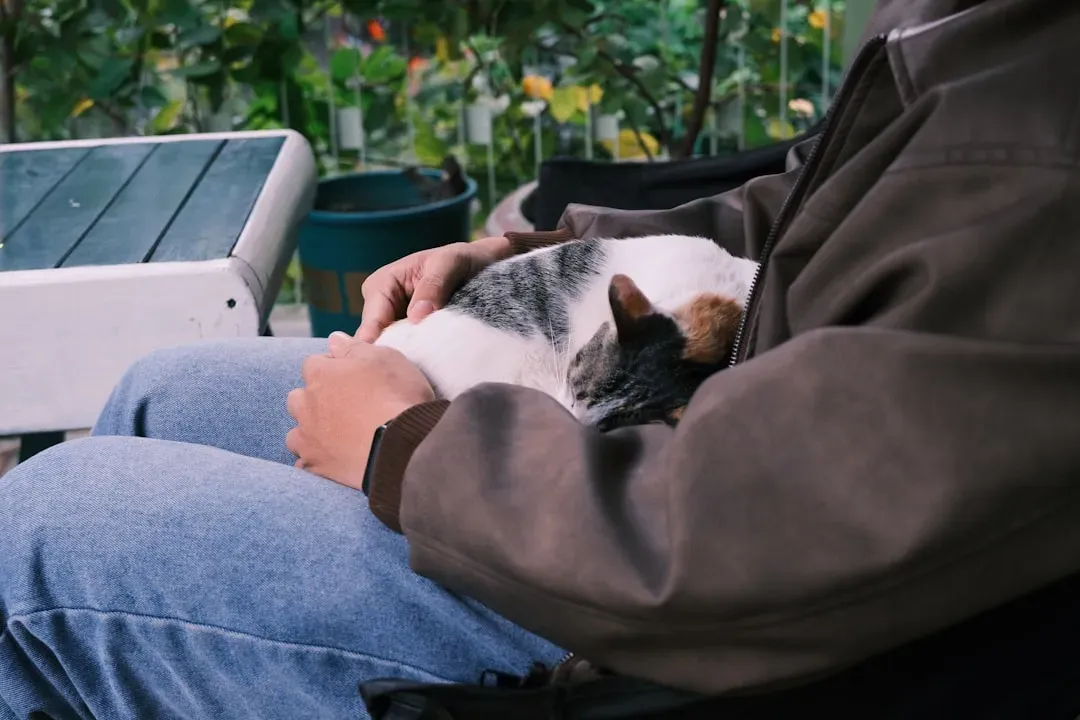
Cats are deeply practical creatures when it comes to where they rest. Your cat’s normal body temperature runs around 101 degrees Fahrenheit, which means they’re naturally drawn to sources of warmth, including the heat your body radiates. It’s less romantic than you’d expect, but it’s also very honest.
Cats like warmth above almost everything else, and when it comes to their preferred sleeping places, warmth overrides comfort, particularly in winter. Researchers have observed that cats spend up to around three-fifths of their day sleeping, and many instinctively choose the warmest, most comfortable spots available. You happen to be the most convenient, most consistent heat source in the entire house.
It’s a Deep Expression of Trust
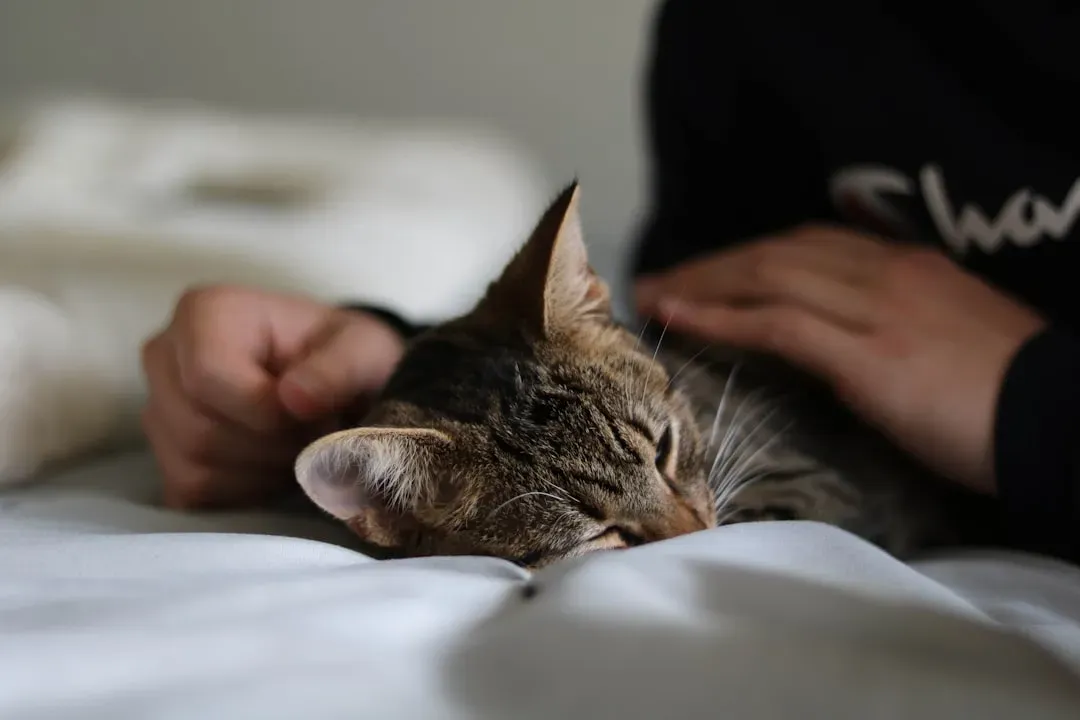
Cats are most vulnerable when they’re sleeping, at their greatest risk of being attacked by a predator. So when your cat sleeps with you, it means they trust you and feel secure with you by their side. That’s not a small thing for an animal wired to stay alert.
From a biological standpoint, cats are both predators and prey, and that dual role shapes their behaviors even in domestic life. In the wild, cats sleep in secure, elevated, or enclosed spaces to avoid threats. By choosing to sleep on you, they’re instinctively selecting a safe zone. No matter where your cat sleeps on your bed, the fact that they choose to sleep near you at all is a strong indicator of trust. Cats are instinctively cautious sleepers, and by curling up close to you, your cat is signaling that they feel safe in your presence.
They’re Marking You as Their Own
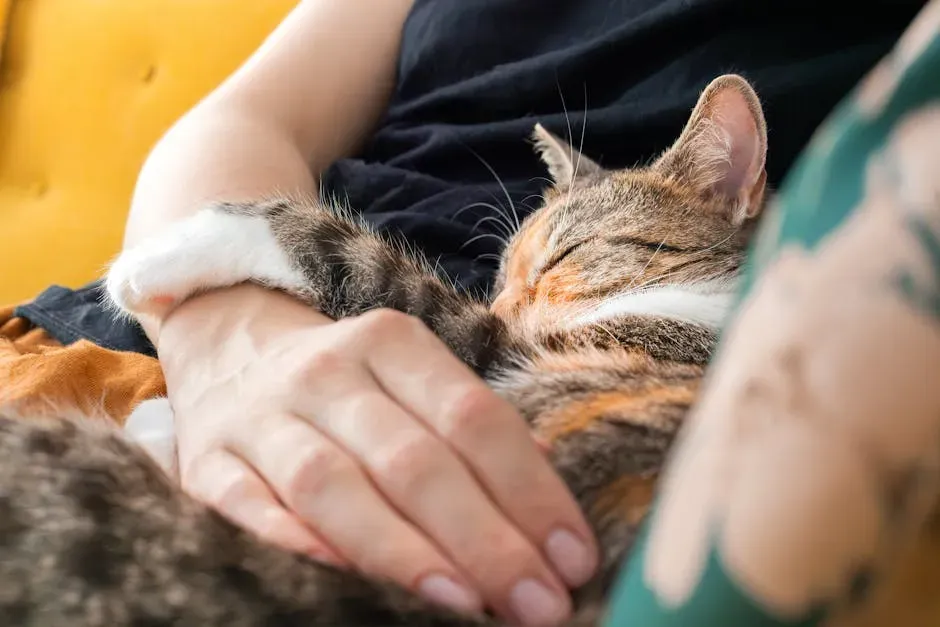
Cats are territorial creatures. When they sleep on you, they’re also marking you, subtly claiming you as part of their territory through scent exchange. Their body oils contain pheromones that signal ownership, bonding, and familiarity. It sounds possessive, but in cat terms, it’s actually a compliment.
Cats are territorial animals that mark their turf with their scent. They release pheromones from their face and body, and sleeping on you allows them to spread their scent over you, thereby marking you as theirs. This form of territorial behavior isn’t possessive in a negative sense; it’s actually a sign of affection and inclusion. Think of it as your cat’s version of putting their name on something they love.
Your Breathing Calms Them
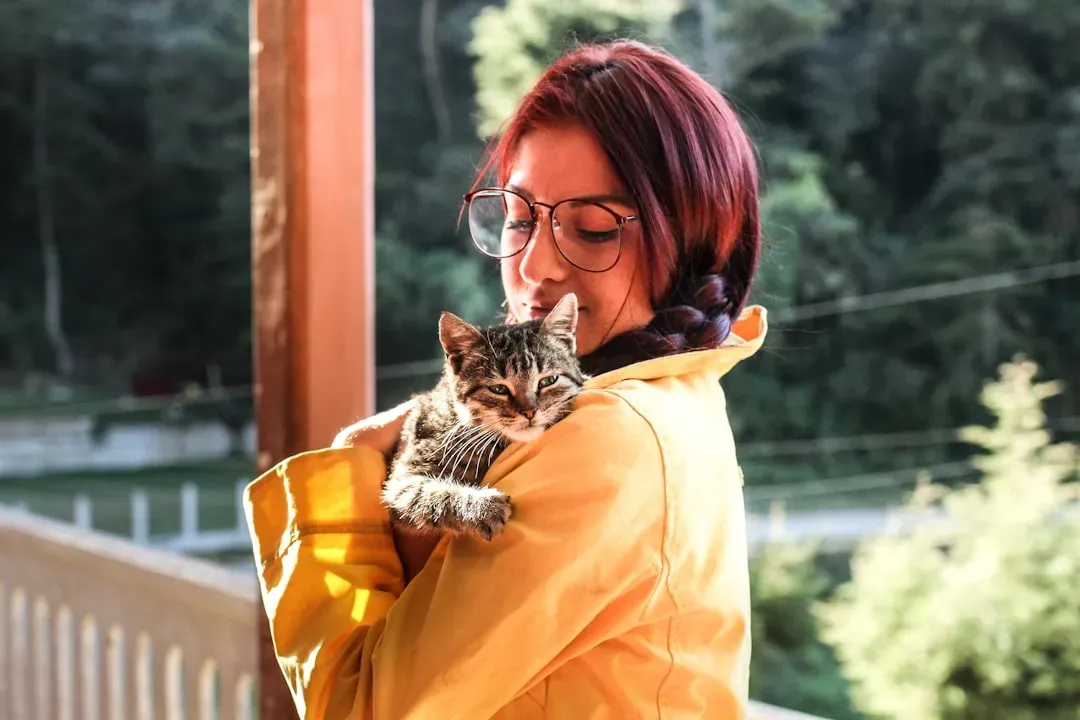
Cats likely find some benefit to the very slow and calm respiratory patterns humans have during sleep. This is when people are at their most calm, and most cats tend to echo those same sentiments. Your steady, rhythmic breathing essentially becomes a signal that all is well in the world.
When a cat lies with you in bed, their warmth, steady breathing, and gentle weight activate the parasympathetic nervous system, slowing your heart rate and promoting relaxation. The effect is similar to using a weighted blanket or stuffed animal. What’s interesting is that this calming effect appears to run in both directions, benefiting both you and your cat at the same time.
It Echoes Their Earliest Memories
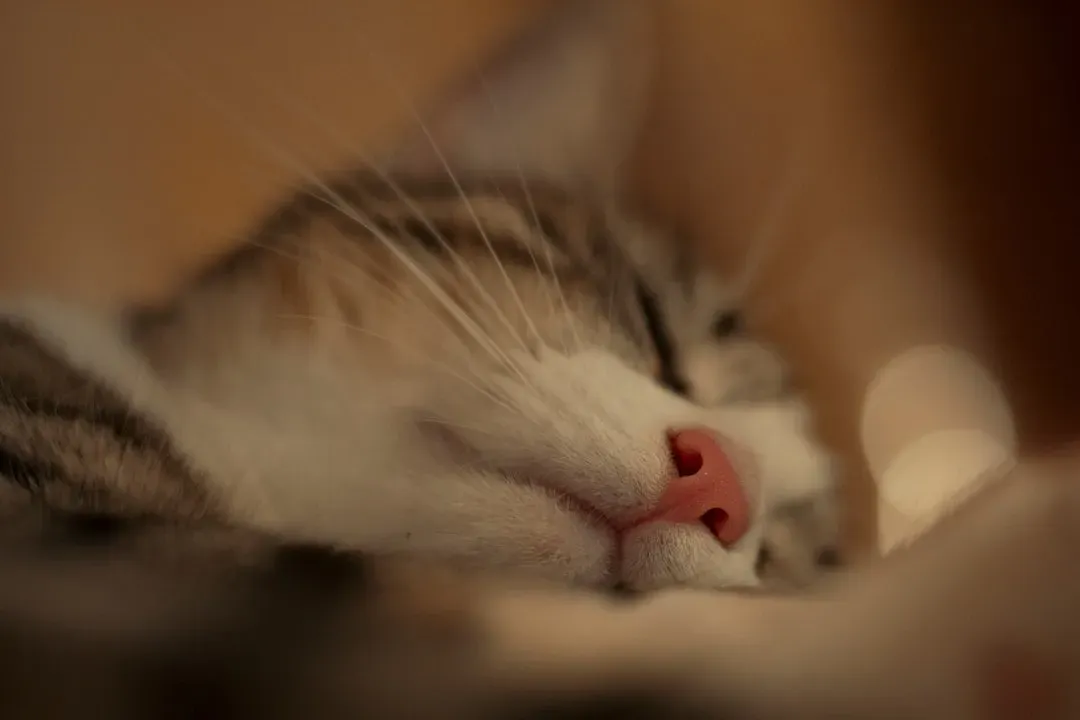
Another reason cats want to sleep on their humans is because of safety. Having a human to cuddle with can be reminiscent of kittenhood and cuddling with their mom and litter. That instinct to seek warmth and closeness gets formed very early and never fully leaves.
Cats are creatures of habit and territory, and sleeping with their owners can reinforce their sense of belonging and security. The closeness and warmth provided by a human’s body can mimic the comfort of a litter, making the cat feel safe and protected. There are also certain learned behaviors that cats pick up from their mother and siblings while very young that stay with them throughout their lives. That small kitten curled beside its mother becomes the adult cat curled on your chest.
Where They Sleep on You Actually Means Something
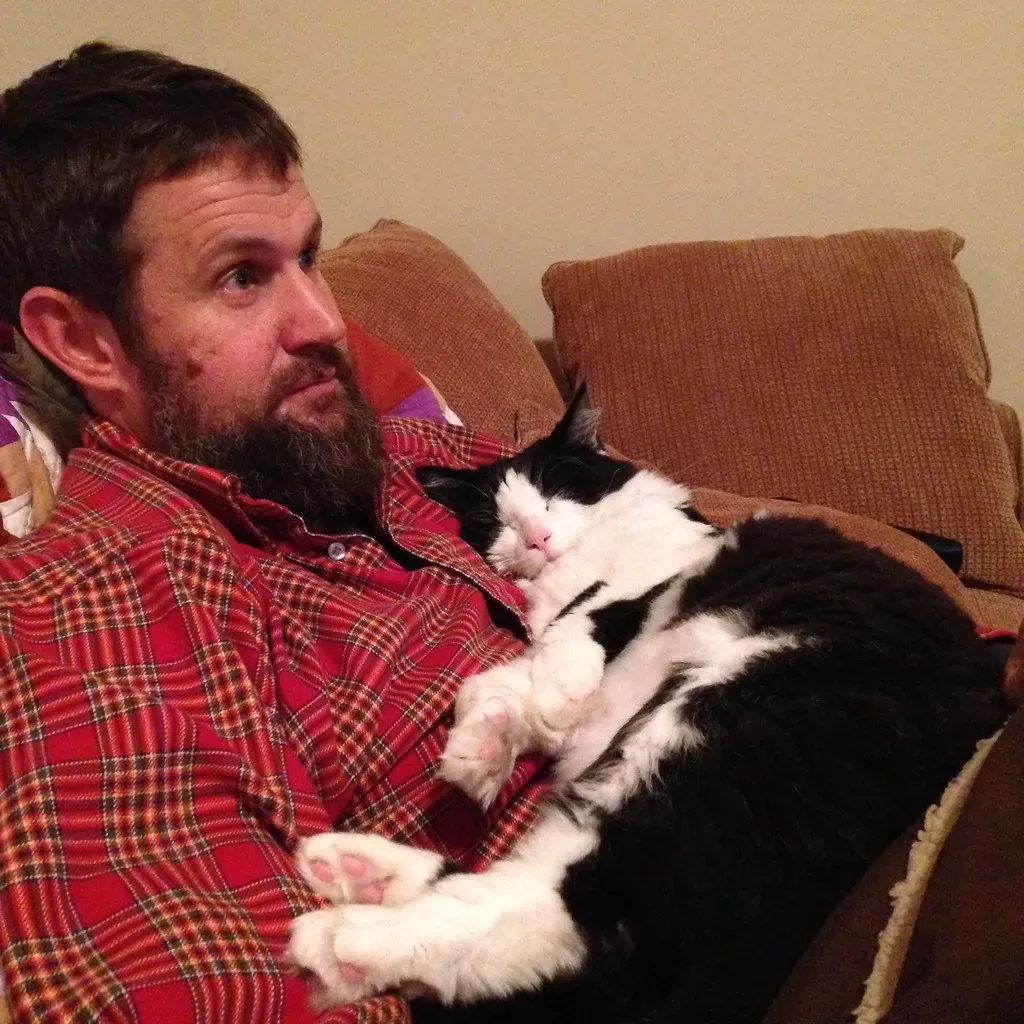
A cat’s sleeping position can reveal the depth of their attachment. Cats that sleep directly on their owner’s chest, head, or against their body exhibit behaviors indicative of a strong social bond, while those who choose a more distant sleeping spot, like the feet, may still be bonded but prefer a level of independence. It’s a spectrum, not a binary.
If you notice your cat lying on your chest quite regularly, you should be glad, as this is one of the most affectionate spots a cat can choose. Your chest provides warmth, the comforting sound of your heartbeat, and a sense of security. Your head is another spot that can feel comforting to a cat. Human heads release heat and move less than other parts of the body during sleep, so a cat might be drawn to it for those reasons.
It Can Also Be Their Way of Coping With Stress
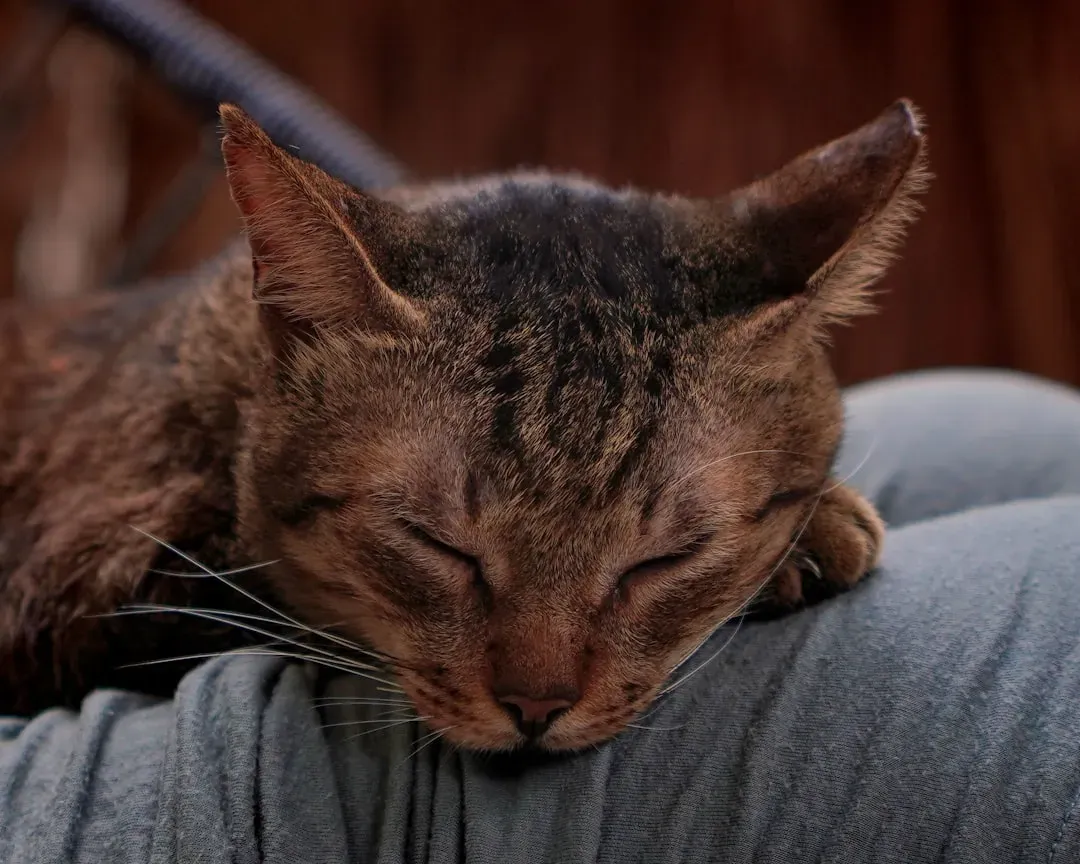
Cats thrive on consistency. A change in their environment, such as new furniture, moving homes, the introduction of a new pet, or even an altered work schedule, can make them feel insecure. Sleeping on you becomes a coping mechanism, a way to re-establish stability and reassurance. You’re the constant when everything else feels uncertain.
Sleeping on you helps some cats reduce stress and anxiety. Your presence reassures them, making them feel less vulnerable, especially in multi-pet households or noisy environments. Physical closeness helps reduce anxiety for many cats. Your presence and heartbeat can soothe them during times of stress or environmental change. If your cat suddenly becomes clingier than usual, it’s worth paying attention to what might have recently shifted in their world.
It Carries Real Health Benefits for You, Too
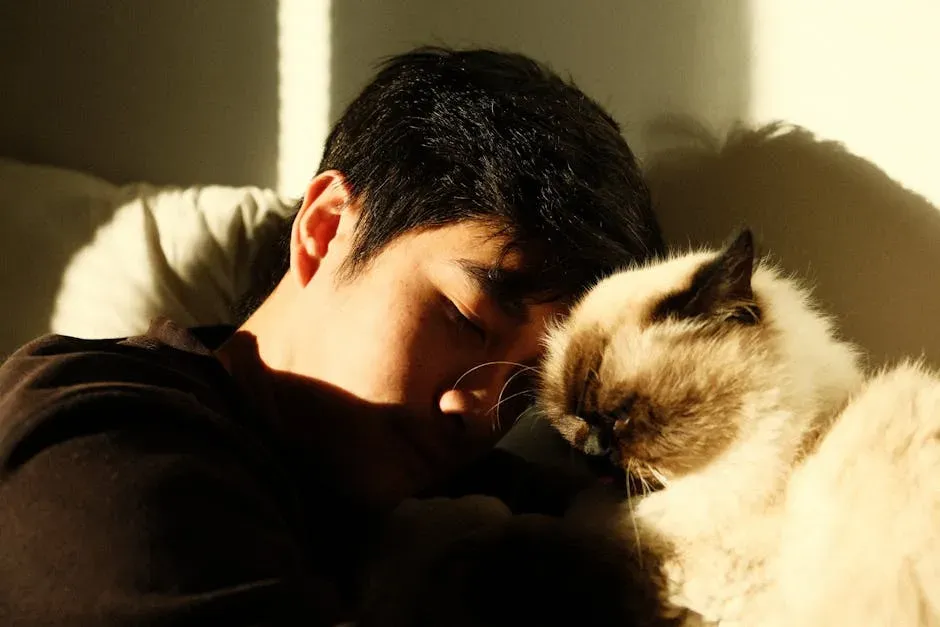
Purring may stimulate bone growth and the formation of new skin and soft tissue, both in cats and humans. Additionally, being around a purring cat can lower your blood pressure by calming your nervous system. That quiet rumble has more going on than it seems.
Studies have shown that interacting with a pet can support stress levels by increasing oxytocin production and release. Oxytocin is the hormone often associated with happiness and bonding, and its presence is normally associated with a decrease of the stress-linked hormone cortisol. High cortisol levels can lead to poor sleep, anxiety, fatigue, weight gain, and other unpleasant symptoms. One ten-year study showed a roughly thirty percent lower risk of death from a heart attack for cat owners versus people who don’t own cats. Your sleeping cat is, quietly, doing you some good.
Not Every Cat Does It, and That’s Okay
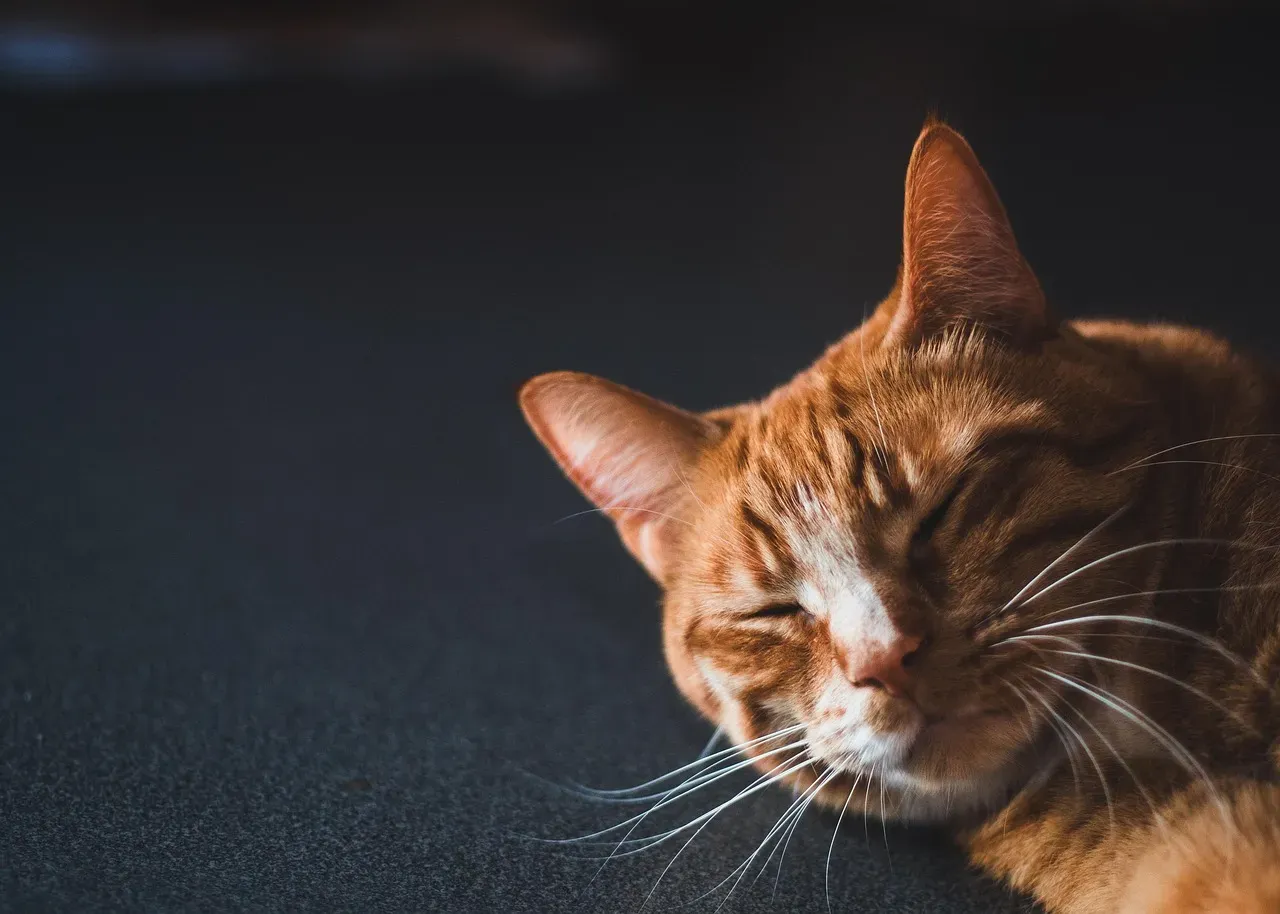
Not all cats sleep on top of their humans. Cats are individuals and they all have different preferences and habits. A cat that prefers to sleep across the room isn’t necessarily less bonded with you. It may simply be more independent by temperament, or more particular about personal space.
It can be normal for a cat to sleep on their owner every night. Cats are creatures of habit and routine, and if your cat consistently sleeps on you, it’s a testament to the strong bond and attachment you share. If your cat’s sleeping habits change suddenly, it could signify distress or illness. It’s essential to monitor their behavior and consult with a veterinarian to rule out any health issues or potential stressors affecting them. Patterns matter more than any single night.
What to Do If It Becomes Disruptive
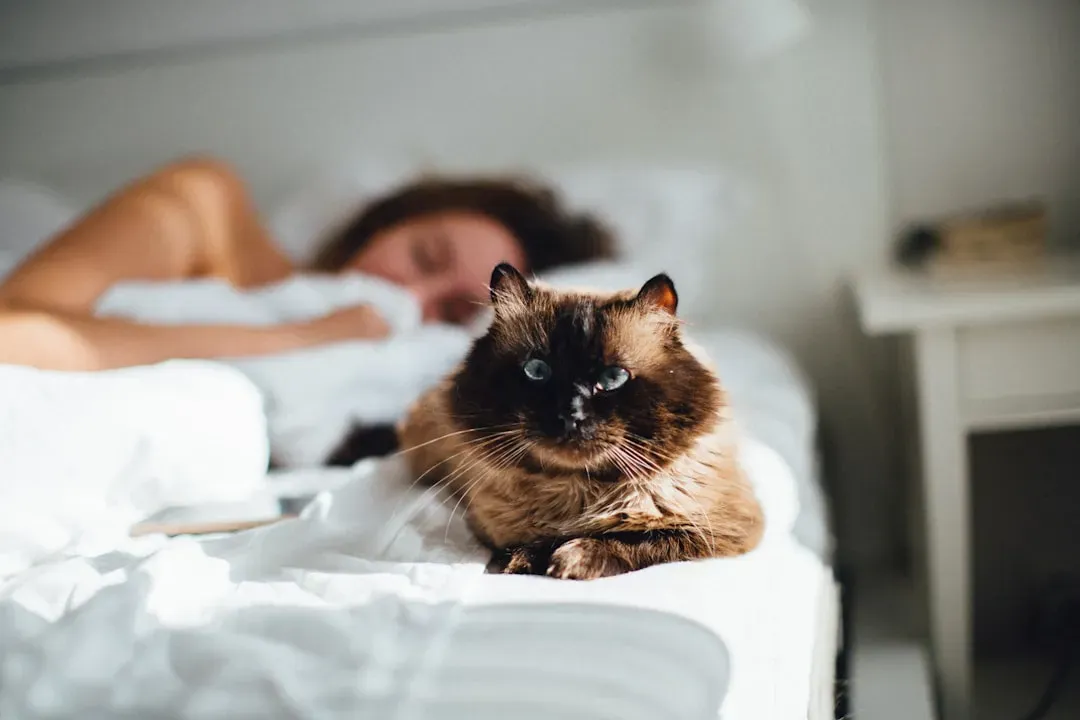
Having cats in your bed can be disruptive at bedtime. According to a study of 932 women in the U.S., cats who slept in their owner’s bed were reported to be equally as disruptive as human partners, and were associated with weaker feelings of comfort and security than both human and dog bed partners. The warmth and closeness are real, but so is the 3 a.m. face paw.
You can do things to make another spot more appealing to your cat, such as making it cozy and warm, putting it higher up so they feel safe and secluded, and leading them there with treats. Giving your cat plenty of playtime during the day, and even a session right before bed, may help them stay calm while you’re trying to sleep. The goal isn’t to reject them, just to redirect them somewhere that works better for both of you.
Conclusion
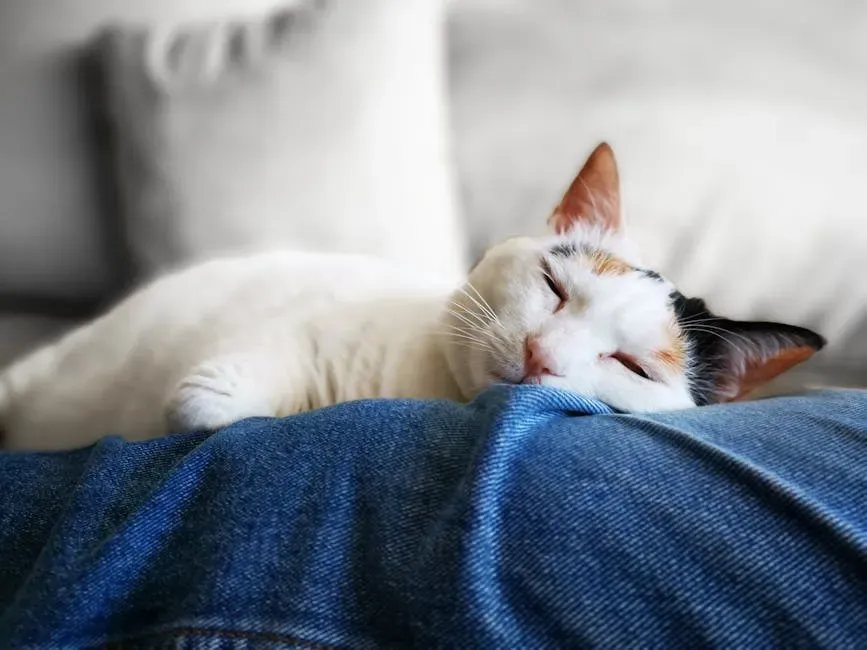
There’s a quiet kind of intimacy in the moment your cat chooses you over every other surface in the house. It isn’t coincidence, and it isn’t just warmth-seeking, though that’s certainly part of it. It’s trust, instinct, memory, and a form of communication that doesn’t need words.
Understanding why your cat sleeps on you doesn’t make the behavior less endearing. If anything, it makes it more meaningful. That small, purring weight on your chest is your cat’s clearest way of saying you’re safe, you’re familiar, and you’re theirs. Most of us could do a lot worse than being chosen like that.
Kristina is a young writer from India. An arts graduate and an avid content creator, Kristina is passionate about animals and wildlife. She enjoys exploring topics related to pet care, animal behavior, conservation, and nature, combining thorough research with engaging storytelling.