Cats have a reputation for being self-sufficient, even aloof. But if you’ve ever watched one follow you quietly from room to room, headbutt your ankle at the worst possible moment, or curl up precisely on whatever you’re trying to read, you already know there’s more going on beneath that cool exterior.
Beyond their reputation for independence, research reveals that cats form genuine emotional attachments to their human caregivers, and that reality challenges long-held misconceptions about our whiskered companions. The gestures that matter most to them aren’t grand. They’re small, daily, and completely within your reach.
1. The Slow Blink That Says Everything
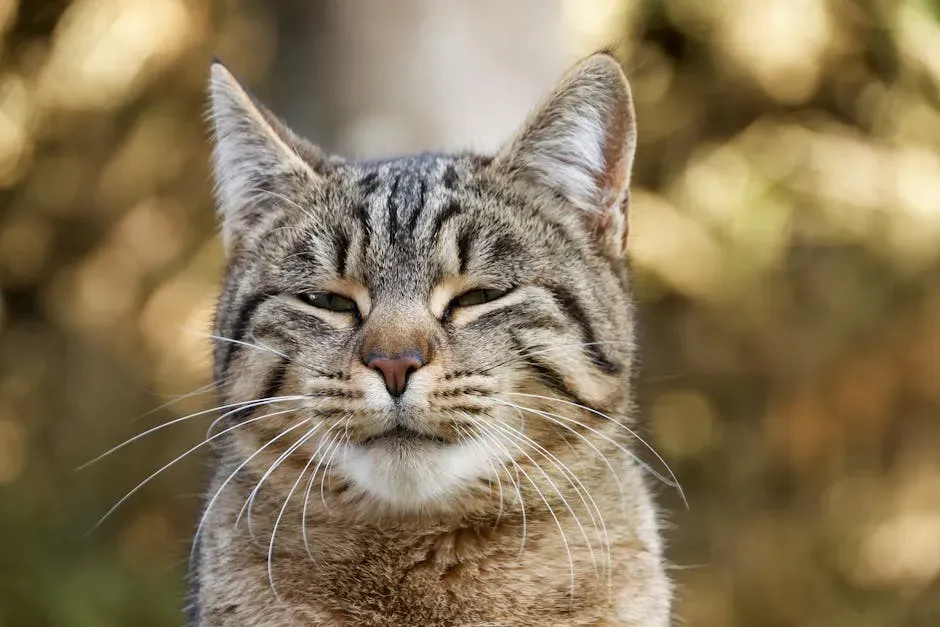
One thing cats want from you and genuinely understand is a particular kind of eye contact. Making eye contact with your cat and giving them a long, slow blink is a way to offer love from a distance. It sounds almost too simple, but it lands deeply with them.
Slow blinking communicates safety and is non-threatening in a cat’s world, while direct staring is a challenging gesture. Acknowledging your cat’s presence and making that kind of friendly eye contact lets them know you see and appreciate them. Try it the next time your cat is watching you from across the room. Chances are, they’ll blink right back.
2. Letting Them Come to You First
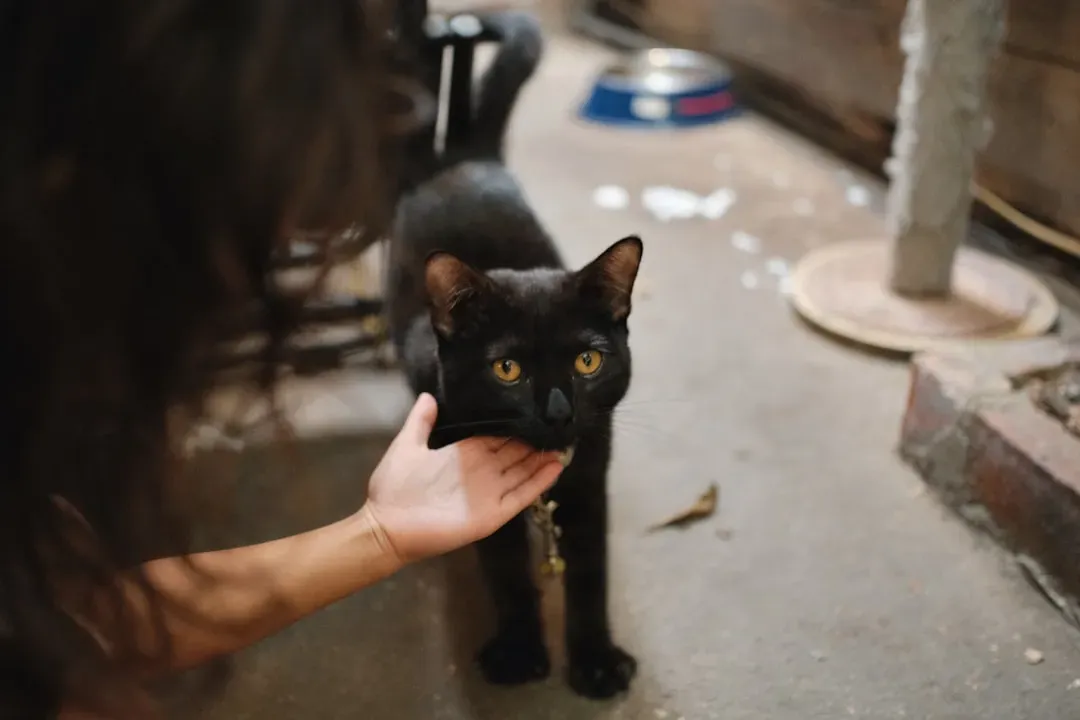
Trust can be harder to win because some cats are simply nervous. One effective approach is to always allow the cat to come to you rather than forcing yourself on them. When your cat does approach, reward it with a few treats and let it leave as soon as it wants to. You’ll find it comes to you a little sooner and stays a little longer each time.
Respecting personal space is a communication style frequently favored by cats. Cats prefer to feel in control, so allowing your cat to initiate interactions, and not forcibly touching them in places they dislike, goes a long way. Patience here isn’t just kind. It’s the foundation of real trust.
3. Petting Them in the Right Places
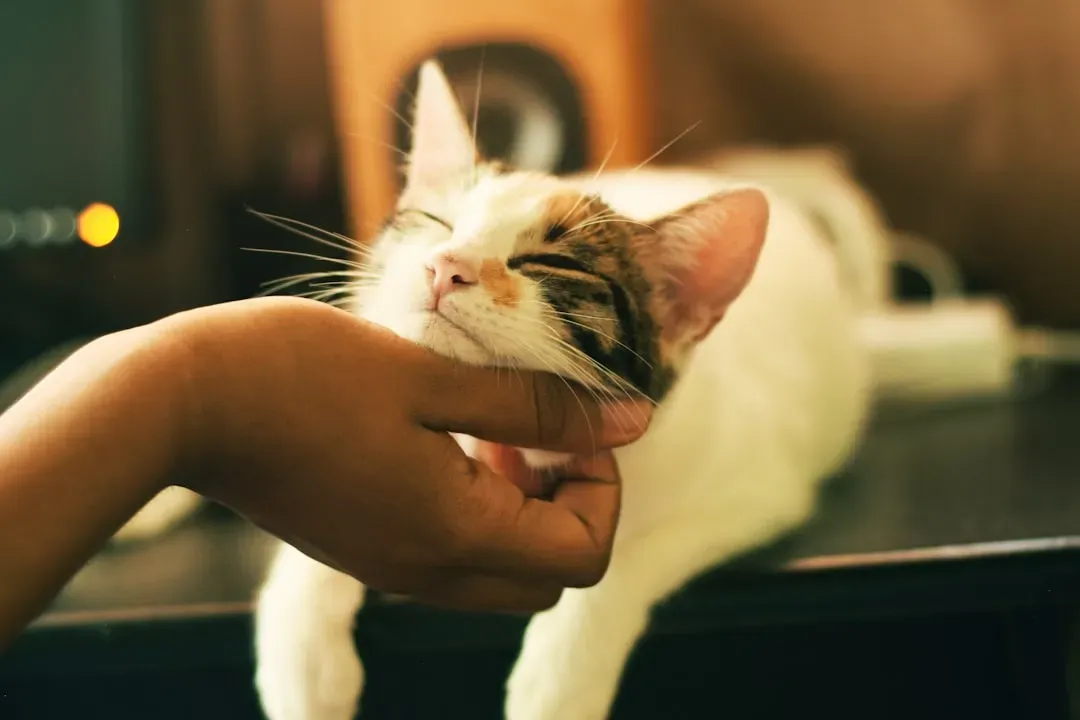
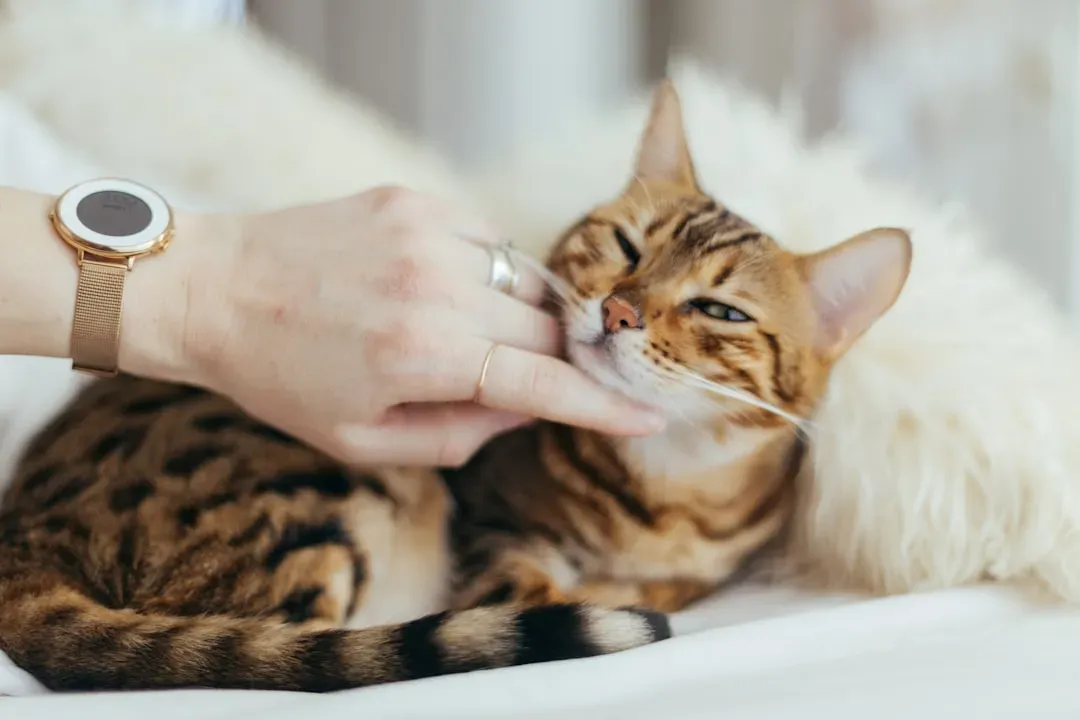
If you want your feline friend to be comfortable, you need to pay attention to the signals they give you about what kind of touch they like. Most cats only enjoy being petted on their face and neck and typically do not like their feet, tail, or body touched. This matters more than most owners realize.
If your cat enjoys physical touch, mindfully pet or scratch them in their favorite areas, such as around the ears, chin, and cheeks. Keep petting sessions short and stay aware of your cat’s body language, like whether they lean into your hand, to gauge if they want more or have had enough. Reading those subtle cues correctly is a real form of respect.
4. A Reliably Clean Litter Box
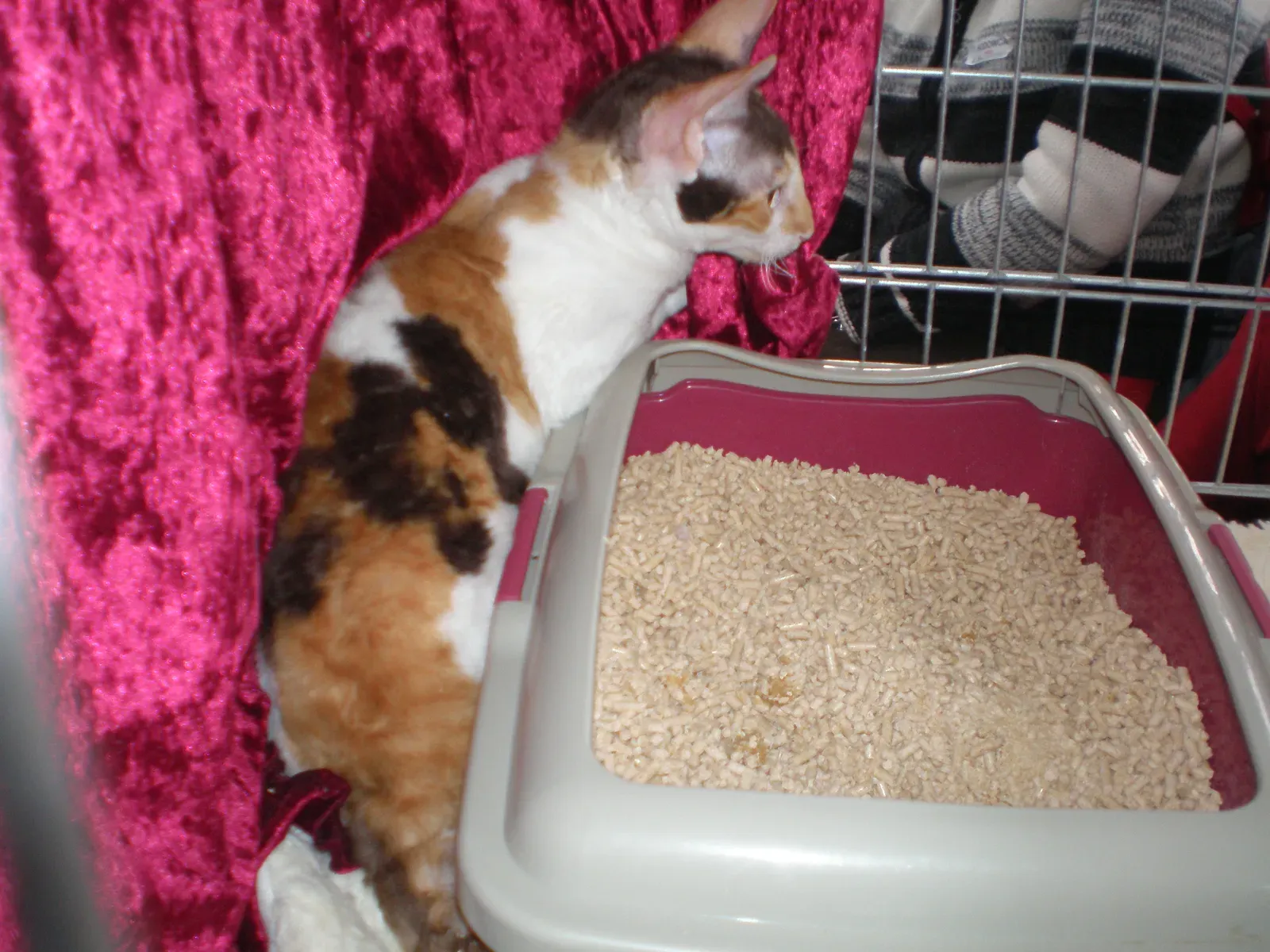
Cats need their litter scooped every single day. What your cat really, really wants is a clean space to do their business in, and any buildup can be distressing for them. It’s one of those mundane tasks that has a genuinely outsized effect on their wellbeing.
It’s also important to make sure your cat’s box is one that will help them feel safe and comfortable. It should be in a calm space but not hidden, and a large, open-topped container is usually preferred, as your cat can dig and turn around with ease, and the open top lets them quickly escape if startled. Location and cleanliness together make a bigger difference than either alone.
5. Daily Interactive Play Sessions
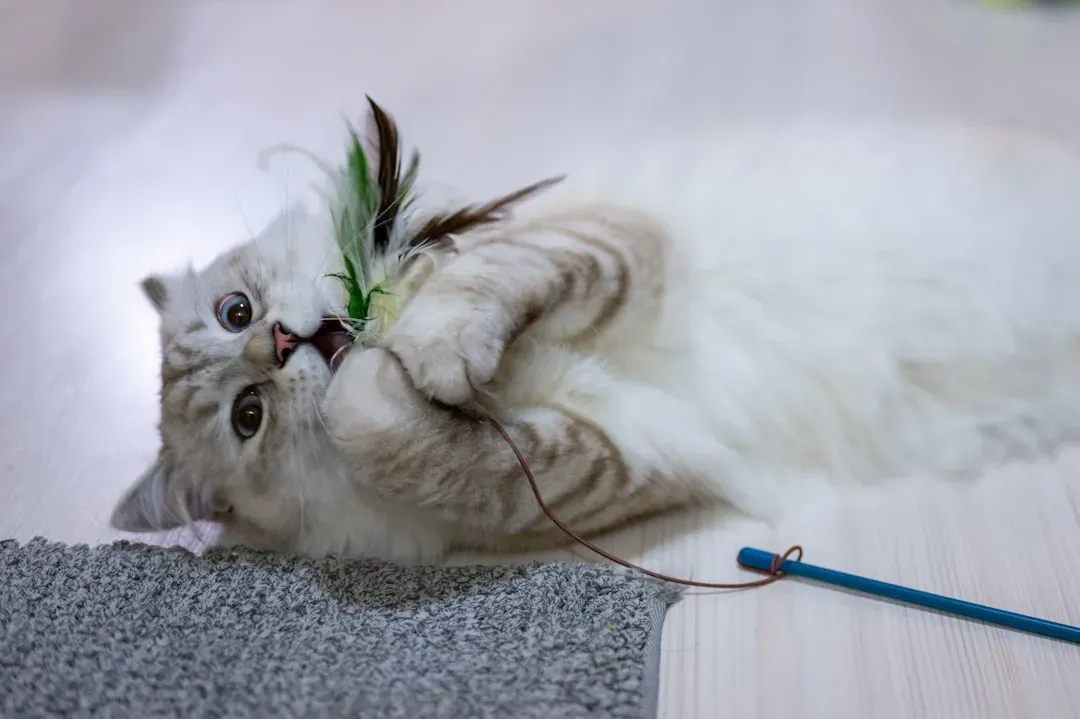
Interactive play is important because it helps you establish and strengthen the bond you share with your cat. It’s a great trust-building tool that’s also genuinely fun for both of you. Using a wand toy, you can move it to mimic the movements of prey, and those movements trigger your cat’s interest immediately.
Interactive play is vital for a cat’s mental and physical health. Toys like feather wands or laser pointers mimic prey and stimulate natural hunting instincts. Engaging in just a few minutes of vigorous play daily can prevent boredom and alleviate stress, reducing undesirable behaviors like scratching furniture. Think of it as the one item on your to-do list that your cat will never let you forget.
6. A Warm, Safe Spot to Rest
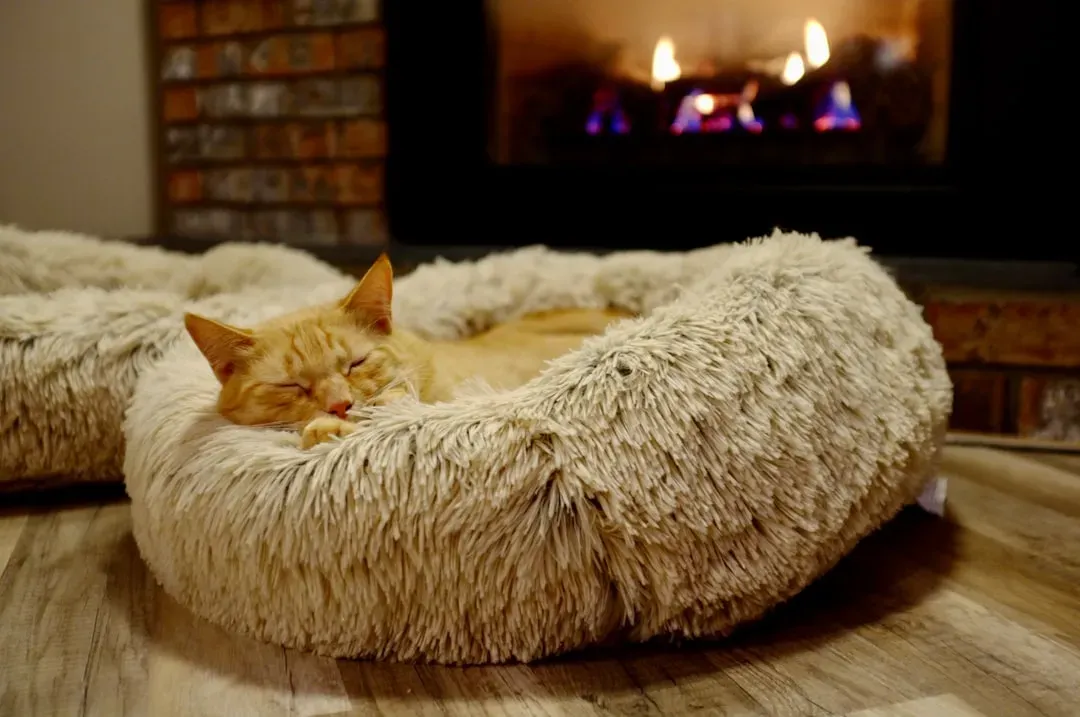
Cats love curling up in warm, enclosed spaces. Offering a variety of beds or even simple cardboard boxes gives them safe, comfortable places to retreat and nap. Ensure these spots are placed in quiet, low-traffic areas for added tranquility. The location matters just as much as the softness.
Although domestic cats no longer need to hunt for survival like their ancestors, their genetic makeup still influences their behavior. One such behavior is their inclination to conserve energy through frequent napping. Cats have a slightly higher basal temperature than humans and are naturally drawn to warm areas for their slumber. A sunny patch of floor isn’t laziness. It’s biology.
7. Access to High Perches and Vertical Space
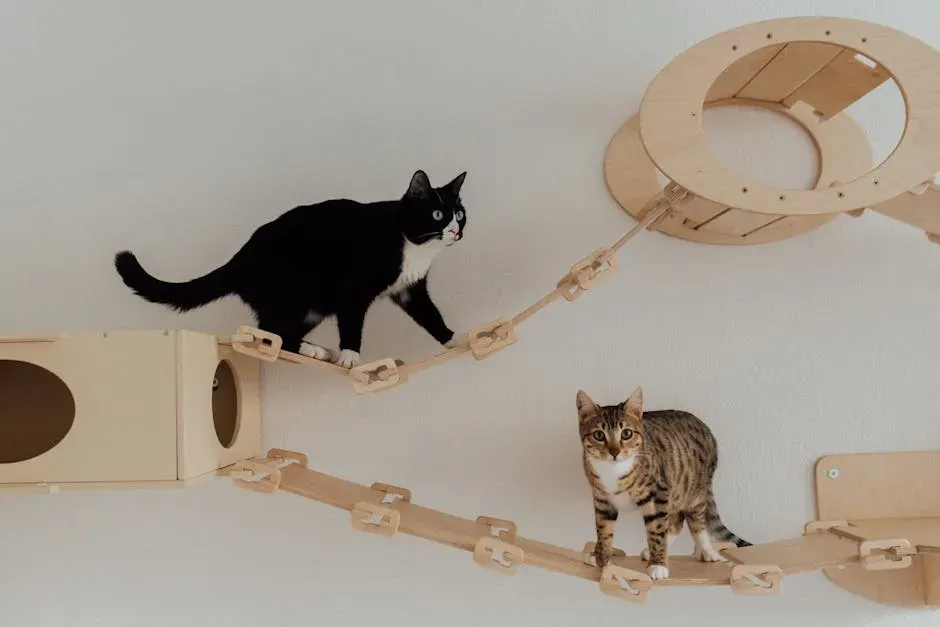
As a predator, the cat’s wild ancestor evolved to hide high in trees or hills to watch for prey, and as prey, it escaped to high places where large predators couldn’t follow. Jumping and climbing to high places continues to be a normal behavior for domesticated cats. Like their ancestors, your feline friends seek out high places to survey their home territory and to escape from something that scares them.
You can satisfy your cat’s love of high places by providing approved spaces for climbing, jumping, escaping, resting, and surveying the environment. Indoor cat tree furniture with a variety of surfaces and comfortable platforms is an excellent alternative to your kitchen counters, bookshelves, or fireplace mantels. Giving them an approved spot to survey their kingdom is a gift they use every single day.
8. Fresh, Clean Water – Placed Thoughtfully
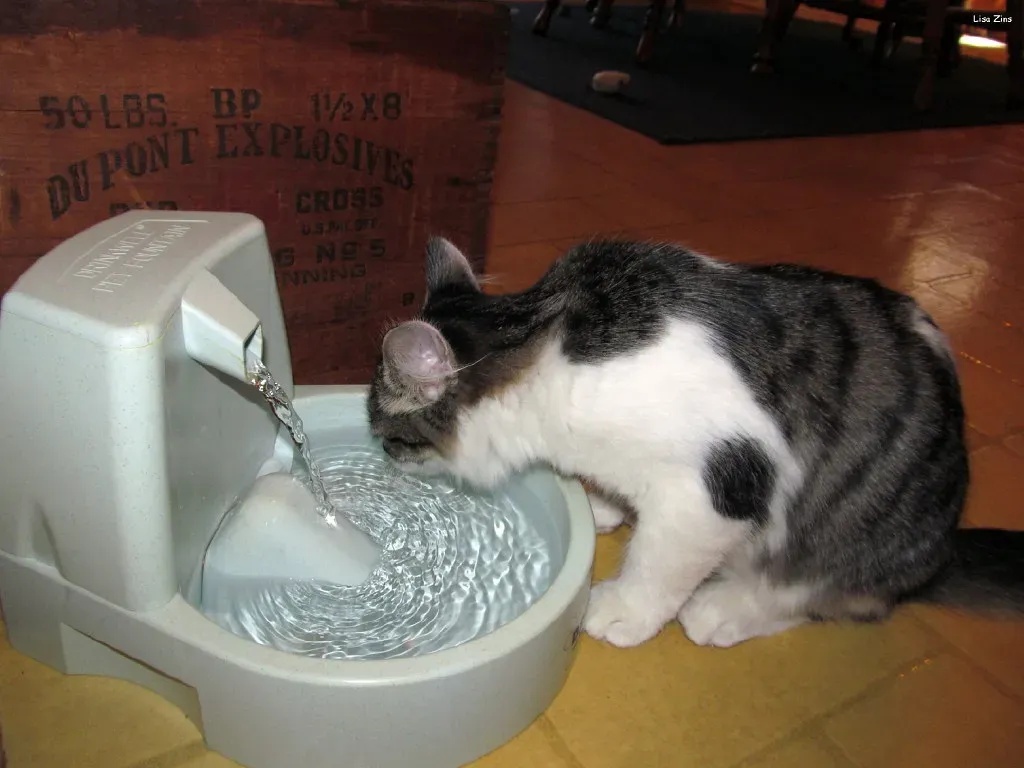
Evolutionary instincts tell cats that running water is cleaner and fresher than stagnant water, which could harbor bacteria or contaminants. Flowing water also engages multiple senses simultaneously, as cats can see it move, hear the sound it makes, and even taste its difference. This preference isn’t merely a quirky behavior but stems from survival adaptations.
Don’t use a double feeding dish with food on one side and water on the other, because many cats don’t like their water source near their food. It all comes down to a sense of safety for the cat. Cats often look for water sources that are a distance away from where they eat, so providing water bowls in various areas of your home is a sound approach. A small water fountain can be one of the most appreciated upgrades you make for an indoor cat.
9. A Consistent Daily Routine
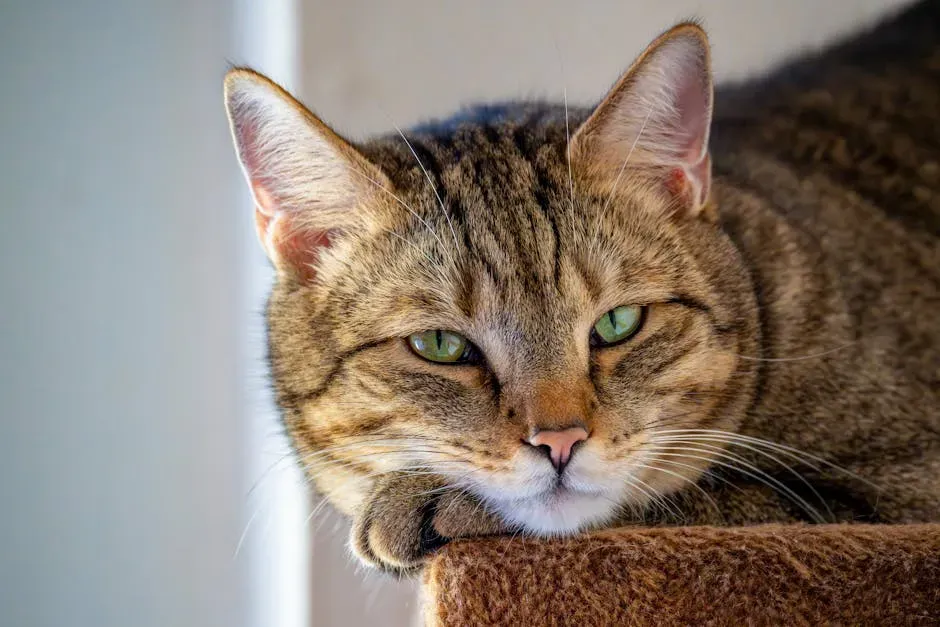
Cats are creatures of habit. Literally. Keeping a regular schedule is one of the simplest ways to help you bond with your cat and become their favorite person. Feeding times, play sessions, even the rhythm of your mornings – your cat is tracking all of it.
Cats prefer when you have a calming presence, consistent patterns, and predictable movements, and they respond well to cat-friendly, welcoming body language. When the world stays predictable, your cat feels genuinely secure. That security is where affection grows.
10. Simply Being Present and Attentive
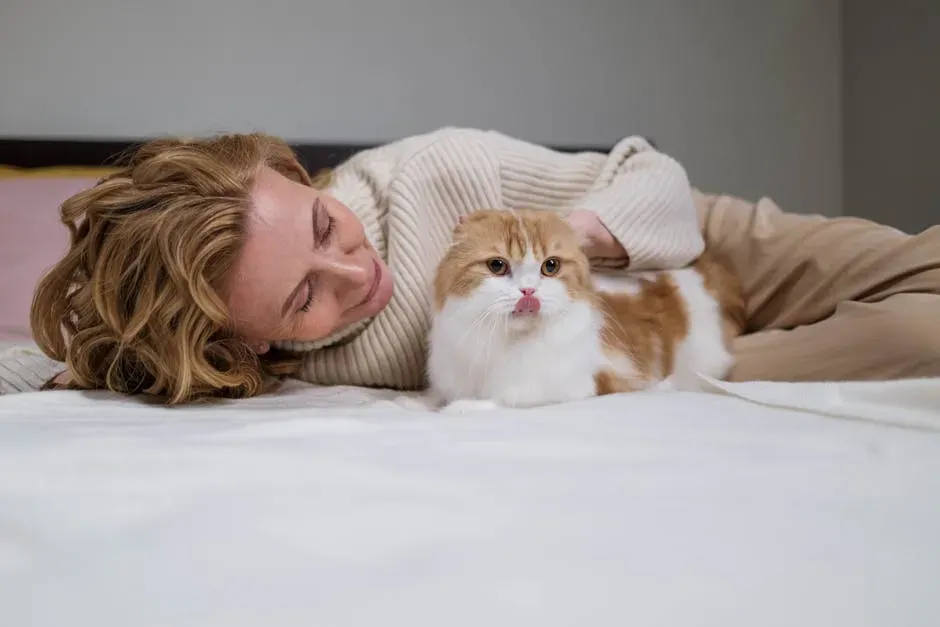
Research noted that cats not only spend more time with people who are attentive to them, but also that roughly half of them, when given a choice, most preferred human interaction over their favorite food, scent items, and toys. It would seem that cats love their owners quite a bit. That’s worth sitting with for a moment.
Cats form strong bonds with their humans and rely on them for security and comfort. Feline affection is shown through behaviors like slow blinks, head bunts, and following their owners. Positive reinforcement, consistent interaction, and attentiveness strengthen the bond between cats and their humans. Your quiet presence, your steady voice, your unhurried attention – those are the things your cat is quietly measuring every day.
Conclusion
None of the things on this list require money, expertise, or dramatic gestures. They’re small, deliberate habits built into daily life. A slow blink here. A clean litter box there. A wand toy chased for ten minutes before dinner.
It begins with an understanding of the essential needs of cats and the reasons behind those needs. The journey to nurturing a wonderful relationship with your cat starts by meeting those needs and surrounding your cat with love and security. Watching your cat not just survive but thrive is the best reward.
Cats don’t ask for much. They just notice everything. And when you show up consistently in the little ways, they tend to return the favor in the only language they know – a slow blink, a quiet purr, and a warm weight settling beside you at the end of the day.
Kristina is a young writer from India. An arts graduate and an avid content creator, Kristina is passionate about animals and wildlife. She enjoys exploring topics related to pet care, animal behavior, conservation, and nature, combining thorough research with engaging storytelling.