There are moments in life that arrive quietly, without warning, and stay with you forever. Watching your cat slow down, sensing a shift in how they look at you, noticing that something feels different in the household – these are the moments no cat owner ever fully prepares for.
Cats likely don’t understand death as a concept the way people do, but their biology is deeply geared toward survival. What they do feel, clearly and unmistakably, are changes in their own bodies. When cats approach the end of their lives, they often exhibit several notable signs including lethargy, behavioral changes, altered eating habits, visible pain, and seeking solitude or comfort from their owners. These changes can be interpreted as a cat’s way of communicating their declining health.
Recognizing these signs won’t make the goodbye easier. Nothing truly does. Still, understanding what your cat is going through, and what they may be trying to show you, gives you the rare, precious chance to be present for them in exactly the way they need.
1. Seeking You Out More Than Usual
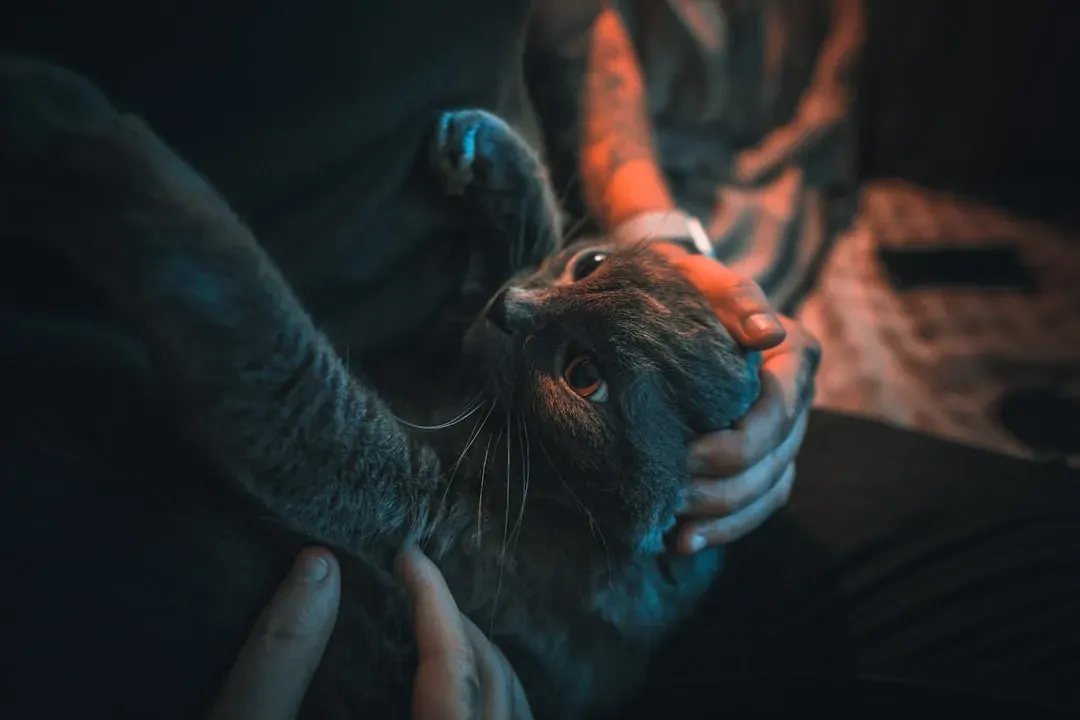
When a cat senses its life is nearing an end, it may seek out more affection from its owner. Many believe this is the cat’s way of saying goodbye, offering one final moment of connection before they pass on. For a cat that has always been independent, this sudden closeness can feel striking and unexpected.
You may notice your cat lingering closer, craving your touch, or trying to snuggle more often. This behavior is one of the signs a cat is dying, as they instinctively seek the comfort of their loved ones in their final moments. It’s a way they say goodbye, by looking for warmth and affection from those they trust most. When your cat chooses to stay near you, let them. That closeness matters more than you might realize.
2. Withdrawing and Hiding Away
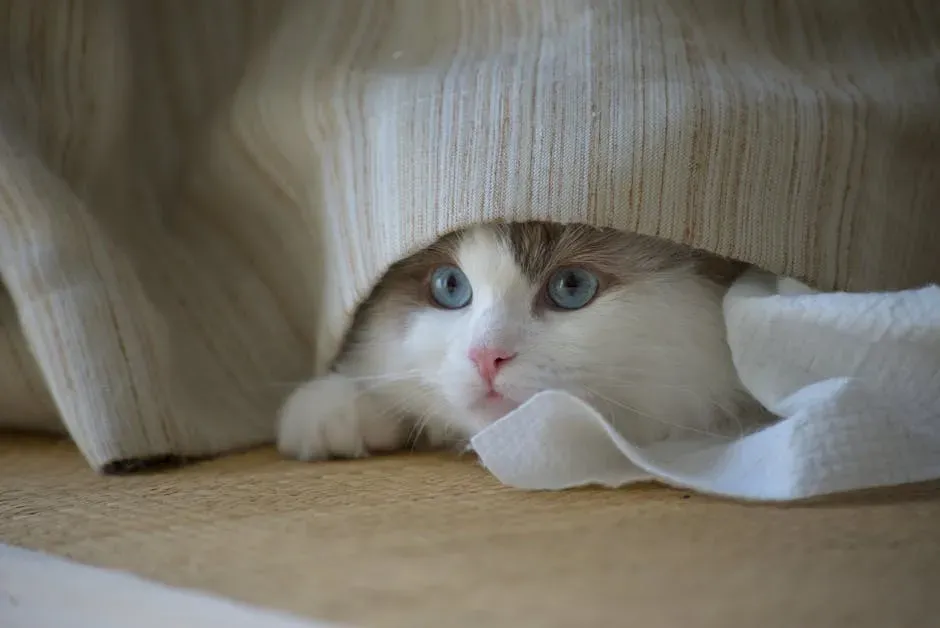
Many animals, including cats, will hide away when they are dying. Dying cats often secret themselves away somewhere safe and quiet, as an innate instinct to protect themselves from predators that would target a weak animal. If your cat is hiding all the time, it could mean the end is near. This isn’t rejection. It’s deeply instinctive behavior rooted in survival instinct from long before they were our companions.
Some cats, when sensing their time is near, will hide or seek out secluded places. This is a natural, instinctive behavior that reflects their desire for privacy in their final moments. Respecting their space is essential, as it allows them to feel safe during their last days. Hiding may be how some cats say goodbye – by retreating into a quiet, comfortable spot away from disturbance. Check on them gently and often, without forcing interaction.
3. A Noticeable Loss of Appetite
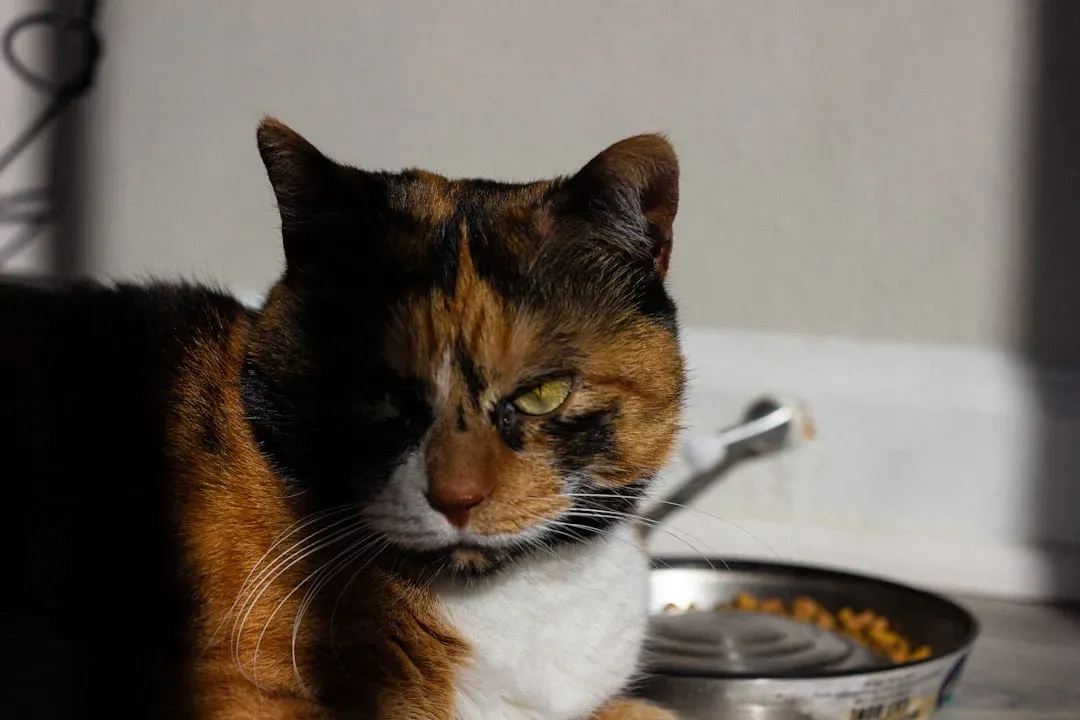
Loss of appetite is one of the first signs that a cat may be dying. However, many treatable conditions can also cause appetite loss, so it’s important to see a vet if your cat stops eating. Don’t assume the worst immediately, but do take it seriously. For many cats, mealtime is the highlight of their day, making a loss of appetite especially concerning. A cat reaching the end of her life may try unsuccessfully to eat or display a total lack of interest in food.
A noticeable decline in appetite is a common sign a cat is nearing the end of its life. Cats may no longer be interested in food or even refuse to eat altogether. This is due to their body’s gradual shutdown, making it difficult to process food. As their bodily functions weaken, the decrease in appetite serves as one of the clearer signs a cat is dying. Offering warm, soft food or a small amount of something they love may coax a few more bites, though there’s no pressure if they simply aren’t interested.
4. A Deep, Lingering Gaze
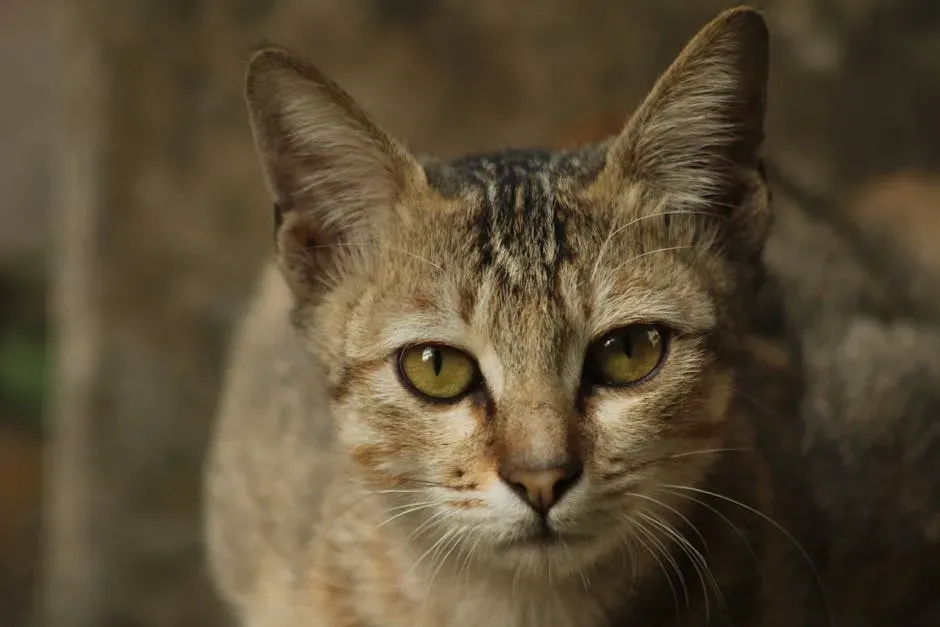
As a cat approaches the end of its life, its gaze may change, becoming deep and serene. This subtle shift in their eyes can sometimes feel like they are communicating with you for the last time. Many cat owners describe this as one of the most quietly heartbreaking experiences, a look that feels far older than any word either of you could speak.
At the end of life, some cats might become confused, dull, or disorientated. They might appear uncoordinated, weak, or have a glazed look to their eyes. Not every faraway gaze carries distress, though. Sometimes your cat is simply resting, conserving energy, and resting their eyes on the face they know best. Stay close. Hold their gaze back.
5. Dramatic Changes in Personality
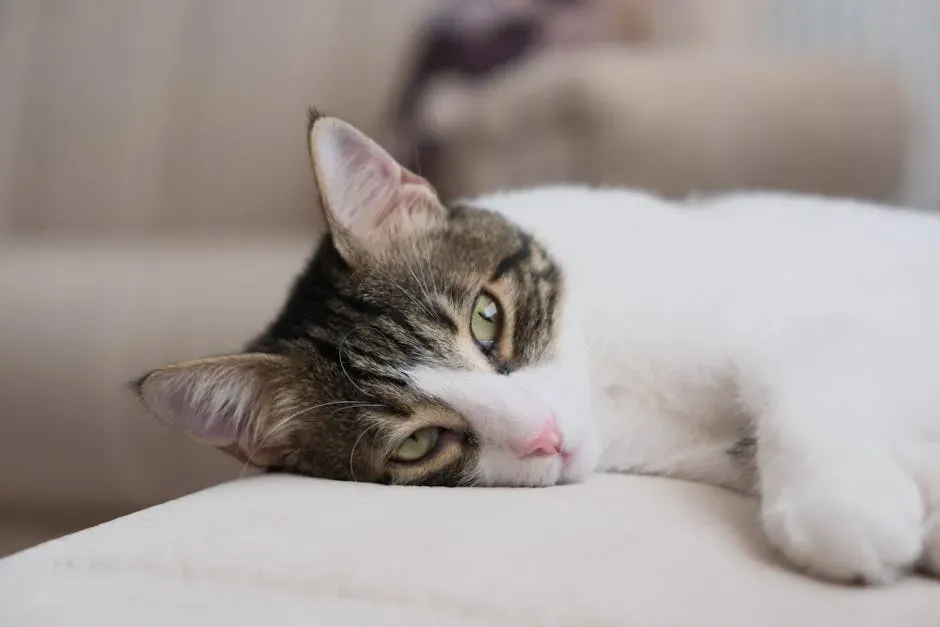
A cat that is sick and dying will often go through a drastic personality change. If they were formerly an outgoing fellow, they may now become something of a recluse and become irritable if you try to handle them. This is likely because they are in pain and don’t want to be touched. The frustration you might feel at this shift is understandable, but try not to take it personally.
Some cats will become more withdrawn, irritated, and grumpy, which might be caused by pain or cognitive dysfunction. Other cats become friendlier and needier, always wanting to be near you. There’s no single script for how a cat handles declining health. Cats may show signs ranging from subtle personality changes to clear distress, depending on the cause, severity, and duration of their illness or injury. Give your cat the grace to handle their final chapter in whatever way feels right to them.
6. Stopping Grooming Themselves
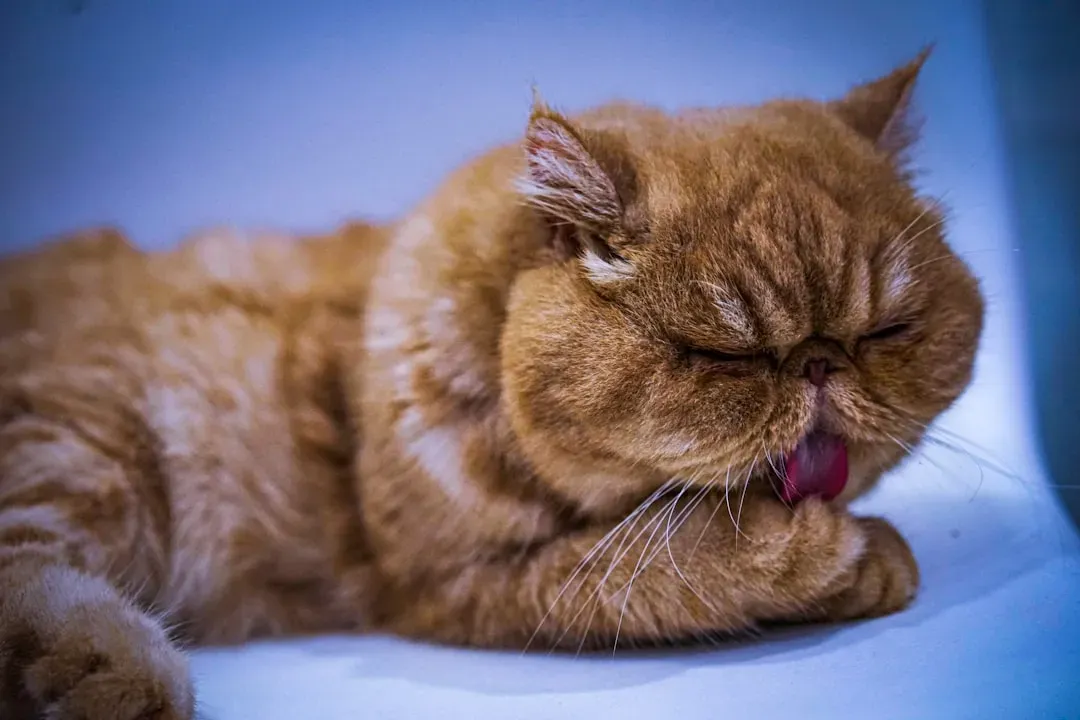
The skin microbiome of cats changes in the face of disease, causing dying cats to develop a matted or unkempt appearance as self-grooming decreases or stops entirely. For a creature that spends a significant portion of waking hours keeping themselves pristine, this change is hard to miss. When your cat’s coat becomes dull or disheveled, it’s a quiet signal worth paying attention to.
Some common signs of a cat dying include obvious changes in their normal temperament, a noticeable increase in hiding behavior, a loss of appetite for both food and water, and changes in their overall appearance. Appearance changes can include dull, matted fur, urine or feces in their hair, dilated or glazed eyes, lack of blinking, and a sunken look. You can gently help by wiping them down with a damp cloth or a soft grooming glove if they’ll allow it. That small act of care means the world to a cat who can no longer manage it themselves.
7. Extreme Lethargy and Sleeping Far More Than Usual
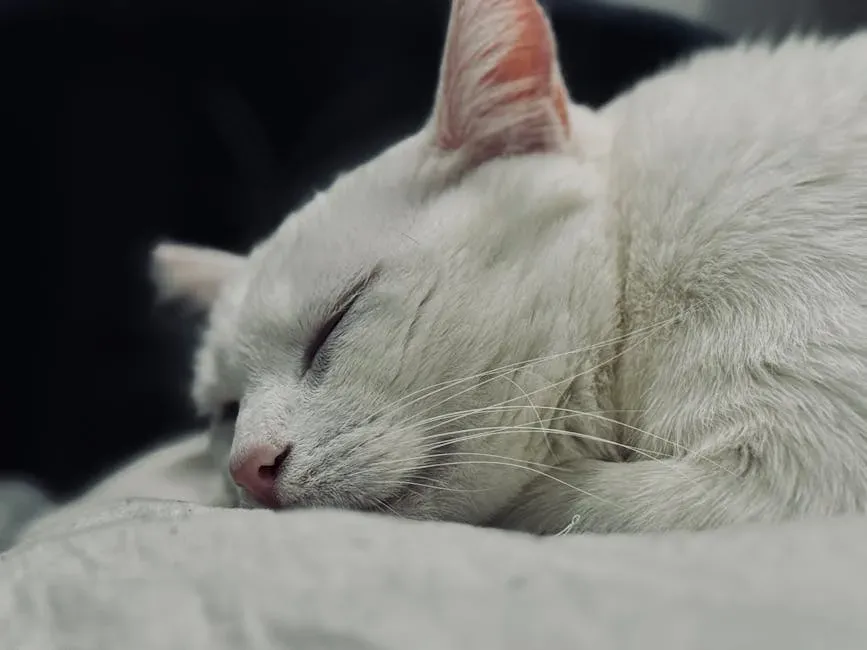
Healthy cats sleep up to 16 hours a day. Those reaching the end of their lives tend to spend even more of their time resting. They often remain in the same spot all day rather than changing to various nap spots throughout the home or following you from room to room. The stillness can feel eerie compared to the busy, curious creature they used to be.
As your cat reaches their final stages, you might notice significant changes in their activity levels. These signs indicate they aren’t feeling well, and the time to say goodbye may be near. Decreased energy shows itself through sleeping for notably longer periods and showing little interest in waking even for usually exciting events. Rather than trying to wake them or encourage activity, focus on making their resting spot as warm and comfortable as possible. If a cat is diagnosed with a terminal illness, pet parents can make their final days comfortable with palliative care. This may include creating comfortable, warm bedding, providing pain control, adjusting the litter box for easier access, and supporting hydration and appetite.
8. Changes in Breathing
Labored or shallow breathing is another signal that a cat’s life is nearing its end. As their heart and lung functions decline, cats may struggle to breathe normally. Providing a quiet and calm environment during this time can make a huge difference, allowing them to feel safe and at peace. This is one sign that warrants an immediate call to your vet, both for your cat’s comfort and your own peace of mind.
Cats often completely stop eating and drinking, have difficulty staying warm, breathe with greater effort, and have abnormal heart rates and gum color as the body approaches shutdown. The final stage signs that show a cat approaching the end of life include unresponsiveness or lack of alertness, shallow breathing or gasping, and gradual shutdown of bodily functions such as loss of bladder control and cold extremities. Your vet can advise you on what each of these changes means and what options remain available to your cat.
9. Unusual or Increased Vocalizing

Occasionally, cats that are dying may become suddenly, loudly, and unexpectedly vocal. For a cat that has always been quiet, this shift can be unsettling. Senior cats and cats nearing the end of life might develop cognitive dysfunction much like human dementia. They may forget where they are and feel lost in their own home. Confused cats might express their distress through yowling and other loud vocalizations.
It is also common for a kitty to purr as her time approaches. Researchers and veterinarians believe they do this to comfort themselves. So not every vocalization signals distress. Some of it is self-soothing, a quiet internal rhythm your cat has always relied on. Purring does not always mean that your cat is happy or relaxed. In some cases, it can actually be a sign your cat is in pain. Talk to your vet for advice if your cat is purring more than usual or in unusual situations.
10. A Final Moment of Calm Connection
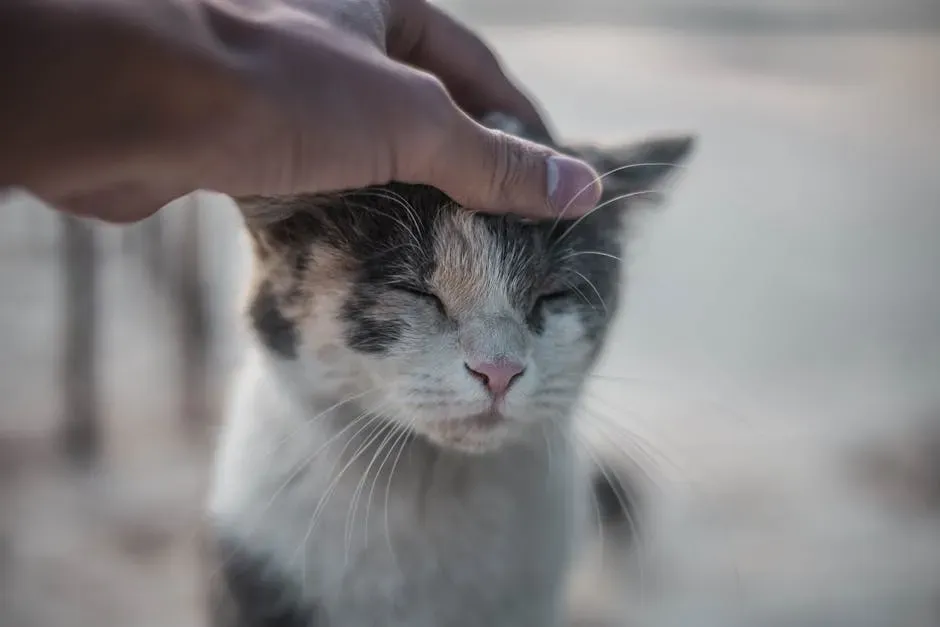
Cats share a special connection with their human companions, often developing strong emotional bonds. As they near the end of their journey, they may show their love in quiet, meaningful ways. These gestures, unique to each cat, serve as their final expression of affection. Some owners describe a moment of unusual stillness, where their cat simply rests against them with a kind of settled peace that feels different from any ordinary afternoon nap.
Cats who are ill or injured experience changes in their physical abilities and comfort level, and they often show activity and behavior changes that correspond with how they feel. Cats also thrive on routine and can be wary of change, so they likely sense when their pet parents are scared, stressed, sad, happy, or relaxed, and may respond accordingly. Your calm matters to them enormously. From human medicine and experience reports, we know that hearing can remain intact for a long time. In animals, it is assumed that familiar smells, touch, and voice have a calming effect. Speak softly to your cat, stay with it if possible, and offer familiar items like a blanket or clothing.
What You Can Do in Their Final Days
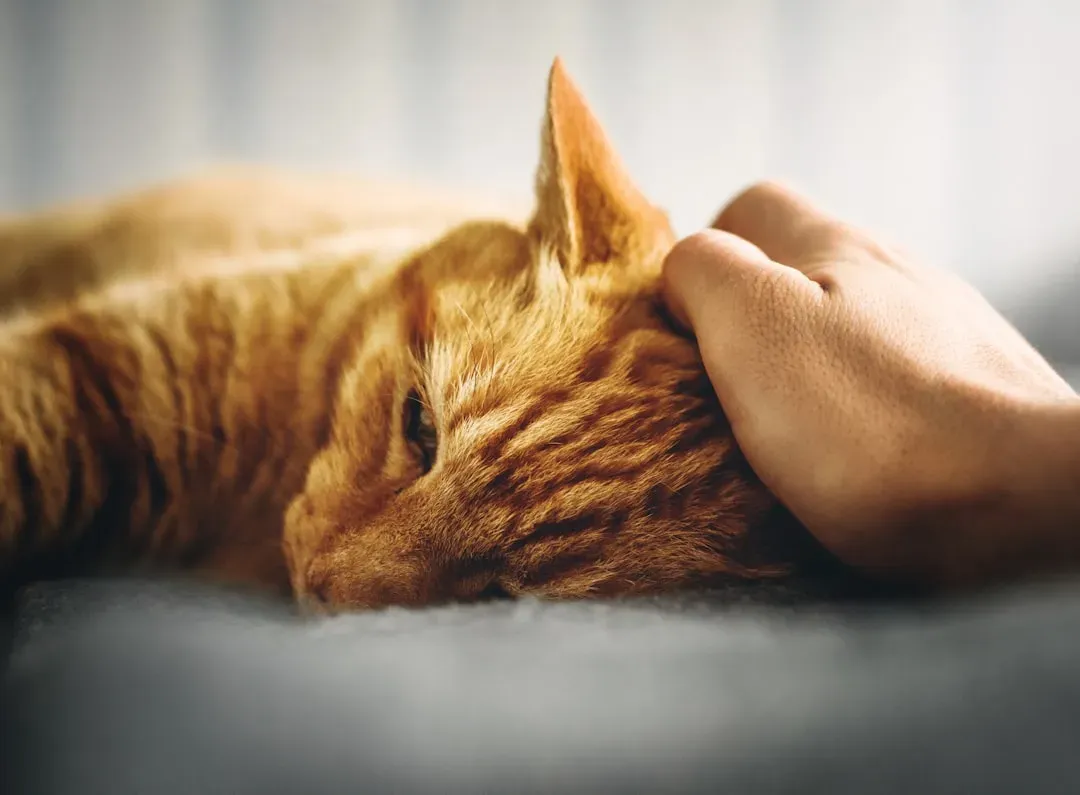
Families can help make their cat’s last days as peaceful as possible by creating an end-of-life plan before an urgent situation arises. Whenever possible, plan ahead with your family and veterinarian well before you need to act. Preparing together is not giving up. It’s one of the most loving things you can do.
At some point, if your pet’s quality of life deteriorates or their pain becomes unmanageable, it might be time to consider euthanasia. It is a last great kindness to give your pet, to let them go before they can suffer, and help them to pass over the rainbow bridge with dignity and compassion. There is no shame in choosing that path when the time is right.
Your cat’s memory should not be their declining health or their final moments. Instead, reflect back over the many joys and wonderful times spent in their company. After the grieving stage, no matter how long, move on to the memorialization process, which uses your happy memories to provide appropriate closure. They gave you years of quiet loyalty. The least they deserve is a goodbye filled with love.
Saying goodbye to a cat is unlike any other kind of loss. They ask for so little and give back so completely. When the signs come, and they will come, the most important thing you can do is simply be there: warm, present, and without regret. That presence, more than anything else, is the language your cat has always understood best.
Kristina is a young writer from India. An arts graduate and an avid content creator, Kristina is passionate about animals and wildlife. She enjoys exploring topics related to pet care, animal behavior, conservation, and nature, combining thorough research with engaging storytelling.