Most people picture a lion and immediately think of a solitary king surveying the plains, mane rippling in the wind. The real story is far more layered than that. Lions are, in fact, the most socially sophisticated cats on the planet, and the way they live together challenges nearly every popular assumption about who they are and how they function.
The gap between lion mythology and lion reality is wider than you might expect. Decades of field research, including landmark long-term studies from the Serengeti, have gradually overturned some deeply entrenched beliefs. What follows are ten things most people get wrong about how lions actually behave with one another.
Male Lions Are Not Just Lazy Free-Loaders
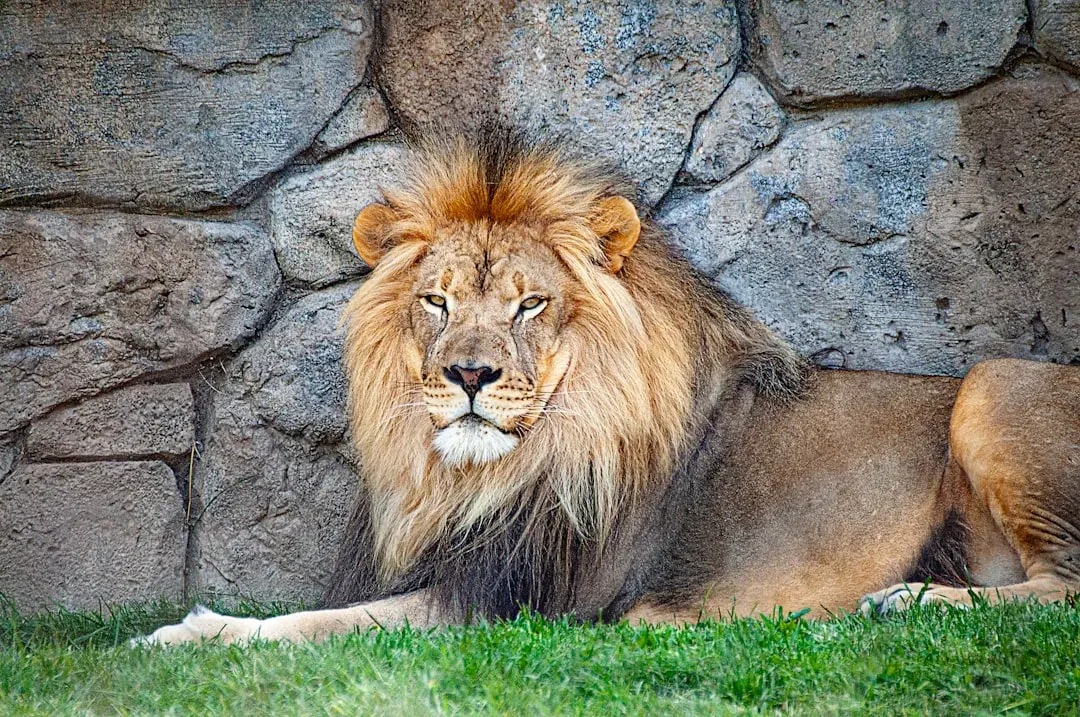
The image of a male lion sleeping while lionesses do all the work is one of the most persistent myths in nature. The common misconception is that male lions are lazy and completely reliant on the lionesses, but that turns out not to be strictly true. While female lions are the primary hunters, male lions are formidable predators in their own right.
The males and females of a pride go their separate ways for a few days before joining up again, and both hunt while they are separated. This shows that the perception that only lionesses hunt and the males just laze around is incorrect. Male lions also carry the heavy burden of territorial defense, which is physically exhausting and genuinely dangerous work that keeps the entire pride alive.
Cooperative Hunting Is Not Why Lions Live in Groups
The traditional explanation for lion sociality has been cooperative hunting, but research has shown that lions do not hunt as cooperatively as many believed. In fact, lions only hunt cooperatively when they need to. This was a significant finding that reshaped how biologists understand the evolutionary roots of pride living.
If their best chance for a meal is large, dangerous prey like a Cape buffalo, lions certainly do pull together. But if the prey is relatively easy for a singleton to capture, the rest of the pride is more likely to cheer on their companion rather than join the hunt. You can often observe a lone female pursuing a warthog while the rest of the pride simply watches. The real driver of group living turns out to be territorial defense, not the dinner table.
The Pride Is Not Always One Big Happy Group
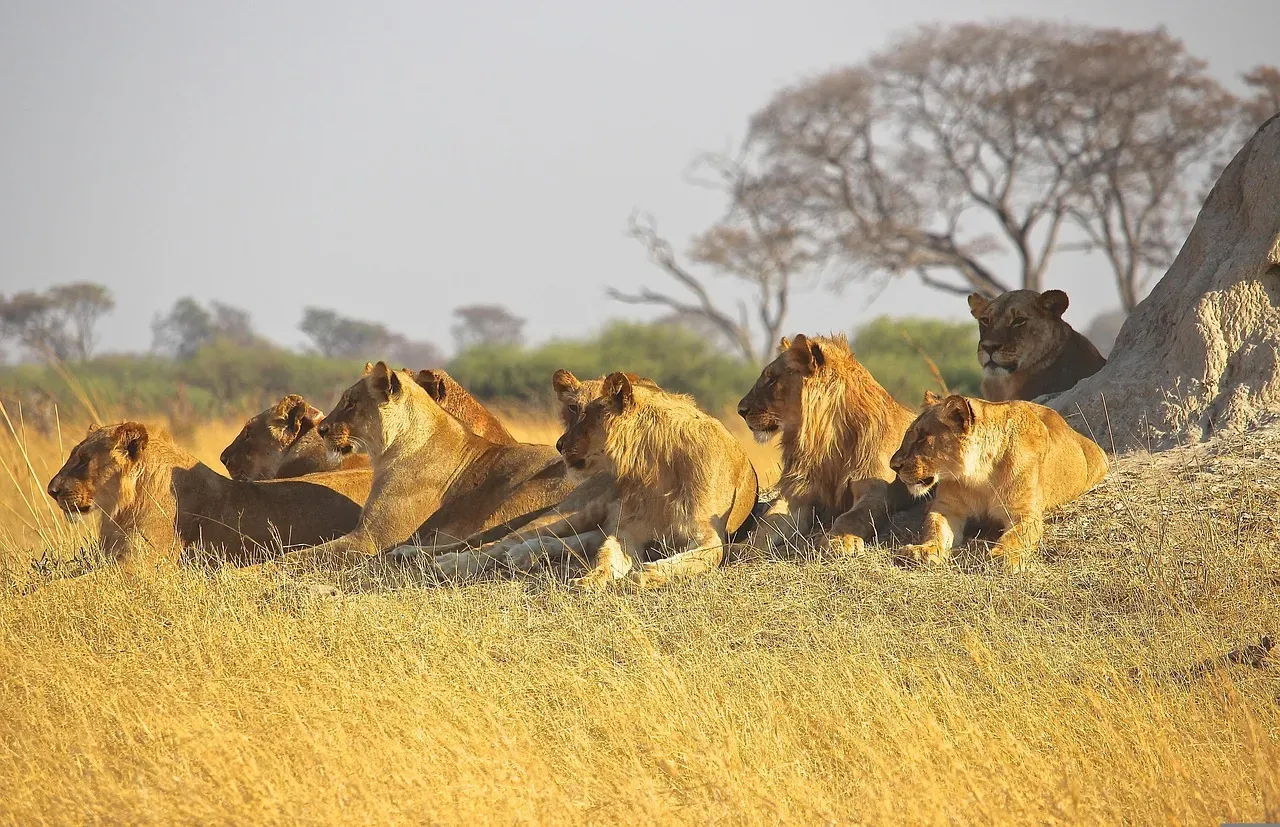
Prides act as fission-fusion societies, and members split into subgroups that keep in contact with roars. This means that what you think of as a “pride” is rarely all gathered in one place at one time. It is more like a loose network of overlapping subgroups.
In larger prides, it is rare for the whole pride to be together. Individuals or small groups, typically of three to five members, will scatter throughout the pride’s territory for days or weeks at a time. There is no strict hierarchy between females, and a pair of females will be found together no more than twenty-five to fifty percent of the time. The pride as a constant, unified gathering is largely a convenient human simplification.
Lionesses Run an Egalitarian Society
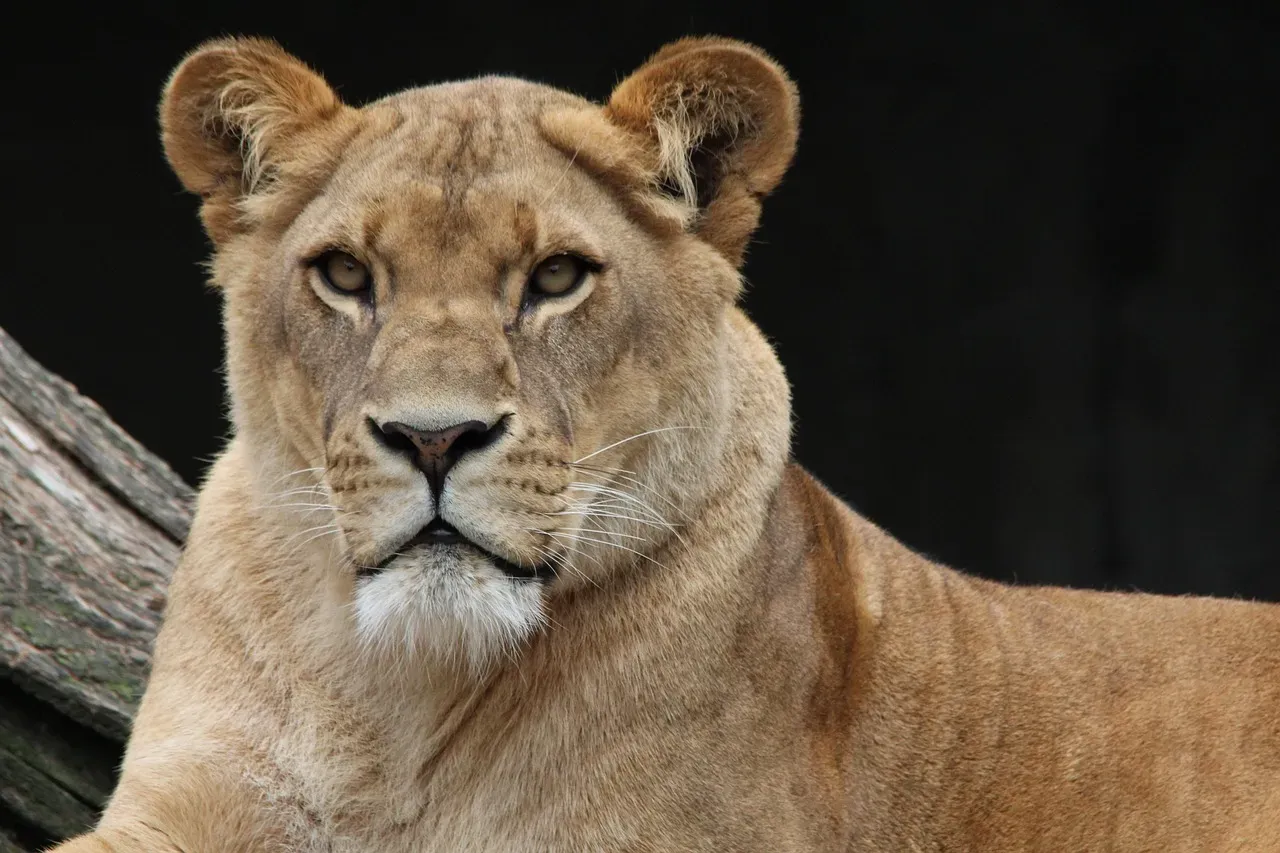
Female lions will kill the cubs of rival prides, but they never kill the cubs of their pridemates. The egalitarianism of female lions is strikingly different from the despotic behavior of wolves, wild dogs, and many other species where dominant females prevent subordinates from breeding. This is genuinely unusual among social predators.
Most daughters are recruited into their mothers’ pride, although about a third disperse to form new prides. Pride size ranges from one to twenty-one females, and mid-sized prides enjoy the highest reproductive rates, while females in the same pride breed at similar rates. Every lioness in the pride essentially gets an equal shot at raising offspring, something you would not find in a wolf pack or a group of meerkats.
Male Lions Bond More Deeply With Each Other Than With the Pride
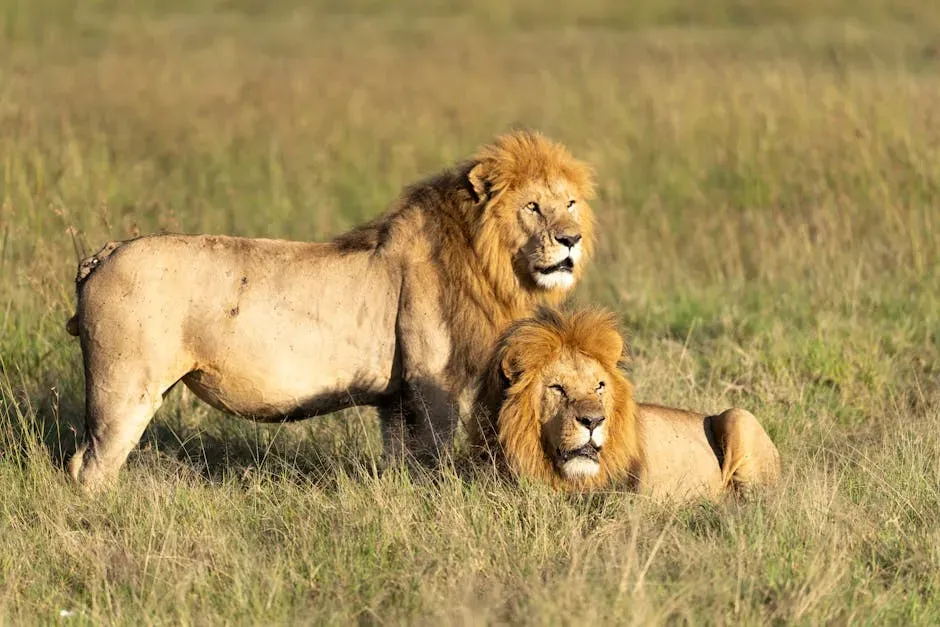
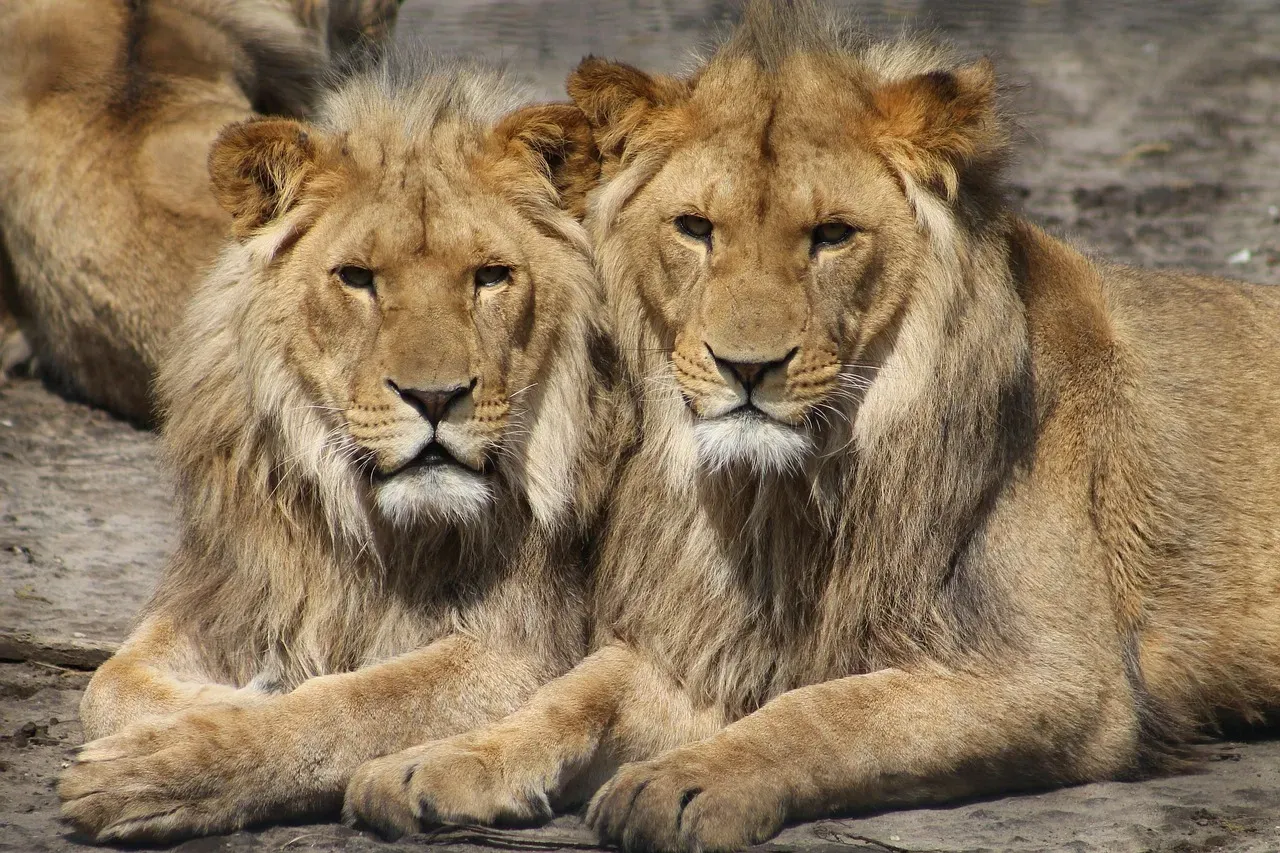
Lions are most affectionate toward their like-sexed companions. Females spend their lives in their mothers’ pride or with their sisters in a new pride, while males may only spend a few years in a given pride but remain with their coalition partners throughout their lives. That last part surprises most people: a male lion’s deepest social bond is often not with a lioness at all.
As they get older, young males naturally gravitate toward one another, spending less time with their sisters and more time together, eventually choosing to sleep side by side. This bond strengthens until they leave the pride as a group. Some lions, however, leave on their own and seek to join forces with another solitary male to improve their chances of survival. Think of a male coalition less as a military unit and more as a lifelong brotherhood.
Communal Cub Nursing Is a Real Strategy, Not Just Coincidence
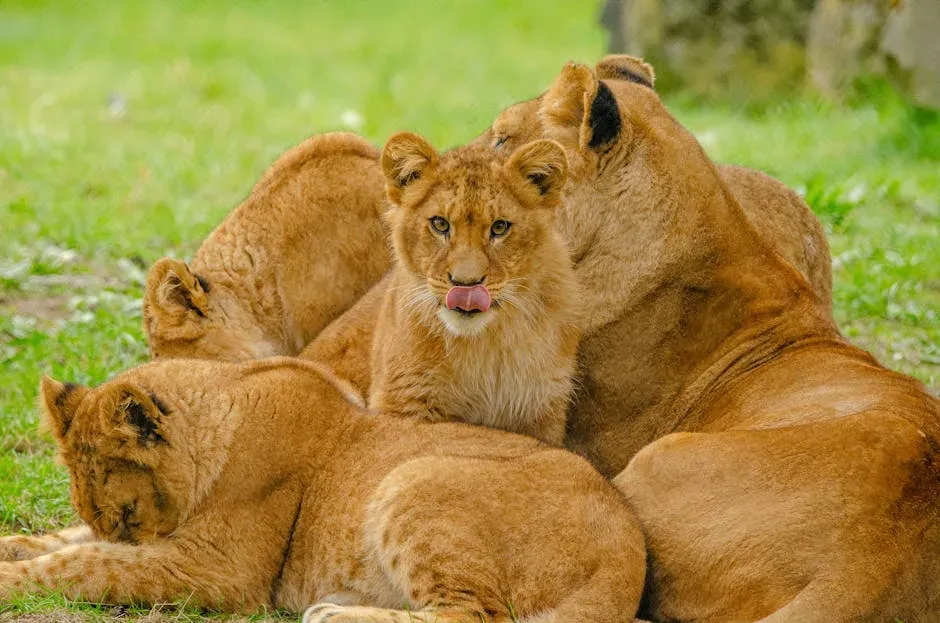
A male takeover resets the reproductive clocks of all the females in a pride, such that pridemates often give birth synchronously. Mothers of similarly aged cubs form a “crèche” and remain together for one to two years. Crèche-mates often nurse each other’s cubs, though they give priority to their own offspring followed by the offspring of their closest relatives.
All lactating females suckle cubs indiscriminately, showing only limited favoritism to their own offspring. This collaborative behavior probably stems from the close genetic relatedness among a pride’s females, with each lion sharing roughly one-seventh of their genes with pridemates, meaning each lion enhances her own genes’ success by helping raise her sister’s offspring. It is evolution and kinship working hand in hand in a way that is almost elegant.
Infanticide Shapes the Entire Social Structure
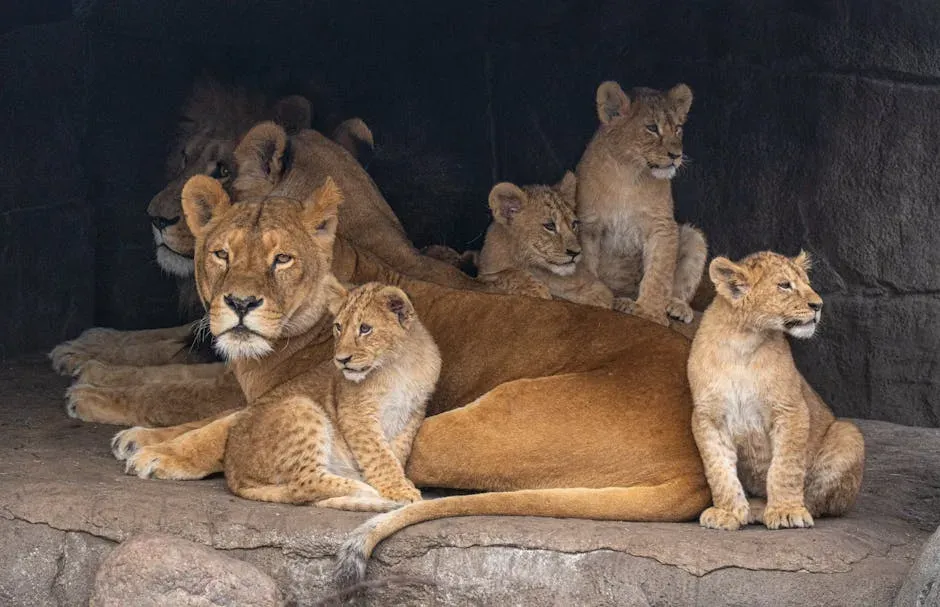
When a new male coalition first takes over a pride, the cubs represent a major impediment to their reproduction. Mothers of surviving cubs will not mate again until their offspring are at least eighteen months of age, but will mate within days if their cubs are lost. Thus, incoming males are unwilling to be stepfathers and kill all the young cubs in their new pride. Infanticide accounts for roughly a quarter of all cub deaths.
The primary advantage of forming a crèche is that a group of females is better able to protect their young against infanticide. Males are about one and a half times larger than females, so a male can easily overpower a lone mother, whereas a crèche with at least two mothers can successfully protect at least some of their cubs. However, the crèche can only withstand a brief incursion, so the females must also rely on protection from their resident males, who patrol the territory and fiercely repel outside males. Understanding infanticide helps explain why almost every aspect of lion social life is organized the way it is.
Lions Can Literally Count Their Rivals by Listening
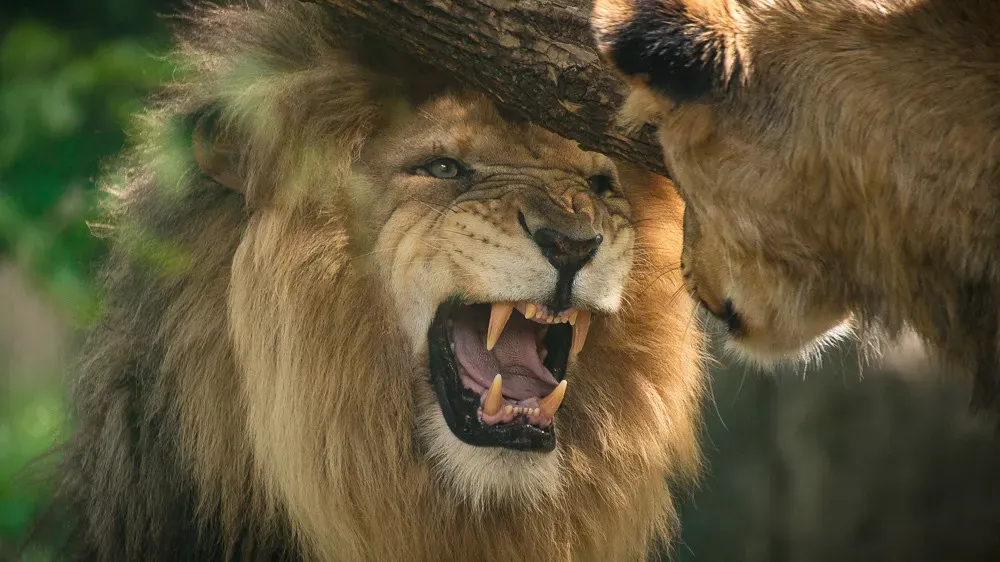
The lion’s roar is a territorial display that can be heard from at least five kilometers away. Lions are able to count the number of individuals in a roaring group and will challenge the invaders only if they safely outnumber them. This numerical awareness in a non-human animal is genuinely remarkable.
A roar in the middle of your territory is like coming home and finding a stranger sitting comfortably in your living room. Research found that lone females hearing a single rival would sit tight and try to recruit distant pridemates, but groups of three would immediately approach. When exposed to a roaring trio, a real trio would try to recruit help, but a quintet would quickly approach. As long as their numbers safely outnumbered the intruders’ by at least two individuals, they would move to oust the invaders.
How You Age Changes Everything About Your Social Life, If You’re a Lion
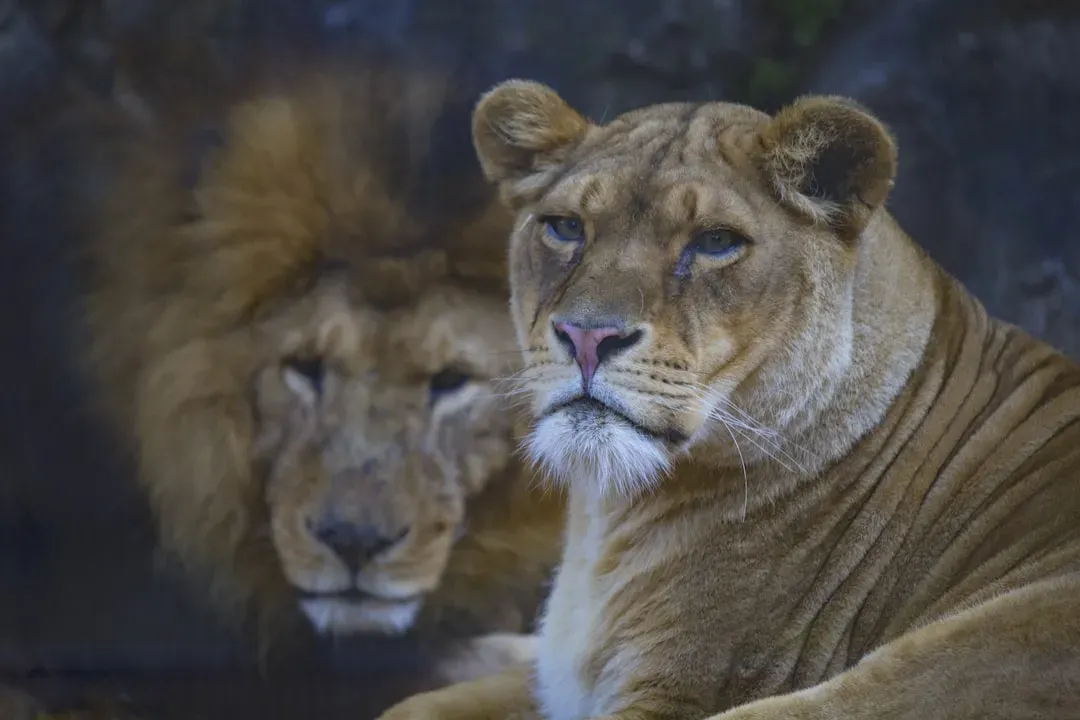
New research from the University of Oxford on wild lions has revealed that males and females experience vastly different changes to their social network throughout their lives, and that this may shape their survival. The study offers new insight into the topic of social ageing: how individuals change their social behavior with age, and the consequences for other parts of their lives. Among cats, African lions are unique in the extent to which they depend on social acquaintances for many essential processes, such as hunting and rearing cubs.
Based on thirty years of data on the Serengeti lion population, the findings revealed several differences between sexes as they aged. The strength of females’ connections to males tends to be at its highest in mid-life, then declines. Females’ social connection to other females declines consistently with age, being highest in early adulthood. On the other hand, males’ connection to other males is at its lowest in mid-life, then increases again as they age. Your social world as a lion is in constant motion throughout your entire life.
Pride Membership Is Not Just About Being Present in the Territory
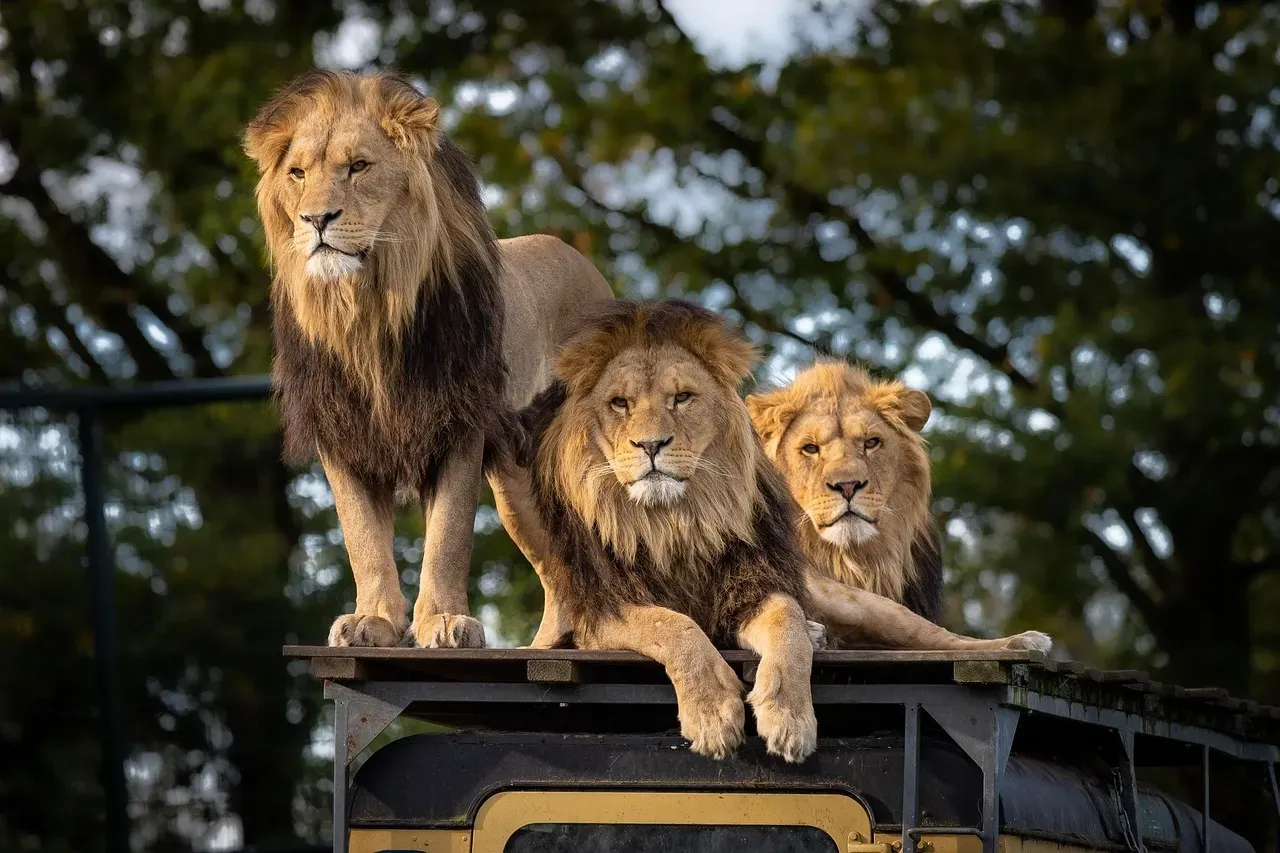
The presence within a pride’s territory is not a sign of membership, as many lions are transient or “squatters.” Membership of a pride can only be distinguished by a friendly greeting ceremony performed between pride members. Any member without the confidence to perform the ceremony will be treated as an outsider. The idea that simply living in an area makes you part of the group turns out to be wrong in a very specific and fascinating way.
Lions will defend their territory against lions of the same gender, but most encounters do not result in fighting. Usually, one pride will simply retreat under the watchful gaze of the other. To maintain harmony, lions have evolved complex ways of communicating that help keep the pride together. Through roaring, body language, and scent marking, lions can coordinate hunts, warn of threats, and control territory. Social membership among lions is something you earn and continuously demonstrate, not just something you occupy by proximity.
Conclusion
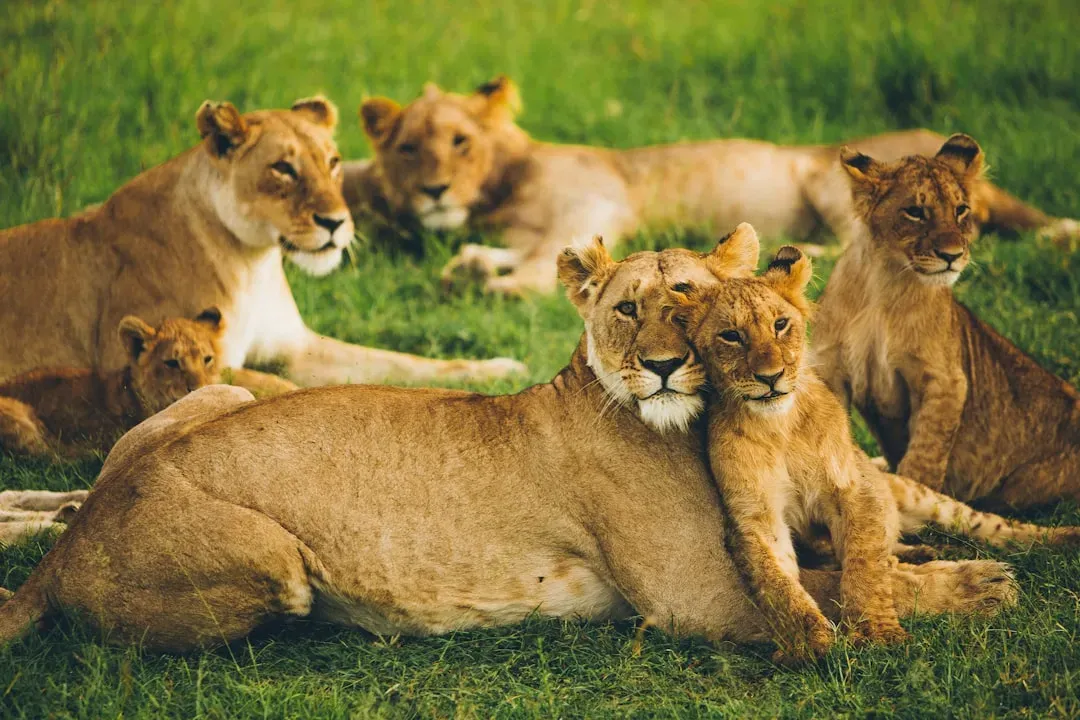
Lions are not the straightforward, hierarchical kingdom most people imagine. You have a society shaped by cooperation that is far more nuanced than the standard hunter-king model, where females operate on surprisingly egalitarian terms, where males form the deepest emotional bonds with each other rather than with the pride, and where even the act of counting rivals through sound reflects an intelligence we are still working to fully understand.
The more carefully researchers have looked, the more complex the picture has become. Decades of Serengeti field data have dismantled one simple narrative after another, replacing them with something richer and more honest. If there is one takeaway worth holding onto, it is this: lions live not just by strength, but by relationship. That might be the most surprising fact of all.
Kristina is a young writer from India. An arts graduate and an avid content creator, Kristina is passionate about animals and wildlife. She enjoys exploring topics related to pet care, animal behavior, conservation, and nature, combining thorough research with engaging storytelling.