Few animals make winter look as effortless as the lynx. While most creatures retreat underground, migrate south, or simply hunker down against the cold, the Canada lynx does something almost counterintuitive: it thrives. Temperatures that push other predators to the edge of their range are, for the lynx, something close to ideal conditions.
What makes this cat so well suited to life in the frozen boreal north isn’t any single feature, but rather a collection of precisely matched adaptations, each one reinforcing the others. From the way it walks across powder snow to the way it waits, motionless, in the dark before pouncing, every detail of its biology tells a story of long evolutionary refinement.
Oversized Paws That Function Like Natural Snowshoes
If you’ve ever sunk knee-deep into fresh powder, you’ll immediately appreciate what the lynx’s paws accomplish. Compared to their body size, lynx have huge paws, and they can spread their fur-covered toes apart, making the surface area even larger. That spreading action works on the same principle as a snowshoe, distributing weight across a wider surface so the animal stays near the top of the snow rather than punching through it.
The lynx’s sizable, heavily furred paws act as natural snowshoes, with a high surface area to support their movement over deep snow, aiding their mobility during winter hunts. This is a genuine competitive edge. With its large feet and long hind legs, the lynx is highly adapted to hunting its primary prey in deep, powdery snow, and these adaptations likely provide the lynx a seasonal competitive advantage over other terrestrial predators.
A Double-Layered Winter Coat Built for the Cold
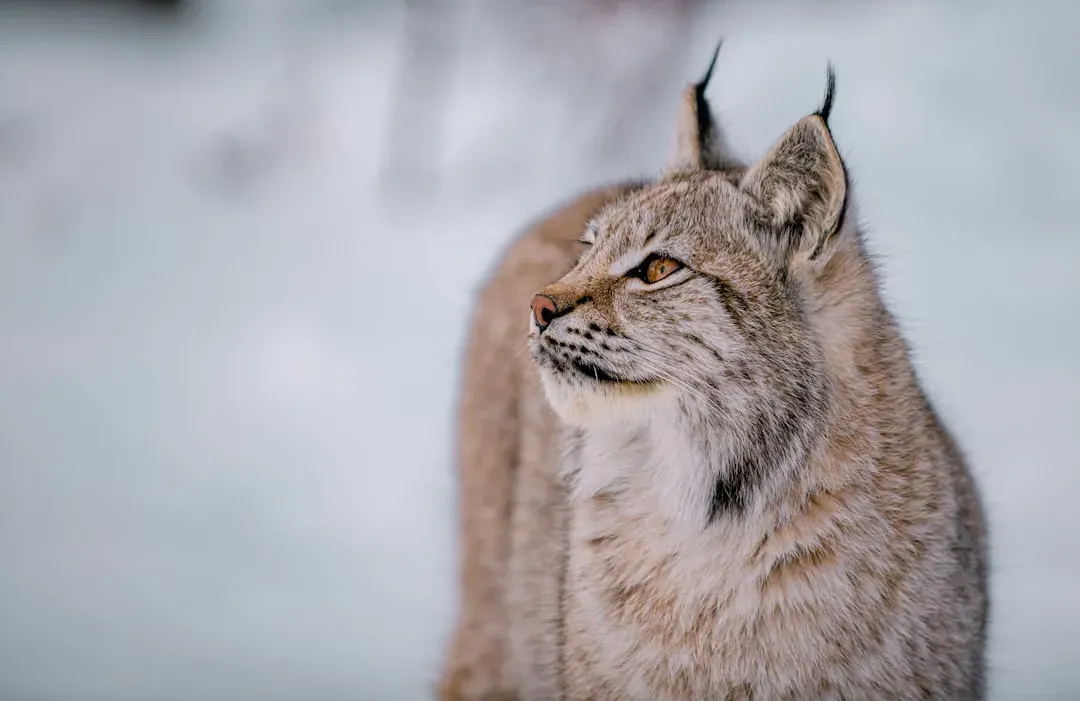
Lynx have a very thick winter coat made up of a fluffy underfur that traps air against the skin, creating an insulating barrier. The soft underfur is covered in coarse guard hairs that function as a waterproofing layer, preventing snow and ice from reaching the skin underneath. That layered structure means the lynx stays dry even when moving through wet, clinging snow or lying still for extended periods during an ambush.
The long, thick fur, uniformly coloured with little to no markings except on the underside, insulates the lynx in its frosty habitat. The fur is typically yellowish brown, though in some regions it can vary from brown or buff-grey in spring and summer to a greyish shade with a grizzled appearance in winter. That seasonal shift in coat color isn’t random. In the snowy winter landscape, the Canadian lynx’s white and grey speckled coat helps it blend in with the barren trees and ice, and as temperatures warm, the brown in their fur becomes more apparent, camouflaging into the summer forest.
Long, Powerful Hind Legs for Navigating Deep Snow
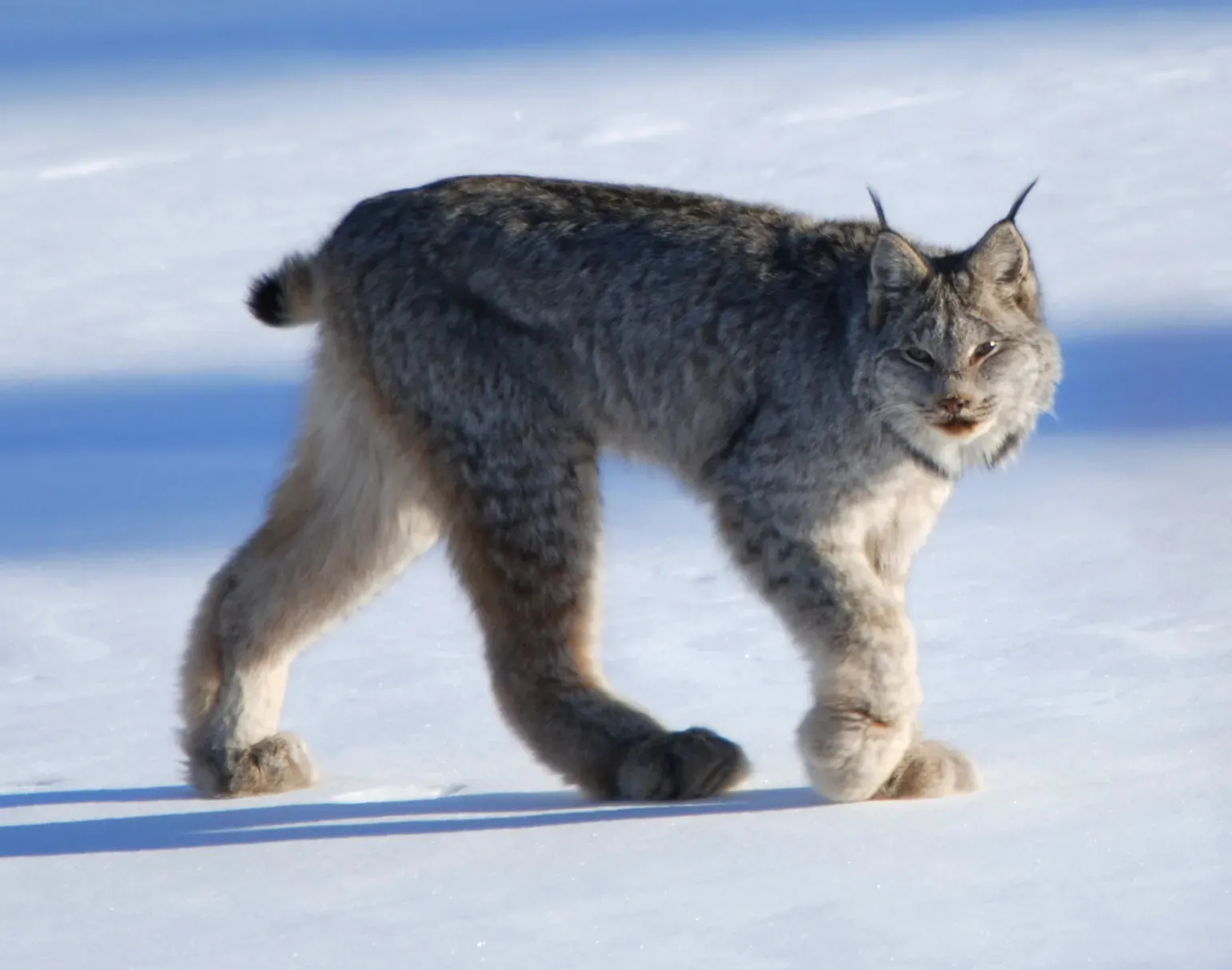
The lynx’s hindlimbs are longer than its forelimbs, so its back slopes downward to the front. That rear-heavy build isn’t accidental. Along with their long legs, these cats can wade through soft, deep snow with ease and use their larger back legs to help power big leaps either up trees or when bounding to catch up to a hare.
With longer legs and giant paws, lynx are able to traverse snow with ease and hunt all winter long in cold climates, but they are out-matched by bobcats in areas with milder winters. That last point is worth sitting with. The lynx’s body is so precisely optimized for snowy conditions that it actually loses its edge when the snow disappears, making deep winter forests its true home turf rather than a hardship to endure.
Exceptional Night Vision for Hunting in the Dark
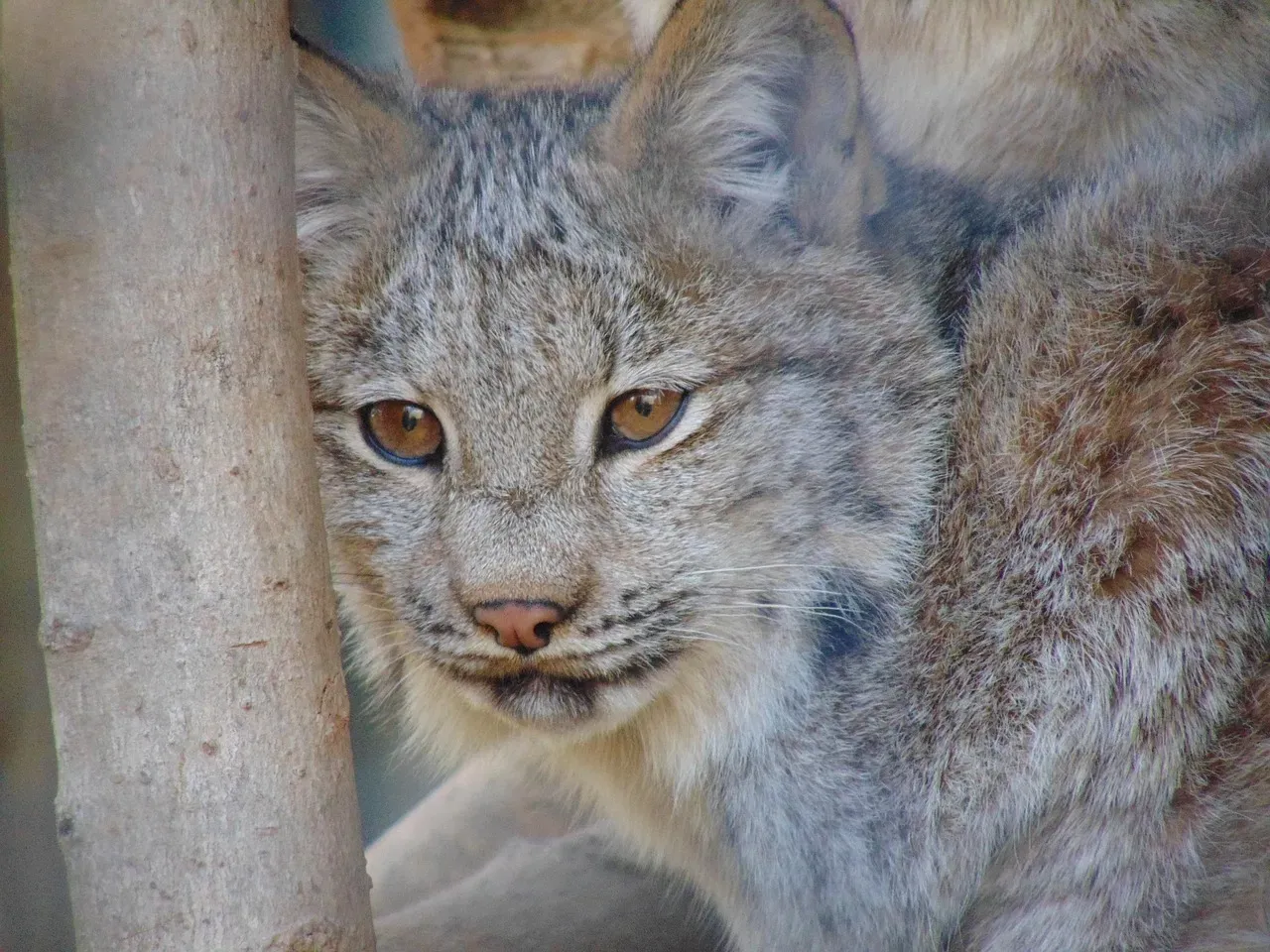
Like all cats, the Canadian lynx has exceptional night vision, thanks to a layer of mirror-like cells in their eyes called the tapetum lucidum. Light that is unabsorbed by the retinal receptor layer hits the tapetum lucidum and is reflected right back at the retinal receptor layer for another chance at absorption. This is why cat eyes shine in the dark. For a predator operating in long northern nights, this reflective layer is effectively a built-in light amplifier.
The Canada lynx possesses exceptional senses, including large eyes and acute hearing, making it an adept nocturnal hunter. In fact, they are able to detect prey in the darkness from as far as 250 feet away. That’s roughly the length of a standard city block, all in near-total darkness. Its keen eyesight and excellent night vision allow it to hunt efficiently during low-light conditions common in winter months.
Ear Tufts and Acute Hearing That Pick Up Every Sound
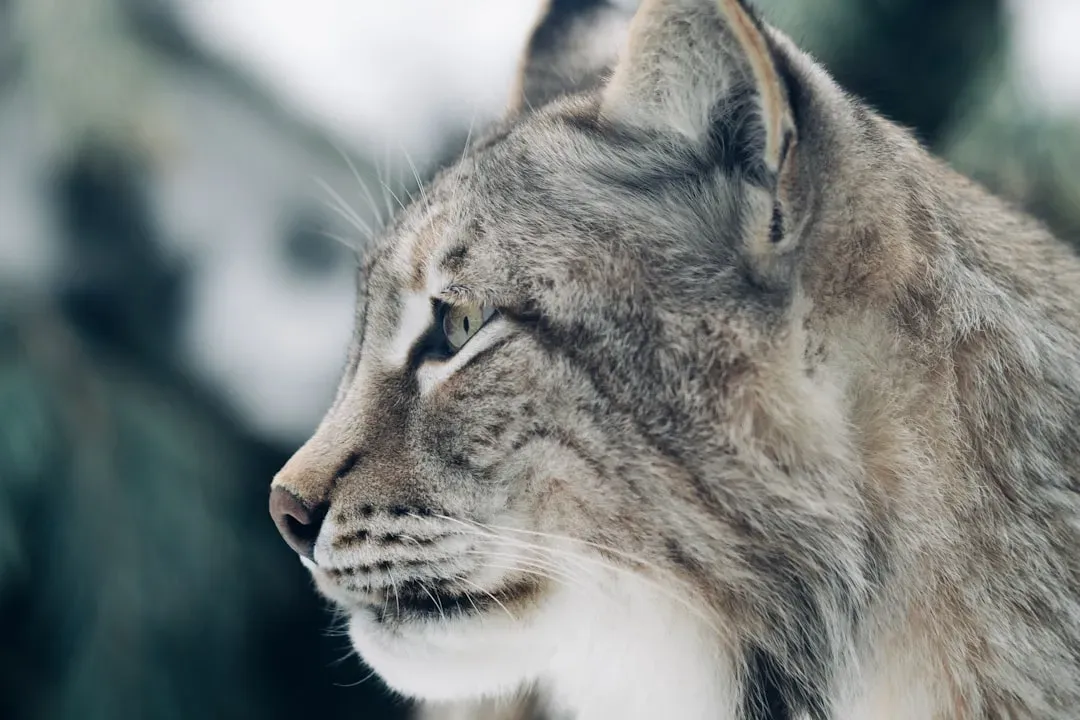
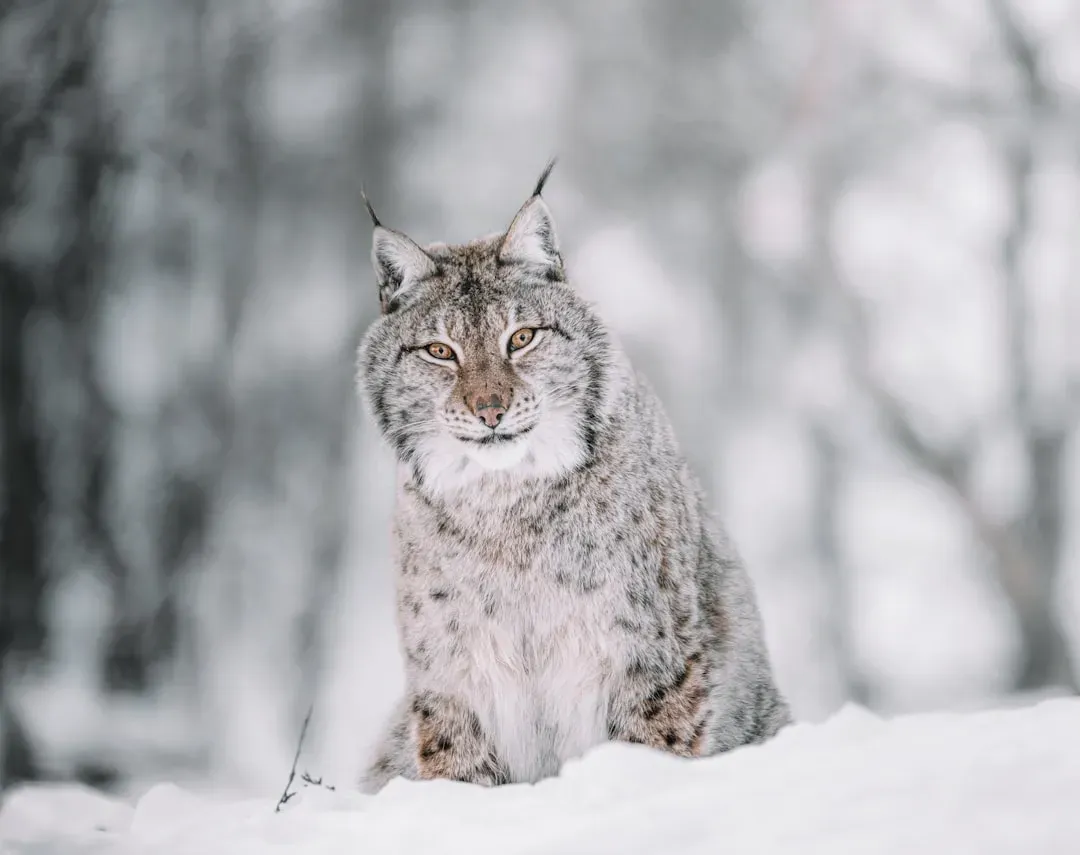
The lynx’s defining features include the prominent tufts of hair above its ears and its short, stubby tail. Those ear tufts aren’t just for show. The lynx’s ears are pointed with tufts of black hair, which may aid in detecting prey and enhancing hearing in snowy forests. Researchers believe the tufts may act similarly to a parabolic reflector, funneling faint sounds toward the ear canal with greater precision.
The lynx has long, strong legs to help it pounce on prey, sharp eyesight, and very good hearing with special tassels of fur on their ears to help pick up more sound. In a dense, snow-muffled forest where sound travels strangely, that auditory sharpness matters enormously. Their sensitive whiskers, quick reflexes, and acute hearing also help the lynx hunt at night. Each sense reinforces the others, creating a predator that’s difficult to escape even under the cover of darkness.
Retractable Claws for Silent Movement and Sudden Strikes
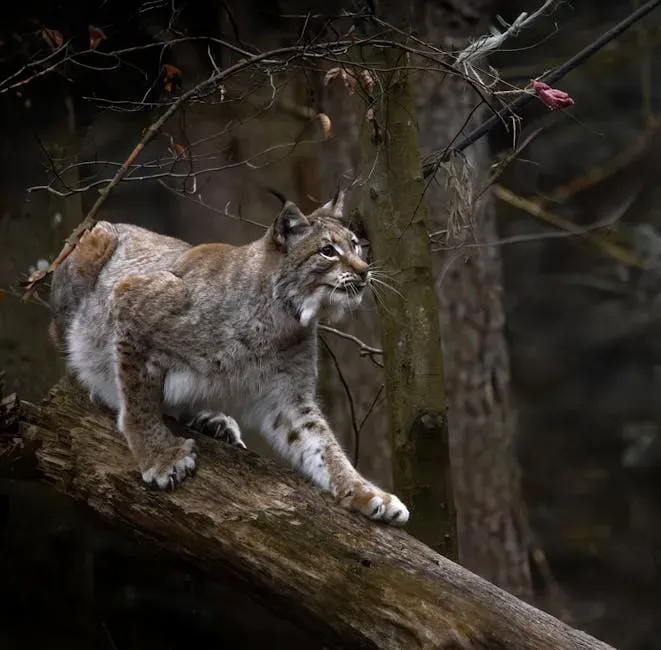
The lynx can push out and pull in its claws, which makes them retractable. This means it can push them out when it needs them to climb and hunt, but it can pull them in when not in use. Keeping claws sheathed during regular movement preserves their sharpness and, crucially, allows the cat to walk almost silently across compacted snow.
Lynxes’ paws are large and wide, and their toes spread out when they walk so they don’t sink down. Their feet also help them walk quietly when they hunt. They also have a lot of fur on their feet, which acts like the treads on the bottoms of your shoes and helps them get a grip on the snow. The combination of fur padding, retractable claws, and wide surface area makes the lynx one of the quietest large predators moving through a winter forest.
Ambush Hunting Strategy That Conserves Precious Energy
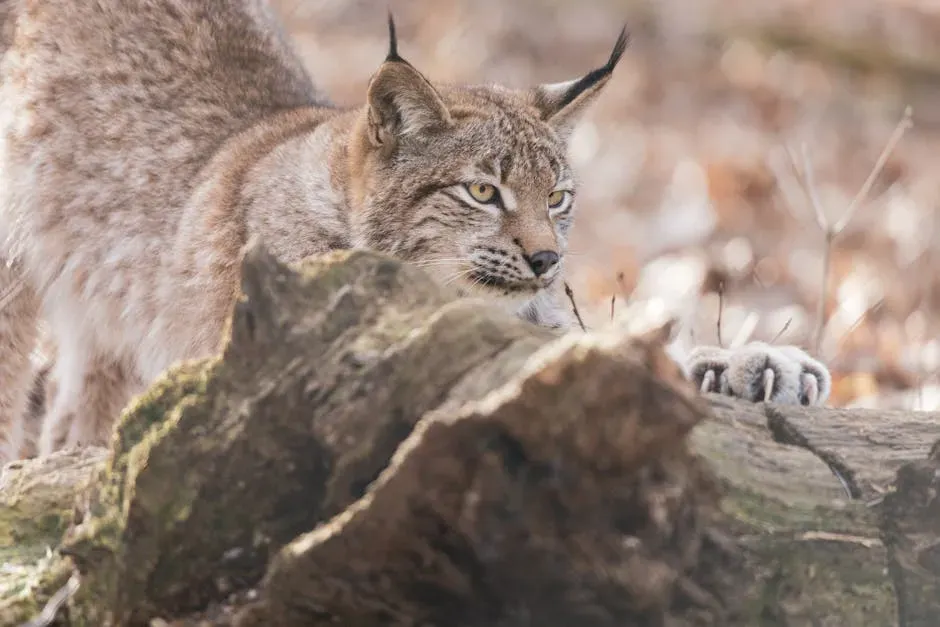
Although not known for speed, these stealthy predators rely on their knack for stealth. They often lie in wait, concealed in strategic hiding spots, before making a calculated pounce on unsuspecting prey. In the depths of winter, this patience is not just a hunting tactic. It’s an energy-management strategy. Every calorie spent sprinting through deep snow is a calorie that must be replaced in conditions where food isn’t always reliable.
This tactic of staying still and ambushing unsuspecting prey not only provides more energy-rich food for the lynx, it also allows them to conserve precious energy needed to keep their body temperatures warm during the winter. To be successful, lynx prefer old-growth forests with an abundance of spruce and pine cover along with fallen trees and dense vegetation to hide in. The forest itself becomes a tool, offering concealment that makes each ambush more likely to succeed.
A Specialized Diet Tightly Linked to the Snowshoe Hare Cycle
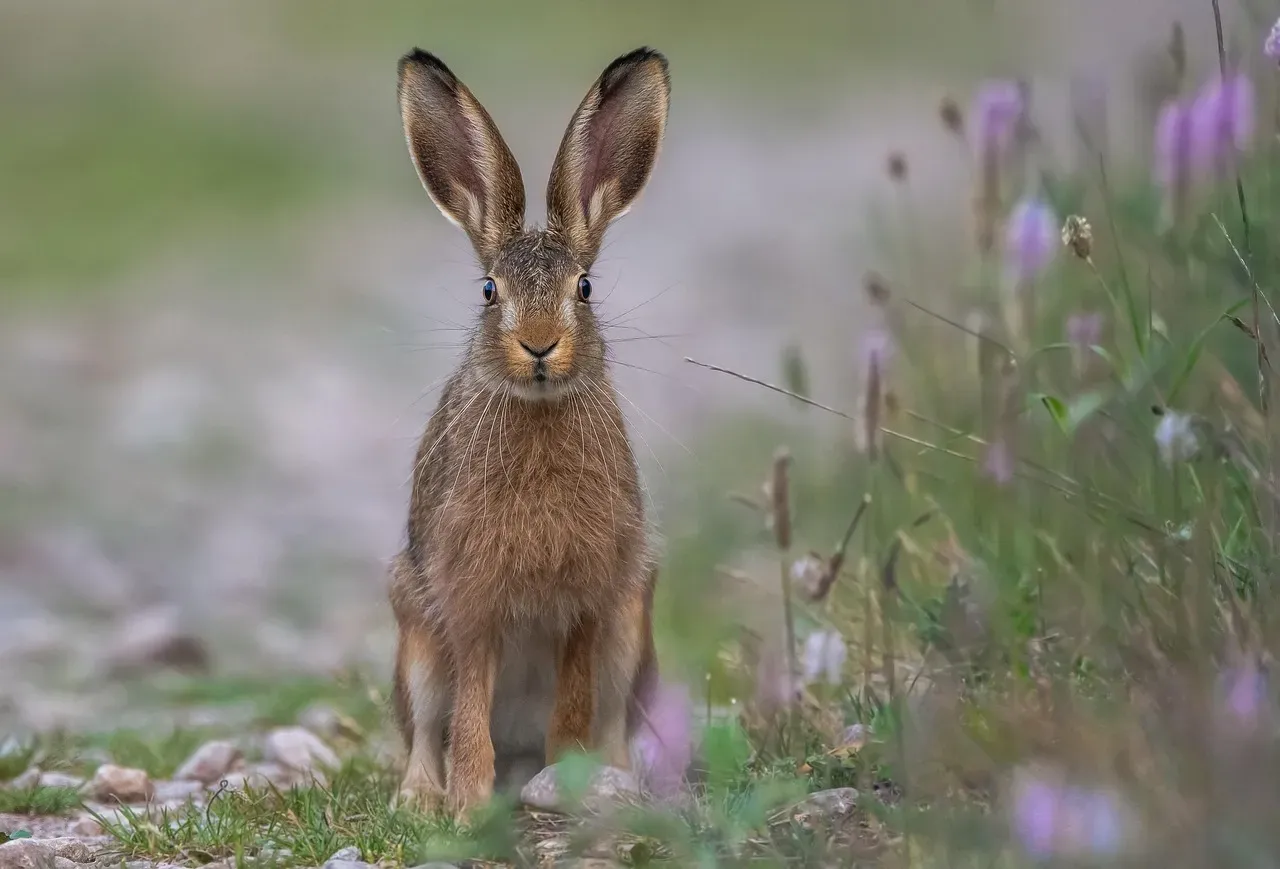
The life of the Canadian lynx relies heavily on the snowshoe hare. Estimates suggest that up to 97 percent of the Canadian lynx’s diet is specifically this species. This creates a prey-predator cycle, intertwining the two species and keeping both their population numbers in balance. Few predator-prey relationships anywhere in the animal kingdom are this tightly coupled, and it reflects millions of years of co-evolution playing out in the same cold forest.
Because of this relationship, the two species have evolved together, with hares developing winter adaptations to avoid lynx, and lynx in turn developing winter adaptations to catch them. When hare populations dip, lynx numbers follow suit within a cycle of roughly ten years. The lynx’s ability to adapt to fluctuations in hare populations is notable. When hares are scarce, lynx can survive by preying on smaller mammals like voles and squirrels. This flexibility in diet is a testament to the Canada lynx’s resilience and survival instincts.
Conclusion
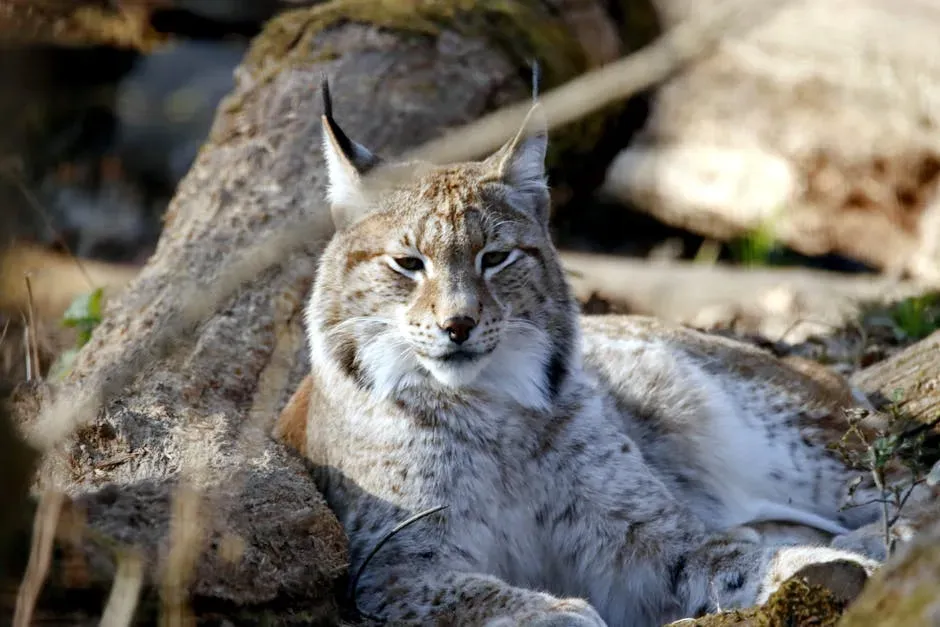
The Canada lynx isn’t remarkable because it tolerates winter. It’s remarkable because winter is, in almost every meaningful way, the condition it was shaped for. Its paws, coat, legs, senses, hunting behavior, and diet all point toward the same frozen environment, reinforcing each other in ways that feel less like coincidence and more like a very long conversation between an animal and its landscape.
What’s worth remembering is that these adaptations are interdependent. Remove the deep snow, and the oversized paws offer diminishing returns. Reduce the snowshoe hare, and the whole system tips toward scarcity. With less consistent snow cover, lynx lose their competitive winter advantage and face greater competition from coyotes and bobcats. The lynx is a reminder that even the most finely tuned survival toolkit is only as effective as the world it was built to navigate.
Kristina is a young writer from India. An arts graduate and an avid content creator, Kristina is passionate about animals and wildlife. She enjoys exploring topics related to pet care, animal behavior, conservation, and nature, combining thorough research with engaging storytelling.