You think you’re the one in charge. You chose the food, you arranged the furniture, you set the schedule. Yet somehow, every morning you’re up at 6 a.m. opening a can, tiptoeing around a sleeping cat, and rearranging your entire evening to avoid disturbing the small creature that has claimed your best chair. Sound familiar?
The truth is, cats are remarkably effective at shaping human behavior, often through subtle, repeated signals that feel completely natural in the moment. Researchers studying feline cognition have found that domestic cats are far more socially perceptive than their reputation for aloofness suggests. Cats are intelligent, highly observant, communicative, and adept at training others, especially their own people. The training just doesn’t look the way you’d expect.
The Solicitation Purr: A Cry Hidden in Plain Hearing
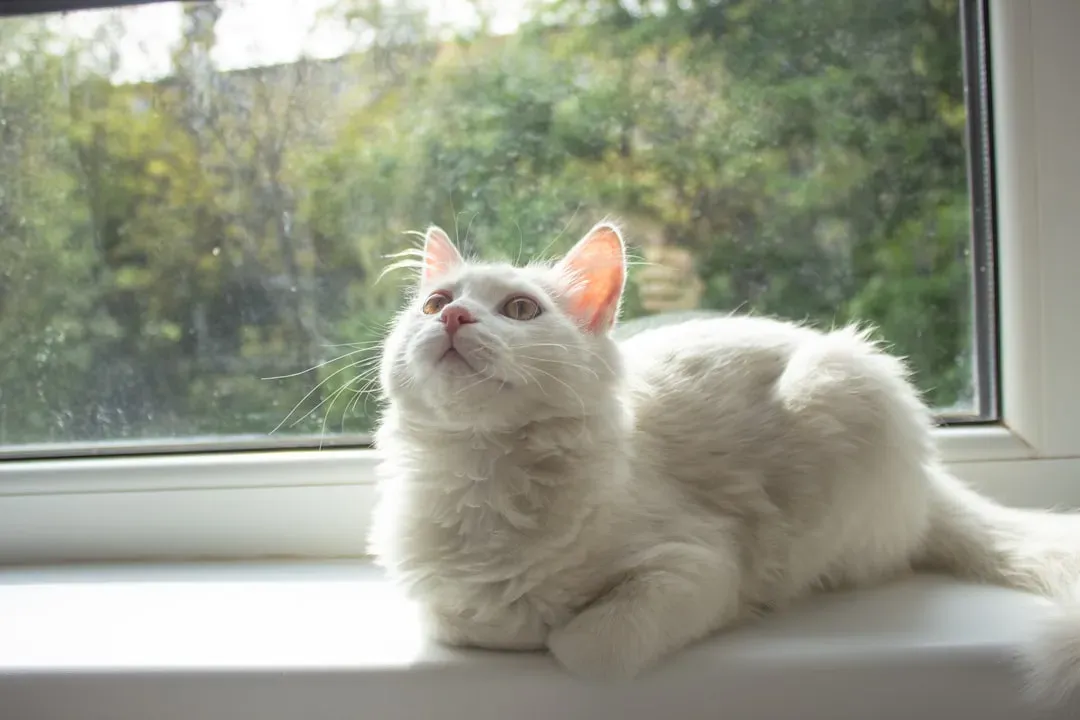
You’ve probably never questioned why a certain purr from your cat sends you straight to the food bowl, even when you weren’t planning to get up. A team of Sussex psychologists discovered that cat owners find a particular “solicitation” purr irresistible because a high-frequency element embedded within it, similar to a cry or meow, subtly triggers a sense of urgency. By employing such an embedded cry, cats appear to be exploiting innate tendencies that humans have for nurturing offspring.
At a frequency of around 380 Hz, this extra sound stands out from the typical low frequencies of a purr and is more like a cry or a meow. The frequency is actually very similar to that of a crying infant, which explains why it tugs on the human heartstrings. You’re not imagining the urgency. Your cat has learned, likely through trial and feedback, exactly which vocal frequency gets you moving. Cats who spend a lot of time around humans have learned that exaggerating this voiced peak is an effective way of manipulating their owners’ sensory sensitivities, and the resulting calls are also less harmonic, which makes it more difficult for people to become accustomed to them.
The Slow Blink: Rewriting Your Emotional Response
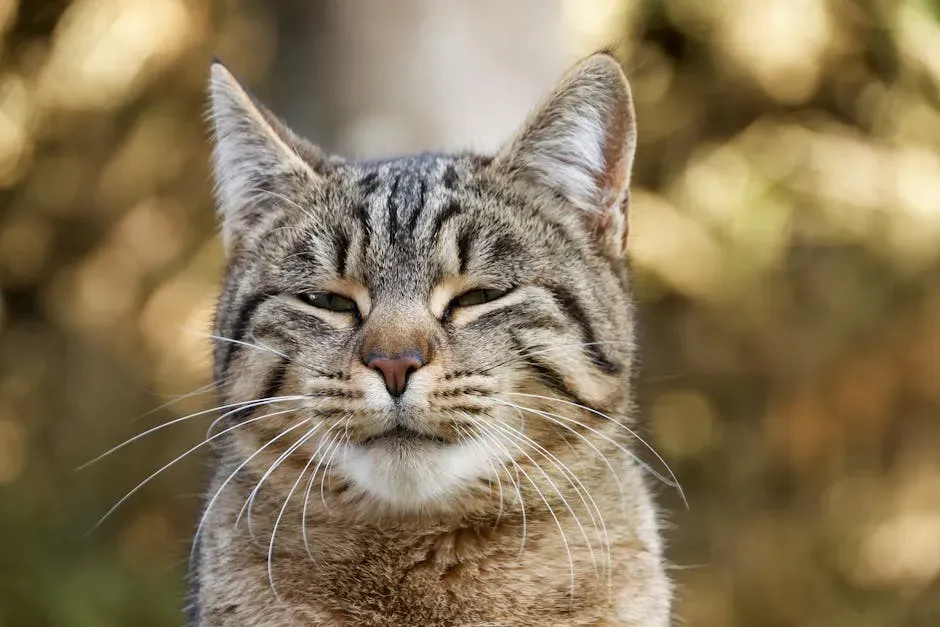
When your cat locks eyes with you from across the room and slowly closes their eyes, you probably feel a wave of warmth and respond in kind. That’s not a coincidence. Research has examined the communicatory significance of a widely reported cat behavior involving eye narrowing, referred to as the slow blink sequence, which typically involves a series of half-blinks followed by either a prolonged eye narrow or an eye closure.
Scientists confirmed that this simple gesture makes cats, both familiar and unfamiliar, more likely to approach and engage with humans. The results also showed that cats are more likely to slow blink at their humans after their humans have slow blinked at them. In other words, your cat has successfully conditioned you to mirror a trust signal back to them on cue. Research has demonstrated that cats who responded to human slow blinking were rehomed quicker than cats that closed their eyes less, suggesting that the use of slow blinking may have given cats a selective advantage during the domestication process. It’s an ancient and elegant social tool.
Meowing at You, Not at Other Cats
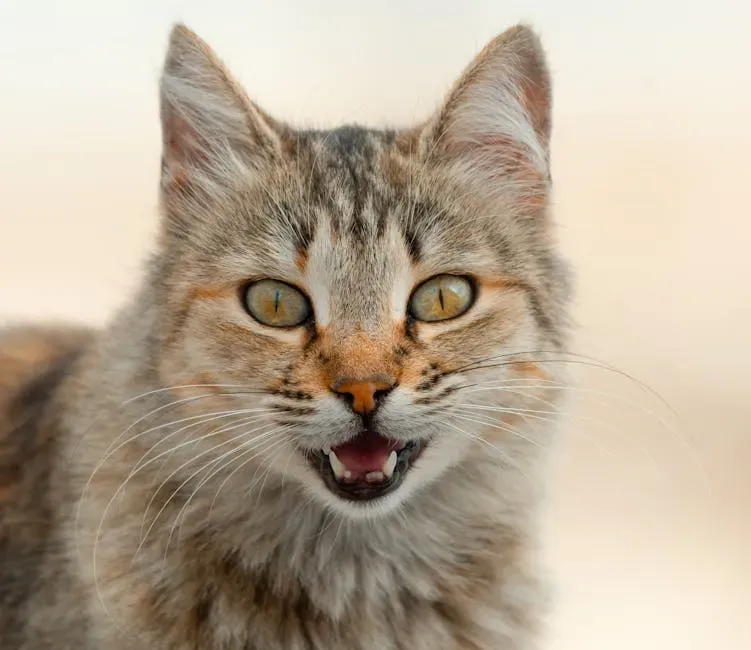
You might assume that meowing is just general cat communication. It isn’t. Cats are typically not very vocal animals, especially with each other. However, they often learn to meow to communicate with humans. If your cat is constantly meowing at you, it’s likely an attempt to get your attention. This is a behavior that has been actively developed and refined through your responses over time.
Many cats vocalize more with people than they do with other cats, suggesting they are “talking” to us and not to other cats. If purring or meowing in a certain way results in cats getting the food or attention they want, they are going to do it again. If a person’s reaction to hearing a certain sound a cat makes is to feed them, the cat’s behavior is being positively reinforced and will be more likely to happen again in the future. Every time you respond to that meow with food or attention, you confirm to your cat that the strategy works.
The Headbutt and Facial Rub: Claiming You as Territory
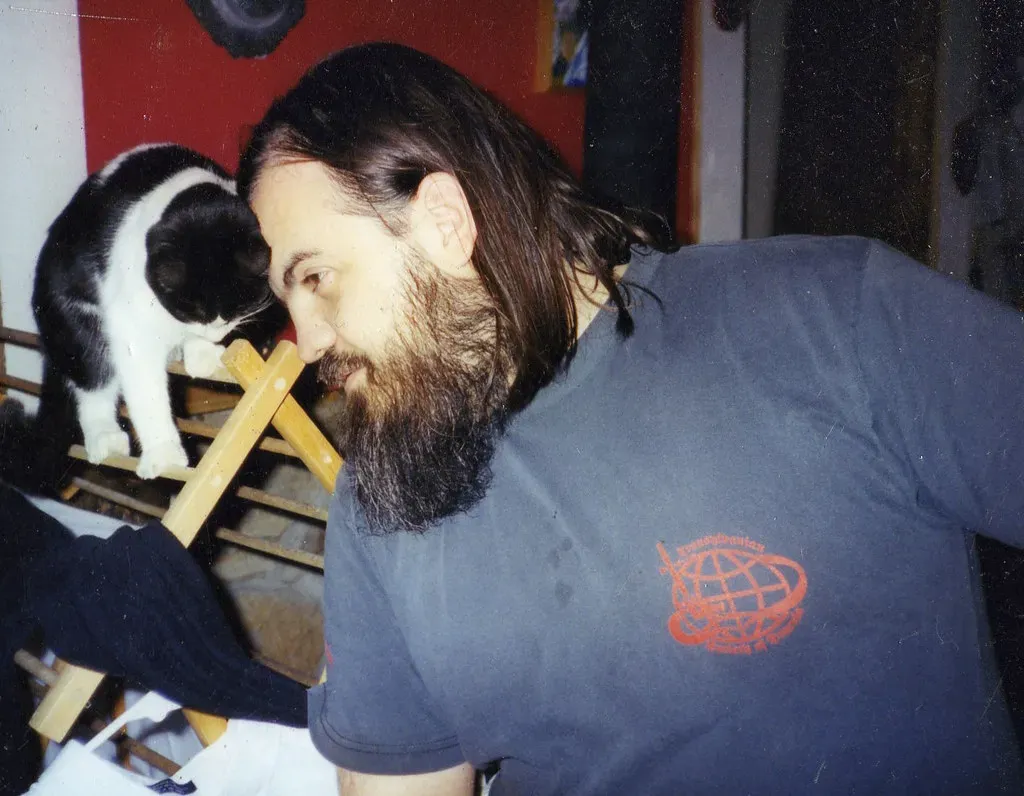
That affectionate bump of a cat’s forehead against your hand or chin may feel like a sweet greeting. On a deeper level, it’s a calculated act of ownership. Cats have scent glands located on their cheeks, forehead, and chin. When they bunt, they release pheromones that mark their territory, communicating ownership and familiarity to signal that the area or person has been claimed.
Bunting can also be a way for cats to get their owner’s attention. A cat might bunt their human companion to initiate petting, play, or feeding, effectively communicating their needs in a gentle and affectionate manner. You lean in, you smile, you start petting. The cat has just trained you to respond to a pheromone-based cue with warmth and physical affection. When a cat presses their face into an object, they release facial pheromones that help cats recognize safe spaces and people in their environment. You become a familiar, safe, and claimed resource.
Kneading You Into Compliance
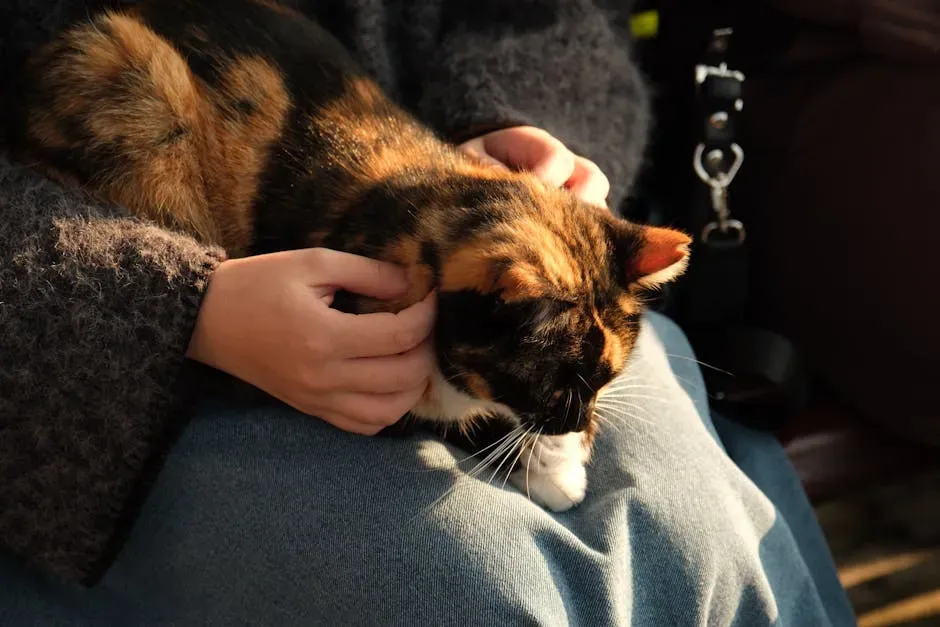
When your cat settles onto your lap and begins rhythmically pressing their paws into your legs, most people instinctively go still, stay seated, and surrender the next half hour of their evening. That’s not accidental. Kneading, often referred to as “making biscuits,” is the rhythmic motion cats make by pushing their paws into a soft surface, alternating between left and right paws. This behavior is commonly observed when a cat is relaxed. Kneading originates from kittenhood, when kittens press their paws against their mother’s belly to stimulate milk flow, and this comforting behavior often persists into adulthood, associated with feelings of security and contentment.
Kneading in cats triggers the release of dopamine, a neurotransmitter associated with pleasure and reward. This behavior, often beginning in kittenhood, is instinctive and tied to the comfort of nursing. As kittens knead their mother’s belly, dopamine is released, enhancing feelings of contentment and security. This physiological response persists into adulthood, meaning that when adult cats knead, they are re-experiencing those early comforting sensations. By kneading you specifically, your cat also marks you with scent from the glands in their paw pads, reinforcing your role as a comfort anchor in their world.
The Early Morning Wake-Up Routine
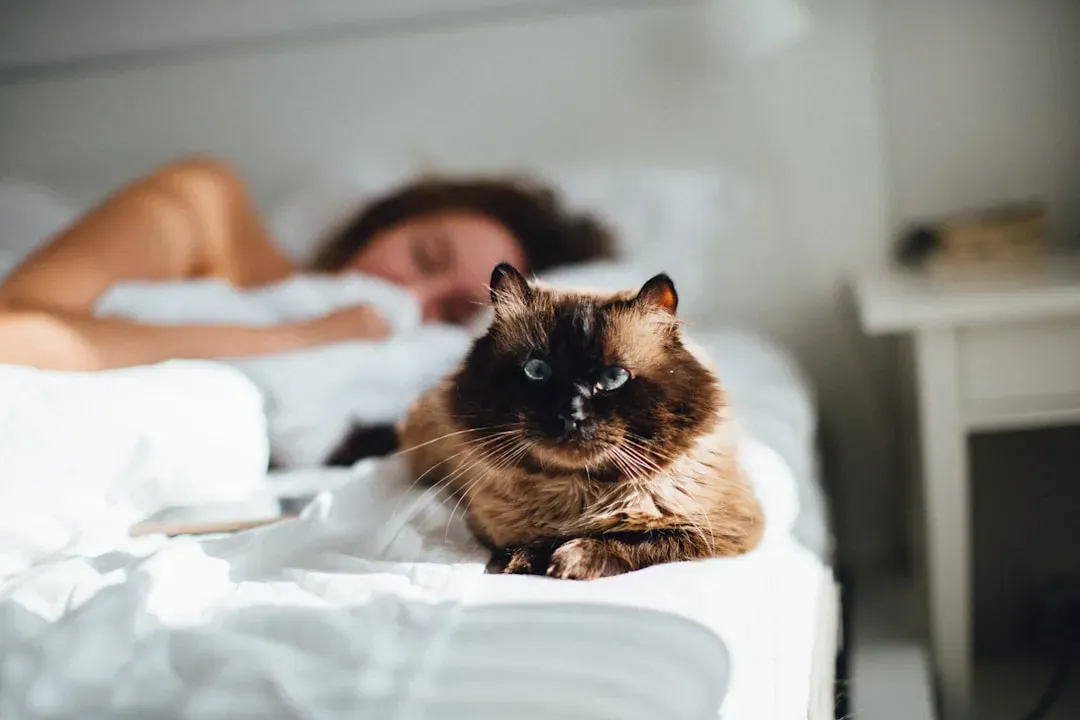
There’s a reason so many cat owners find themselves awake before their alarm, feeding a cat who’s somehow managed to convey unbearable urgency without saying a single coherent word. Some cats ask for food dozens of times a day, including at night, with rubbing, pacing, meowing, or sometimes loud purring. Each time you give in and get up early, you’re reinforcing the pattern.
Cats increase activity and exhibit anticipatory behaviors as feeding time approaches. As these behaviors such as pacing, meowing, and purring become associated with the delivery of food, they may be reinforced. Over weeks and months, the cat hasn’t just learned your schedule. They’ve quietly rewritten it to their advantage. Providing cats with food on a routine or schedule rather than feeding them exclusively when they “ask” will reduce begging behavior, although owners will likely observe increased anticipatory behaviors close to scheduled feeding times. Most owners never realize the schedule was shifted at all.
Using Affection Strategically Around Food Time
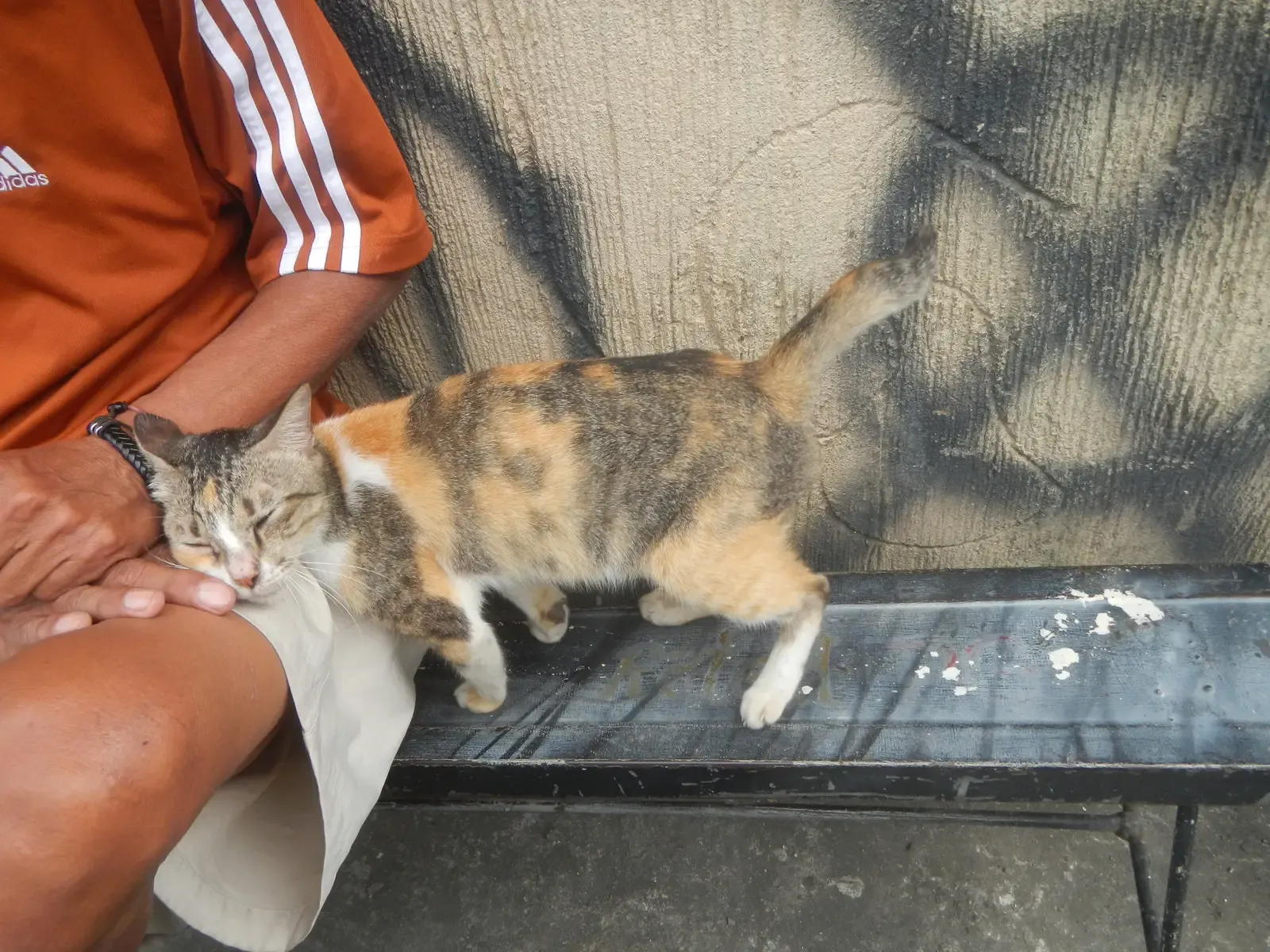
You’ve probably noticed that your cat becomes unusually cuddly and loving in the moments before they expect to be fed. This isn’t coincidence or coincidence-shaped affection. Cats on restricted intake show more “affectionate” behaviors such as sitting in a lap, in addition to attention-seeking behaviors like begging, following owners, and meowing, likely in an attempt to solicit food from the owner.
Owners are sensitive to the intensity of cats’ solicitation behaviors and may misinterpret these social interactions as hunger, and give the cat more food, which can lead to weight problems. Your cat has discovered that warmth and closeness soften your resolve. The purr on the lap, the rubbing against your ankles, the sudden burst of affection directed squarely at your kitchen area. It’s a coordinated influence campaign, and it works. Humans typically interpret a cat’s purr as a sign of affection and contentment, often responding with attention, care, or treats, and this positive feedback loop suggests that cats might have learned to use purring strategically to reinforce behaviors that are beneficial or desirable to them.
Ignoring Cues They Don’t Like Until You Stop Using Them
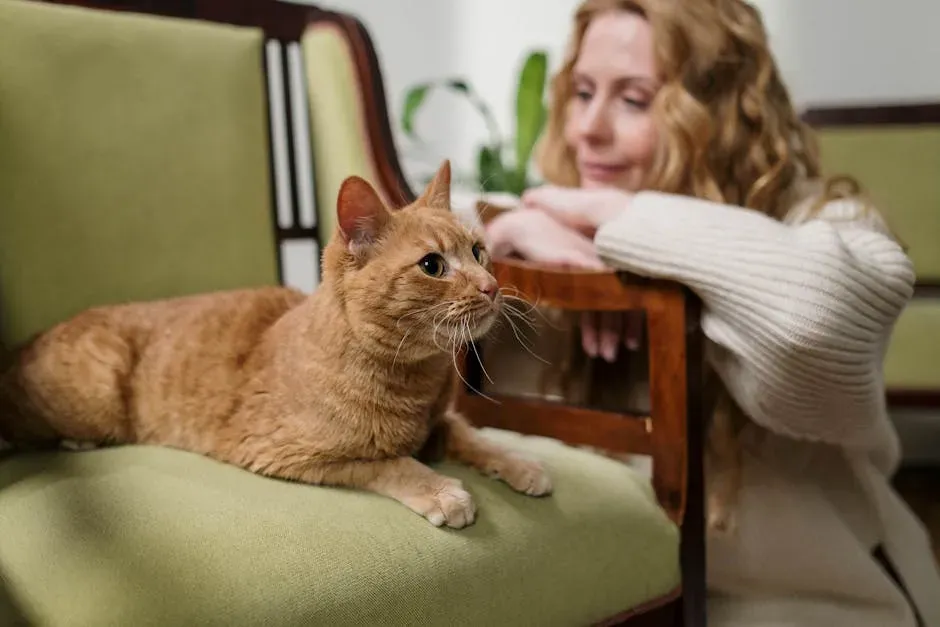
Every time you’ve called your cat’s name and been met with a slow blink and total stillness, you’ve participated in a subtle negotiation. Research shows that cats echo the personality traits of the humans they live with, which may be related to why cats seem to pick up when their humans are sad. They also can recognize their names, although they choose to ignore them a lot of the time. Selective ignoring is a remarkably effective tool.
Cats learn in several ways, but the main ways that bear on training are types of associative learning: learning by consequence and learning by association with events. When your instructions or cues consistently yield no reward for the cat, those cues lose their power. Meanwhile, cues the cat generates that consistently produce food, petting, or play remain firmly in their behavioral toolkit. Cats live “now” and can’t associate an action they performed with a consequence if that consequence doesn’t happen at the same time as their action. This means your delayed reactions often go unregistered, while their immediate signals to you are precisely timed and laser-focused.
The Waiting Stare That Freezes You in Place
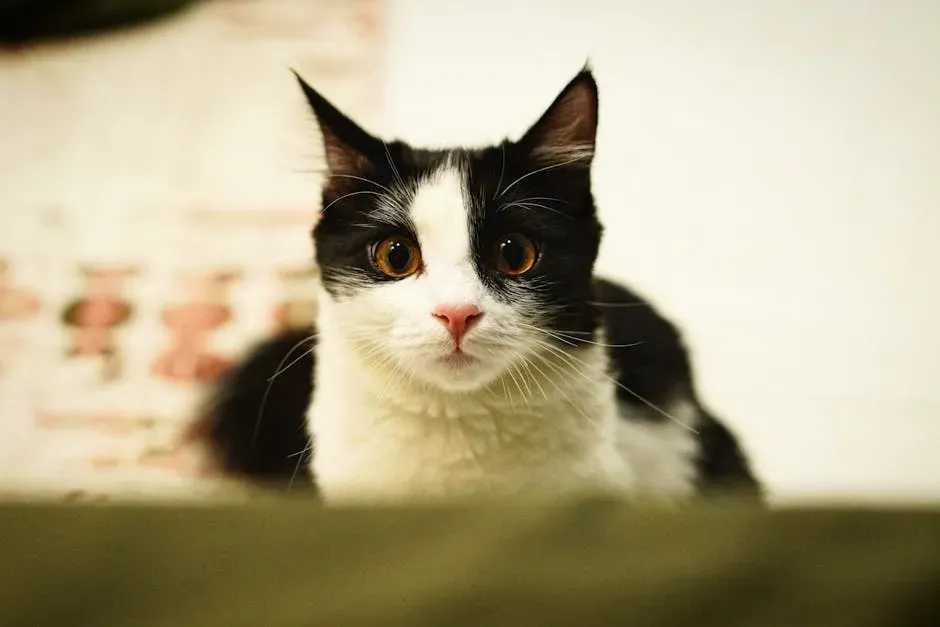
There’s a specific kind of attention a cat directs at you when it wants something. Not meowing, not touching you. Just sitting. Watching. You feel it even if your back is turned. One way cats and humans interact is through headbutting, in which a cat rubs its head on a human to leave its scent and create a bond. Cats can also take cues from human pointing and from the direction of human gazes, and they can sometimes discriminate between human facial expressions, attentional states, and voices.
This attentional awareness works both ways. Cats learn that holding a calm, fixed gaze toward you reliably draws your attention and prompts a check-in response. Cats echo the personality traits of the humans they live with, which may be related to why cats seem to pick up when their humans are sad. Your cat has essentially learned to read your mood while simultaneously training you to read theirs. The result is a finely tuned social attunement that tends to end with you getting up, opening something, or providing comfort on their timetable. It’s quiet, it’s effective, and most people never notice it happening.
Conclusion: The Partnership You Didn’t Know You Signed Up For
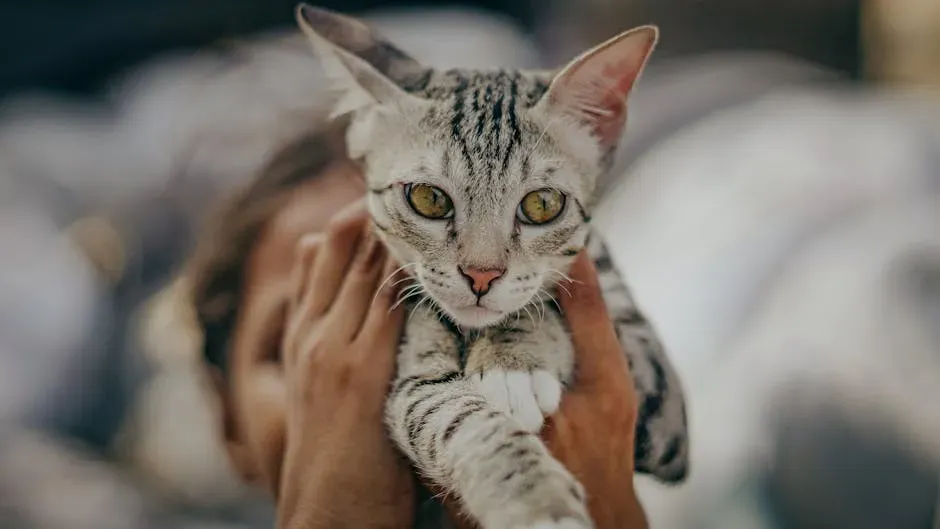
None of this is sinister, of course. Cats aren’t plotting against you in any purposeful sense. What they are doing is exactly what all intelligent social animals do: learning which behaviors consistently produce good outcomes, then repeating them. Cats learn primarily through associative learning, and operant conditioning means learning by consequence when the cat is either reinforced or punished for the behavior they just did. Your responses are the data they’re working with.
Cats can be companion animals, and studies have shown that these cats provide many physiological and psychological benefits for their owner. The exchange, when you look at it clearly, is a genuinely mutual one. You provide safety, routine, and food. They provide warmth, companionship, and a continuous low-grade enrichment of daily life. The fact that they’ve also quietly trained you to do it all on their schedule is, perhaps, the most cat thing about the whole arrangement.
Kristina is a young writer from India. An arts graduate and an avid content creator, Kristina is passionate about animals and wildlife. She enjoys exploring topics related to pet care, animal behavior, conservation, and nature, combining thorough research with engaging storytelling.