There’s a common assumption about cats: that they’re unreadable, aloof creatures who keep their feelings firmly to themselves. You might assume your cat is simply indifferent to your presence, when in fact she’s been communicating with you the entire time. The most expressive channel she uses isn’t her voice. It’s her tail.
A cat’s tail is a versatile communication tool, capable of conveying a wide range of emotions and intentions. Every curl, quiver, and slow sweep carries meaning. Once you know how to read it, your whole relationship with your cat shifts in surprising ways.
Why the Tail Is Your Cat’s Most Visible Emotional Barometer
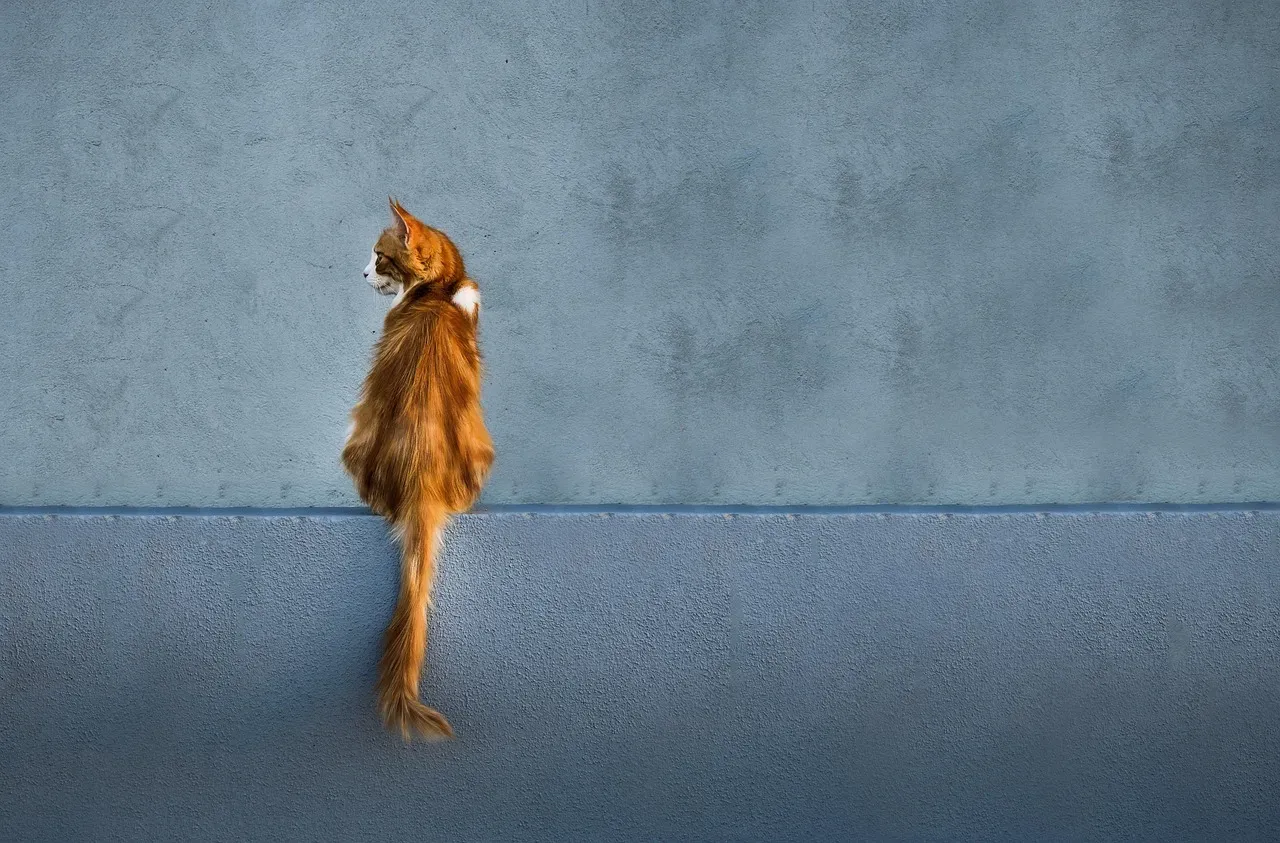
Although you should look at more than just their tail movements to fully understand your cat’s emotional state, the tail may be the most expressive part of a cat’s body language. It’s constantly in motion, constantly broadcasting, whether your cat intends it or not.
The tail is an extension of the spine: while the human spine stops at the pelvis, in animals, including cats, the spine continues backward for another 18 to 23 small bones, or 20 to 30 centimeters. That’s a remarkable amount of anatomy dedicated to movement and expression, which is part of why the tail can be so nuanced and precise in what it signals.
The Upright Tail: Your Cat’s Friendliest Hello
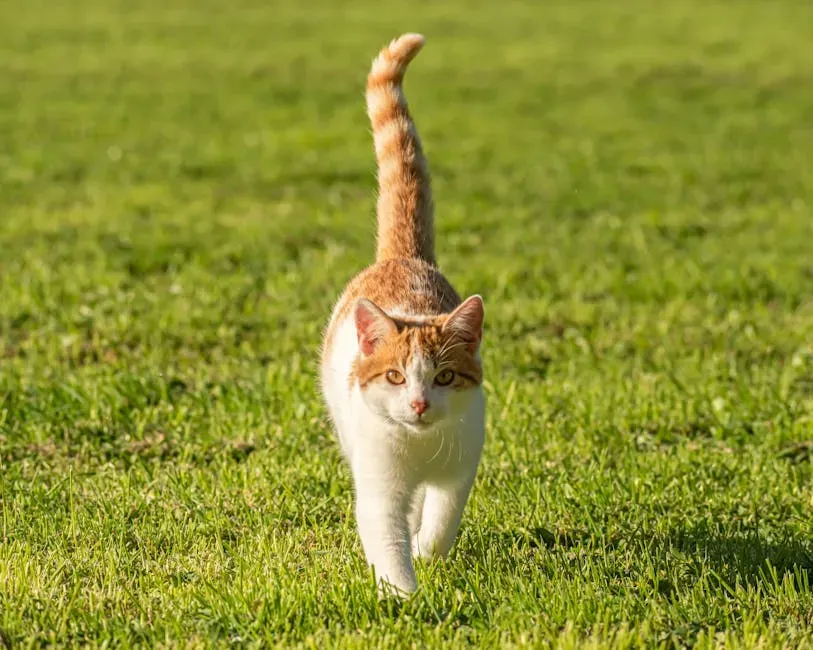
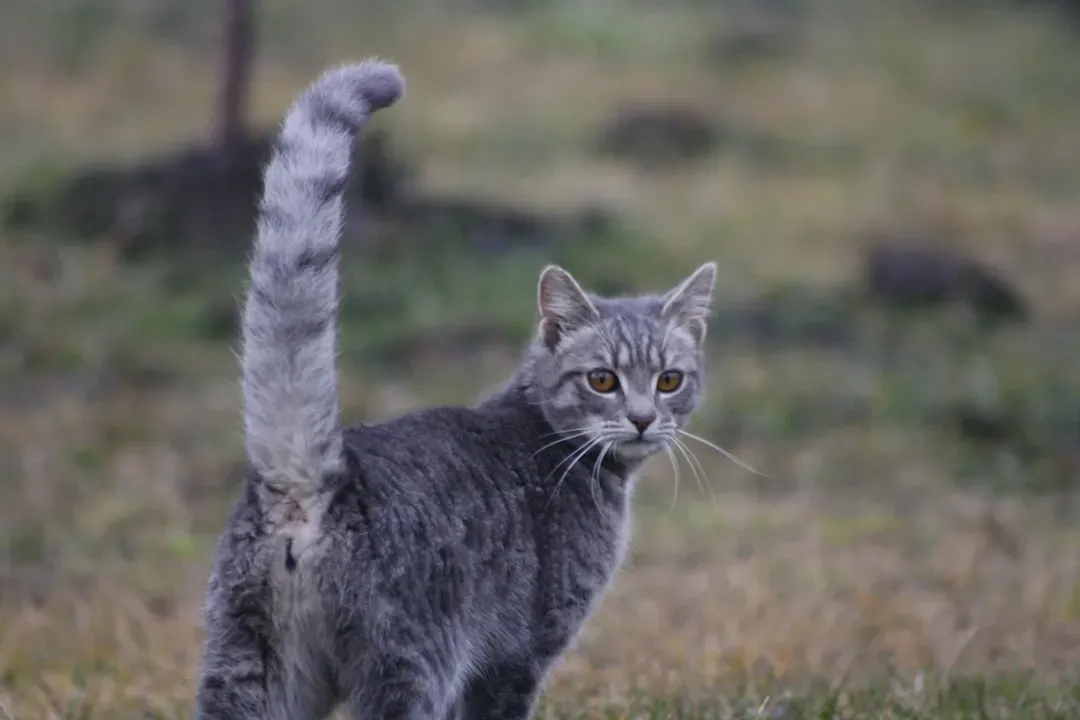
A cat with its tail pointing straight up is displaying one of the most positive body language signals in feline communication. This upright position typically indicates a happy, confident cat who feels secure in their environment. When you see this tail walking toward you, it’s genuinely good news.
When a cat’s tail is upright, they are feeling social and confident, and are approaching in a friendly manner. This tail language indicates a friendly greeting between cats, and it’s also how kittens greet their mothers. So when your cat strolls in with her tail straight up, she’s essentially offering you the same warm greeting she learned as a kitten.
The Question Mark Tail: An Open Invitation
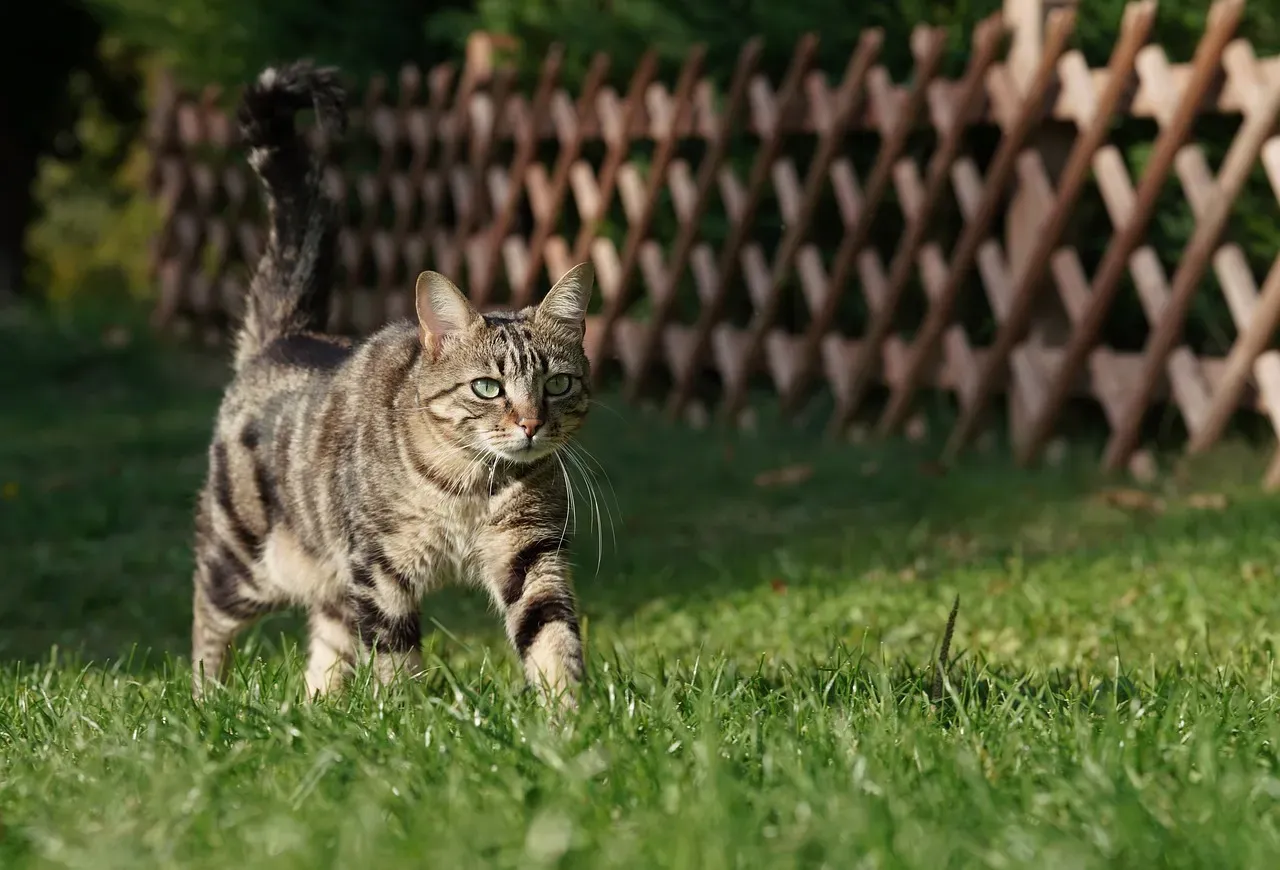
You may notice that sometimes your cat’s tail looks like a question mark – it stands upright but curls at the end. This tail language indicates that your cat is happy and approaching amicably. When your cat’s tail is in this position, it means it’s an invitation to interact with your cat. Think of it as a green light.
If your cat bends their tail into the shape of a hook or question mark, this is a very positive sign. According to veterinary behaviorists, “question mark tail” is a pro-social behavior. It’s like walking up to another person with a huge smile on your face and your arms open wide. In other words, it’s your cat’s way of giving you a friendly greeting. Don’t hesitate to respond in kind.
The Quivering Tail: Excitement You Can Actually See
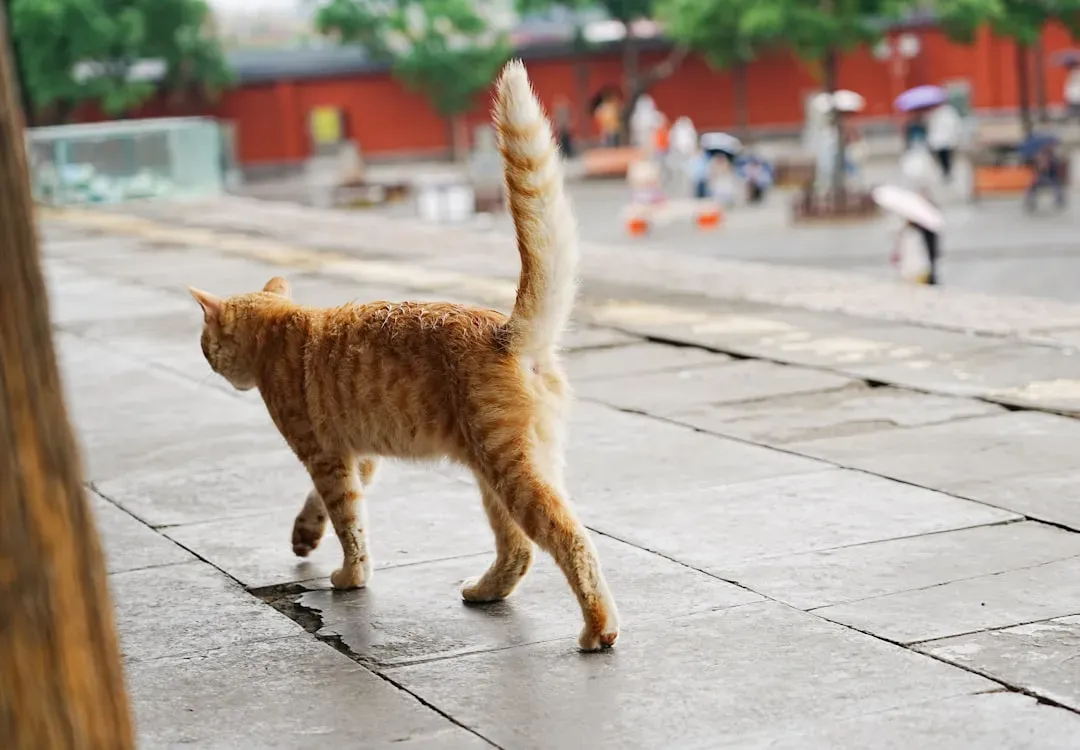
If your cat’s tail is quivering, it may mean that she is excited to see you or whomever she is encountering. This vibrating motion is one of the more endearing signals a cat can send, and it tends to show up most often during greetings after you’ve been away.
Two other actions a cat’s tail can exhibit are vibration and flicking. When a cat’s tail quivers, it can be a sign of happy excitement. This may appear similar to the vibrating movement a cat’s tail makes before it spray-marks something with urine. Context matters here, so pay attention to whether the posture is relaxed and forward-facing or tense and directed at furniture or walls.
The Slow Swish: Calm, Content, and Comfortable
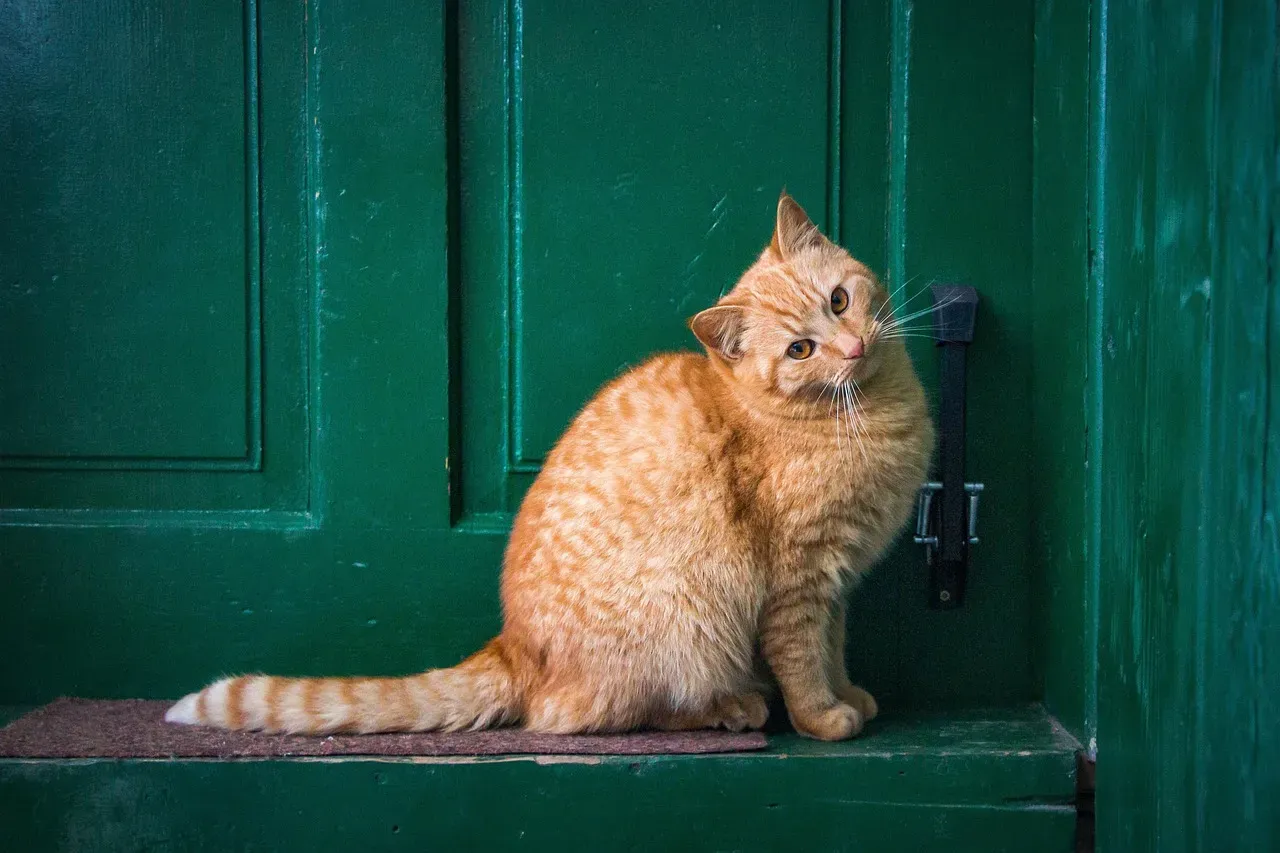
When a cat’s tail is in motion and looks fluid and soft, it’s “swishing.” Generally, this indicates a cat who’s relaxed or calmly interested in what’s happening. At this point, no alarm bells are going off in the cat. They also aren’t sleepy. They may be alert but aren’t worried or concerned about anything around them.
Swishing tails slowly from side to side in a soft, fluid manner indicate cats who are relaxed, calm, and perhaps mildly interested in something. Just let these purring machines hang out and enjoy life. It’s one of the more peaceful signals you’ll observe, and the appropriate response is usually to simply let your cat be.
The Tail Wrap: When Your Cat Is Claiming You
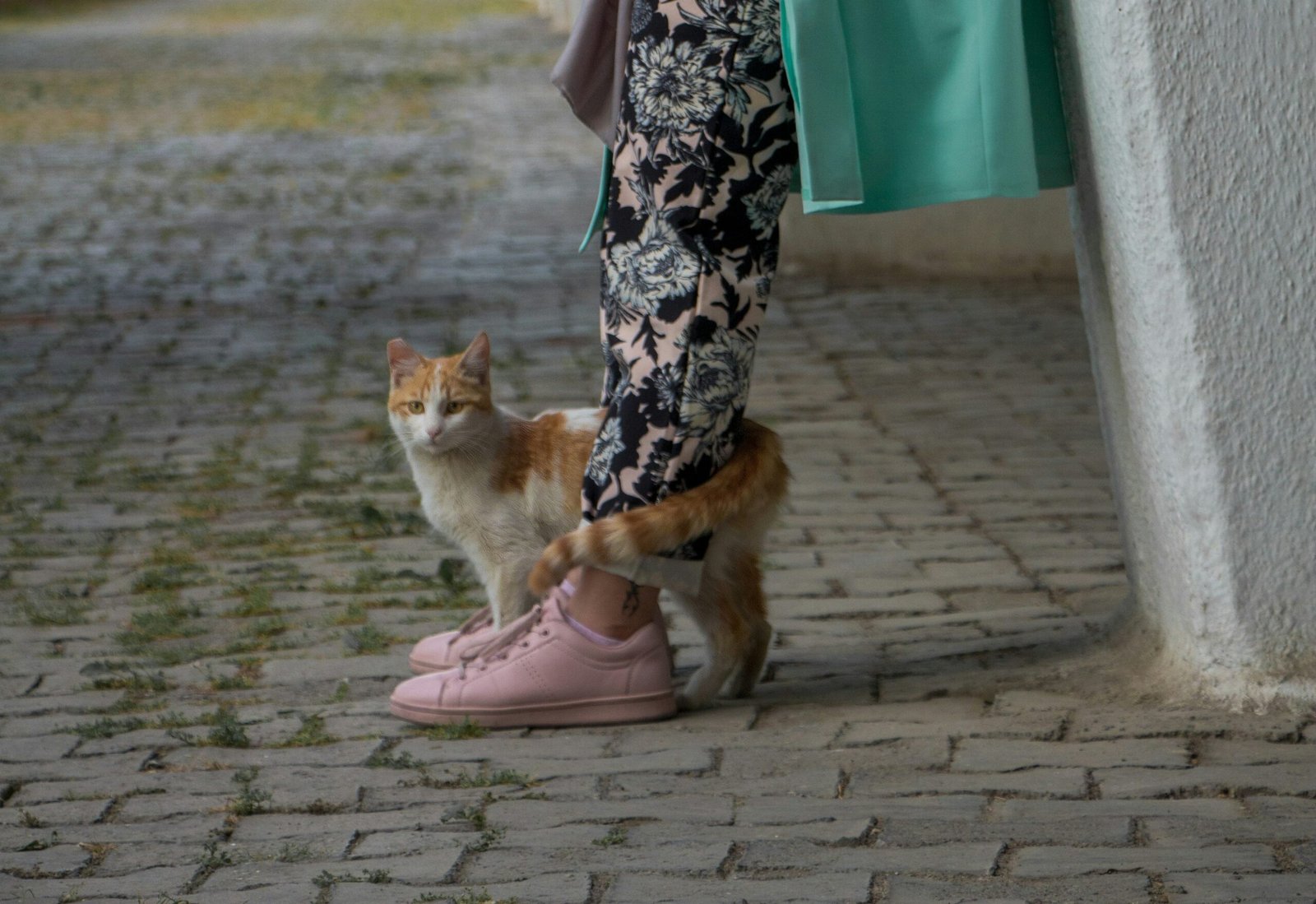
Often known as a “cat hug,” your cat may wrap their tail around your leg to demonstrate their affection for you. It’s their way of deepening your bond by showing how comfortable they are with you, and it also allows for scent sharing, a cat’s way of marking their trusted territory. This may be accompanied by purring to signal their happiness.
If a cat uses their tail to wrap around your leg, or perhaps another cat’s tail, this is a sign of close affection. At a biological level, a cat’s tail includes scent glands, so the tail is being used to swap scents with the other creature. You’re not just being greeted. You’re being claimed, which in cat terms is one of the highest compliments.
The Puffed Tail: Fear Made Visible
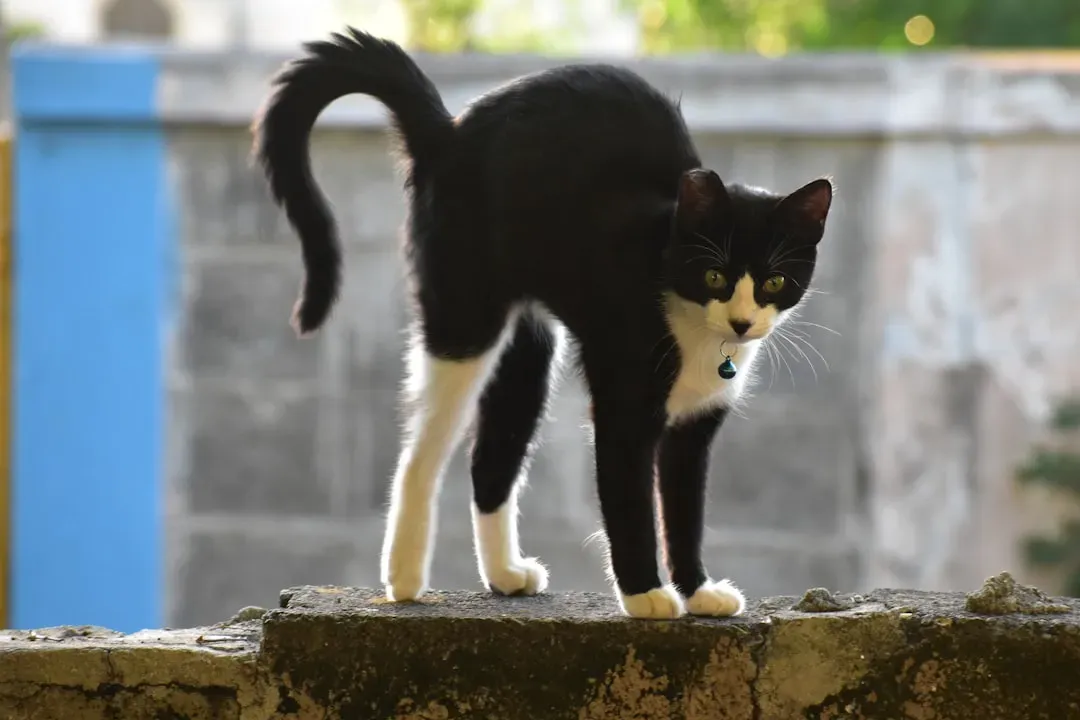
Sometimes paired with an arched back and a hiss, a tail that is puffed up and rigid indicates a cat in distress, one who has either been startled or is feeling in some way threatened. This is the Halloween-cat posture that most people recognize immediately, and it leaves little room for misinterpretation.
When a cat’s tail becomes bushy, it’s a sign that they feel threatened or scared, and they are trying to appear larger to intimidate potential aggressors. If you see this signal, the best thing you can do is remove whatever triggered the reaction and give your cat space to settle. Attempting to comfort a cat in this state can sometimes backfire.
The Thumping and Thrashing Tail: A Clear Warning Sign
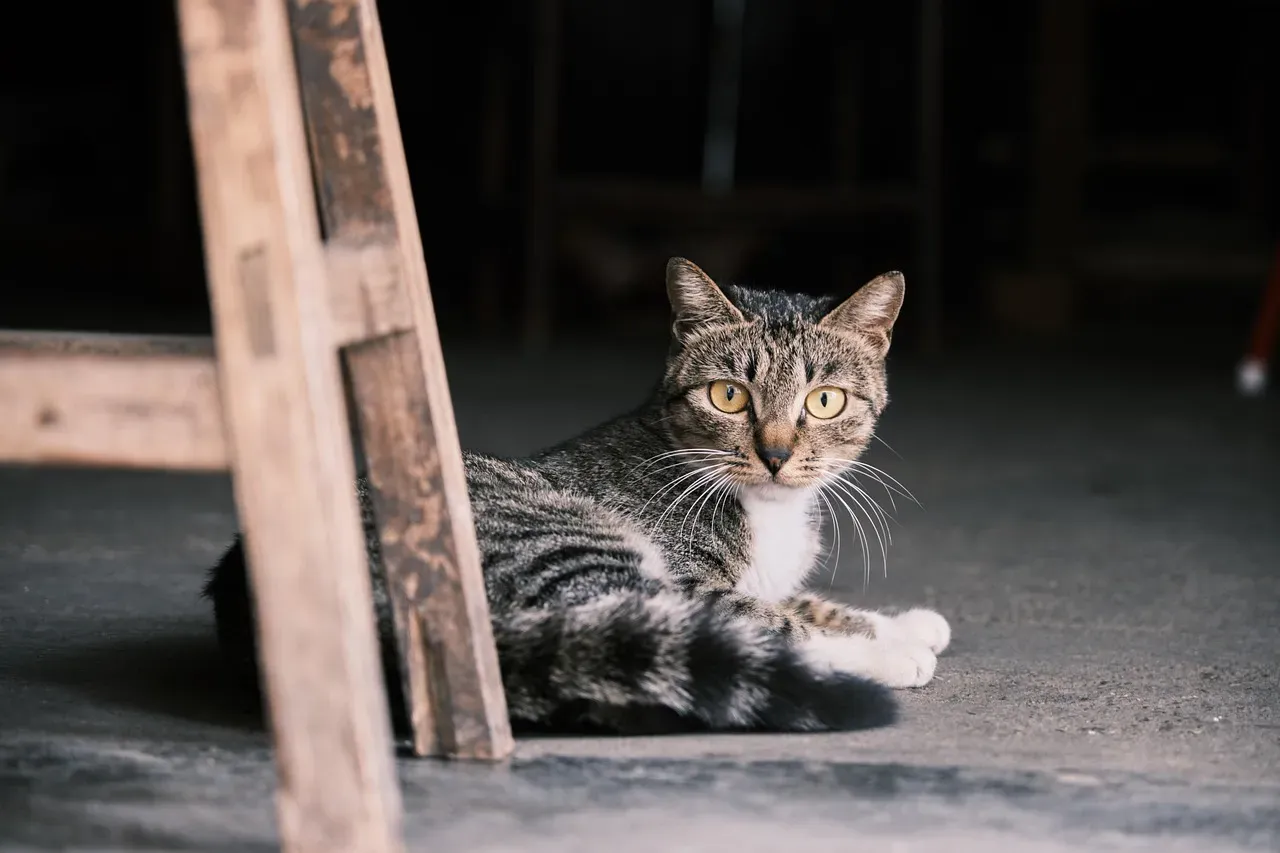
A thumping tail is one of the clearest warning signs in feline body language. When your cat deliberately thumps or thrashes their tail against the floor, they’re communicating irritation, annoyance, or anger. This isn’t a subtle hint, it’s a direct message that something is bothering them.
If you or a visitor is petting your cat and tail thrashing starts, your cat might be shouting “Stop!” It is wise to do so, unless you want to witness an entirely different kind of communication, such as hissing or swatting. The intensity of the thumping often correlates with your cat’s level of frustration. A gentle tap might indicate mild annoyance, while a forceful thump suggests serious irritation.
The Tucked Tail: Stress, Fear, or Pain
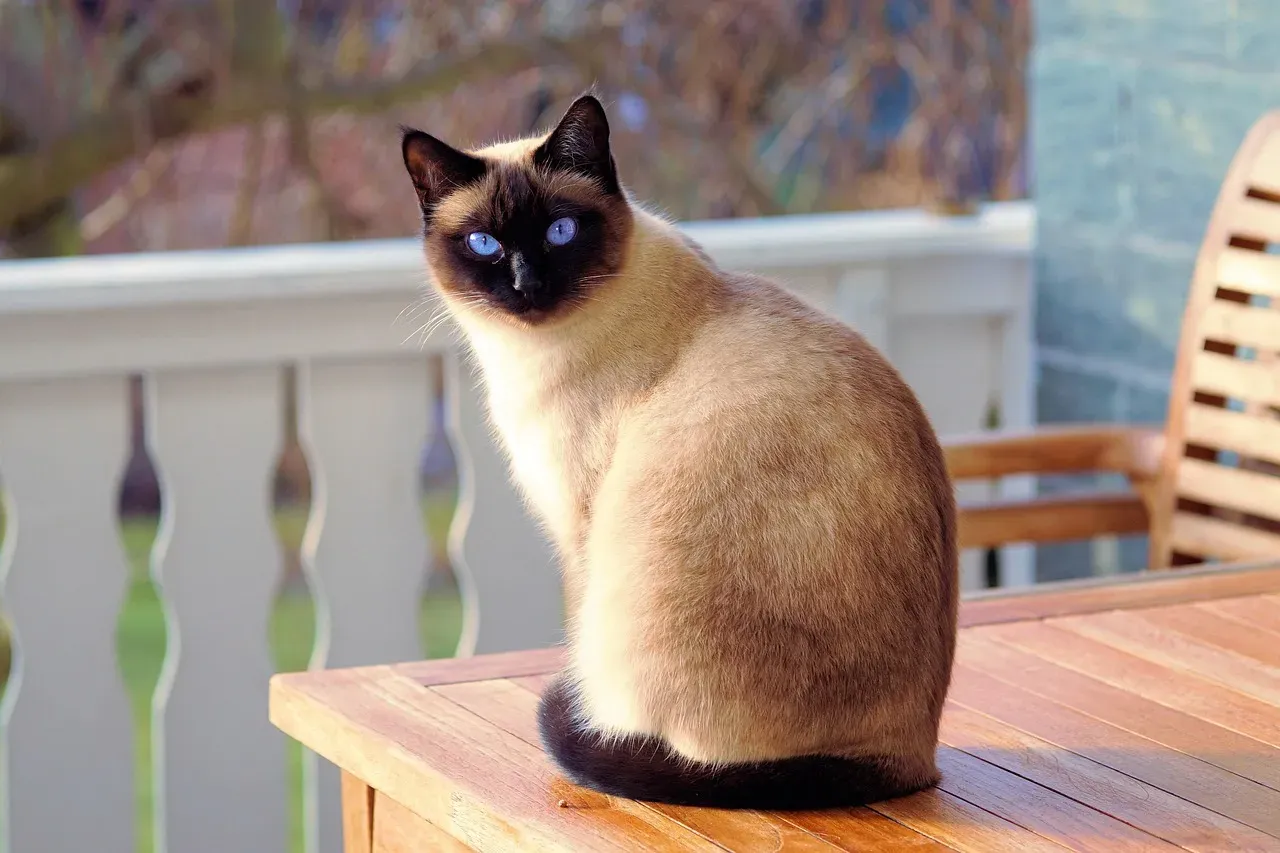
Similar to dogs, a lowered tail can mean your cat is feeling uncomfortable or scared. In fact, the closer the tail is to the cat’s body, the less comfortable your cat is feeling. When a cat feels afraid, they attempt to pull in vulnerable parts like their tail. It’s a protective instinct that goes back to their wild origins.
If your cat is sitting or lying down with their tail wrapped around their body, then they are frightened, defensive, in pain, or feeling unwell. When you see this, end your interaction with your cat and ensure that your cat’s environment is free of stressors. If your cat frequently crouches with their tail curled tightly around their body for more than a few days, then an evaluation by your veterinarian is warranted to rule out pain or illness.
Reading the Tail Alongside the Whole Body
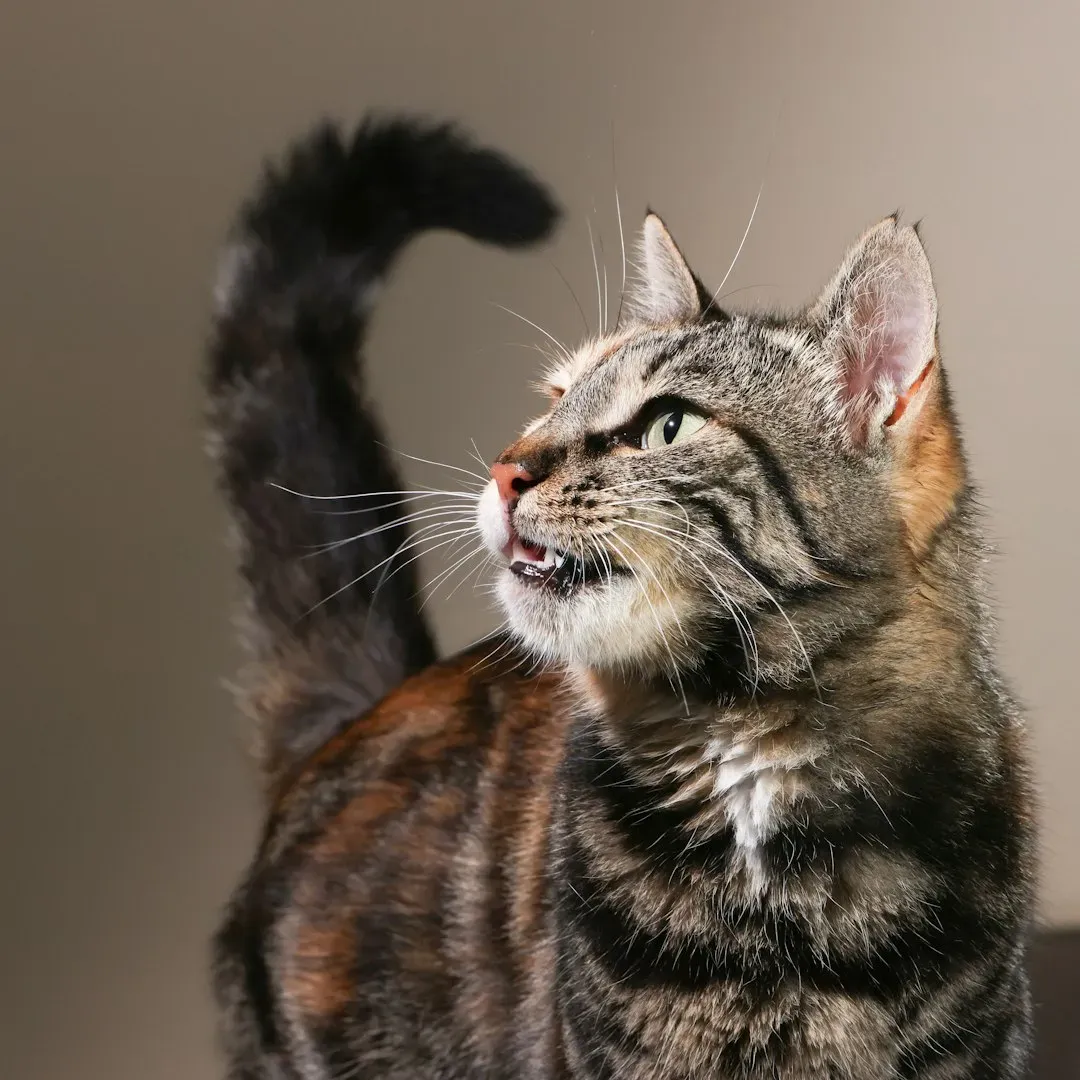
Although the tail is a conspicuous feature for human observers, ear positions of the cats in dyadic interactions with other cats are the best predictor of the outcomes of those interactions. However, in cat-human interactions, the cat most often approached with its tail up prior to rubbing itself against the human. This distinction matters when you’re trying to understand what your cat is directing toward you specifically.
The main takeaway is that a cat’s body language and behaviors should be looked at as part of a single big picture. By using the context of the entire situation, trying to see the situation from the cat’s point of view, and looking for subtle cues in body language, you’ll have an excellent chance at understanding your feline friends. The tail is the starting point, not the whole story.
Conclusion
Cats have never been the mystery they’re made out to be. They’ve been communicating with you all along using a language that requires no words and no translation app, just attention. Your cat’s tail is a live feed of her emotional state, broadcasting comfort, curiosity, affection, and discomfort in real time.
A cat’s tail is one of their most expressive features, and they use it to let us in on a world of feelings and emotions. Once you better understand feline body language and know what your cat is trying to convey, you can respond to them when they’re feeling happy or assist them when they’re stressed. All this knowledge can help you form a deeper bond with your feline friend.
The cats who seem coldest are often just cats whose owners haven’t yet learned to listen. Start watching the tail. You’ll be surprised how much your cat has already been saying.
Kristina is a young writer from India. An arts graduate and an avid content creator, Kristina is passionate about animals and wildlife. She enjoys exploring topics related to pet care, animal behavior, conservation, and nature, combining thorough research with engaging storytelling.