Most cat owners have spent at least one puzzled moment watching their cat’s tail flick, curl, or puff up – wondering what on earth is going on inside that mysterious head. The truth is, your cat is already telling you. You just need to know how to listen with your eyes.
Cats use the extreme mobility of their tail as an important means of communication, and the combination of its position, shape, and movements provides meaning – often alongside other types of body language and forms of communication like vocalization. Once you learn to read those signals, even a quiet afternoon at home starts to look a little different.
The Anatomy Behind the Movement
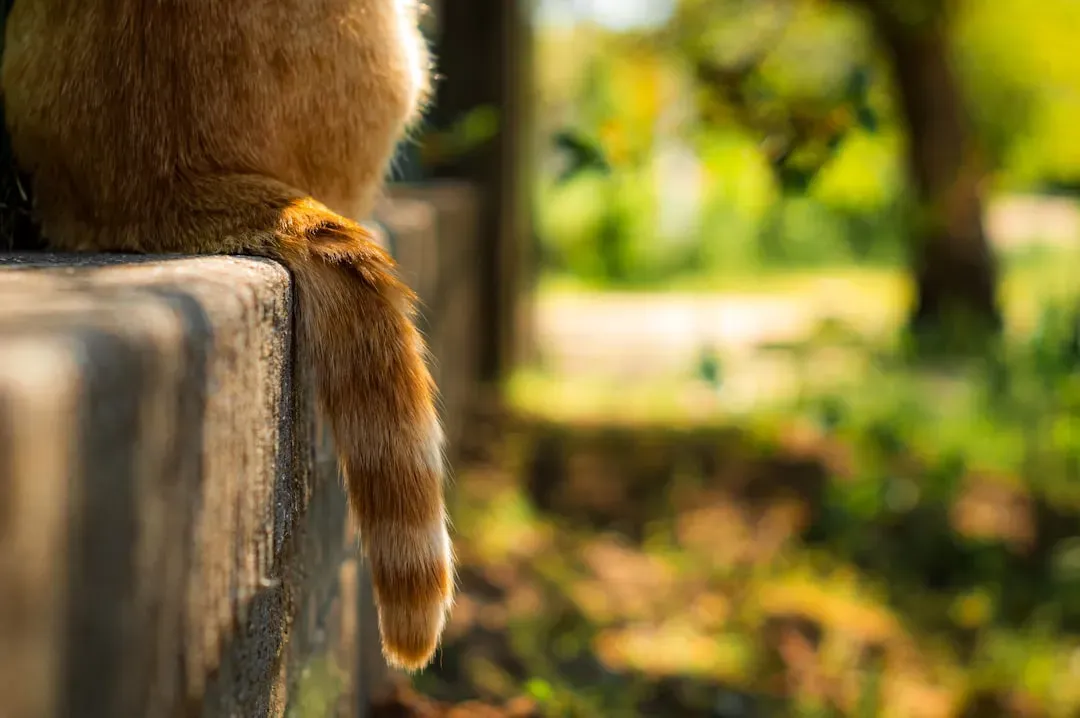
Before you can fully appreciate what your cat’s tail is saying, it helps to understand what it’s actually made of. A cat’s tail is remarkably flexible, thanks to its unique anatomy. It consists of 18 to 23 small bones, known as caudal vertebrae, which interlock like a chain, enabling the tail to move in many directions.
When a cat experiences an emotion, its brain sends signals to muscles in the tail through the pudendal nerve, the nerve that connects tail muscles to the central nervous system. That means every twitch, curl, and lash you observe is the product of a real-time neurological response to your cat’s environment. It’s not random. It’s remarkably precise.
The High and Confident Tail
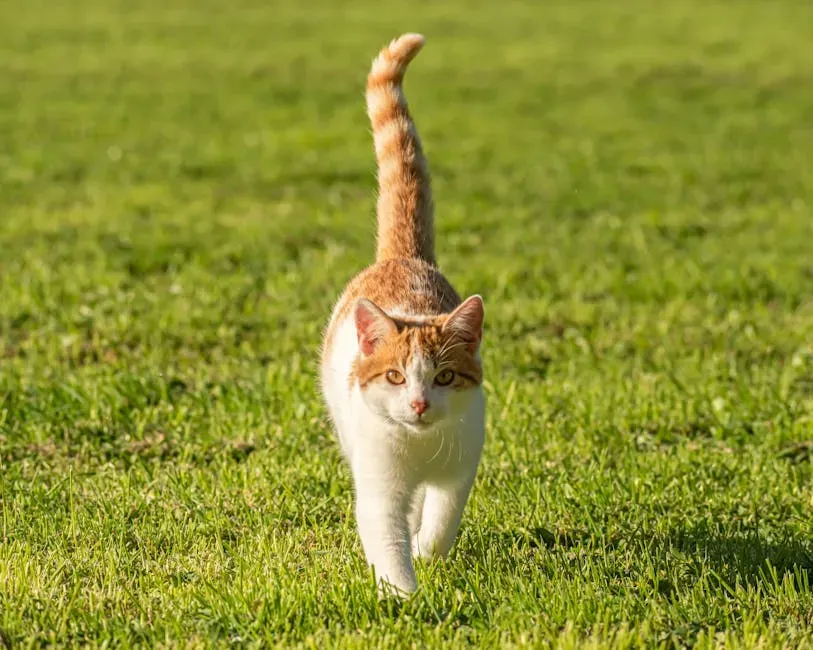
When your cat holds their tail high in the air as they move about their territory, they’re expressing confidence and contentment. A tail that sticks straight up signals happiness and a willingness to be friendly. If you notice your cat strolling toward you with that flag raised, take it as a genuinely warm greeting.
A tail that points up accompanied with a quiver at the base of the tail is often an indication your cat is especially excited to see you or to be getting a tasty bowl of cat food. That little quiver is essentially your cat’s version of barely-contained excitement. Consider it a compliment.
The Question Mark Tail
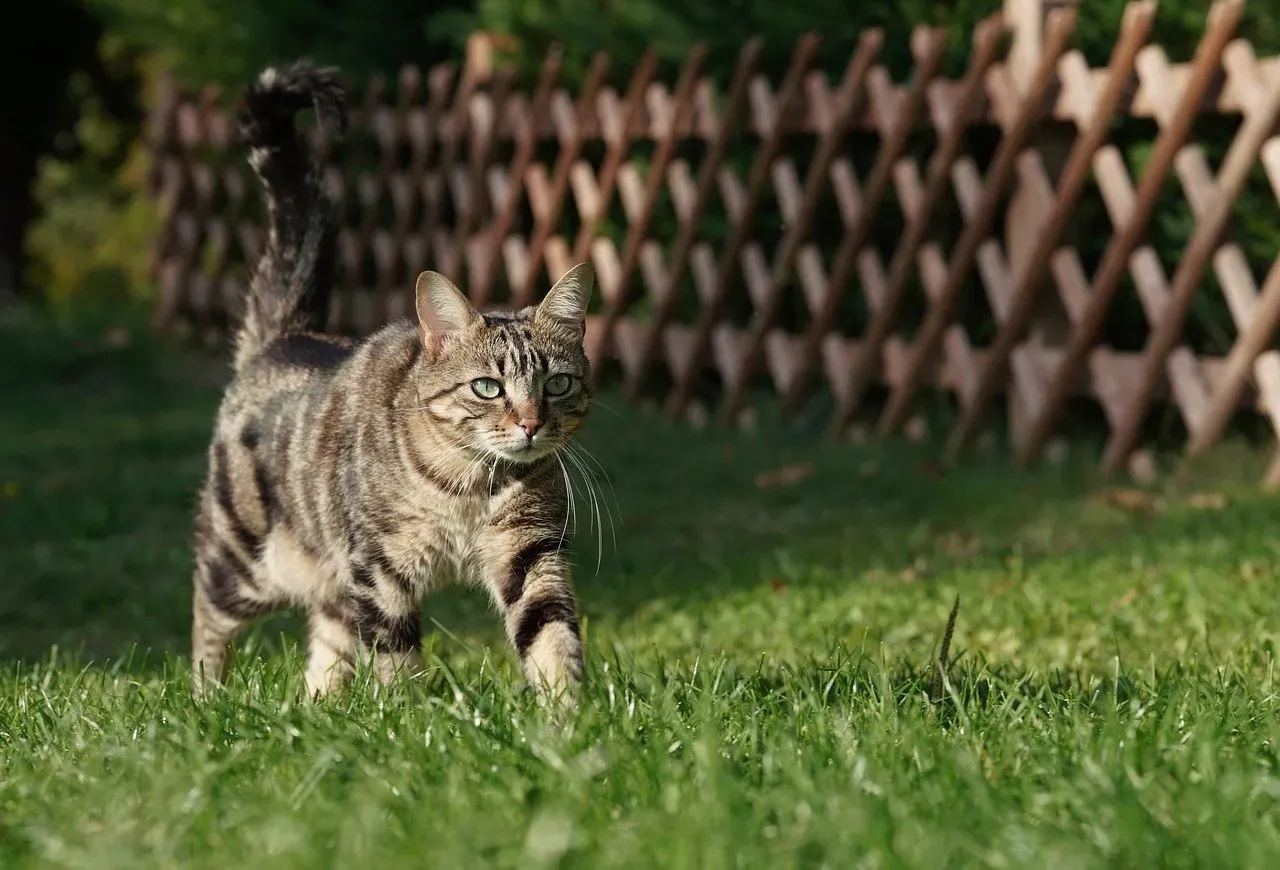
You may notice that sometimes your cat’s tail looks like a question mark – it stands upright but curls at the end. This cat tail language indicates that your cat is happy and approaching amicably. When your cat’s tail is in this position, it means it’s an invitation to interact with your cat.
If your cat bends their tail into the shape of a hook or question mark, this is a very positive sign. According to veterinary behaviorists, this “question mark tail” is a pro-social behavior – it’s like walking up to another person with a huge smile on your face and your arms open wide. In other words, it’s your cat’s way of giving you a friendly greeting. When you see it, don’t hesitate to respond with gentle attention.
The Slow Swish: Calm but Curious
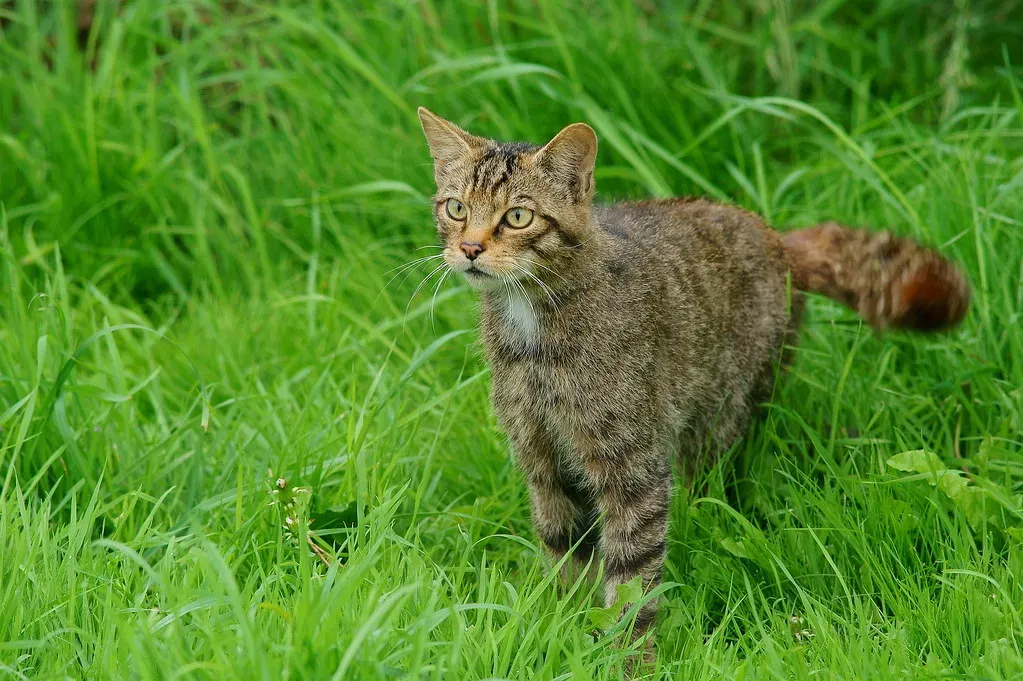
When a cat’s tail is in motion and looks fluid and soft, it’s “swishing.” Generally, this indicates a cat who’s relaxed or calmly interested in what’s happening. At this point, no alarm bells are going off in the cat. They also aren’t sleepy. It’s a kind of contented awareness.
A tail that sways slowly from side to side usually means your cat is focused on an object. You might see this tail position right before your cat pounces on a toy or a kibble of cat food that’s tumbled outside the food bowl. So if your cat goes still with a gently moving tail, something has caught their attention and a pounce may be imminent.
The Thrashing Tail: Back Off
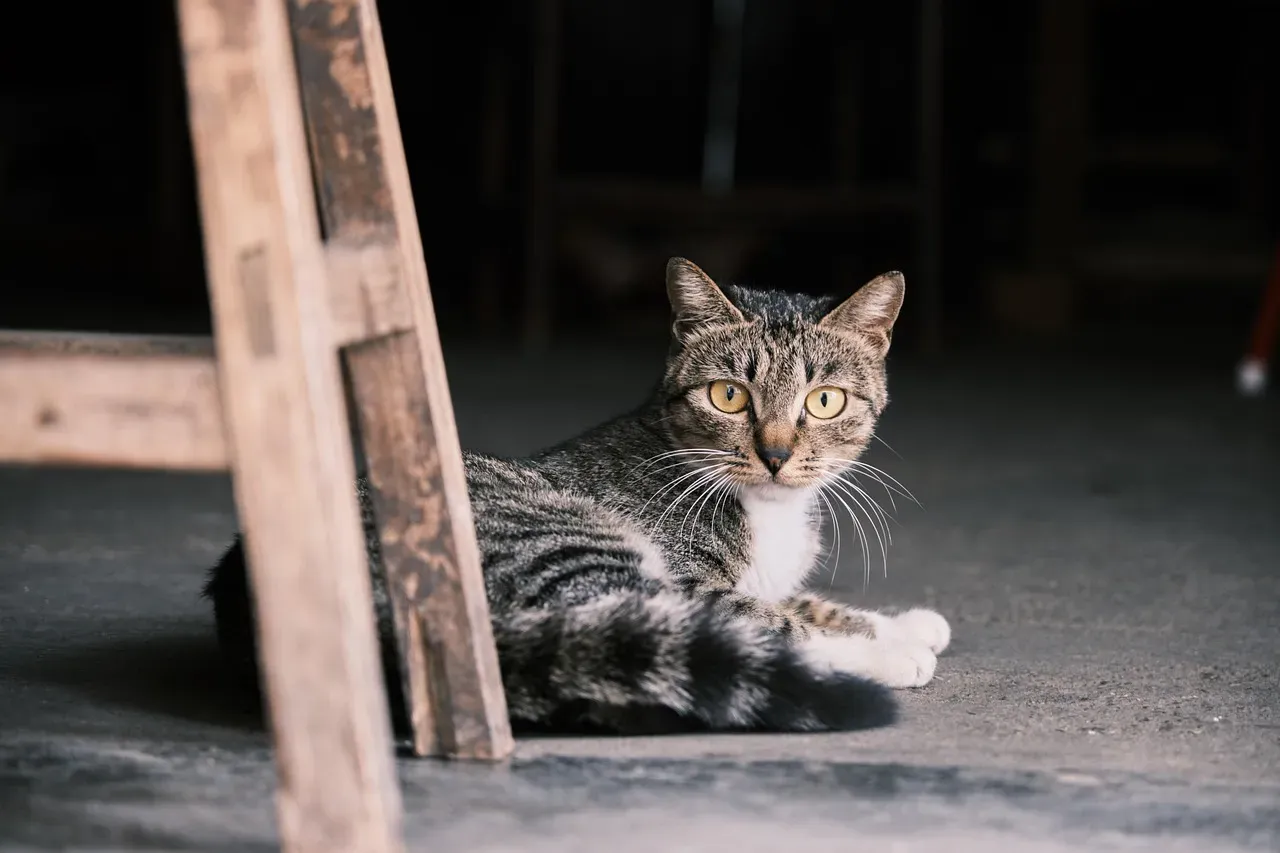
When your cat thrashes their tail or is thumping it on the ground, they are irritated, annoyed, or angry. This tells you that something is bothering your cat. This is a distance-increasing behavior. In other words, if you are petting your cat and they start thrashing their tail, they are trying to tell you to stop.
Rapidly thrashing or whipping tails, or those thumping on the ground, indicate irritation, annoyance, or anger. Something might be bothering your cat, and they may want some distance from it – which could even mean distance from you. If you or a visitor is petting your cat and tail thrashing starts, your cat might be shouting “Stop!” The wisest move at that moment is simply to give them space.
The Puffed-Up Tail: Alarm Mode
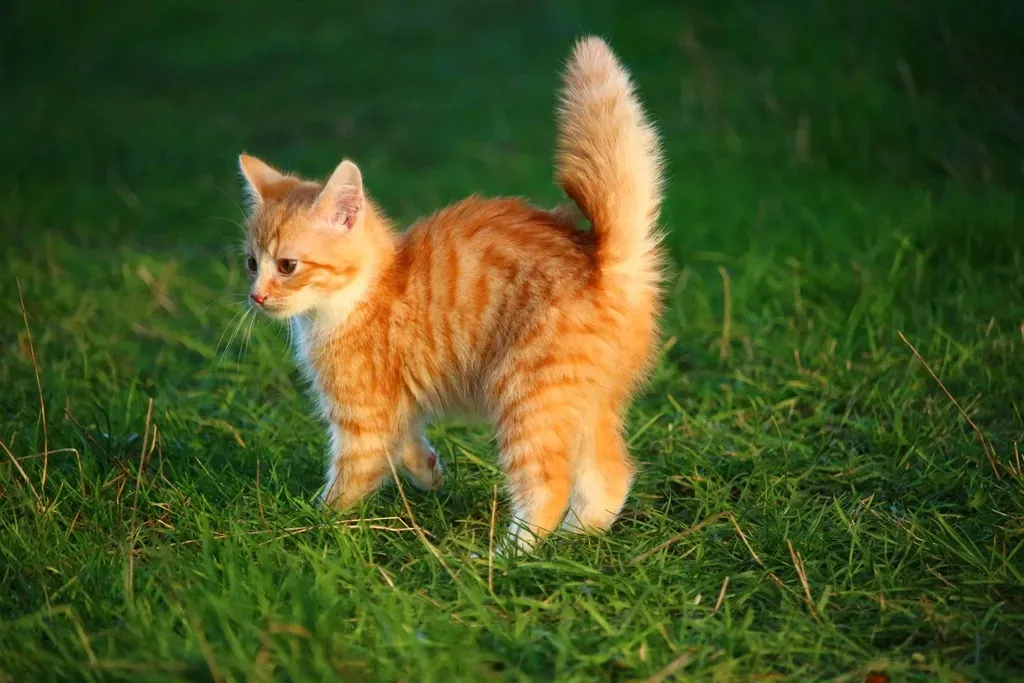
If your cat assumes the quintessential Halloween-cat posture with a puffed tail and arched back, then they are startled or frightened by a sudden, severe threat. Your cat’s hair stands on end – a phenomenon called piloerection – so they can appear to be larger. This is a defensive reaction indicating that your cat wishes to be left alone.
It’s a defense mechanism designed to communicate that they’re actually very large and scary and not worth fighting. However, your cat wouldn’t puff their tail if they weren’t feeling threatened to begin with, so the behavior almost always stems from a fearful reaction. Remove the thing that’s scaring them if you can – but don’t try to move your cat, who’s in panic mode and may respond by trying to protect themselves.
The Tucked Tail: Fear and Submission
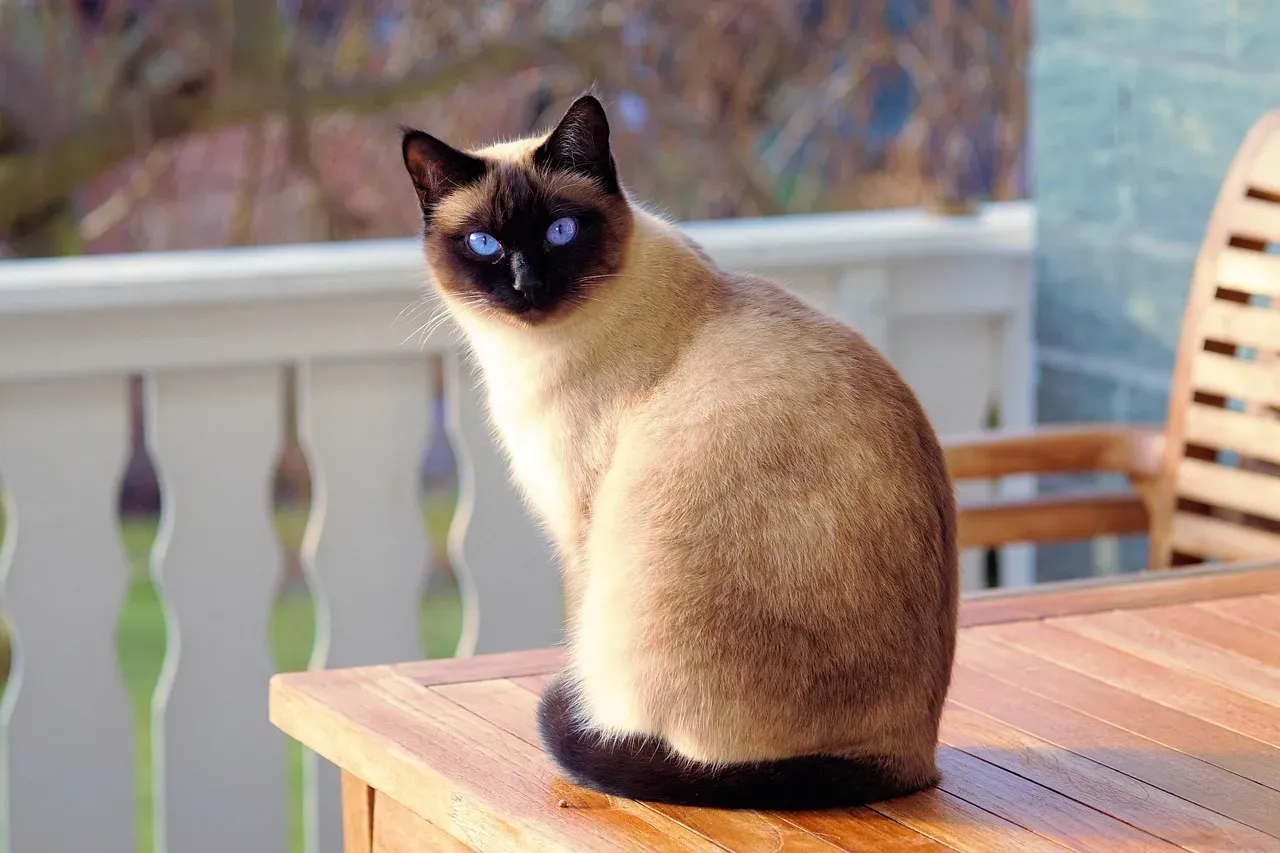
A cat who has tucked the tail between the hind legs is very frightened. This is a submissive posture where the cat is trying to appear small and non-threatening. Don’t assume though that this posture says it’s safe to approach. If there’s no means of escape, the frightened cat may display defensive aggression.
Be aware that a tucked tail may also be an indicator of illness. When a cat is not feeling well, they might sit in a hunched position, often sitting on the tucked tail. If your cat adopts this posture without any obvious stressor nearby, a visit to the vet is worth considering. The tail can be one of the earliest visible hints that something physical is wrong.
The Tail Wrap: A Gesture of Affection
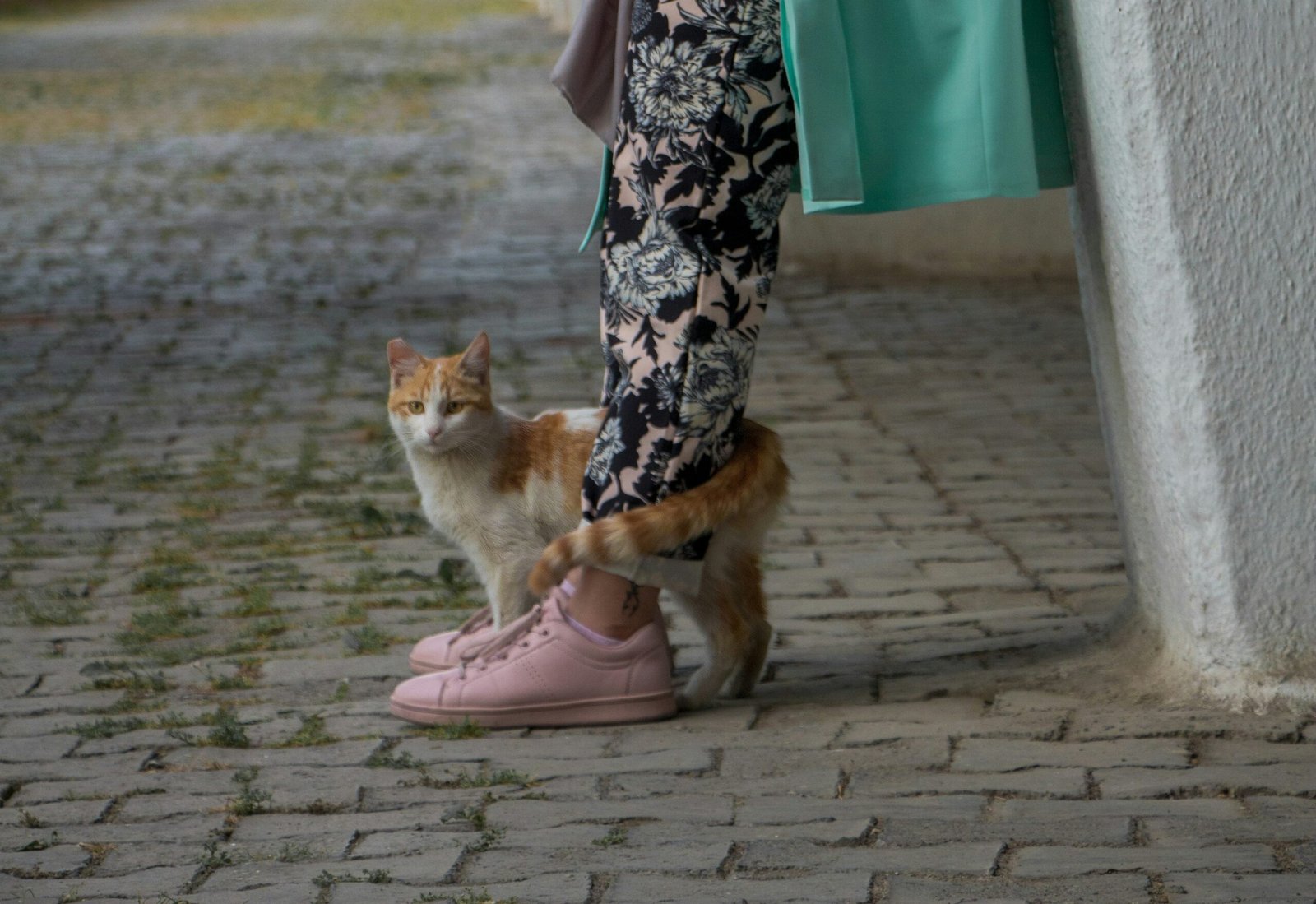
Just as we greet one another with handshakes or hugs, cats may greet by curling their tails around people and by intertwining their tails with other cats. Tail wrapping is an affiliative behavior that demonstrates a willingness to interact. It’s one of those signals that’s easy to miss if you’re not paying attention.
When a cat wraps their tail around a person or animal, it is usually a sign of affection. If a cat uses their tail to wrap around your leg, or perhaps another cat’s tail, this is a sign of close affection. At a biological level, a cat’s tail includes scent glands, so the tail is being used to swap scents with the other creature. This is similar to head-pressing and cheek-rubbing – it’s as if the cat is petting you.
Reading the Whole Picture
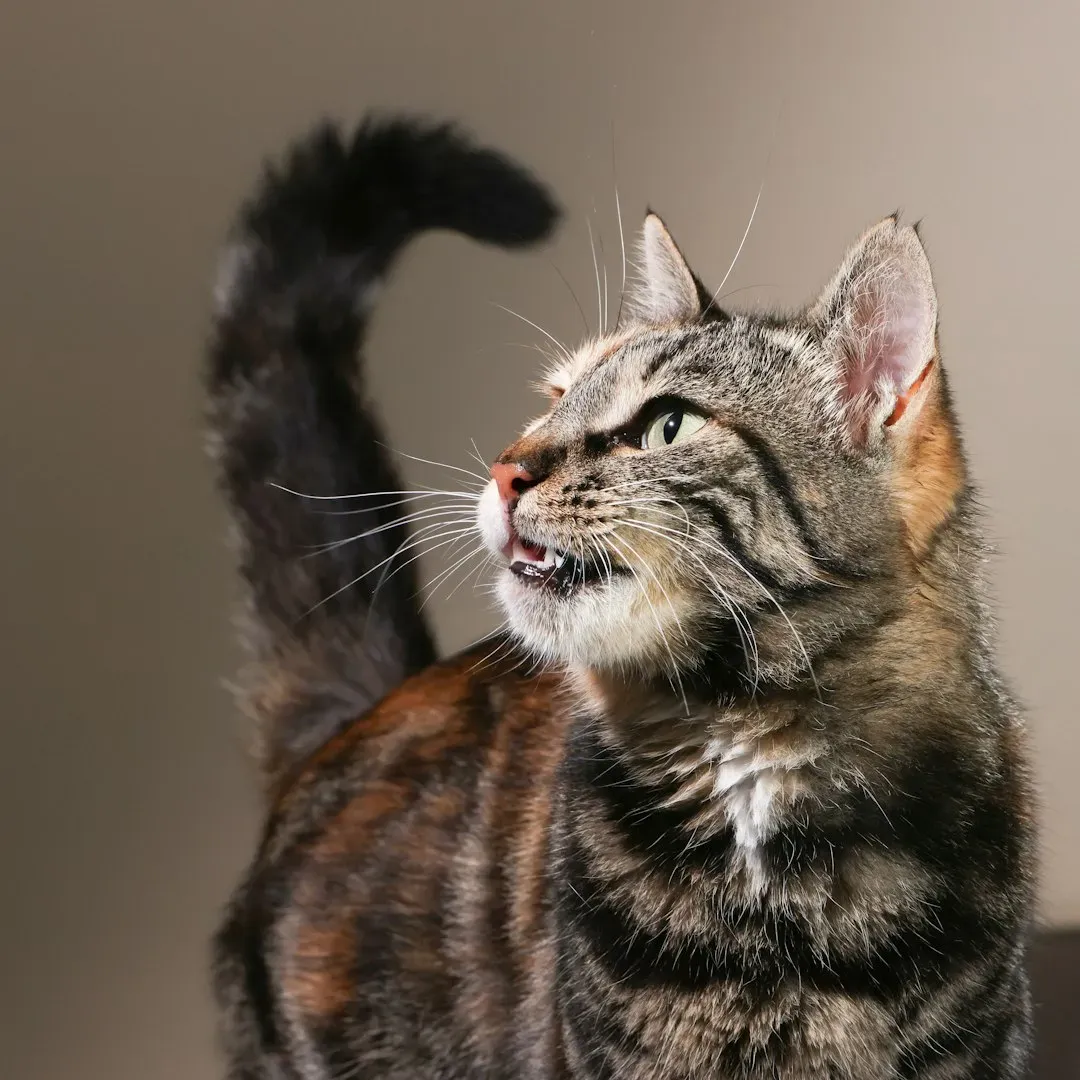
Although you should look at more than just their tail movements to fully understand your cat’s emotional state, the tail may be the most expressive part of a cat’s body language. Tail signals rarely exist in isolation. Your cat’s ears, eyes, and overall posture all add context that can change what the tail position means in practice.
Research shows that the position of the ears is more important than tail position alone for both cats when they interact. A tail held high with relaxed ears reads very differently from a tail held high with ears pinned flat. Understanding cat body language gives you insight into your cat’s emotions, helps prevent misunderstandings, and strengthens the bond you share. When you train yourself to observe the full picture rather than one signal alone, the communication becomes remarkably clear.
Conclusion
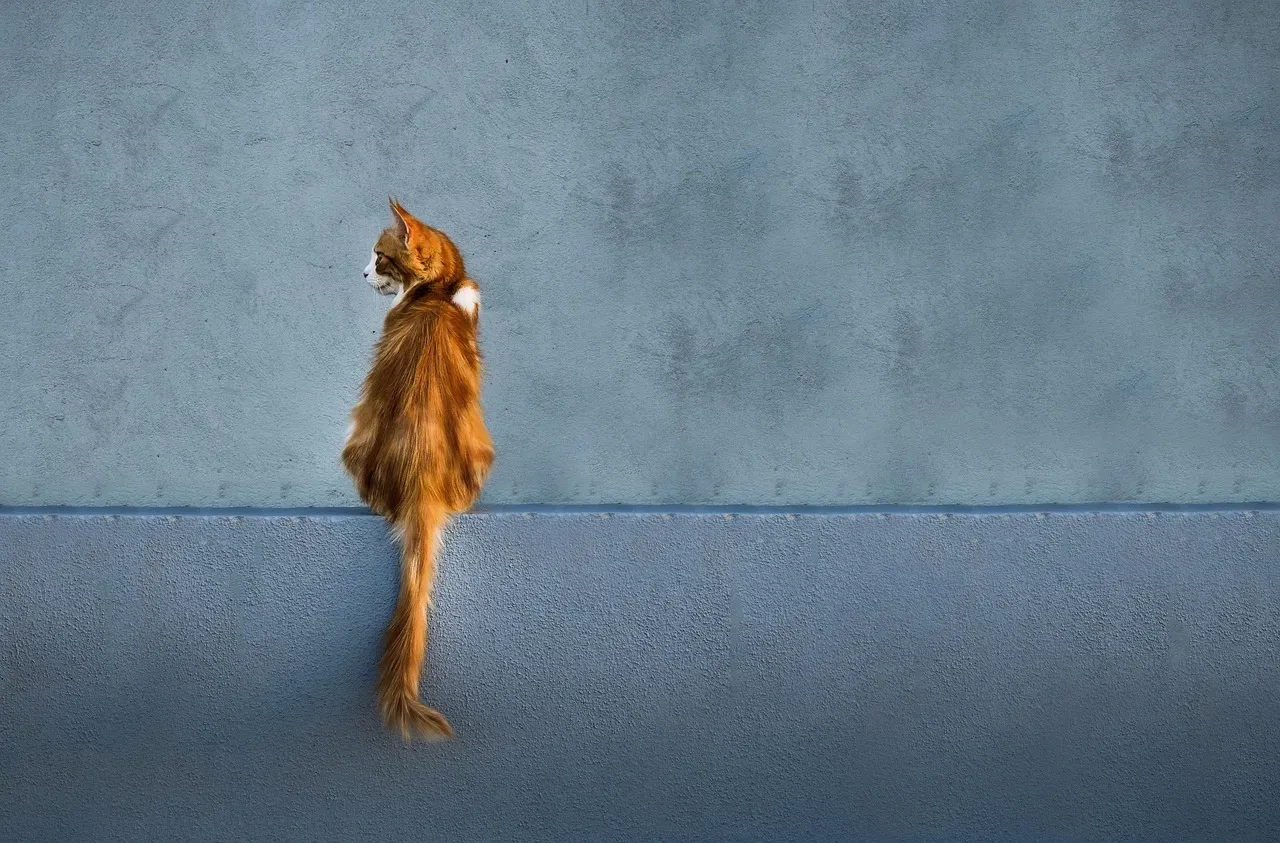
Your cat’s tail is not just an appendage. It’s a running commentary on how they feel about the world around them at any given moment. A cat’s tail is one of their most expressive features, and they use it to let you in on a world of feelings and emotions. Once you better understand feline body language and know what your cat is trying to convey, you can respond to them when they’re feeling happy or assist them when they’re stressed. All this knowledge can help you form a deeper bond with your furry friend.
The beauty of it is that your cat has been sending these signals all along. You haven’t needed to change a thing about how they communicate. You only needed to start paying closer attention. Once you do, what used to look like random fidgeting reveals itself as something far richer – a quiet, constant conversation happening right in your living room.
Kristina is a young writer from India. An arts graduate and an avid content creator, Kristina is passionate about animals and wildlife. She enjoys exploring topics related to pet care, animal behavior, conservation, and nature, combining thorough research with engaging storytelling.