You’ve probably heard it dozens of times: your cat walks into the room, looks directly at you, and lets out a meow that seems completely unprompted. No food bowl in sight. No door to open. No obvious reason at all. So you smile, maybe talk back, and move on – never fully sure what just happened.
Here’s the thing most cat owners quietly suspect but rarely investigate: that “random” meow almost certainly wasn’t random. Cats are surprisingly strategic communicators, and once you start paying closer attention, the patterns become hard to ignore. Understanding what your cat is actually trying to say can strengthen your bond, help you catch health problems early, and honestly make living with a cat a far richer experience.
Your Cat Developed Meowing Specifically for You
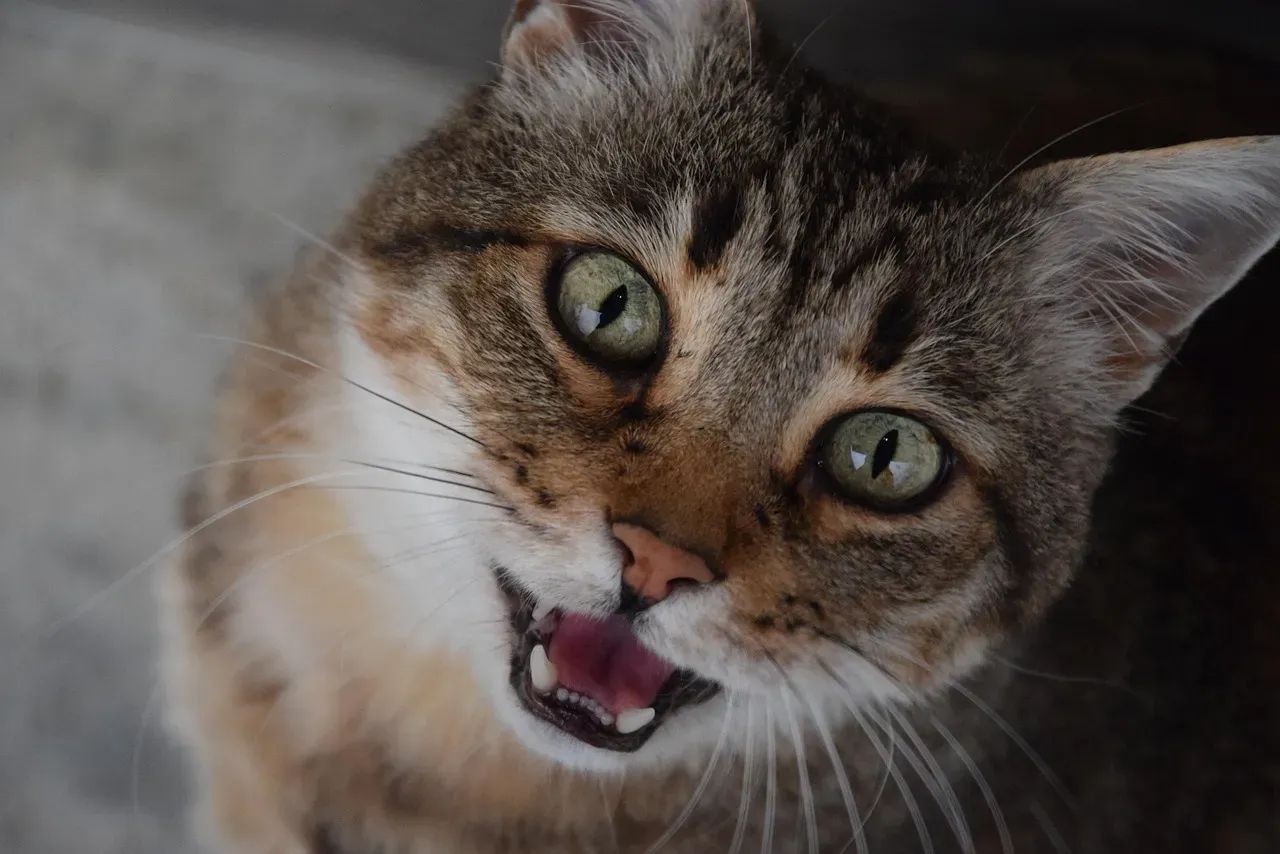
Adult cats rarely meow to each other, making adult meowing to human beings likely a post-domestication extension of mewing by kittens. That’s not a small detail – it means the meow is essentially a language your cat crafted, over generations, with you in mind. Cats probably first encountered humans roughly ten thousand years ago, when people began establishing permanent settlements. These settlements attracted rodents, which in turn drew cats looking for prey. The less fearful and more adaptable cats thrived, and over time they developed closer bonds with humans.
One piece of evidence comes from a psychology study where humans were asked to rate the pleasantness of sounds from domestic housecats and their closest relatives, the African wild cats. Domestic cat meows were shorter and higher pitched, and human listeners at all levels of experience liked domestic cat noises more. In other words, your cat’s voice didn’t evolve by accident. Cats can learn to modify the characteristics of their meows, such as their tone or duration, to let people know what they want, particularly when it comes to food.
Pitch and Length Are Your Decoder Keys
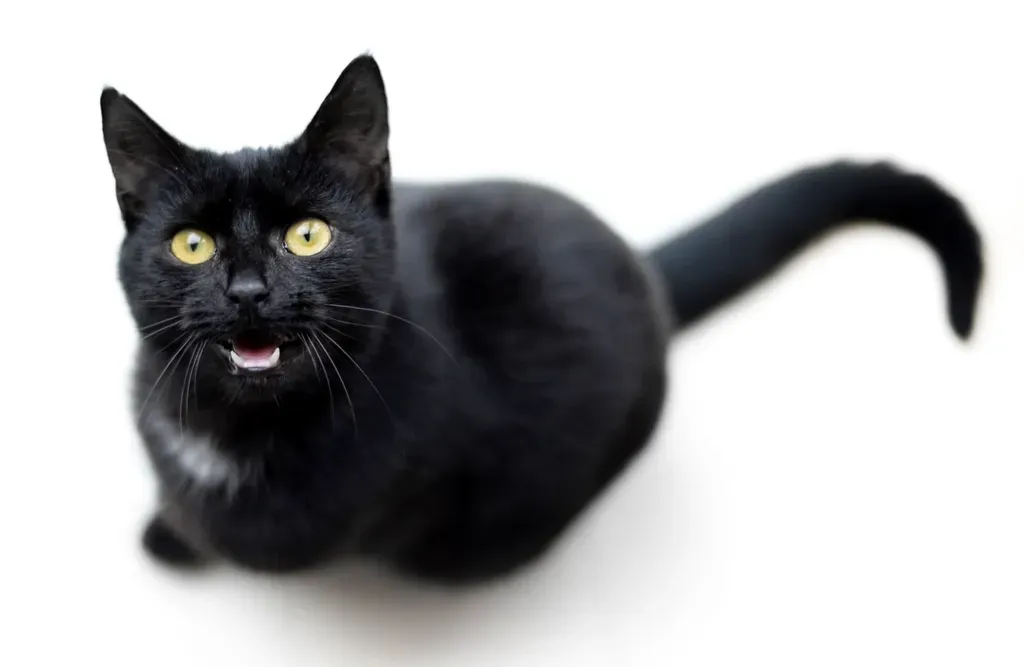
Short meows typically mean hello, while longer meows often indicate requests or demands. High-pitched meows might signal distress, while low-pitched meows can indicate displeasure or anger. Think of it like reading tone in a text message, except the signals are actually more consistent than you’d expect. A typical cat meow demands something. It starts out polite, short and sweet in a moderate tone. Common meow demands include: fill my bowl, open the door, clean my litter, play with me, and pet me now. Meows may become longer and more drawn out as your cat waits to be addressed. Pitch lowers as cats get more insistent and grows more strident when they feel ignored.
In younger cats, the meow often gets shortened to an interrogative “mew?” when lonely or hungry. The frequency of meowing is an indicator of a cat’s frame of mind – rapid-fire meows mean “pay attention to me.” A longer, more plaintive meow can indicate worry, annoyance, or objection to something. So the next time you hear a drawn-out, low grumble heading your way, your cat probably isn’t in the best mood, and crowding them is unlikely to help.
The Welcome-Home Meow Is a Real Thing
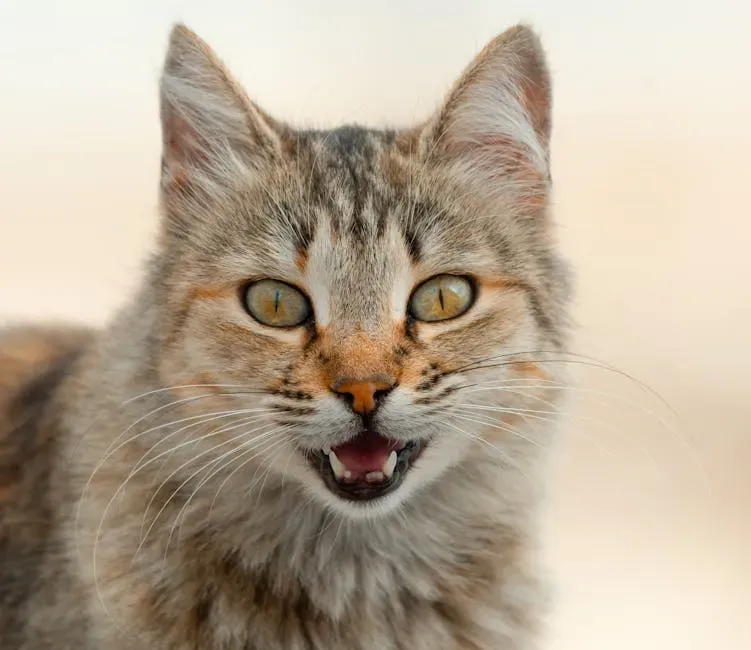
The cat’s meow is their way of communicating with people. Cats meow for many reasons – to say hello, to ask for things, and to tell us when something’s wrong. The greeting meow is one of the most well-documented types, and it’s worth recognizing because it says a lot about the quality of your relationship. Short, cheerful meows are typically used as friendly greetings. These brief vocalizations, often accompanied by an upright tail and forward-pointing ears, signal that your cat is happy to see you and wants to interact.
House cats meow much more often than feral cats, and only at humans, suggesting they develop meowing as a language specifically for their owners. In other words, your cat meows at you because early on, she learned that doing so got your attention. It’s a compliment, really. Cats meowing around the house can mean that they’re trying to find you, just like they would as kittens for their mother. That repetitive calling when you move from room to room? Your cat is simply keeping tabs on you.
When Your Cat Trills, Take It as a Compliment
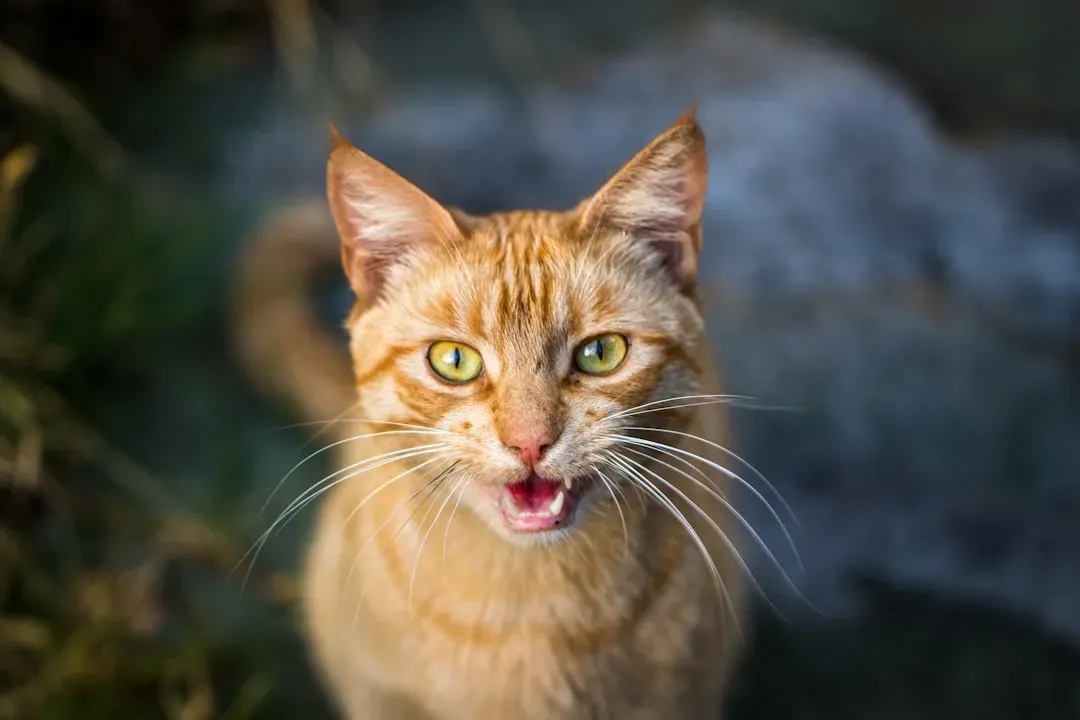
A trill sounds like a cross between a purr and a meow. It is a short, rolling, high-pitched “brrrp” made with the mouth completely closed. In the feline world, trilling is an incredibly positive and affectionate sound. Mother cats use trills to get their kittens’ attention and tell them to follow. When your adult cat trills at you, they are treating you like family, happily saying hello, acknowledging your presence, or asking you to follow them to the food bowl.
A trill is produced with a soft voice and sounds like a purr but with a higher pitch. Cats may trill to greet and thank their human family members for something, such as a snack or a pet. It is one of the most common amicable sounds a cat makes. If your cat trills at you regularly, you’re doing something right. Unlike a meow, which can have a positive or negative meaning depending on the cat’s mood, cats usually only trill to convey a positive emotion, such as affection or happiness.
The Chirp and Chatter Are About Instinct, Not You
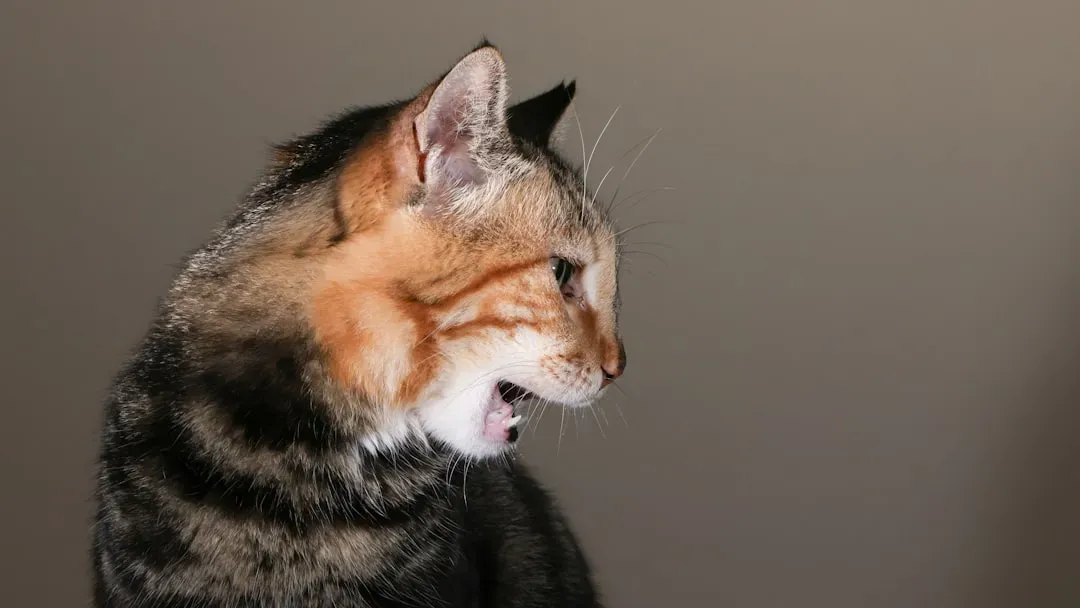
The cat chirp, also known as a chirrup or a trill, is a short, peep-like sound that’s very similar to a songbird’s warble. You’ve likely seen this one at the window – your cat frozen, watching a bird, jaw flickering. Chattering, often heard when a cat watches birds or prey, reflects excitement, hunting frustration, or instinctive anticipation. It is typically harmless and part of natural feline behavior.
A chirp or chatter is an instinctual hunting sound made when watching prey. Chattering often expresses a mix of extreme excitement and predatory frustration. Interestingly, another theory is that cats may chirp to mimic the sounds of the animals they are trying to catch. Some researchers believe the chirping noise resembles the vocalizations of small prey, like birds or rodents, almost as if the cat is practicing its hunting skills. Either way, it’s one of the most entertaining sounds in a cat’s repertoire, and it means your cat’s predatory instincts are alive and well.
Yowling Is a Sound You Shouldn’t Brush Off
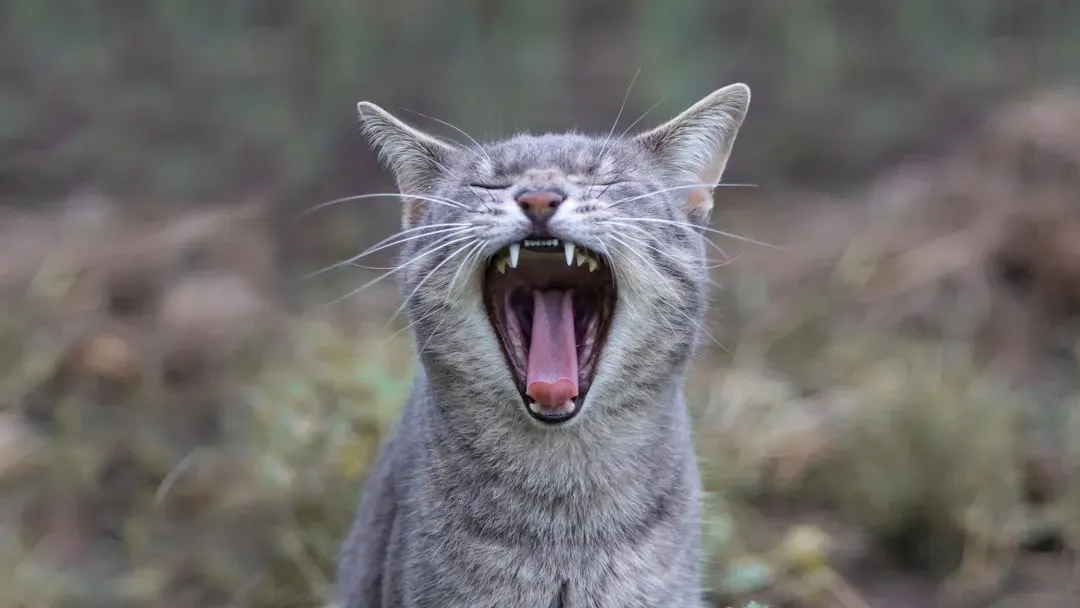
Often described as a louder, longer meow, a yowl is a drawn-out sound cats can make. A howl is similar to a yowl, but typically shorter in duration. Yowling and howling are signs that a cat is in distress. This may be physical distress from pain or illness, or emotional distress from worry, frustration, boredom, or confinement. This is a sound worth pausing for, not ignoring.
If your cat starts meowing more than usual – especially with a sad or distressed tone – it could mean they’re in pain, confused, or trying to tell you something’s wrong. Loud, drawn-out yowling, especially at night, is often a sign of serious discomfort or disorientation, and it’s common in older cats with cognitive issues. If your normally chatty cat suddenly goes quiet, they might be feeling too sick or weak to speak up. Either way, changes in vocal habits are worth paying attention to.
Meowing Can Be an Early Warning Sign of Illness
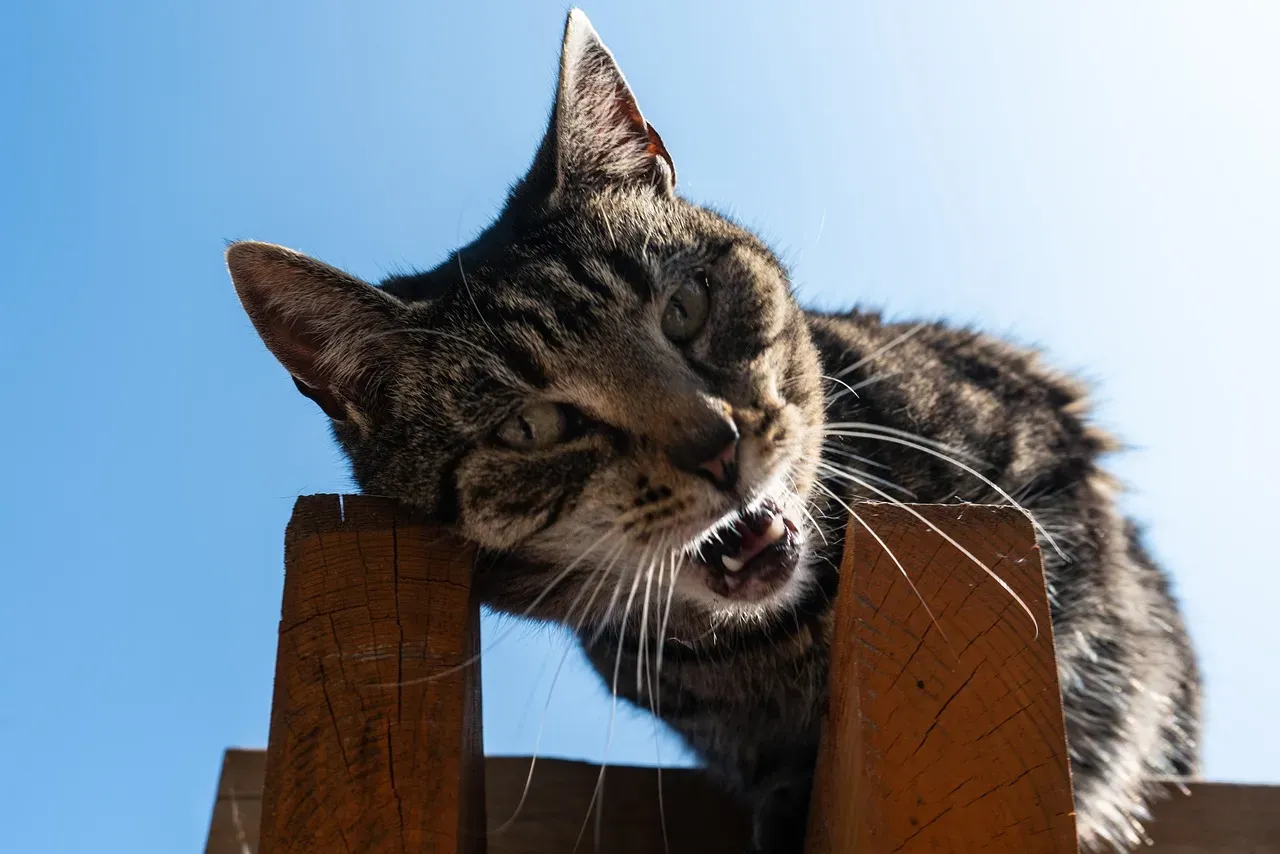
Because cats instinctively hide pain and illness, increased meowing may be one of the few outward signs that something is wrong. Pain is one of the most common medical causes of excessive meowing. This is why knowing your cat’s baseline vocal behavior genuinely matters. The key is recognizing changes from your cat’s baseline. A quiet cat who suddenly becomes noisy or a talkative cat whose tone shifts dramatically may be signaling discomfort or illness. Red flags become even more serious if paired with appetite loss, hiding, or changes in litter box use.
Common health problems linked to vocal changes include: thyroid disorders, where hyperthyroidism can cause increased vocalization, hyperactivity, and weight loss; kidney disease, where as kidney function deteriorates cats may become more vocal; cognitive dysfunction, where older cats may suffer from feline dementia, leading to confusion and nighttime yowling; pain or injury, where cats in pain may cry out especially when touched or moving; and urinary tract issues, where infections or blockages often result in vocal distress, particularly during urination. If something about your cat’s voice suddenly feels different, a vet visit is the right call.
Some Cats Are Simply Born Talkers
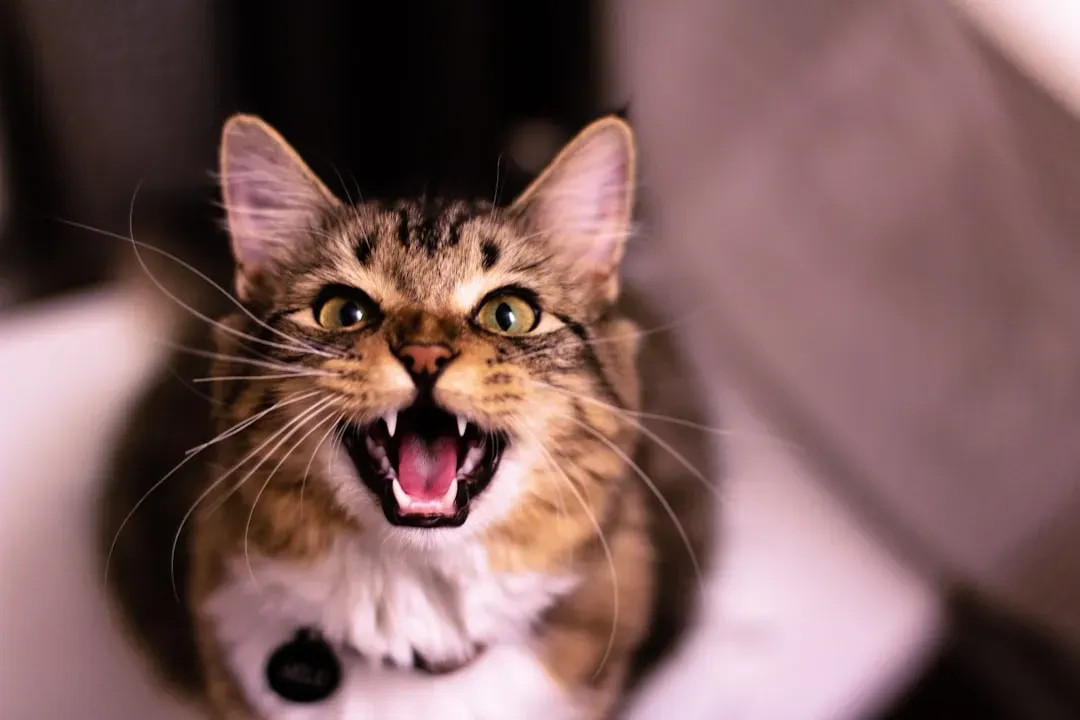
Cats tend to have their own unique vocal range, and some breeds meow more than others – such as Siamese, Bengals, and Maine Coons. It’s important to spend time with your cat to get to know their pattern of chat, so you know when something is out of the ordinary. This helps you build a stronger bond together and support their overall wellbeing. Breed tendencies are real, but individual personality plays just as big a role.
Every cat is unique, and their vocal habits are influenced by a variety of factors, including breed, where some cats like Siamese are famously talkative while others like Persians are quieter; age, where kittens meow more often to communicate with their mothers while senior cats may meow due to cognitive changes; and personality, where some cats are naturally more vocal than others, just like people. The chatty cat in your home isn’t being dramatic. They may simply have a lot to say, and they’ve decided you’re worth saying it to.
You Can Actually Talk Back – and Your Cat Listens
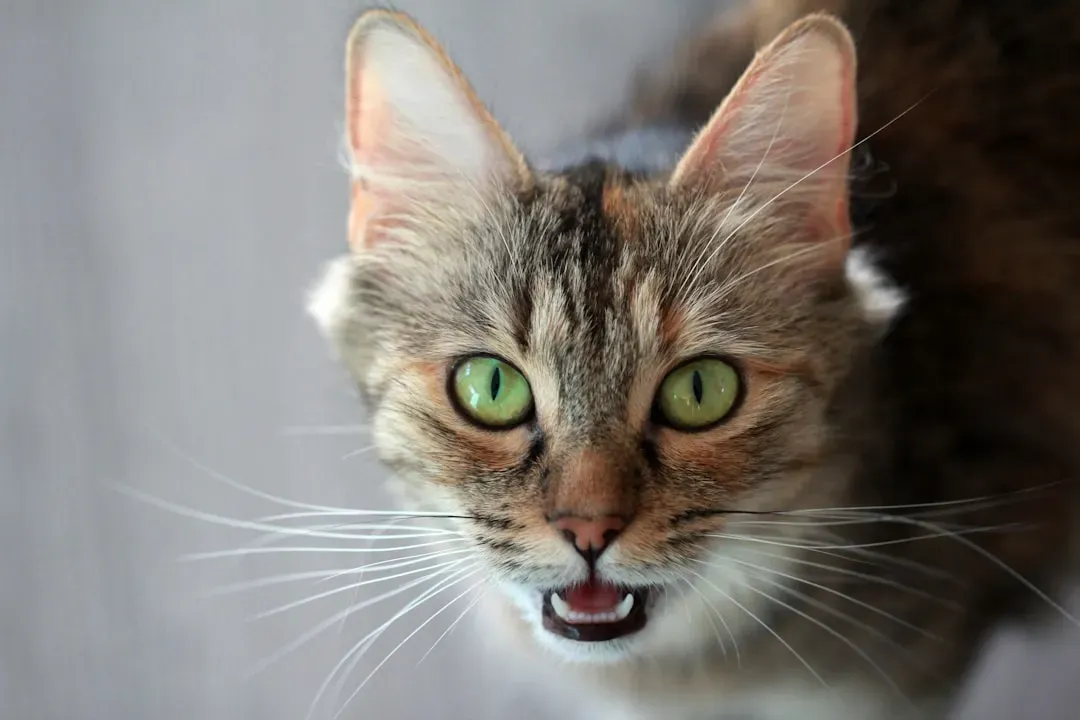
A 2022 study by animal behavior researcher Charlotte de Mouzon and colleagues found that cats could distinguish between speech addressed to them and speech addressed to adult humans. This pattern of discrimination was particularly strong when the speech came from the cats’ owners. Your cat really is paying attention when you talk to them in that softer, higher-pitched voice. Even though your cat is probably communicating their needs when they talk, at least they listen too. Cats speak more when they are spoken to, and like it better when you use positive words alongside their name rather than negative ones.
If you’re curious what your cat has to say, it’s possible to encourage communication. If humans respond with words and attention to their cats’ chirps and meows, they can create a back-and-forth – almost like a conversation. It doesn’t require any training or special technique. Just respond. It’s important to remember that every cat is different. The more time you spend with your cat, the easier you’ll find it to pick up on what their meows mean.
Conclusion: Your Cat Has More to Say Than You Think
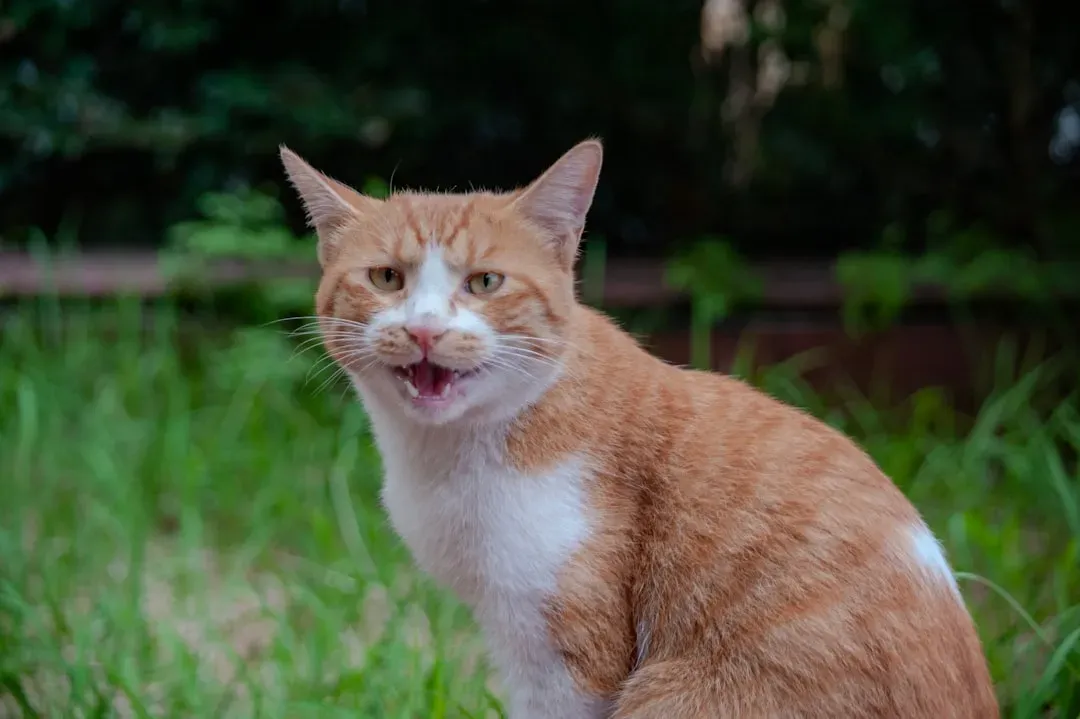
Cats have spent thousands of years fine-tuning a vocal system designed almost entirely for communicating with humans. Every meow, trill, chirp, or yowl carries information – about mood, need, health, or simply a desire for connection. The range is wider than most people realize, and the signals are more consistent than they first appear.
You don’t need to become an animal behaviorist to understand your cat better. You just need to pay attention. Notice the pitch. Notice the timing. Notice what changes. Subtle variations in pitch, length, and repetition allow cats to convey different emotional states, from a friendly greeting to a plea for food or reassurance. By learning to recognize these nuances, you can respond with clarity and strengthen the bond of trust between you and your cat. The conversation has been going on for a while now. You might as well start listening more carefully.
Kristina is a young writer from India. An arts graduate and an avid content creator, Kristina is passionate about animals and wildlife. She enjoys exploring topics related to pet care, animal behavior, conservation, and nature, combining thorough research with engaging storytelling.