You probably think your cat forgets you exist the second the door clicks shut behind you. That’s the whole cultural myth, right? Aloof, indifferent, living entirely in the next five minutes. But feline cognition research tells a very different story, one where your cat is quietly running a detailed emotional ledger on you, your voice, your schedule, and every person who ever mattered in that house.
Some of what’s on that ledger is sweet. Some of it, honestly, might make you feel a little guilty about that one time you snapped at them over spilled water. Here’s what science says your cat has been filing away about you this whole time, in the order that hits hardest.
#1 – Your Exact Departure and Return Schedule
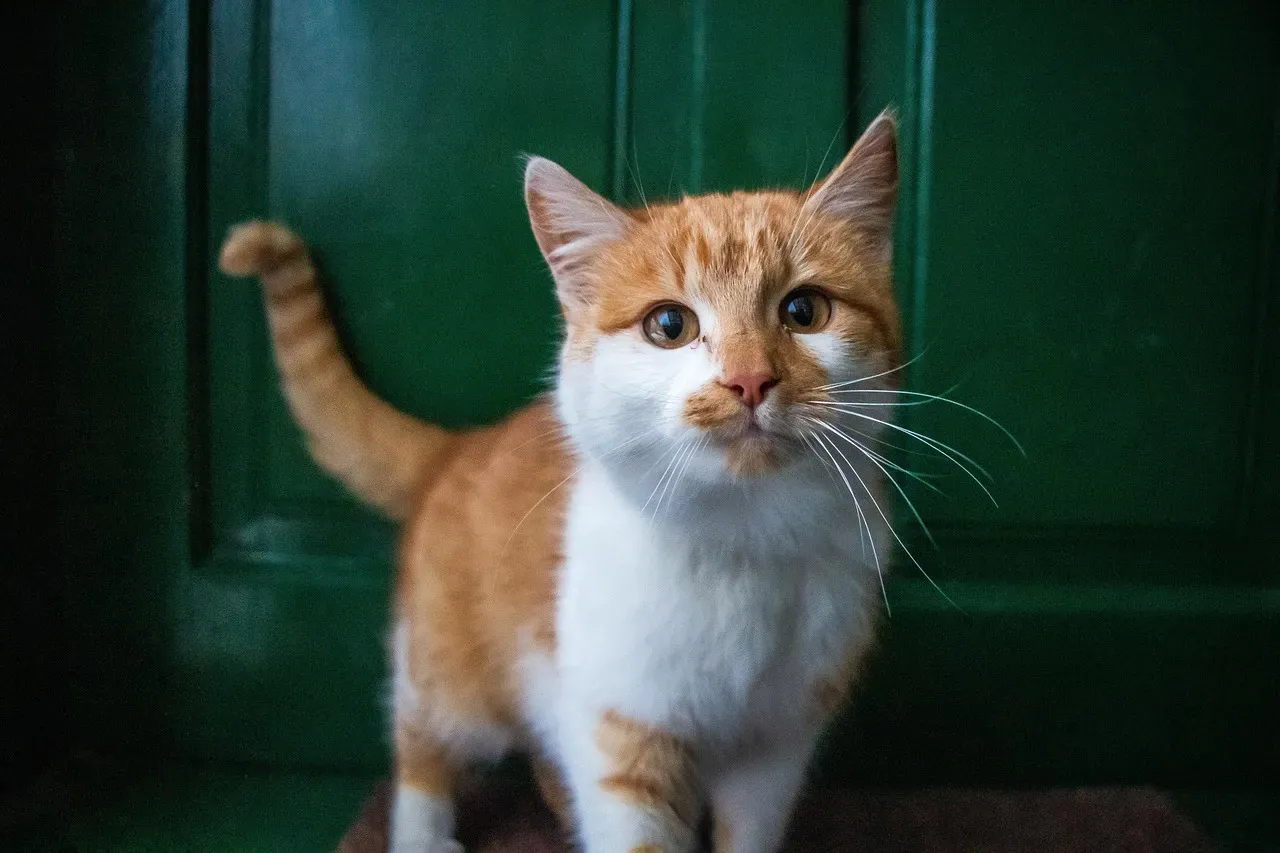
Long before your alarm goes off, your cat already knows something’s coming. Researchers studying feline spatial and temporal memory have found that cats build an internal calendar around your routine, especially the parts involving separation. They clock the exact time you usually grab your keys, and they pick up on subtle shifts in your scent or voice that signal you’re about to disappear for the day.
That’s why some cats start pacing or crying right before you leave, not after. This isn’t guesswork on their part, it’s memory in action. And weirdly, this internal clock is precise enough that cats have been observed adjusting their behavior around daylight saving time changes, holding onto a schedule that’s months old like it happened yesterday.
#2 – The Distinct Sound of the Carrier or Vet Bag
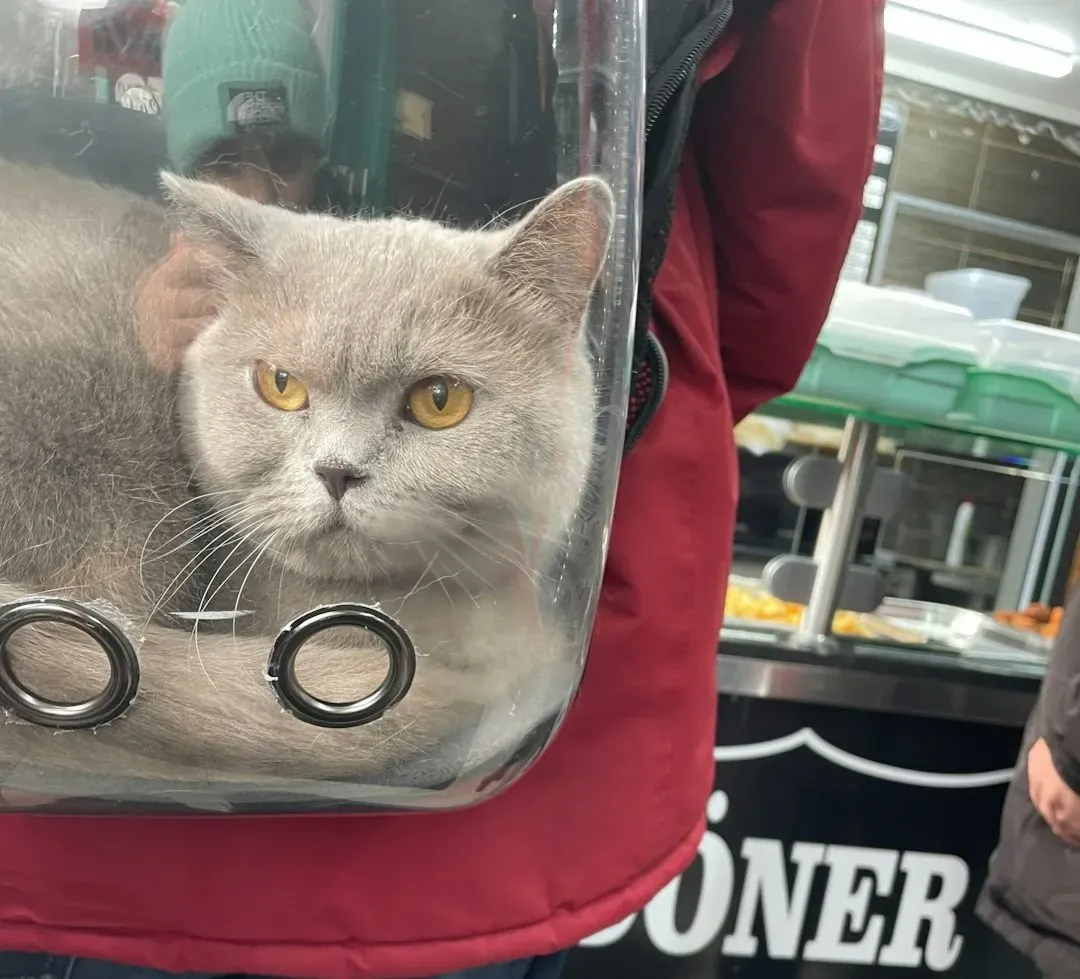
That soft rustle of nylon or the zip of a carrier bag can turn a relaxed cat into a statue in half a second. Behavioral studies show cats form powerful associative memories around veterinary visits, complete with measurable spikes in stress hormones just from hearing that sound again. It doesn’t matter if the actual appointment was months ago.
Owners often describe cats vanishing under the bed the instant they hear that bag, and it’s not random panic. It’s a very specific recall of the whole sequence, the car ride, the cold table, the stranger’s hands. Experts note these memories can last for years, which is a big part of why the second vet visit is rarely easier than the first.
Fast Facts
- The carrier sound alone can trigger a stress response before the car ride even begins
- Cortisol levels can rise within minutes of carrier exposure, well before the vet is reached
- Some cats stay wary of the carrier for weeks after a single visit
- Hiding, drooling, and dilated pupils are common signs of carrier-linked anxiety
#3 – Family Members Who Moved Out or Passed Away
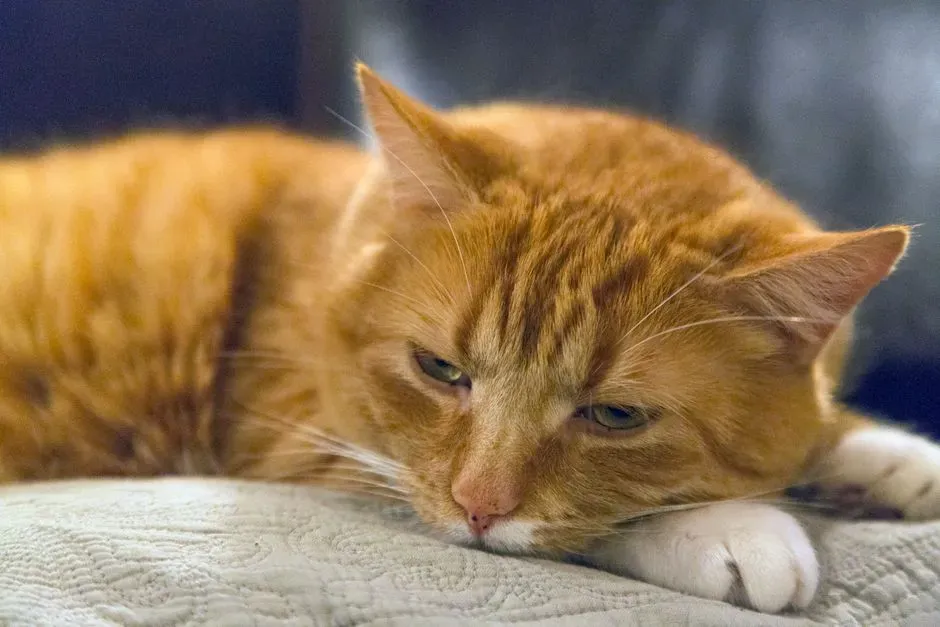
This is the one that quietly guts most cat owners. Cats have been documented continuing to check an empty chair, sniff at a closed bedroom door, or wait by an entryway long after someone who lived there is simply gone. Their long-term social memory holds onto scent profiles and interaction patterns for years, not days.
It’s easy to assume cats just adjust and move on, but owner surveys tell a different story. Many describe grief-like behavior, meowing at doors, sniffing left-behind clothing, or seeking out a specific spot that belonged to one person. Whatever we want to call it, it isn’t nothing, and it isn’t fast.
#4 – Moments You Were Distracted or Unavailable
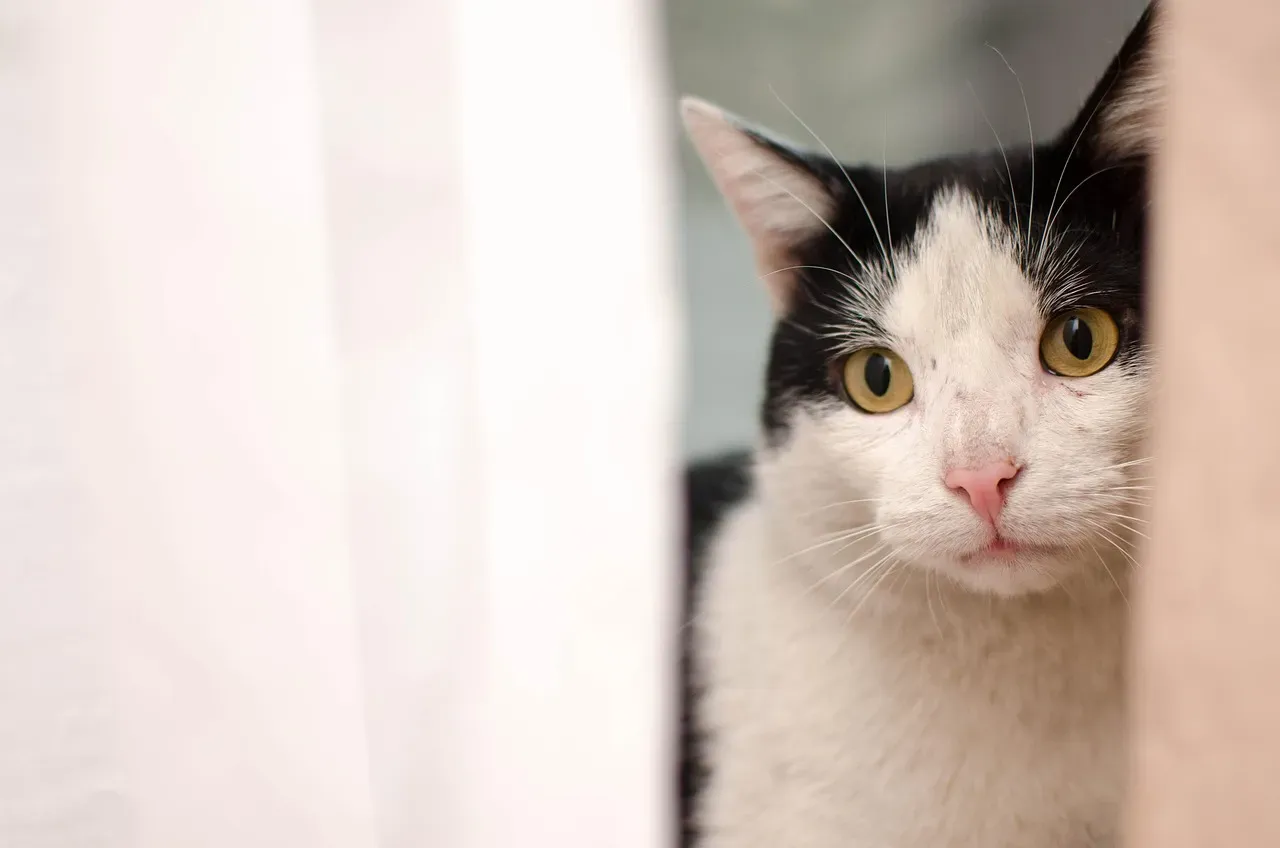
Your cat notices when you scroll past their nudge for attention. Not once, but as a pattern, over time. Feline cognition research suggests cats keep track of how consistently you engage with them versus how often you brush them off, and that history shapes how they approach you later.
This is the uncomfortable part: it’s not really about any single moment. It’s cumulative. A cat that’s learned you’re often unavailable may become more insistent, meowing louder or head-butting harder, or they may pull back entirely and stop asking. Either way, it’s less about the present moment and more about the pattern they’ve already memorized.
#5 – Your Individual Scent, Even After Long Separations
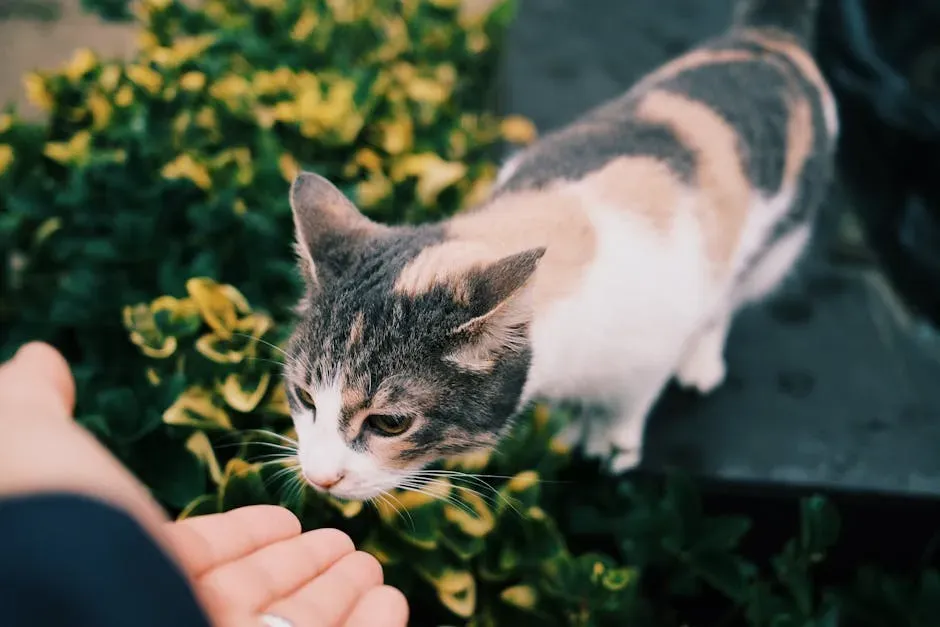
Scent is the backbone of a cat’s memory of you, and it doesn’t fade quickly. Studies on reunions after extended absences show cats recognizing familiar humans through smell alone, often before they even look up to confirm it visually. The hippocampus and olfactory bulb work together to lock in these associations for the long haul.
This is why owners returning from deployments, long hospital stays, or extended travel so often describe an almost instant recognition response, a cat suddenly appearing, rubbing hard against a leg, or trilling in a way they haven’t in weeks. That reaction isn’t coincidence. It’s a memory finally getting confirmed.
#6 – Who Provides Food Versus Who Simply Lives There
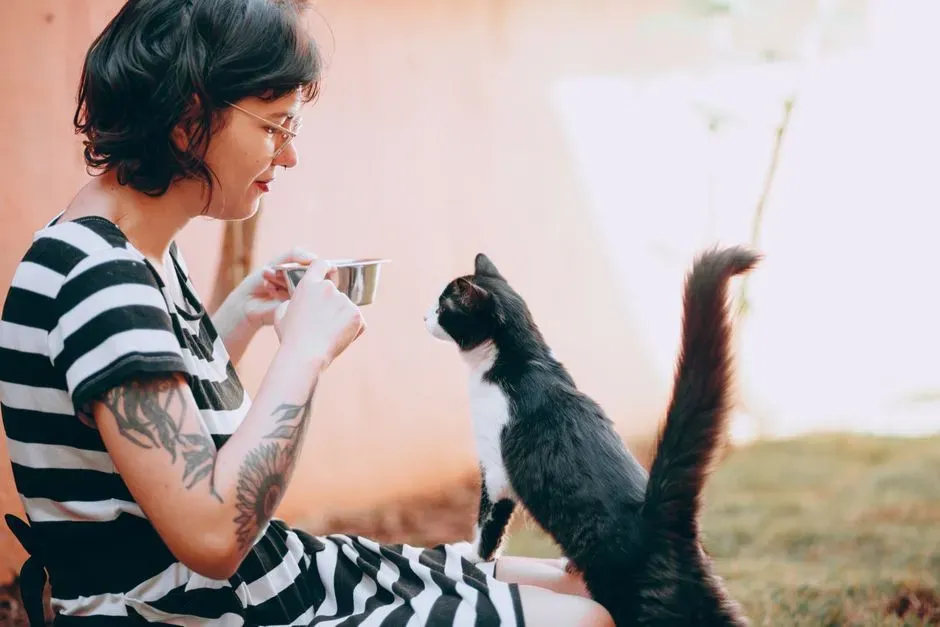
Cats keep meticulous, if invisible, records of who actually fills the bowl. In multi-person households, they often develop distinct greeting behavior for the primary feeder that they simply don’t extend to everyone else, even people they clearly like.
This isn’t favoritism for its own sake. Survival-linked memories get priority storage in the feline brain, which means the person tied to consistent food access earns a very specific kind of proximity and trust. It’s less romantic than we’d like, but it’s honest.
Quick Compare
- Primary feeder: head-butts, waits by the door, follows from room to room
- Other household members: friendly but calmer, less urgent greetings
- Primary feeder: often chosen for naps and close-contact rest
- Other household members: still get affection, just with less insistence
#7 – Specific Instances of Scolding or Loud Voices
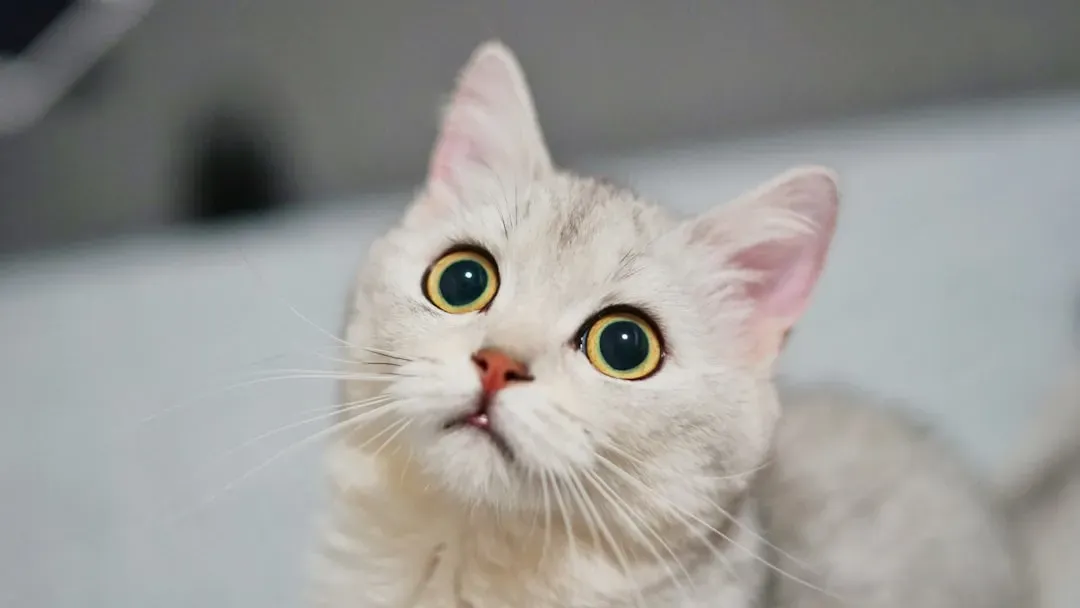
A single raised voice can leave a mark that outlasts the argument by months. Research into event memory shows cats don’t just react to loud tones in the moment, they generalize the lesson, becoming wary of that same tone from that same person long after things have calmed down.
This is the part that stings for a lot of owners. You can be gentle for months afterward, and your cat may still flinch at an echo of that one bad night. Their selective memory is protecting them, but it also means small conflicts leave deeper, longer scars than most people ever realize.
#8 – Favorite Play Sessions and the Toys Involved
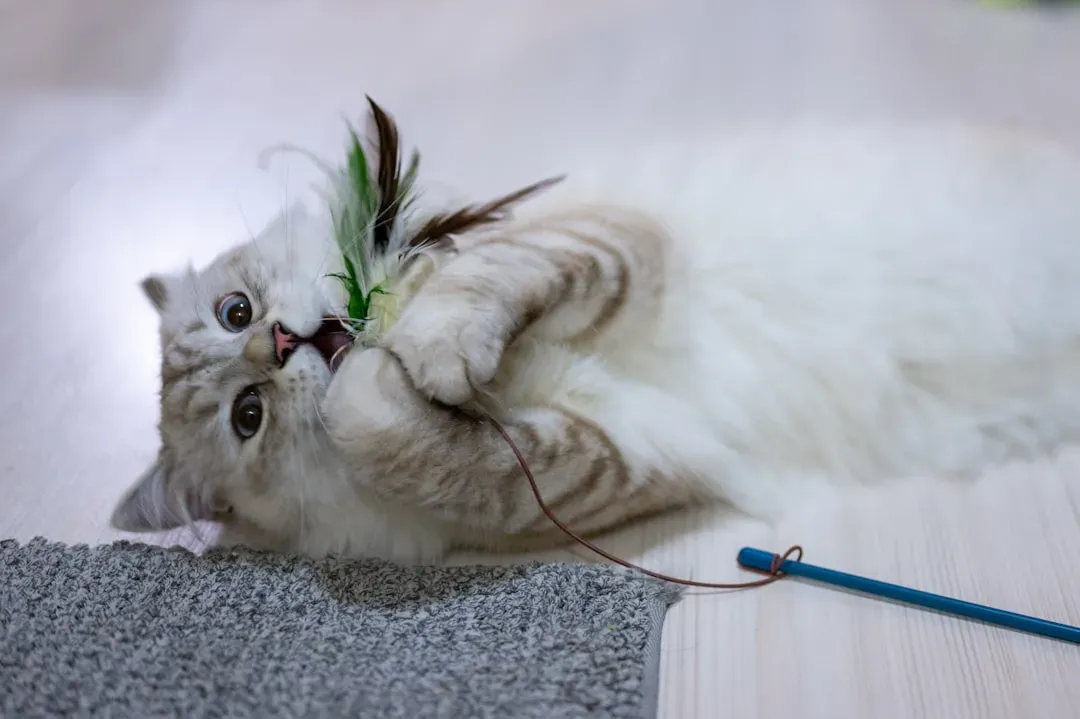
Cats hold onto the good stuff too, and it shows up in strange, specific ways. Owner reports and early research on episodic-like memory describe cats ignoring brand-new toys entirely in favor of one battered, years-old object tied to a particular person or a particular game.
It’s not really about the toy. It’s about what happened around it, the laughter, the chase, the attention. These recollections pull cats back to seek out the same kind of interaction again, sometimes years after the original moment that made it matter.
#9 – Other Pets or Animals That Shared the Home
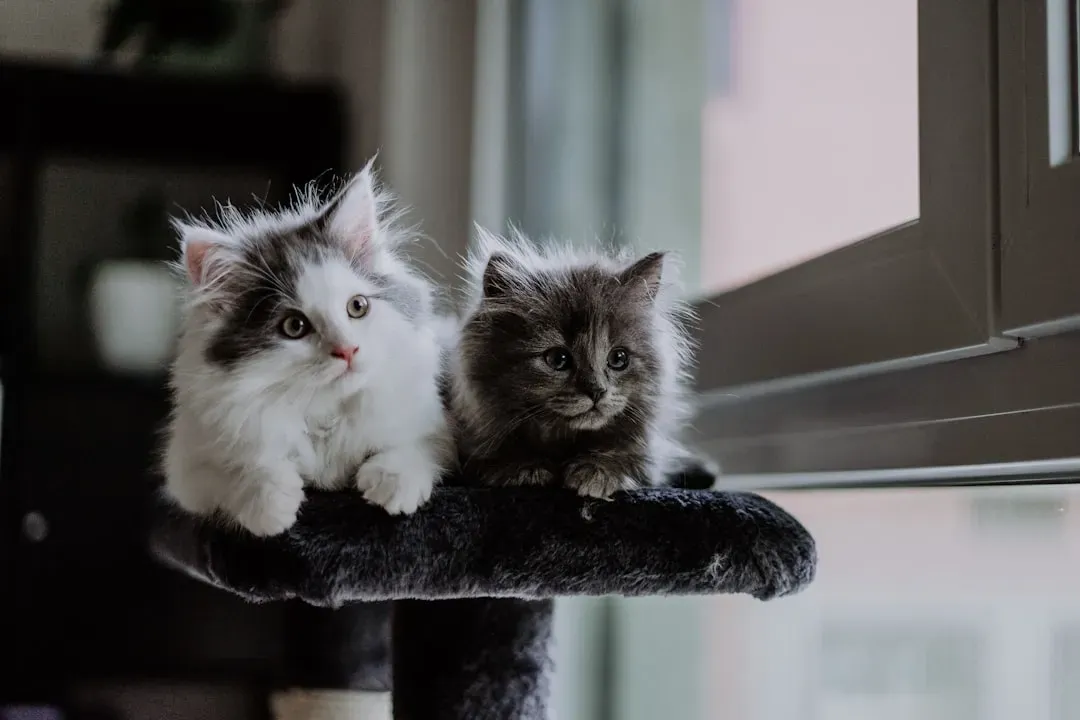
Former housemates, feline or otherwise, leave a memory trace that doesn’t disappear when they’re gone. Cats retain scent profiles and interaction styles of past companions, and reminders of them can trigger clear recognition behavior long after separation.
This explains something a lot of owners find confusing: why introducing a new pet sometimes produces reactions that seem to belong to the old one. Evidence from multi-pet households suggests cats are often responding to a memory of a past dynamic, not purely to the newcomer standing in front of them.
Worth Knowing
- Cats can recognize the scent profile of a former companion years after they’re gone
- Introducing a new pet can trigger reactions rooted in an old relationship, not the new one
- Multi-cat households often see longer adjustment periods after losing a companion
- Grief-like behavior in cats can include reduced appetite and searching the home
#10 – Major Household Changes Like Moves or Renovations

Cats map disruption onto their personal timeline, and they remember the order things fell apart. A cat that went through a chaotic, stressful move once can show real anxiety at the mere sight of boxes or furniture being rearranged, years later, with no direct threat in sight.
Spatial memory and event recall combine here into something almost predictive. Their nervous system isn’t reacting to right now, it’s flagging a pattern it’s seen before. That’s why the packing tape sound alone can undo a cat’s calm before a single box is actually moved.
#11 – The Tone of Your Voice When Happy or Stressed
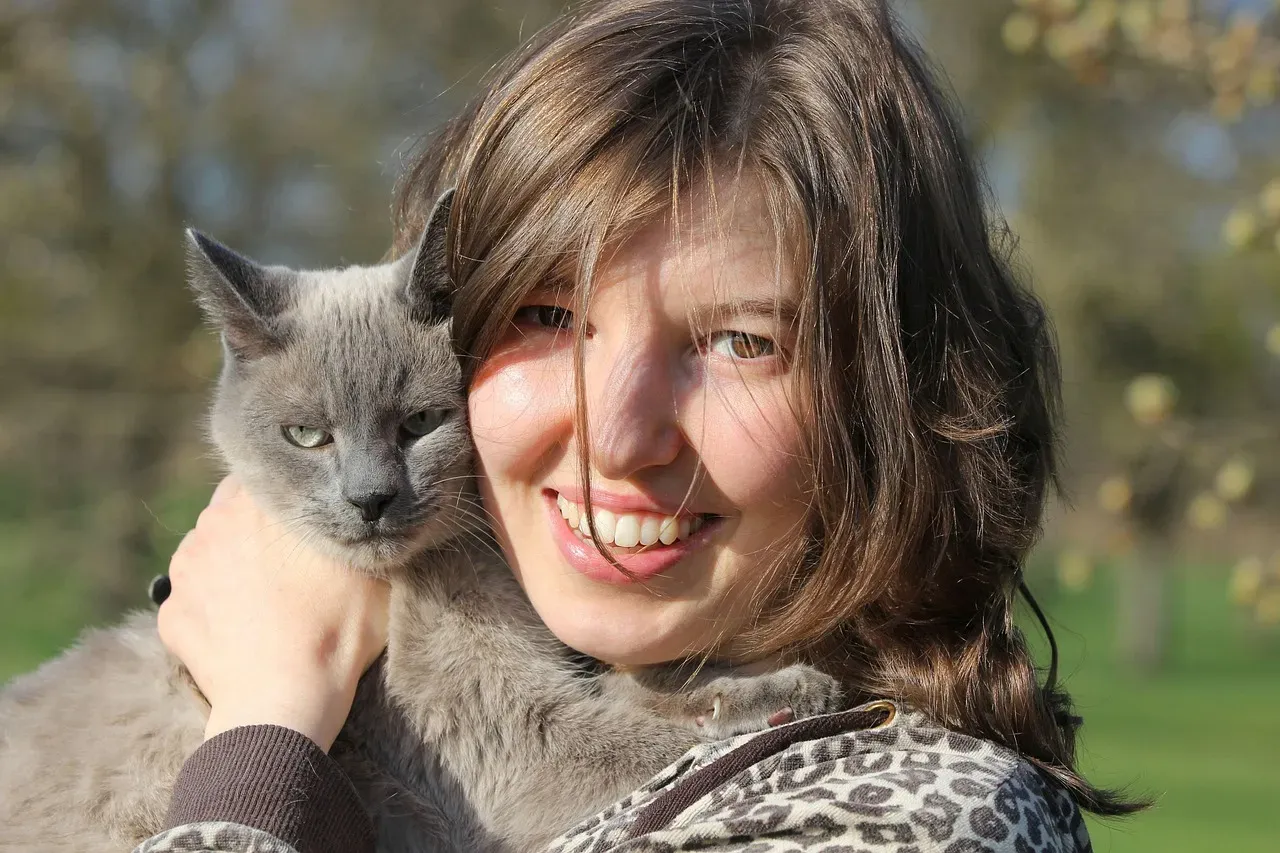
Your cat is reading you constantly, and not just your words. Experiments show cats respond more strongly to their owner’s voice than to a stranger’s, especially when the tone matches something they’ve experienced before, good or bad.
A cat has absolute emotional honesty: human beings, for one reason or another, may hide their feelings, but a cat does not.
Ernest Hemingway
The nuance runs deeper than most owners assume. Cats often catch subtle shifts in tension in your voice before you’re even consciously aware you’re stressed, and their behavior around you adjusts accordingly, sometimes hours before anything obvious happens.
#12 – Early Experiences From Kittenhood With You
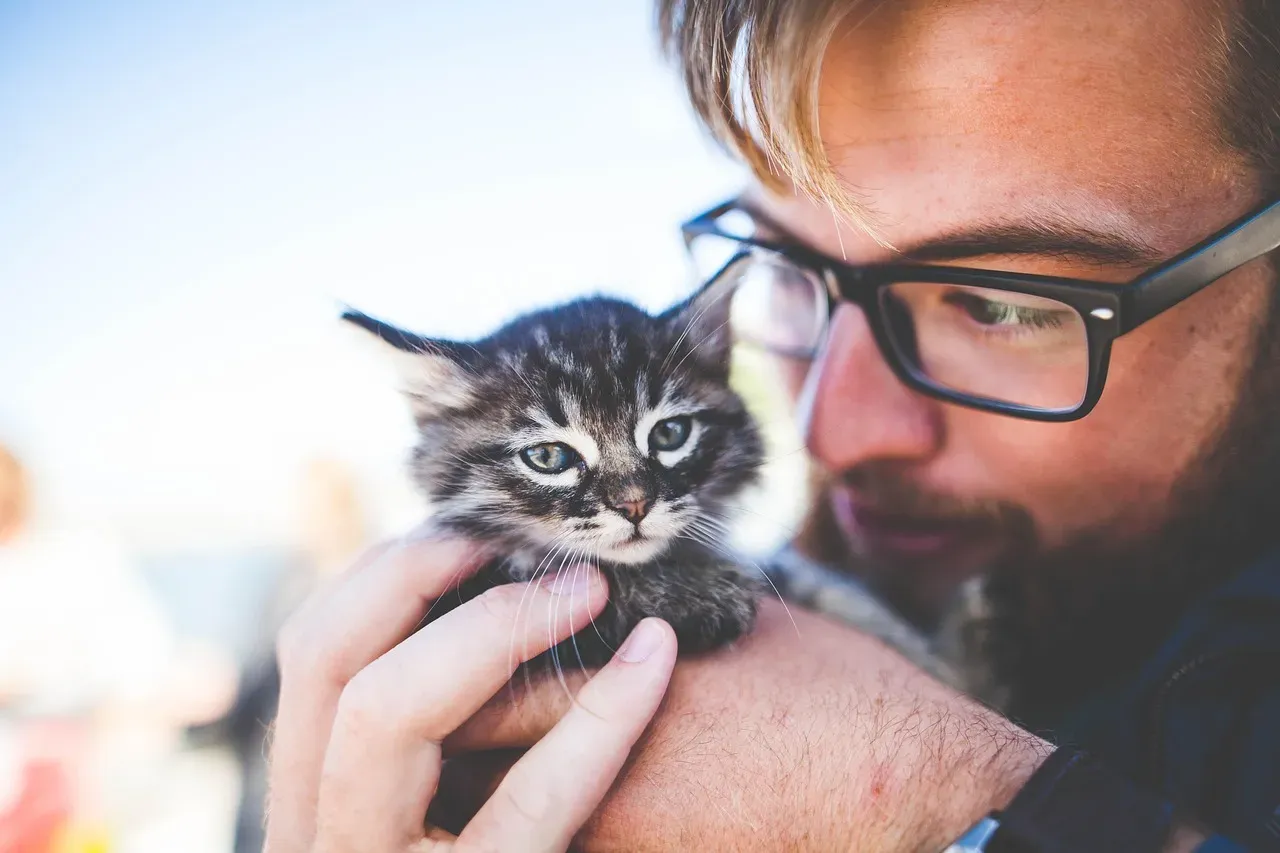
If you raised your cat from a kitten, some of the strongest wiring in their brain traces back to that window. Studies on mother-offspring and littermate recognition show these early bonds can persist well into adulthood, shaping how a cat trusts, or doesn’t trust, people for the rest of its life.
That first stretch of weeks becomes a kind of template. Cats often show specific preferences and comfort behaviors, like kneading a particular blanket or seeking a particular lap, that trace directly back to habits formed in those very first months, long before they were the confident adult you know now.
At a Glance
- The core socialization window for kittens typically falls between two and nine weeks of age
- Gentle handling during this window is strongly linked to a more affectionate adult temperament
- Early bonds formed with a specific person can outlast even long separations later in life
- Comfort habits like kneading or lap-seeking often trace back to this early period
#13 – How Deeply They Depend on Your Consistent Presence
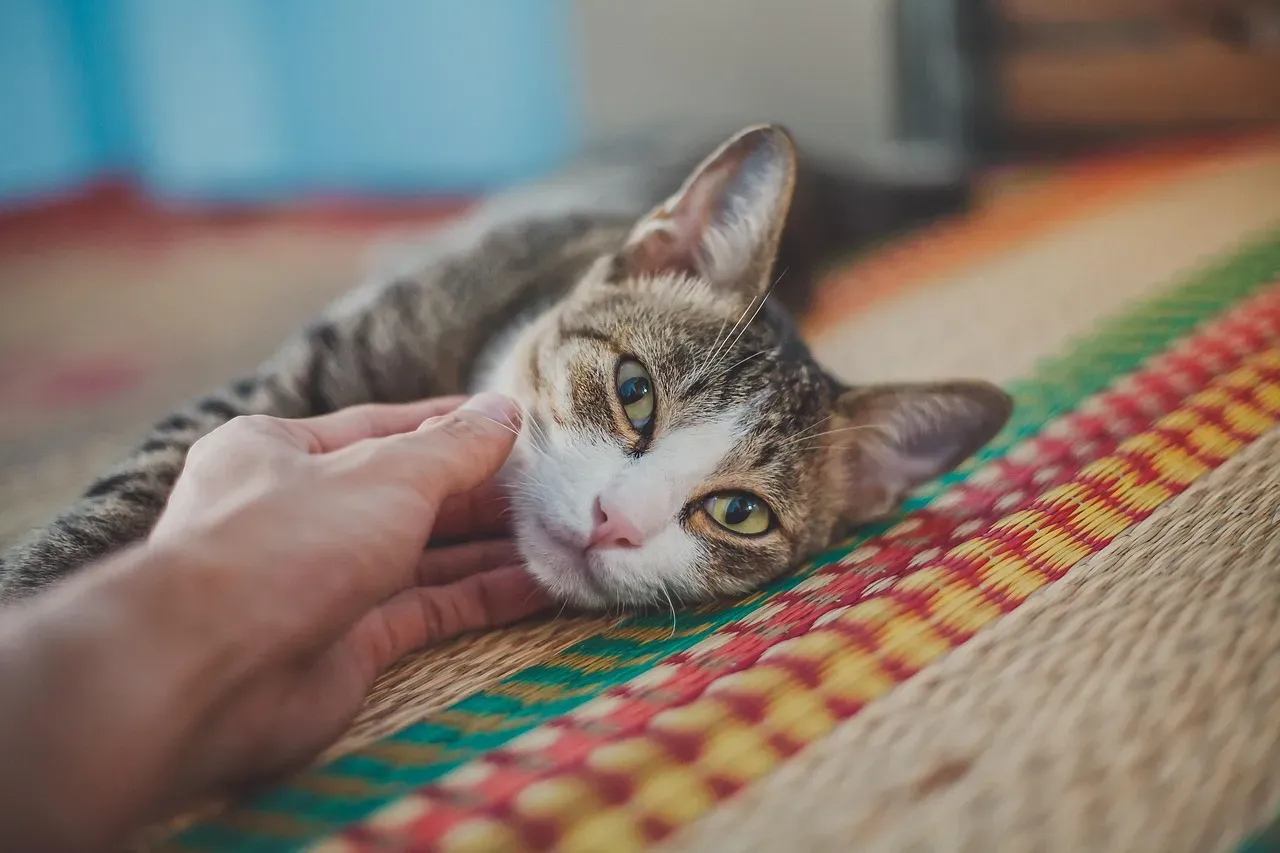
Underneath all of it is one core thing your cat remembers: whether you’ve been reliable. Long-term memory research suggests cats form attachment-like bonds that function much like the ones studied in dogs and even young children, quietly shaping daily behavior whether you’re feeling close to them or not.
This is why some cats wait by the door at the same time every day, or seem to mirror your mood without being told anything at all. They’re not being dramatic. They’re running a long, quiet account of your role in their sense of safety, and whether you’ve earned the label of someone worth trusting.
What This Really Means
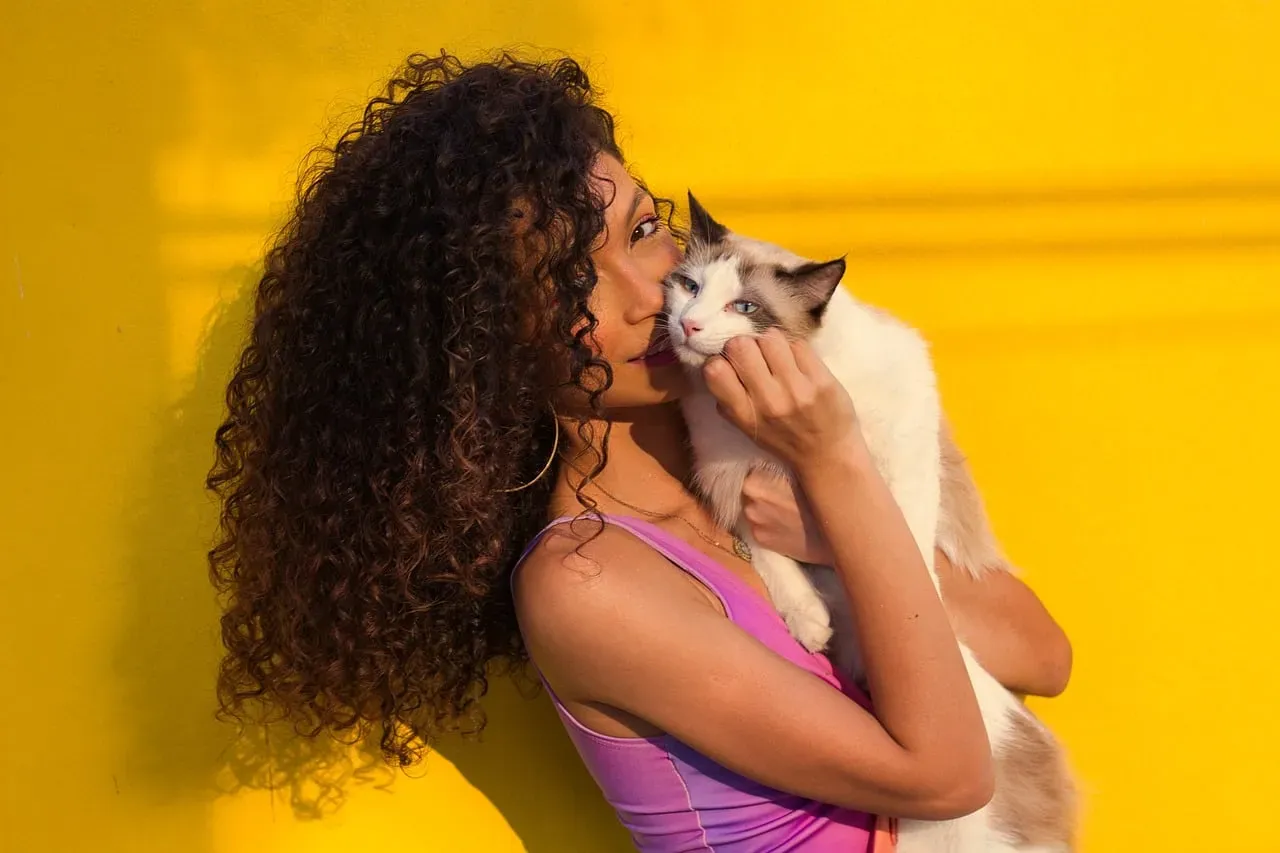
Cats get branded as detached because they don’t perform affection the way dogs do, but the memory research paints a much more honest picture. They remember your schedule, your scent, your tone, your absences, and your patience, and they build their entire sense of security around those details.
If anything, that should change how we treat the small moments, the scolding we regret, the attention we put off until later, the routines we assume don’t matter. Your cat isn’t keeping score to punish you. It’s keeping score because you are, whether you asked for the job or not, the most consistent thing in its world.
Kristina is a young writer from India. An arts graduate and an avid content creator, Kristina is passionate about animals and wildlife. She enjoys exploring topics related to pet care, animal behavior, conservation, and nature, combining thorough research with engaging storytelling.