Most cat owners assume their pet barely tolerates them, tolerating pets and treats while quietly plotting an escape to the nearest sunny windowsill. But somewhere out there right now, a cat is pressed against a bathroom door, ears cocked, waiting for its owner to reappear. That’s not a coincidence or a fluke personality quirk. It’s a documented behavior pattern, and certain breeds are practically built for it.
Centuries of selective breeding for companionship, rather than independence, created cats that treat their owner less like household staff and more like a personal anchor. If you’ve ever wondered why your cat waits outside the bathroom or plants itself on your keyboard mid-Zoom call, the explanation might be written straight into its bloodline. Here are the 13 breeds that take “clingy” to an entirely new level.
#1 – Siamese: The Original Velcro Cat
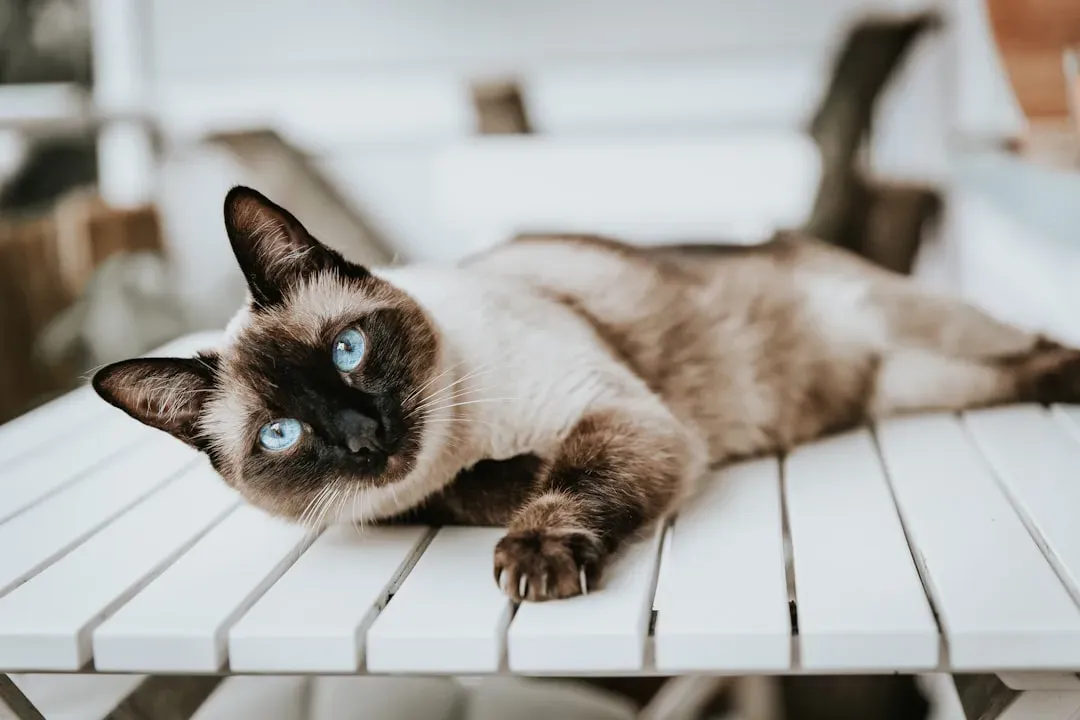
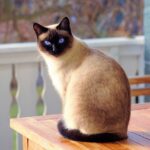
Siamese cats didn’t earn their reputation as “dog-like” by accident. This breed is famously vocal, and that’s not a coincidence – it’s a direct extension of their need for constant interaction. They’ll narrate your every move around the house, meowing when you leave a room and again the moment you return, almost demanding an explanation for your absence.
Breeders have long noted that Siamese cats bond intensely with one person, often choosing a favorite human and shadowing them while treating everyone else in the household as background noise. Many owners report their Siamese sleeping directly on their chest, following them into the shower, or perching on the edge of the tub. Some behaviorists classify Siamese as prone to genuine separation-related distress more often than other breeds, meaning the following isn’t just affection – it’s real anxiety about being apart. That intensity is impressive, but it’s nothing compared to what we found about #2.
Fast Facts
- Origin: Siam (modern-day Thailand), one of the oldest recognized cat breeds
- Signature look: color-point coat paired with striking blue, almond-shaped eyes
- Vocal style: a loud, low-pitched “meezer” voice used to call out to owners
- Bonding style: typically forms one primary attachment rather than spreading affection evenly
#2 – Ragdoll: The Cat That Goes Limp With Devotion
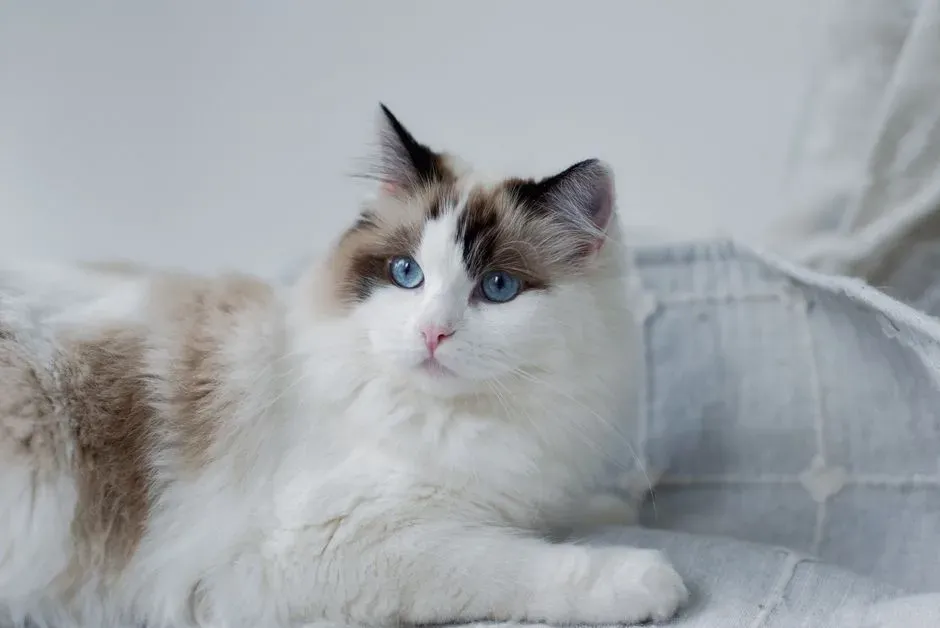
Ragdolls are named for their tendency to go completely floppy when picked up, and that same laid-back nature extends to how they attach to their owners. Unlike breeds that demand attention loudly, Ragdolls are quiet shadows. They’ll pad softly behind you from the kitchen to the bedroom, content simply to be near you rather than actively interacting.
This breed was specifically developed in the 1960s for a gentle, dependent temperament, and that history shows up in how thoroughly they rely on human presence for comfort. What’s fascinating is that Ragdolls often show almost dog-like greeting behavior, running to the door when they hear keys jingling or a car pulling into the driveway. Many owners describe them as “puppy cats” for exactly this reason, and some have watched their Ragdoll wait by the entryway for hours – a habit rarely seen in more independent breeds like the American Shorthair. Their devotion is remarkable, but the next breed takes shadowing to an entirely different level.
#3 – Sphynx: The Hairless Cat That Craves Body Heat
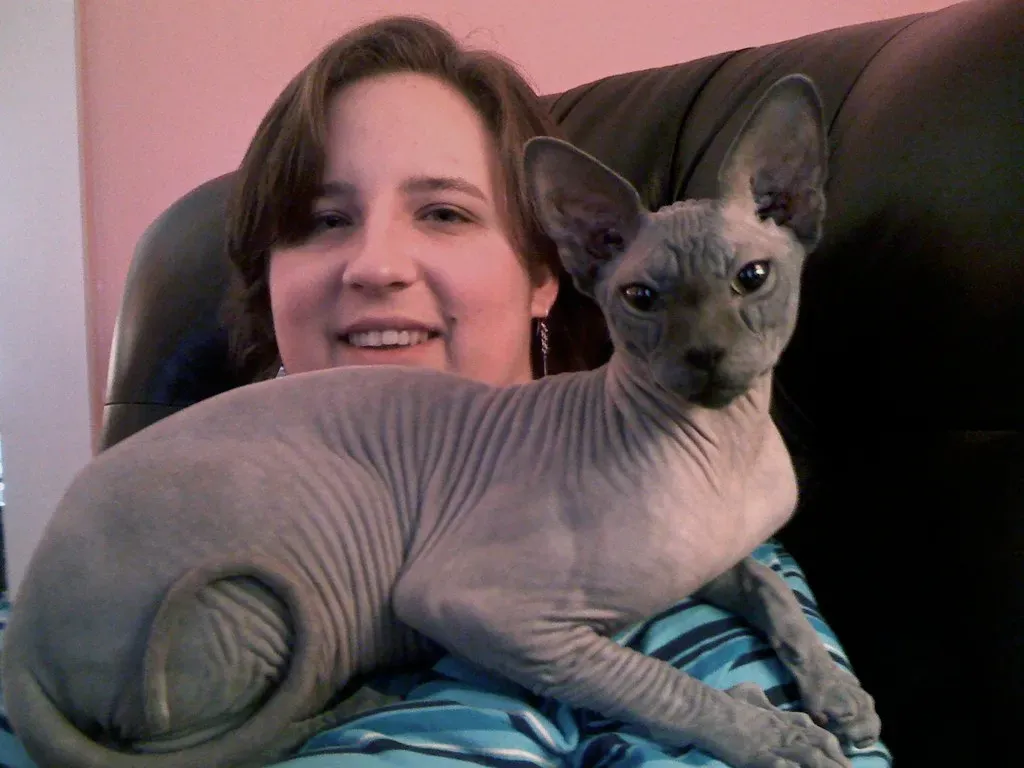
The Sphynx’s lack of fur isn’t just a cosmetic quirk – it’s the biological reason this breed follows owners so relentlessly. Without an insulating coat, Sphynx cats rely on external heat sources to regulate their body temperature, and the warmest, most reliable heat source in the house is usually their owner. This isn’t just about comfort; it’s practically a survival strategy that translates into constant physical closeness.
Sphynx cats are known to burrow under blankets with their humans, sit on shoulders, and even wedge themselves into laptop bags just to stay near a warm body. Beyond the temperature factor, they’re also exceptionally social and extroverted, a trait breeders selected for alongside their unusual appearance. Sphynx cats naturally run warmer than most breeds, which only reinforces their instinct to stay glued to warm laps. Their neediness is intense, but breed #4 rivals it in a completely different way.
#4 – Burmese: The Breed That Never Leaves Your Side
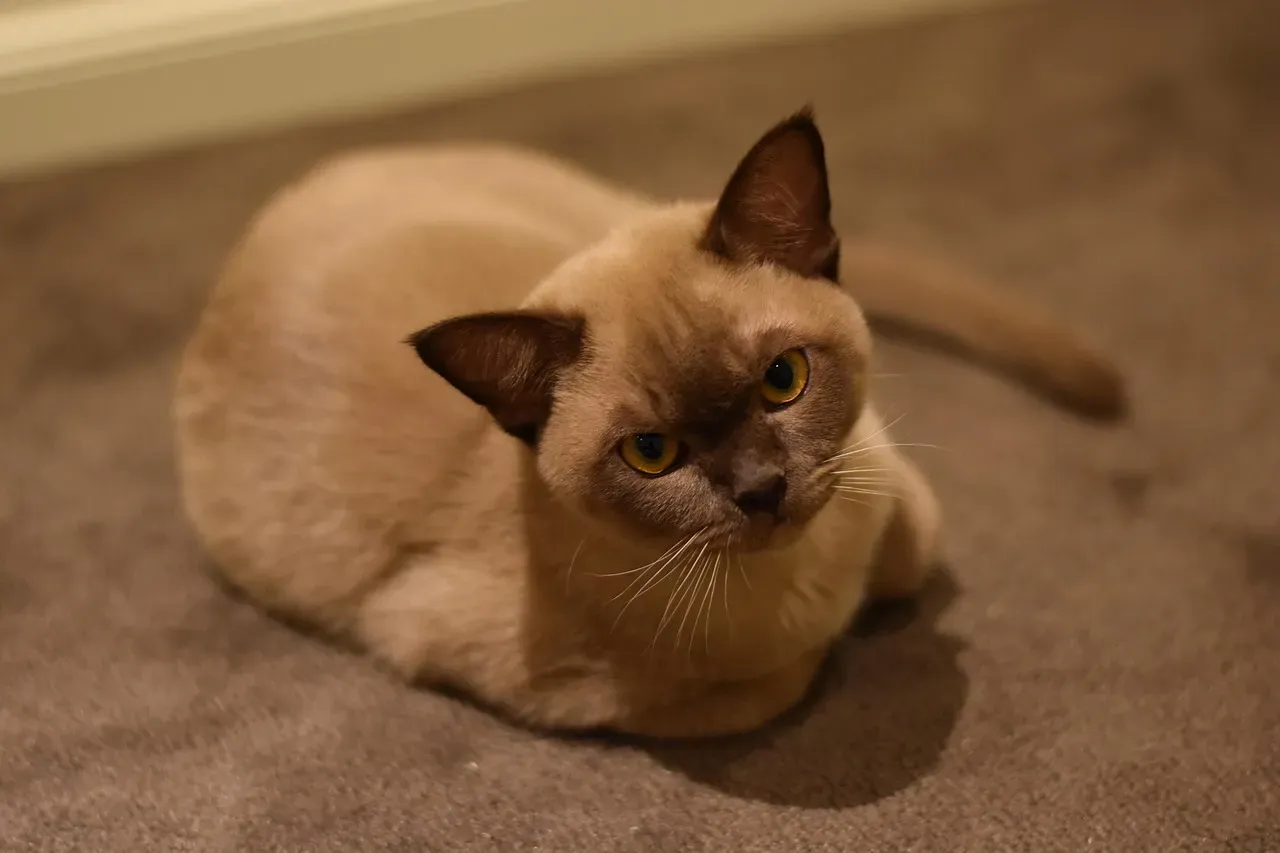
Burmese cats have a reputation among breeders as being almost incapable of solo activity. This breed thrives on constant companionship, and Burmese owners often joke that their cat has become a permanent shadow. Whether you’re cooking dinner, folding laundry, or working at a desk, a Burmese cat will typically be within arm’s reach, observing or participating in whatever task is at hand.
Their need for closeness isn’t just physical either – they’re highly attuned to their owner’s emotional state and daily routine. What sets Burmese apart is their assertiveness about wanting attention. Unlike quieter breeds that simply linger nearby, they will actively insert themselves into your lap, your workspace, or your book, refusing to be ignored – and yes, sometimes your dinner plate too. Their persistence is notable, but wait until you hear about the breed that essentially invented the term “dog-cat.”
#5 – Maine Coon: The Gentle Giant Who Trails Behind You
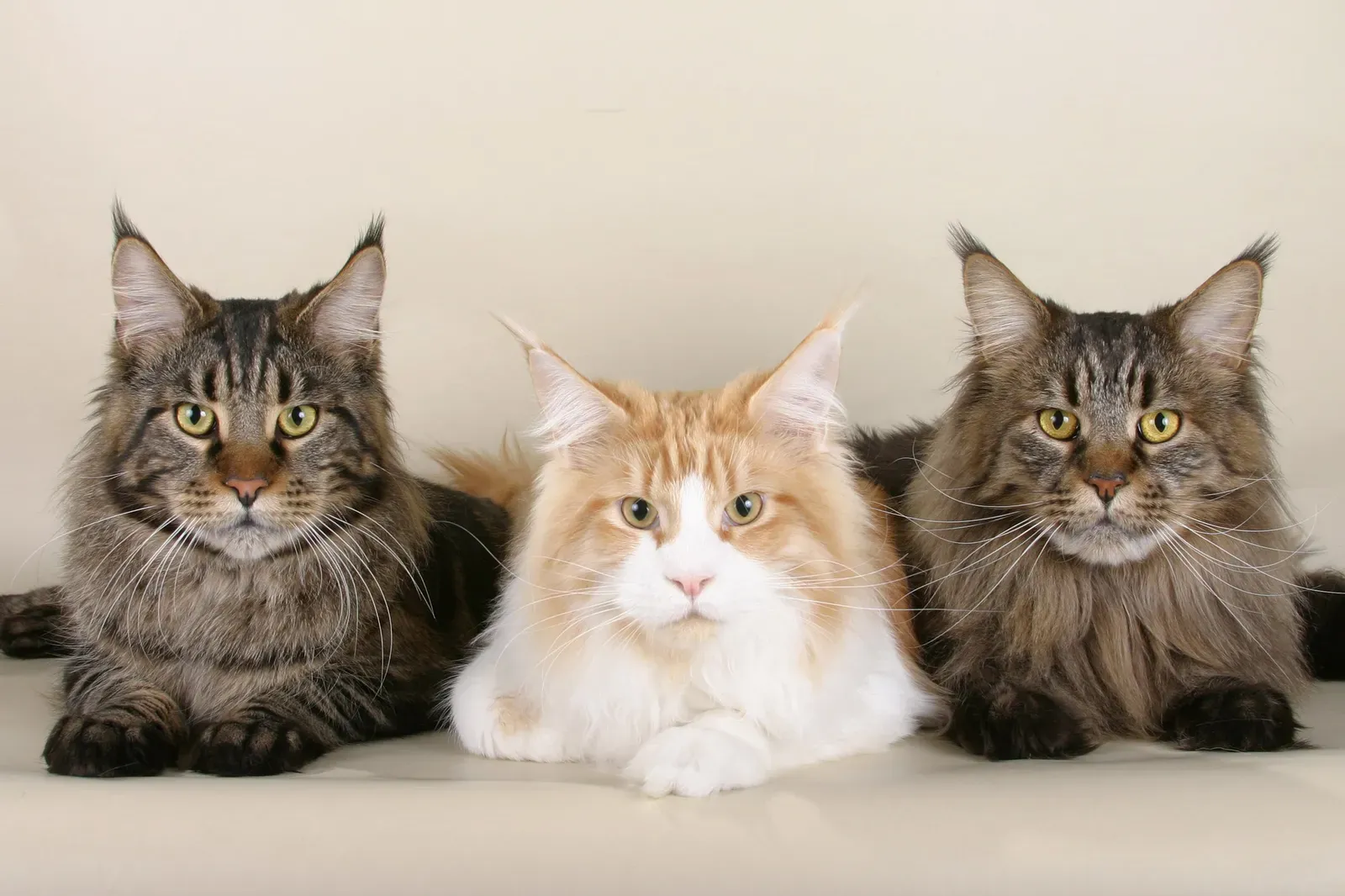
Despite their massive size, Maine Coons are surprisingly soft-natured and deeply attached to their families. This breed was originally developed as a working farm cat, which means Maine Coons have a strong instinct to patrol and monitor their environment – and in a domestic setting, that environment includes you. Owners frequently describe their Maine Coon as a “shadow with a tail,” following them from room to room and checking in like an oversized, furry supervisor.
Maine Coons are also known for their chirping and trilling vocalizations, which many use specifically to communicate with their owners while trailing behind them. This isn’t idle noise – it’s a genuine attempt at conversation. Maine Coons are one of the few breeds regularly documented fetching objects like dogs, a habit that reinforces just how interactive and people-oriented they truly are. Their loyalty is remarkable, but breed #6 brings an entirely different kind of intensity to the table.
Worth Knowing
- One of the largest domesticated cat breeds, with males often reaching 13 to 18 pounds
- Recognized as the official state cat of Maine
- Sports a shaggy, water-resistant coat built for harsh winters
- Known for tufted paws and lynx-like ear tufts
#6 – Devon Rex: The Elf-Eared Cat Who Won’t Let You Out of Sight
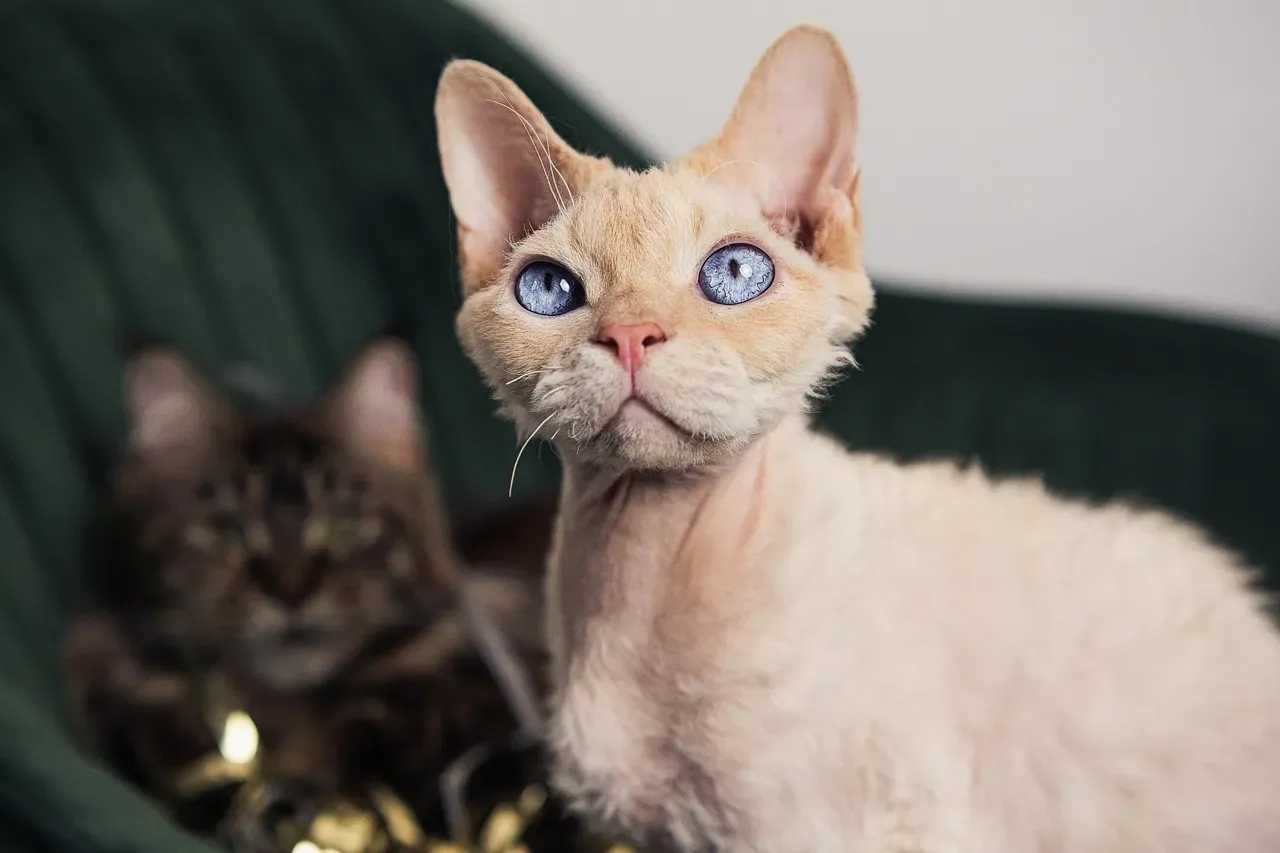
Devon Rex cats are often nicknamed “monkeys in cat suits,” and that mischievous, people-focused energy is exactly why they follow owners so closely. This breed is famous for perching on shoulders, something few other cats naturally gravitate toward. Devon Rex cats will climb onto a shoulder while their owner cooks, cleans, or walks around the house, treating human bodies as a personal jungle gym rather than something to keep a respectful distance from.
Their curiosity is a major driver of this behavior – Devon Rex cats want to know exactly what you’re doing at all times, whether it’s typing on a laptop or brushing your teeth. Breed experts note Devon Rex cats often prefer human laps over cat beds entirely, even when a soft, dedicated bed is sitting empty just feet away. Their people-obsessed nature is charming, but it’s nothing compared to the ancient breed at #7.
#7 – Abyssinian: The Athletic Shadow
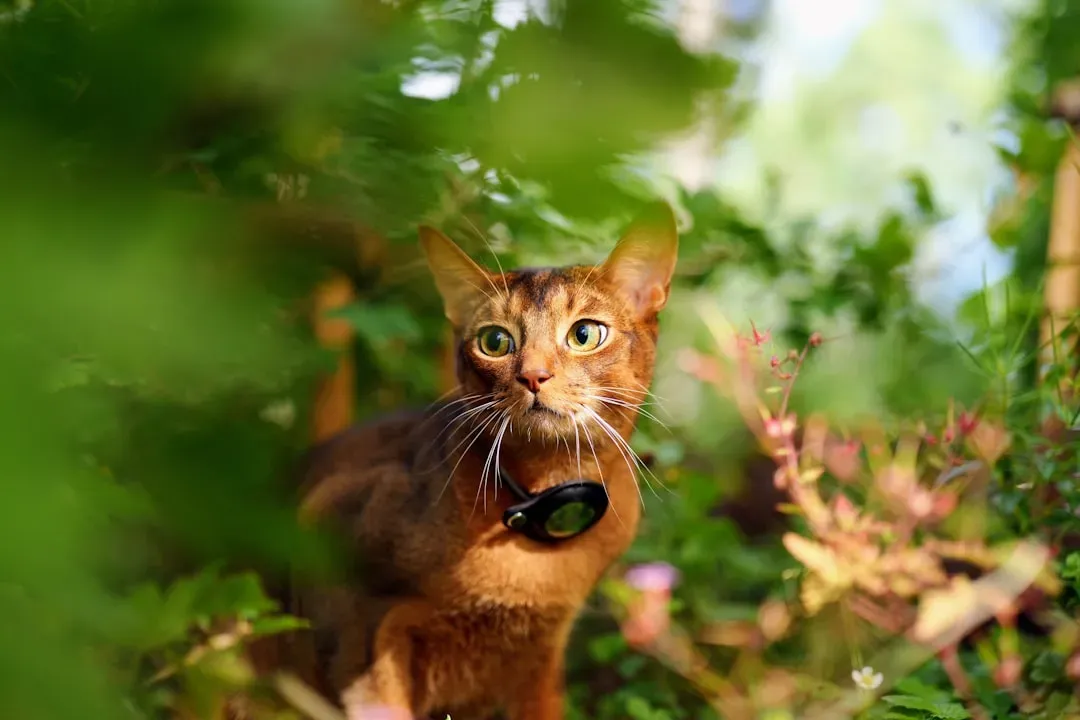
Abyssinians are often marketed as “active” or “energetic,” but what rarely gets mentioned is how much of that energy is directed specifically at their owners. This breed doesn’t just follow you around passively – Abyssinians actively supervise. They’ll leap onto counters to watch you cook, hover near the sink during dishwashing, and investigate any new bag or box the moment it enters the house, always with one eye on their human.
Their curiosity is inseparable from their attachment; for an Abyssinian, exploring the world and staying close to their owner are the same activity. This breed also tends to dislike being left alone for long stretches, and many owners report their Abyssinian becoming noticeably clingier after periods of separation, trailing them even more closely for hours afterward. That constant awareness is impressive, but breed #8 turns following into a full-time job.
#8 – Bengal: The Wild-Looking Cat With a Domestic Heart
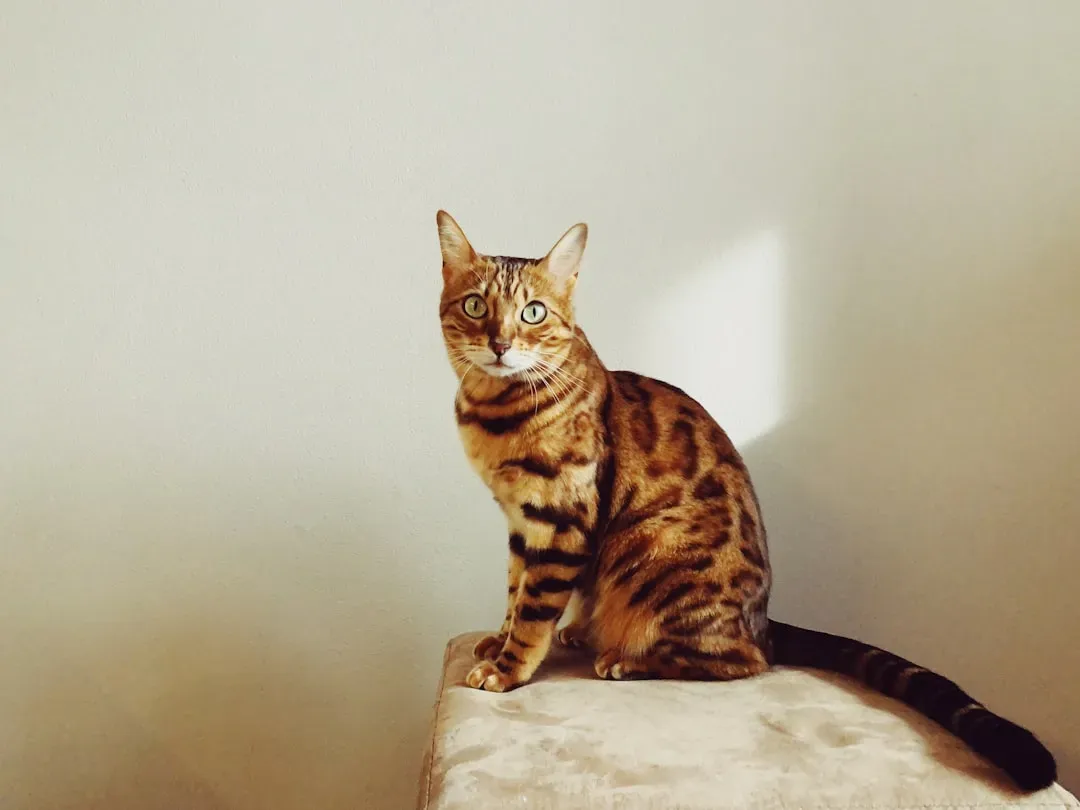
Bengals look like miniature leopards, but underneath that wild appearance is one of the most people-dependent temperaments in the cat world. This breed was developed by crossing domestic cats with Asian leopard cats, and while the wild ancestry shows up in their appearance and athleticism, breeders specifically selected for tame, affectionate behavior over generations.
The result is a cat that’s intensely bonded to its owner, often following them not just from room to room but literally into activities – jumping into open drawers, inspecting grocery bags, and investigating whatever task is currently underway. Bengals are also unusually food-motivated and trainable, which strengthens their following behavior even further. Many Bengal owners even report their cats walking calmly on a leash specifically to stay beside them outdoors, a rare trait among domestic breeds. Their loyalty is fierce and physical, but breed #9 approaches attachment from a much quieter, more emotional angle.
Quick Compare
- Bengal origin: descended from Asian leopard cat crosses starting in the 1960s
- Early generations (F1-F3): closer to wild ancestry, more independent and harder to place in typical homes
- Later generations (F4 and beyond): the domestic, people-oriented temperament most household Bengals are bred for today
#9 – Tonkinese: The Breed That Blends Two Clingy Lineages
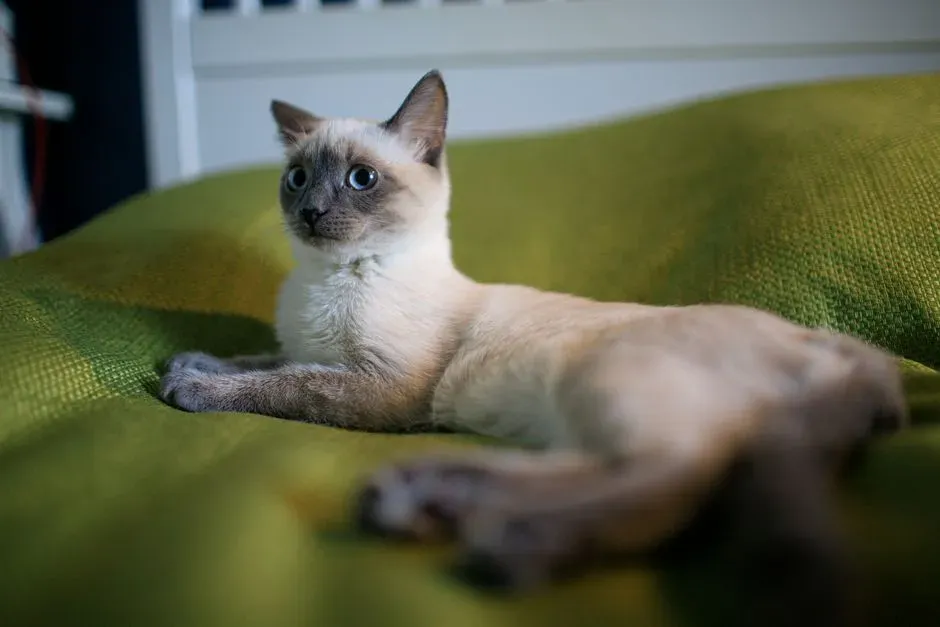
Tonkinese cats are a cross between Siamese and Burmese, and true to that heritage, they inherited the neediness of both parent breeds in full force. This combination produces a cat that’s vocal like a Siamese and physically affectionate like a Burmese, resulting in near-constant demands for attention and proximity.
Tonkinese cats will meow to announce their presence, then immediately close the distance to sit on a lap, shoulder, or nearby cushion. They rarely settle for being in the same room without direct physical contact. Their intelligence also plays a role here – Tonkinese cats learn routines quickly, anticipating when their owner will leave for work or return home, and positioning themselves accordingly. It’s a big reason so many owners of this breed end up with two Tonkinese cats instead of one. Their combined-breed neediness is intense, but breed #10 has an entirely unique reason for staying close.
#10 – Scottish Fold: The Quiet Companion Who Never Wanders Far
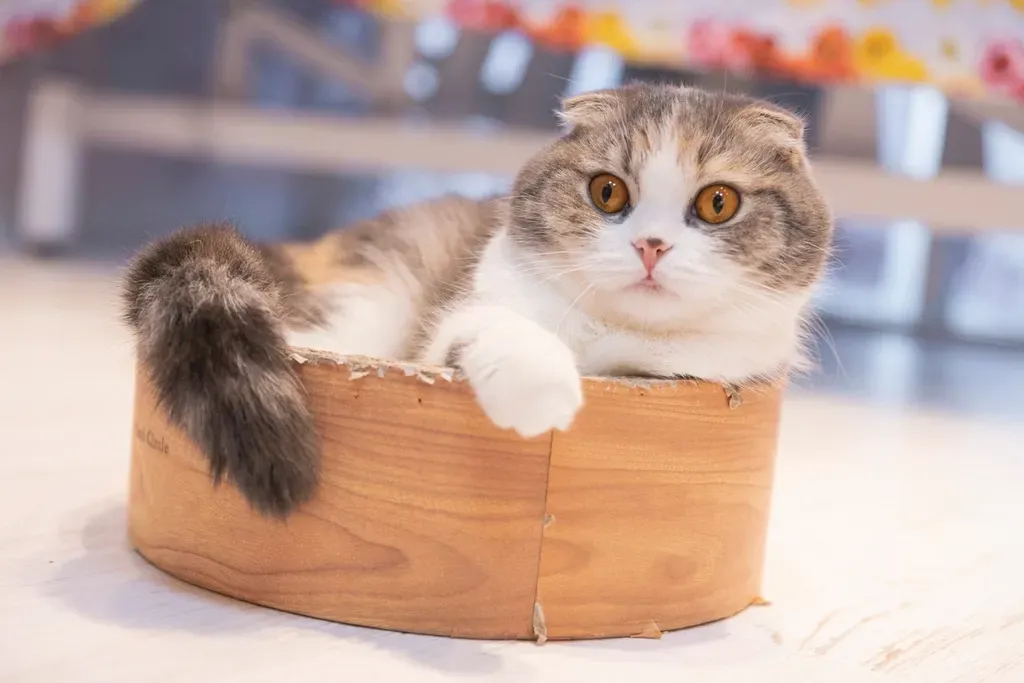
Scottish Folds are known primarily for their folded ears, but their temperament deserves just as much attention as their appearance. This breed tends to be reserved and gentle rather than boisterous, which means their attachment shows up as quiet proximity rather than loud demands.
A Scottish Fold will often choose a single room to occupy near their owner, settling in nearby rather than constantly underfoot, but rarely straying far from wherever their person happens to be. They’re also known for adapting their schedule to match their owner’s, waking and settling down around the same times each day. Owners often swear their Fold seems to sense when they’re about to move rooms, appearing at doorways moments before they walk through them. Their subtlety makes them easy to underestimate, but breed #11 is anything but subtle about its devotion.
#11 – Birman: The Sacred Cat With a Devoted Streak
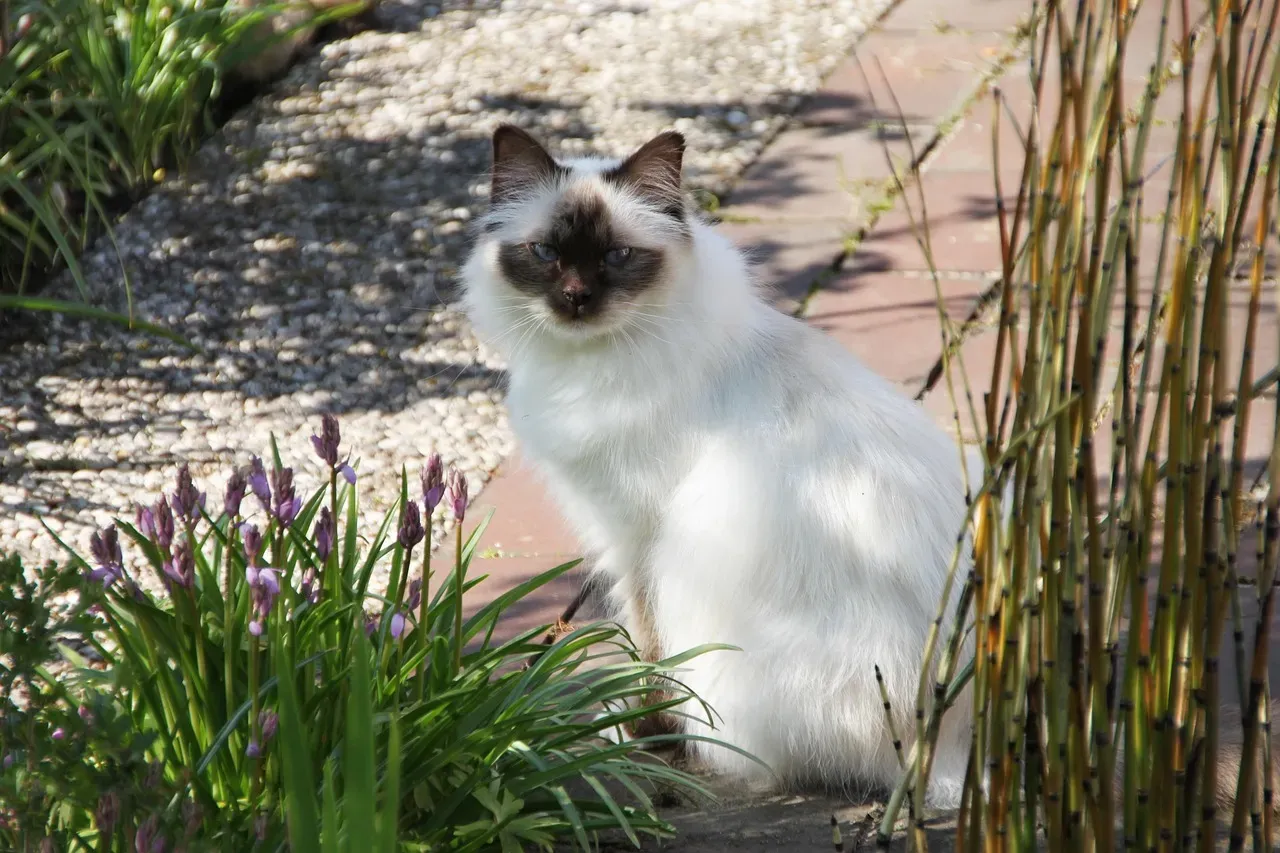
Birmans carry a reputation steeped in legend, often described in folklore as temple guardians bonded to a single sacred keeper – and that mythology isn’t far from how they behave in real homes today. This breed forms extremely close bonds with their primary caregiver, often choosing one person to follow above all others in a household.
Birmans are known for waiting at doors, sitting just outside bathroom thresholds, and positioning themselves wherever their favorite person happens to be working or relaxing. Unlike more vocal breeds, Birmans express their attachment through gentle physical presence – resting a paw on your hand, leaning against your leg, or simply staying in eye line.
A cat will do almost anything for love, but on its own terms.
Traditional cat-fancier saying
Birmans are among the least likely breeds to seek out solitude voluntarily, preferring constant company over independent exploration. Their quiet devotion is touching, but breed #12 combines affection with an unusual physical trait that makes following even easier.
#12 – American Bobtail: The Dog-Like Homebody

American Bobtails are frequently compared to dogs, and not just because of their playful temperament – this breed genuinely prefers group activities over solo exploration. Breeders prioritized a friendly, adaptable personality from the very beginning, and it shows. American Bobtails tend to insert themselves into whatever their owner is doing, whether that’s gardening, cooking, or working from home.
They’re known to fetch toys and bring them directly to their owner’s feet, a habit that reinforces just how central human interaction is to their daily routine. This breed is also notably patient with children and other pets, so their following behavior often extends to the entire household rather than a single favorite person. Some owners even describe their Bobtail “checking in” on every family member throughout the day, almost like a rotating patrol. Their devotion is broad and reliable, but our final breed takes shadowing to its most extreme form yet.
#13 – Oriental Shorthair: The Ultimate Shadow Cat
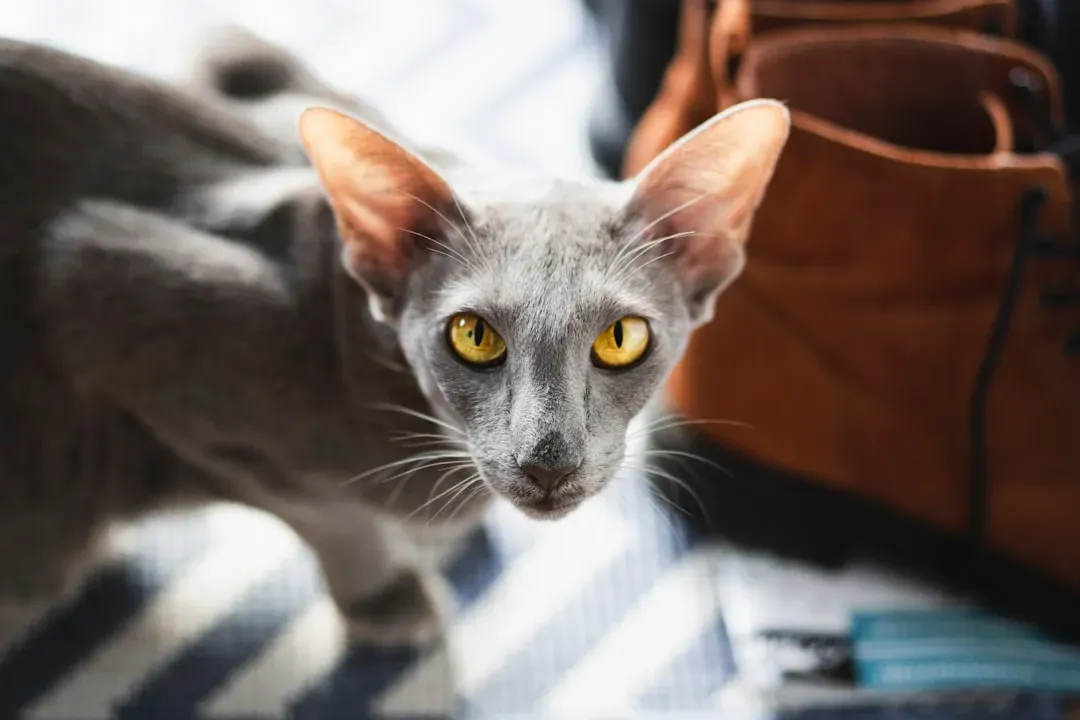
If there’s one breed that embodies the phrase “attached at the hip,” it’s the Oriental Shorthair. Closely related to the Siamese, this breed inherited – and arguably intensified – the same relentless need for closeness. Oriental Shorthairs are known to follow owners into every room without exception, including bathrooms, closets, and even garages.
They dislike closed doors specifically because it separates them from their person, and many owners report their cat scratching or meowing persistently until let back into the same room. Oriental Shorthairs often show visible distress when separated from their owner for even short periods, pacing near doors or vocalizing continuously until reunited. Veterinary behaviorists frequently cite this breed as one of the most prone to genuine separation anxiety, not just clinginess. For anyone who has ever wanted a cat that behaves more like a devoted shadow than a distant houseguest, this breed represents the absolute peak of feline attachment.
At a Glance
- Close relative of the Siamese, sharing the same sleek body type and large ears
- Recognized in more than 300 color and pattern combinations – among the most of any breed
- Short, fine coat requires minimal grooming despite the breed’s high-maintenance personality
The Bottom Line
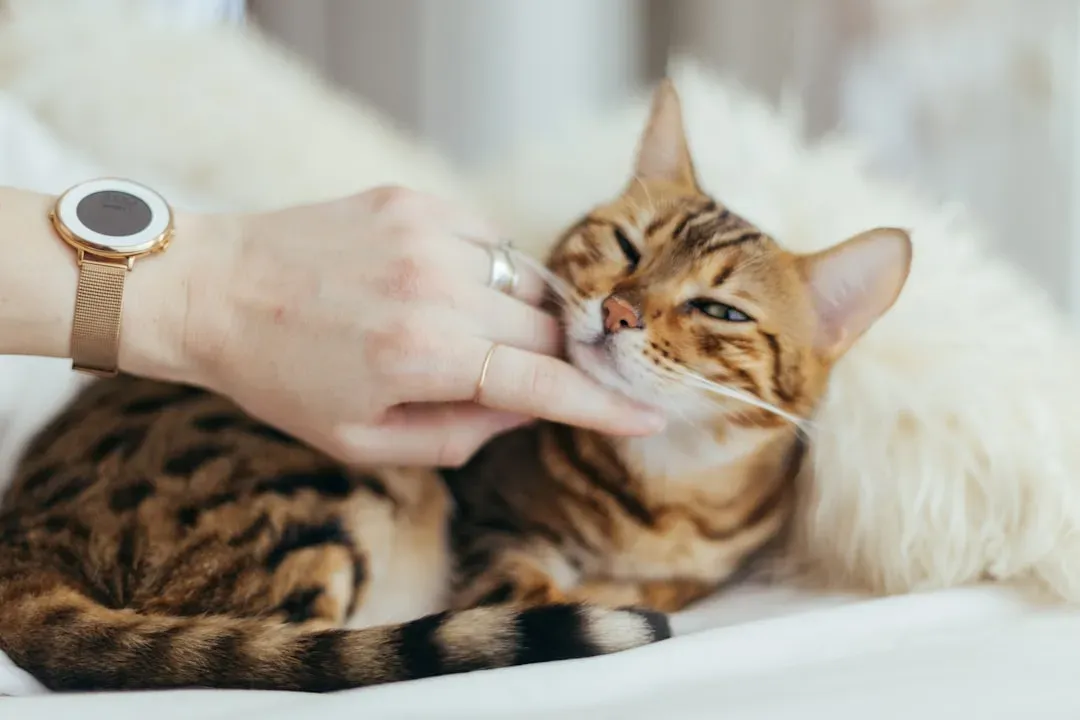
The idea that cats are aloof, independent creatures simply doesn’t hold up once you look at breeds like the Siamese, Ragdoll, Sphynx, or Oriental Shorthair. These cats were shaped, through both instinct and selective breeding, to crave human closeness as much as any dog does.
If you want constant companionship rather than a cat that vanishes for hours, these breeds deserve serious consideration over more independent options like the Russian Blue or British Shorthair. Honestly, the “cats don’t care about you” stereotype has done these devoted breeds a disservice for far too long – some of them would follow you into a burning building just to keep you in sight, and somehow, that’s exactly the point.
Kristina is a young writer from India. An arts graduate and an avid content creator, Kristina is passionate about animals and wildlife. She enjoys exploring topics related to pet care, animal behavior, conservation, and nature, combining thorough research with engaging storytelling.