Wild Cat Research Says Familiar Human Voices Can Be Recognized Even by Feline Species That Were Never Domesticated
#1 The study that started asking bigger questions
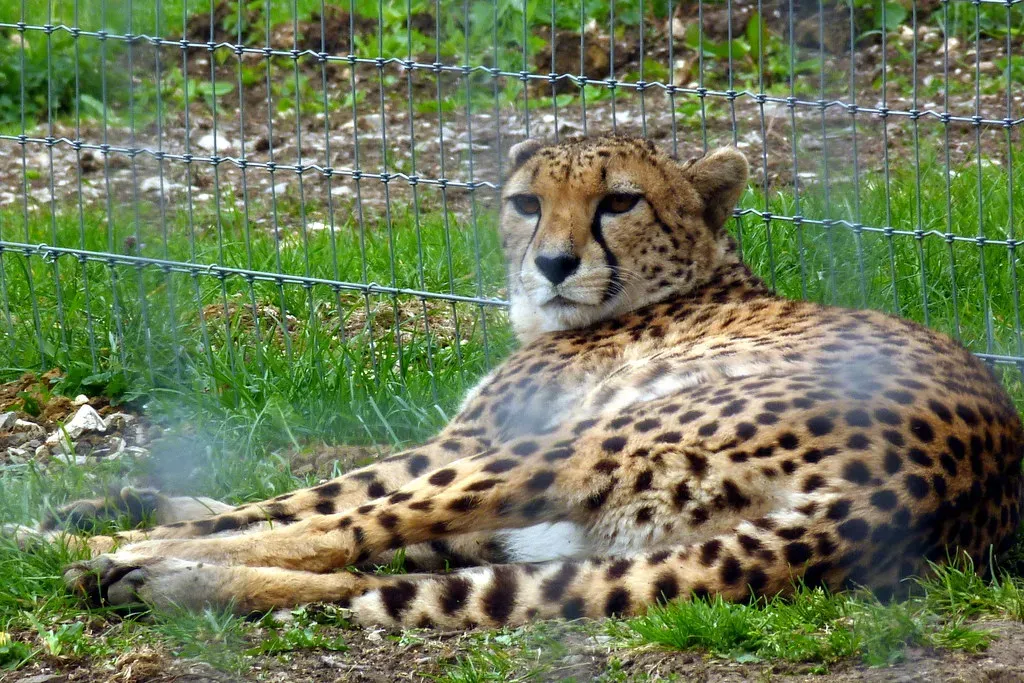
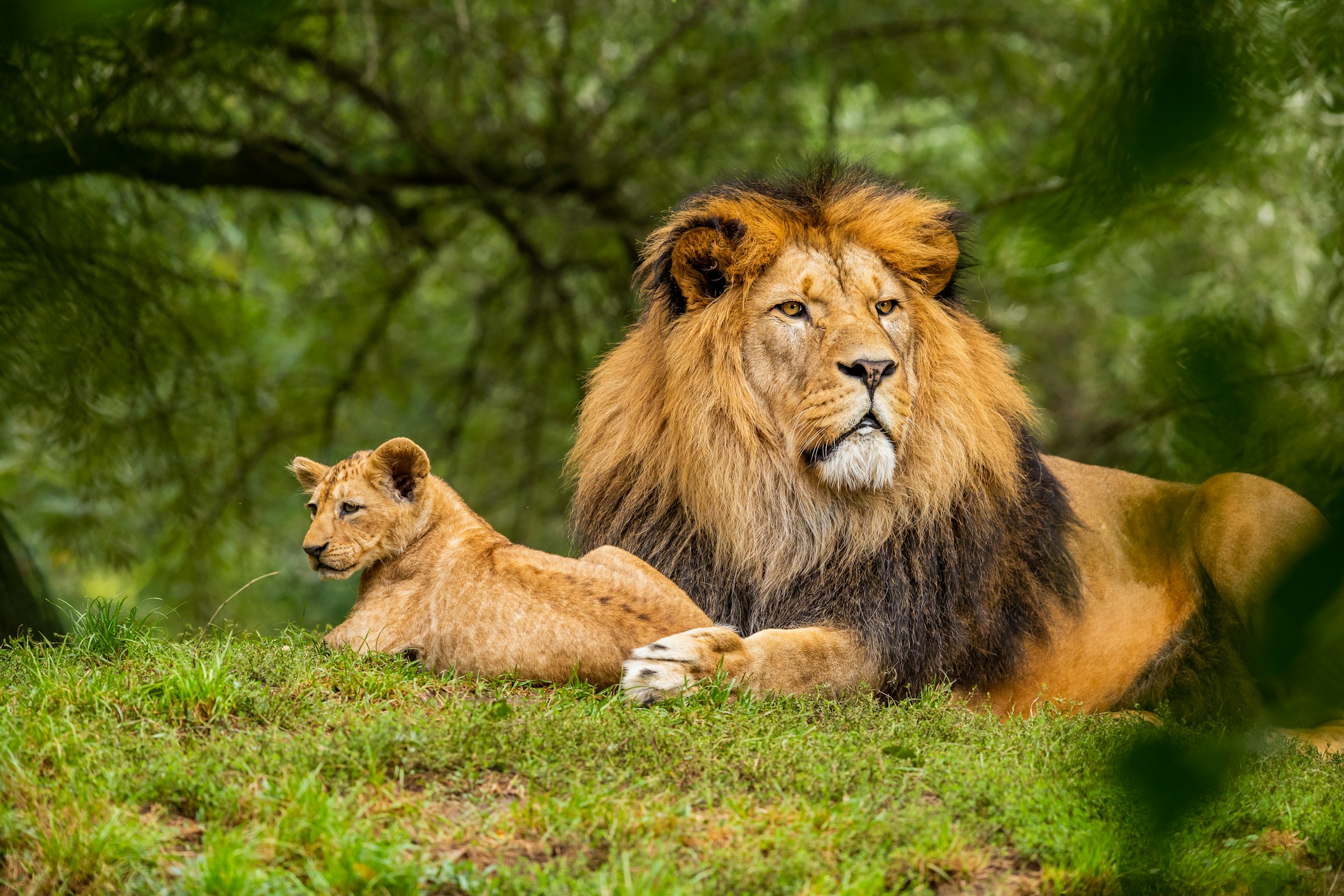
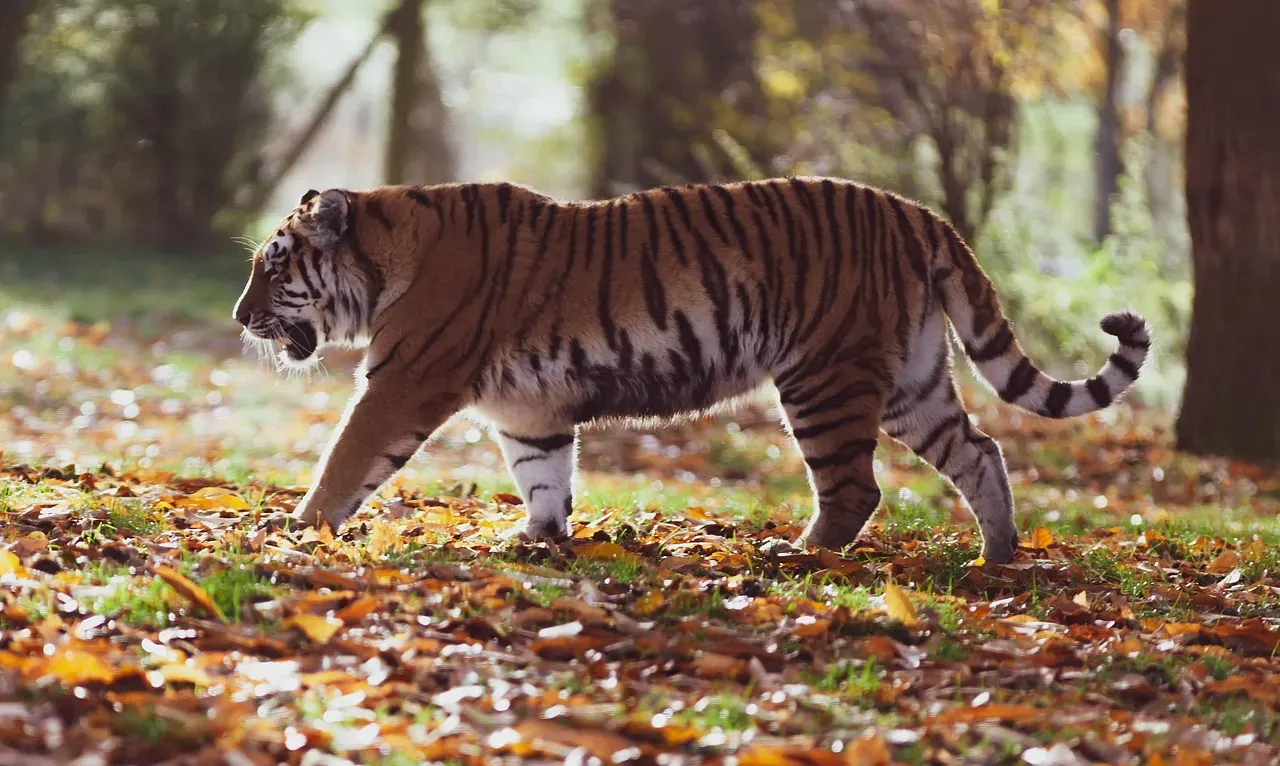
A research team led by Professor Jennifer Vonk and graduate student Taylor Crews investigated the vocal recognition abilities of Felidae, the cat family that includes lions, tigers, cheetahs, and exotic cat breeds, examining 25 individuals across 10 non-domesticated felid species living under human care. The point wasn't just to see if big cats could hear the difference between voices. It was to test something more fundamental about how scientists have explained animal social intelligence for years.
The ability to differentiate familiar from unfamiliar humans has long been considered a product of domestication or early experience, and few studies had focused on voice recognition in Felidae despite the fact that this family presents a rare opportunity to compare domesticated species to their wild counterparts. That gap in the research is exactly what made this project worth doing. Cats, it turns out, are a near perfect natural experiment, since some species live in our homes and others never have, yet both share the same evolutionary lineage.
#2 How researchers tested animals that don't exactly follow instructions
Testing a lion's hearing isn't like running a lab experiment on a golden retriever. The team exposed the cats to audio playbacks of familiar and unfamiliar humans, and in a pilot phase, presented seven cats of five species with recordings that varied in familiarity and in whether the cats' names were used. No training, no rewards, no coaxing, just sound and observation.
In the main study, the researchers presented 24 cats of 10 species with unfamiliar and then familiar voice playbacks using a habituation-dishabituation paradigm. That approach, borrowed from infant cognition research, works by letting an animal grow used to a repeated stimulus and then measuring how it reacts when something changes. If a cat perks up more for a familiar voice than a stranger's, that reaction says something meaningful about what the animal has actually learned to recognize.
#3 What the animals actually did when they heard a familiar voice
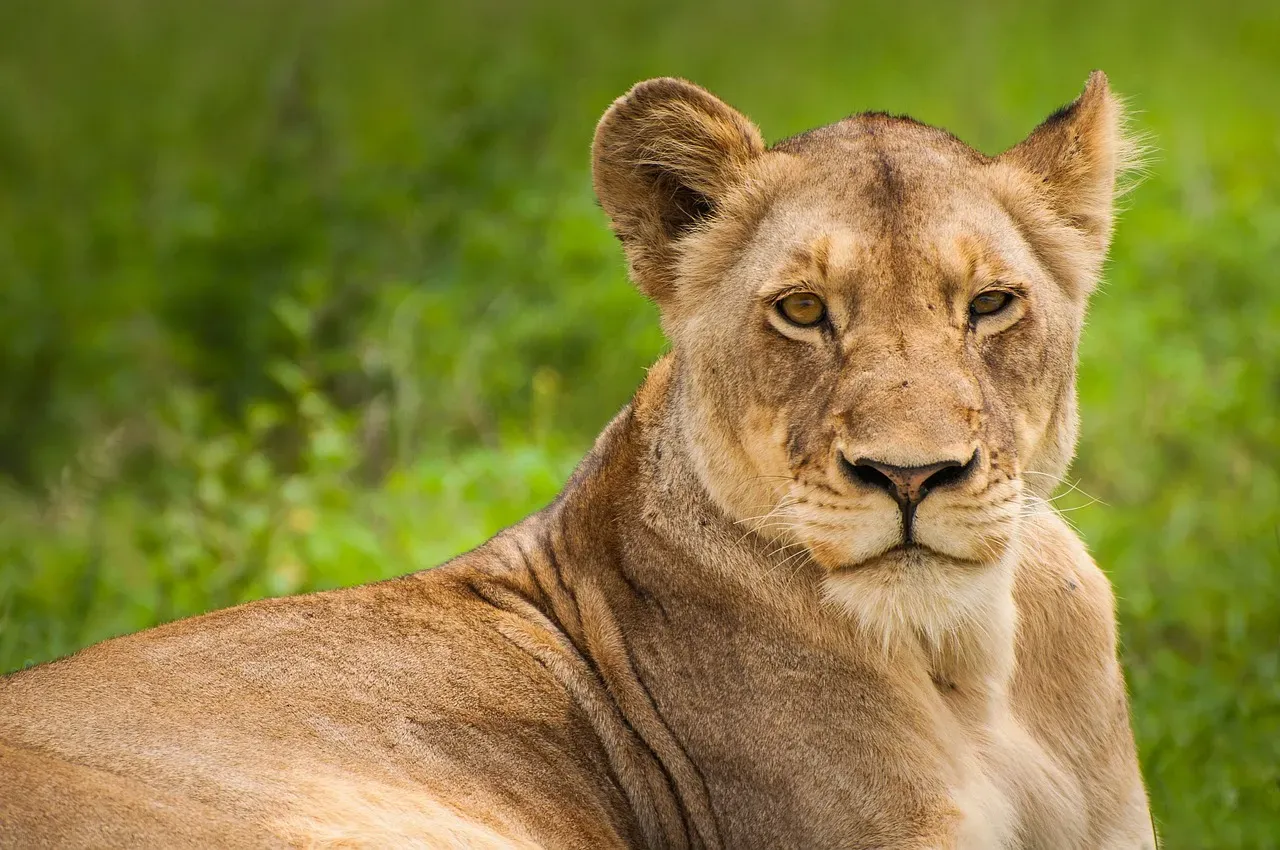
The researchers found consistent evidence of voice recognition across pilot and main studies involving 25 cats from various species, including lions, tigers, and cheetahs, with cats responding more quickly, intensely, and for longer durations to familiar voices compared to unfamiliar ones, regardless of the use of their names or rearing history. That last detail matters. It means the effect wasn't just about cats being hand raised from birth by a particular person.
Felines as ferocious as tigers, cougars, and cheetahs could tell people apart, and weren't afraid to pick favorites. The researchers were careful about their claims, though. The results do not allow for the conclusion that cats can discriminate among individual humans, they merely show that cats respond more strongly to the voices of familiar versus unfamiliar humans in general.
#4 The cheetah study that came first
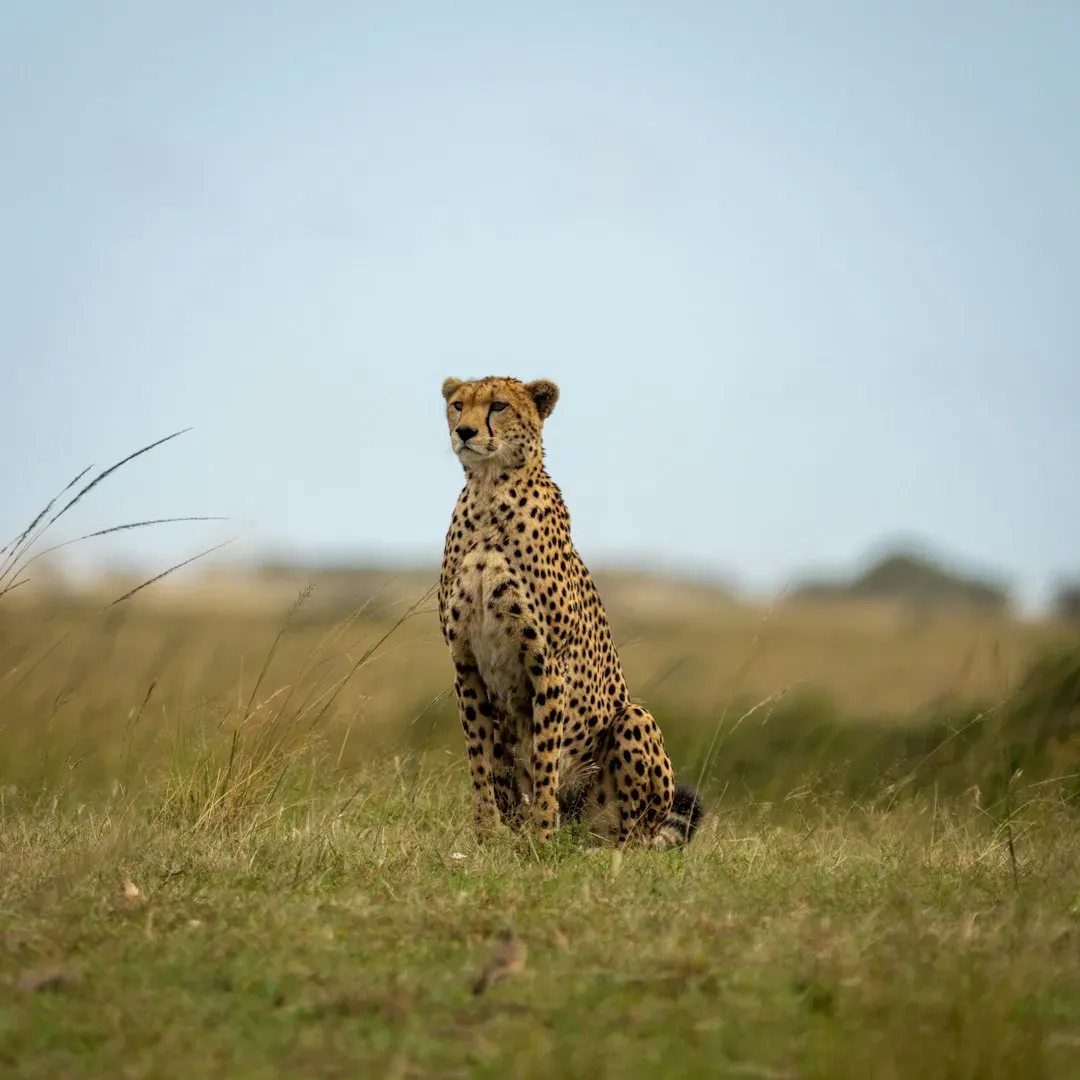
This wasn't the very first hint that wild cats might be listening more closely than anyone gave them credit for. An earlier study noted that the cheetah, a vocal and semi-social species often hand raised when captive, made a good candidate for studying the ability to perceive differences in human voices, using playback experiments to see whether cheetahs could distinguish between familiar caretakers and visitors, and finding that cheetahs showed higher visual attention and changed activity more often and faster when the voice was familiar. Eight hand raised male cheetahs took part, and their reactions were consistent enough to catch researchers' attention.
That study was described as the first evidence that wild felids are able to discriminate human voices and could support the idea that early experience and proximity to humans are at least as important as domestication when it comes to the ability to recognize humans. It planted the seed for the larger, multi species study that followed years later. Where the cheetah research answered a narrow question about one species, the Oakland University project asked whether the pattern held across the whole cat family.
Biscuit
Biscuit is looking at you hopefully.
#5 Why proximity seems to matter more than breeding
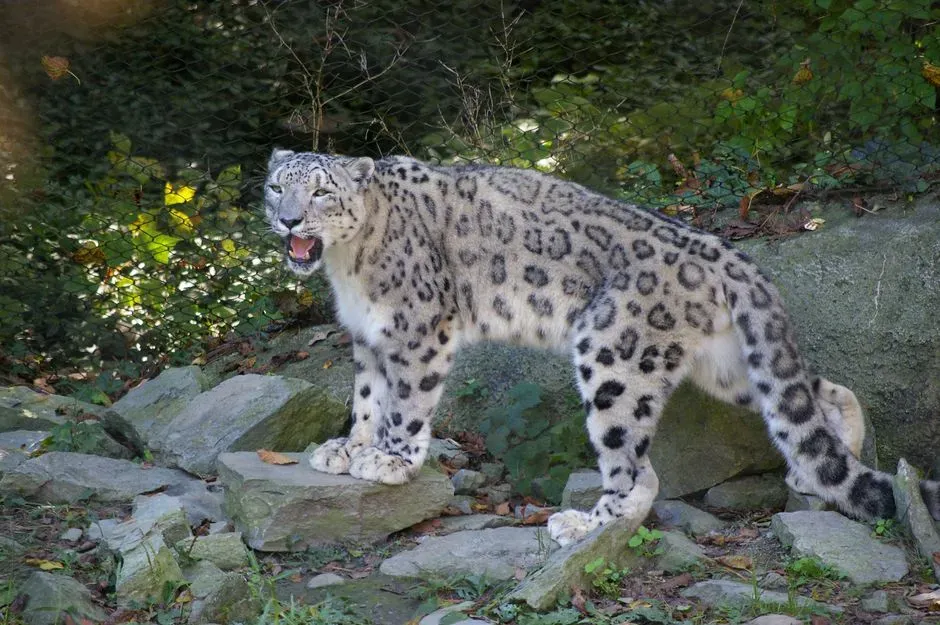
The findings suggest that close human contact, rather than domestication, is associated with the ability of cats to discriminate between human voices, and the research challenges the notion that less social species lack sociocognitive abilities comparable to more gregarious species. That's a meaningful shift in thinking. For years, the working theory was that thousands of years of selective breeding had wired dogs and domestic cats to pay special attention to human voices in a way that wild animals simply couldn't replicate.
This study contributes to the growing literature suggesting that adapting to a social lifestyle and human domestication are not the only important factors in predicting social cognitive abilities, even when considering the ability to read human communicative cues specifically. In other words, an animal doesn't need centuries of breeding history to pick up on who feeds it and who doesn't. It just needs enough repeated exposure to a person's voice, paired with something meaningful, usually food, to start forming a mental tag for that individual.
#6 What this means for how we think about animal minds
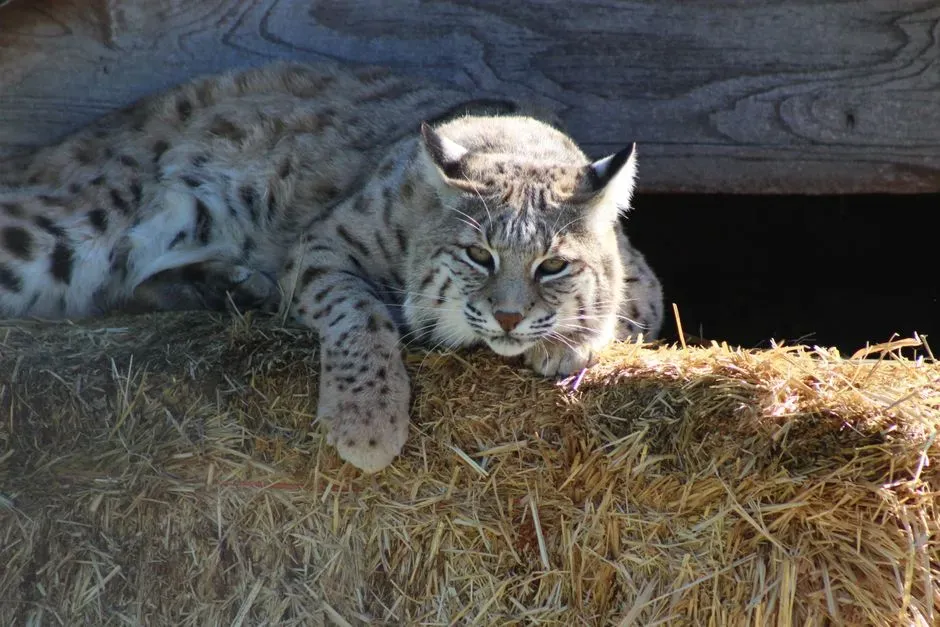
One of the study's co-authors suggested that these results might indicate the necessity for these animals in the wild to recognize their own offspring and be aware of others in their vicinity, and that this ability may also help them respond to warning calls from different species. That framing reorients the whole discussion. Voice recognition in captivity may simply be a side effect of a broader, older skill these animals evolved for reasons that have nothing to do with humans at all.
The lead researcher proposed that similar outcomes would likely be observed in wild cats generally, assuming they frequently heard the same human voices, noting that for the public, it's interesting to think that even non-domestic cats are registering who's looking after them, suggesting they may not be as aloof and indifferent as they sometimes have a reputation for. It's worth noting the researchers themselves flagged that more work is needed, particularly around whether cats can tell individual people apart or just react to general familiarity. Still, the direction of the evidence is fairly consistent across two separate research efforts, years apart, using different species and different methods.
Final Thoughts
What strikes me most about this research isn't the headline finding so much as what it quietly dismantles. We've built a lot of assumptions about animal cognition around domestication, treating it almost like a magic threshold that unlocks social awareness. This work suggests that threshold was never as solid as it seemed. A tiger pacing behind glass at a sanctuary and a cat curled up on someone's couch may be running the same basic cognitive software, just applied to very different lives.
None of this means wild cats are secretly ready to be pets, and the researchers are careful not to overstate what a favorable reaction to a familiar voice actually proves. But it does suggest that the line between wild and tame, at least when it comes to recognizing the humans who show up every day, is blurrier than most of us assumed.
- Animal Science Says Small Wild Cats Can Possess Hunting Adaptations Every Bit as Specialized as Those of Lions and Tigers
- Why Ocelots Can Live in Dense Cover So Close to Human Activity and Still Remain Almost Impossible to See
- Why Canada Lynx Can Move Across Deep Snow That Makes Hunting Difficult for Many Other Predators
- 6 Big Cat Species on the Brink — and What’s Being Done