Animal Science Says Small Wild Cats Can Possess Hunting Adaptations Every Bit as Specialized as Those of Lions and Tigers
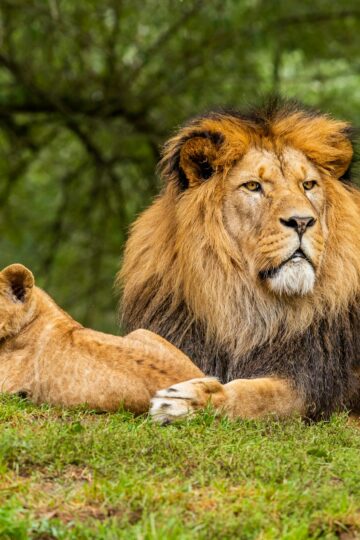
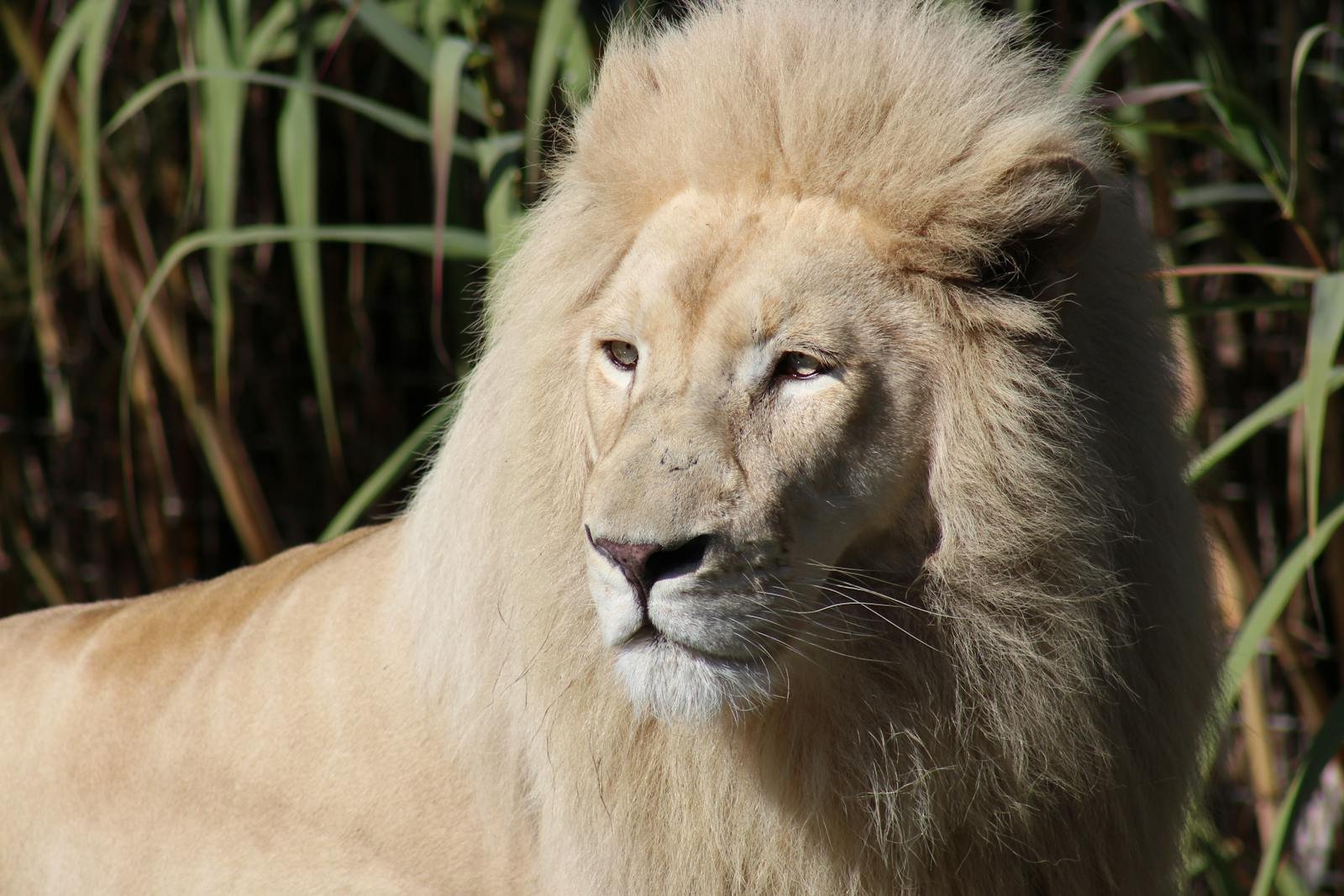
When most people picture a top predator, they think of a lion on the savanna or a tiger stalking through jungle shadows. Big, dramatic, and frankly a little terrifying. But science keeps pointing to a quieter truth: many of the world’s small wild cats are just as specialized, just as finely tuned, and in some cases even more extreme in their hunting adaptations than their famous big cousins.
Once you start looking beyond the zoo poster species, a strange shift happens. The “little” cats that most people have never heard of turn out to be ambush experts, high-speed insect snipers, or hyper‑precise bird hunters built almost like biological missiles. Let’s dig into how six groups of small wild cats quietly rival lions and tigers in the art and science of the hunt.
#1 The Black-Footed Cat: Tiny Body, Apex Predator Energy
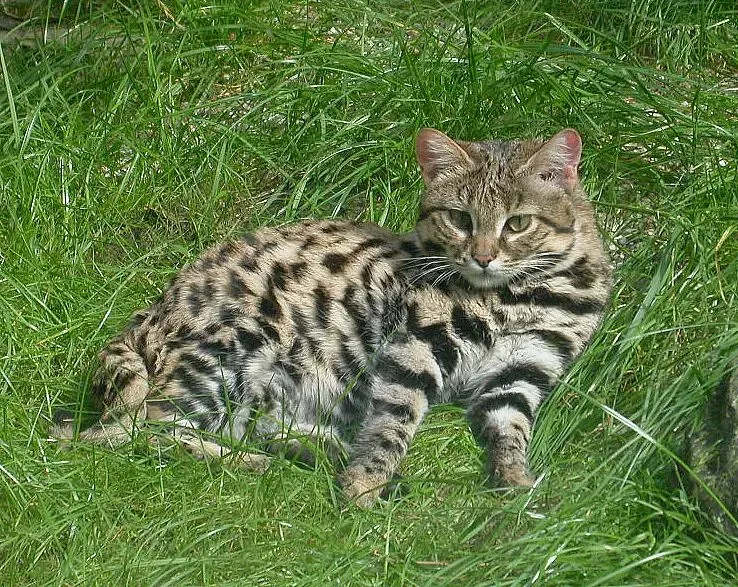
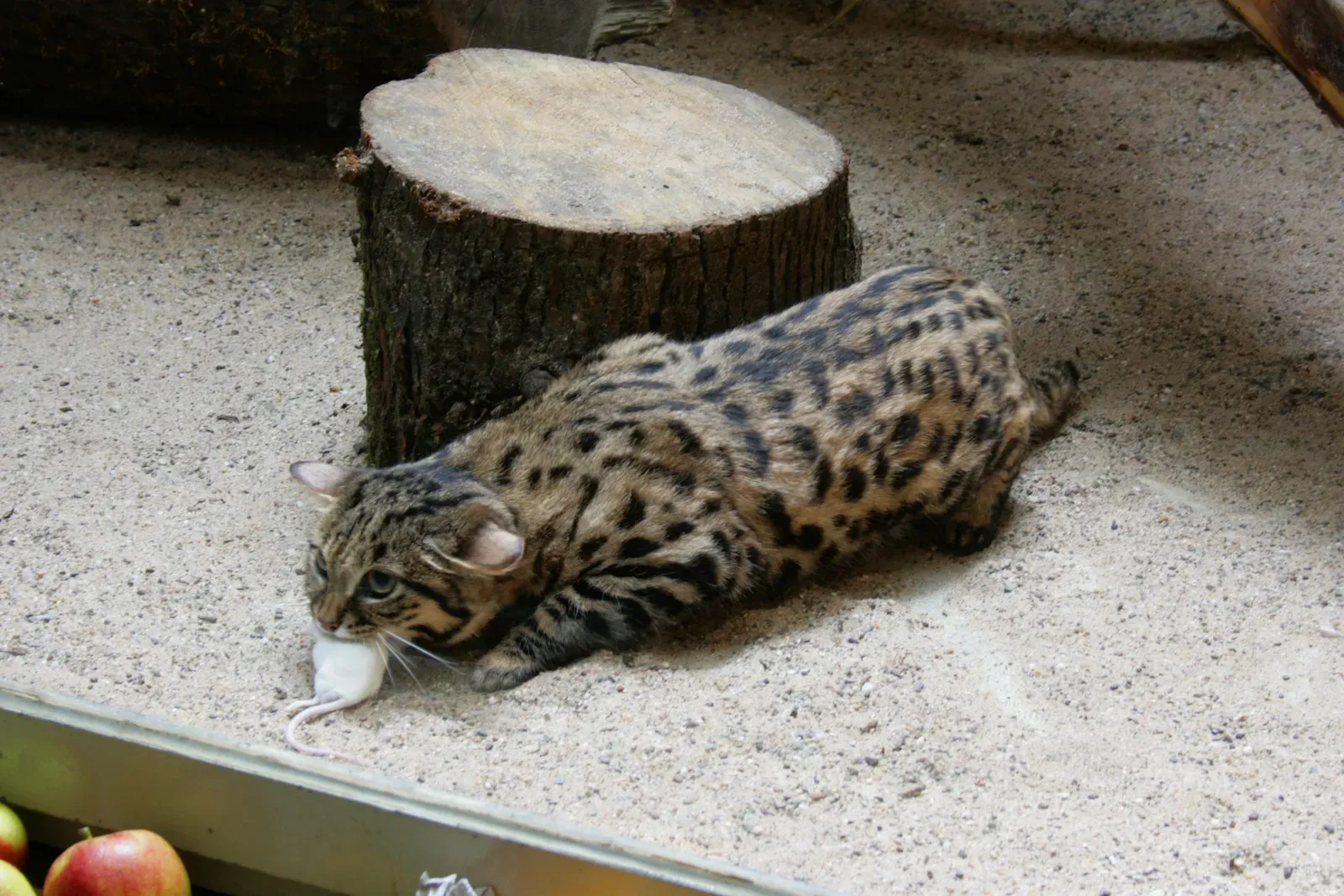
The black-footed cat of southern Africa looks almost absurdly harmless at first glance, about the size of a chunky house cat with soft markings and round eyes. Yet field studies show that this little predator has one of the most impressive hunting success rates ever recorded among cats, making multiple kills in a single night while traveling long distances across sparse grassland. It is sometimes described as the most lethal cat on Earth when you measure success relative to body size and attempt rate.
What makes this specialization so striking is the environment it lives in: open, dry landscapes with few places to hide and prey that is highly alert. To survive there, black-footed cats use a mix of hunting modes - slow, methodical stalking, quick pouncing, and even a kind of “fast walk and flush” technique where they keep moving to startle hidden animals. Lions get the headlines, but pound for pound this tiny hunter is running a far more aggressive and relentless schedule, proving that apex-level performance doesn’t need a huge frame.
#2 The Serval: Built Like a Biological Trampoline
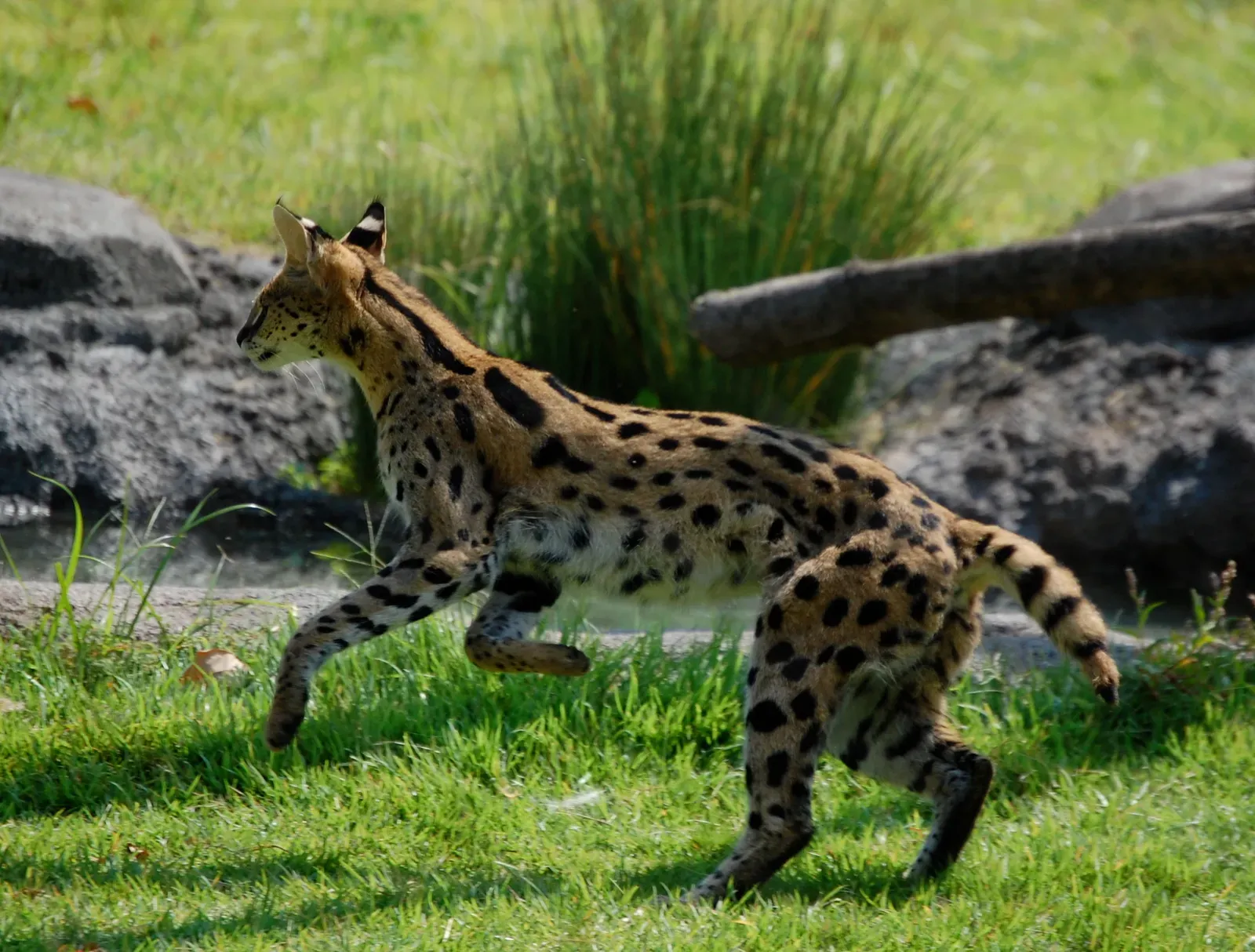
If lions are powerlifters, servals are high jumpers on caffeine. Long legs, oversized ears, and a lightweight frame give the serval in African wetlands and grasslands a look that almost seems exaggerated. Those long limbs are not just for show; they let the serval spot small animals in tall grass and launch vertical jumps that look almost cartoonish, sometimes leaping well above its own height to pin birds or rodents mid‑air or as they try to flee.
The ears are another specialty tool, tuned to pick up tiny rustles from rodents tunneling beneath the surface. Instead of relying on brute force like a lion, the serval’s entire hunting strategy is about precision, timing, and acrobatics. Watching one hunt feels more like watching a spring-loaded device than a traditional stalk-and-pounce cat. It is a reminder that specialization can mean maximizing agility and sensory input just as much as maximizing muscle mass.
#3 The Fishing Cat and Flat-Headed Cat: Aquatic Specialists in a Land-Mammal Family
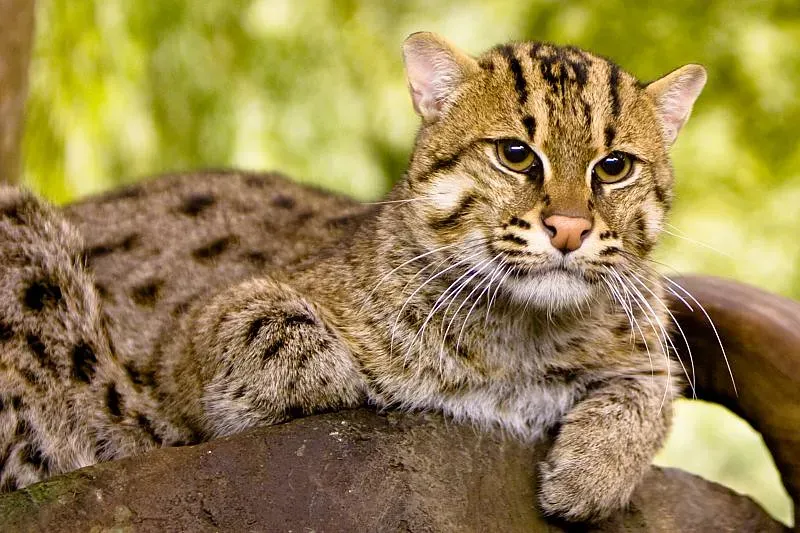
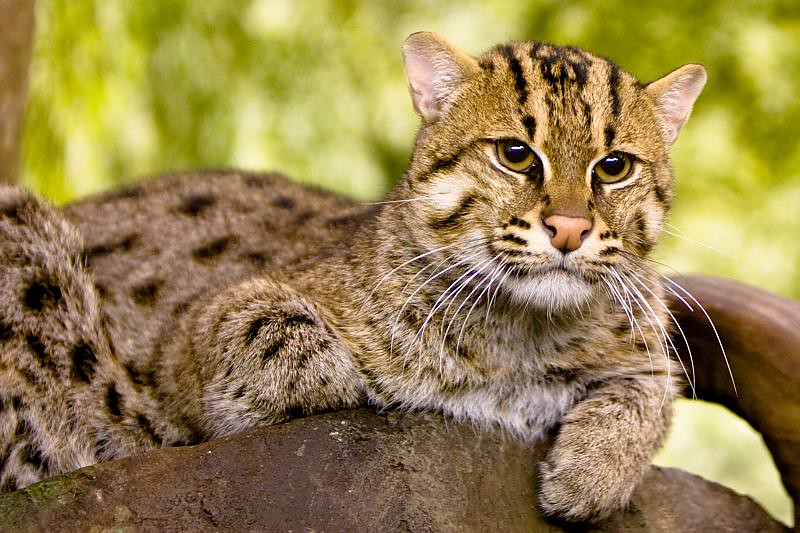
Lions and tigers will swim, and tigers in particular can be very comfortable in water, but some small wild cats have taken that connection with water to another level entirely. The fishing cat of South and Southeast Asia, for example, has semi‑webbed feet, water-repellent fur, and a stocky body that helps it move through marshes and along riverbanks with unusual confidence. Its entire hunting focus leans heavily toward fish and other aquatic prey, making it more comparable to an otter in lifestyle than to a typical land predator.
The closely related flat-headed cat is even more extreme, with a long, narrow head, forward-pointing eyes, and a jaw and tooth shape suited to gripping slippery fish. These species show that within the cat family, evolution has carved out a niche for true aquatic specialists on a much smaller scale than a tiger. They are quiet proof that small cats are not just “mini big cats,” but can be as highly adapted to their own watery worlds as tigers are to dense forests.
#4 Margays and Clouded Leopards: Branch-Walking and Arboreal Acrobatics
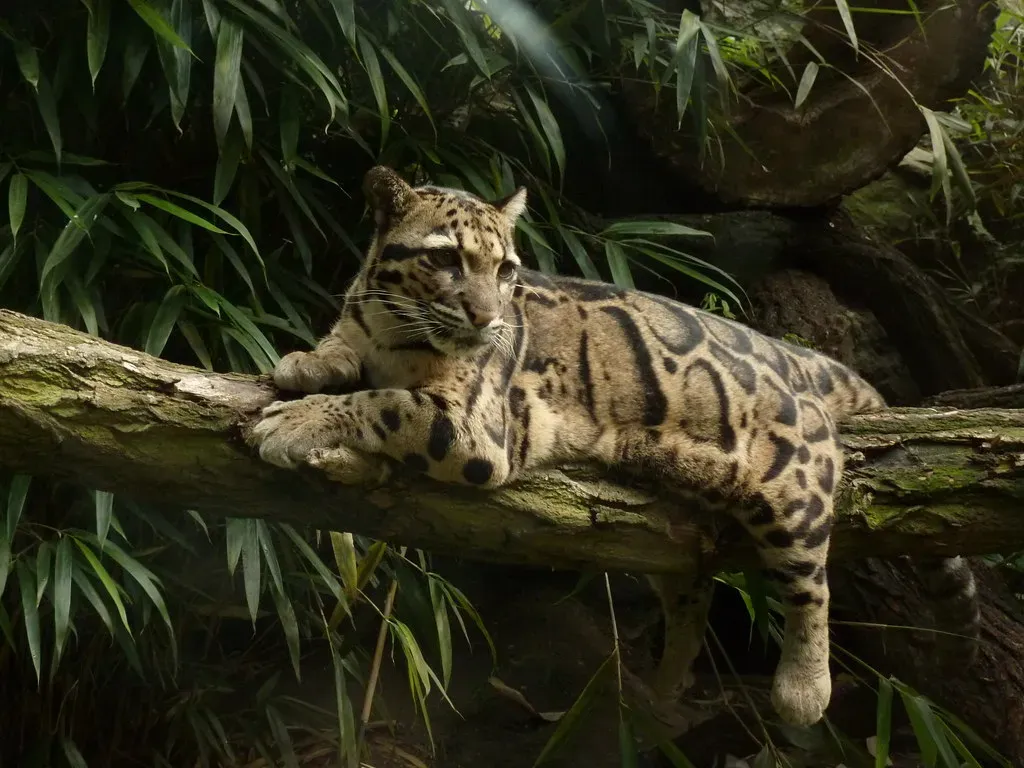
Not all specialization happens on the ground. Some small and medium-sized wild cats have turned the treetops into their personal hunting arenas, using bodies adapted almost like a mix of cat and squirrel. The margay of Central and South America has flexible ankles that can rotate more than those of most cats, allowing it to climb headfirst down trees and even hang by a single foot while maneuvering along branches. This unusual joint flexibility gives it access to prey that live in high forest layers, where a typical cat would struggle to balance or turn.
Clouded leopards, while technically not the smallest wild cats, sit in an interesting middle ground and share many of these arboreal skills, including strong, flexible limbs and a long tail acting as a balancing pole. Their specializations are so tuned to tree life that comparing them to lions is almost unfair to the lion: the big savanna cat simply is not built for those vertical gymnastics. Here, small and mid-sized forest cats clearly dominate, showing how niche hunting can stretch into three-dimensional space.
Personally, the first time I learned about margays climbing down trees like some kind of feline gecko, it completely rewired what I thought “catlike” meant. It made lions and tigers feel, in a strange way, a bit clumsy by comparison.
Biscuit
Biscuit is looking at you hopefully.
#5 Sand Cats and Pallas’s Cats: Masters of Extreme Environments
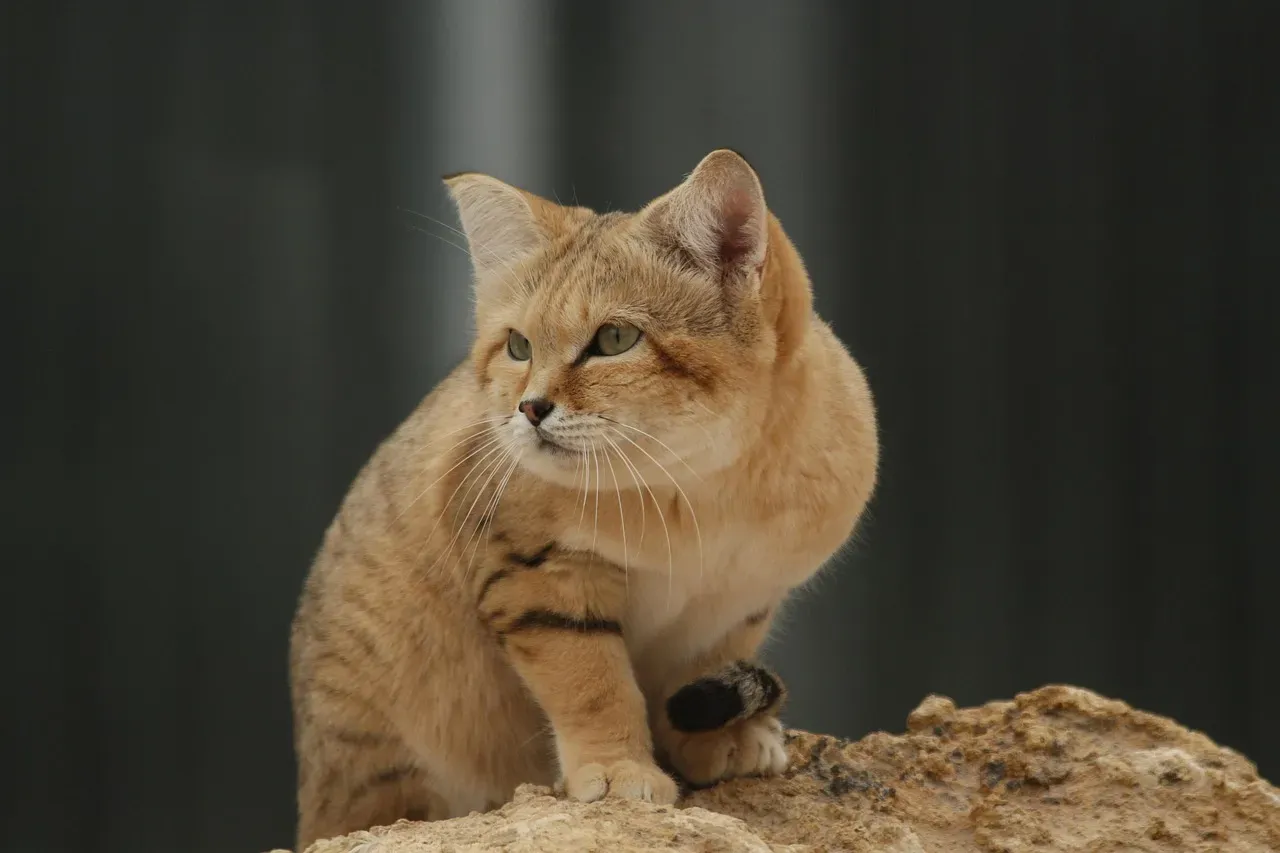
Some small wild cats showcase their specialization not in how they leap or swim, but in where they can survive and still hunt efficiently. The sand cat, found in deserts of North Africa and parts of Asia, is adapted to a world of scorching days, freezing nights, and shifting dunes. Thick fur on its paws protects its feet from hot sand and muffles its footsteps so it can creep toward unsuspecting rodents and lizards, while its low profile body and pale coat break up its outline in an open, hostile landscape.
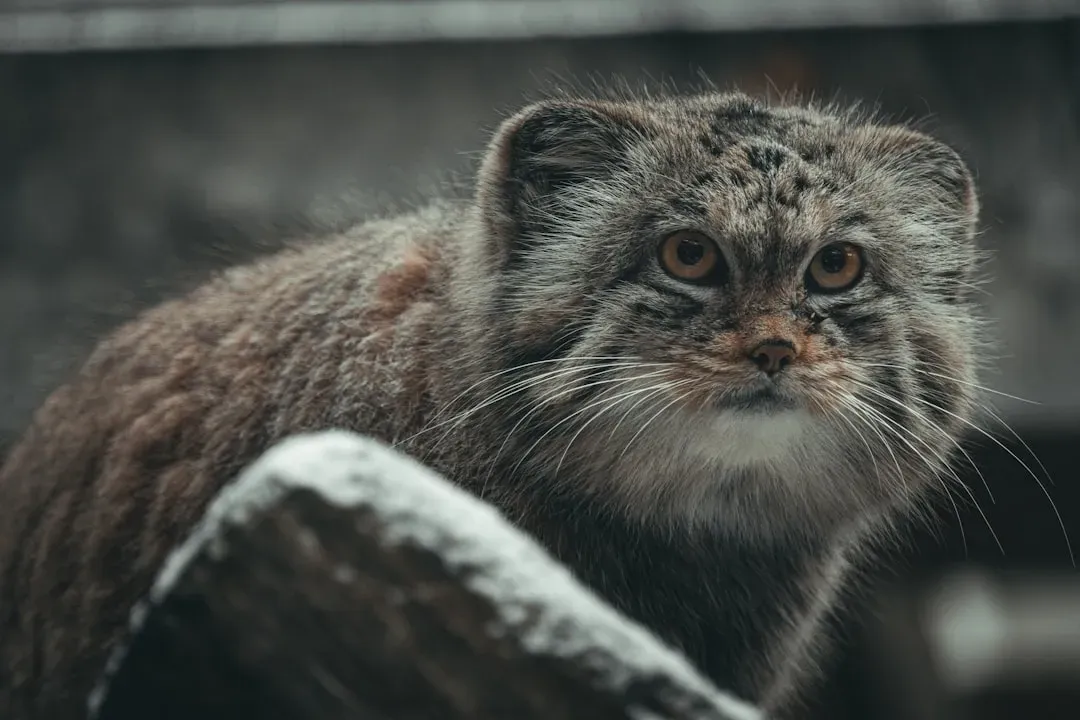
Pallas’s cats, living in cold, high-altitude grasslands and rocky steppes of Central Asia, have dense, fluffy coats and a compact build that conserve heat in brutal winters. Their faces look almost rounded, and their short legs make them appear slow, but that shape and fur thickness are built for ambush in cold, windy terrains where cover is sparse. These species highlight that specialization is not only about dramatic takedowns; it is about fine-tuned physiology and behavior that let them hunt effectively in places that would defeat most big cats long before the chase even starts.
#6 The Science of Scaling: Why Small Cats Can Be Just as Specialized as Big Ones
Underneath all these examples lies a deeper scientific point: the rules that govern body size, energy use, and prey choice do not favor big cats as inherently “better” hunters. Smaller cats usually target smaller prey, which means they can refine their senses, movements, and tactics around very specific behaviors - burrowing rodents, fast birds, insects, or fish. Their entire physiology, from limb proportions to whisker sensitivity, can end up as specialized for their niche as a tiger’s is for taking down large ungulates.
There is also an evolutionary storytelling problem: big, dramatic species attract attention, funding, and imagery, while small wild cats often remain obscure. That does not reflect a lack of specialization; it reflects a lack of familiarity. From a scientific perspective, the adaptations we see in black-footed cats, servals, fishing cats, margays, sand cats, and many others are every bit as impressive, just scaled to a different world of prey and habitats. The more biologists study these smaller felines, the harder it becomes to claim that lions and tigers are the undisputed stars of feline evolution.
Conclusion: Rethinking What a “Real” Predator Looks Like
It is tempting to judge predators by how intimidating they look to us, and by that measure lions and tigers will probably always win the public imagination. But when you zoom in on the science of specialization - how precisely an animal is adapted to its niche - the spotlight shifts toward small wild cats that most people could not name. Many of them are agile jumpers, aquatic hunters, treetop acrobats, or climate-hardiness champions that reveal just how flexible and inventive evolution can be at small scales.
My own opinion is that wildlife conversations are overdue for a reboot: the world is full of “invisible” predators whose stories are just as dramatic as the ones on park brochures, and maybe even more so. If we only celebrate the biggest and loudest, we miss the engineering marvels hiding in the shadows, under bushes, or beneath the desert moon. Next time you see a house cat staring intensely at something only it can hear, it might be channeling a long line of tiny specialists doing work as finely tuned as any lion’s hunt. When you think of a top predator now, will you still picture only the giants, or will a tiny black-footed cat slip into the frame too?
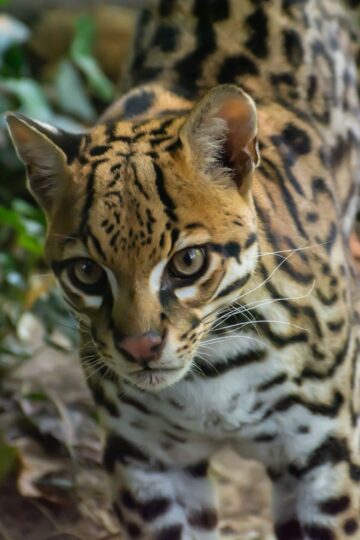
- Why Ocelots Can Live in Dense Cover So Close to Human Activity and Still Remain Almost Impossible to See
- Wild Cat Research Says Familiar Human Voices Can Be Recognized Even by Feline Species That Were Never Domesticated
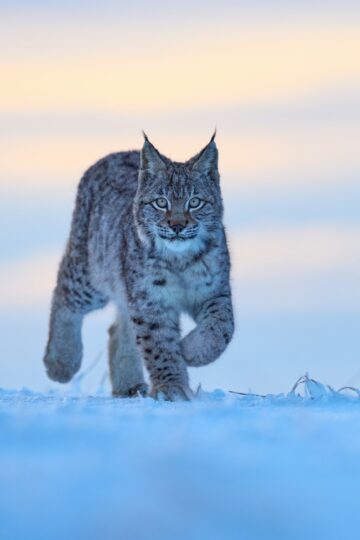
- Why Canada Lynx Can Move Across Deep Snow That Makes Hunting Difficult for Many Other Predators
- 6 Big Cat Species on the Brink — and What’s Being Done