Watch your cat crouch low behind the couch, eyes locked onto a toy mouse skidding across the floor. In a single fluid burst, it pounces, pins, and bites. The whole sequence takes less than two seconds. To most people, it looks like innocent fun. To a biologist, it’s something far older and more deliberate.
Your cat isn’t goofing around. Every stalk, every wiggle, every ambush is a rehearsal for something that predates your living room by thousands of years. Understanding that changes the way you see your cat entirely.
The Evolutionary Blueprint Behind Every Pounce
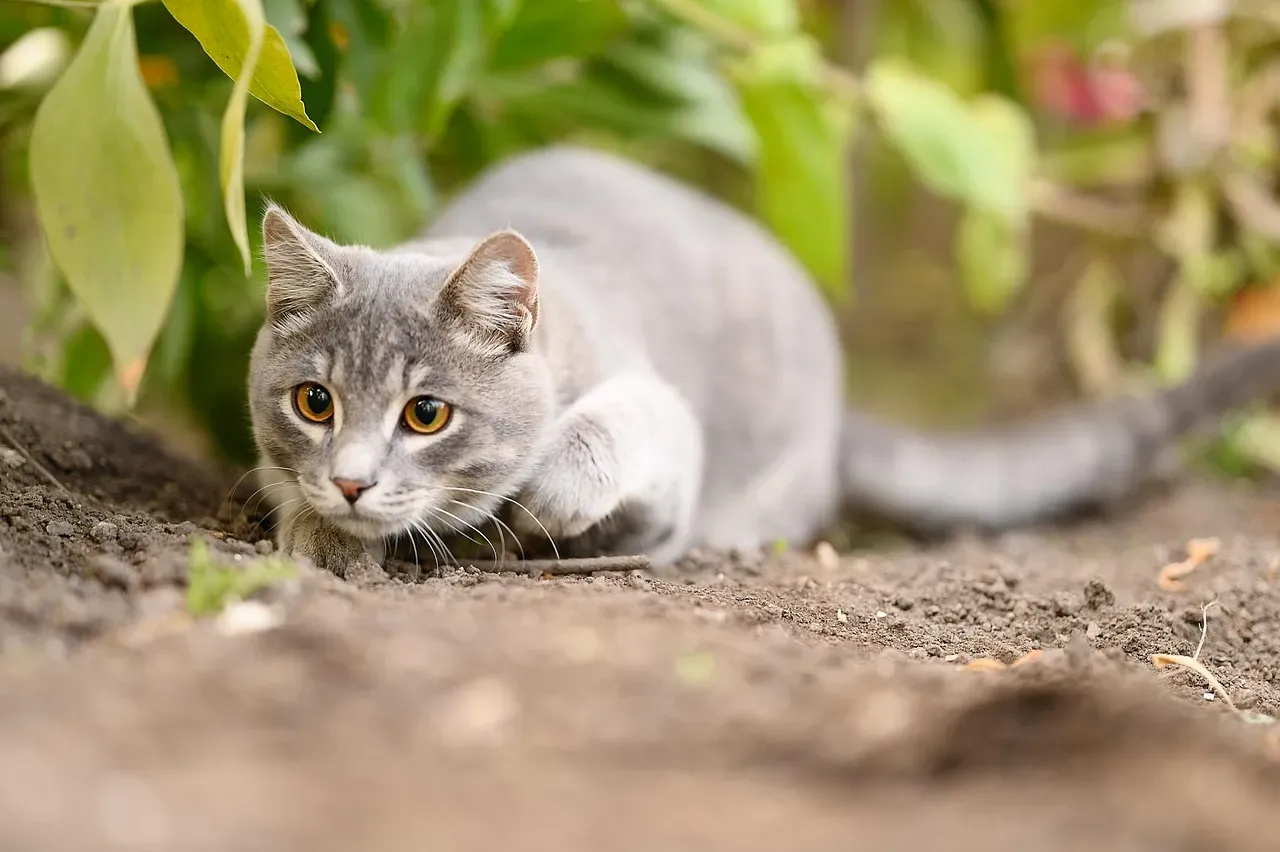
Your cat’s hunting behavior is deeply rooted in its evolutionary history, which has equipped it with the perfect combination of physical characteristics and brain structure to make it an expert predator. This isn’t something that faded with domestication. It’s baked into the blueprint of every single cat, pampered or feral.
Until quite recently, cats were mainly kept to control rodent populations rather than as pets, and during this time, only the best hunters survived and reproduced, meaning that today’s pet cats descended from the most adept hunters. That selective pressure shaped everything about them, from the shape of their pupils to the way they crouch before a pounce.
Play Begins Before the Eyes Fully Open
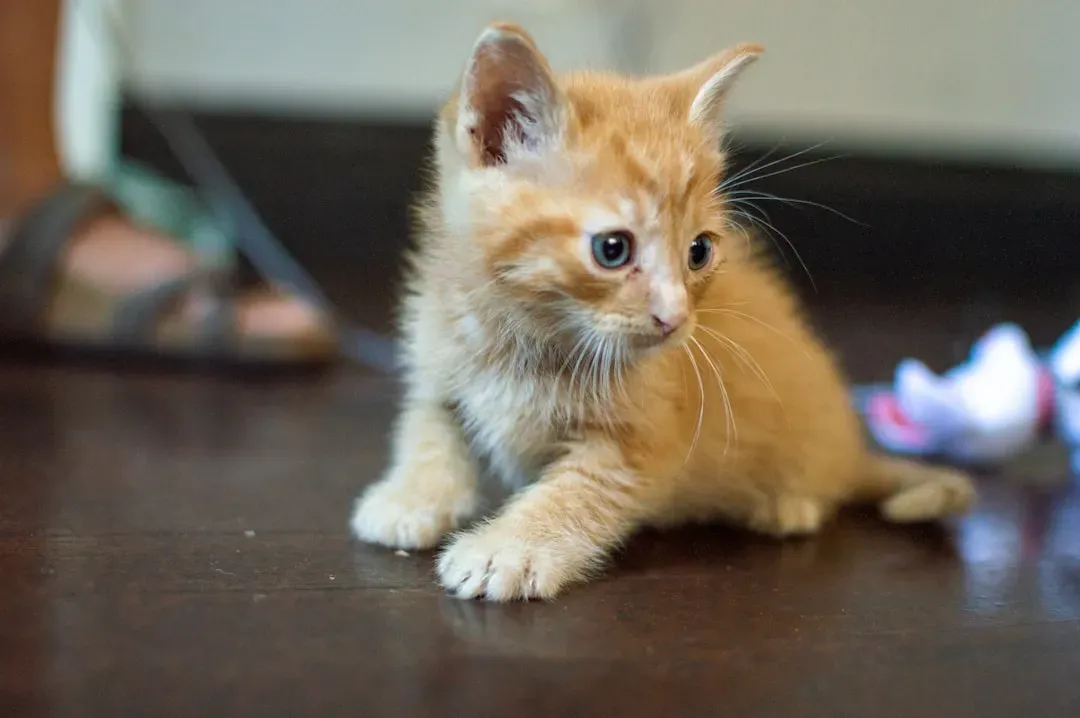
Kittens learn many skills they will need to survive as adults through play. Games that involve pouncing, batting, and chasing provide kittens with a safe way to practice their natural predatory behaviors and develop tricks to catch prey. This playful behavior is seen as early as 3 weeks of age. That’s a remarkably early start for behavior that looks, on the surface, purely recreational.
Kittens are programmed from birth to chase. Through play, they develop the coordination and timing needed to successfully capture their target. They learn to adjust their speed to the speed of moving objects. They learn to gauge distance by pouncing. Play gives the kitten a chance to learn to make judgments by experience. In other words, the toy is a classroom, not just a toy.
What Your Cat Is Actually Doing When It “Plays”
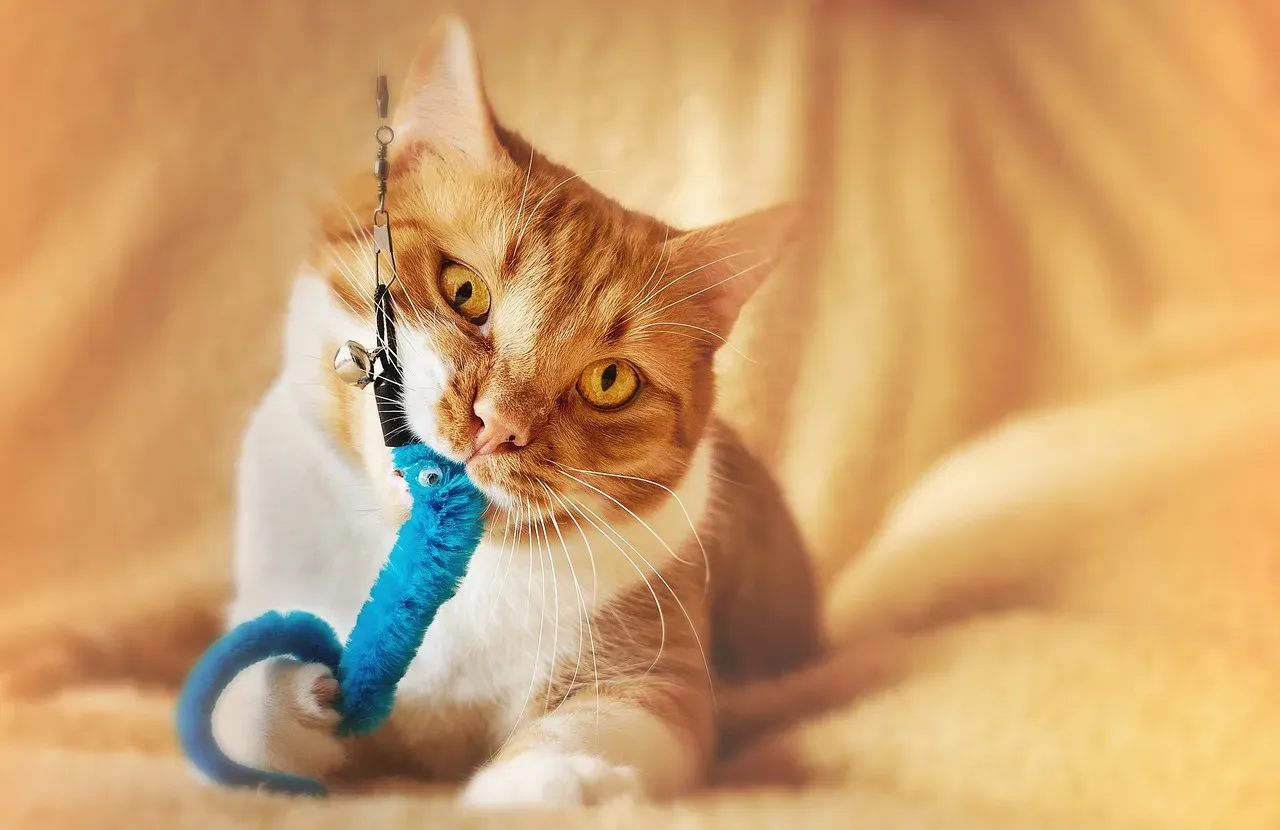
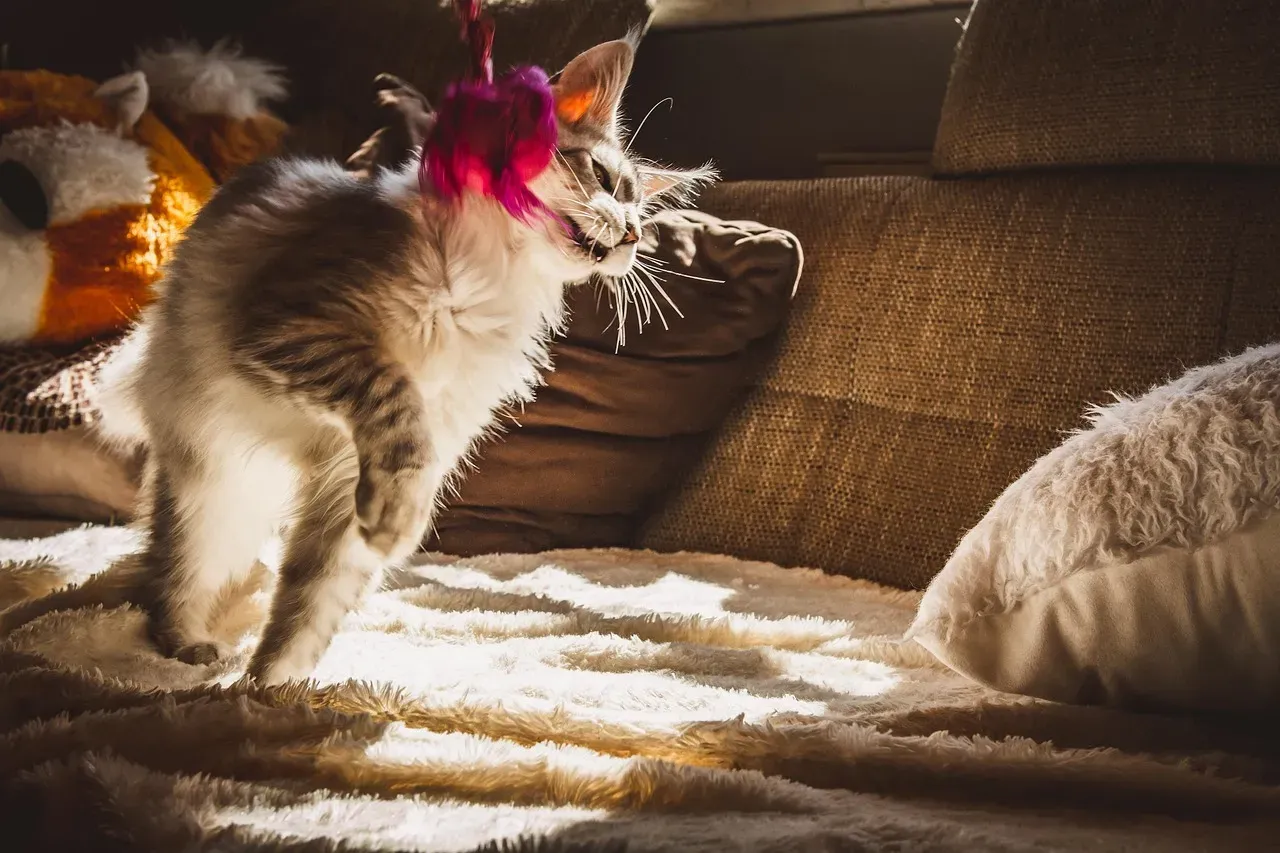
Toys become stand-ins for prey, allowing cats to practice their hunting sequence, which goes: locate, stalk, chase, pounce, and kill. When you observe them sitting on a toy or performing that curious wiggle, you’re often witnessing a direct echo of these ancient, hardwired instincts playing out in a domesticated setting. It’s a full sequence, not a random collection of cute movements.
Interestingly, what humans perceive as cats “playing” is them practicing their hunting. When cats play, they are actually training their hunting skills. Playing helps them to strengthen their muscles, tendons, and bones, which is essential for catching prey in nature. The physical conditioning happening during a twenty-minute play session is no different from what wild cats use to stay alive.
The Stalking and Ambush Strategy Is Hardwired
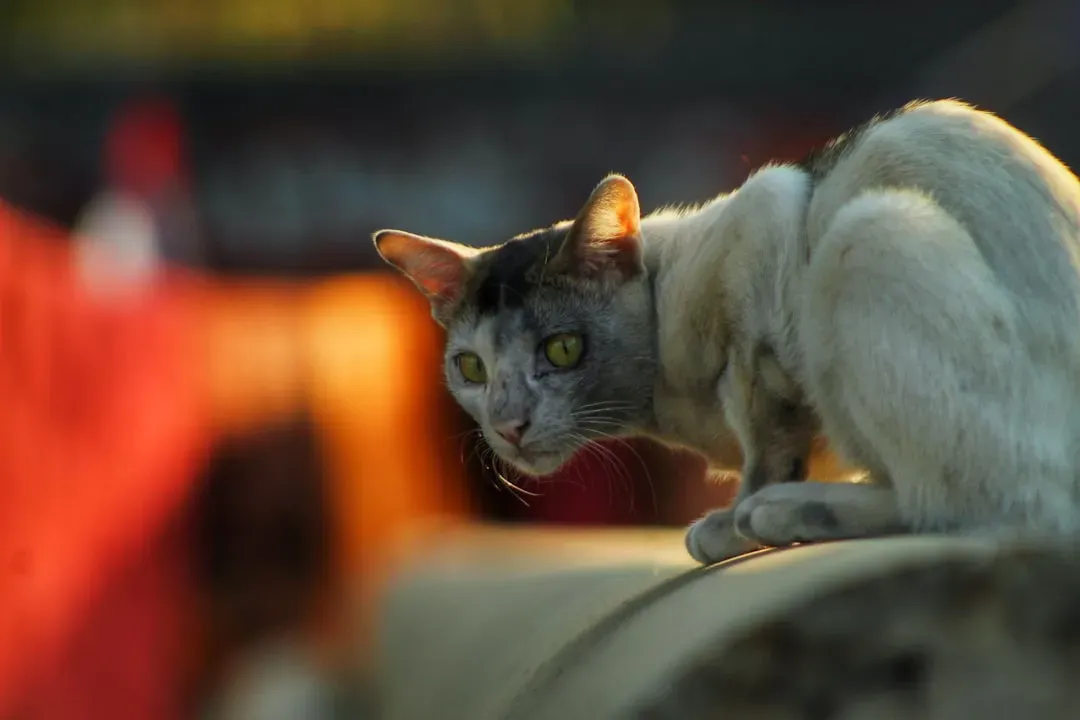
Feline hunters are notorious for their patience and stealth, often stalking their prey for hours before striking. They use cover and concealment to get close to their target, employing tactics like pouncing and ambushing to catch their prey off guard. You see the same thing when your indoor cat flattens against the hallway floor before exploding at your ankle.
When a cat finds its target, it lowers its body, almost hugging the ground, and slowly inches toward its target. This stealthy leopard crawl move helps the hunter avoid detection, blending in with surroundings. Cats are known as stalk-and-rush hunters, meaning that they sneak up on their prey and pounce at an opportune moment. That single behavioral pattern has remained essentially unchanged for millennia.
A Body Designed for the Hunt
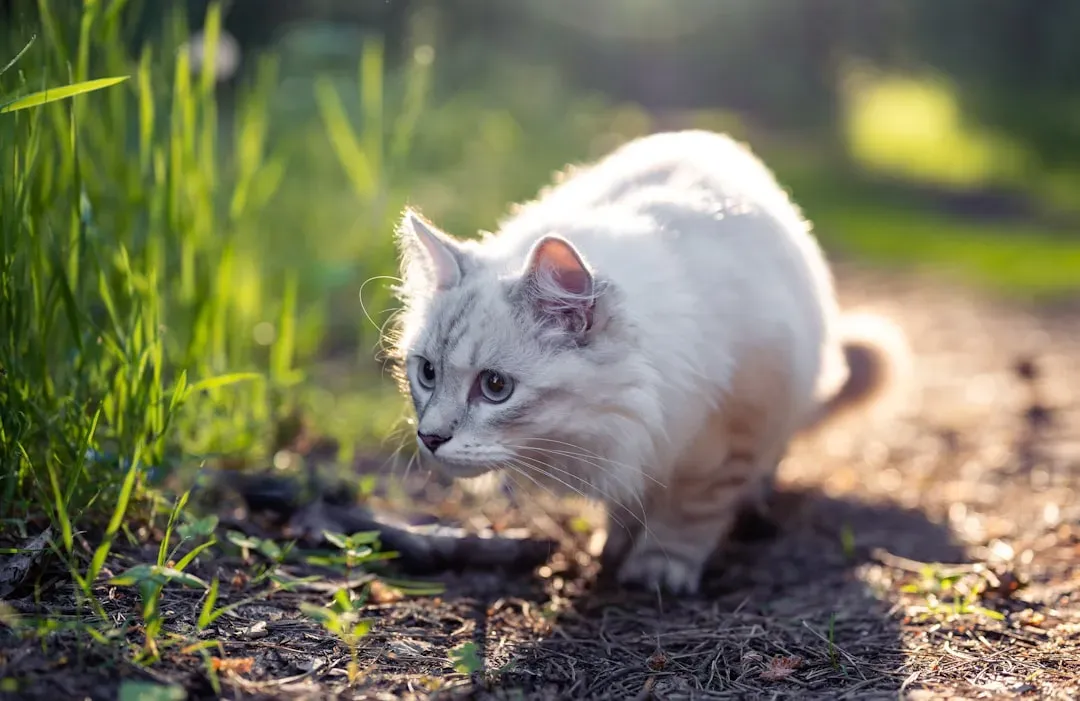
Cats can detect frequencies up to 64,000 Hz and discern subtle sounds like rustling or ultrasonic calls. A reflective tapetum lucidum boosts their low-light vision by six times that of humans, matched with improved depth perception. These aren’t coincidental traits. Every sensory advantage serves one purpose: finding and reaching prey before it disappears.
Cats have soft paw pads and retractable claws, allowing them to approach their prey unnoticed. A supple spine enables twists, midair corrections, and tight turns. Strong hind legs let them leap up to six times their body length. Sensitive whiskers detect air currents and spatial constraints, helping them feel their prey better. The whole body is engineered around the act of hunting.
The Role of Mothers in Teaching the Hunt
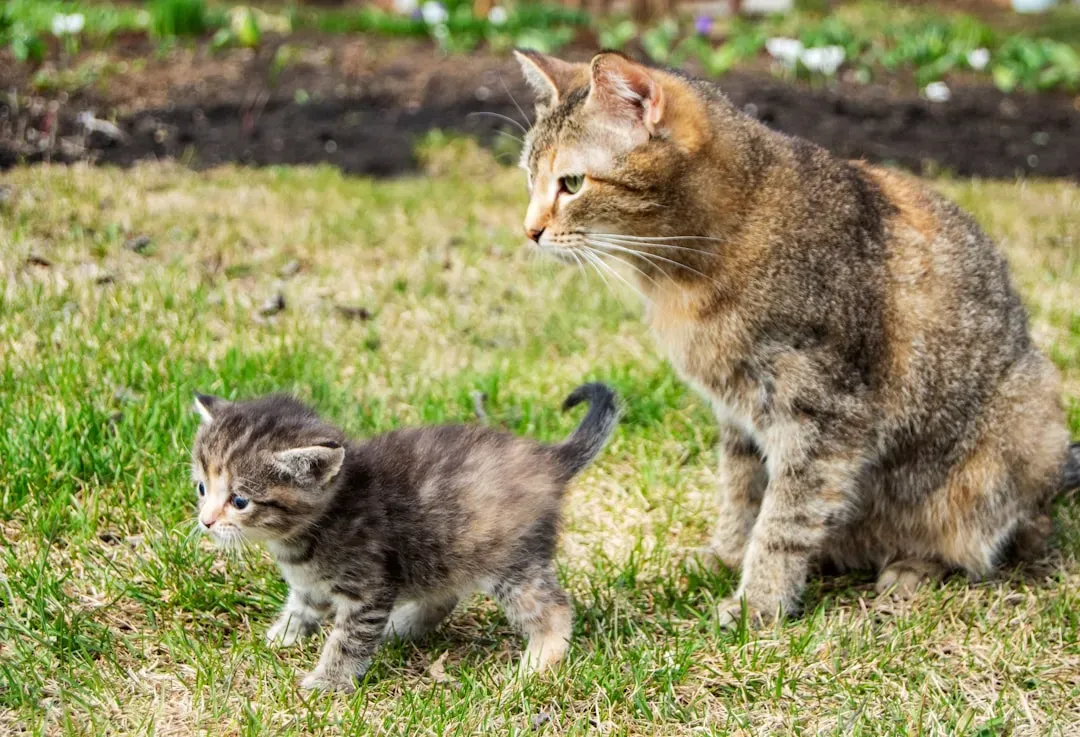
A mother cat often demonstrates hunting behaviors such as stalking, pouncing, and catching prey, and through observation, kittens get a first-hand lesson in the art of the hunt. A kitten pouncing on a ball of yarn is undoubtedly cute to watch, but this play is actually an essential part of the little one’s hunting education. Through play, kittens can practice the physical actions and strategies they’ll use in real hunting situations but without the risk.
Studies have shown that kittens who had the opportunity to observe their mothers hunt become better hunters than kittens who didn’t. Even so, most kittens who never see their mothers hunt can still instinctually figure it out on their own. The instinct is robust enough to exist without a teacher, though the quality of the skill sharpens considerably with one.
Why Well-Fed Cats Still Hunt and Play With Intensity
The desire to hunt is not governed by hormones and therefore does not diminish after neutering. The importance of hunting even to a cat that is fed becomes easy to understand once you take a closer look at its anatomy and sensory organs. Even if cats that are fed hunt less than those who have to hunt to survive, the feeling of being full and well fed does not cause a cat to give up hunting altogether.
Feeding your cat will have some effect on its hunting behavior, but because hunting is not entirely motivated by hunger, providing your cat with greater amounts of food won’t reduce its desire to hunt, and instead risks the cat overeating and gaining weight. This is one of the most common misconceptions cat owners hold, and one of the most important to correct.
Indoor Cats and the Intensity of Instinct Deprived of Outlet
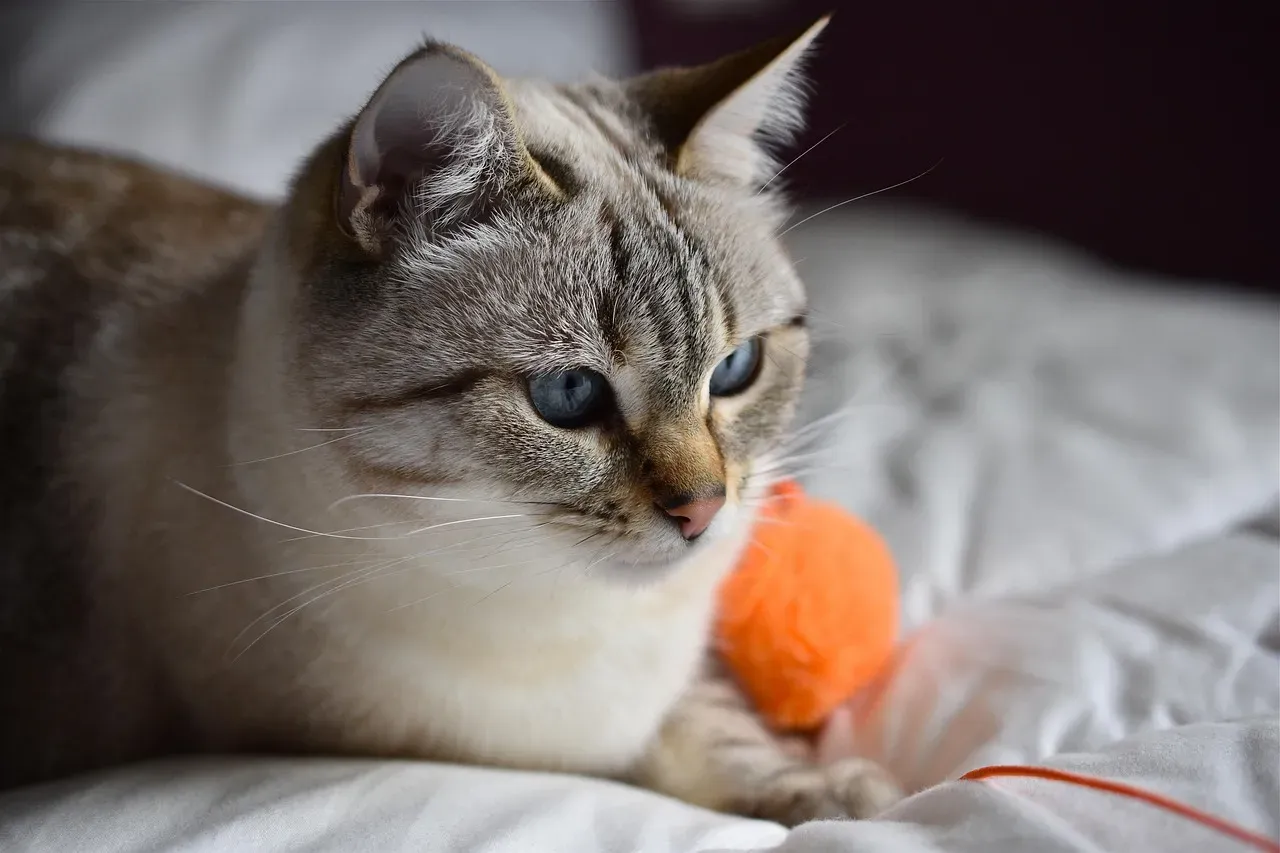
Indoor-only cats were more interested in artificial stimuli that showed resemblance to prey, even though these cats had been completely deprived of experience with live prey. There are various theories that can explain these findings, including higher play drive because of the lack of stimulation, less refined prey recognition, or reduced fear due to lack of experience in the indoor-only cats.
This type of play is essential for pet cats, as they don’t have many opportunities to hunt naturally, which may cause behaviors like biting, pouncing on your feet, or being destructive. Indoor cats may not have the opportunity to engage in natural hunting behaviors, which can lead to boredom, frustration, and behavioral issues. The instinct doesn’t disappear just because you’ve removed the forest. It redirects.
How You Can Satisfy the Ancient Hunter in Your Home
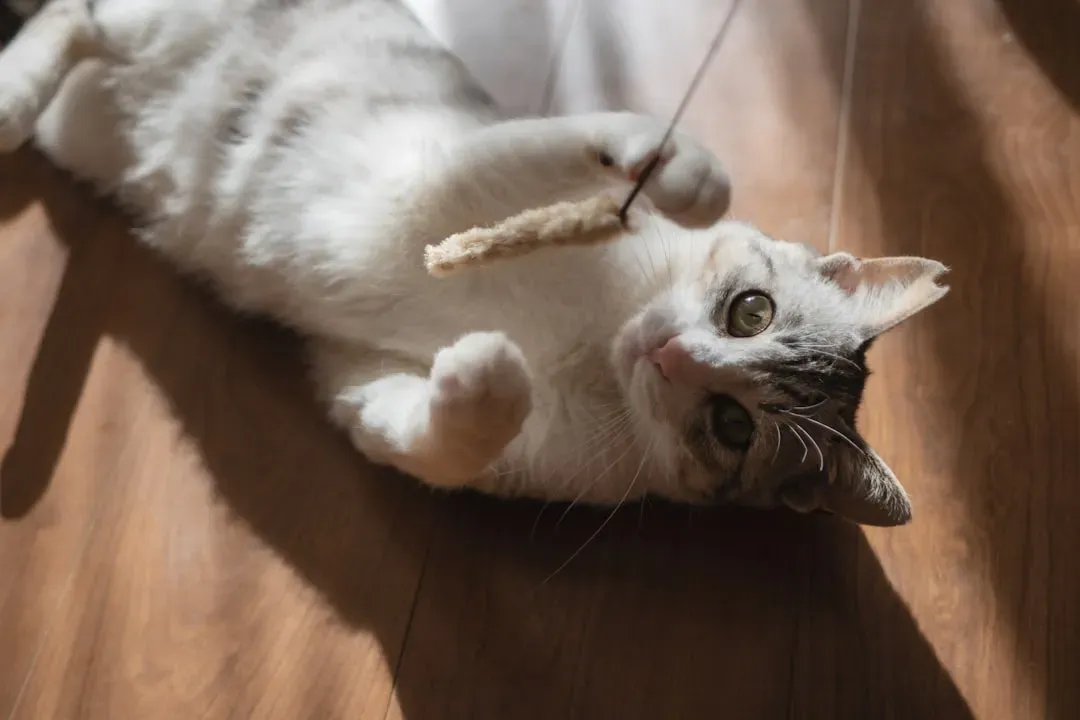
Short, frequent play sessions most closely resemble a cat’s natural predatory pattern. Choose toys that look and feel like natural prey to increase engagement. Toys on a fishing rod are often the most effective at encouraging your cat to hunt and play. These allow your cat to stalk, chase, and pounce, just like during a real hunt. Even a ten-minute session twice a day makes a real difference.
Mentally, hunting engages a cat’s natural instinct and provides mental stimulation. It allows them to fulfill their natural predatory behavior, which can be highly satisfying for them. Hunting also helps alleviate boredom and reduces stress, contributing to a cat’s overall well-being. Interactive toys and puzzle feeders can redirect these instincts in a constructive way. A domestic cat’s need to hunt can be safely satisfied by using toys that simulate prey, such as wand toys with feathers or laser pointers, allowing cats to stalk and pounce in a controlled environment.
Conclusion
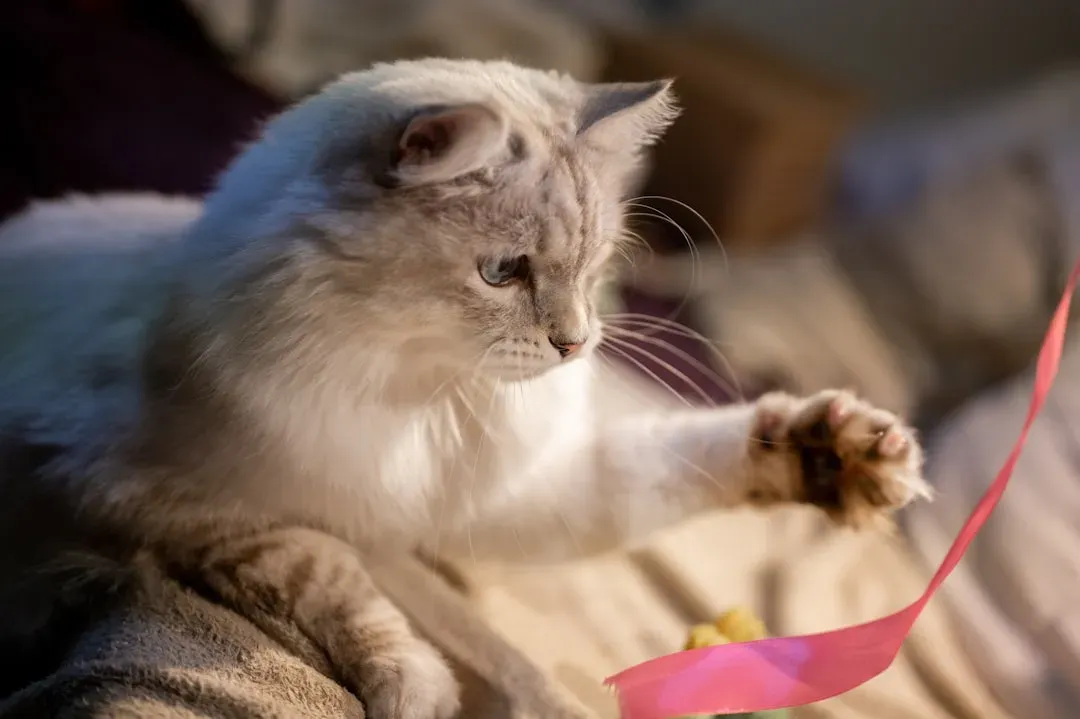
There’s something quietly remarkable about watching a house cat stalk a feather toy with the same focused stillness that big cats use on the savanna. The scale is different. The stakes are not. Your cat isn’t playing pretend. It’s keeping a set of skills alive that evolved across tens of thousands of years, skills that defined whether its ancestors survived or starved.
When you wave that feather wand or slide a toy mouse across the floor, you’re not just entertaining your pet. You’re giving an ancient predator the chance to be exactly what it was designed to be. That’s worth making time for.