Most cat owners have had the same moment: you’re sitting quietly, your cat walks in, and out comes a sound that seems, well, oddly insistent. Your first instinct is to label it as demanding. The second instinct is to respond immediately – and that’s precisely the point.
What looks like vocal noise is actually the product of thousands of years of behavioral refinement. Your cat isn’t being rude. It’s being remarkably effective.
The Meow Was Designed for You, Not Other Cats
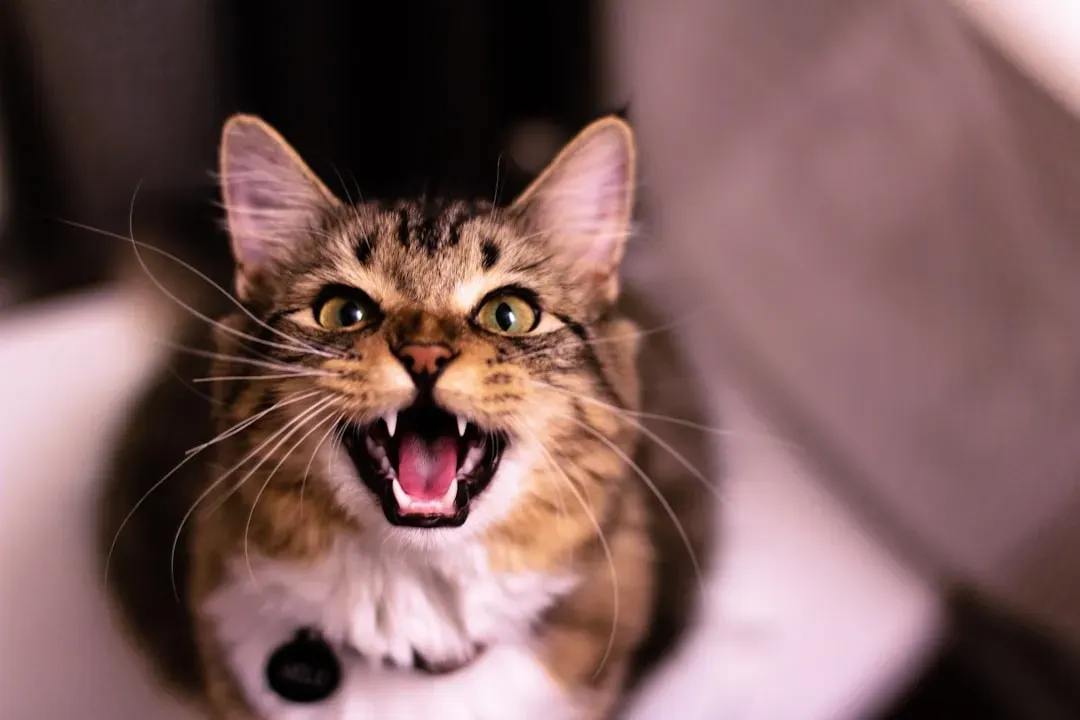
One of the most striking facts about cat communication is how targeted it really is. Studies have shown that domestic cats tend to meow much more than feral cats, and they rarely meow to communicate with fellow cats or other animals. In other words, the meow is essentially a tool built for human ears.
Kittens sometimes use a “mew” to call for their mother, but generally, “meows” are reserved for talking to humans. This isn’t accidental. It reflects a gradual shift in how your cat has learned to navigate the world it actually lives in, one dominated by you.
Thousands of Years of Vocal Evolution

Cats probably first encountered humans roughly 10,000 years ago, when people began establishing permanent settlements. These settlements attracted rodents, which in turn drew cats looking for prey. The less fearful and more adaptable cats thrived, benefiting from a consistent food supply. Over time, these cats developed closer bonds with humans.
Unlike dogs, which were bred by humans for specific traits, cats essentially domesticated themselves. Those that could tolerate and communicate with humans had a survival advantage, leading to a population well-suited to living alongside people. The meow, in that light, isn’t a demand – it’s a survival strategy that worked so well it became permanent.
Your Cat Has More Than One Meow
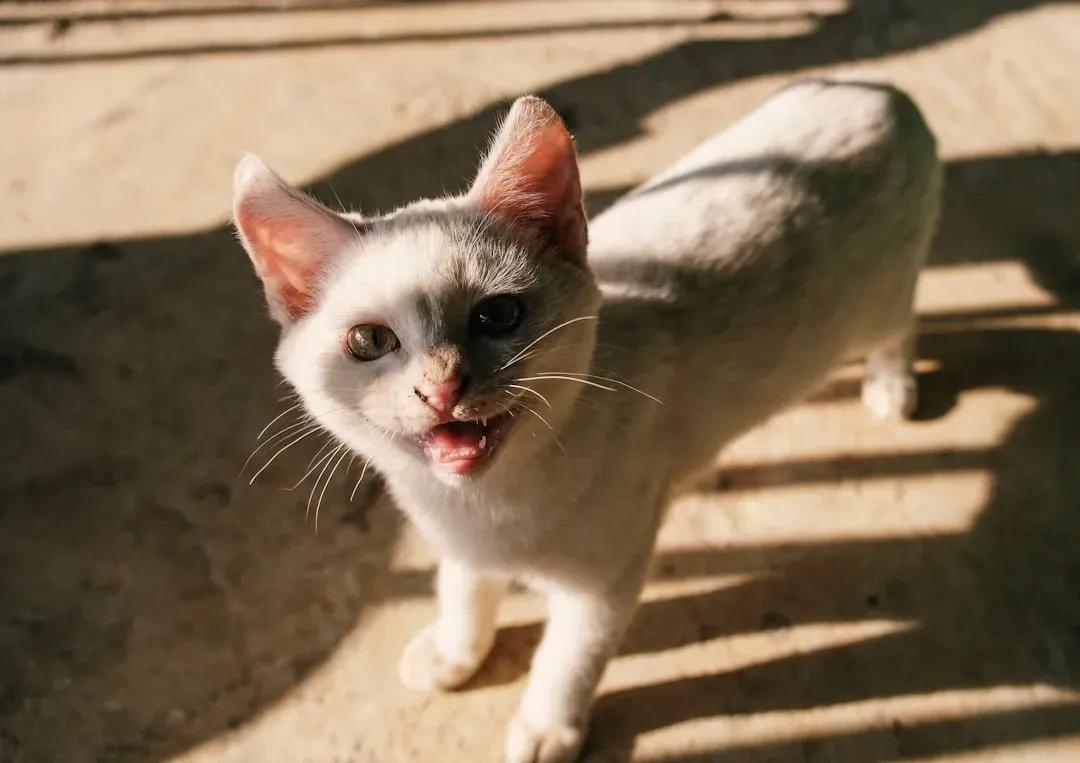
A meow can be assertive, plaintive, friendly, bold, welcoming, attention-soliciting, demanding, or complaining. It can even be silent, where the cat opens its mouth but does not produce any sound. That silent “meow” confuses a lot of people – and yet it’s just as intentional as the loud ones.
Back in 1944, Mildred Moelk published the first phonetic study of cat sounds and classified 16 different vocal patterns into three main classes: sounds produced with the mouth closed like purring and trilling, sounds produced when the mouth is first opened and then gradually closed like meowing and howling, and sounds produced with the mouth held tensely open like growls, snarls, hisses, and chattering. The science has only deepened since then, with more recent work suggesting the repertoire may be even richer than early researchers realized.
The Science of Urgency – Pitch, Length, and What You Actually Hear

A Cornell University evolutionary psychology study analyzing people’s reactions to feline vocalizations shows that cats know how to get what they want. More specifically, the acoustic qualities of each meow carry real emotional information that humans pick up on, often without even realizing it.
Researchers found a clear negative relationship between pleasantness and urgency, rooted in how the calls sounded. The sounds rated as more urgent – or less pleasant – were longer. So when your cat’s meow stretches out and rises in pitch, your discomfort with that sound is not just a personal quirk. It’s a response that was engineered, in a sense, over millennia.
The Hidden Cry Inside the Purr
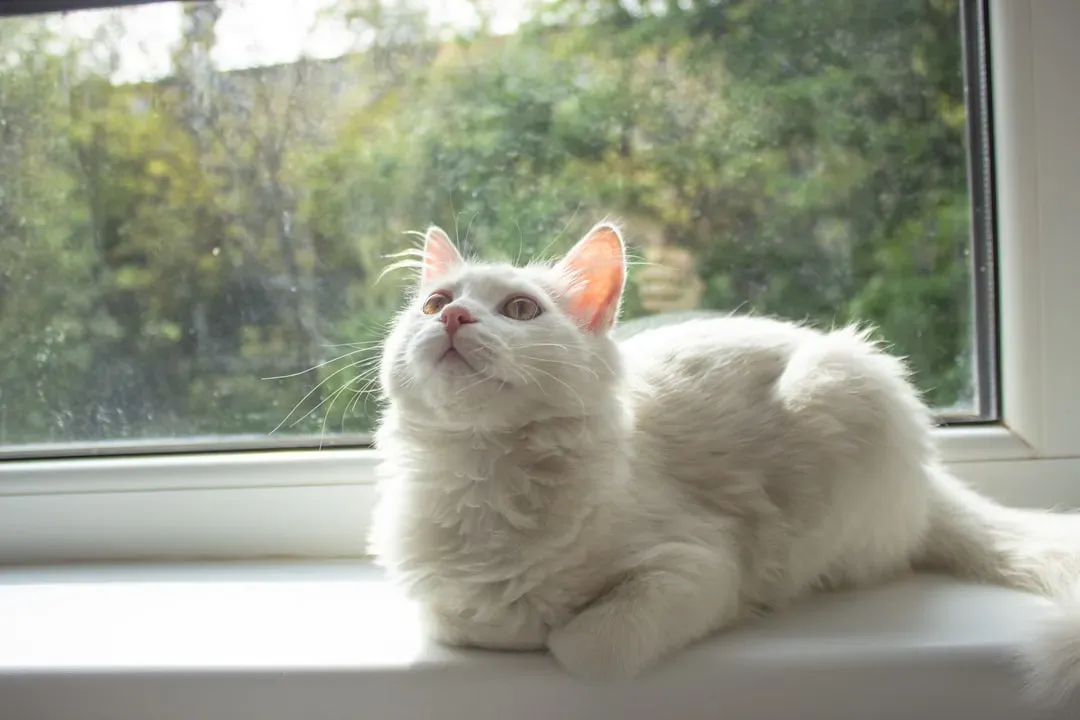
The meow gets most of the attention, but your cat’s purr is equally sophisticated. Domestic cats make subtle use of one of their most characteristic vocalizations, purring, to solicit food from their human hosts, apparently exploiting sensory biases that humans have for providing care. This finding, published in peer-reviewed research, changed how scientists think about feline sound.
When humans were played purrs recorded while cats were actively seeking food at equal amplitude to purrs recorded in non-solicitation contexts, even individuals with no experience of owning cats judged the “solicitation” purrs to be more urgent and less pleasant. Embedded within the naturally low-pitched purr, researchers found a high frequency voiced component, reminiscent of a cry or meow, that was crucial in determining urgency and pleasantness ratings. The frequency of this hidden signal is remarkably close to that of a human infant crying, which helps explain why it’s so difficult to ignore.
Your Cat Adjusts Its Volume Based on Who You Are
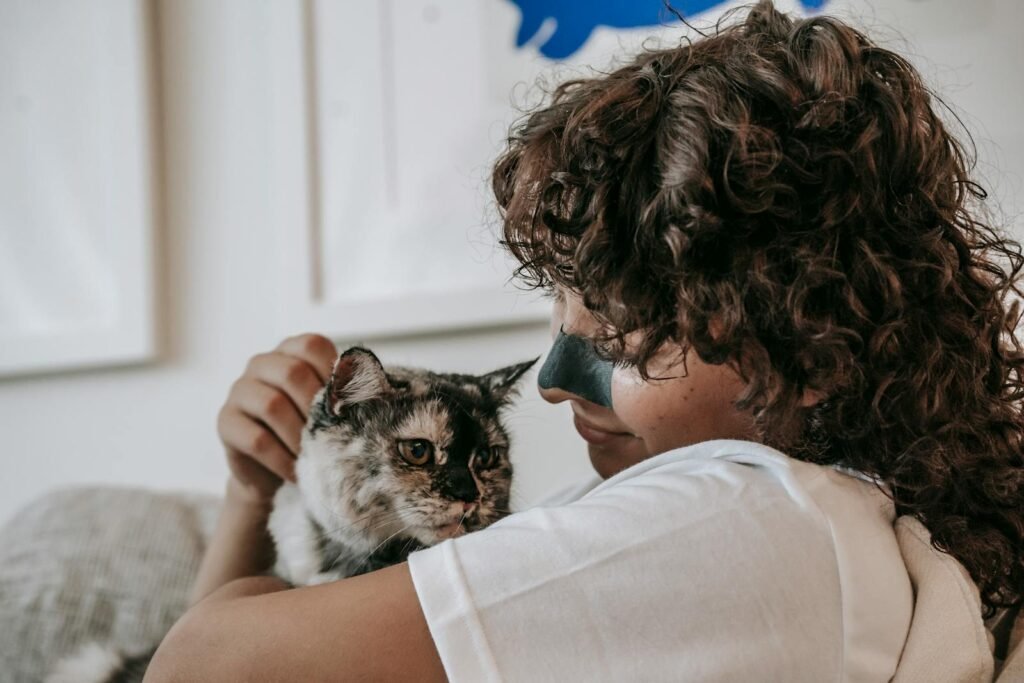
Domestic cats meow more frequently when greeting male caregivers than female caregivers, regardless of the cat’s age, breed, or household size. This behavior may be an adaptive response to less verbal engagement from men. The numbers are significant. On average, cats produced 4.3 meows in the first 100 seconds of greeting men compared to just 1.8 with women.
Researchers suggest that because male caregivers tend to talk less to their cats and are generally less attentive, the cats adjust their communication to get their attention. Cats likely have no preference towards men or women. Instead, more meowing toward men is a sign of cats’ social flexibility. Your cat isn’t playing favorites – it’s simply calibrating.
How Well Do You Actually Understand Your Cat?

You might assume that living with a cat means you’re fluent in its language. The research suggests that’s only partially true. Although meowing is mainly a human-directed vocalization and should represent a useful tool for cats to communicate emotional states to their owners, humans are not good at extracting precise information from cats’ vocalizations and show a limited capacity of discrimination based mainly on their experience with cats and influenced by gender and empathy toward them.
Female participants and cat owners showed a higher ability to correctly classify the vocalizations emitted by cats during brushing and isolation. A high level of empathy toward cats was significantly associated with a better recognition of meows emitted during isolation. The more you’ve paid attention to your specific cat over time, the better your “translation” ability tends to be – though it’s never perfect.
Beyond Sound: What Your Cat’s Body Is Saying at the Same Time
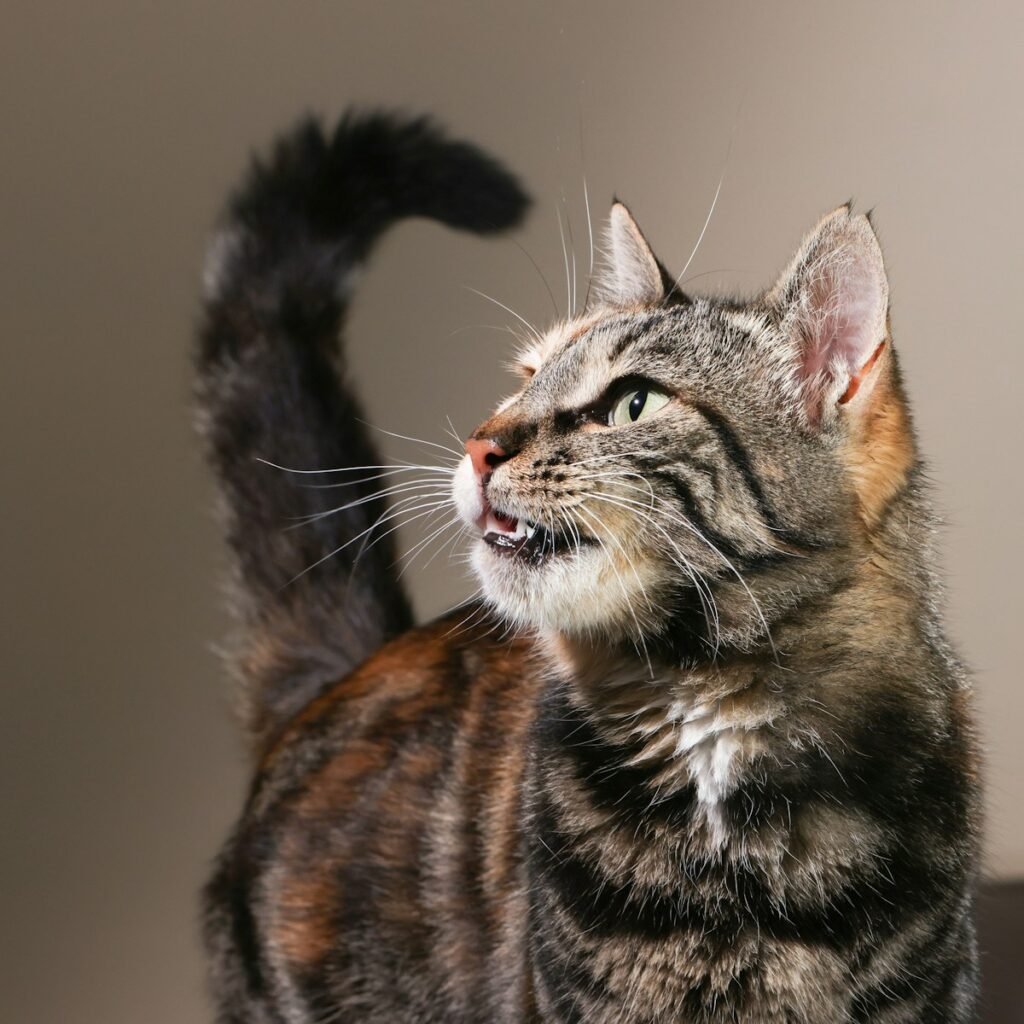
Vocal signals rarely work alone. Cats can use a range of communication methods, including vocal, visual, tactile, and olfactory communication. The meow you’re hearing is often just one layer of a much fuller message being sent through ears, tail, posture, and eyes simultaneously.
A cat’s tail is a powerful communication tool, and each position conveys distinct messages. An erect tail is usually a sign of friendliness, and a tail that is up but hooked at the tip may mean cautiously optimistic. Up and quivering indicates that the cat is either spraying or happy and excited. However, up and bristled means the cat is feeling aggressive. If you want to understand your cat’s meow more clearly, start watching what the rest of its body is doing at the same moment.
Chirps, Trills, Chatters, and Yowls: The Full Vocabulary
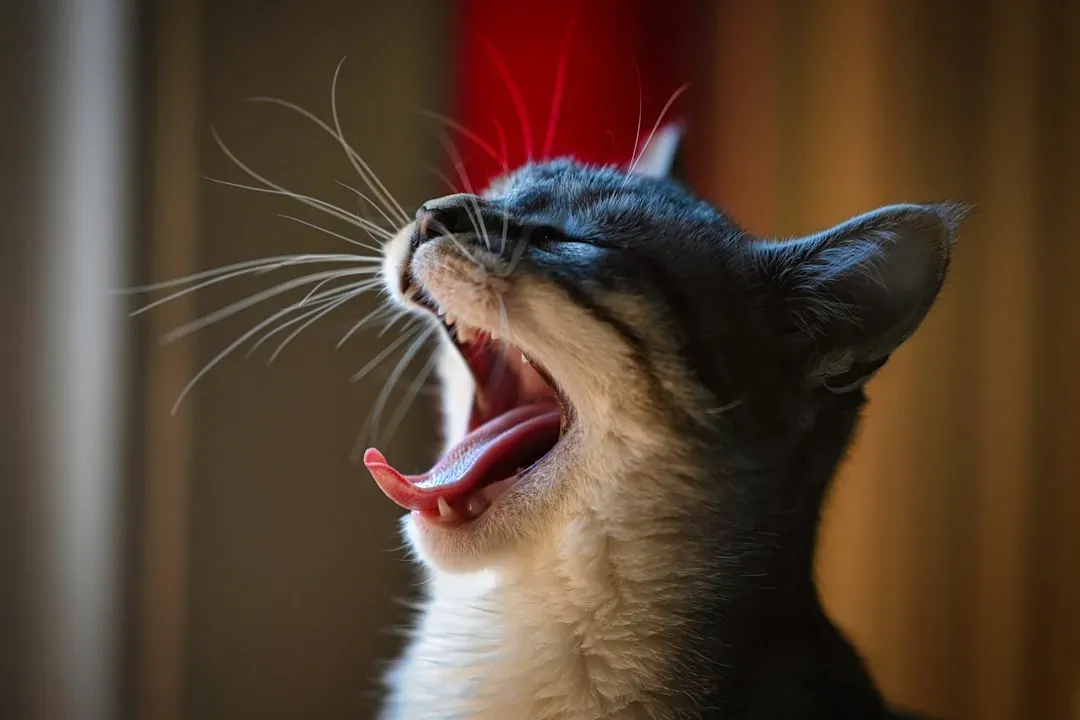
Meowing is all-purpose; your cat may use “meow” as a greeting, a command, an objection, or an announcement. Outside of the standard meow, though, there’s an entire palette of sounds worth learning to distinguish. Chirps and trills are how a mother cat tells her kittens to follow her. When aimed at you, it probably means your cat wants you to follow them, usually to their food bowl.
A yowl or howl tells you your cat is in some kind of distress – stuck somewhere, looking for you, or in pain. Chattering, chittering, or twittering are the noises your cat makes when sitting in the window watching birds or squirrels, and it usually translates to excitement or contemplating snack time. Each sound type carries its own context, and getting them confused can mean missing something your cat genuinely needs you to notice.
When Louder Meowing Is a Health Signal, Not Just Attitude
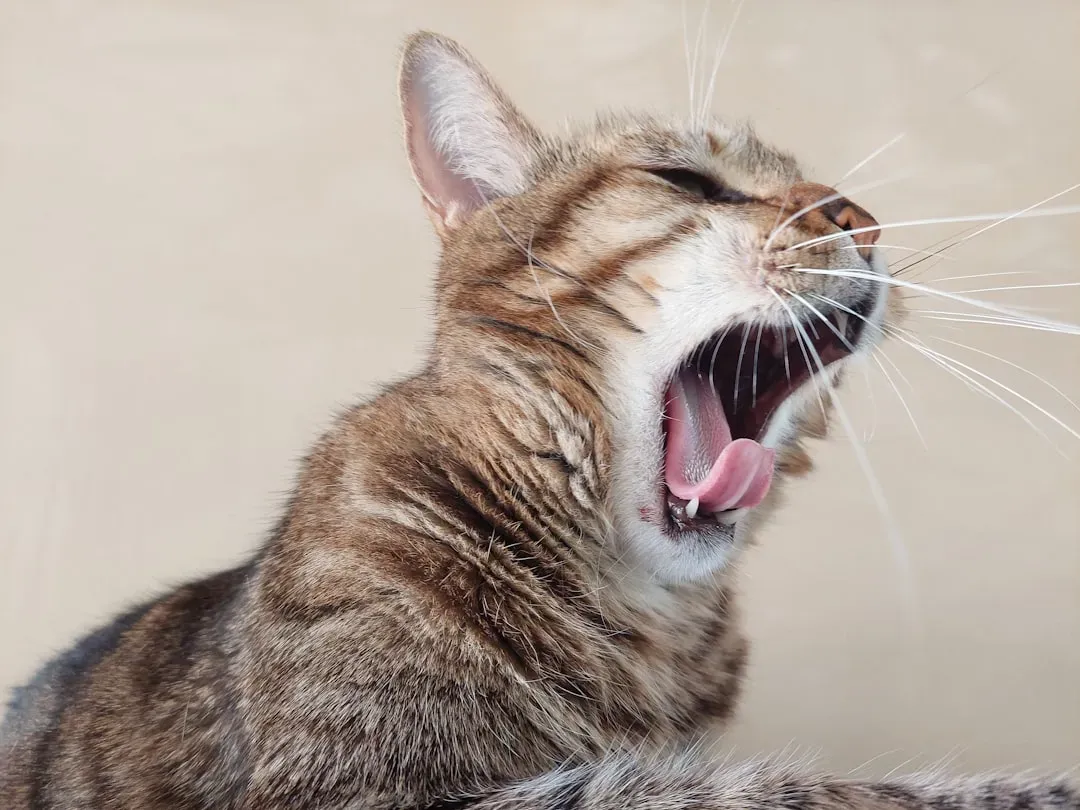
A sudden spike in vocalization deserves more attention than it usually gets. Cats can become increasingly vocal as they age. Two possible reasons for this are age-related dementia and deteriorating eyesight. A cat who feels anxious or confused may meow to seek reassurance. Hearing loss can also cause a cat to vocalize louder than usual because they can’t determine their own volume.
Any pronounced behavior change should trigger a trip to the vet to make sure your cat isn’t ill or in pain. This is the part of feline communication that’s easiest to dismiss as personality – and most important not to. When your cat’s vocal patterns shift significantly without an obvious environmental cause, it’s worth taking seriously rather than assuming it’s purely behavioral.
Conclusion: You’re Part of This Communication System Too
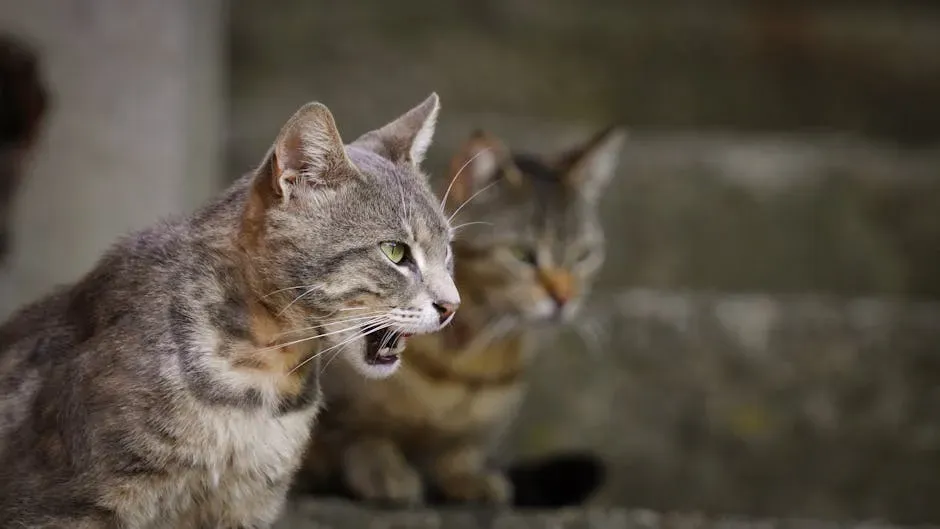
The relationship between you and your cat isn’t one-sided. Over time, cats have evolved to use vocal signals that resonate with human nurturing instincts. Paired with the human use of pet-directed speech, this two-way communication highlights the unique relationship that has developed between humans and their feline companions.
Our feline friends have been domesticated for thousands of years now, and scientists are still making new discoveries about how they recognize humans, and how we, in turn, can communicate more effectively with cats. What you call demanding, science calls adaptive. What feels like noise is actually nuance. The more fluent you become in your own cat’s particular signals, the more you realize the conversation has been far richer than you ever gave it credit for.