Cats have a reputation for being self-sufficient, and in many ways, they’ve earned it. They’re quiet, composed, and rarely make a fuss. That same stoic quality, though, is exactly what makes it so easy to miss when something is genuinely wrong.
Cats are notoriously tight-lipped when it comes to their health. From an evolutionary perspective, showing weakness could have made them a target, so masking discomfort became deeply instinctive. The good news is that once you know what to look for, the signals are there. Your cat is talking to you, just not in any language you can hear across the room.
1. A Quiet Change in Appetite
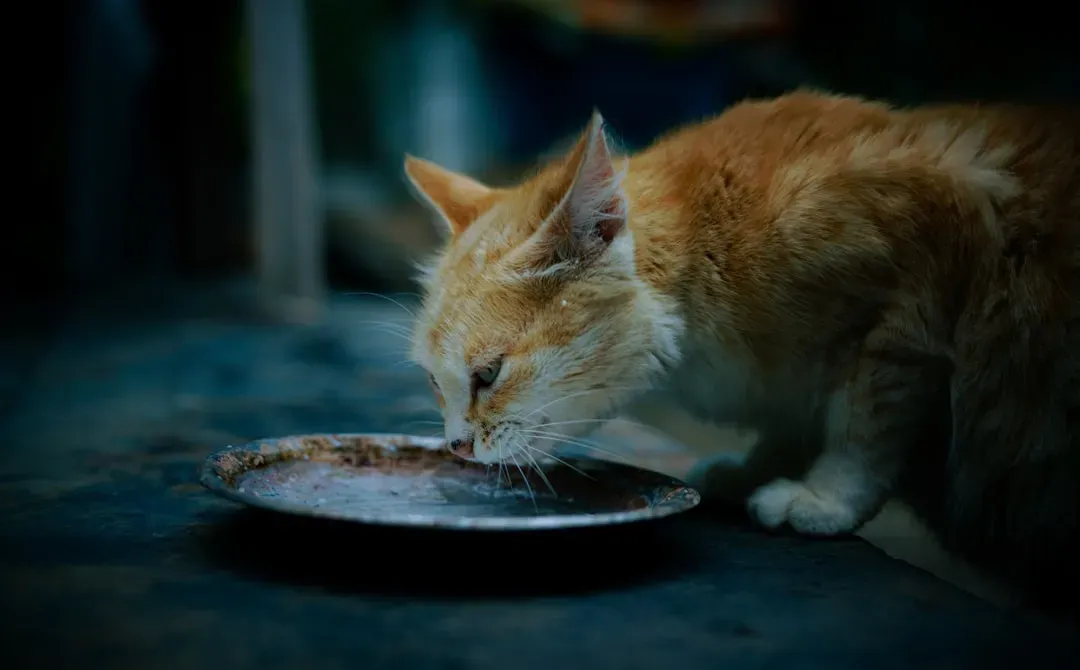
Cats are often thought of as finicky eaters, but they usually have very healthy appetites. When a cat suddenly loses their appetite, it could be a sign of an upset stomach, stress, dental problems, intestinal parasites, a cardiac issue, or even an intestinal blockage. These aren’t small concerns, and the change itself can be surprisingly easy to overlook when you’re used to a cat that grazes throughout the day.
On the other extreme, when cats suddenly have ravenous appetites, this could be a sign of either psychological distress or medical conditions that include diabetes, hyperthyroidism, or poor food absorption in the gastrointestinal system. If you notice your cat going to the food bowl and walking away without eating, or eating far more than usual without any apparent reason, that’s your cue to schedule a vet visit without delay.
2. Shifts in Grooming Habits
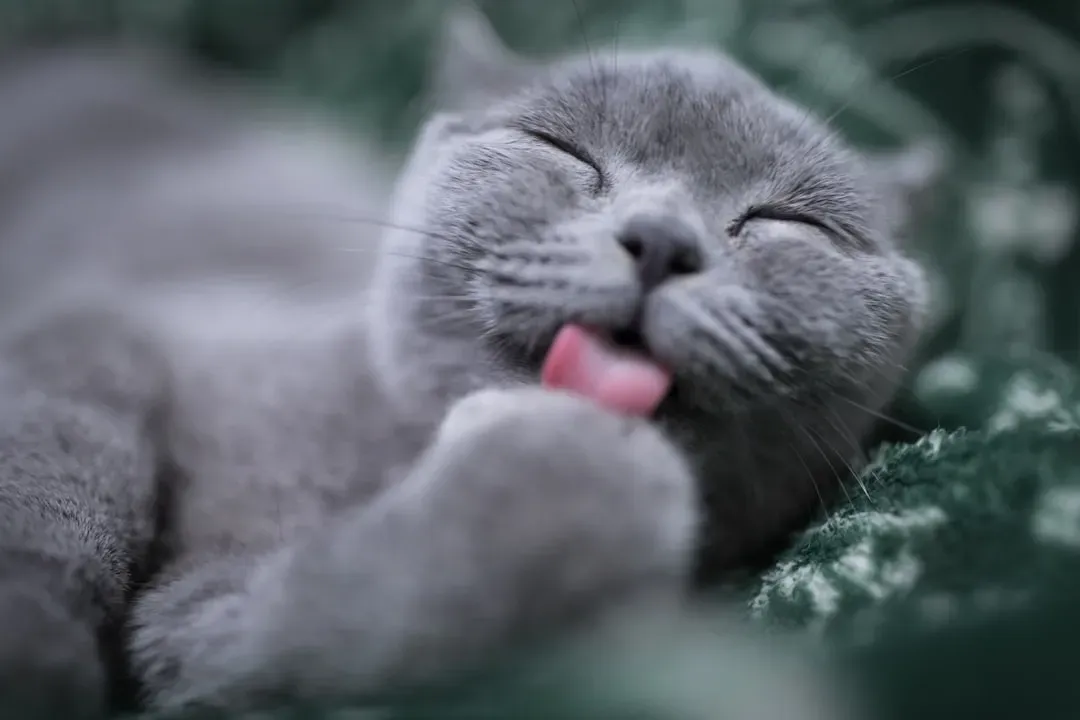
Typically, cats are fastidious groomers. Note whether your cat’s coat is clean and free of mats, as patches of hair loss or a greasy or matted appearance can signal an underlying disease. A cat whose fur suddenly looks dull or neglected is one of the quieter distress signals that owners tend to rationalize away at first.
A decrease in grooming behavior can indicate a number of conditions, including fear, anxiety, obesity, or other illnesses. An increase in grooming may be a sign of a skin problem. Older cats experiencing dental or arthritic pain may also be experiencing discomfort that prevents them from grooming the way they used to. Either direction of change matters, so pay attention to what’s normal for your individual cat.
3. Hiding More Than Usual
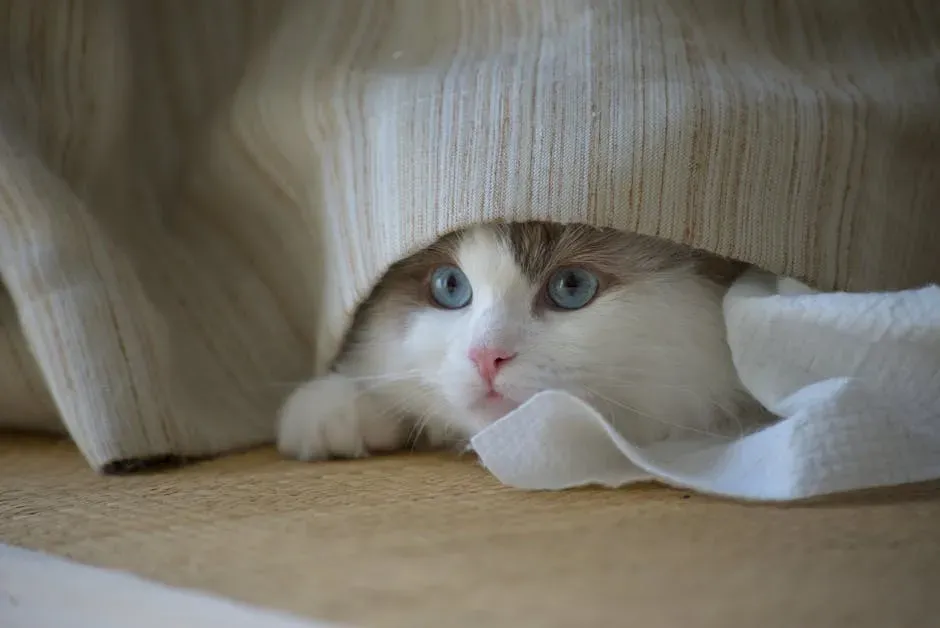
Cats exhibiting illness often show distinct behavioral shifts. Normally playful and social cats might become withdrawn, showing a reluctance to interact or play, and may hide more frequently. This withdrawal is one of the most consistent early signs that something is off, yet it’s also one of the easiest to dismiss as your cat simply “being a cat.”
Stressed cats may demonstrate decreased grooming and social interaction, spend more time awake and scanning their environment, hide more, withdraw, and exhibit signs of depression, along with an increased or decreased appetite. When your cat starts seeking out closets, under-bed spaces, or other hideaways with unusual frequency, take it seriously. If a behavior feels new, intense, or out of character for your cat, trust your instincts.
4. Changes in Litter Box Behavior
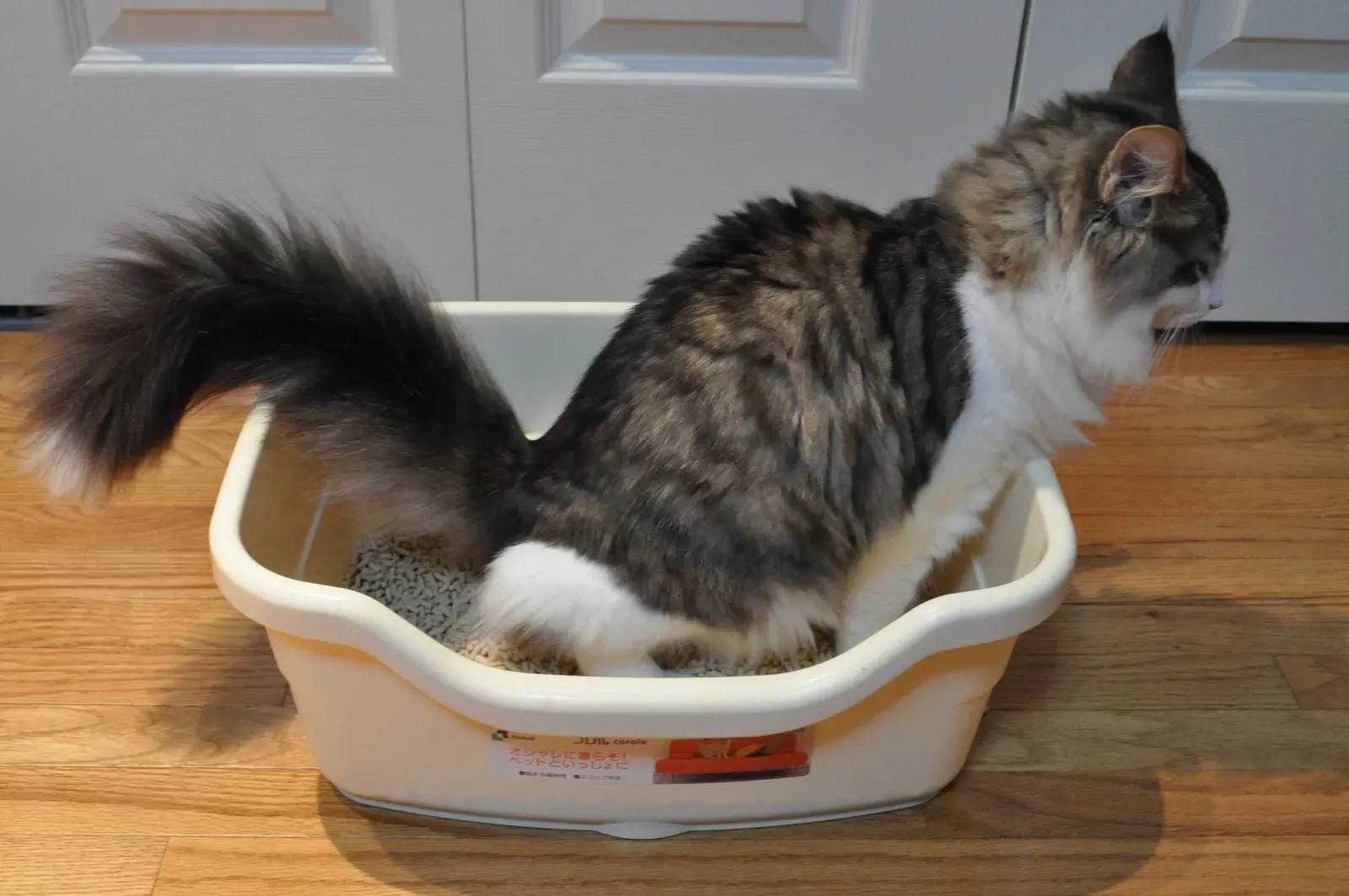
Cats are usually clean and have fixed toilet habits, so doing anything outside the usual tells the owner that the cat is distressed or needs medical attention. When cats suddenly do not use their litter box, this could be a sign that they have a urinary tract infection, kidney stones, feline interstitial cystitis, or even a blockage. These are not behavioral tantrums. They are medical communications.
Urinary obstruction, which is more common in male cats due to their anatomical design, is a fatal condition that happens when cats aren’t able to urinate. Cats with this condition suffer agonizing pain, which may rapidly progress to kidney failure and potentially, bladder rupture, and may cause high blood-potassium levels, which can eventually lead to cardiac arrest. If your cat is straining in the litter box or visiting it repeatedly without producing anything, treat this as an emergency.
5. Unusual or Changed Vocalizations
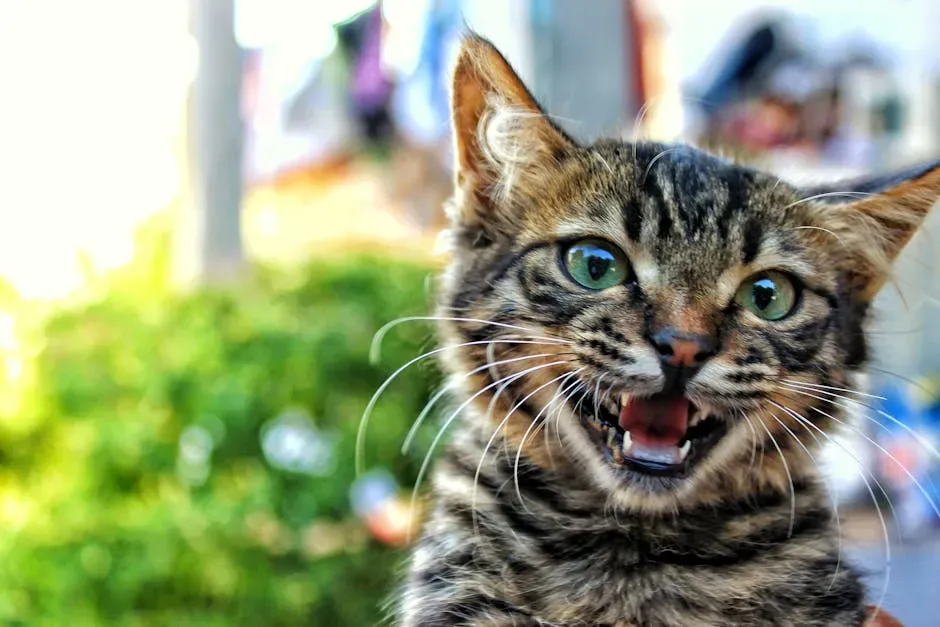
Increased vocalization or howling is more common in older cats and is often seen with some underlying condition. Many cats also vocalize more if they are in pain or anxious. Changes in vocalization may indicate illnesses such as asthma or an upper respiratory infection, while yowling may be a symptom of hearing loss and persistent vocalization may be a cry for help.
If your cat’s vocal patterns suddenly change, such as becoming louder, more frequent, or sounding more distressed, it’s worth a conversation with your veterinary team to rule out health concerns. Older cats with decreased vision or hearing may seek reassurance from their owners during the night, and cats with health issues such as hyperthyroidism, hypertension, or thiamine deficiency may also vocalize at night. A sudden shift in how your cat communicates is never something to simply tune out.
6. Subtle Posture Changes and Unusual Stillness
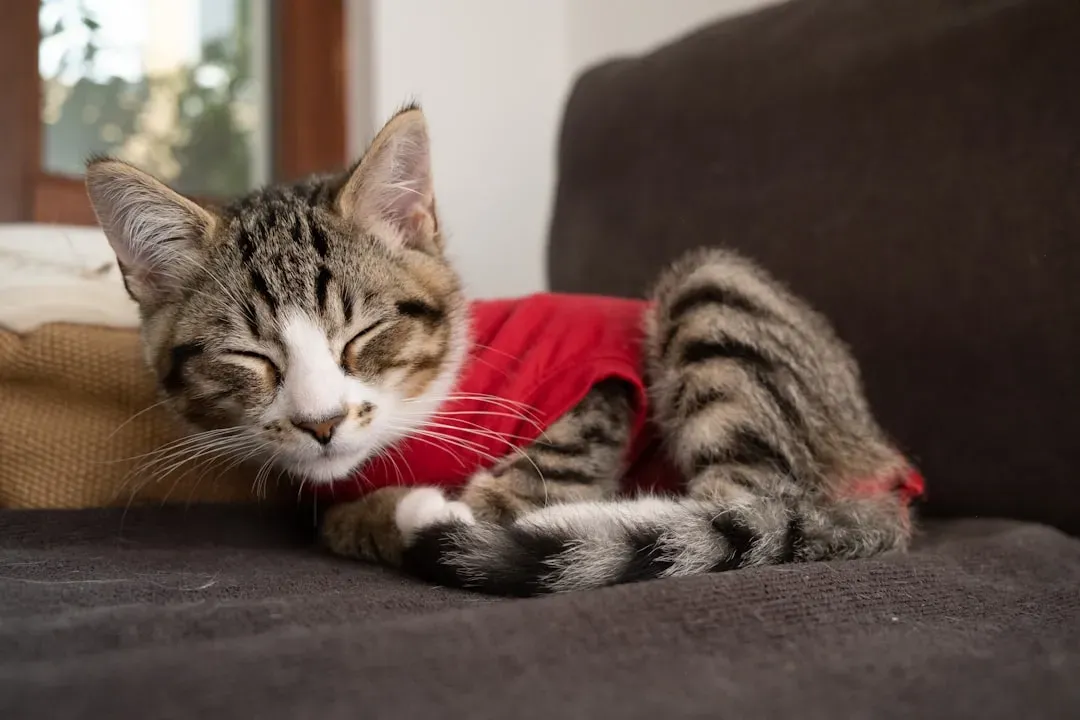
Cats that are not feeling well may just look a little “off.” Your cat might sit in a hunched position, might not move as gracefully as before, might not lift its head properly, might have a head tilt, or might carry its tail differently. Sometimes, there isn’t any one thing that stands out, but a variety of subtle changes. These small physical shifts often precede more obvious symptoms.
Body language includes things like tail position, ear movement, eye shape, and overall posture. A relaxed body usually signals comfort, while tension or stiffness can point to fear, stress, or discomfort. Pain-induced behavioral changes in cats can be subtle, and changes in mobility, lethargy, or decreased social interactions can all indicate that your cat is in pain. If you notice your cat moving more carefully or avoiding certain positions, a physical examination from your vet is the right next step.
7. Unexpected Weight Loss or Gain
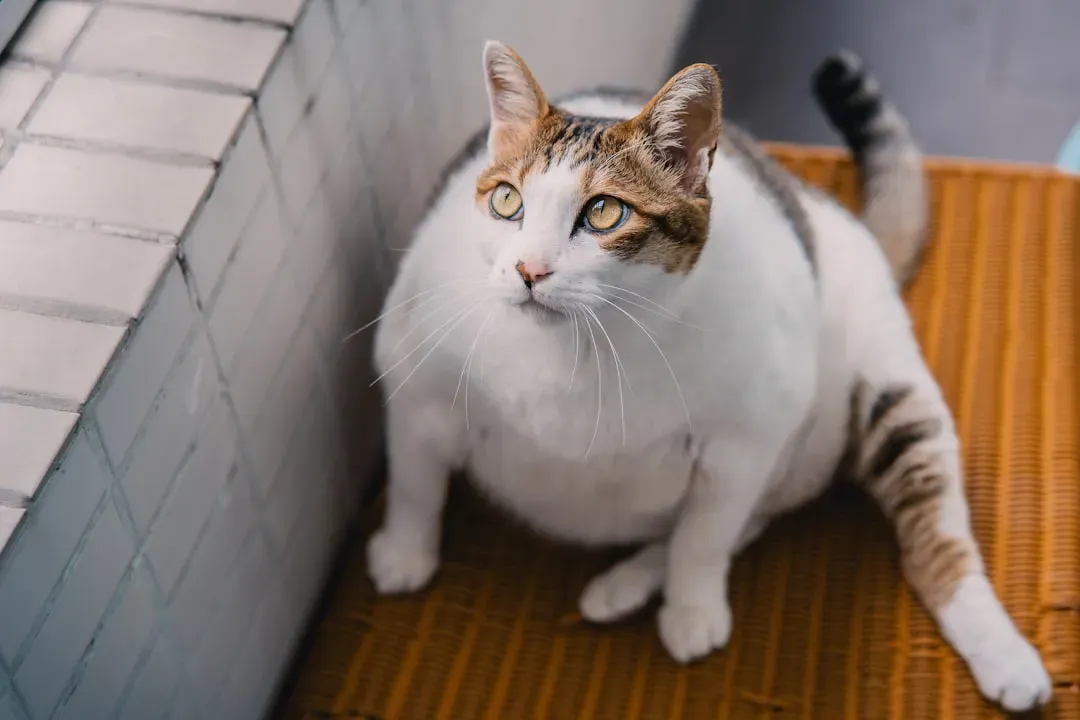
Cats with a chronic illness may develop slow and subtle weight loss that is only obvious when you run your hands along the ribs and spine. This is why a hands-on check, rather than a visual glance, is so important. Stroking your cat from shoulders to tail allows you to feel any difference in the prominence of ribs, spine, and hips.
A change in weight does not necessarily correlate with a change in appetite. Cats with hyperthyroidism or diabetes mellitus can lose weight despite good appetites, and many other diseases cause both appetite and weight loss. Obesity has also become a serious health concern in cats, with increased risk of diabetes mellitus and joint disease, so take the cat to the veterinarian if there are unexplained changes in weight.
8. Altered Drinking Habits
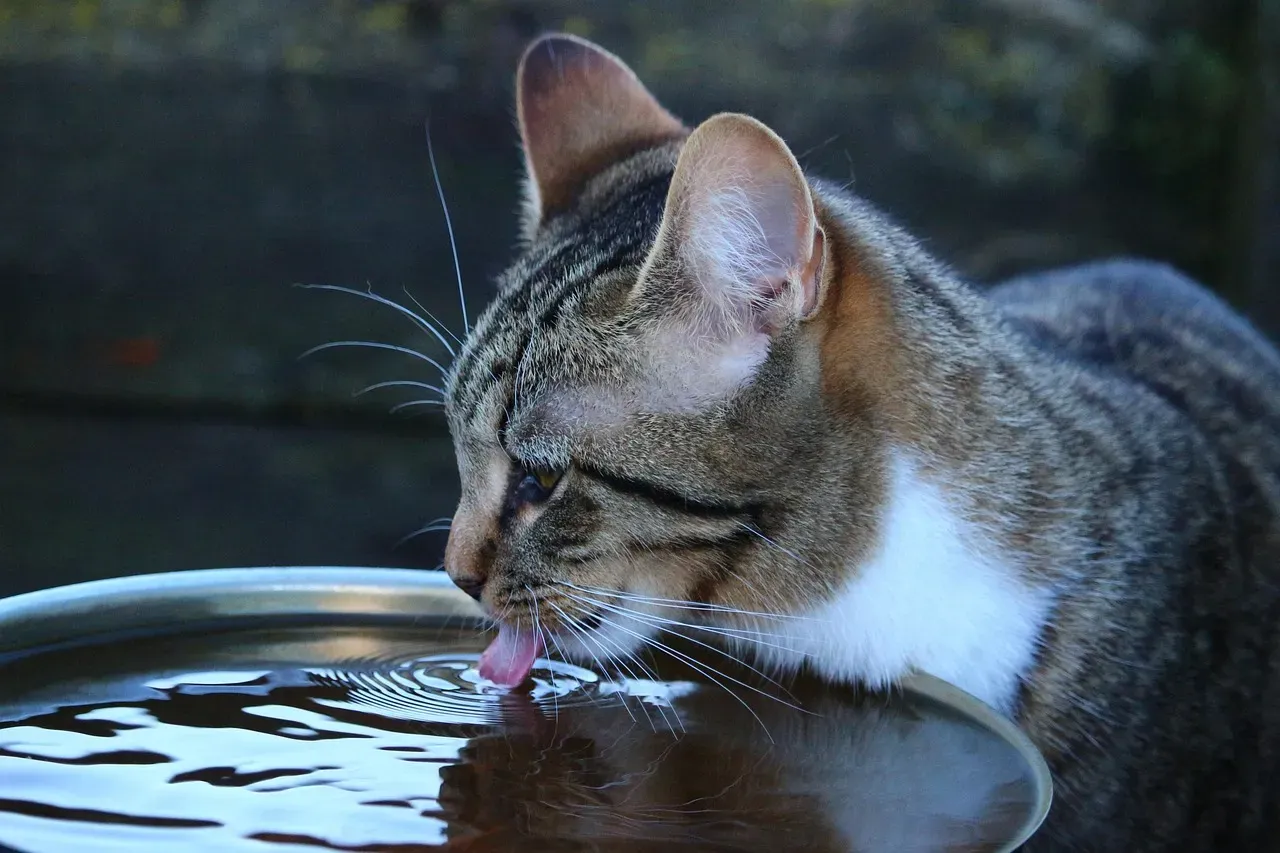
Cats aren’t big drinkers normally, usually getting most of their fluid needs from their food. A noticeably increased thirst can be a sign that something is up. This is one of those signals that’s easy to miss unless you’re actively paying attention to what your cat is doing near the water bowl.
Increased water intake can be an early indicator of thyroid problems, kidney disease, diabetes, or other problems. When your cat’s water consumption changes drastically, it might indicate a health concern. If your cat can’t seem to get enough water, they could be experiencing kidney problems. It’s advisable to change the water daily, not just for cleanliness but also to help you keep track of intake. Conversely, a decreased interest in drinking water can also be a warning sign of sickness.
9. Uncharacteristic Aggression or Social Withdrawal
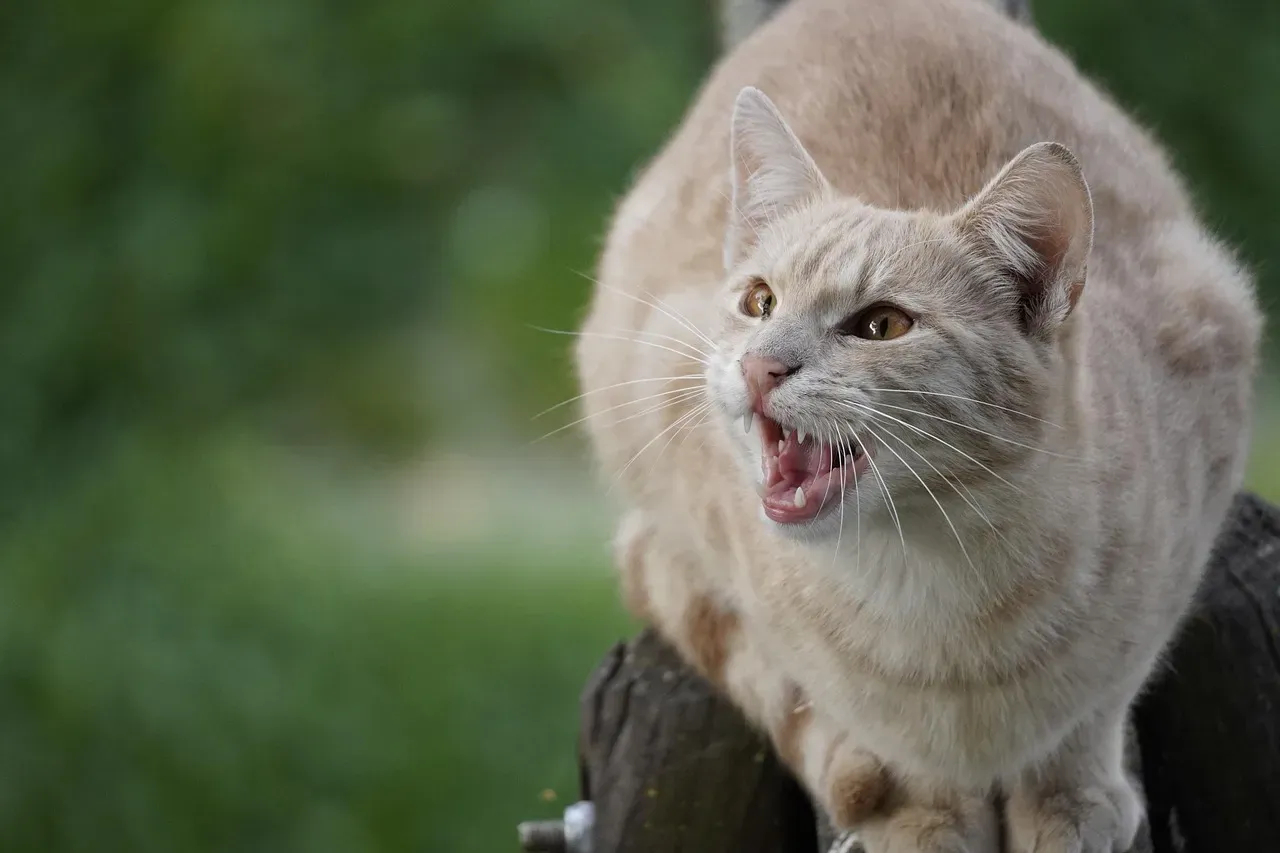
Compared to dogs, cats can seem selective in terms of who they interact with, but most cats generally enjoy interacting with their family members. Cat owners should watch out for when their pets suddenly display aggressive behaviors or refuse social contact, as this behavior can be brought on by stress or anxiety caused by changes in the household, such as a new pet or family member, or schedule changes.
Illness causes stress, which may lead to uncharacteristically aggressive reactions. It can be challenging to know when your cat is in pain because they are good at hiding it. If your cat is behaving differently than they normally do, such as showing inappropriate toileting, aggression, or other uncharacteristic behaviors, they may be in pain. Rather than responding with frustration, respond with curiosity. Something specific is likely driving that shift.
10. Slow Blinks and Eye Changes That Feel Off
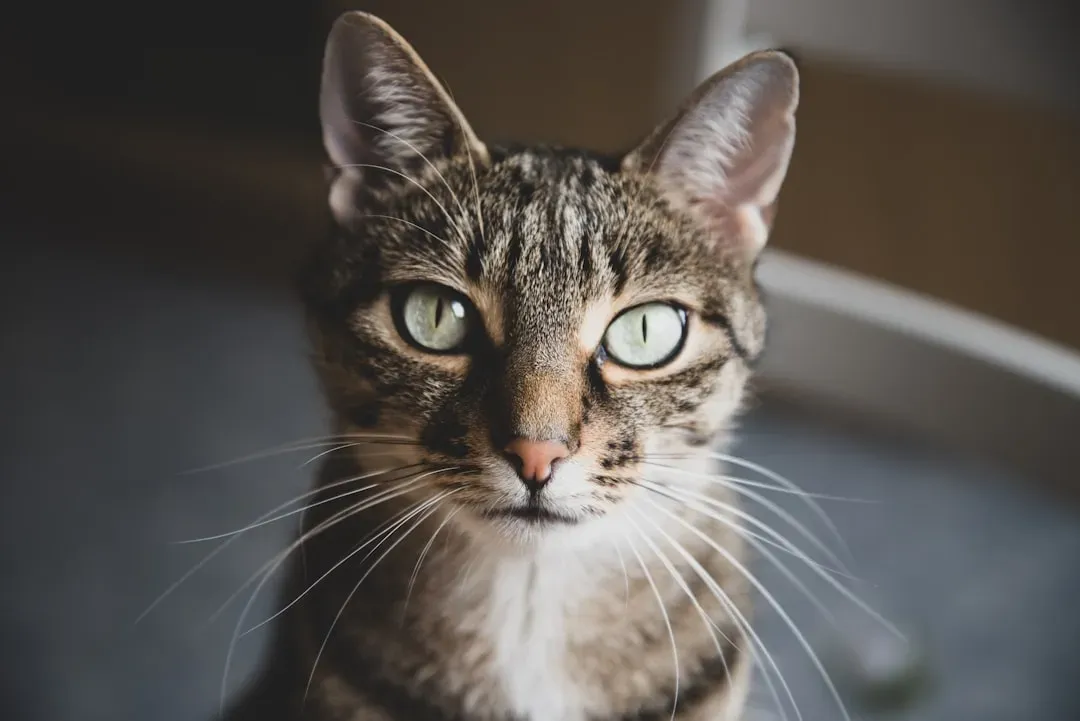
Your cat’s eyes reveal a lot about their emotions. From slow blinks to dilated pupils, these tiny changes are powerful communication tools. A relaxed stare with slow blinks is often a sign of trust, while a tense stare may indicate discomfort or anxiety. Learning to read these small eye shifts is one of the most underrated skills a cat owner can develop.
Abnormal blinking or pupil response, a “glazed” look, or lack of interest in surroundings can signal central nervous system issues. Gums, skin, or eyes that appear pale may indicate anemia, while a yellow tint may suggest jaundice, and a bluish tint may indicate a lack of oxygen. If something about your cat’s eyes simply doesn’t look right, don’t wait for more obvious symptoms to appear before seeking a professional opinion.
What to Do When You Notice These Signs
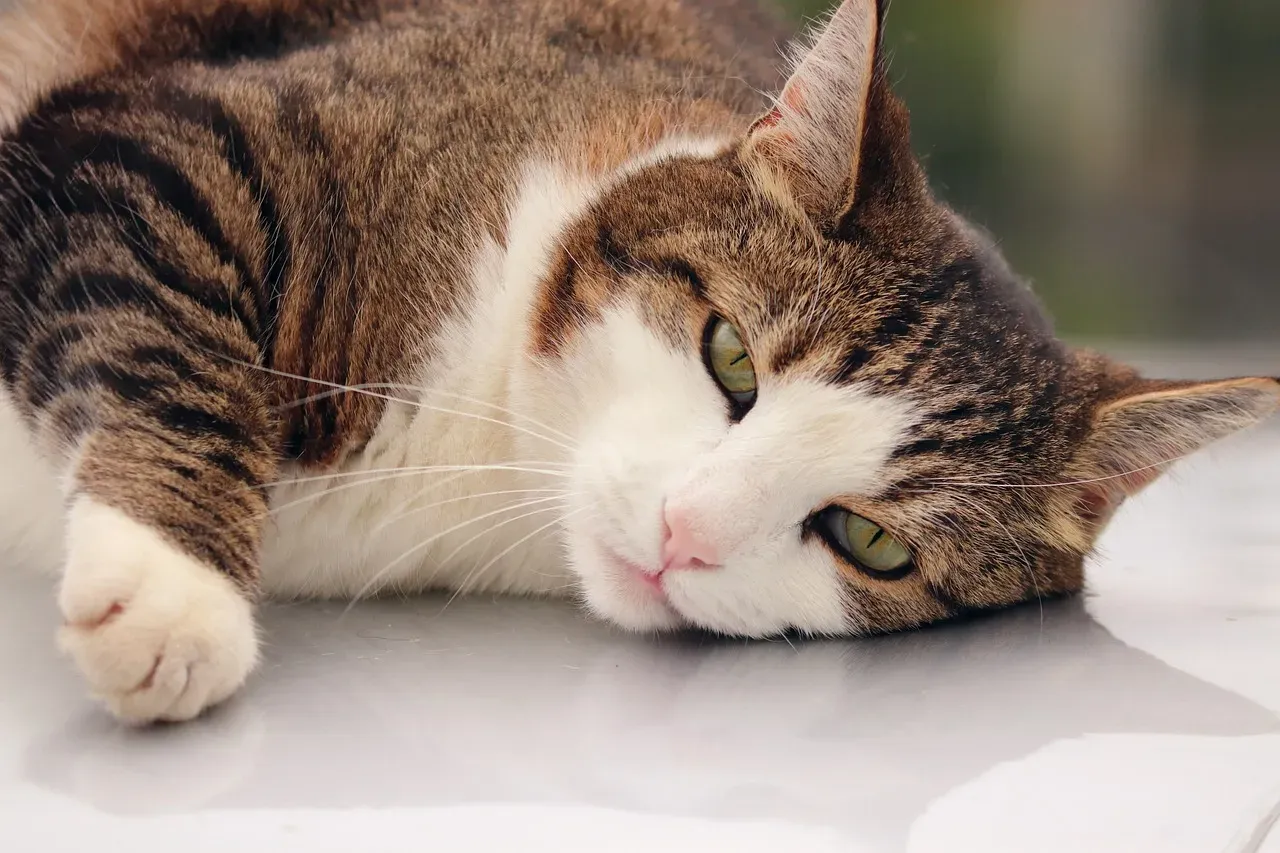
Many cat behaviors are harmless quirks, but changes in behavior can sometimes be an early clue that something isn’t quite right. The key is looking at patterns and changes, not one-off moments. A single unusual afternoon usually means nothing. A week of behavioral shifts is your cat asking you to pay closer attention.
Through training and experience, veterinarians may notice subtle signs that a cat is developing a health problem, which is one of the main reasons why veterinary experts recommend twice-yearly wellness examinations for the average adult cat. Delaying your cat’s veterinary visit until there are obvious signs of illness may mean that more intensive treatment will be required. Pair those regular check-ups with your own daily attentiveness, and you’ll be far better positioned to catch problems early.
Once you recognize your cat’s cues, the next step is responding appropriately. Cats appreciate respect for their boundaries and thrive when their humans adapt to their communication style. Creating a predictable routine through regular feeding times, play, and rest helps cats feel secure, while providing environmental enrichment like scratching posts, vertical spaces, and window perches allows cats to express natural behaviors.
Your cat doesn’t have the option of telling you directly what’s wrong. What they have instead is a quiet, consistent language built from posture, habit, and small behavioral shifts. The longer you live with them, the more fluent you naturally become in reading it. Pay attention to what’s normal for your specific cat, and trust yourself when something feels different. That instinct is usually right, and acting on it early is the greatest kindness you can offer.
Kristina is a young writer from India. An arts graduate and an avid content creator, Kristina is passionate about animals and wildlife. She enjoys exploring topics related to pet care, animal behavior, conservation, and nature, combining thorough research with engaging storytelling.