
Most people assume keeping a cat indoors is a little bit cruel – like you’re robbing it of some wild, adventurous life it was born to live. The data says the opposite. Outdoor cats are quietly living through a daily gauntlet of threats most owners never fully grasp.
Your indoor cat isn’t missing out on anything. It’s winning, and the gap between the two lives is bigger and stranger than you’d expect. Here’s what the research actually shows, counting down to the advantage almost nobody talks about.
#13 – A Dramatically Longer Lifespan
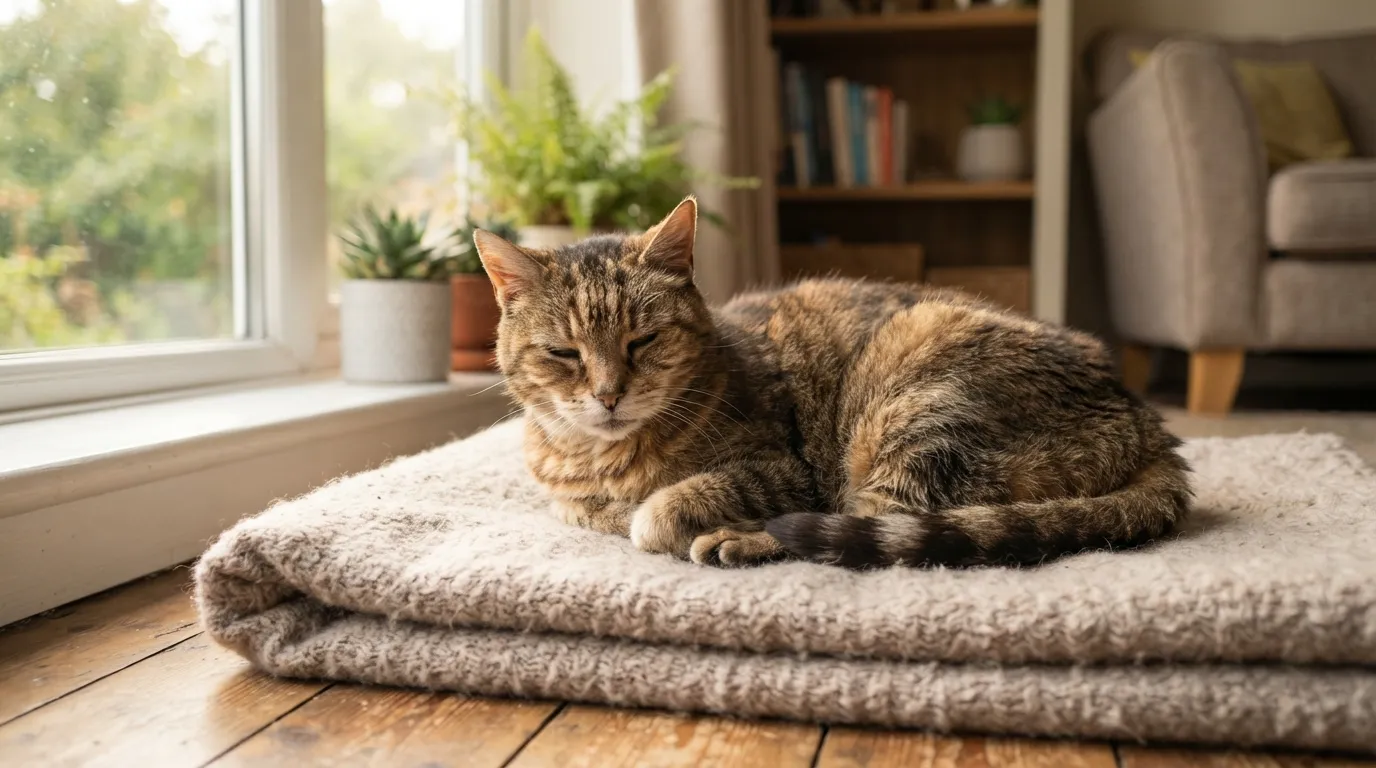
Your indoor cat isn’t just safer. It’s statistically living in a different tier of existence altogether.
The typical indoor cat lives 12 to 18 years. Outdoor-only cats average just 2 to 5 years – a gap that’s less like a rounding error and more like two separate species.
A 2022 UC Davis study of over 3,100 cats confirmed it at scale: outdoor-only cats had significantly shorter lifespans, full stop.
Fast Facts
- Indoor cats: 12–18 years average lifespan
- Outdoor-only cats: just 2–5 years average lifespan
- UC Davis review tracked more than 3,100 cats
- Supervised outdoor access (catios, leashes) shows no significant lifespan drop
But a longer life is just the opening number. What fills those extra years matters even more, and that’s where things get interesting.
#12 – No Risk From Traffic

Cars are one of the leading killers of outdoor cats, and most owners badly underestimate how often it happens.
In heavy-traffic areas, especially cities, roaming cats face constant risk of collisions that cause serious injury or death. For a free-roaming cat, every road crossing is a small gamble repeated daily.
Indoor cats never have to make that calculation. No traffic, no roulette, no roadside close calls.
Traffic is visible and obvious, though. The next threat is far harder to see coming – until it’s too late.
#11 – Protected From Predators

Most people picture cats as apex hunters. Step outside your front door, and that image falls apart fast.
Outdoor cats often become the hunted, not the hunter – targeted by dogs, coyotes, foxes, birds of prey, and in some regions even alligators. The list is longer and scarier than most owners realize.
Dog bites alone were reported to cause 10% of cat trauma fatalities in one study. One in ten fatal outdoor injuries traces back to a single, common threat.
Predators are terrifying, but the next danger spreads invisibly – cat to cat, without a single fight ever happening.
#10 – Far Lower Risk of Infectious Disease
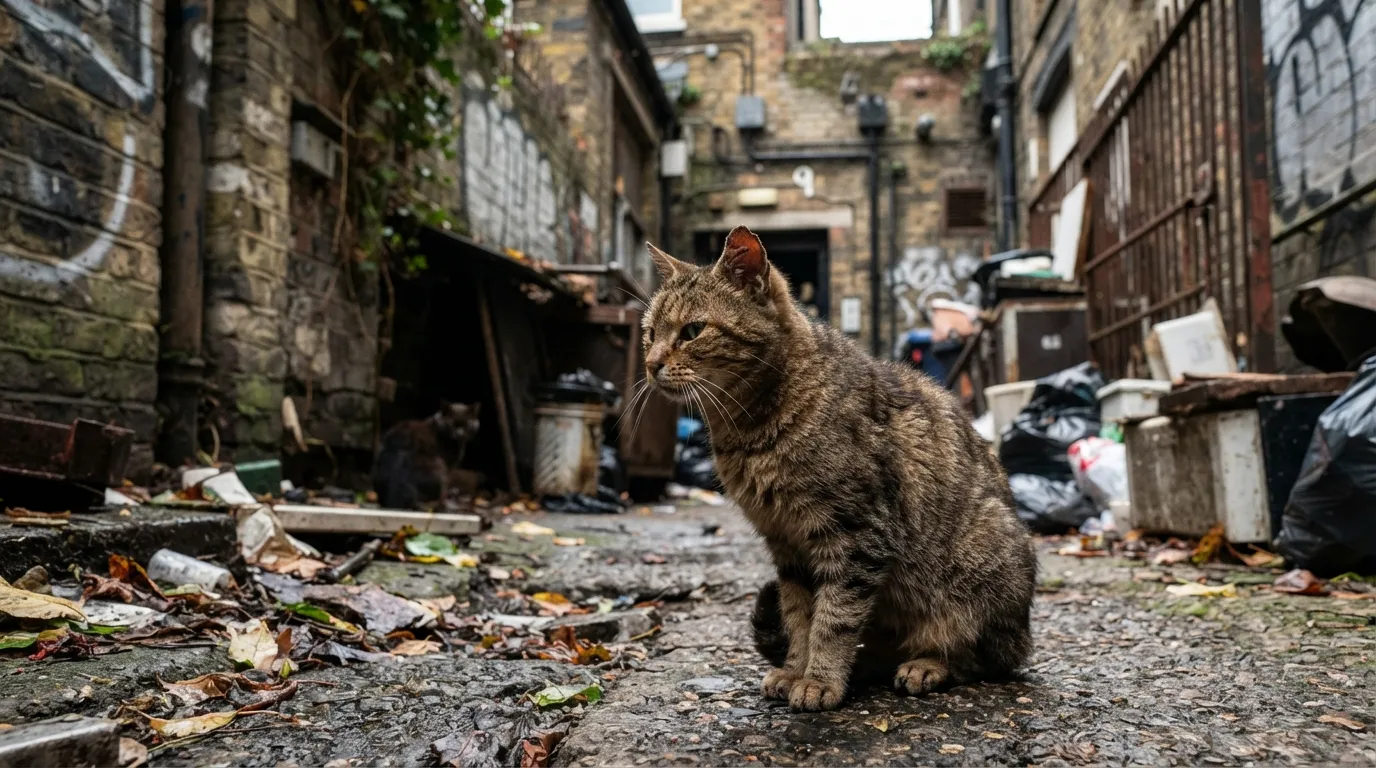
Outdoor life is basically one long exposure event to pathogens that can quietly cut a life short.
Cats allowed outside face higher risk of feline immunodeficiency virus, rabies, and feline leukemia through contact with other cats and wildlife. These conditions are serious, and often incurable.
As one veterinarian put it, free-roaming cats “often fight and engage in other behaviors that encourage transmission of infectious diseases.” Indoor cats sidestep that entire pathway.
Disease from other cats is one thing. The next threat is a category most owners never even think to worry about.
#9 – Virtually No Parasite Burden
The parasite load outdoor cats carry would alarm most owners if they saw it listed out in full.
Time outside means more exposure to fleas, ticks, and mosquitoes – and these aren’t minor itches. Some carry life-threatening illness.
Outdoor cats show higher rates of feline immunodeficiency virus, heartworm, and Bartonella henselae compared to indoor cats. That’s three serious conditions tied directly to outdoor access.
Indoor cats dodge almost all of it. But the next one is sneakier – a chemical world waiting just outside the door.
#8 – No Exposure to Outdoor Toxins
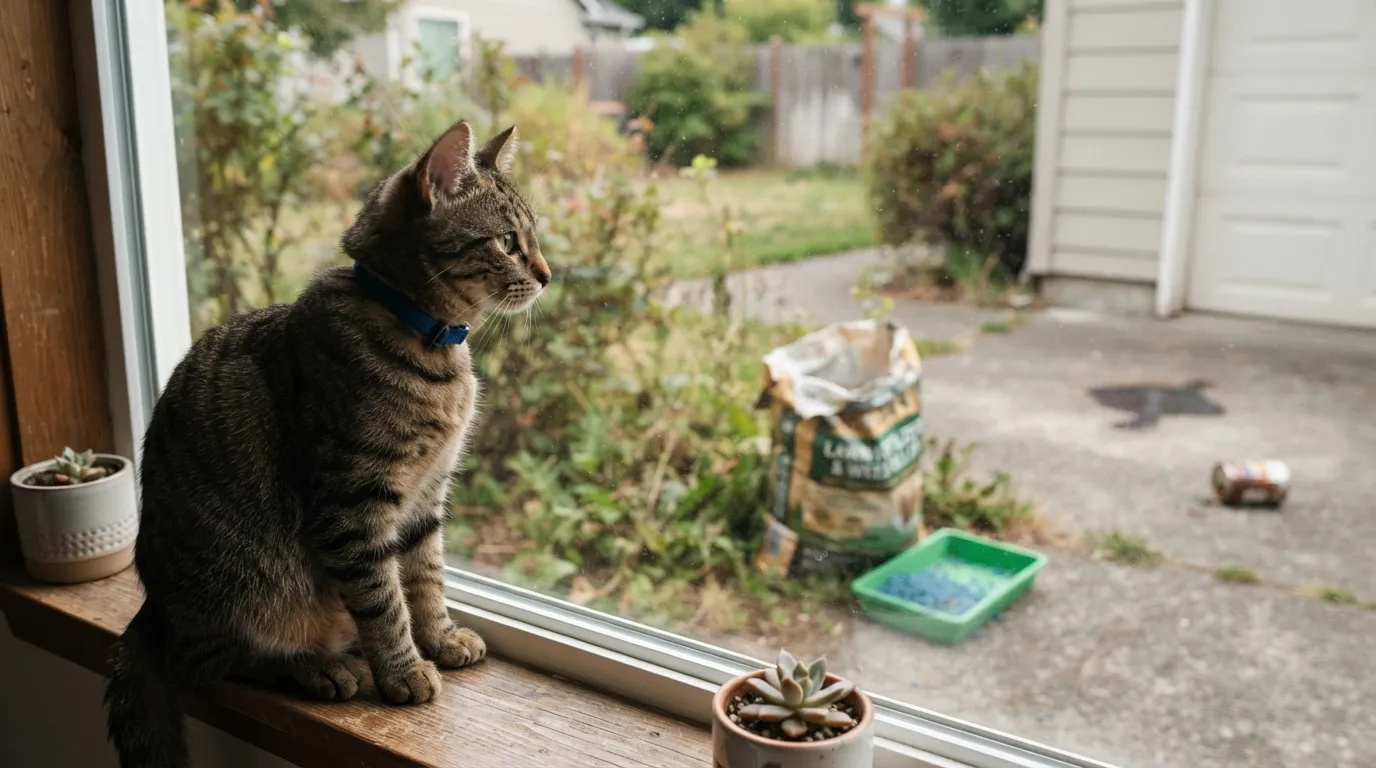
The outside world is laced with substances that are lethal to cats, and almost none of it comes with a warning sign.
Uncontrolled outdoor access raises the risk of disease, injury, and toxic ingestion – pesticides, rodenticides, antifreeze, all within reach of a roaming cat.
Cats that hunt wild birds or rodents can absorb whatever toxins that prey already ingested. Poison travels up the food chain, and your indoor cat is simply off that chain.
Toxins are external. The next threat builds slowly, from something as ordinary as bad weather.
#7 – Shelter From Extreme Weather
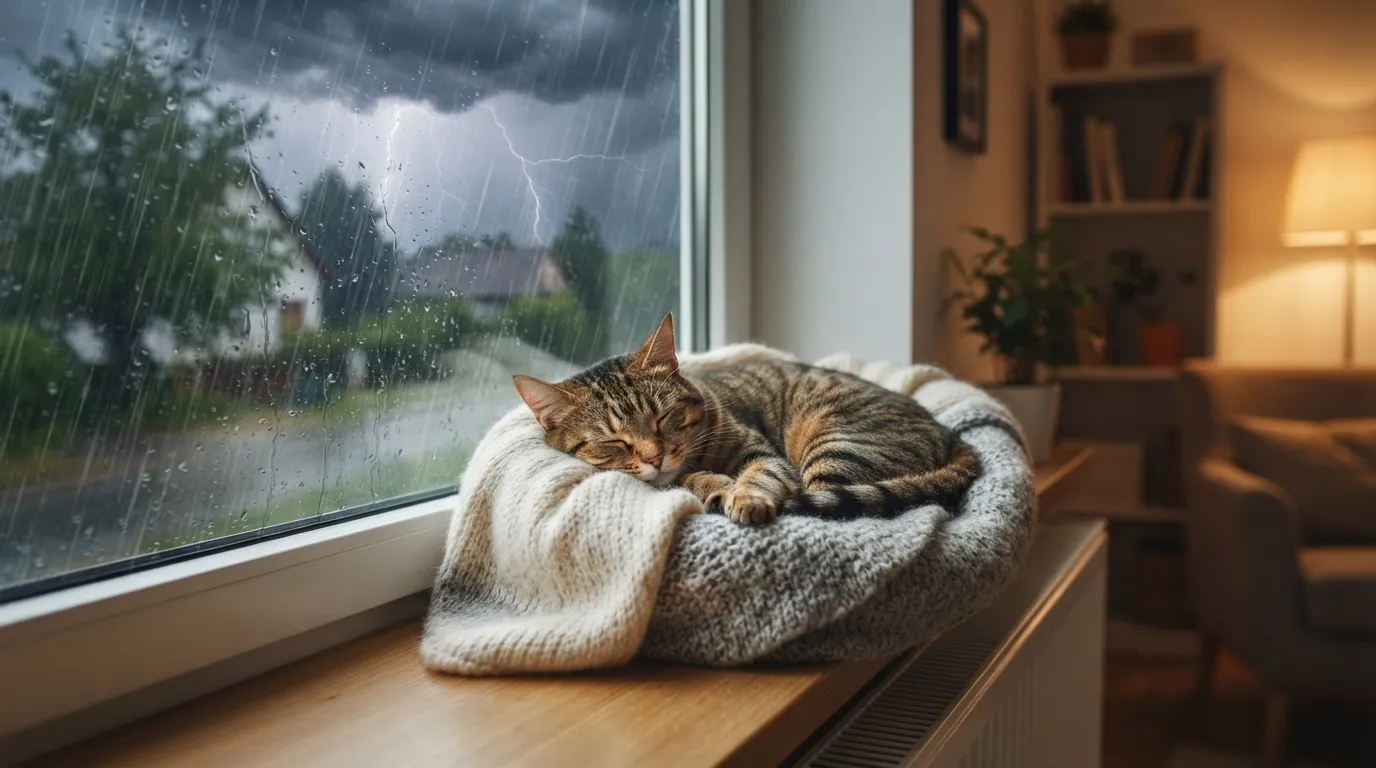
Outdoor cats don’t get to choose their weather. They endure whatever shows up, with no refuge and no say in it.
Temperatures above 100°F – especially past 106°F – can trigger heat stress, seizures, and even permanent kidney damage.
Severe weather also brings flying debris, falling trees, burns, frostbite, and drowning risk. An indoor cat has never had to survive a single storm alone.
Quick Compare
- Outdoor cats: face traffic, predators, disease, parasites, toxins, and extreme weather – sometimes all in the same week.
- Indoor cats: face none of it, by design.
- Outdoor life expectancy: 2 to 5 years.
- Indoor life expectancy: 12 to 18 years.
Climate is a slow killer. The next danger is far more immediate, and it leaves no second chances.
#6 – They Can’t Get Lost
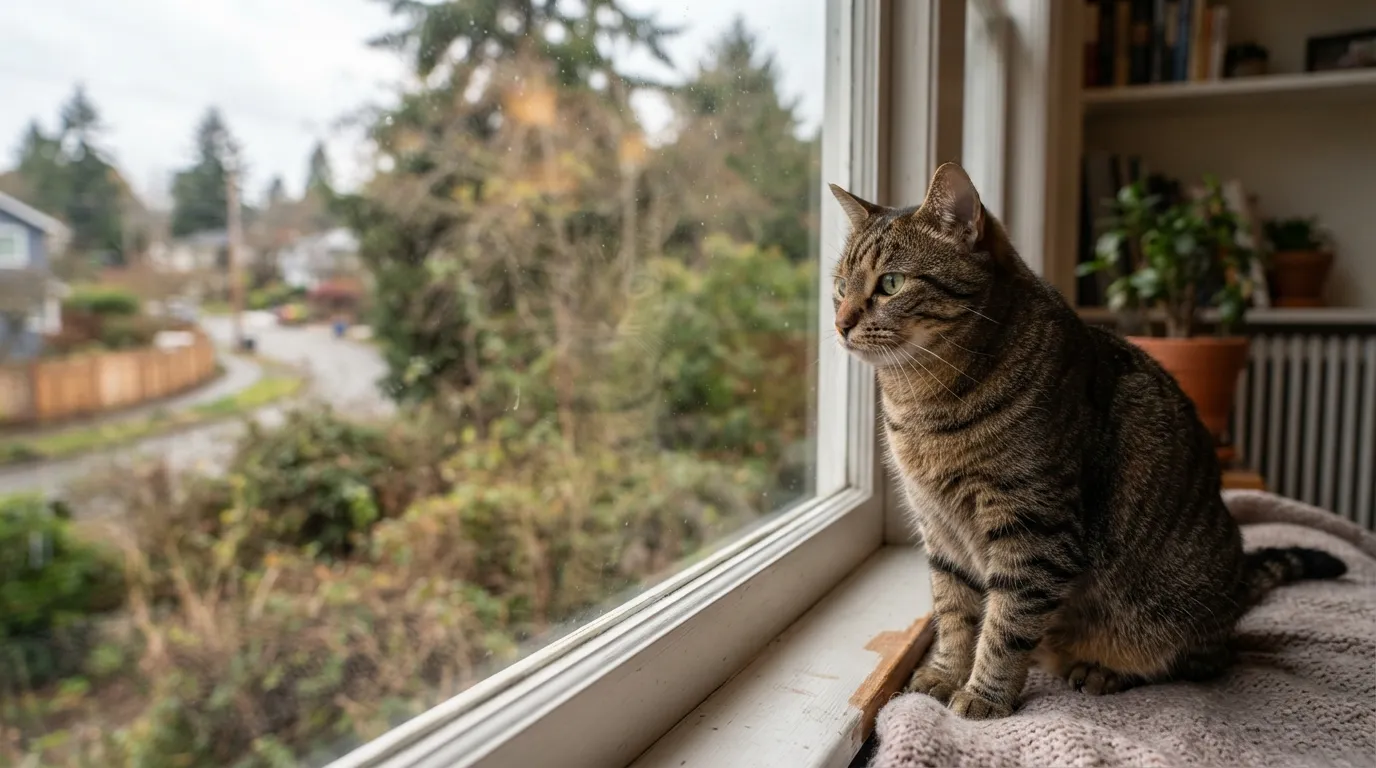
Losing a cat to the outdoors is more permanent than most owners want to admit, and the return odds are grim.
A cat’s natural range can stretch a few square miles. Wander into unfamiliar territory, and a cat can genuinely lose its sense of direction.
Only about 10% of lost cats ever make it home. Nine out of ten don’t – a statistic that should change how casually people talk about “letting the cat out.”
Worth Knowing
- Cats without microchips are reunited with owners only about 1.8% of the time.
- Even with a microchip, the return rate for cats is roughly 38.5% – still under half.
- Around 15% of pet cats go missing at some point in their lives.
Indoor cats never face that fate. The next advantage is subtler, but just as powerful.
#5 – A Consistent, Controlled Diet

An outdoor cat’s nutrition is a mystery box. An indoor cat’s is entirely in your hands.
Indoor cats tend to get a more nutritionally complete, properly portioned diet – calibrated to their age and needs, not scavenged.
KittyCam research on free-roaming suburban cats found that 25% were eating or drinking substances away from home. A quarter of outdoor cats are regularly consuming unknown food – a food-safety nightmare hiding behind a cat flap.
Diet affects everything. But the next advantage is about catching problems no bowl of food can fix.
#4 – Earlier Detection of Health Problems
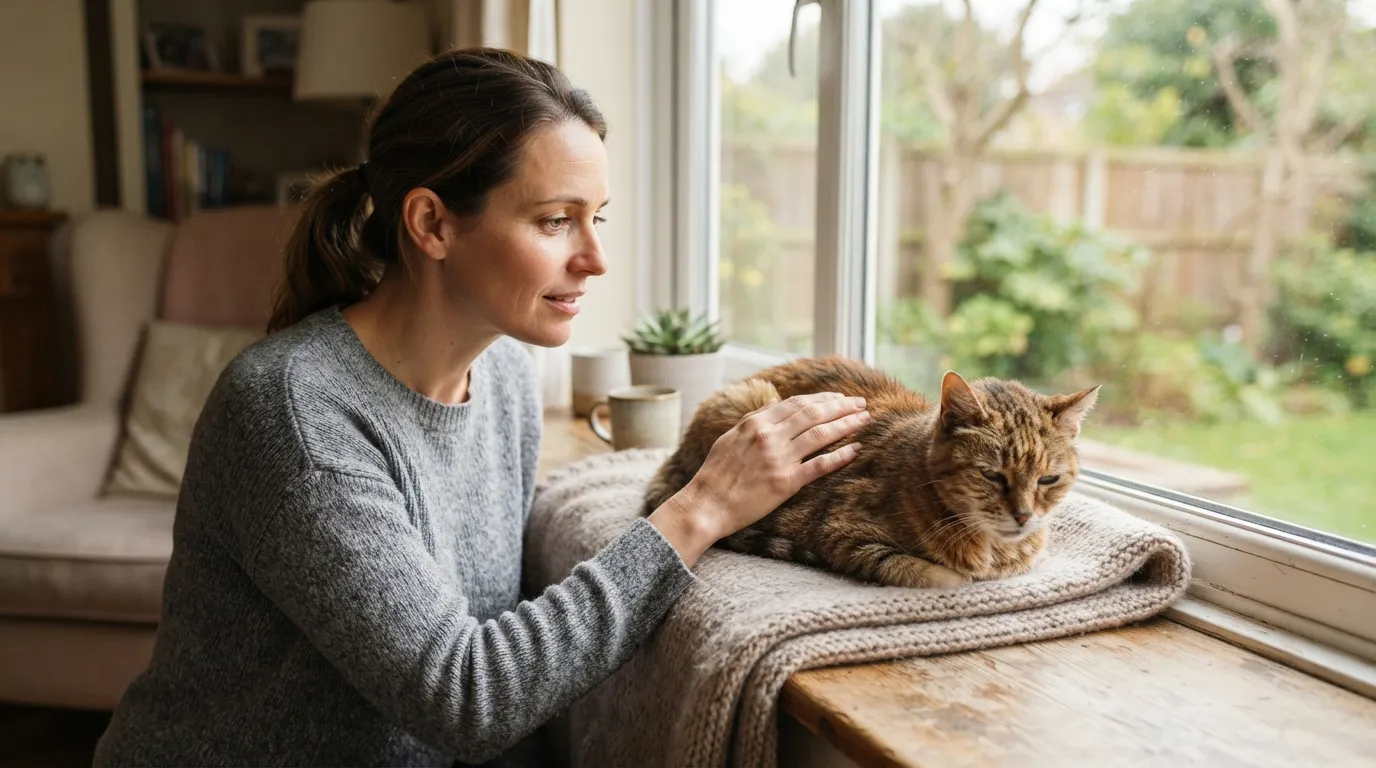
Indoor cats live under the same roof as their owners, and that proximity genuinely saves lives.
Age-related changes are far easier to catch under continuous supervision, and catching them early leads to far better outcomes.
A skipped windowsill, a slower jump, a change in breathing – small shifts get noticed and tracked over time. Outdoor cats, by contrast, often show up at the clinic already in crisis.
That owner attention leads directly into one of the most underrated advantages on this whole list.
#3 – A Stronger Human Bond
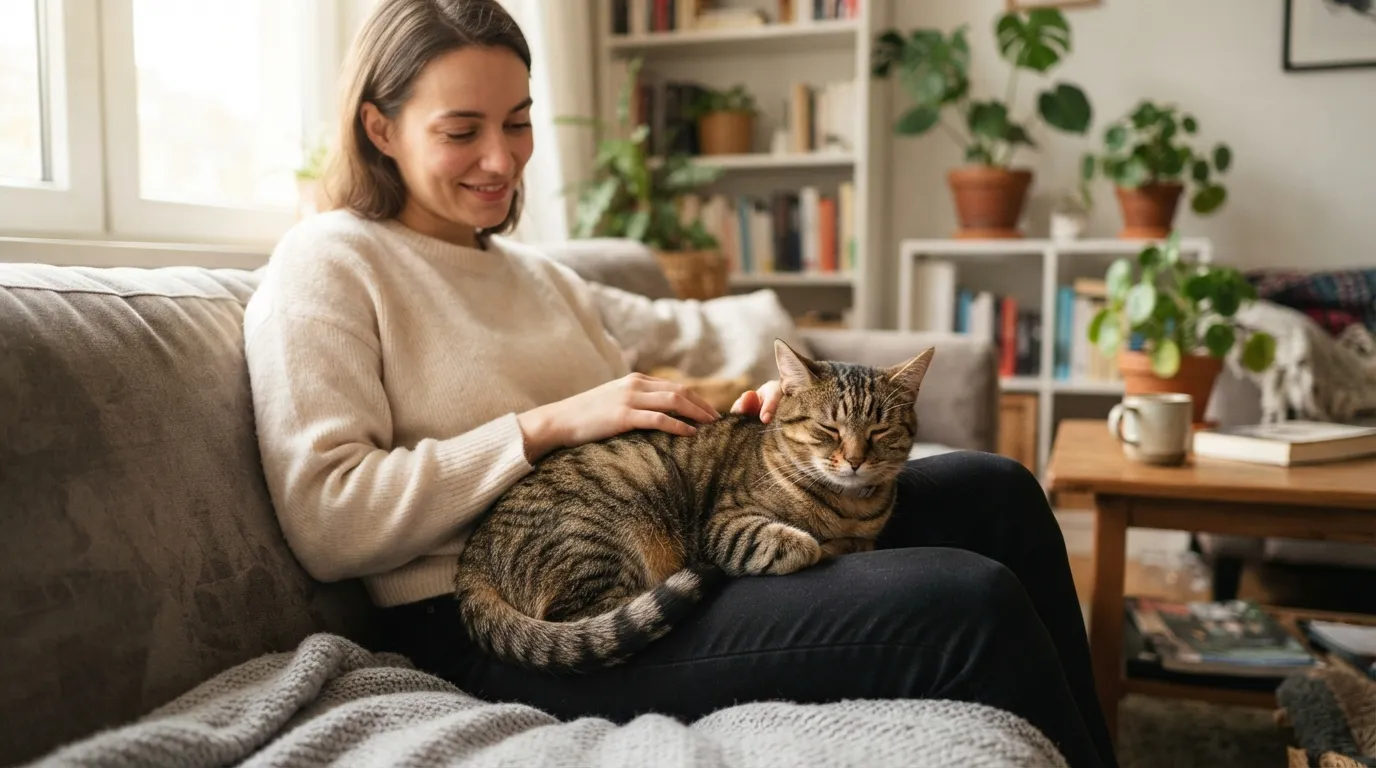
This one gets dismissed as soft. The science backs it up more than most people expect.
The bond between a cat and its owner directly influences its wellbeing and lifespan. Cats that get consistent love, attention, and mental stimulation tend to live longer, healthier lives.
An indoor cat is present – for meals, for play, for the quiet hours on the couch. That daily contact builds trust and keeps an owner tuned in to even the smallest behavioral shift.
Stress is a genuine health driver in cats, and a secure home keeps it low in a way a solo roam around the block never could. All of this sets up the advantage outdoor cats simply can’t replicate.
#2 – Consistent Preventive Veterinary Care
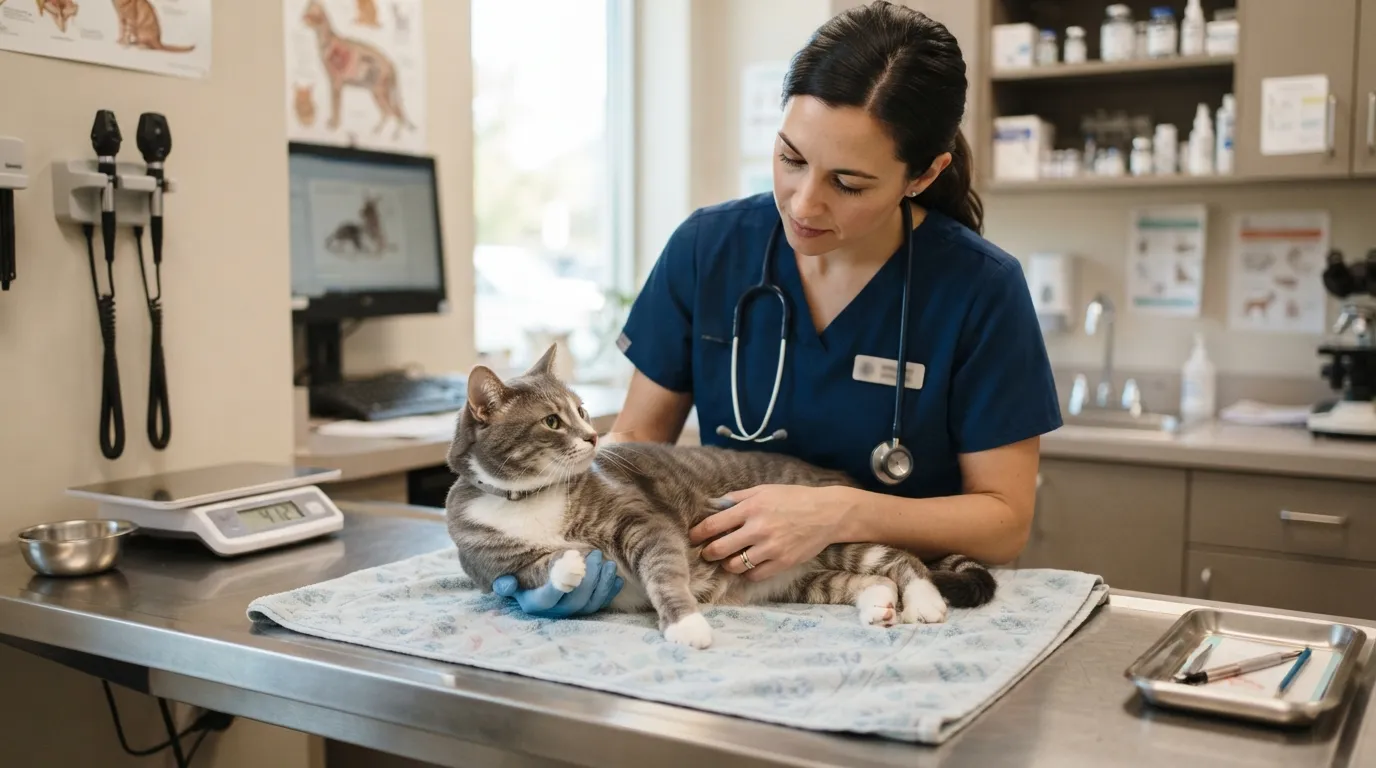
Outdoor cats get emergency vet visits. Indoor cats get preventive ones, and the difference is enormous.
Annual exams, up-to-date vaccines, parasite prevention, and proper nutrition all add years to a cat’s life.
At a Glance
- Annual wellness exams catch problems early
- Core vaccines stay current year-round
- Parasite prevention becomes routine, not reactive
- Diet and weight get monitored consistently
Indoor cats are far more likely to actually receive that consistent care, because their owners notice something’s off before it becomes an emergency. Which brings us to the one advantage that ties every single other one together.
#1 – Freedom From Fear
This is the one almost nobody talks about, and it might be the most important on the entire list.
Outdoor cats get mental stimulation, sure. They also live exposed to predators, disease, and accidents – a chronic low-level fear with a real physiological cost.
An indoor cat doesn’t spend its nights dodging coyotes, rival cats, or moving vehicles. It sleeps deeply. It plays without threat.
True feline confidence doesn’t come from surviving danger. It comes from never having to face it in the first place – and that’s the one advantage no outdoor cat, no matter how streetwise, will ever have.
The Bottom Line
The numbers are unambiguous: indoor cats live 12 to 18 years on average, while an outdoor cat’s life expectancy sits at just 2 to 5 years. That gap is built from traffic, predators, disease, parasites, toxins, extreme weather, and the ever-present risk of getting lost – risks your indoor cat faces exactly none of.
These advantages aren’t just about safety. They’re about a cat that eats well, sleeps well, gets seen by a vet regularly, and is genuinely known by the person who loves it.
Your cat isn’t caged. It’s protected – and it’s winning a game most outdoor cats don’t even know they’re losing. Which of these thirteen have you actually noticed in your own cat?
Growing up traveling and experiencing new cultures and wonders, I have had a passion for nature, adventuring, photography, and videography. I am currently working towards a BSc in Biodiversity and Ecology at Stellenbosch University, and I hope to specialise in Marine Sciences one day.
Please send any feedback to Feedback@animalsaroundtheglobe.com