You probably believe at least three things about cat care that your vet no longer believes. Not because you weren’t paying attention – but because the advice itself quietly changed while nobody sent out a memo.
From painkillers to vaccines to a disease once considered a guaranteed death sentence, veterinary medicine has walked back more “common knowledge” than most owners realize. Here are the 13 claims that didn’t survive the evidence.
#13 – “A Little Aspirin Won’t Hurt Your Cat”
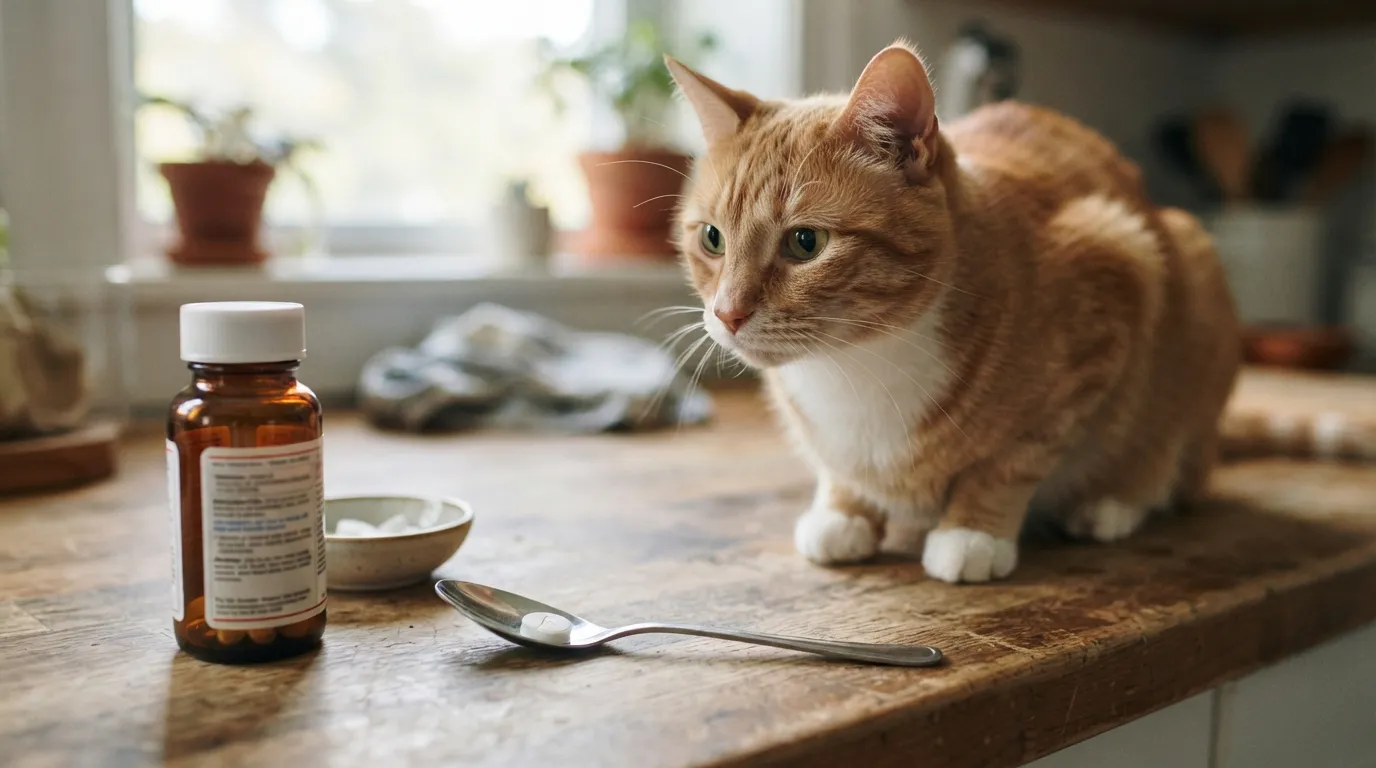
This one has circulated in pet owner forums for decades. It’s also genuinely dangerous.
Cats lack the liver enzymes needed to clear aspirin efficiently, so it can stay active in their system for 24 to 48 hours. Even a small dose can disrupt blood clotting and damage the stomach lining or kidneys.
The FDA and the ASPCA Animal Poison Control Center both warn that the “small human dose” logic simply doesn’t translate to cats. According to the Cornell Feline Health Center, vets now prescribe aspirin only in rare, tightly monitored cases.
But aspirin isn’t the only painkiller people reach for without thinking. Wait until you see what #12 says about ibuprofen.
#12 – “Ibuprofen Is Safer Than Aspirin for Cats”
If aspirin is risky, surely ibuprofen – the “gentler” over-the-counter option – is safer? Vets are emphatic: absolutely not.
Ibuprofen is toxic to cats, full stop. A single dose can trigger kidney failure, stomach ulcers, and abnormal bleeding within hours.
Most cases aren’t accidental ingestion – they’re well-meaning owners trying to manage their cat’s pain at home. That good intention becomes an emergency room visit fast.
Vets now follow feline-specific dosing guidelines from the International Society of Feline Medicine and the American Association of Feline Practitioners. FDA-approved options like meloxicam and robenacoxib exist for exactly this reason.
The pattern here is bigger than two drugs. #11 explains why cats process almost every human medicine differently than we assume.
#11 – “Tylenol Is Fine If You Halve the Dose”
The “just cut the pill in half” logic has hurt more cats than most owners realize. Acetaminophen isn’t a dosage problem for cats – it’s a species problem.
Cats have almost no ability to metabolize acetaminophen safely. It builds to toxic levels in their bloodstream shockingly fast.
One regular-strength Tylenol pill can kill a cat. This has been settled toxicology for years, yet the myth keeps resurfacing.
Treatment means induced vomiting, activated charcoal, or an antidote called N-acetylcysteine – followed by IV fluids and oxygen therapy. It’s a brutal, expensive fix for something entirely preventable.
Fast Facts
- Aspirin: cats lack the liver enzymes to clear it, so effects can linger 24 to 48 hours.
- Ibuprofen: a single dose can trigger kidney failure and stomach ulcers within hours.
- Acetaminophen (Tylenol): one regular-strength pill can be fatal to an average cat.
If the medicine cabinet is off-limits, what about the food bowl? #10 tackles a myth sold to cat owners since childhood.
#10 – “Cats Love Milk, and It’s Good for Them”
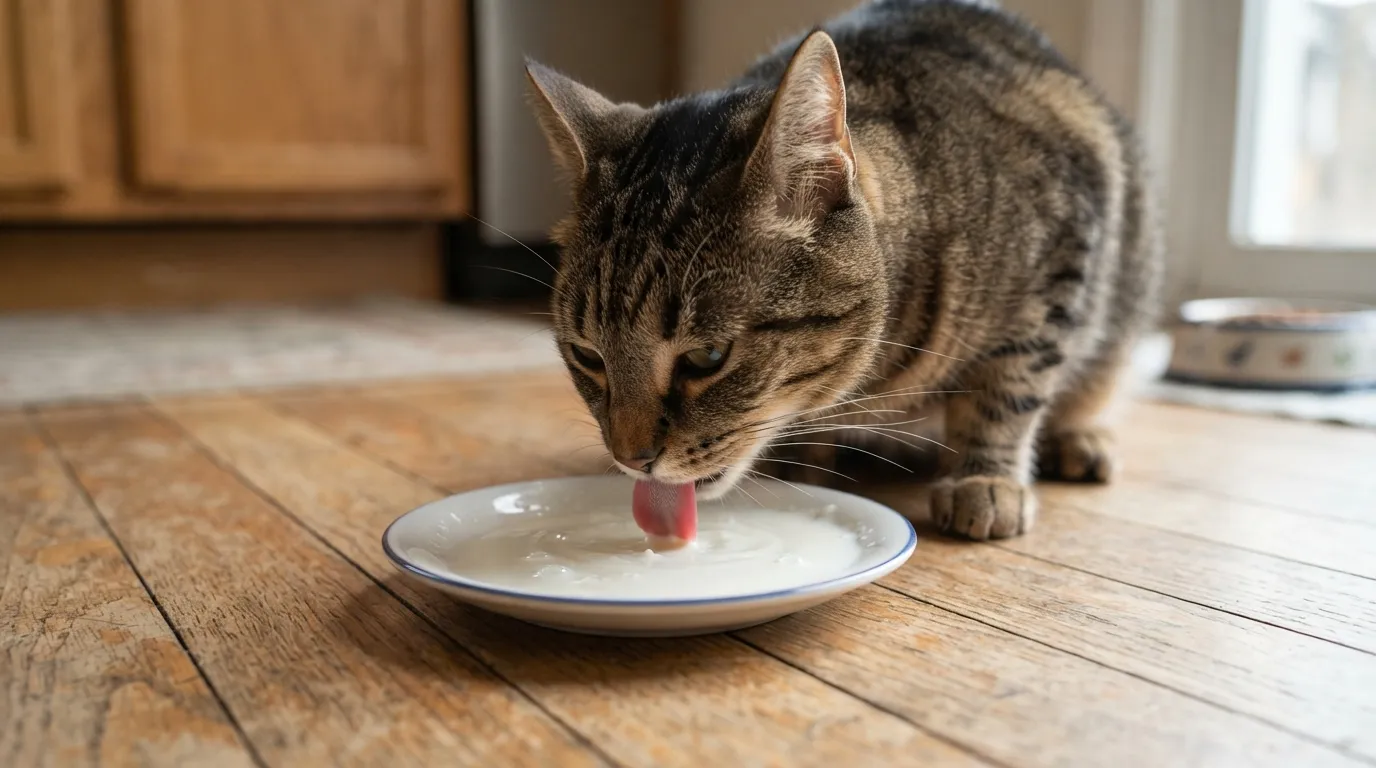
The image of a cat lapping up a saucer of milk is practically cultural at this point. Vets have been correcting it for years, and it keeps coming back anyway.
Most adult cats are lactose intolerant. Their bodies simply stop producing enough of the enzyme needed to break down milk sugar after kittenhood.
The result is diarrhea, bloating, and stomach cramps – not a harmless treat. It offers zero nutritional benefit and real digestive risk.
What makes this myth so sticky is that kittens genuinely can digest their mother’s milk. It just stops being true the moment they’re weaned.
Speaking of what cats actually need to eat, #9 is dividing the feline nutrition world right now.
#9 – “A Vegetarian Diet Is Fine for Cats”
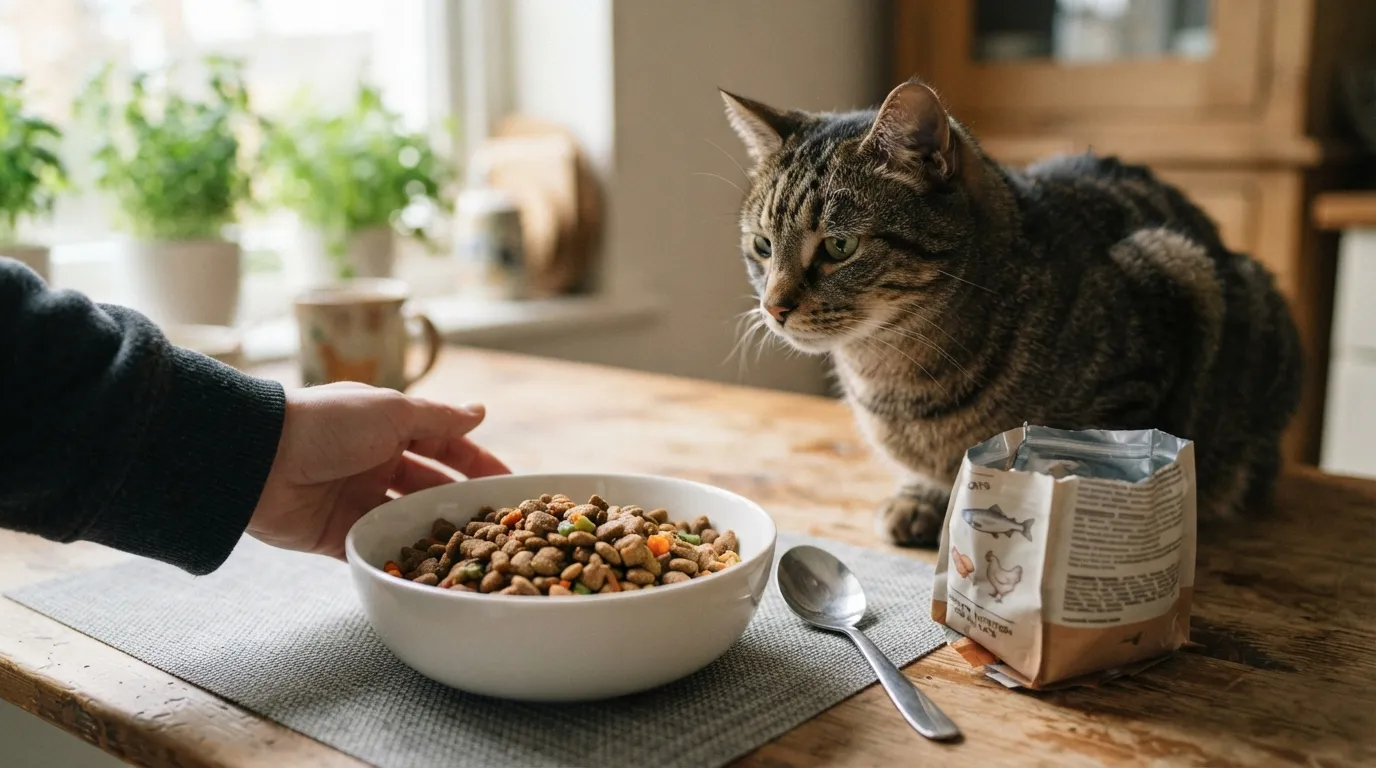
Dogs can adapt to a carefully formulated plant-based diet. Cats, biologically, cannot – and vets are pushing back hard as plant-based pet food marketing grows.
Cats are obligate carnivores. Their bodies can’t synthesize amino acids like taurine and arginine, which must come from animal tissue or the cat risks heart disease, blindness, or organ failure.
Many cat foods advertise high protein percentages without disclosing how much comes from plant sources cats can’t use efficiently. Reading the actual ingredient list matters more than the front-of-bag claims.
The consensus among vets is leaning firmly against vegetarian or vegan diets for cats, even with supplements. That leads straight into #8, where the outdated advice shifts from food to vaccines.
#8 – “Indoor Cats Don’t Need Vaccines”

It feels logical: if your cat never goes outside, it can’t catch anything from other animals. Vets have been dismantling this reasoning for years.
Viruses like feline panleukopenia and herpesvirus travel on clothing, shoes, and hands brought in from outside. A single unvaccinated visitor can introduce a pathogen your indoor cat has zero immunity against.
Indoor cats need vaccination just as consistently as cats that go outdoors. Their exposure risk isn’t zero – it’s just invisible.
But the annual vaccine schedule itself has also been quietly rewritten. That’s what #7 is all about.
#7 – “Your Cat Needs Every Vaccine Every Single Year”
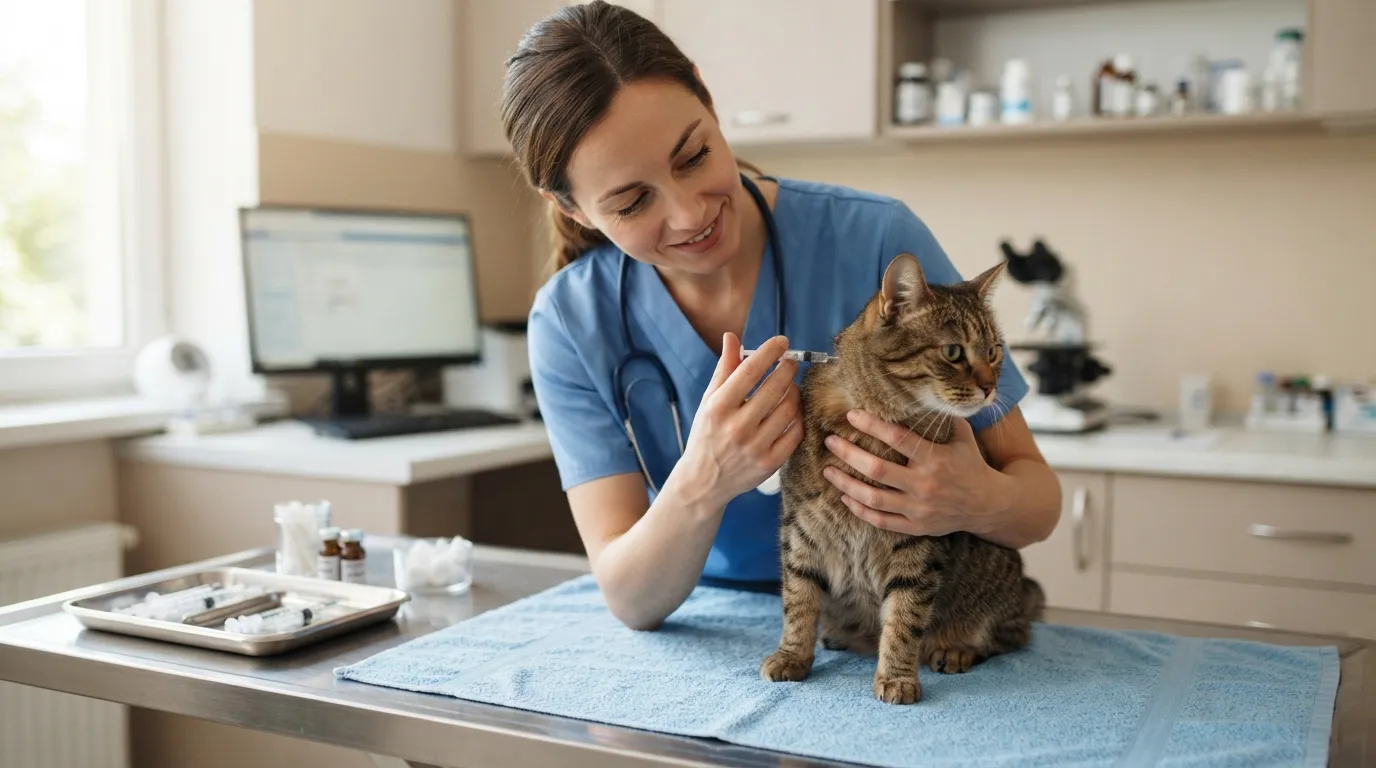
For decades, annual boosters for every vaccine were treated as gospel. That blanket rule has been significantly walked back.
The American Animal Hospital Association and the American Association of Feline Practitioners jointly overhauled the feline vaccination guidelines in 2020, replacing blanket annual boosters with individualized, risk-based schedules.
Some core vaccines now offer three-year protection after the initial series. That’s a real, evidence-backed shift – not a cost-cutting shortcut.
At a Glance
- Core vaccines cover FHV-1, feline calicivirus, feline panleukopenia, and rabies, plus FeLV for kittens under one year old.
- Non-core vaccines, including Chlamydia felis and Bordetella, are given only when a cat’s lifestyle warrants it.
- The updated guidelines urge vets to give core vaccines to every cat and non-core vaccines no more often than necessary.
The next claim makes cat owners feel relieved right up until it sets them up for a very expensive missed diagnosis.
#6 – “Cats Show It When They’re Sick”
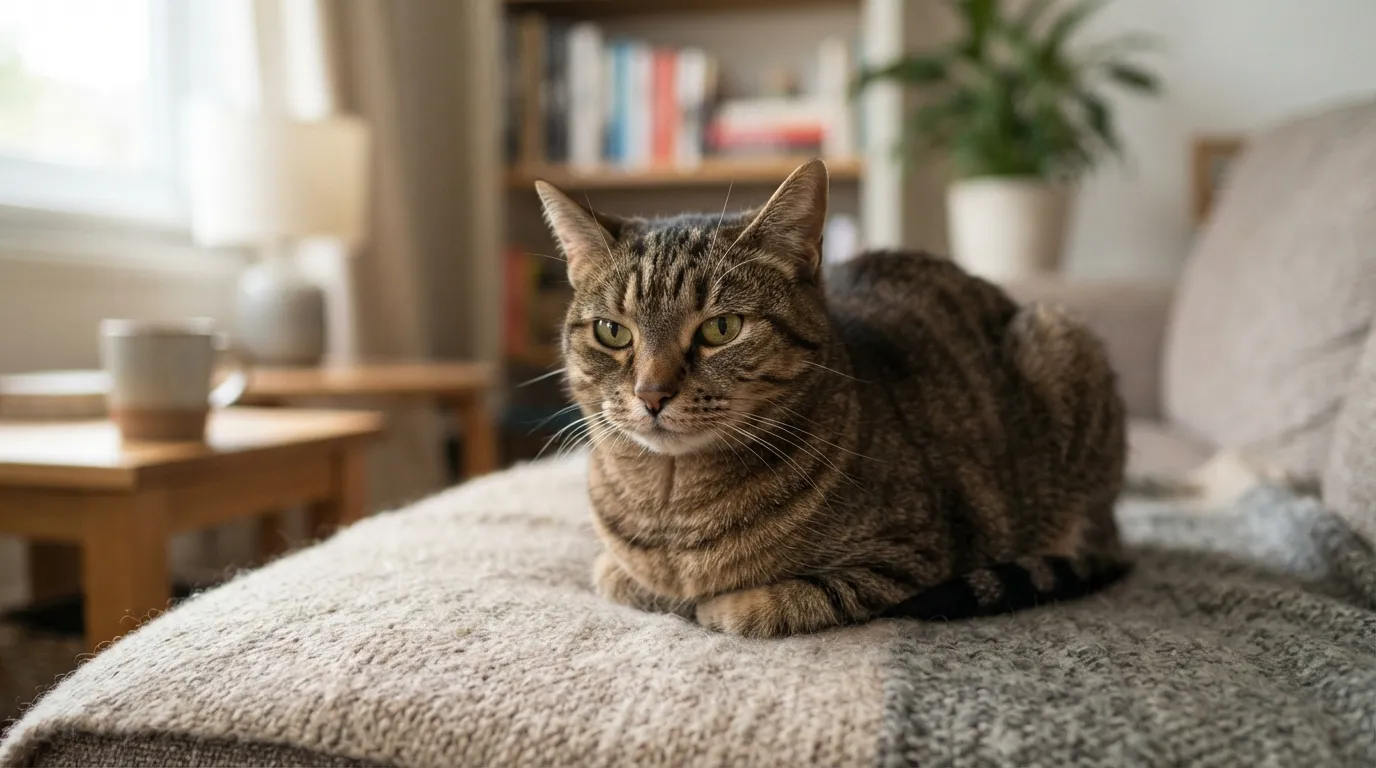
This belief delays more diagnoses than almost anything else on this list. Cats are hardwired to mask illness, and most owners don’t find out until the disease is advanced.
Hiding pain isn’t a personality quirk – it’s an evolutionary survival trick. Showing weakness in the wild invites predators, so cats simply don’t show it.
Many diseases can be caught with a routine blood or urine test long before any visible symptoms appear. By the time a cat looks sick, intervention often gets much harder.
Watch for decreased appetite, reduced movement, hiding, or sensitivity when touched. Those subtle signals matter far more than waiting for obvious symptoms.
This connects directly to #5, the follow-on myth that lets owners skip the vet entirely.
#5 – “Cats Don’t Really Need Annual Vet Visits”
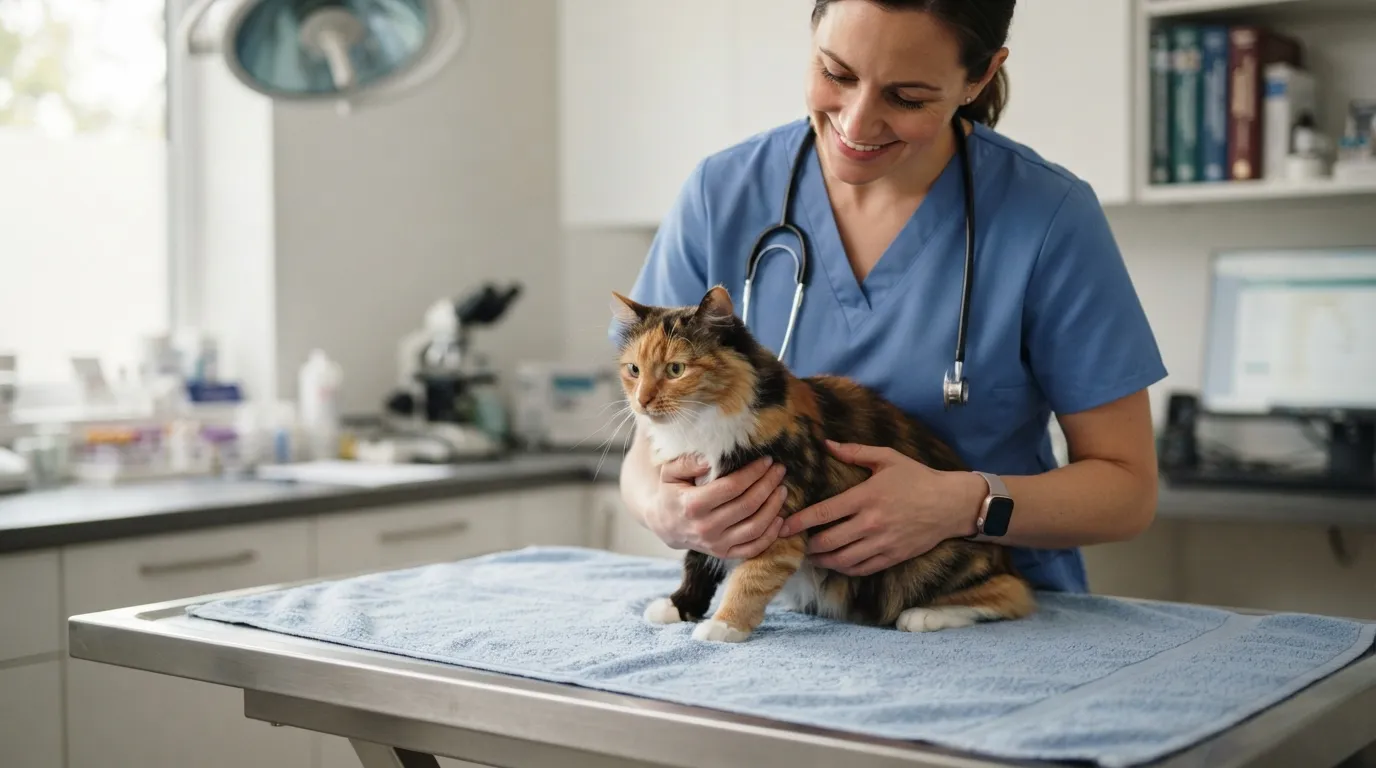
Cats visit the vet far less than dogs, often by a factor of two or three. The reasoning is usually “they seem fine” – see #6 for exactly why that’s a trap.
Skipping annual visits doesn’t just risk missing a new problem. It erases the baseline data a vet needs to notice subtle changes over time.
Many medical issues are far easier to treat when caught early. A vet who’s seen your cat once in three years has almost nothing to compare against.
The next claim surprises even experienced cat owners, because it involves a parasite most people associate only with dogs.
#4 – “Heartworm Is a Dog Problem, Not a Cat Problem”
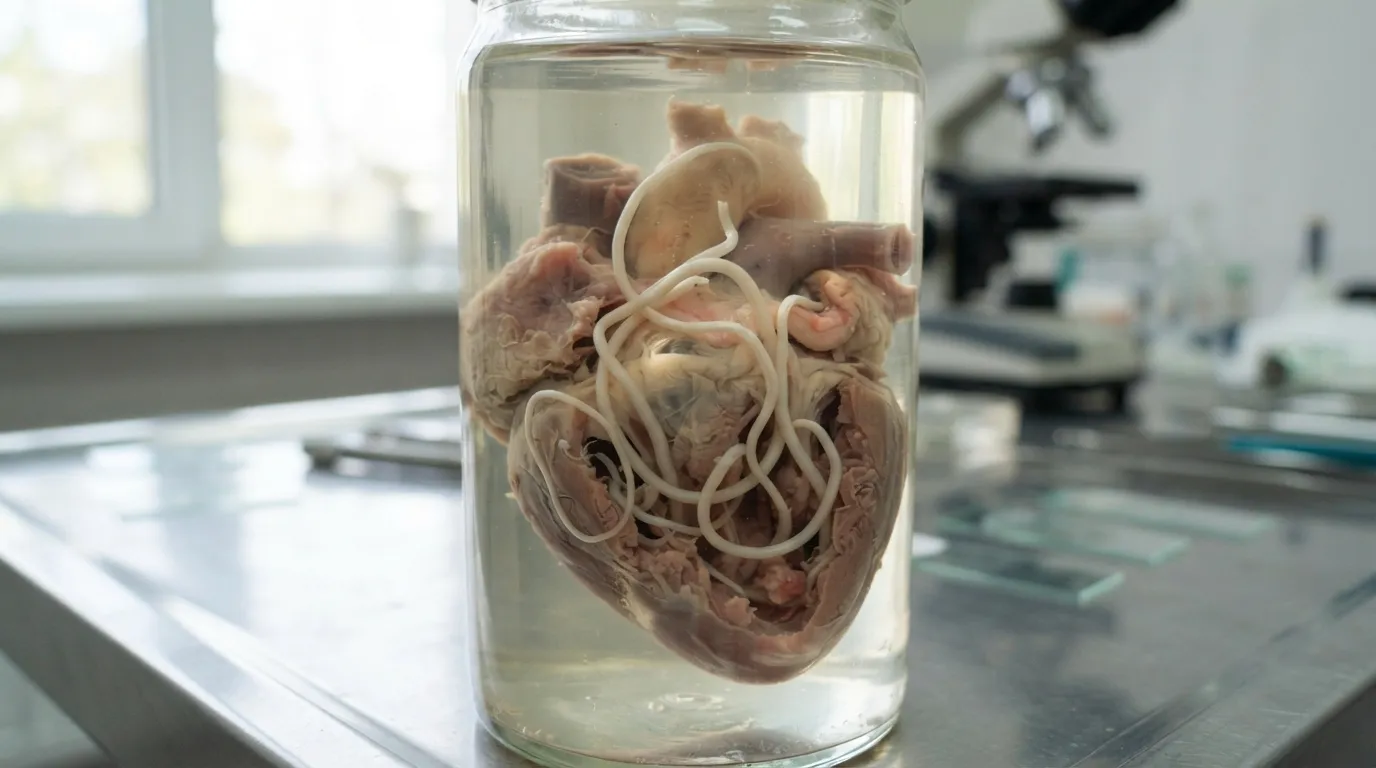
Ask most cat owners about heartworm prevention and you’ll get a blank stare. It’s a dog thing, right? The 2024 guidelines made the corrected position official.
Heartworm is less common in cats than dogs, but it’s far from harmless. It can trigger severe respiratory and cardiovascular disease in felines.
The 2024 American Heartworm Society Feline Guidelines now recommend annual screening for all cats, testing for both antigen and antibodies. Year-round prevention is treated as essential, not optional.
Here’s the part that makes this genuinely alarming: there is no approved treatment for feline heartworm disease. Prevention isn’t a good idea here – it’s the only option.
Which brings us to #3, where a reassurance vets used to offer is now considered dangerously misleading.
#3 – “Lumps and Bumps on Cats Are Usually Nothing to Worry About”
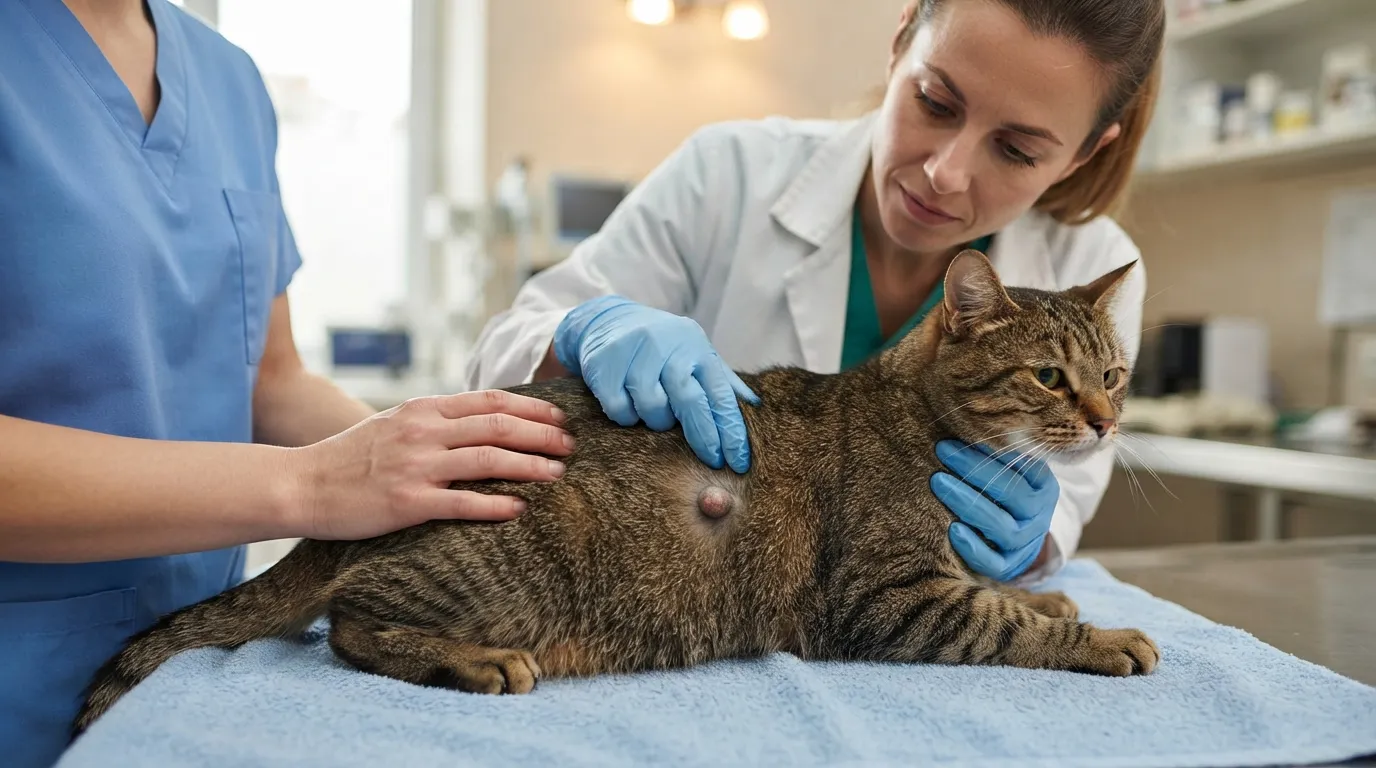
“Let’s keep an eye on it” is one of the most dangerous phrases in medicine, human or feline. The instinct to wait and watch a lump feels reasonable – but it carries real consequences.
No vet can reliably tell whether a growth is benign or malignant just by looking or feeling it. That uncertainty is exactly why “watching” a lump has fallen out of favor.
Cats can develop injection-site sarcomas – aggressive tumors that appear at former vaccine or injection sites. These can grow rapidly and are often malignant, which is why early biopsy has replaced the old wait-and-see approach.
And if you think the biggest myths on this list are about medicine, #2 will change your mind. It’s about a procedure that was considered routine until very recently.
#2 – “Declawing Is a Minor Cosmetic Procedure”
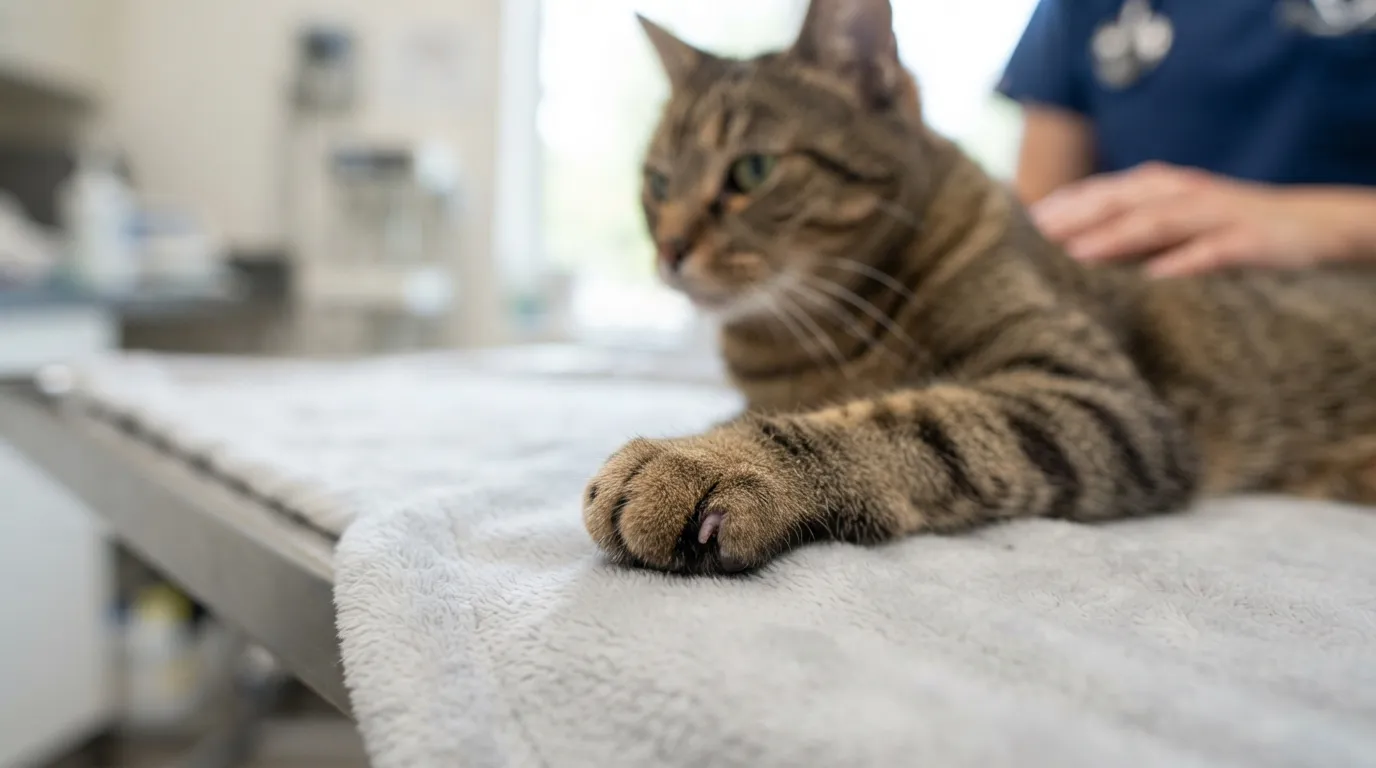
Few claims in feline medicine have been dismantled as thoroughly, or as slowly, as this one. Declawing was sold to owners for decades as roughly equivalent to a nail trim – it never was.
Declawing, or onychectomy, involves amputating the last bone of each toe. It is not a nail removal procedure. It is a digit amputation.
Post-operative studies have found declawed cats develop chronic pain, altered gait, and significantly higher rates of litter box avoidance and biting – because biting becomes their only remaining defense. Multiple countries have banned the procedure outright as animal cruelty, and several U.S. states have followed.
Worth Knowing
- New York became the first state in the nation to prohibit elective cat declawing in 2019.
- Maryland (2022) and Virginia (2024) followed with their own statewide restrictions.
- Massachusetts, Rhode Island, and California all enacted bans in 2025, with California’s law taking effect January 1, 2026.
- The District of Columbia bans the procedure, as do the cities of Austin, Texas; Denver; Madison, Wisconsin; Pittsburgh and Allentown, Pennsylvania; and St. Louis.
Nothing on this list, however, has generated more urgency among feline specialists than #1 – a claim about a disease once considered a guaranteed death sentence.
#1 – “FIP Is Always Fatal – There’s Nothing You Can Do”
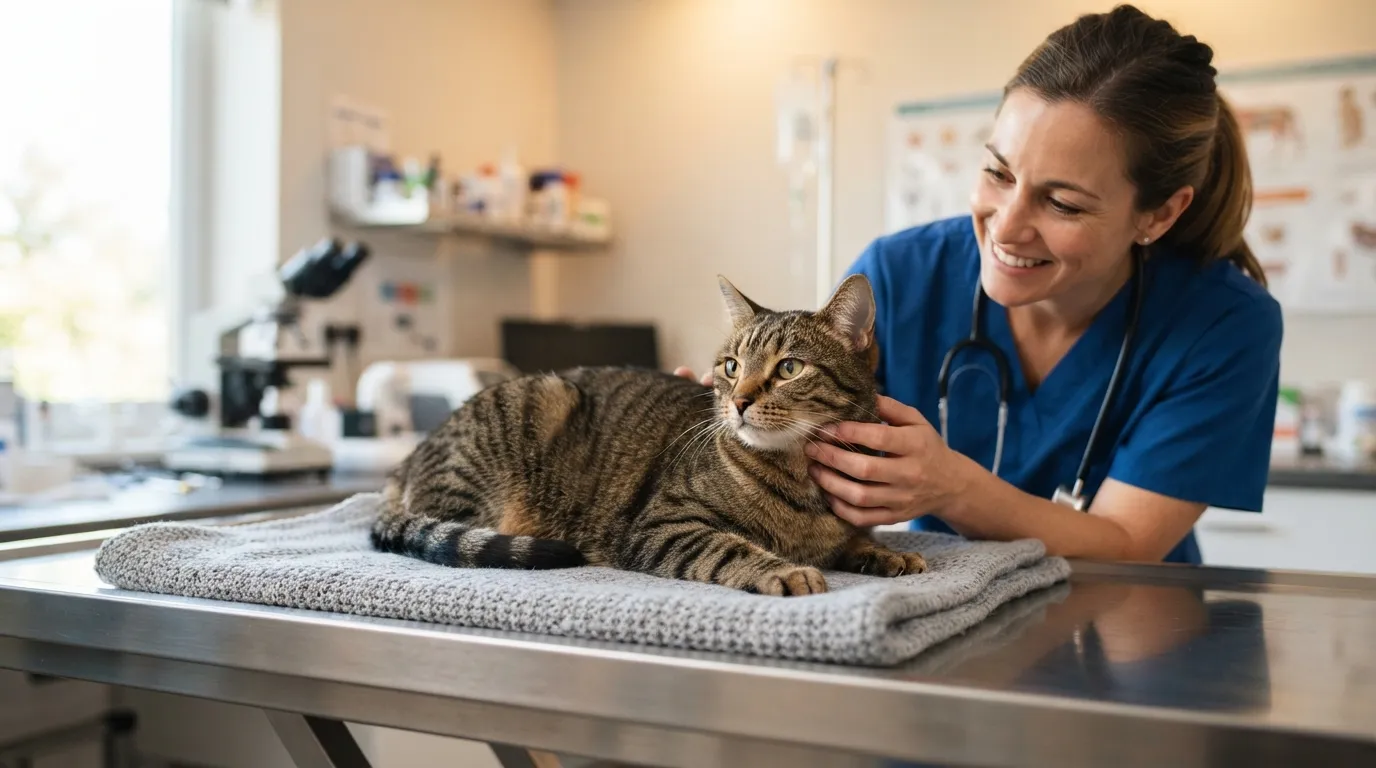
For most of veterinary history, Feline Infectious Peritonitis was an automatic death sentence. Vets routinely told owners to prepare for the worst.
That claim is now categorically outdated. Antiviral drugs, including GS-441524 and related compounds, have produced sustained remission in cats who once would have been euthanized within weeks.
The Feline Veterinary Medical Association’s 2025 FIP Update Guide documents this shift, and veterinary conferences now dedicate entire sessions to FIP treatment protocols. DVM360 has covered it as one of the biggest ongoing stories in feline medicine.
The diagnosis is no longer a goodbye. Owners who were told years ago to give up may have had options nobody ever mentioned – and that gap, more than any other on this list, needed correcting urgently.
The Bottom Line
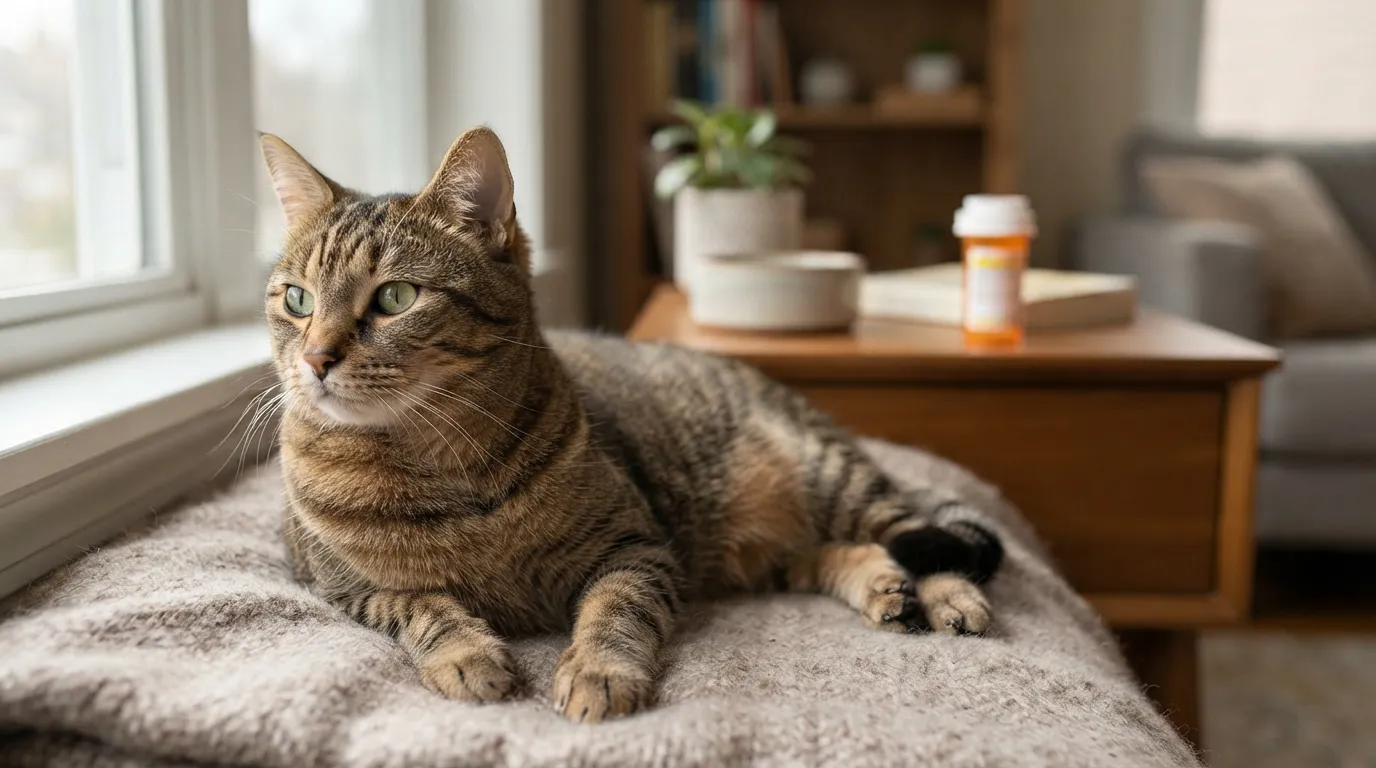
Veterinary science moves faster than most owners realize, and this list proves it. Aspirin, ibuprofen, and Tylenol are genuinely dangerous to cats – not “use with caution” substances, but emergency-room threats.
Vaccine schedules, indoor-cat risks, and heartworm guidance have all been formally rewritten by major veterinary bodies. Declawing has gone from routine to widely condemned, and FIP has gone from a death sentence to a treatable disease.
Quick Compare
| Old Belief | Current Vet Guidance |
|---|---|
| Human painkillers are safe in small doses | Aspirin, ibuprofen, and Tylenol are all toxic to cats |
| Indoor cats can skip vaccines | Indoor cats need the same core vaccines as outdoor cats |
| Declawing is a minor cosmetic fix | It’s a digit amputation, now banned in several states |
| FIP is a guaranteed death sentence | Antiviral treatment now produces long-term remission |
If your cat knowledge hasn’t been updated in a few years, there’s a decent chance your cat is quietly paying the price for it.
Growing up traveling and experiencing new cultures and wonders, I have had a passion for nature, adventuring, photography, and videography. I am currently working towards a BSc in Biodiversity and Ecology at Stellenbosch University, and I hope to specialise in Marine Sciences one day.
Please send any feedback to Feedback@animalsaroundtheglobe.com