Most pet owners are convinced they’re doing everything right. Then a Reddit thread with over 8,700 comments cracked that confidence wide open – vets have been quietly holding back on what they really think of our home care habits.
It turns out the mistakes most likely to shorten your pet’s life aren’t the dramatic, obvious ones. They’re small, everyday habits hiding in plain sight – and we’re counting down all 15, starting with the one vets say they see constantly.
#15 – Skipping Preventive Care Because “They Look Fine”
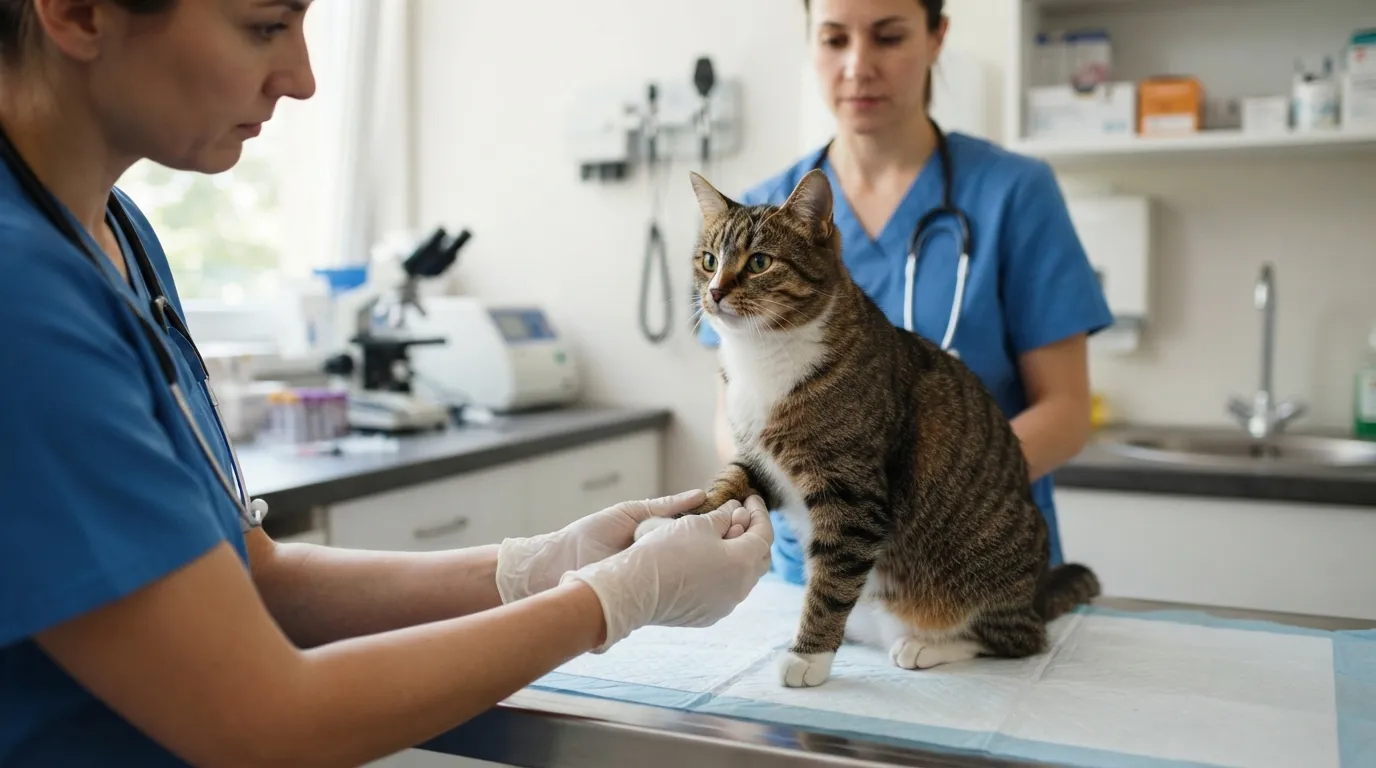
This is the mistake vets see constantly – and it quietly drives them mad.
Neglecting preventive care is the most common mistake pet owners make, according to Houston’s Canine Health Institute associate medical director Dr. Adrianne Brode.
Taking your dog in to the vet for regular examinations, giving heartworm prevention, and getting your dog the appropriate vaccinations and deworming can prevent many diseases.
Dr. Adrianne Brode, DVM
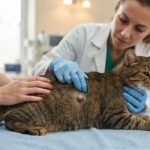
A cat that looks perfectly healthy can still be hiding early kidney disease, thyroid changes, or a dental infection. Only bloodwork, a urine sample, or a hands-on exam will catch it in time.
Only about 40% of dog and cat owners visit a vet every year. That means most pet owners are gambling with problems they simply can’t see yet.
But skipping the vet is just the start. The next mistake happens right in your kitchen – every single day.
#14 – Overfeeding Out of Love
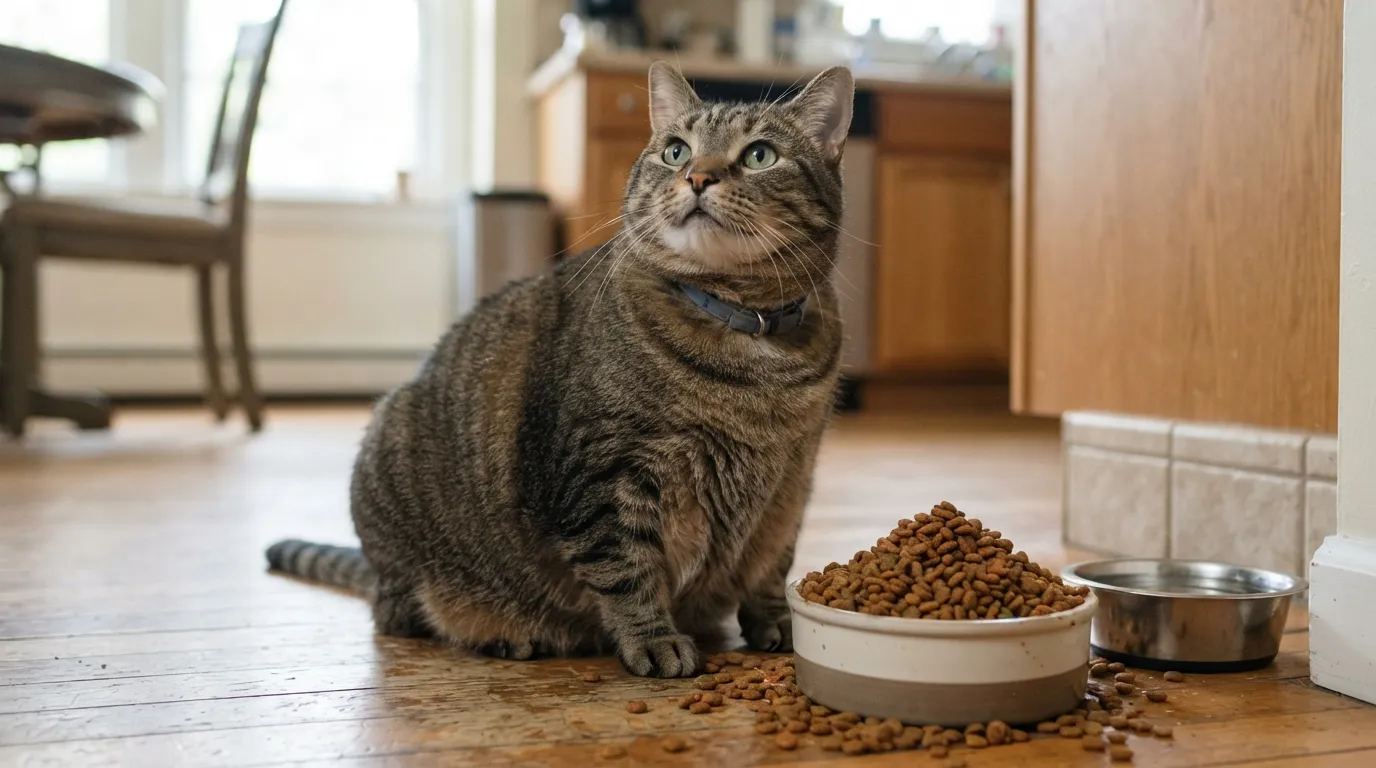
It feels like love. Turns out, it’s one of the most common forms of harm.
Many owners equate food with affection, leading to oversized portions and a steady stream of treats.
Well over half of dogs and cats in the U.S. are now overweight or obese. Those extra pounds bring the same risks people face – heart disease, joint problems, liver and kidney strain, even cancer.
Being overweight can significantly shorten a pet’s life expectancy – and most owners don’t realize the damage is already underway.
You’d think the fix is simply less food. But the next mistake proves it’s rarely that simple.
#13 – Ignoring Dental Care Entirely
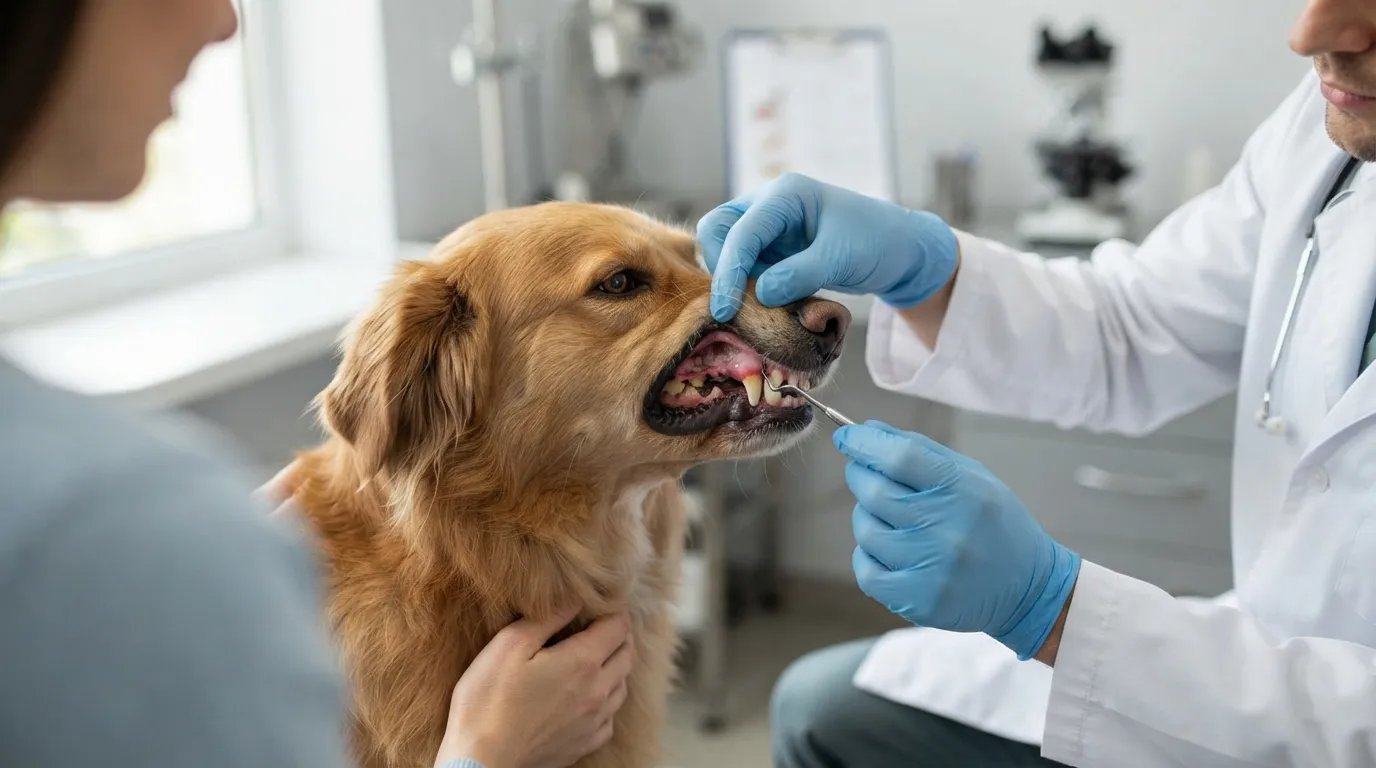
Vets admit this is the one they bring up least – because owners resist it the most.
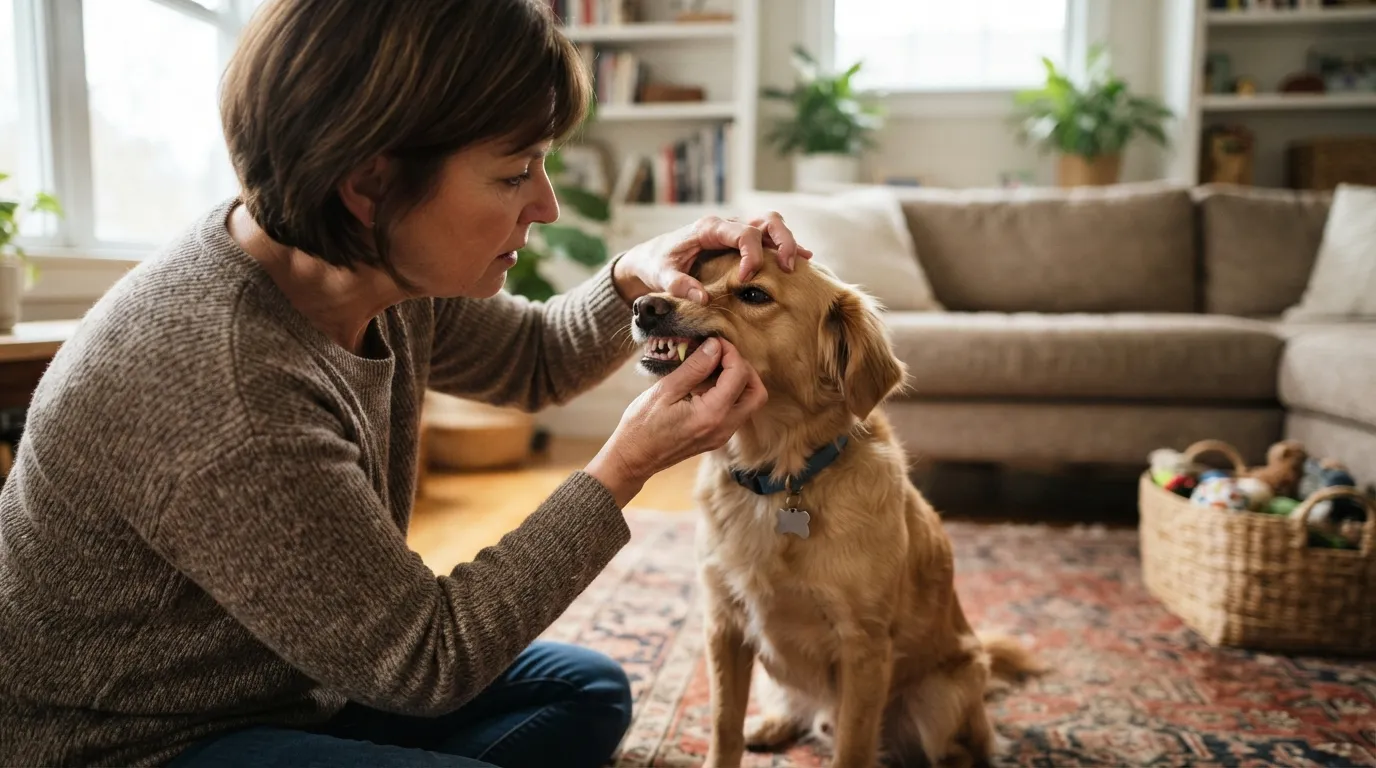
Oral health is critical to a pet’s overall wellbeing and lifespan, yet most owners never touch their pet’s teeth. It’s uncomfortable, sure, but a pet’s teeth need daily attention just like ours do.
Dental disease rarely stays in the mouth. Left untreated, it spreads bacteria straight to the heart, kidneys, and liver.
Fast Facts
- By age 3, roughly 80% of dogs and 70% of cats already show some form of dental disease.
- Untreated infections can send bacteria into the bloodstream and damage the heart, liver, and kidneys.
- Daily brushing is the single most effective at-home habit, but most owners never start it.
- Pets rarely show obvious pain, so problems often go unnoticed until they’re advanced.
Most pets with serious dental disease show no obvious signs at home until the damage is already severe. By then, chewing itself has become painful.
And speaking of things hiding in plain sight – the next mistake involves something most indoor pet owners never even think about.
#12 – Assuming Indoor Pets Don’t Need Parasite Control
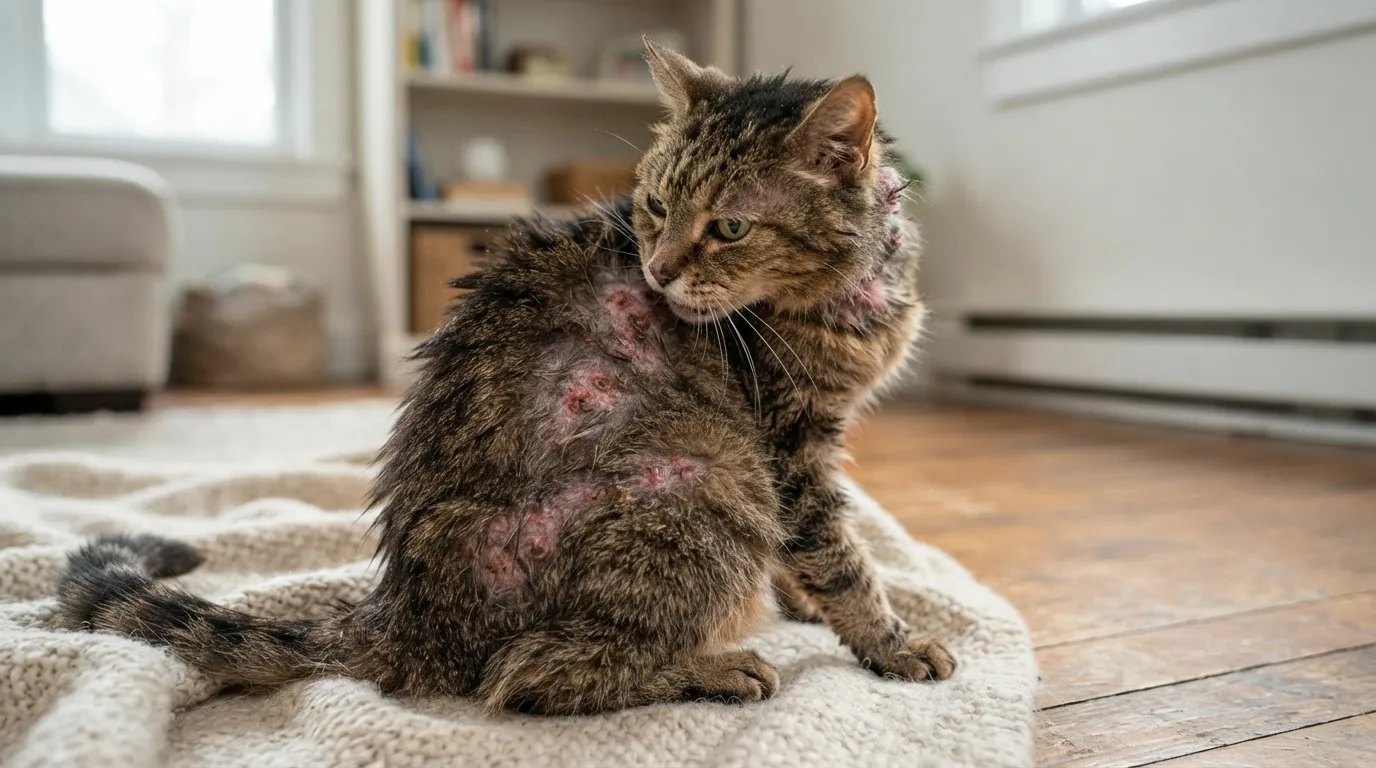
“My cat never goes outside” is the sentence vets hear right before diagnosing a flea infestation.
Indoor cats can end up matted, itchy, and covered in infected skin without ever setting a paw outdoors.
Often, indoor cats will start itching and get bloody scabs and sores all over their body. That’s a sign of fleas.
Dr. Osborne
The owner always asks how that’s possible. The answer: fleas hitch a ride inside every time a door opens, and they can survive indoors through winter too.
This one shocks people every time. But what’s coming next shocks them even more – because it involves a product most owners actively choose to buy.
#11 – Using the Wrong Flea Product on the Wrong Species
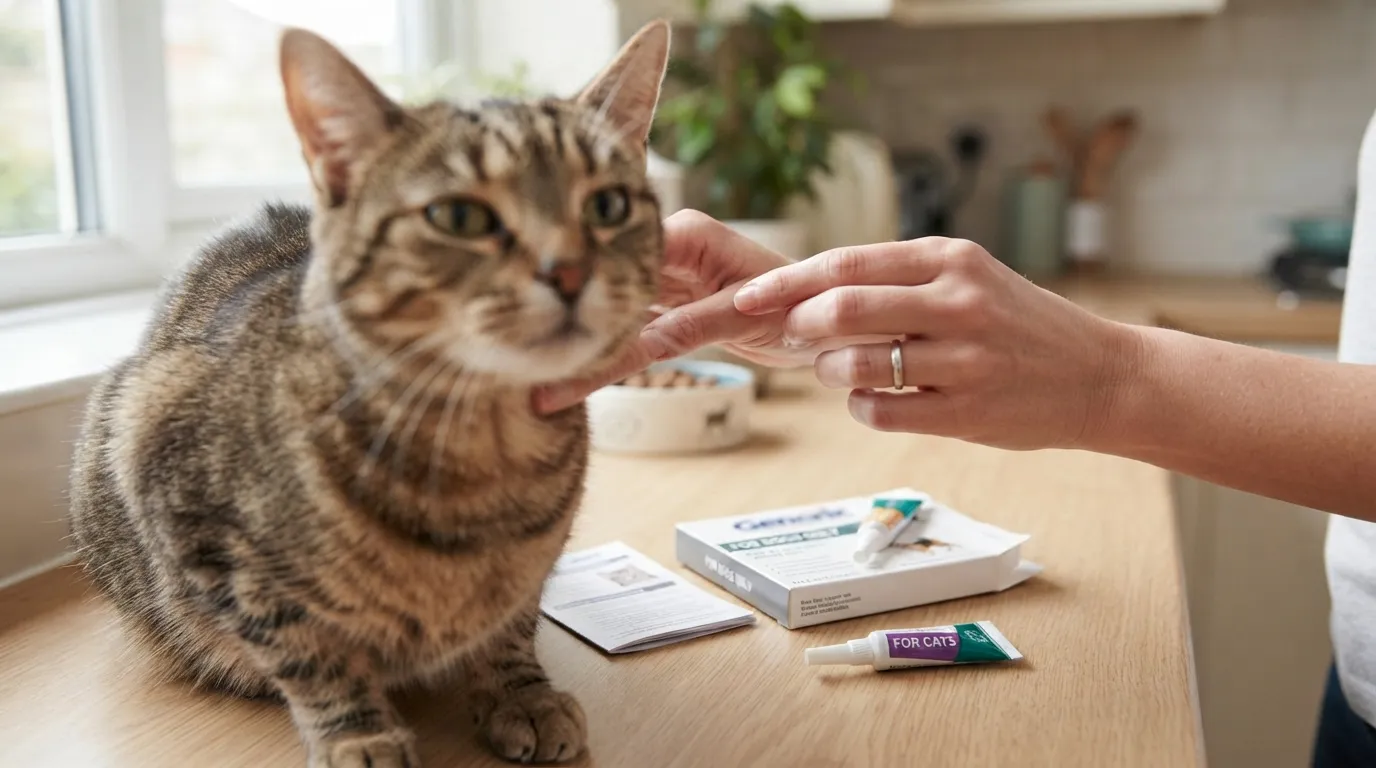
This mistake sends pets to emergency rooms every year – and it’s entirely preventable.
Some over-the-counter flea products made for dogs contain permethrin, an ingredient that’s toxic to cats. It can trigger tremors or seizures if applied directly, or even if a cat just grooms a treated dog it lives with.
Cats are especially vulnerable because they lack the enzyme glucuronyl transferase, which most mammals use to break down certain compounds. That deficiency makes them far more sensitive to phenols found in some flea treatments.
Quick Compare
- Dog flea products with permethrin: Safe for dogs, metabolized efficiently by their liver.
- Same product on a cat: Can cause tremors, seizures, or death within hours.
- Cat-safe flea products: Formulated without permethrin, safe for direct application.
- Multi-pet households: Even indirect contact, like grooming or shared bedding, can poison a cat.
A single misapplied flea product can cause organ failure in cats. Reading the species label isn’t optional in a multi-pet household – it’s essential.
If that one surprised you, wait until you see what’s hiding in your essential oil diffuser.
#10 – Running Essential Oil Diffusers Around Pets
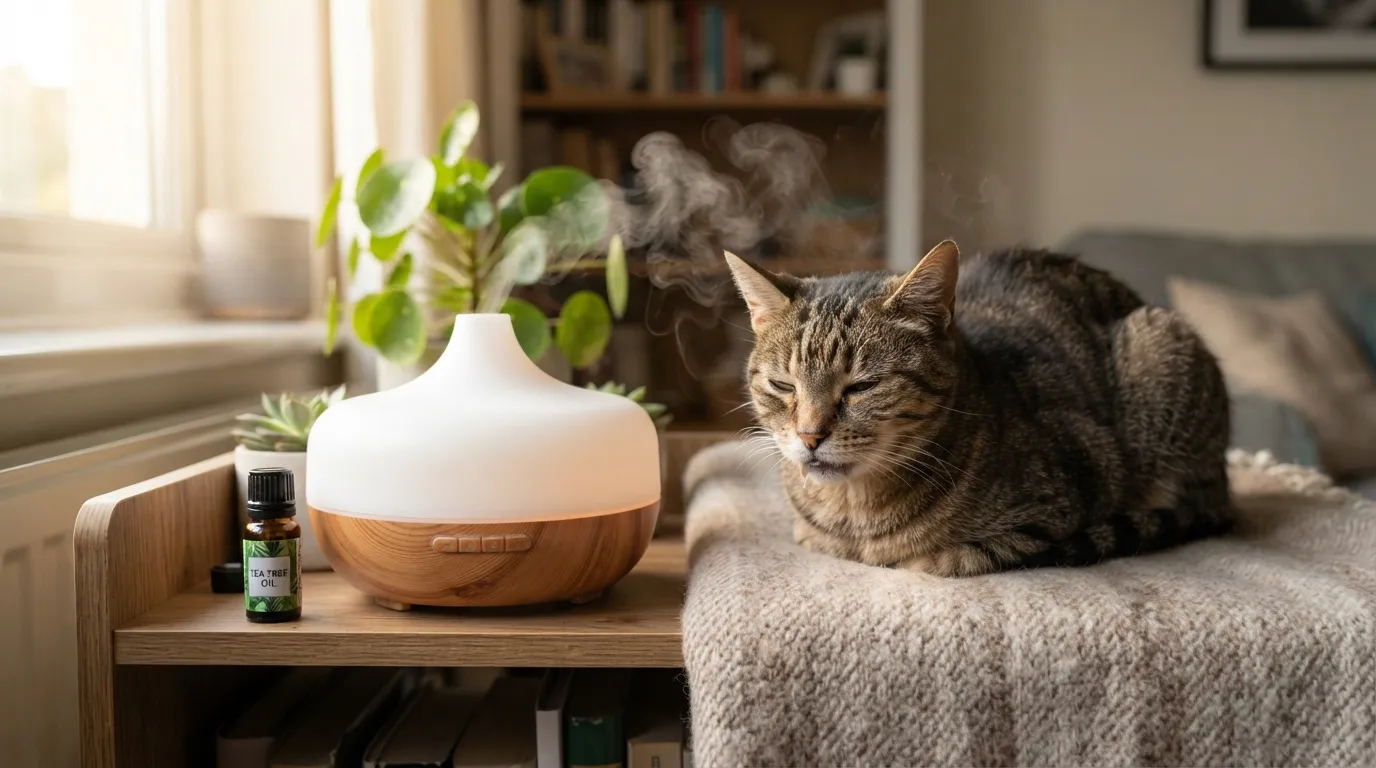
The wellness trend that’s quietly making pets sick – and vets are finally saying it out loud.
Well-meaning owners often diffuse essential oils with no idea of the risk. Tea tree oil is the most commonly reported intoxicant in pets.
These oils can damage the skin, intestines, and lungs on contact. Once absorbed, they can hit the liver, kidneys, and nervous system too.
Cats process toxins far differently than humans do. Their liver enzymes can’t break down many of these compounds, so the toxins simply build up in the bloodstream instead.
The next mistake is one most pet owners are completely convinced they’re getting right.
#9 – Choosing a Breed for Looks, Not Health
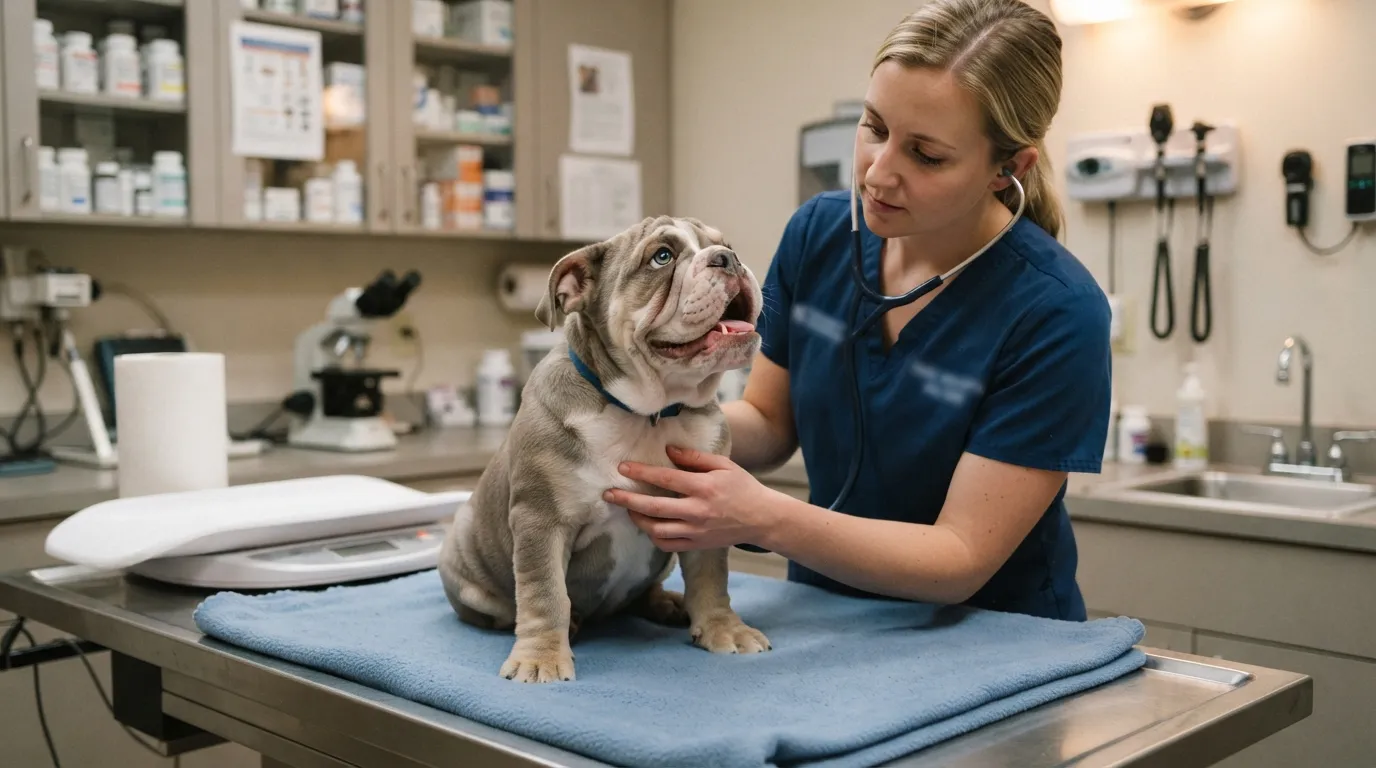
Vets quietly cringe every time a flat-faced puppy walks through the door.
Buying a breed known for poor health and a short life expectancy is one of the most common – and costly – mistakes owners make. Bulldogs and other flat-faced breeds are frequently poorly bred, which sets them up for a lifetime of vet bills.
Some owners pick a breed purely because it’s cute or trendy, without researching temperament or care needs. A high-energy dog in a small apartment, or a heavy-shedding breed with no grooming plan, is a mismatch waiting to cause problems.
The breed you choose on day one can shape your pet’s entire health trajectory. It’s the decision vets wish they could influence before it’s ever made.
But the next mistake happens long after you bring the pet home – in how you respond when they misbehave.
#8 – Using Punishment Instead of Redirection
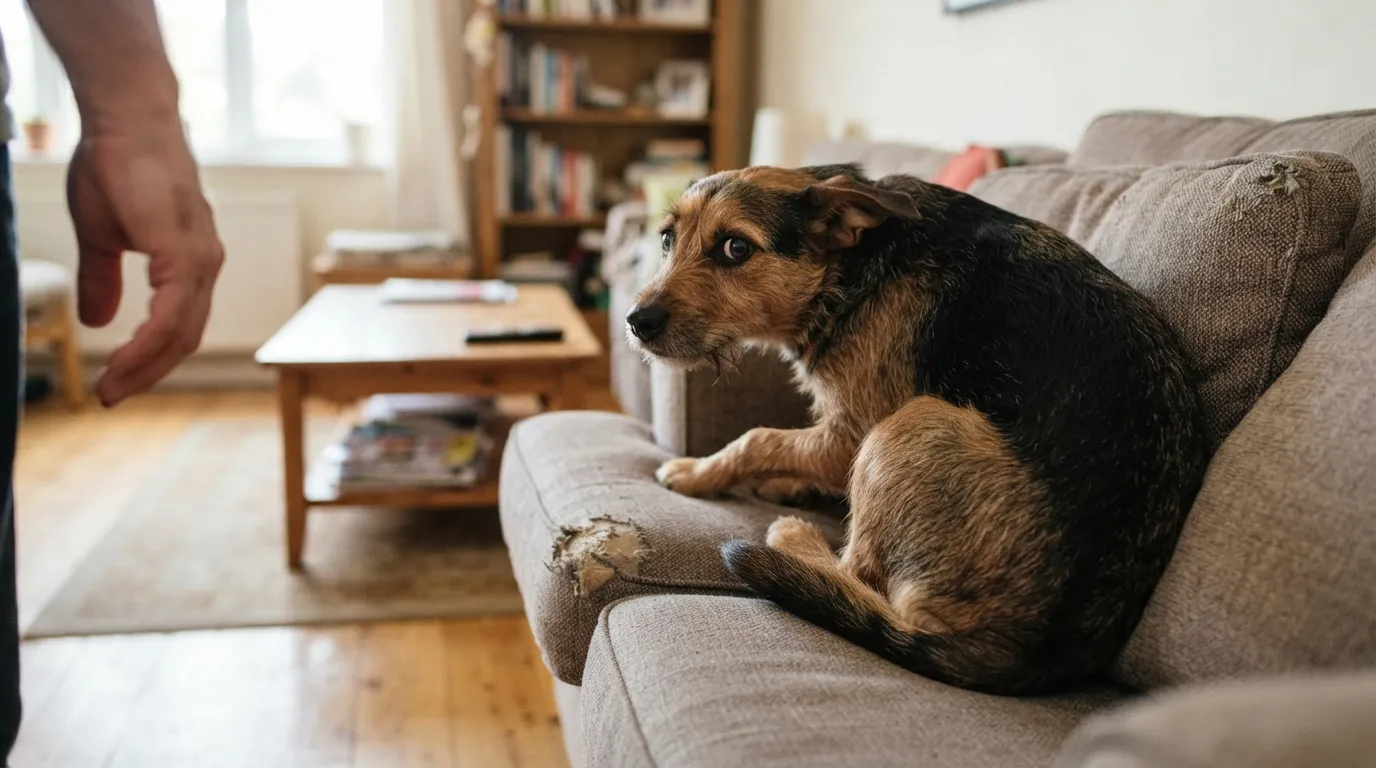
Vets and behaviorists agree on this one: punishment doesn’t work, and it actively makes things worse.
Pets don’t understand punishment, especially after the fact – they’re just following instinct or burning off frustration. Yelling or striking a pet isn’t just cruel, it’s ineffective, and it can make them afraid of you.
Fear-based responses don’t disappear over time – they accumulate. A pet that’s been punished regularly becomes harder to examine at the vet and far more stressed in general.
And stress has a partner in crime that owners rarely connect to physical illness.
#7 – Neglecting Mental Stimulation
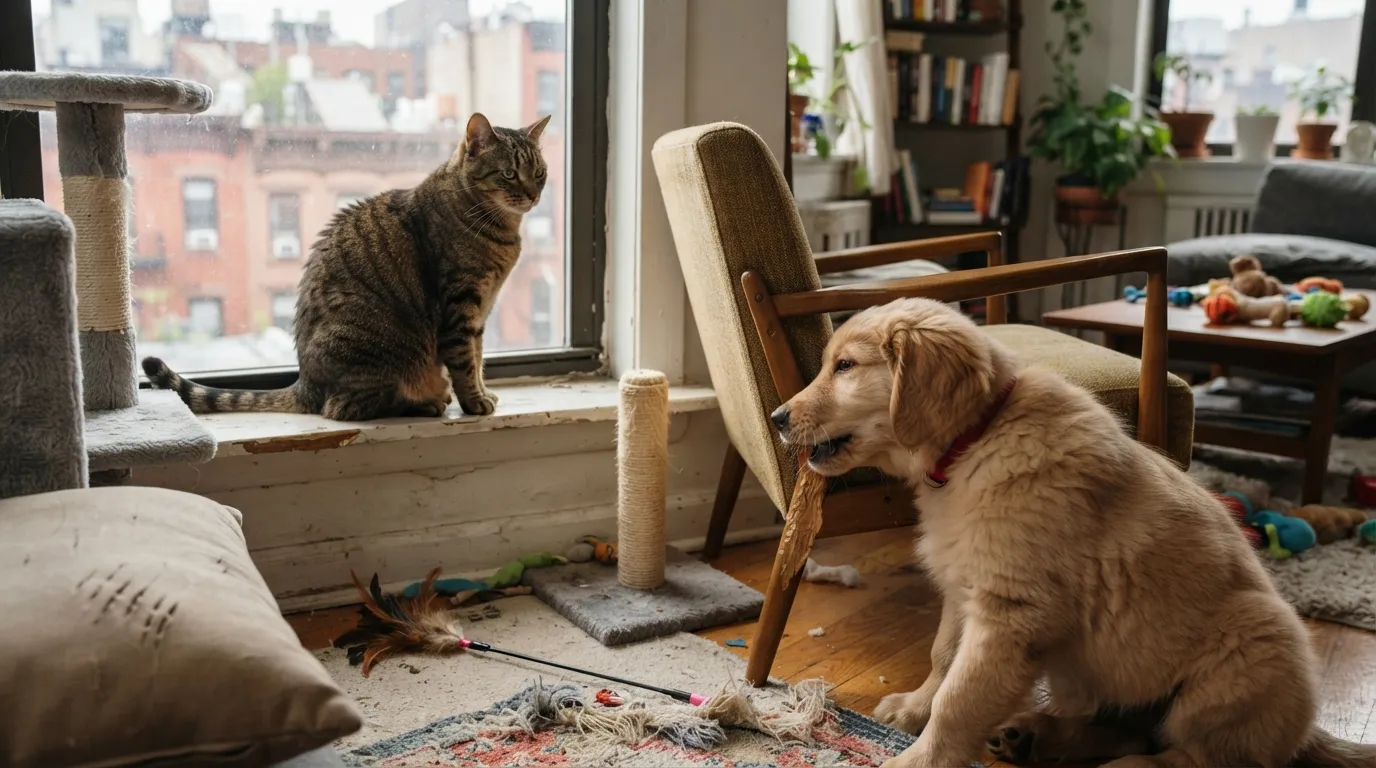
A bored pet isn’t just an annoying pet – it’s a pet quietly developing real health problems.
New owners often assume indoor pets don’t need much exercise, especially in a city apartment. That assumption is exactly the mistake.
Dogs benefit from structured walks and new environments, not just quick bathroom breaks. Even cats need daily playtime to stay mentally and physically healthy.
Worth Knowing
- Boredom shows up as chewing, scratching, or restless pacing long before it’s labeled “bad behavior.”
- Short, structured play sessions matter more than total time spent near the pet.
- Cats need vertical space and hunting-style play, not just toys left on the floor.
- Chronic under-stimulation is linked to anxiety and, over time, weaker overall health.
Chronic under-stimulation leads to anxiety, destructive behavior, and even immune suppression. A 10-minute enrichment session daily does more for a dog’s health than most supplements.
The next mistake shows up even in experienced, well-meaning owners – and it’s hiding in plain sight in most living rooms.
#6 – Failing to Pet-Proof the Home
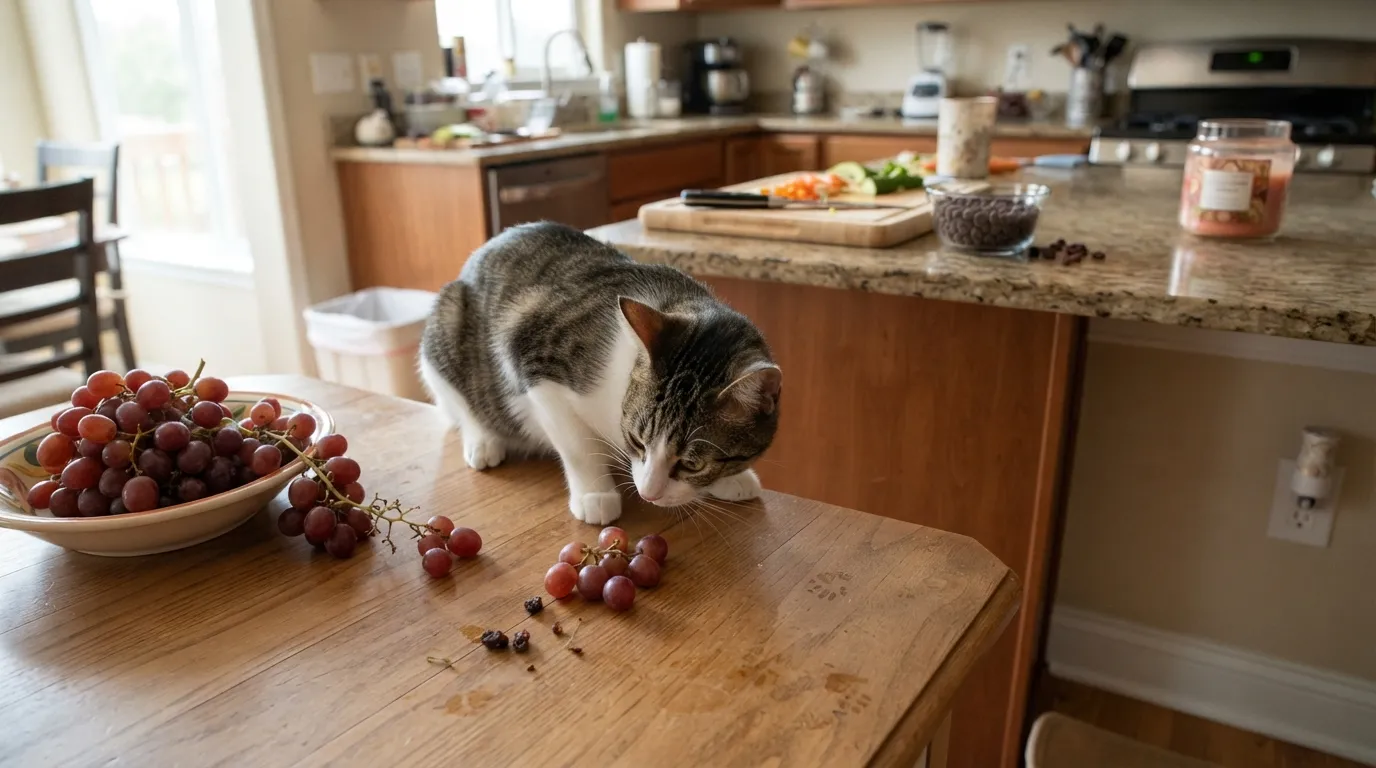
Pets are endlessly curious, and they learn about the world by putting things in their mouths.
Chocolate, caffeine, grapes, and raisins are among the most common household dangers – all capable of causing serious harm, including kidney injury. If a pet eats any of these, calling a vet or animal poison control immediately gives the best chance of a good outcome.
Scented candles, wax melts, and plug-in air fresheners often release compounds that only mildly bother humans but can seriously harm pets. Most owners think pet-proofing just means hiding the power cords.
The reality is far more complex – and far more urgent. What’s next might be the most overlooked item on this entire list.
#5 – Skipping Microchipping and ID
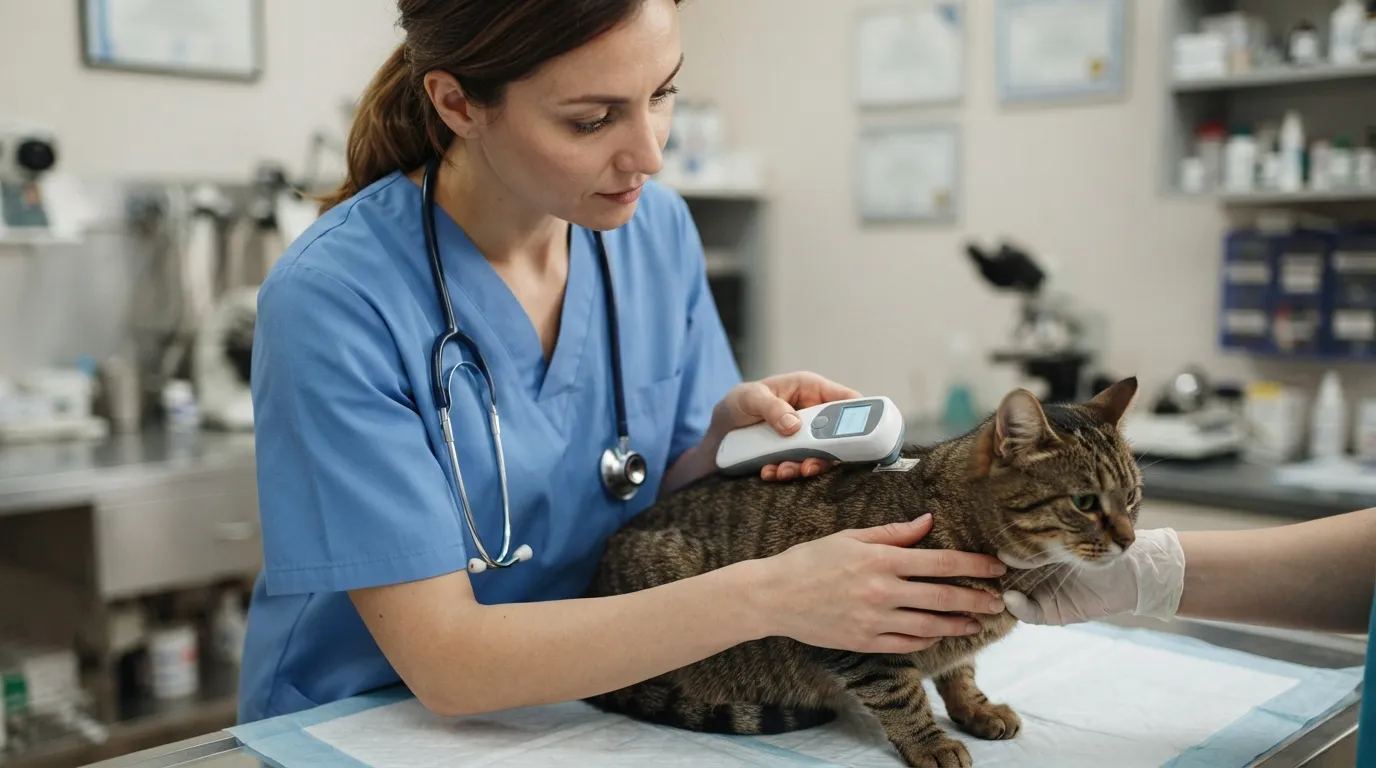
As many as one in three pets goes missing at some point in their lives. No matter how devoted your pet is to you, there’s always a chance they get lost or stolen.
A microchip is about the size of a grain of rice, yet owners skip it constantly, assuming a collar tag is enough. Tags fall off – microchips don’t.
A microchip is a one-time procedure that can reunite you with a missing pet years later. It’s one of the simplest things a vet can do, and one of the least-used.
Coming up: the grooming mistake vets say goes far beyond aesthetics.
#4 – Treating Grooming as Optional
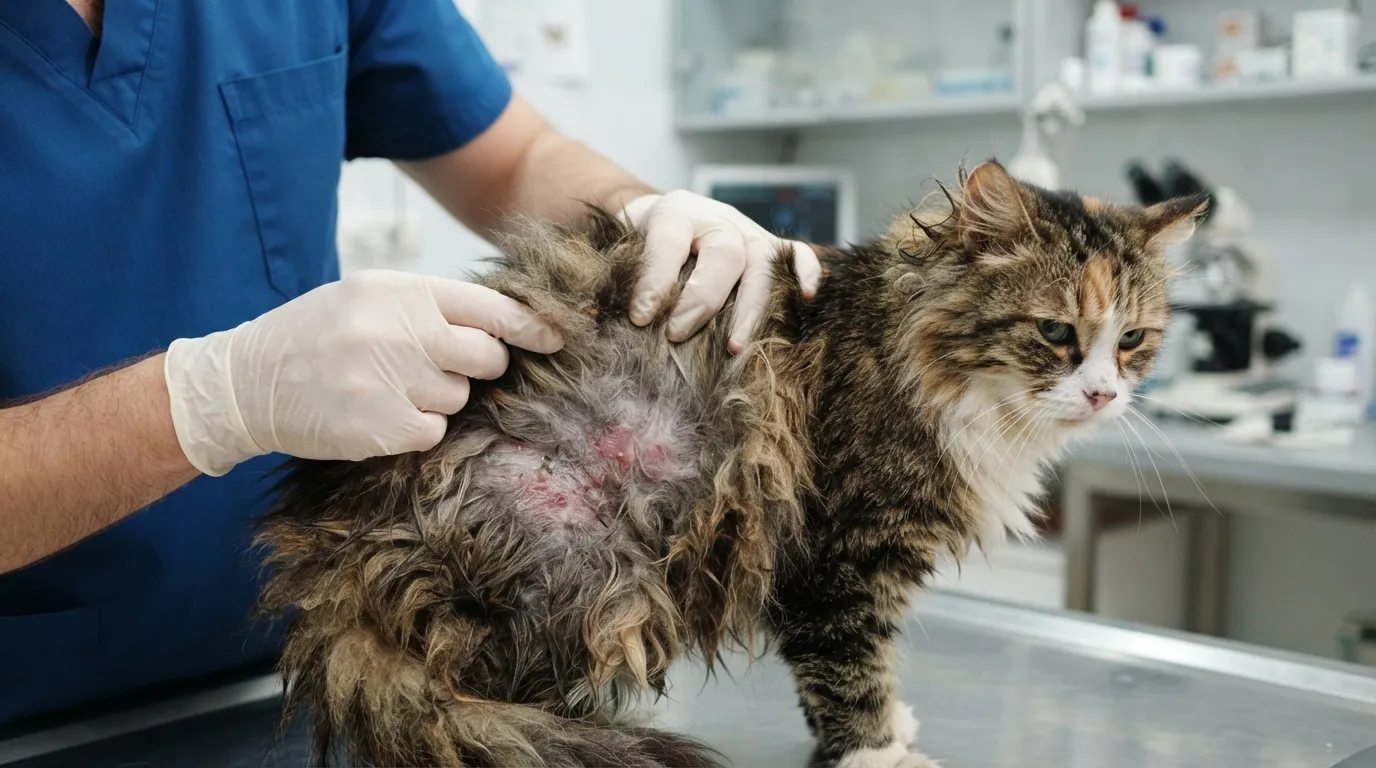
Grooming isn’t vanity – vets deal with the consequences of ignored grooming far more often than owners realize.
Some vets have seen cats brought in after five years without a single grooming session, completely matted, with infected skin underneath. It happens more often than most people would guess.
When fur mats, it traps moisture, bacteria, and parasites directly against the skin. Infections can develop quietly for months before an owner notices anything wrong.
Cats also lack an enzyme many other animals use to break down certain plant compounds, making them extra sensitive to oils like tea tree, wintergreen, and pennyroyal. That risk multiplies when grooming products are involved.
The next mistake is one almost every loving owner makes without thinking twice.
#3 – Poor Socialization During the Critical Window
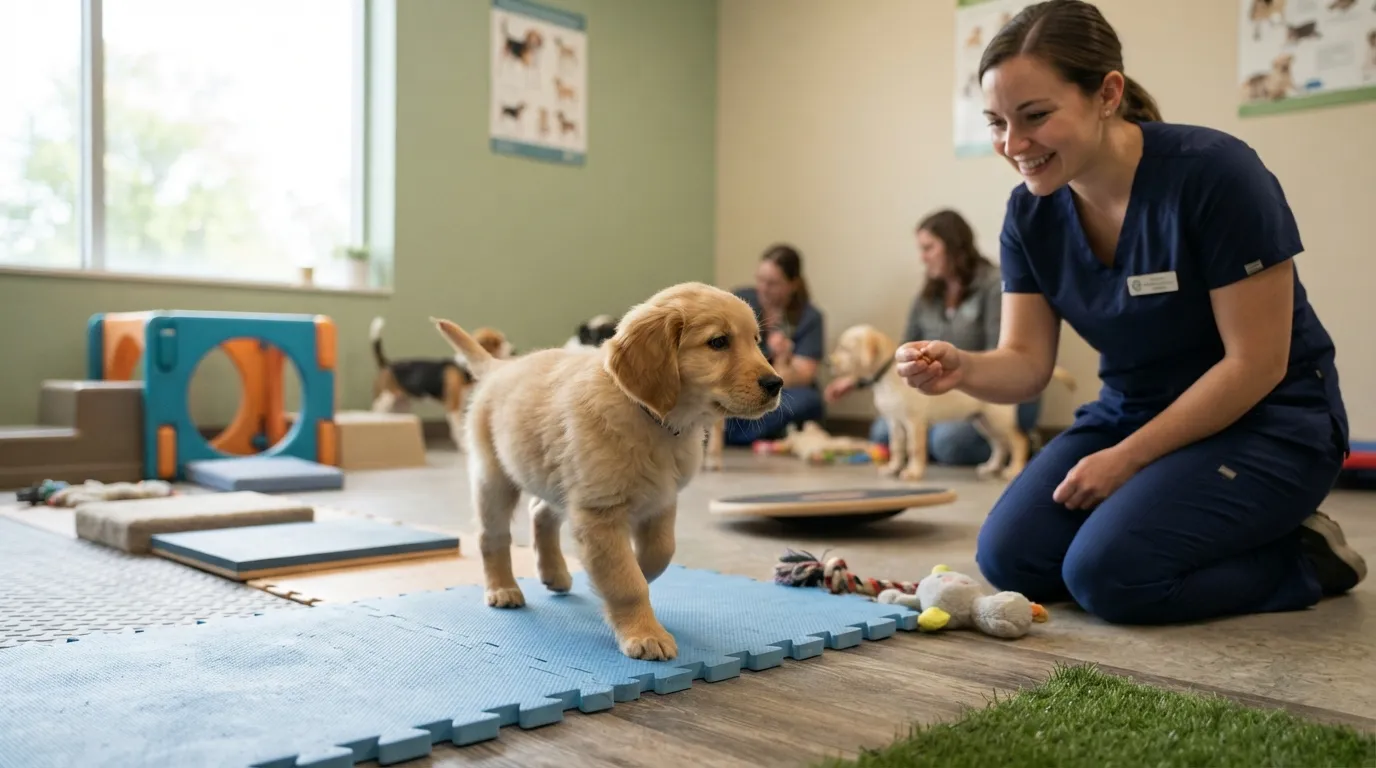
Most owners think socialization just means “meeting other dogs.” Vets know it’s far more critical than that.
Exposing pets to new people, places, and experiences while they’re young shapes how they handle the world as adults. Animals that miss this window are far more likely to grow up fearful, wary, or aggressive.
At a Glance
- The critical socialization window for puppies runs roughly from 3 to 16 weeks of age.
- Positive exposure to new people, sounds, and surfaces matters more than quantity of experiences.
- Missing this window doesn’t doom a pet, but it makes fear and anxiety much harder to unlearn later.
- Vets recommend starting controlled socialization even before vaccines are fully complete, with guidance.
The socialization window for puppies closes around 12 to 16 weeks. Miss it, and you spend years managing fear instead of ever preventing it.
This is the mistake vets quietly wish they could go back in time and fix.
Only two left – and they’re the ones vets find hardest to bring up in the exam room.
#2 – Waiting Too Long to Seek Care When Something Seems Off

One of the biggest mistakes owners make is waiting too long for that first appointment – or any appointment at all. A healthy-looking puppy or kitten still needs early care.
Pets instinctively hide illness; it’s a survival mechanism left over from the wild. By the time symptoms are obvious to an owner, the problem has often been developing for weeks.
If something feels even slightly off, calling the vet is worth it. Early intervention almost always means faster recovery and lower costs.
The #1 mistake on this list is the one vets say they see in almost every home – including the homes of people who consider themselves excellent pet owners.
#1 – Humanizing Pet Health Decisions
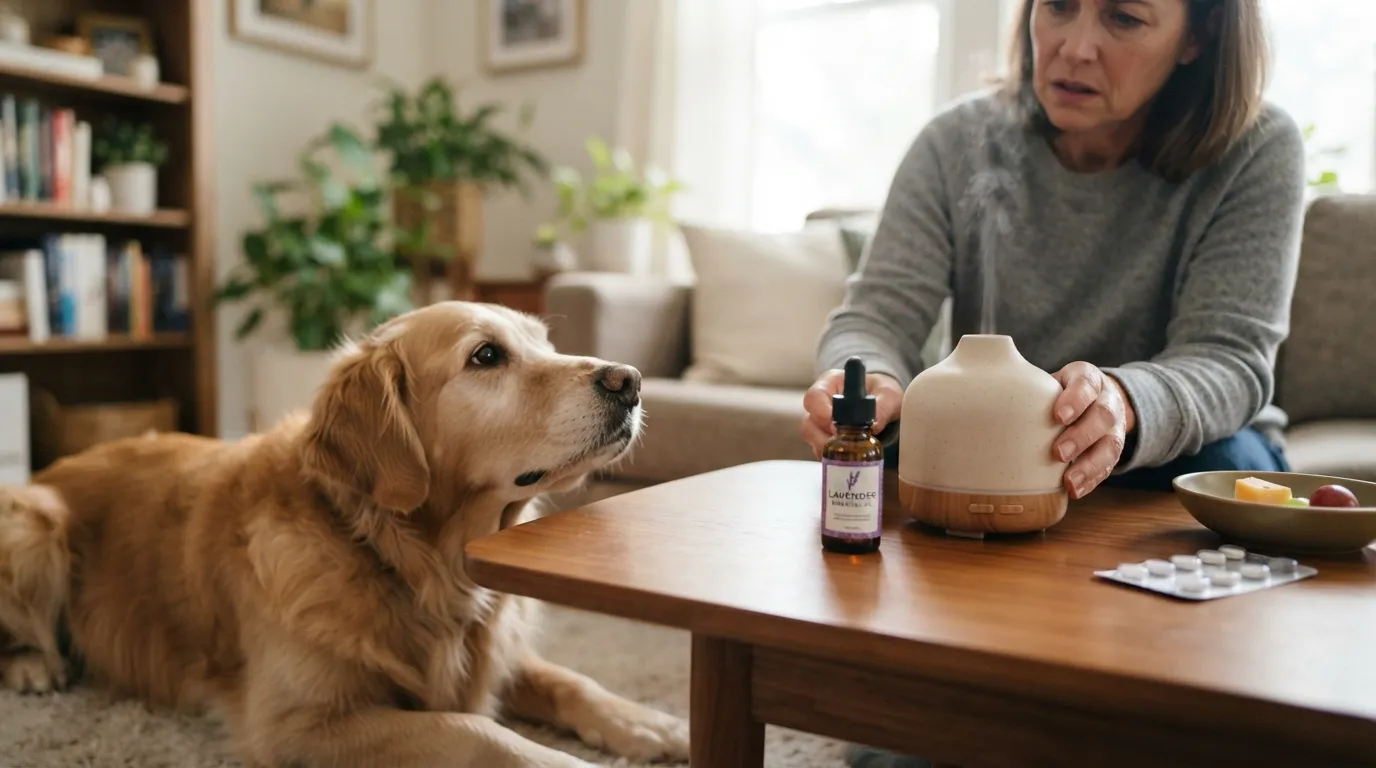
This is the big one – the mistake that quietly underpins almost every other item on this list.
Owners feed pets human food because “they love it.” They skip parasite prevention because “it seems unnecessary.” They delay vet visits because “they seem fine.” Every one of these decisions gets filtered through a human lens, applied to an animal with completely different biology.
Essential oils, for example, are absorbed rapidly through a pet’s gut, skin, lungs, and mucous membranes – nothing like how a human body handles them. Owners use them freely because they’re safe for humans, forgetting the pet in the room isn’t one.
The moment you stop assuming your pet experiences the world the way you do is the moment your pet gets genuinely better care. Vets have been trying to say this for years.
The Bottom Line
Every pet is different, but vets see these same 15 mistakes repeat in home after home. Catching them early can prevent behavioral problems, health complications, and far more serious vet visits down the road.
The real pattern across all 15? They’re driven by love – just misdirected. Overfeeding, skipping parasite control, running diffusers, delaying vet visits: none of it comes from bad intentions.
But good intentions aren’t enough when your pet’s biology works nothing like yours. Ask your vet before you assume, and act earlier than feels necessary.
Your pet can’t tell you something’s wrong until it really is. Which of these surprised you most – or did we miss one you’ve seen? Drop it in the comments.
Growing up traveling and experiencing new cultures and wonders, I have had a passion for nature, adventuring, photography, and videography. I am currently working towards a BSc in Biodiversity and Ecology at Stellenbosch University, and I hope to specialise in Marine Sciences one day.
Please send any feedback to Feedback@animalsaroundtheglobe.com