Many cat owners have felt that rhythmic push and pull of tiny paws against their legs or stomach. It often comes with a soft purr and a look of pure ease. This familiar motion carries echoes of early life that stay with cats long into adulthood.
The behavior feels like a quiet gift of trust. It turns an ordinary lap into something special. Understanding it deepens the bond between you and your feline companion.
The Roots in Kittenhood
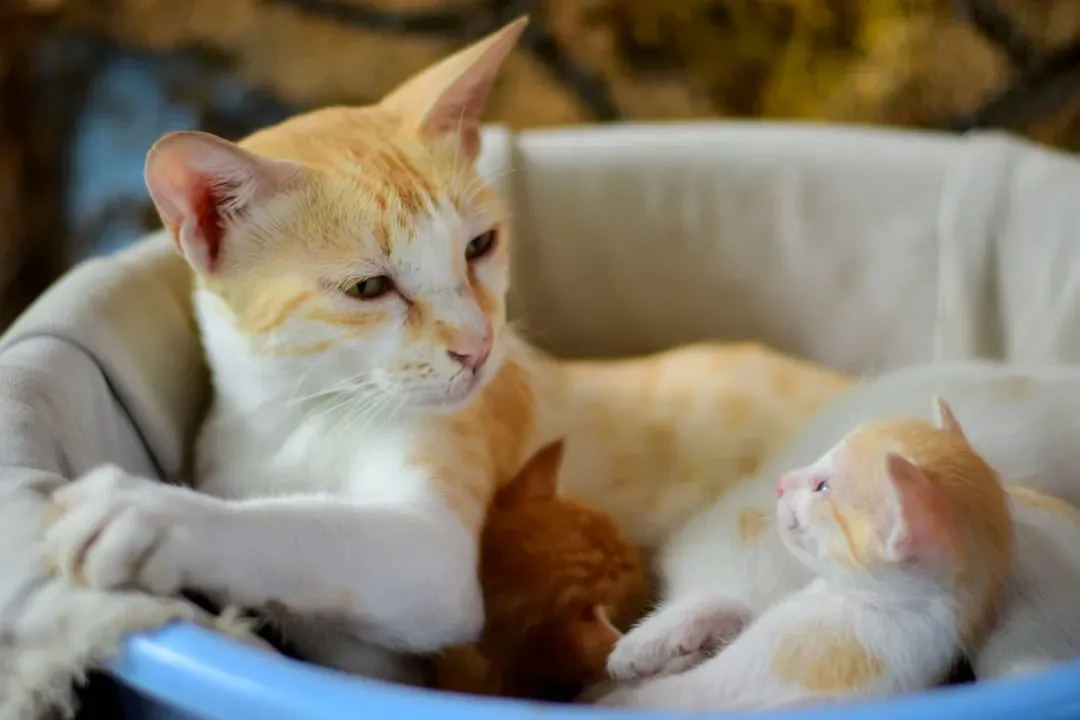
Newborn kittens rely on this instinctive action to nurse successfully. They press their paws against their mother to encourage milk flow and create a sense of security during those first vulnerable weeks. The motion becomes tied to warmth, nourishment, and closeness right from the start.
As they grow, many cats carry this pattern forward. It serves as a built in reminder of safety and comfort that once came from their mother. The connection lingers because it worked so well in those early days.
A Sign of Deep Contentment
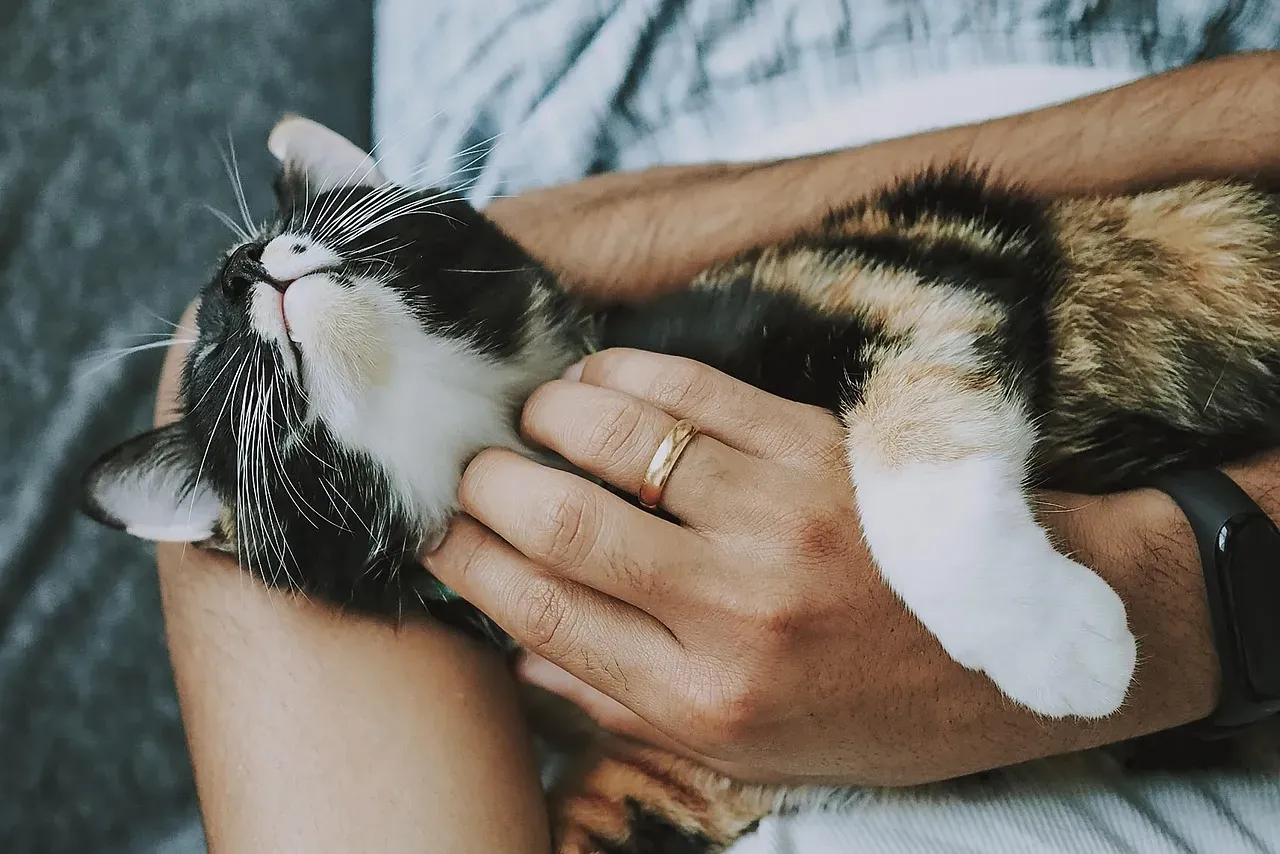
When your cat settles on your lap and begins to knead, it often signals they feel completely at ease. The repetitive motion helps release calming signals in their body. They associate the action with peaceful moments from their past.
This display usually happens in safe, familiar spots where they can fully relax. You might notice it before they drift off for a nap or while you offer gentle pets. It shows they view your presence as a source of calm.
Marking You as Their Own
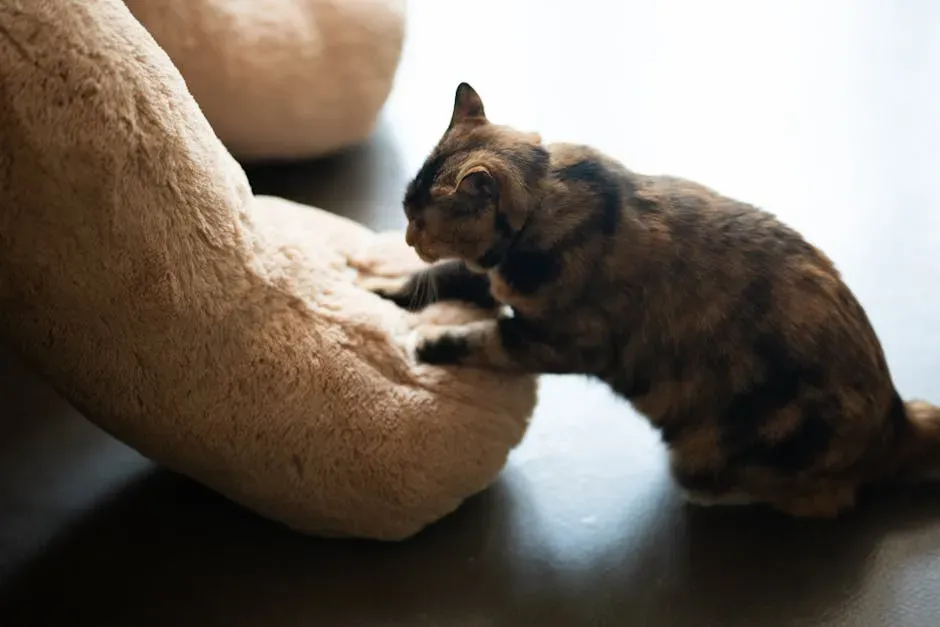
Cats have scent glands in their paw pads that release pheromones during kneading. By pressing into your lap, they leave behind a personal signature that marks you as part of their world. Other cats might pick up on this subtle message even if humans cannot.
The act reinforces their sense of belonging in the home. It turns you into a familiar and claimed territory in their eyes. This quiet form of communication strengthens their attachment to you over time.
Preparing a Cozy Spot
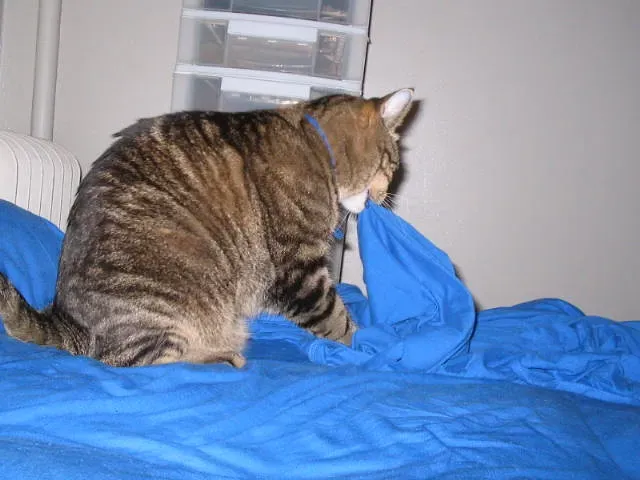
Wild cats once used similar motions to flatten grass or leaves into a comfortable resting place. Domestic cats keep a version of this nesting instinct alive. They knead to test and soften the surface beneath them before settling in.
Your lap becomes their chosen spot for this preparation. The action helps them create the perfect conditions for rest. It feels satisfying for them to shape their surroundings just so.
Self Soothing and Relaxation
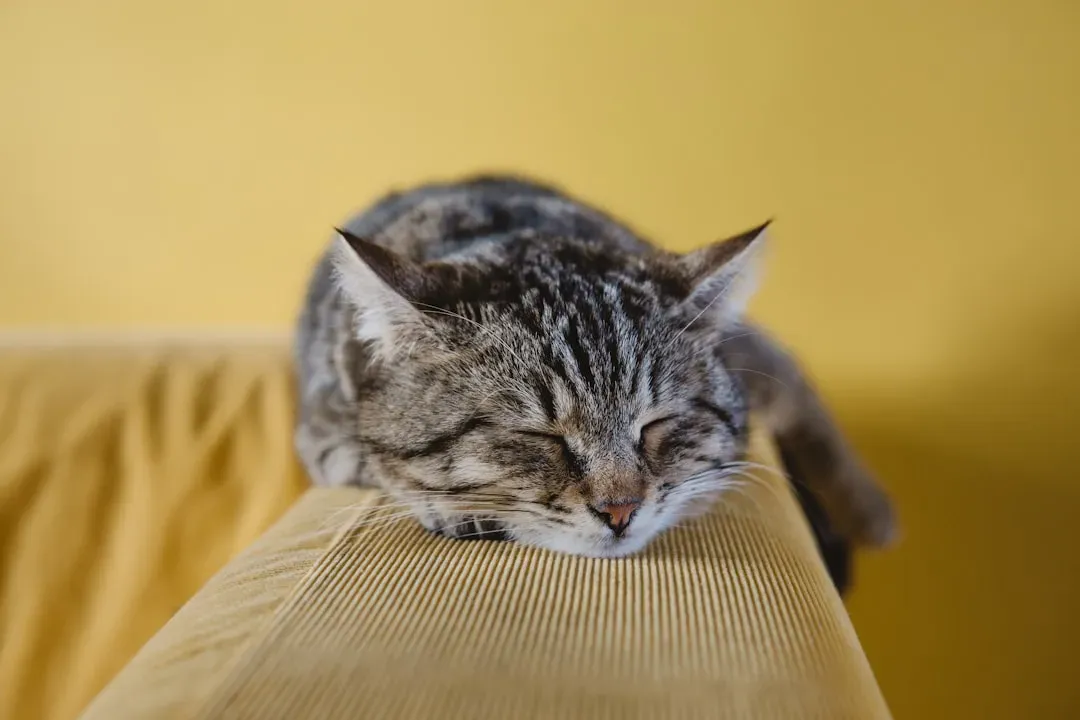
Kneading can serve as a gentle way for cats to ease tension or find comfort during quieter moments. The rhythmic movement triggers feel good responses that help them unwind. Some cats even drool slightly as they slip into a deeper state of calm.
This self soothing quality makes the behavior especially common when they feel secure with their person. It offers a built in tool for managing everyday stresses. Watching it unfold reveals how much they value that sense of peace.
Stretching Those Paws
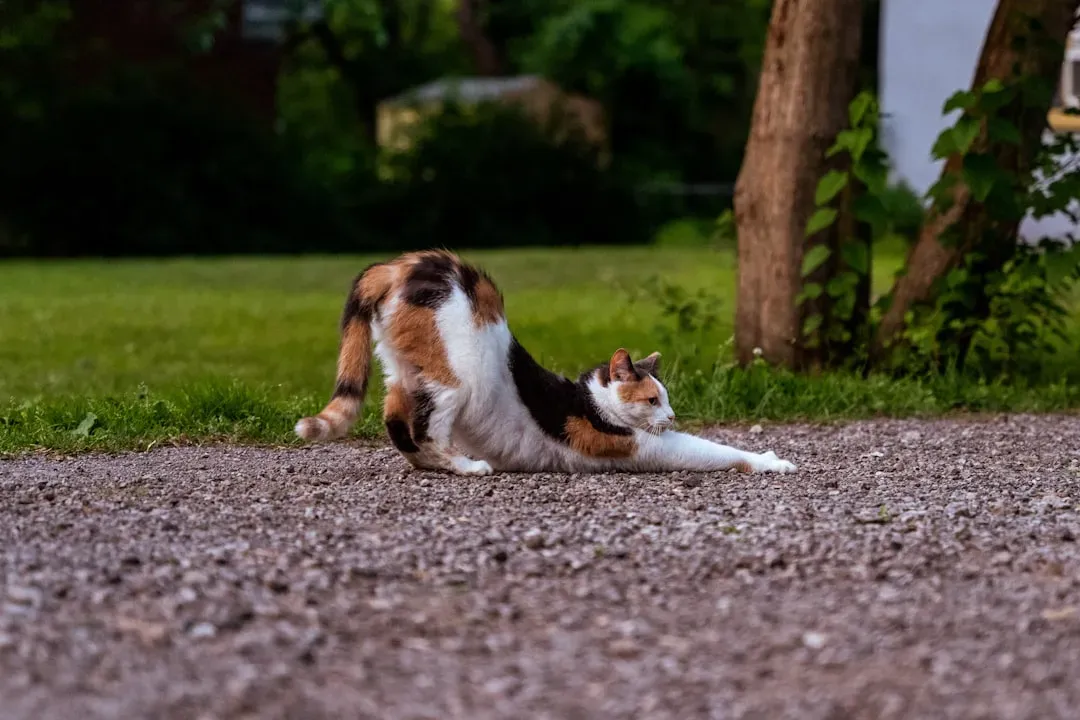
The motion also gives cats a chance to work out their muscles after periods of rest. It stretches the legs and paws in a natural, satisfying way. Many cats combine it with a good yawn or full body extension.
This practical side adds to the overall enjoyment they get from the activity. It keeps their bodies limber while they enjoy your company. The dual purpose makes it a favorite habit for many felines.
Affectionate Bonding Behavior
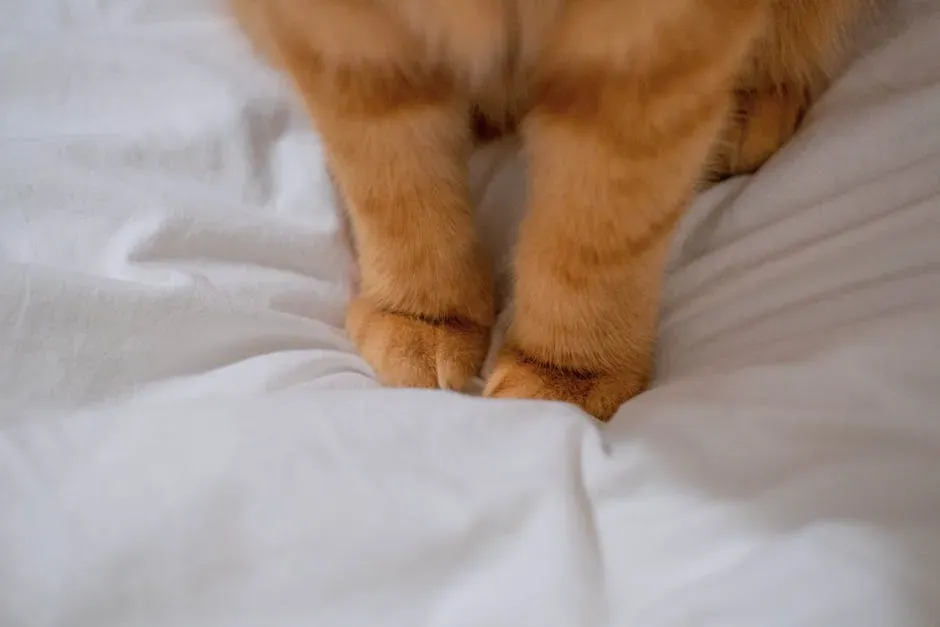
Kneading often expresses a form of feline affection directed toward trusted companions. It mirrors the bond they once shared with their mother and now extends to you. The action says they feel safe enough to show vulnerability.
Over time this builds a deeper layer of connection in your relationship. Cats choose their people carefully for these moments. Each session on your lap reinforces that special trust.
Variations Among Different Cats
Not every cat kneads with the same intensity or frequency. Some do it enthusiastically on laps while others prefer blankets or soft cushions. Personality, early experiences, and even breed tendencies play a role in how the habit shows up.
Some cats knead with claws extended while others keep them retracted. A few combine it with gentle biting or sucking motions reminiscent of nursing. These differences make each cat unique in their expression of the behavior.
When Kneading Might Signal Something More
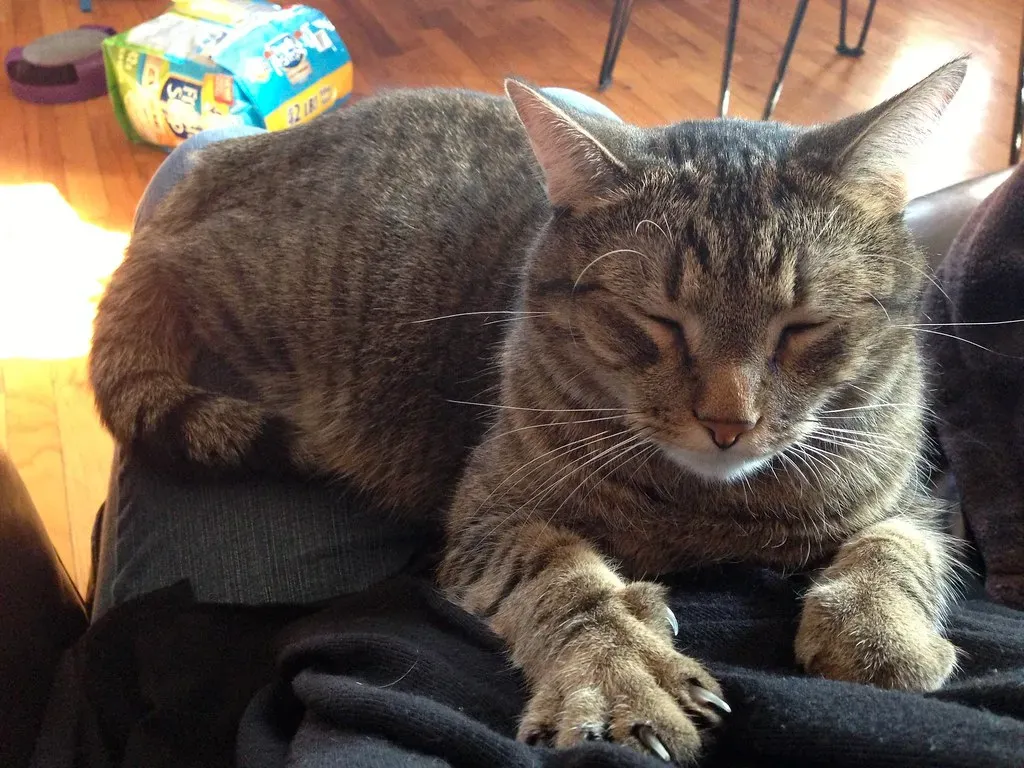
Most of the time kneading stays a normal and positive sign. Yet sudden increases or changes in the pattern can sometimes point to underlying discomfort or anxiety. Cats may use the motion to self soothe when they feel unsettled.
Paying attention to context helps you notice if something feels off. If it comes with other shifts in appetite or energy, a vet visit offers peace of mind. Usually though it remains a harmless expression of their inner world.
Helping Your Cat Feel Even More at Home
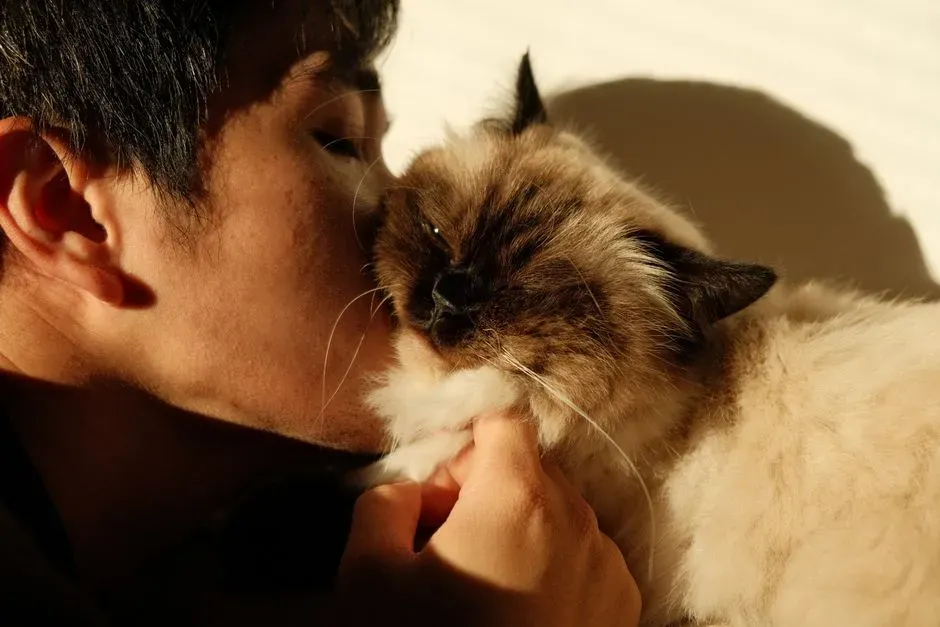
You can support this natural behavior by offering soft blankets or designated spots where kneading feels welcome. Trimming nails regularly reduces any discomfort during enthusiastic sessions. Some owners keep a thick towel handy for those extra vigorous moments.
Responding with calm presence rather than pushing them away encourages the positive association. It lets them know their lap time remains a safe ritual. Small adjustments like these keep the habit enjoyable for everyone involved.
The Enduring Charm of This Habit
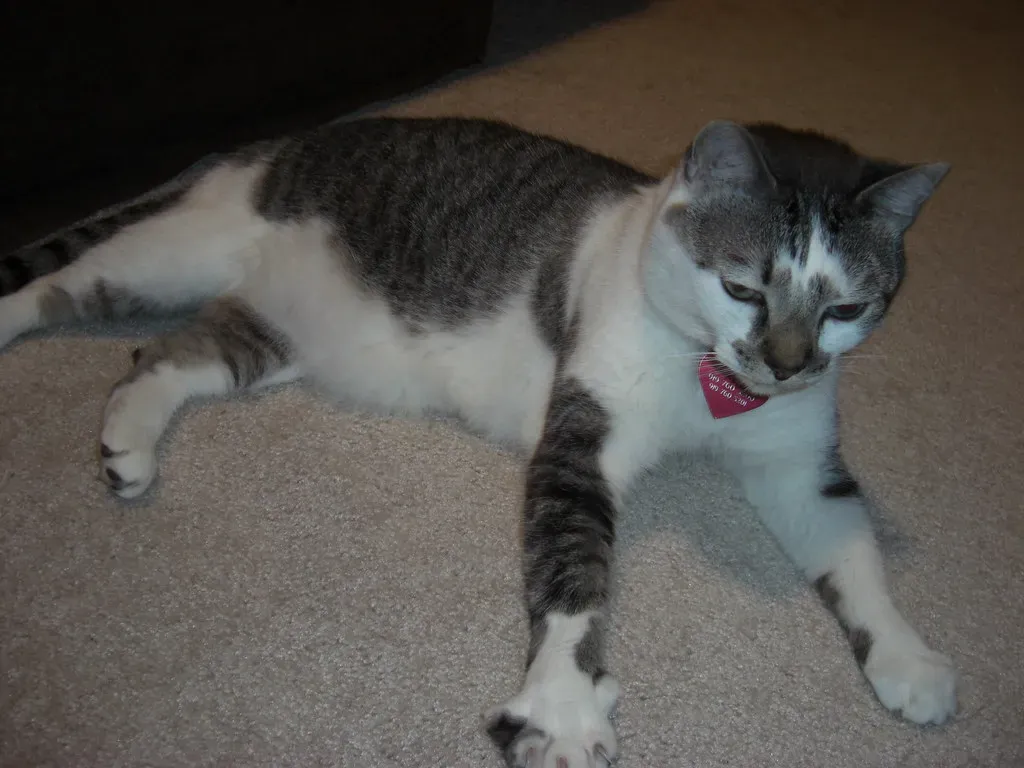
Kneading reminds us how much of a cat early life stays with them. It turns ordinary moments into quiet celebrations of trust and comfort. Your lap becomes more than a resting place. It holds a piece of their story.
Each time those paws begin their gentle work, it offers a window into their sense of security with you. Cherish these small rituals. They speak volumes about the bond you share.
Kristina is a young writer from India. An arts graduate and an avid content creator, Kristina is passionate about animals and wildlife. She enjoys exploring topics related to pet care, animal behavior, conservation, and nature, combining thorough research with engaging storytelling.