Many cat owners feel a small pang when their feline companion suddenly hops off their lap mid petting session. That abrupt departure can feel personal at first, yet it often reflects something simpler and more practical about how cats experience touch.
Cats communicate their comfort levels through subtle signals that reward close attention. Learning to read those moments helps strengthen the bond without forcing affection on either side.
Recognizing Subtle Shifts in Your Cat’s Mood
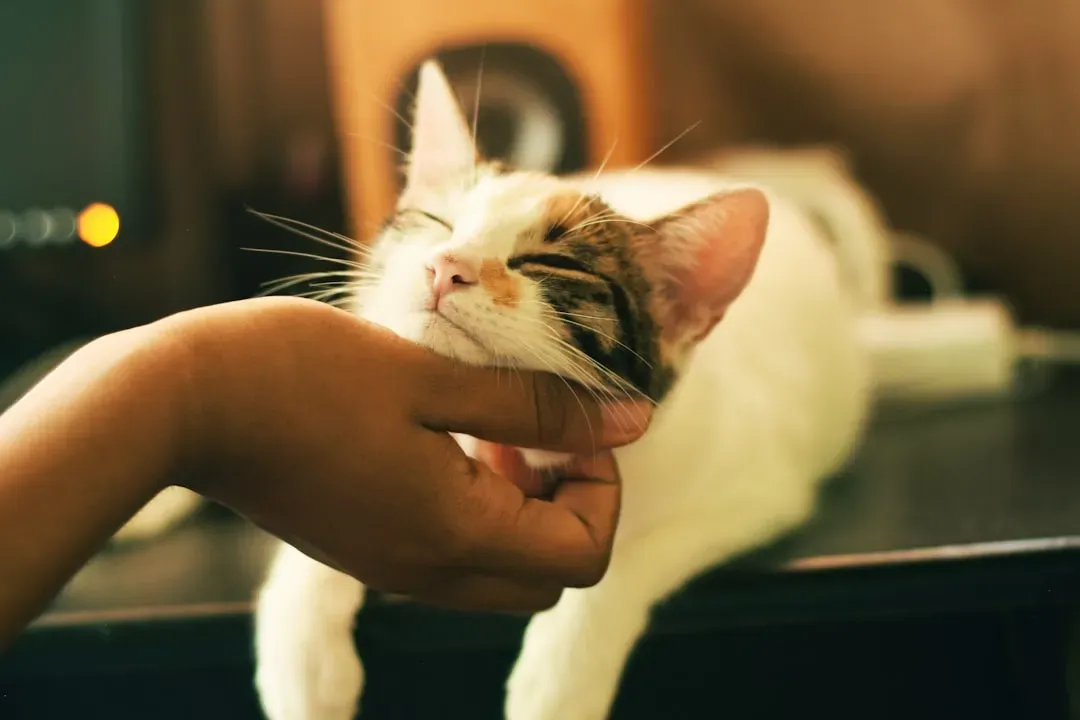
Cats rarely announce their boundaries with dramatic gestures. Instead they offer quiet hints like a slight twitch of the tail or a subtle flattening of the ears that signal rising discomfort. Paying attention to these early cues prevents the sudden exit that leaves owners puzzled.
Over time owners notice patterns unique to their own cat. One might tolerate chin scratches longer than another who prefers brief head pats before moving on. These individual rhythms become easier to respect with consistent observation.
The Role of Overstimulation in Feline Behavior
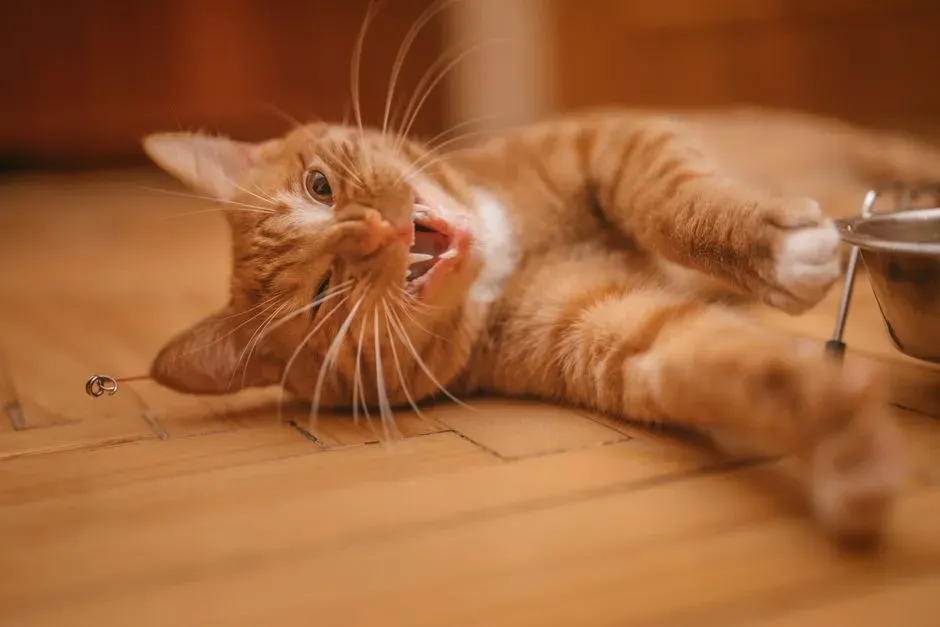
Petting can quickly shift from pleasant to overwhelming for many cats because their skin contains numerous nerve endings. What starts as enjoyable contact may cross into irritation after several minutes of the same motion. This natural response explains why a cat might leap away without warning.
Breaks between strokes give cats time to process the sensation. Short sessions often keep interactions positive and encourage the cat to return for more later. Owners who adjust their pace usually see fewer abrupt departures.
Common Body Language Signals to Watch For

A swishing tail or rippling fur along the back often appears before a cat decides to leave. These movements show the animal is processing the interaction and may soon reach its limit. Recognizing them allows owners to pause before the cat feels the need to walk away.
Ear position provides another reliable clue. Forward facing ears usually indicate contentment while ears that begin to turn sideways suggest growing unease. Watching these details turns petting into a two way conversation rather than a one sided activity.
Why Some Cats Prefer Shorter Interactions

Every cat carries its own history and personality that shapes how much touch feels comfortable. Rescue cats in particular may have learned to set limits quickly as a form of self protection. Their sudden departures reflect learned caution rather than any rejection of the owner.
Even confident cats have daily variations in tolerance based on energy levels or recent experiences. A cat that enjoyed long petting sessions yesterday might prefer only a minute or two today. Accepting these fluctuations keeps the relationship relaxed and trusting.
Creating Space for Your Cat to Initiate Contact
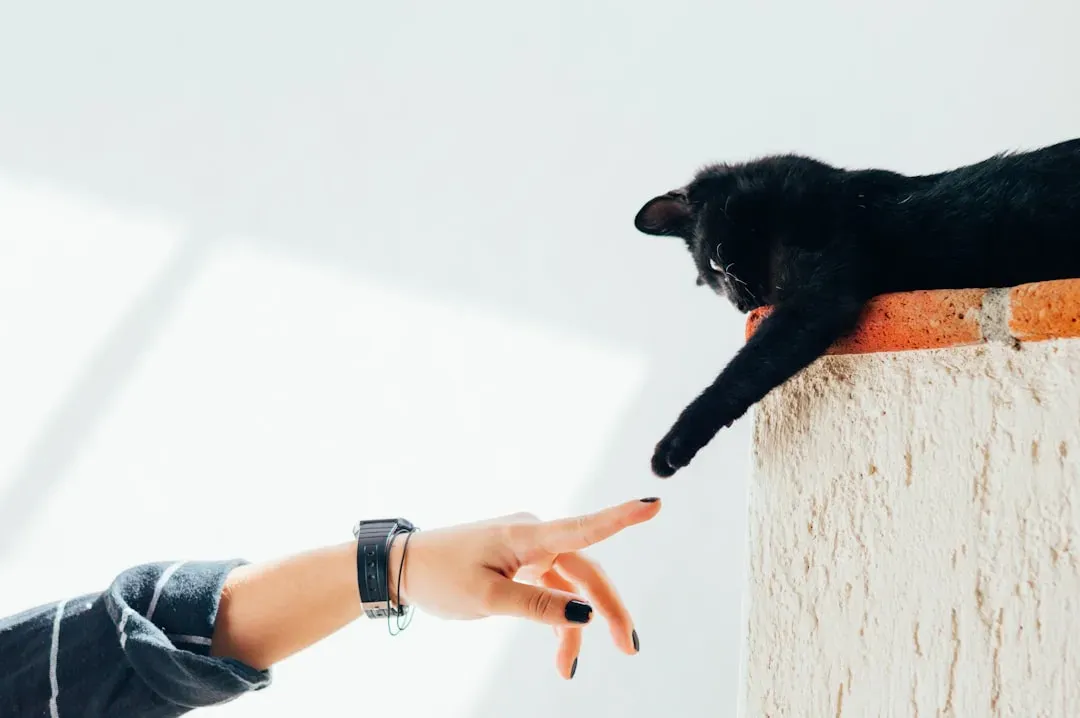
Allowing cats to approach on their own terms often leads to longer and more satisfying interactions. When a cat chooses the moment it tends to stay engaged because the experience feels voluntary. Owners who wait for invitations usually report fewer sudden exits.
Placing a hand nearby without immediate contact gives cats the option to lean in or move away. This simple habit respects their autonomy while still offering affection. Many cats respond by seeking out more contact once they feel in control.
Adjusting Petting Techniques for Better Comfort
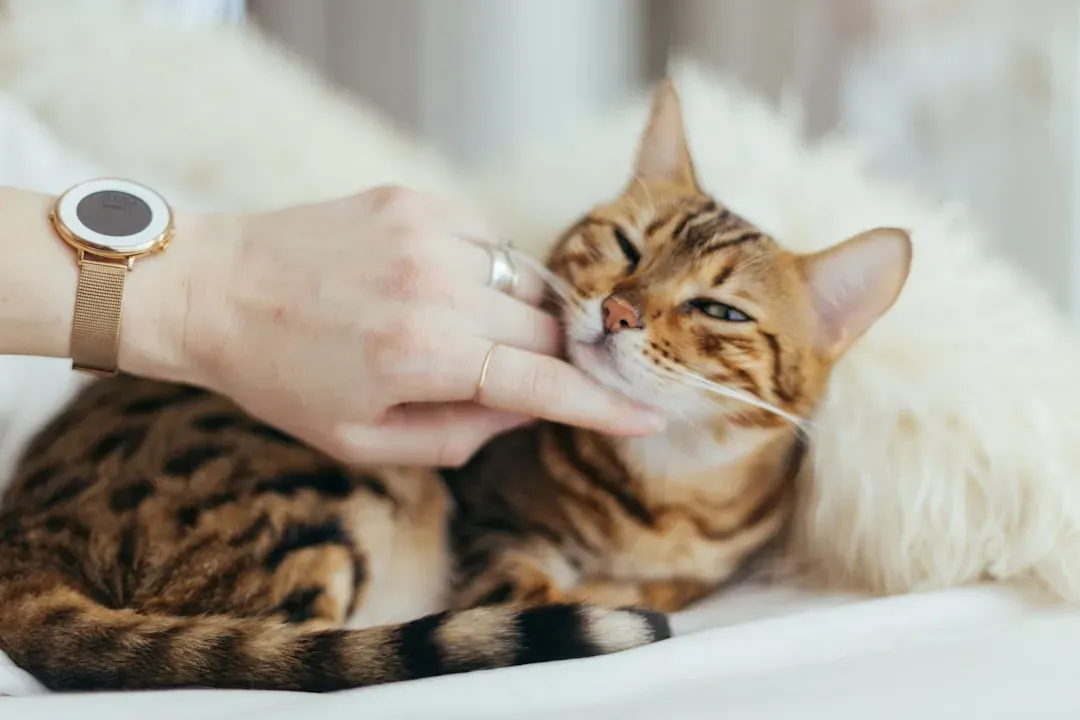
Light strokes along the cheeks or under the chin often prove more welcome than long runs down the back. These areas contain fewer sensitive spots and align better with how cats groom one another. Experimenting gently reveals preferences unique to each individual.
Pausing frequently during a session lets the cat signal whether to continue. Some cats enjoy varied pressure while others prefer steady light contact. Small adjustments like these reduce the chance of overstimulation and keep the moment pleasant for both parties.
Understanding the Difference Between Affection and Tolerance
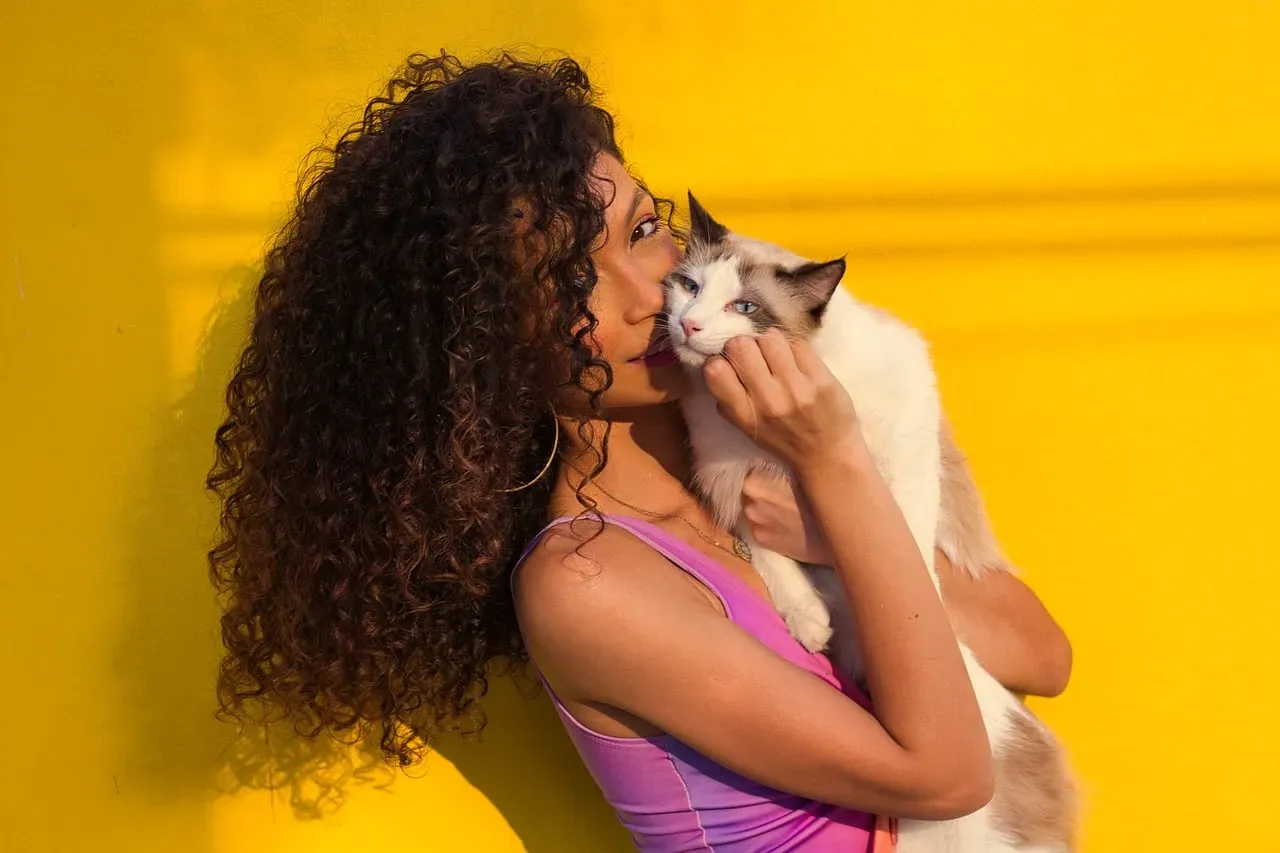
Cats show love through proximity and shared routines rather than constant physical contact. A cat that sits nearby without demanding pets still values the connection. The sudden departure during petting rarely means the bond has weakened.
Owners sometimes mistake tolerance for enthusiasm when a cat remains still for several minutes. Learning to distinguish quiet acceptance from active enjoyment helps set realistic expectations. Both forms of presence matter in a healthy relationship.
Building Trust Through Consistent Respect
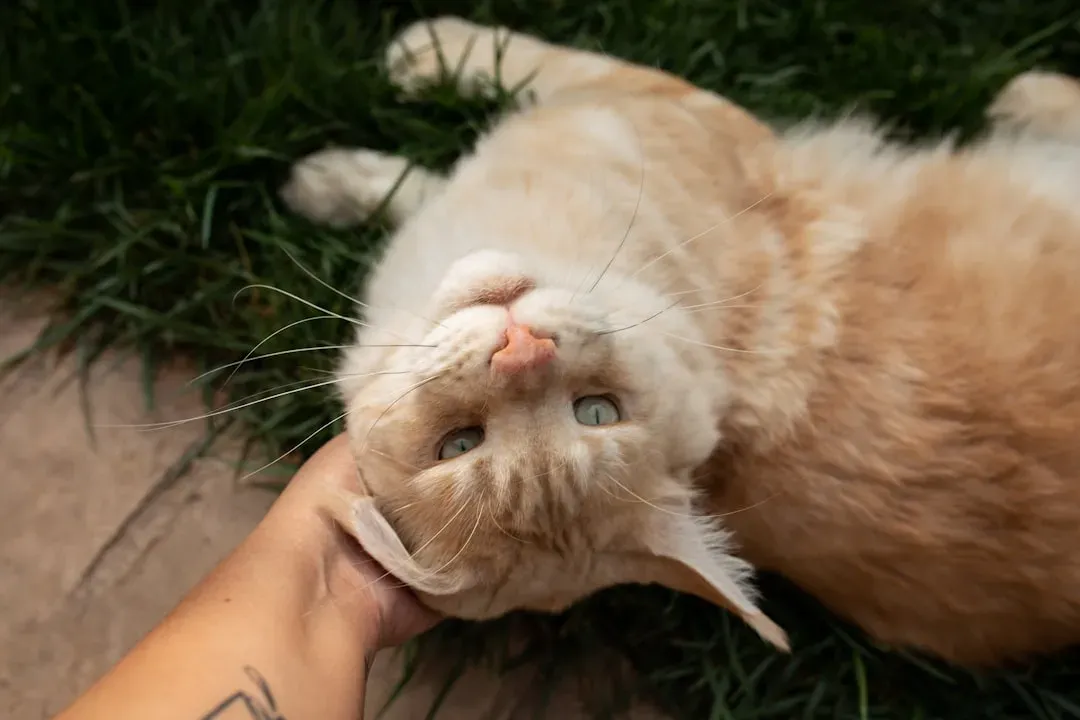
Responding promptly when a cat signals the end of a session reinforces trust over time. Ignoring those cues can make future interactions more cautious or brief. Cats remember which people honor their limits and often seek them out more readily.
Small daily moments of respectful interaction accumulate into a deeper sense of safety. A cat that knows its signals will be heard tends to relax more fully during future encounters. This mutual understanding turns brief petting sessions into reliable sources of comfort.
Practical Ways to Respond When Your Cat Walks Away
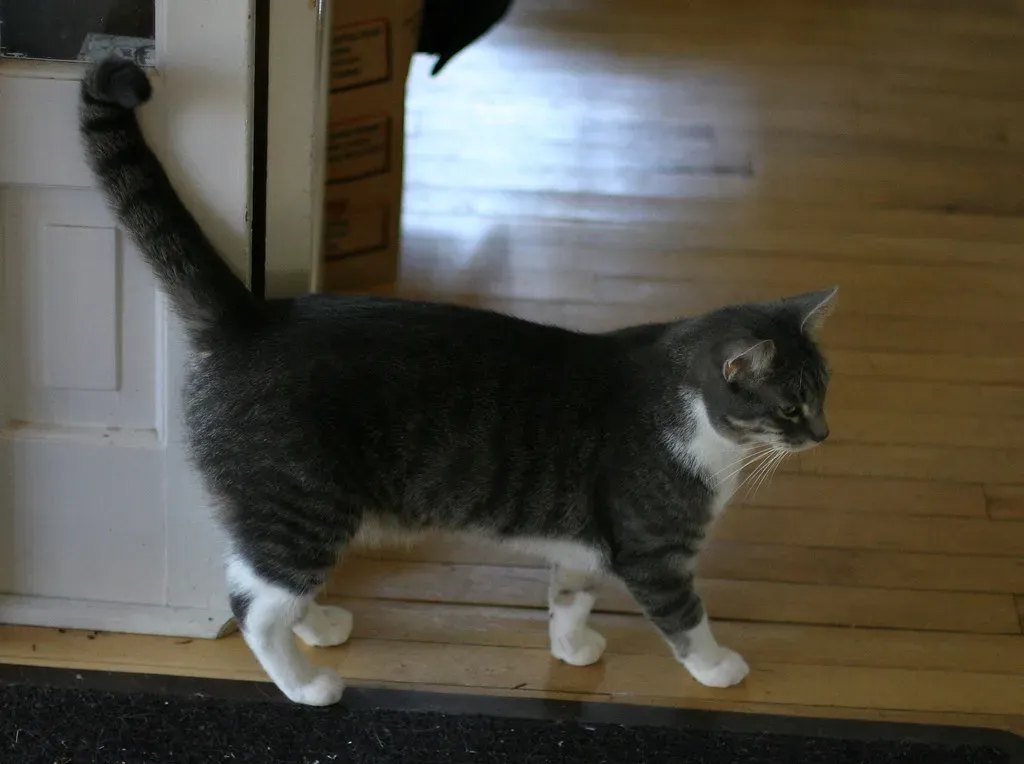
Allowing the cat to leave without pursuit keeps the moment low pressure. Offering a quiet word or a favorite toy nearby can maintain connection without demanding more touch. Many cats return shortly after a short break once they feel ready.
Reflecting on what preceded the departure helps refine future approaches. Noting the duration or location of the session often reveals patterns worth adjusting. These observations turn occasional exits into useful lessons rather than disappointments.
Supporting Your Cat’s Overall Well Being
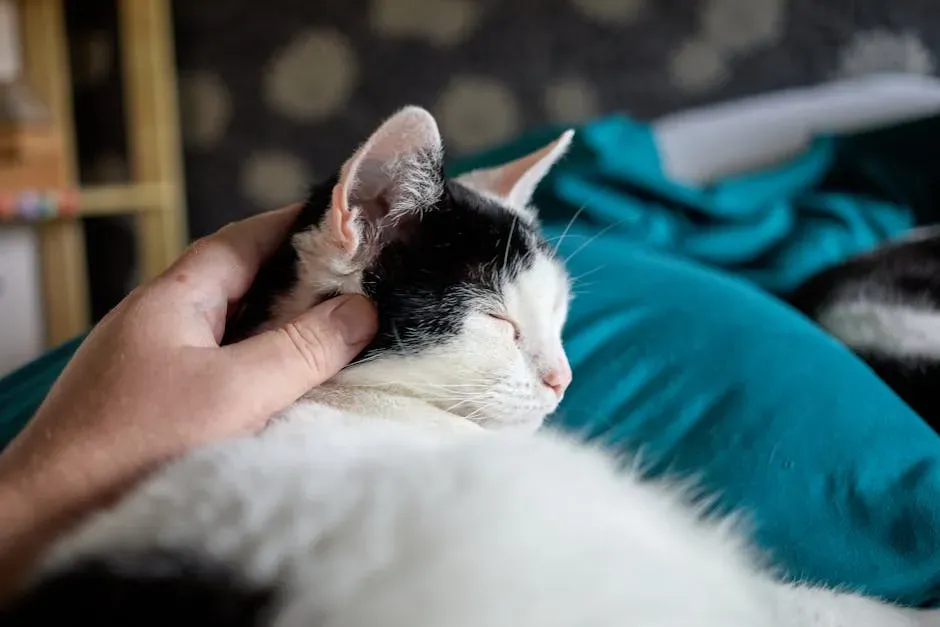
Regular play sessions and environmental enrichment reduce the intensity of any single interaction. A cat with outlets for natural behaviors tends to approach petting with greater ease and enjoyment. Balanced days support calmer responses to affection.
Providing vertical spaces and quiet retreats gives cats control over their environment. When they feel secure overall they often tolerate and even seek gentle contact more willingly. This broader sense of safety benefits every aspect of the relationship.
Embracing Your Cat’s Unique Communication Style
Each cat develops its own language of comfort and limits that rewards patient attention. Accepting sudden departures as honest feedback rather than personal slights opens the door to more authentic connection. The relationship grows stronger when both sides feel heard.
Over months and years these small adjustments create a rhythm that feels natural to the cat and satisfying to the owner. The bond deepens not through longer petting sessions but through consistent respect for the signals that matter most to the animal. In the end the quiet moments of mutual understanding become the real reward.
Kristina is a young writer from India. An arts graduate and an avid content creator, Kristina is passionate about animals and wildlife. She enjoys exploring topics related to pet care, animal behavior, conservation, and nature, combining thorough research with engaging storytelling.