Living with a cat means sharing your home with one of the most observant creatures on the planet. While they spend a generous portion of the day napping in sunbeams, they are also quietly clocking your every move, picking up on your moods, your habits, your noise levels, and yes, the reliability of your dinner service.
The idea that cats are indifferent is a comfortable myth. Research continues to reveal that your feline companion is far more tuned in to your daily behavior than most owners realize. So if you’ve ever sensed a certain withering look from across the room, there might actually be a reason for it.
1. Your Unpredictable Daily Schedule
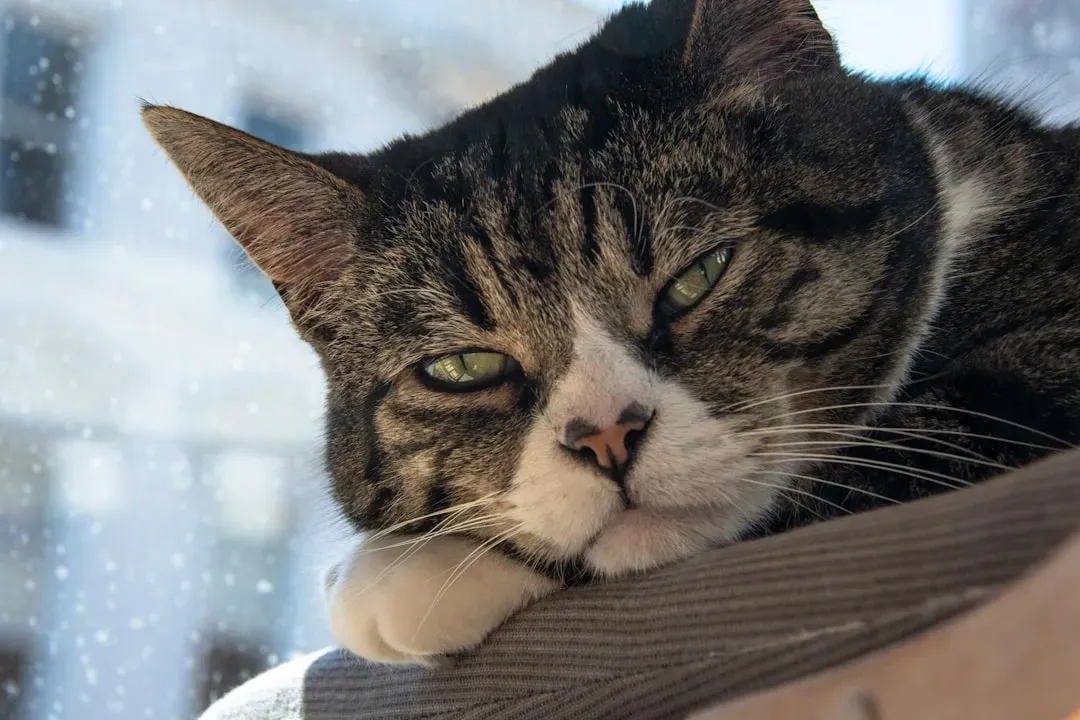
Cats are serious creatures of habit, and your irregular lifestyle is not something they take lightly. Cats tend to follow fairly strict routines, and if you have an irregular lifestyle, this can create a stressful and unpredictable routine for your cat. It’s not just an inconvenience for them. It genuinely affects their wellbeing.
At least two studies have investigated the importance of routine and predictability in the lives of cats, and both found that an irregular pattern of feeding, lighting, heating, cleaning, and social contact led to an increase in stress-related behaviors. One study went further, finding that a disrupted routine led to a roughly sixty percent increase in urination outside the litter box, and a near tenfold increase in defecation outside the litter box. So when your cat starts acting out, the chaos of your schedule might be the real culprit.
2. The Way You Handle Your Emotions Out Loud
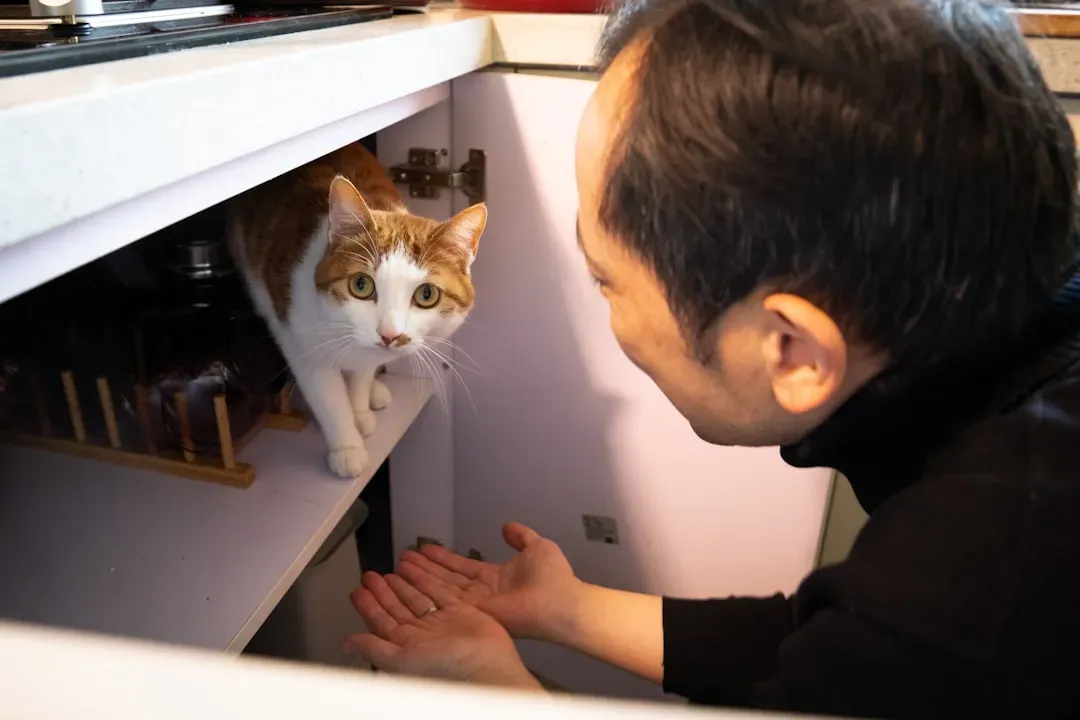
You might think your cat is indifferent when you’re venting after a rough day. Think again. Studies show that cats react to their owners’ visual and vocal signals and adjust their behavior based on human emotions. They’re not just watching you. They’re processing you.
Tonal changes in your voice are a direct indicator of how you’re feeling, and soft tones are comforting to cats, whereas louder, sharper tones will often cause them to run and hide. Research has also shown that when you smile, your cat is more likely to exhibit affectionate behaviors like purring and rubbing against you, while they tend to avoid you when you frown, indicating an ability to sense and react to your emotional state. Your cat hasn’t decided to be cold with you. They’ve simply decided you’re not currently a safe place to be near.
3. Ignoring Their Need for Quiet and Calm
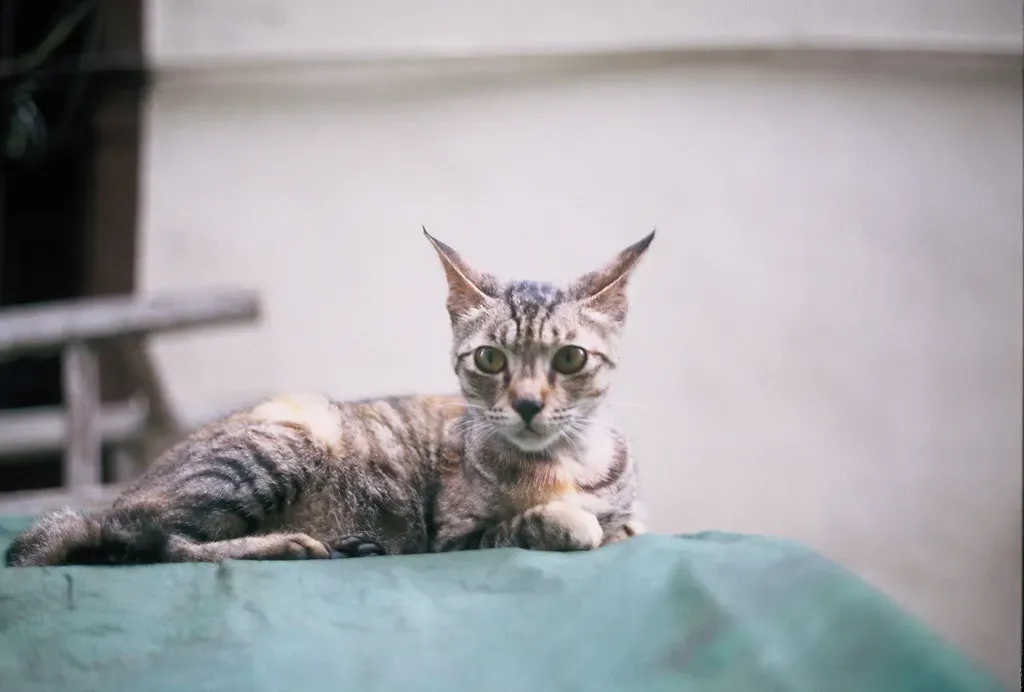
Your cat hears the world very differently from you, and that difference matters more than most owners appreciate. Cats can hear frequencies far beyond the upper range of human hearing, which means many high-pitched or electronic sounds are louder, sharper, and more intense for cats than for people. That phone alarm, that blaring television, that sudden door slam – your cat experiences all of it at a completely different intensity than you do.
Most cats dislike loud and sudden noises, and they also dislike noises they haven’t heard before or don’t understand – finding it very stressful when a new noise interrupts them and they can’t determine where it’s coming from. Cats are very sensitive to disruptions in their home environment and don’t like chaotic activity. They can sense when you are not happy and relaxed. A consistently noisy household isn’t just an annoyance to your cat. It’s a source of ongoing, low-level stress.
4. How You Read (or Misread) Their Body Language
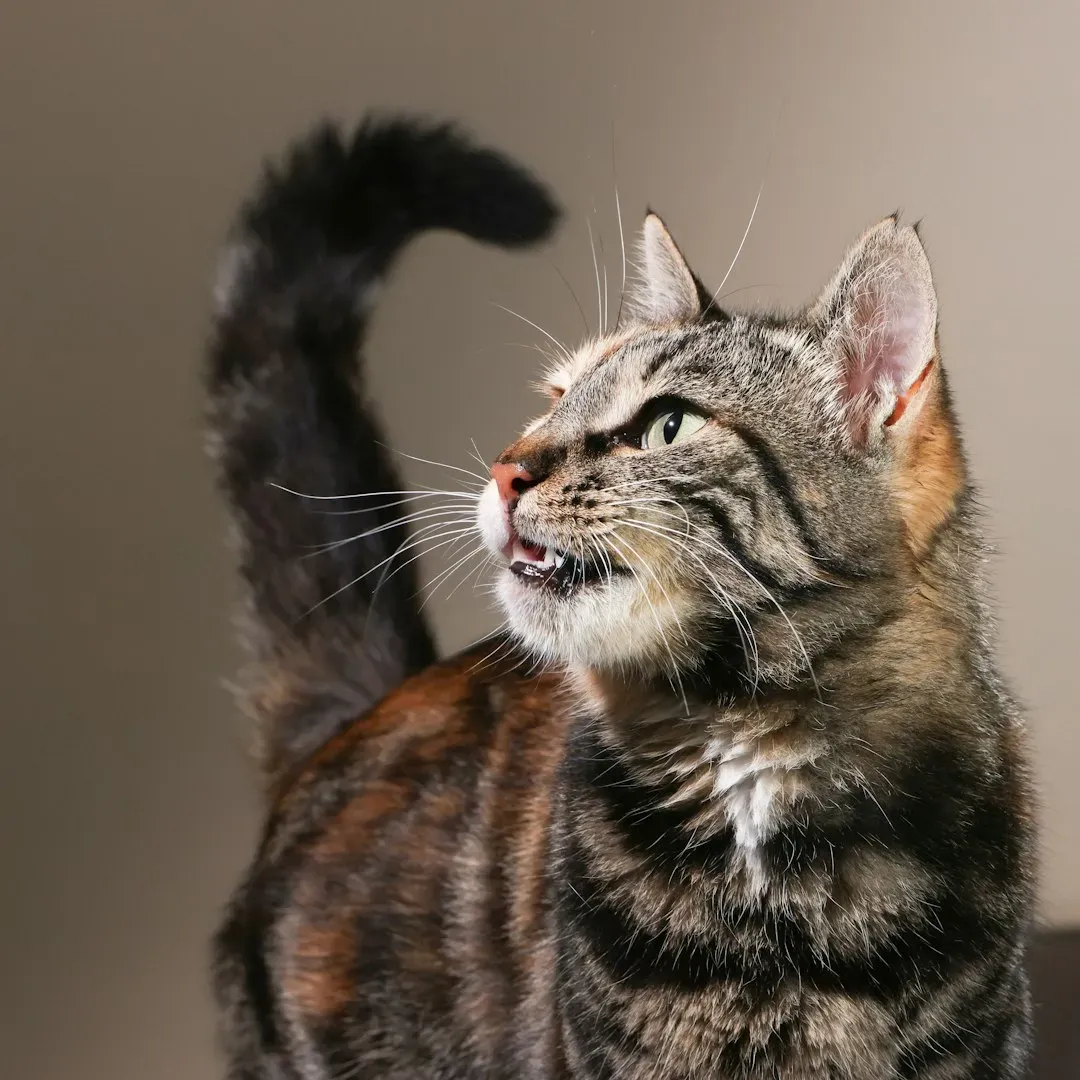
Cats learn specifically how their owners react when they make particular noises. If your cat thinks it wants to get your attention from another room, it learns that vocalizing works. They use straightforward learning. The problem is, the communication goes both ways, and you’re often the weaker party in that exchange.
Cats are smarter than we give them credit for: they learn what works with what person, and they know if a particular member of the family is likely to get up at an unusual hour to give them treats. Meanwhile, cats can recognize familiar humans, read emotional cues, and remember which people are worth approaching. Your cat has mapped you. They know your patterns, your tells, and your weak moments far better than you’ve mapped theirs – and the scoreboard, quietly, is not in your favor.
5. Your Inconsistent Feeding Habits
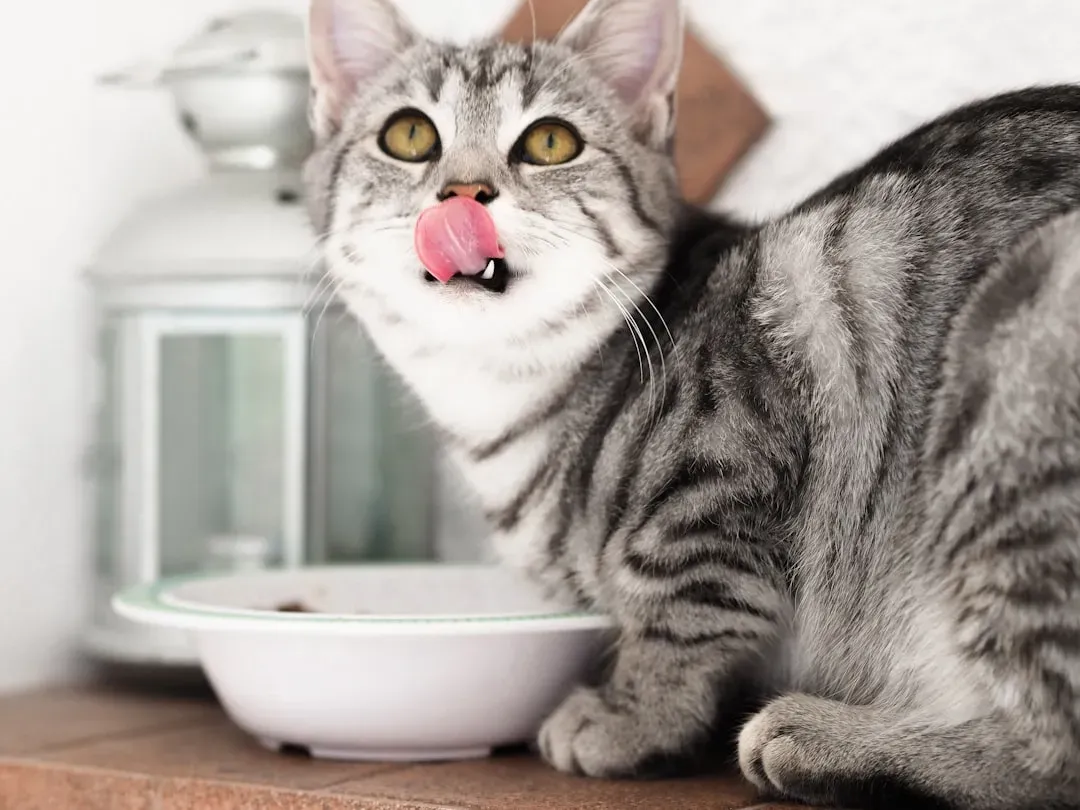
If there’s one thing that genuinely earns your cat’s silent contempt, it’s an unreliable food schedule. Unpredictable routines can keep a cat’s nervous system in a constant state of alert, leading to anxiety and stress-related behavior, since cats rely on consistent daily patterns to feel safe. When routines change unpredictably, stress builds quietly and may later appear as anxiety, aggression, or litter box problems.
Providing your cat with food on a routine or schedule, rather than feeding them exclusively when they “ask,” will reduce begging behavior, although you’ll likely observe increased anticipatory behaviors close to scheduled feeding times. Irregular feeding can lead to begging, anxiety, or food obsession in some cats. Feeding your cat at wildly different times each day isn’t just inconvenient for them. It registers as a form of environmental instability, and their nervous system responds accordingly. Cats care more about patterns than precision, so even modest consistency goes a long way.
A Final Thought
None of this means your cat holds grudges in the human sense. Cats can recognize familiar humans, read emotional cues, and remember which people are worth approaching, but they don’t keep moral scorecards. What they do keep, reliably, is a mental record of whether you make their environment feel safe, predictable, and calm.
The good news is that the bar isn’t impossibly high. By creating a bond and spending more time with your cat, you allow them to become more in tune with your behaviors and feelings, and over time, your cat will understand your routine and be able to tell how you’re feeling. Consistency, quietness, and a bit of attentiveness go surprisingly far with a species that, despite its reputation for aloofness, is paying closer attention to you than you probably think. That steady gaze from across the room isn’t judgment so much as assessment – and the good news is, it’s always open to revision.
Kristina is a young writer from India. An arts graduate and an avid content creator, Kristina is passionate about animals and wildlife. She enjoys exploring topics related to pet care, animal behavior, conservation, and nature, combining thorough research with engaging storytelling.