You’ve seen it a thousand times. Your cat curled up on the couch, sprawled across your bed, or tucked into a sunbeam for what seems like the millionth nap of the day. It’s tempting to think your feline friend is just being lazy, right? Here’s the thing though. What looks like pure indulgence is actually an ancient survival mechanism hardwired into every single cat’s DNA. Your kitty isn’t being lazy at all. They’re following instincts that kept their ancestors alive for thousands of years.
These marathon sleep sessions might seem excessive compared to your own need for rest. Yet there’s a fascinating biological reason behind every single one of those catnaps. Let’s dive into the real science and survival strategies that explain why your cat spends nearly two-thirds of their life asleep.
Your Cat Is Born to Hunt, Even If They Never Catch Anything

Cats are natural predators whose prey is quick and elusive, and sneaking up and pouncing repeatedly is undoubtedly exhausting. Think about it this way. Your cat’s wild ancestors had to stalk, chase, and capture small animals just to survive another day.
Wild cats were skilled predators who relied on bursts of energy to hunt their prey, and these hunting expeditions required immense physical exertion and mental focus. Even though your house cat gets their meals from a bowl, their body still operates like a finely tuned hunting machine. That energy conservation instinct remains deeply embedded in their biology.
The Twilight Hunter Within Your Living Room
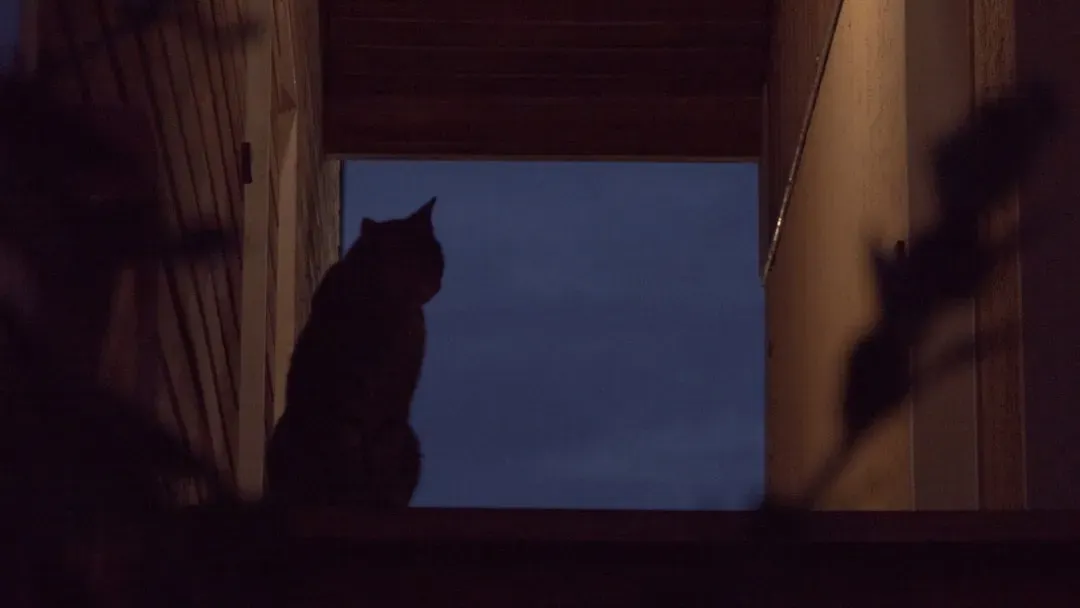
Cats are crepuscular predators, which means the go lights come on for them at dawn and dusk during the twilight hours when their prey are equally active. This isn’t random behavior. Your cat is wired to be most alert when small rodents and birds are scurrying around.
Cats have developed this instinct to help them hunt when their natural prey is most active, and it also helps them avoid some of the true nocturnal predators active only at night, as well as many of the bigger daytime predators. So when your cat goes absolutely wild at sunrise or right before sunset, they’re not being difficult. They’re just listening to millions of years of evolutionary programming telling them it’s hunting time.
Sleep Isn’t Laziness, It’s Strategic Energy Management
Hunting and exploring are energy-consuming activities, and as predators, cats need a lot more rest than humans so they can remain alert and focused. Your cat operates like a high-performance sports car that needs frequent recharging.
Your cat is on alert throughout their hunt, using high levels of adrenaline and energy to keep their body fueled, meaning that despite the relatively short period when your cat is active, they use up disproportionately large energy reserves. Those seemingly endless naps? They’re your cat’s way of storing up power for their next burst of intense activity. It’s not about being lazy. It’s about survival efficiency.
The Numbers Behind All That Snoozing
Here’s something that might surprise you. Cats sleep an average of fifteen hours per day, and some of them stretch that toward twenty hours, especially older cats and kittens. That’s nearly the majority of their entire existence spent in dreamland.
Adult cats tend to have more set sleeping schedules that average out at about twelve to twenty hours of sleep each day. Compare that to your own seven or eight hours, and you might feel a bit jealous. Yet for cats, this extended rest period is absolutely necessary for their physical and mental well-being.
Not All Cat Sleep Is Created Equal
Your cat experiences two very different types of rest. About three-fourths of their sleep is a shallow, almost-waking rest called slow-wave sleep, where cats doze in a kind of ready position with their senses of smell and hearing in the on mode. Watch closely next time your cat naps. You’ll notice their ears occasionally twitch, responding to sounds you can barely hear.
The other one-fourth of the time, cats really are out of it, sleeping deeply and often reaching REM sleep where they might be dreaming, and this deep sleep usually comes in five-minute increments broken up by dozing. Those adorable little paw twitches? Your cat might actually be dreaming about chasing that toy mouse across the living room.
Your Indoor Cat Still Lives by Wild Rules
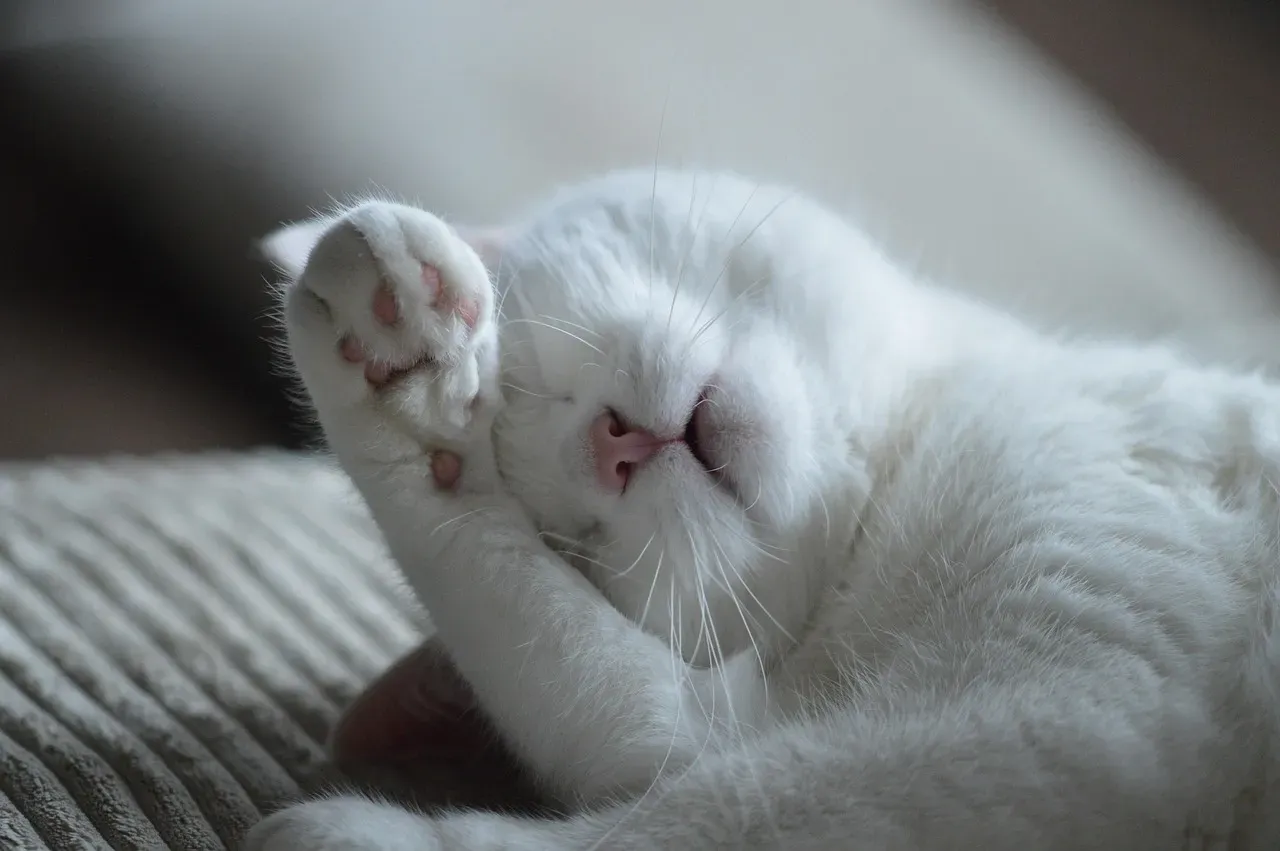
You might wonder why your pampered indoor cat needs all this sleep when they’ve never hunted a day in their life. The answer is heredity, as cats whether they sleep on the street or cuddle on a sofa are all hardwired to the same internal clock. Your cat can’t just switch off thousands of years of evolutionary programming.
As cats evolved from wild hunters to domestic companions, their sleeping patterns remained deeply ingrained in their DNA, and even though modern cats no longer rely solely on hunting for survival, they still possess the innate instinct to conserve energy through snoozing. It’s honestly fascinating how nature works. Your couch potato kitty carries the same biological blueprint as a fierce wildcat stalking prey in the African savanna.
The Science of Staying Alert While Appearing Asleep
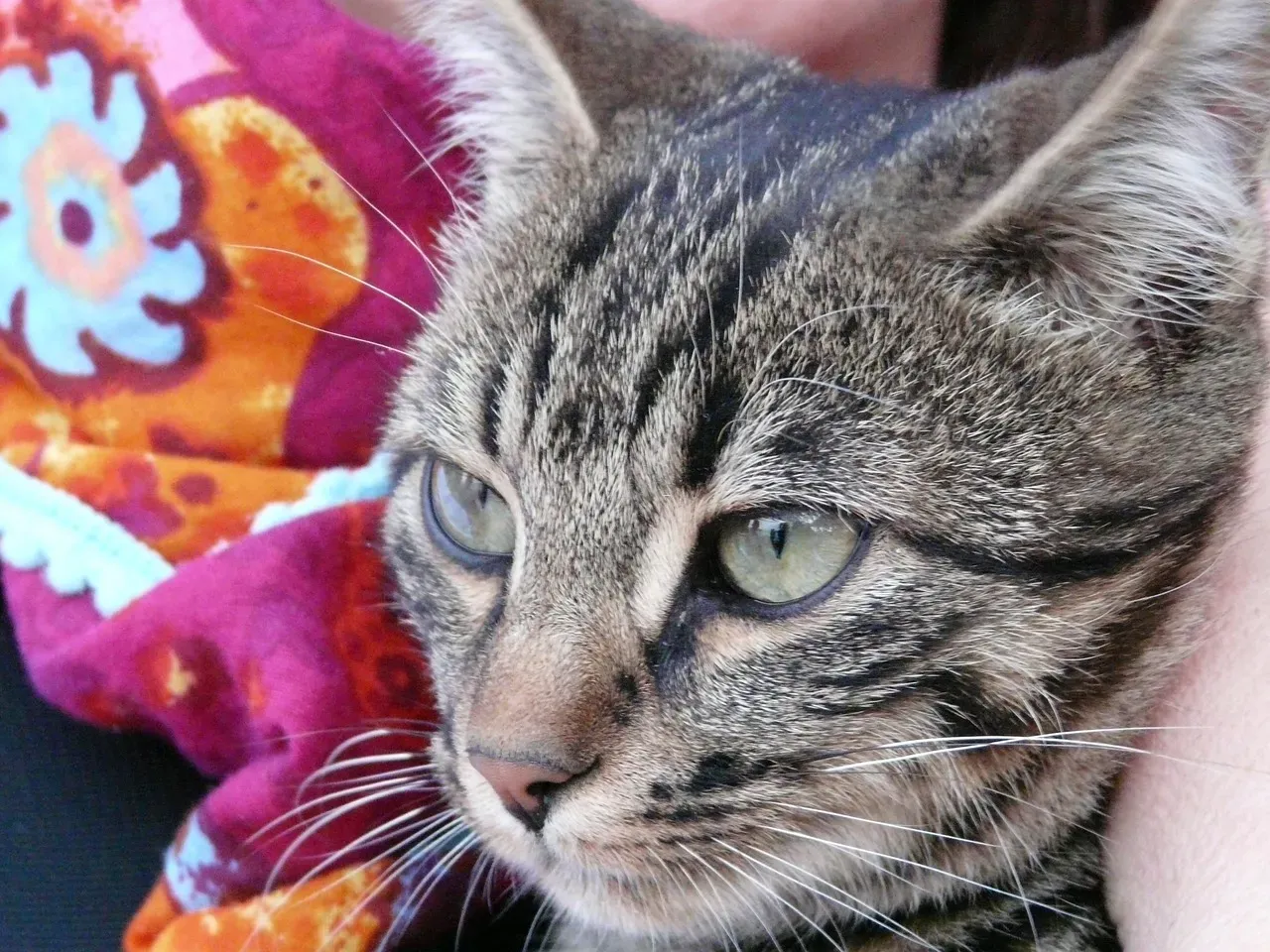
When your cat is sleeping, their rest varies between a light doze and a deeper sleep, with light sleep usually lasting anywhere between fifteen minutes and half an hour, whereas deeper sleep only lasts for about five minutes at a time, and when cats are experiencing light sleep, they are able to wake into action at an instant. This is what makes cats such effective predators.
Your cat maintains this constant state of semi-alertness because in the wild, being caught off guard could mean the difference between life and death. Even in your safe home, that instinct persists. They’re always ready to spring into action, whether it’s to pounce on a bug or investigate a strange noise.
Age Changes Everything About Cat Sleep
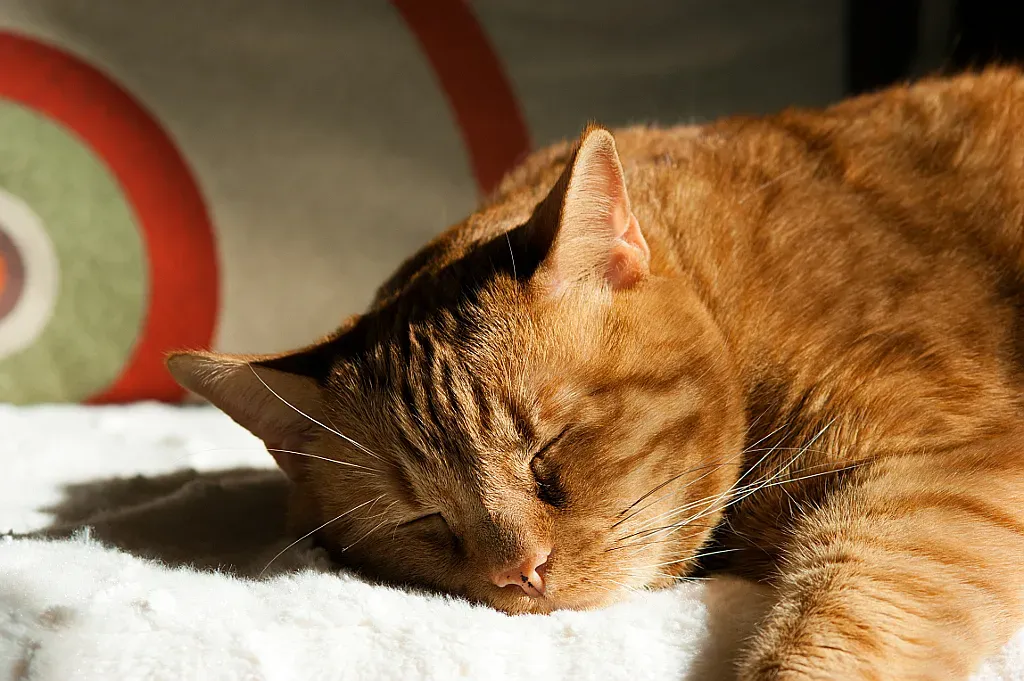
Kittens and senior cats are likely to sleep more than your average adult cat because a lot of your kitten’s energy is being spent growing so they need more sleep to recharge their body. Those tiny furballs need extra rest to fuel their rapid development.
Older cats sleep more as they tire out much faster, and their body needs more rest as a lot of physical activity is more strenuous for them. If you’ve noticed your aging cat spending even more time napping than usual, that’s perfectly normal. They’ve earned those extra hours of rest after years of being your companion.
The Connection Between Sleep and Health You Can’t Ignore
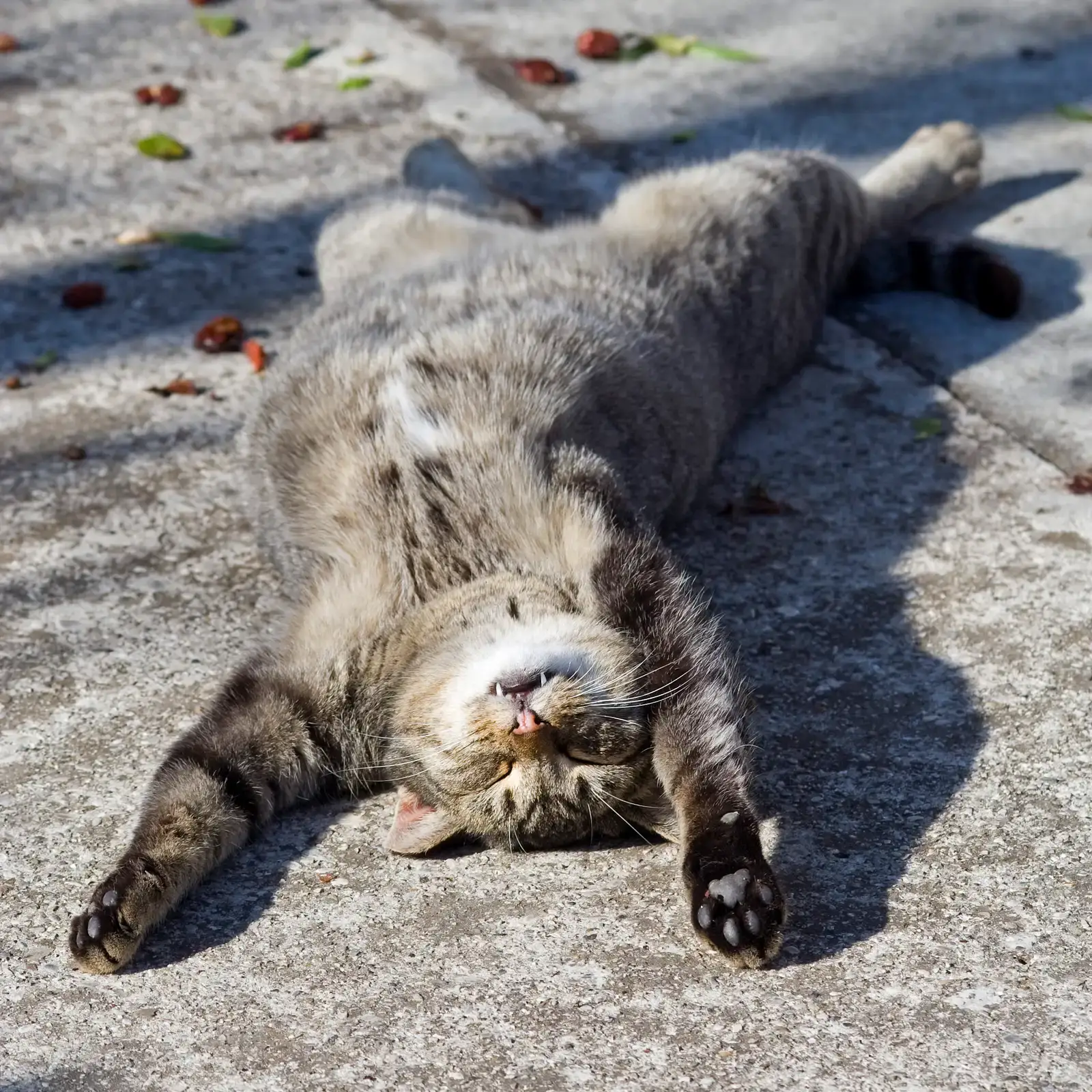
Cats require deep sleep to restore energy levels and promote overall well-being, and during these restorative phases, their bodies repair and regenerate cells, contributing to optimal health. Sleep isn’t just downtime for your cat. It’s when their body does critical maintenance work.
Sleep is essential for domestic cats, helping them conserve energy, recover from play, and process their surroundings. Think of it like your phone charging overnight. Without that recharge time, everything starts to malfunction. Your cat’s body works the same way, using those long sleep periods to heal, grow, and maintain their immune system.
When Sleep Patterns Signal Something’s Wrong
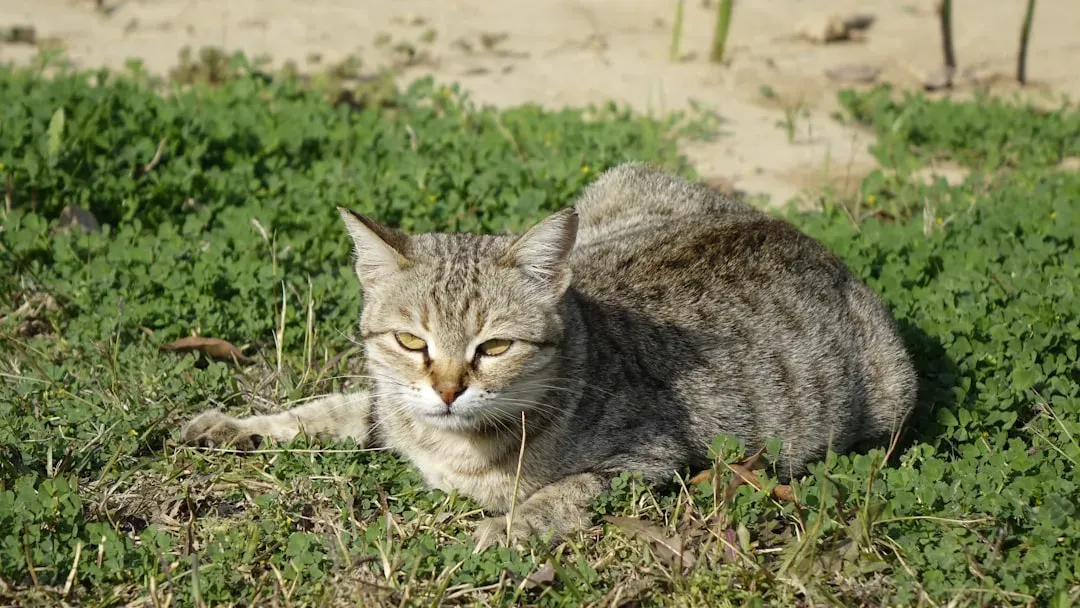
There is no set amount of sleep that indicates a health problem, but it is important to understand your cat’s normal sleep patterns and recognize when those patterns change significantly, and if your cat begins to sleep a lot more or a lot less than is usual, there may be a health issue. You know your cat better than anyone else.
Sudden changes in sleeping habits can sometimes indicate stress, pain, or underlying medical conditions. If your normally active cat suddenly becomes a total couch potato, or if your champion sleeper seems restless and unable to settle, it might be worth a conversation with your veterinarian. Trust your instincts when something feels off.
Conclusion: Respect the Ancient Wisdom of Cat Naps
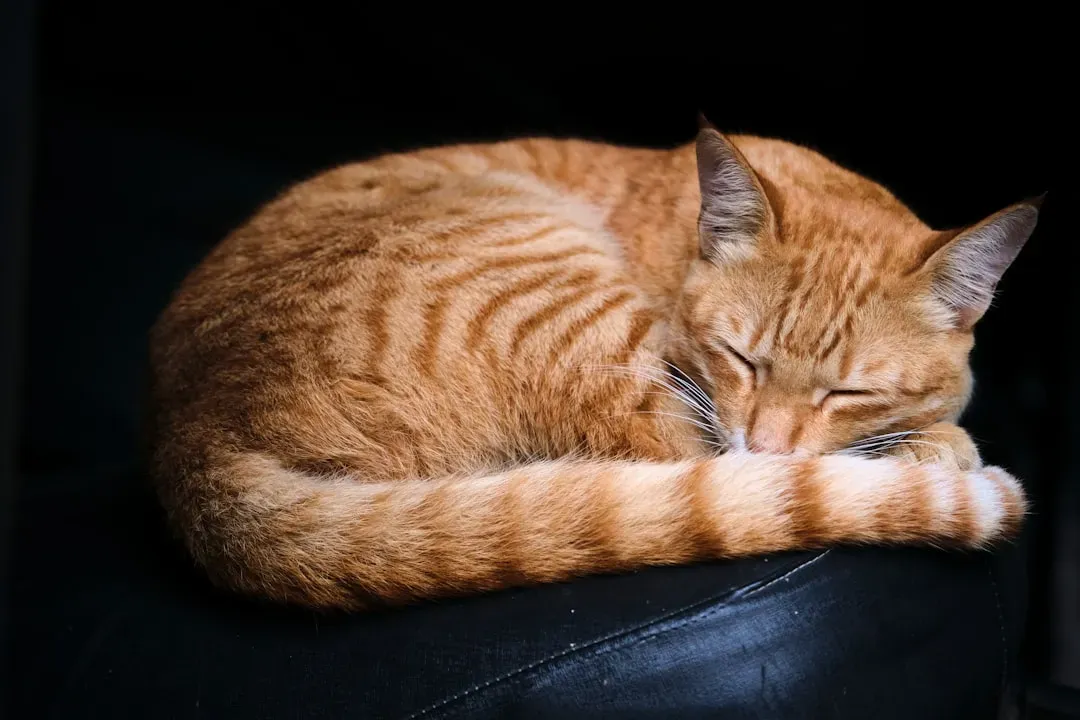
Your cat’s excessive sleeping isn’t a character flaw or a sign of laziness. It’s an incredibly sophisticated survival strategy that’s been refined over millions of years of evolution. Every nap serves a purpose, from conserving energy for hunting instincts to allowing their body to heal and regenerate. The next time you see your cat sprawled out in yet another nap, remember that you’re witnessing ancient biology at work.
Your feline friend is simply doing what nature designed them to do perfectly. They’re resting up for those brief but intense bursts of activity when their predatory instincts kick into high gear. Pretty amazing when you think about it. What surprised you most about your cat’s sleeping habits?

Hi, I’m Andrew, and I come from India. Experienced content specialist with a passion for writing. My forte includes health and wellness, Travel, Animals, and Nature. A nature nomad, I am obsessed with mountains and love high-altitude trekking. I have been on several Himalayan treks in India including the Everest Base Camp in Nepal, a profound experience.