You share your home with one of the most fascinating, baffling, and deeply misunderstood creatures on the planet. Your cat has opinions. Strong ones. About your behavior, your schedule, your petting technique, and probably that weird habit you have of talking too loudly on the phone.
Most people assume they know their cat. Honestly? Most people are missing the bigger picture. Cats have a complex inner world layered with emotion, communication, territorial instinct, and ancient survival wiring that rarely gets the attention it deserves. So before you assume your cat is just being “weird” or “moody,” consider that they might just be speaking a language you haven’t bothered to learn yet. Let’s dive in.
Your Cat Isn’t Being Cold – They’re Saying “I Love You” Differently
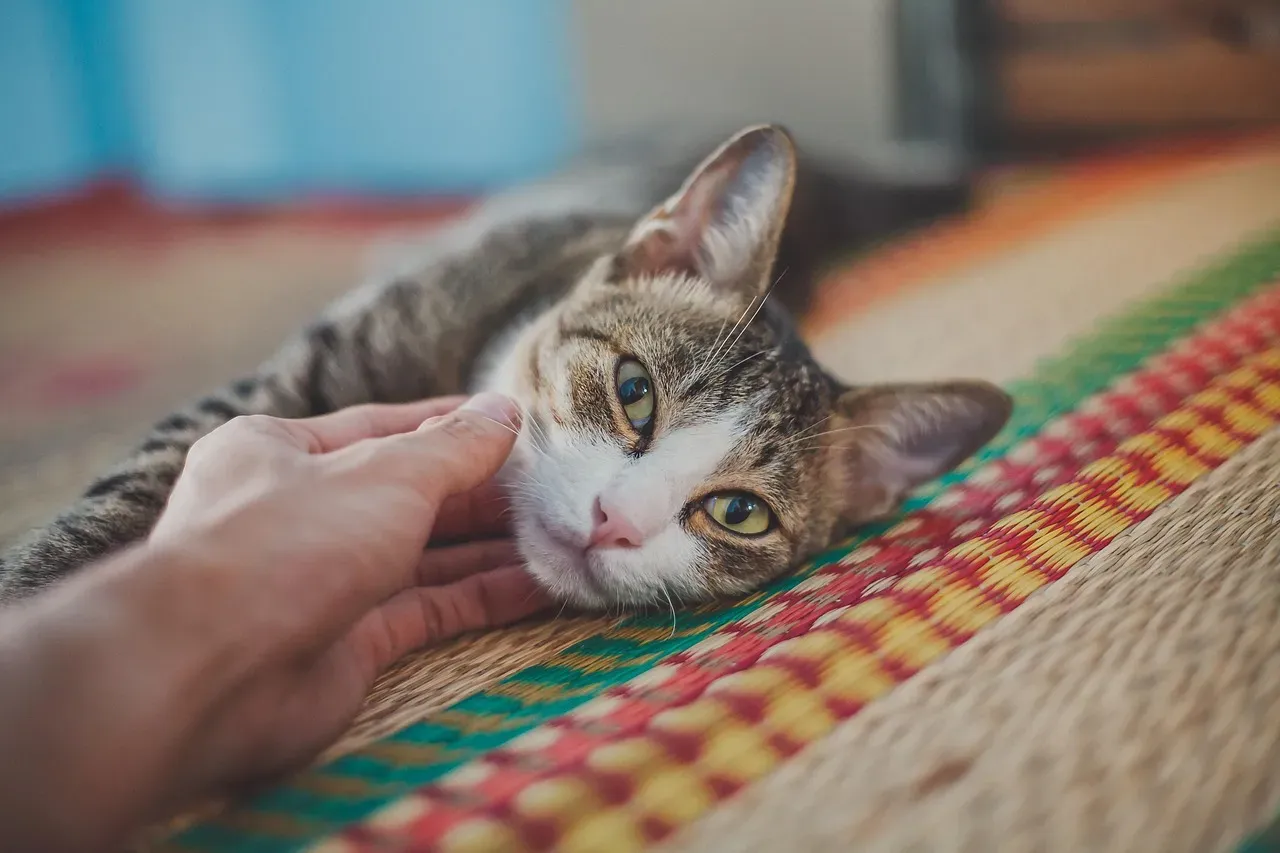
Here’s the thing: one of the most damaging myths in the pet world is that cats are aloof and unattached. It simply isn’t true. Cats absolutely bond with their humans. They simply express affection in more subtle ways than dogs. Slow blinking, head bunting, sleeping near you, and following you from room to room are all signs of trust and attachment. That’s not nothing – that’s actually enormous, coming from a creature wired to protect itself.
In contrast to a direct stare, cats will lower their eyelids or slowly blink them to show trust and affection to their owners. So when your cat stares at you across the room and gives you a long, lazy blink, they’re essentially blowing you a kiss. Try blinking back slowly. You might be surprised by what happens. Research has confirmed that slow blinking plays a key role in cat to human communication, and it’s something you can try yourself at home. Try narrowing your eyes as you would in a relaxed smile, followed by closing your eyes for a couple of seconds.
Your Tone of Voice Matters More Than Your Words
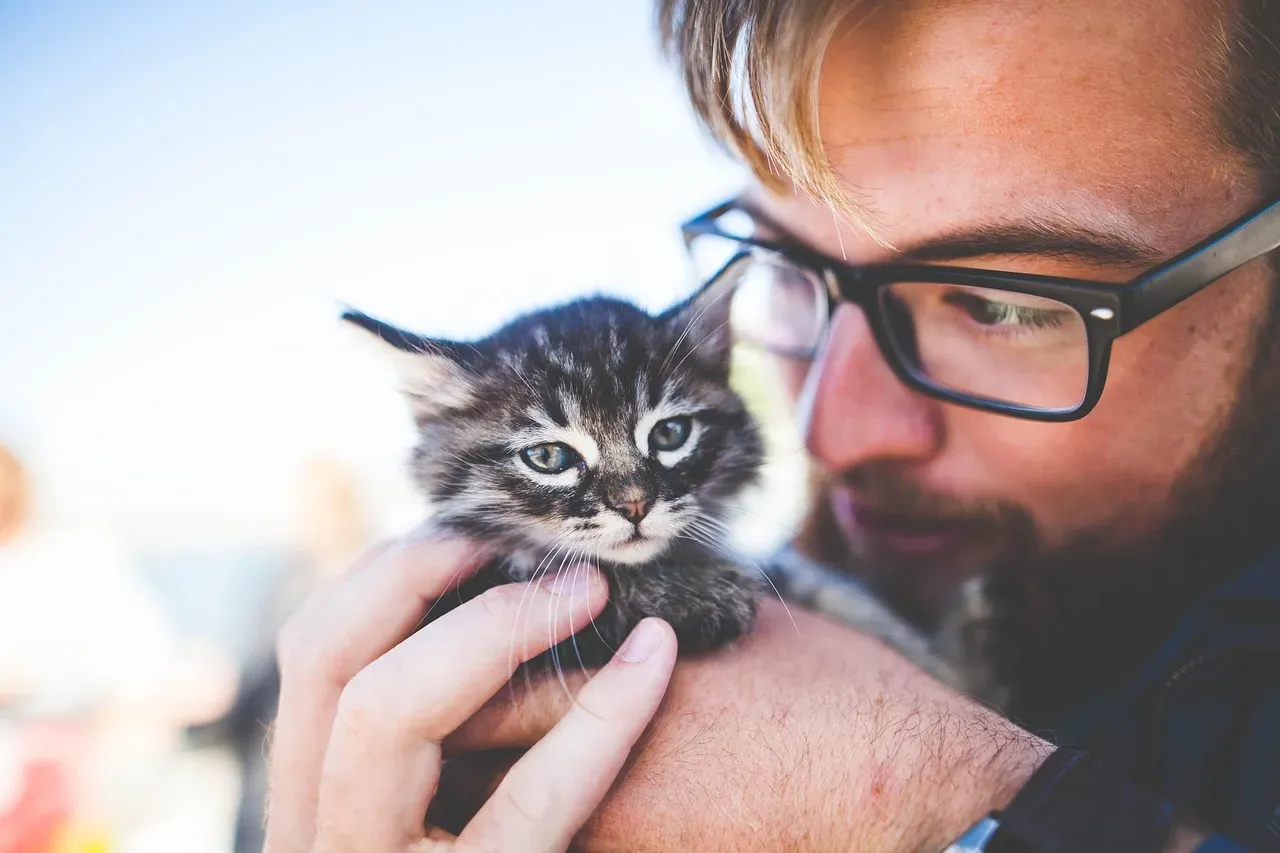
You might think your cat understands the word “no.” They do, kind of – but not the way you think. Cats can learn simple words just as dogs can. However, they appear to react more to how you say things than what is actually said. A harsh, low-pitched tone will convey anger or displeasure, while a high-pitched, soft, friendly tone will express love, affection, and approval. Think of it like this: your cat is less like a student and more like a musician listening to the rhythm of a song rather than its lyrics.
Cats learn specifically how their owners react when they make particular noises. If a cat thinks “I want to get my owner from the other room,” it works to vocalize. They use straightforward learning. The relationship really is a two-way street. Your cat is constantly studying you, calibrating their behavior to your emotional frequencies. When you get that figured out, everything changes. Even something as small as making a loud “shushing” sound can be counterproductive – saying sounds with a strong “ss” noise will put your cat off, as it sounds like hissing to them and they’ll think you’re being unfriendly.
Their Meows Were Made Specifically for You
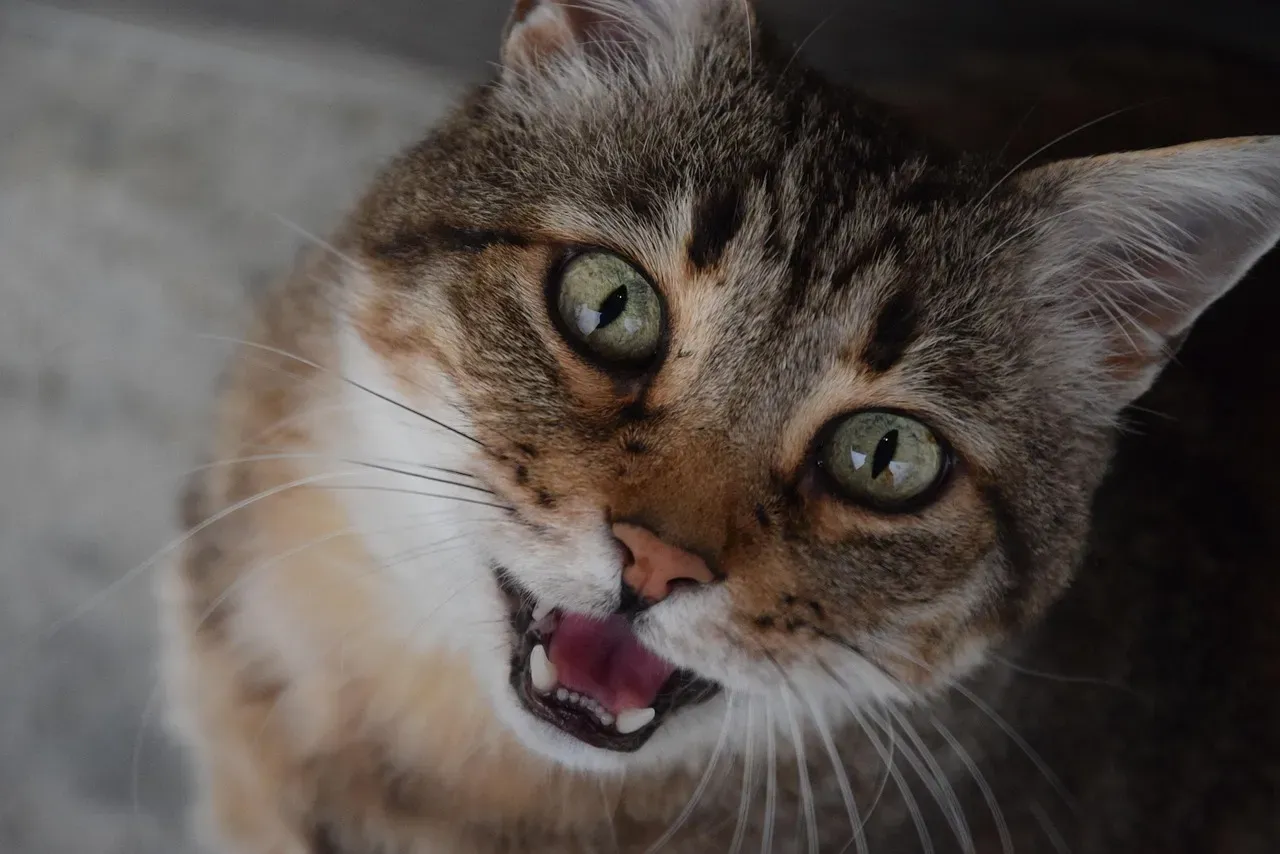
This one blows most people’s minds. Scientists have identified more than a dozen different meows that cats make, each with its own meaning. In general, kittens use meows to communicate with their mothers, but grown cats employ them solely to communicate with humans. Cats also use hisses, growls, squeals, and other sounds to talk to each other. In other words, that meow isn’t a universal cat language – it was literally developed as a communication tool aimed directly at you.
Although kittens meow to their mothers, adult cats don’t meow to other cats. Grown felines reserve this vocalization purely to communicate with humans. As one expert notes, “Cats vocalize so well to us because they’ve learned that we humans are really not all that on the ball in figuring out what the tail swish means, what the ear twitch means.” So the next time your cat opens their mouth at you, take a moment. They’re not just making noise – they’re having a full conversation. A long, sustained meow usually means that your cat wants to call your attention to something important, while a short, higher-pitched meow or trilling sound is more likely to be a simple greeting.
Their Body Is Speaking Constantly – You’re Just Not Listening
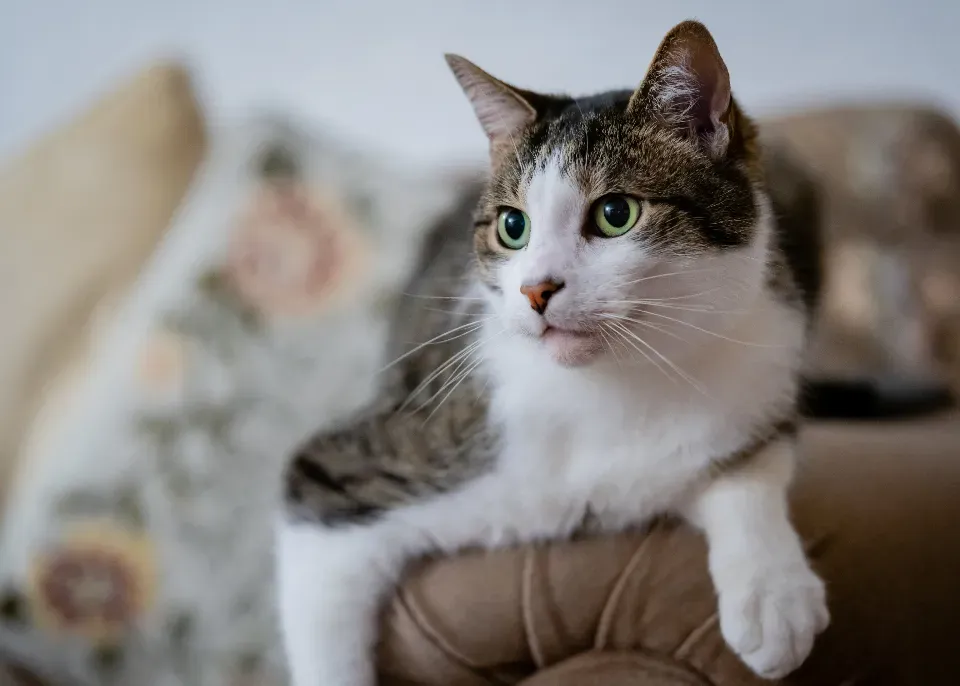
Your cat’s tail, ears, whiskers, and eyes are running a live broadcast of their emotional state at all times. Most owners miss nearly all of it. Cats rely strongly on body language to communicate. A cat may rub against an object or lick a person. Much of a cat’s body language is through its tail, ears, head position, and back posture. Observing how a cat holds its tail can give a good sense of the cat’s current temperament. Think of their body like a weather vane – always pointing somewhere meaningful.
Cats have highly expressive ears that can provide valuable insights into their mood and intentions. When a cat’s ears are pointed forward, it usually indicates attentiveness and curiosity. They may be focused on something in their environment or preparing to pounce. Flattened or backward ears can be a sign of fear, aggression, or discomfort. The belly-rub trap is another place where most owners go wrong. When cats expose their bellies, they are saying they trust you. When you take them up on this “offer” by rubbing their bellies, they may retract it with a bite or a scratch, as it was only meant as a form of communication. Respect that boundary, and your cat will trust you even more.
Stress Is Quietly Destroying Your Cat’s Health
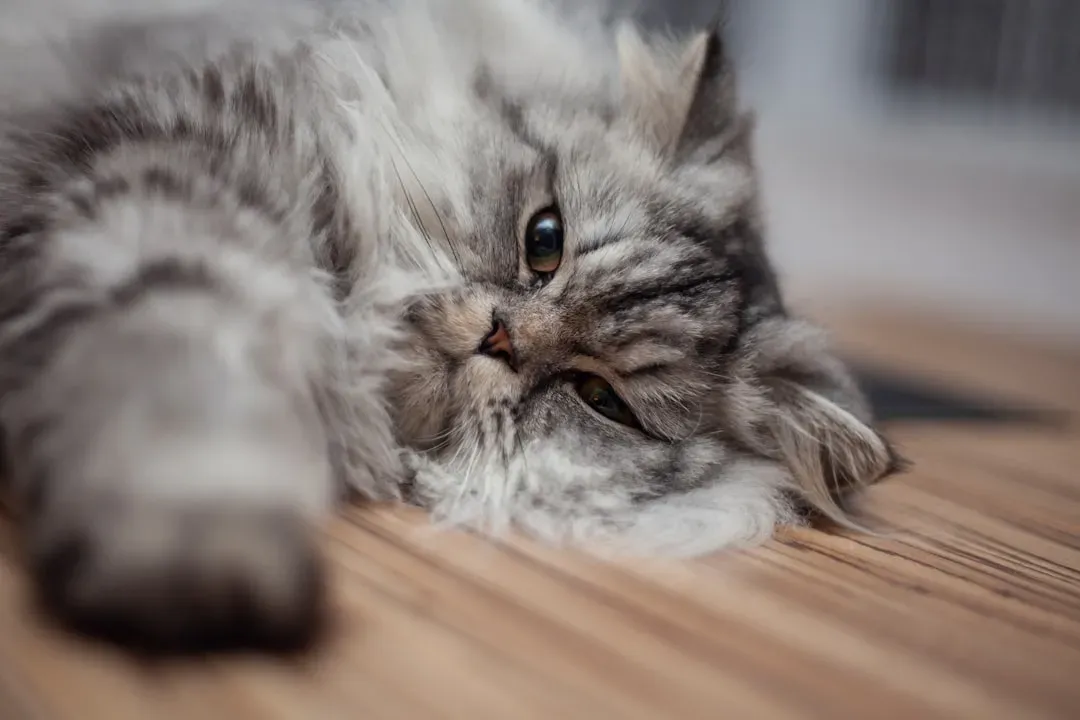
I think this is the most underestimated point on this entire list. Most owners know when a dog is stressed. Cats? They hide it masterfully, and that’s exactly what makes it dangerous. How stressed many pet cats can be without their owners realizing it, and how much it affects the quality of their mental lives and their health, is alarming. Cats don’t always get on with other cats, and people don’t realize how much that can stress them out. It’s like living with a coworker you can’t stand, except you can never leave the building.
Cats are descended from a solitary, territorial ancestor, and while domestication has reduced their inherited tendency to be antagonistic toward all other animals, they still place more reliance on the security of their territory than on psychological attachments to people or other cats. Many feline problem behaviors stem from perceived threats to this security. Even more alarming, dermatitis and cystitis are becoming increasingly linked to psychological stress, with inflammation of the bladder wall connected to stress hormones in the blood. Your cat’s mental health is not a luxury concern – it’s a medical one.
Your Cat Sees You as a Fellow Cat – Not as a Human
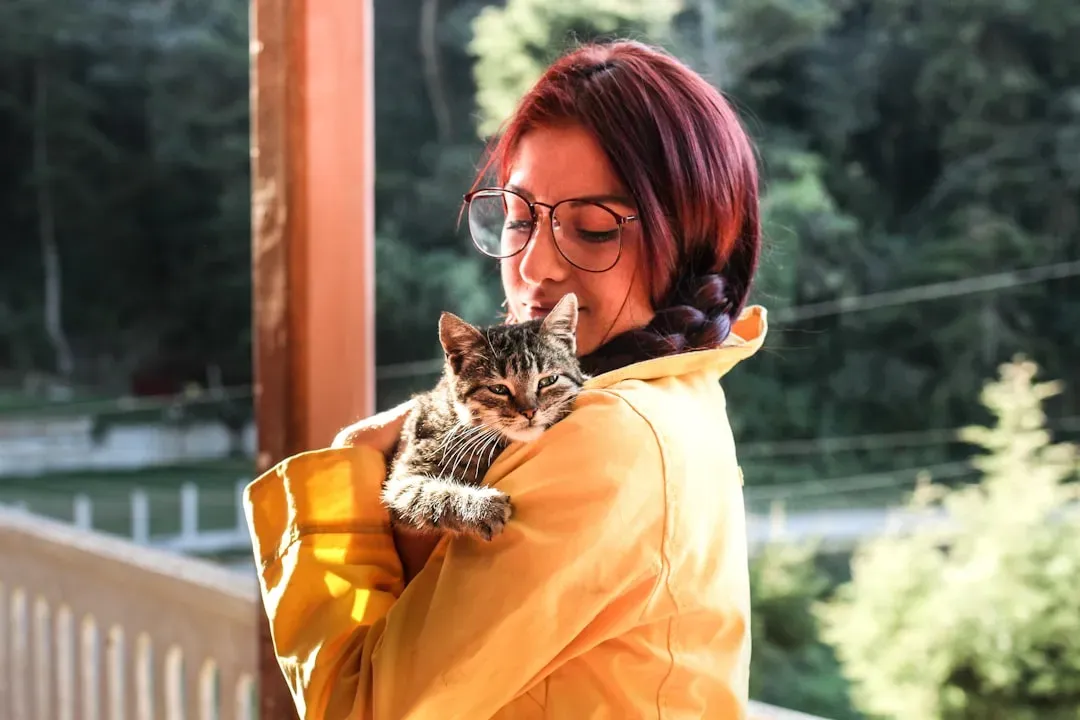
This is honestly one of the most remarkable things science has uncovered about the feline mind. According to cat behaviorist John Bradshaw, cats don’t actually realize that we are a completely different species. They know we’re bigger, sure, but their social behavior toward us is pulled almost entirely from the same playbook they use with other cats. That’s why the relationship feels so uniquely personal – because to them, it genuinely is.
They use behavior that they would use toward their mother – all the behavior cats show toward humans is derived in some way from the mother-kitten relationship. The kitten learns to raise its tail, rub on its mother, and knead and purr. Grooming is what mothers do back to kittens. So cats are using bits of behavior already in their repertoire to communicate with us. When your cat kneads on your lap, it isn’t random – it’s deeply rooted in comfort and safety. Kneading is engrained in cats since birth: as newborn kittens they had to make the same motions to stimulate their mother’s milk flow. Their very first actions brought food into their needy little mouths, so it might just be hardwired into cats that this activity brings comfort.
They Need Mental Stimulation – Not Just Food and a Couch
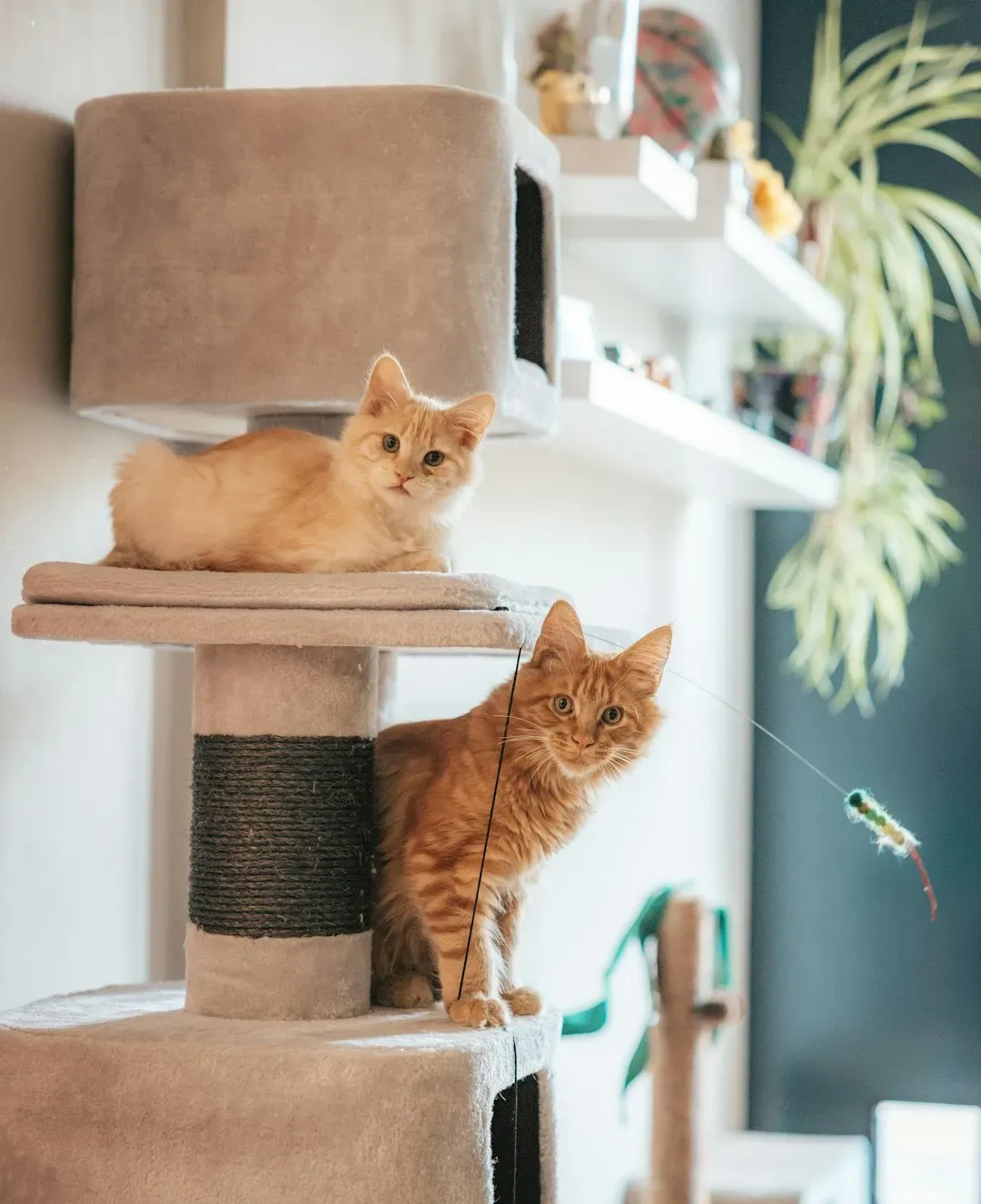
A full food bowl and a warm spot to sleep are a start. They’re not enough. Indoor cats still have strong hunting instincts. Without enrichment, they can develop anxiety, over-grooming habits, nighttime zoomies, or destructive behavior. Simple additions like window perches, play sessions, puzzle feeders, and vertical spaces can dramatically improve a cat’s wellbeing. Think of your cat like a surgeon who’s been told to sit on the couch all day – that brain doesn’t just switch off.
Cats have highly developed and complex brains, which means they are capable of complex problem-solving as well as thinking. Domestic cats still have many of the same instincts and traits as their wild ancestors, and they exhibit some complex and fascinating behaviors. The hunting instinct runs especially deep. Cats have an innate hunting instinct, which can sometimes manifest in them bringing their humans dead birds, rodents, or bugs. This behavior is a way for cats to show their affection and regard their human family as part of their pack. By presenting these items as gifts, cats are demonstrating their desire to contribute to the group’s wellbeing. Yes, that “gift” is disgusting. It is also an act of love.
Conclusion
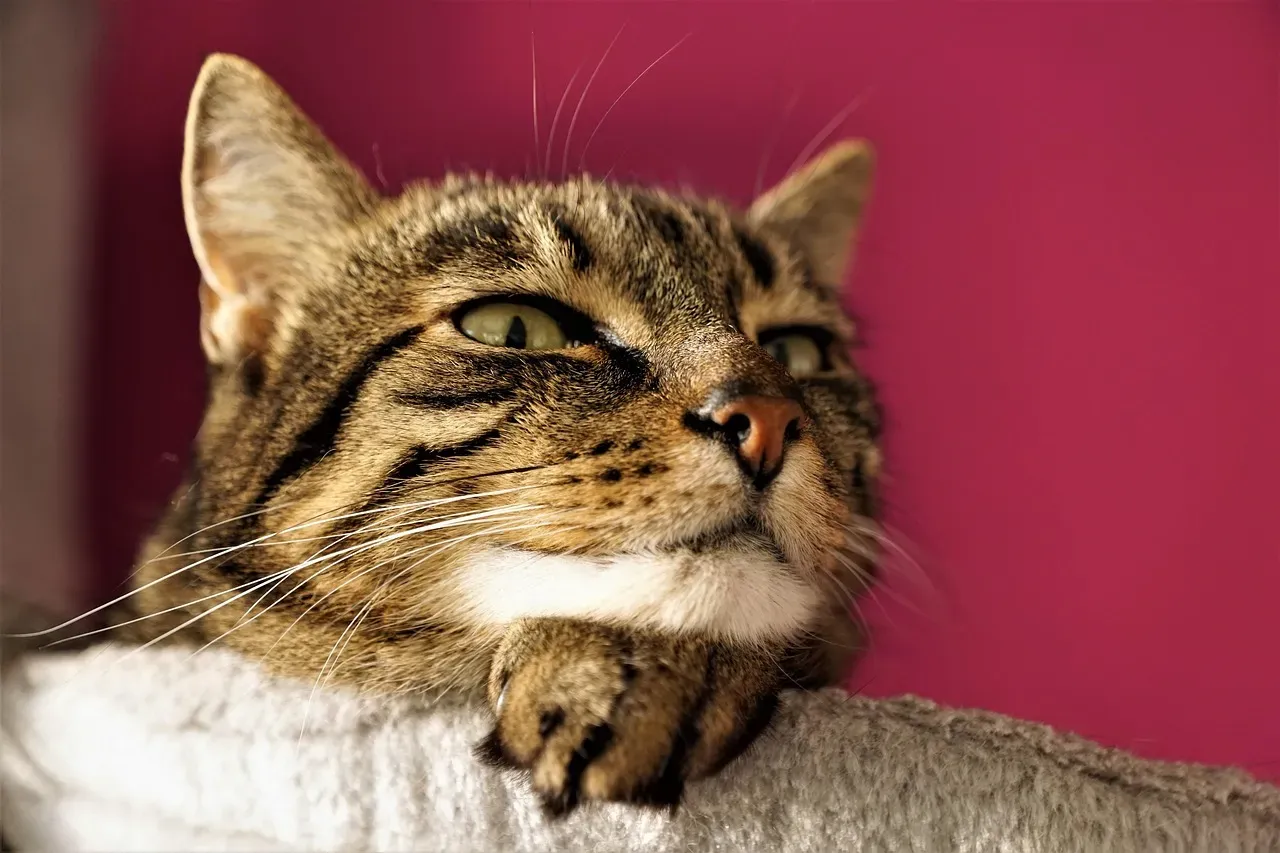
Your cat is not a mystery wrapped in fur simply for the sport of confusing you. They are a highly intelligent, emotionally complex creature who has developed an entire language to reach you – and who deserves the effort of being truly understood. The slow blink, the tail position, the meow tuned specifically to your ears, the kneading that traces back to their earliest days of life – all of it is communication. All of it matters.
When you start paying closer attention to the signals your cat is already sending, you stop guessing and start genuinely connecting. Cats thrive when owners understand their behavior, communication, and natural instincts. The better you understand them, the better you can care for them. That’s the real secret – it was never really about cracking a code. It was always about listening more carefully to what was already there.
So the question worth sitting with is this: how many of these signals has your cat been sending all along, while you were too busy to notice? What do you think? Share your experience in the comments – we’d love to hear your cat’s story.
Kristina is a young writer from India. An arts graduate and an avid content creator, Kristina is passionate about animals and wildlife. She enjoys exploring topics related to pet care, animal behavior, conservation, and nature, combining thorough research with engaging storytelling.