You wake up on a perfectly ordinary morning, shuffle into the kitchen for coffee, and nearly step on a dead mouse artfully placed on your kitchen floor. Your cat sits nearby, eyes wide, tail curled, looking as proud as any living creature could possibly look. You feel a wave of confusion, mild horror, and somehow – against all logic – a weird, fuzzy warmth.
Welcome to the mysterious world of feline gifting. Most cat owners have been there, even if they would rather forget it. The truth is, that small, grisly offering on your floor says a great deal more about your cat’s inner life than you might expect. Strap in, because what you’re about to discover will completely change the way you look at your cat’s strangest, most bewildering habit. Let’s dive in.
Your Cat Is Not Broken – It’s Built This Way
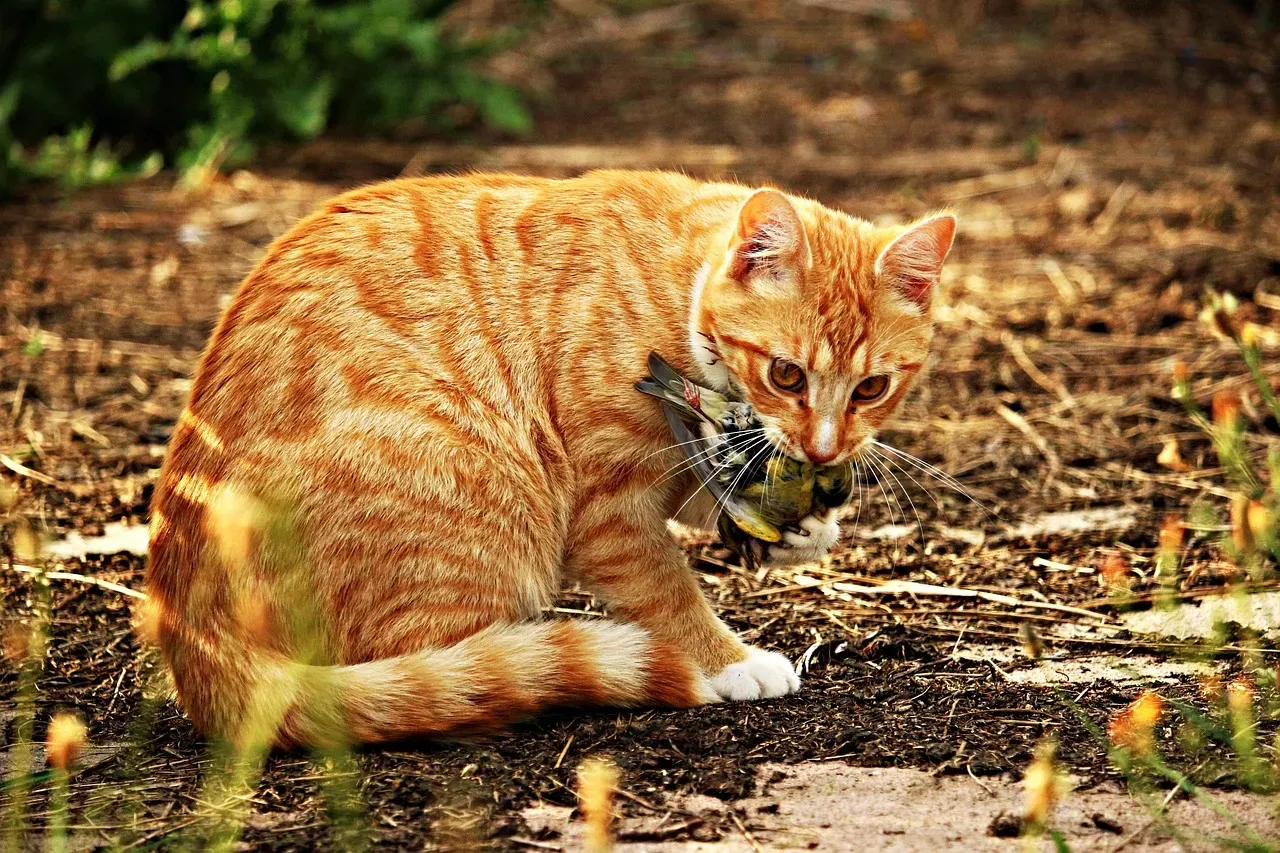
Here’s the thing: when your cat drops a dead sparrow at your feet, it isn’t being morbid or spiteful. The simple answer to why your cat brings you dead animals is because it is their natural instinct to do so. That instinct is not a flaw or something that appeared randomly. It is woven into every fiber of your cat’s biology, going back thousands of years before your couch, your kibble routine, or your Netflix subscription.
Cats were thought to have been first domesticated around 10,000 years ago – compare that to dogs, who were first domesticated around 30,000 years ago, and it’s nowhere near as long. This means they still retain many instincts, such as hunting. Think of your cat as a tiny, purring predator wearing a very convincing “house pet” costume. The wildness underneath never really left.
The Ancient Mama Cat Connection
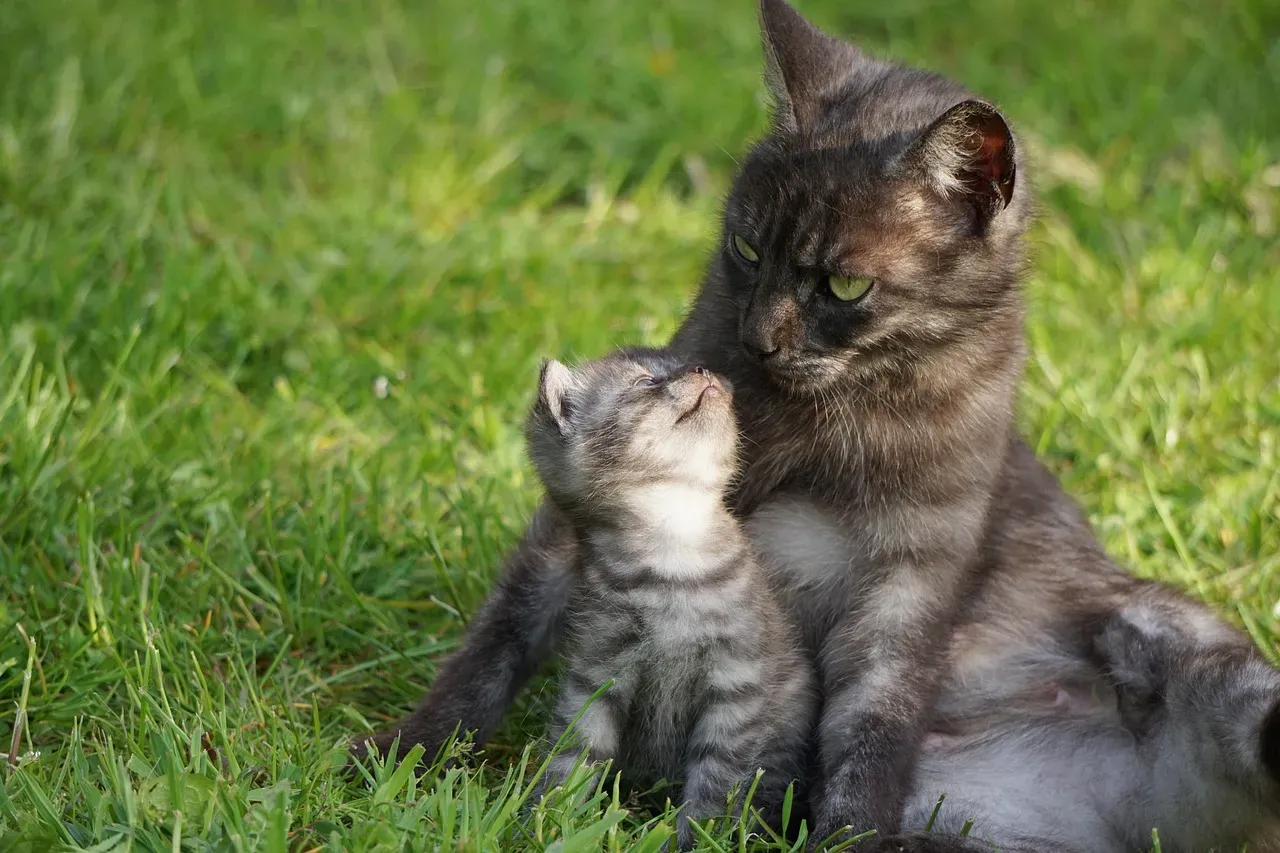
There is something almost touching buried inside this habit, once you understand the roots of it. In the wild, mother cats would teach their kittens how to survive, which included finding food and eating it. Even in a litter of tiny kittens, you can see them practicing their stalking, pouncing, and “killing” behaviors. Every awkward little pounce your kitten ever made? That was preparation for this exact moment.
Wild cats provide for their young and bring them food whilst also teaching them valuable survival skills. The majority of domestic cats are neutered and so won’t provide for their young, so they may transfer these instincts to their owners instead. So when your spayed or neutered cat drops a mouse at your feet, in a strange way, it is playing the role of mama. You are, to them, the kitten who still needs teaching. Honestly, it’s a little adorable when you look at it that way.
The Safe Territory Theory – Home Is Where the Prey Is
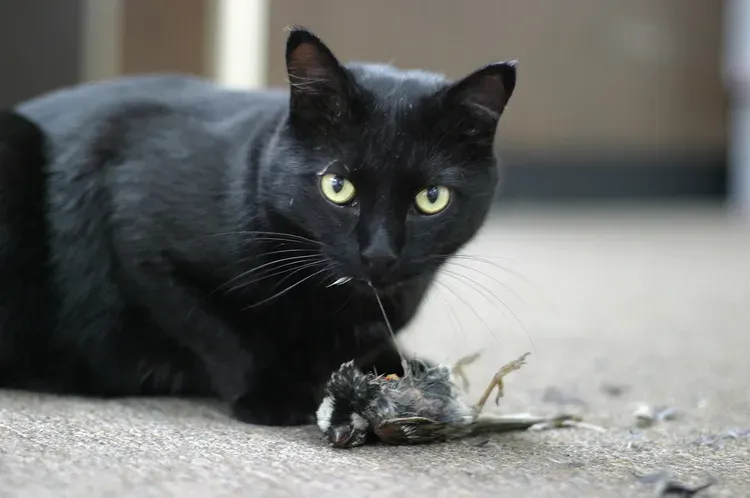
You might assume your cat brings prey inside because it wants to share dinner with you. The reality is a little more nuanced. It is now thought that cats quite simply prefer to bring their prey back to their core territory where it is safer to eat it, or store it for a bit later. Your home is not just a place for naps and window-watching. To your cat, it is a fortress of security.
This “core territory” is the house, and often in the space they share with you. However unpleasant you find this, it is important to remember that this is normal cat behavior and if your cat has free roaming access outside, it is impossible to stop, however, it can be minimized. Think of it like a wolf dragging prey back to the den. The mechanics are the same, just with a much cuter creature and a much tidier den – most of the time.
It’s Actually a Love Language. A Gross One, But Still
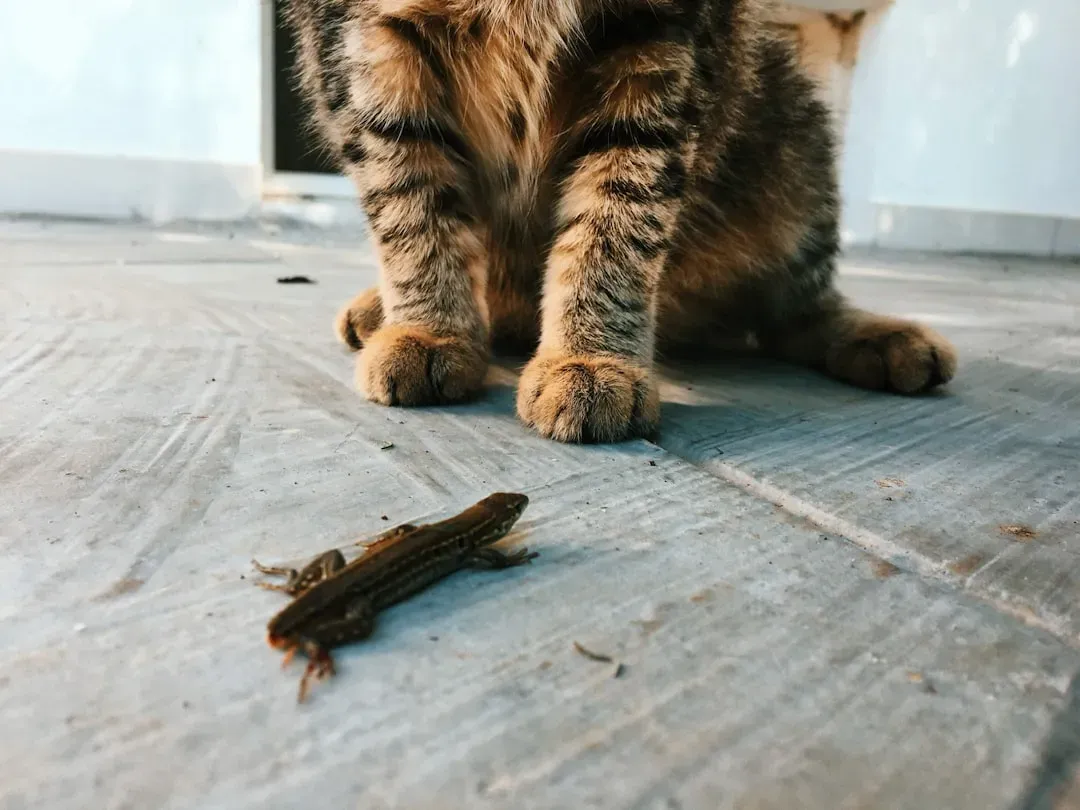
Let’s be real: few humans would choose a dead vole as a Valentine’s Day gift. Yet in cat terms, that is practically a dozen roses. Cats that catch prey and bring dead animals to their owners are expressing love. By presenting you with their “catch,” your feline is inviting you into their inner circle, a privileged bond reserved for trusted companions. You have been chosen. That matters.
This gift-giving behavior is as instinctual for cats as scratching their scratching posts, grooming their fur, kneading, and other classic feline activities, and it’s actually a positive indicator of how they feel about you. So next time your cat gazes up at you with that particular smug satisfaction, holding something unspeakable in its mouth, try to remember: you are loved. Deeply, unconditionally, and apparently, in the most biologically raw way possible.
The “You’re a Terrible Hunter” Theory
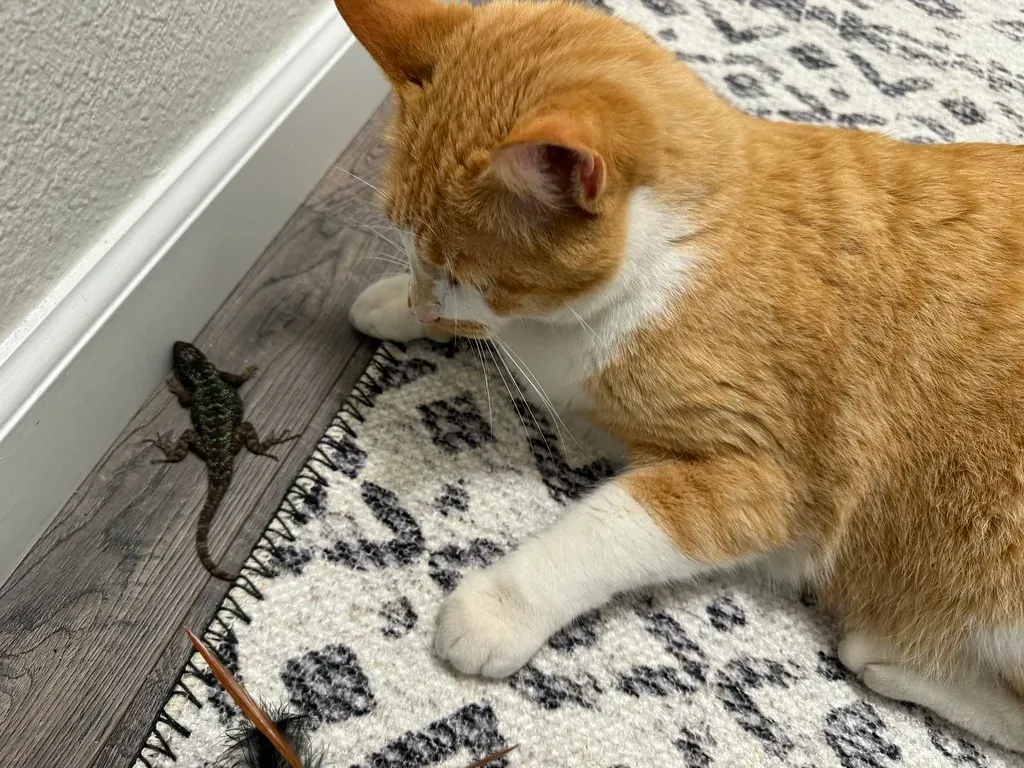
Now this one is both humbling and hilarious. Some researchers believe your cat genuinely thinks you are incompetent when it comes to feeding yourself. One theory suggests that cats with no young still naturally want to pass on their hunting skills. Since we are their family, and since we are clearly very poor hunters from a cat’s point of view, they may be trying to help train us to provide for ourselves. Your cat watches you open a can of soup and probably despairs.
In their eyes, this could serve as a “teaching moment,” much like how a mother cat teaches her kittens to eat by bringing them live prey to “practice” on. In this sense, a gift can also be an interactive learning opportunity from a cat’s perspective. It’s a bit gruesome, but for cats, it’s just another form of sharing something valuable. So yes, your cat may genuinely be trying to mentor you. Try not to feel too offended.
The Social Pack Mentality – You Are Part of the Clowder
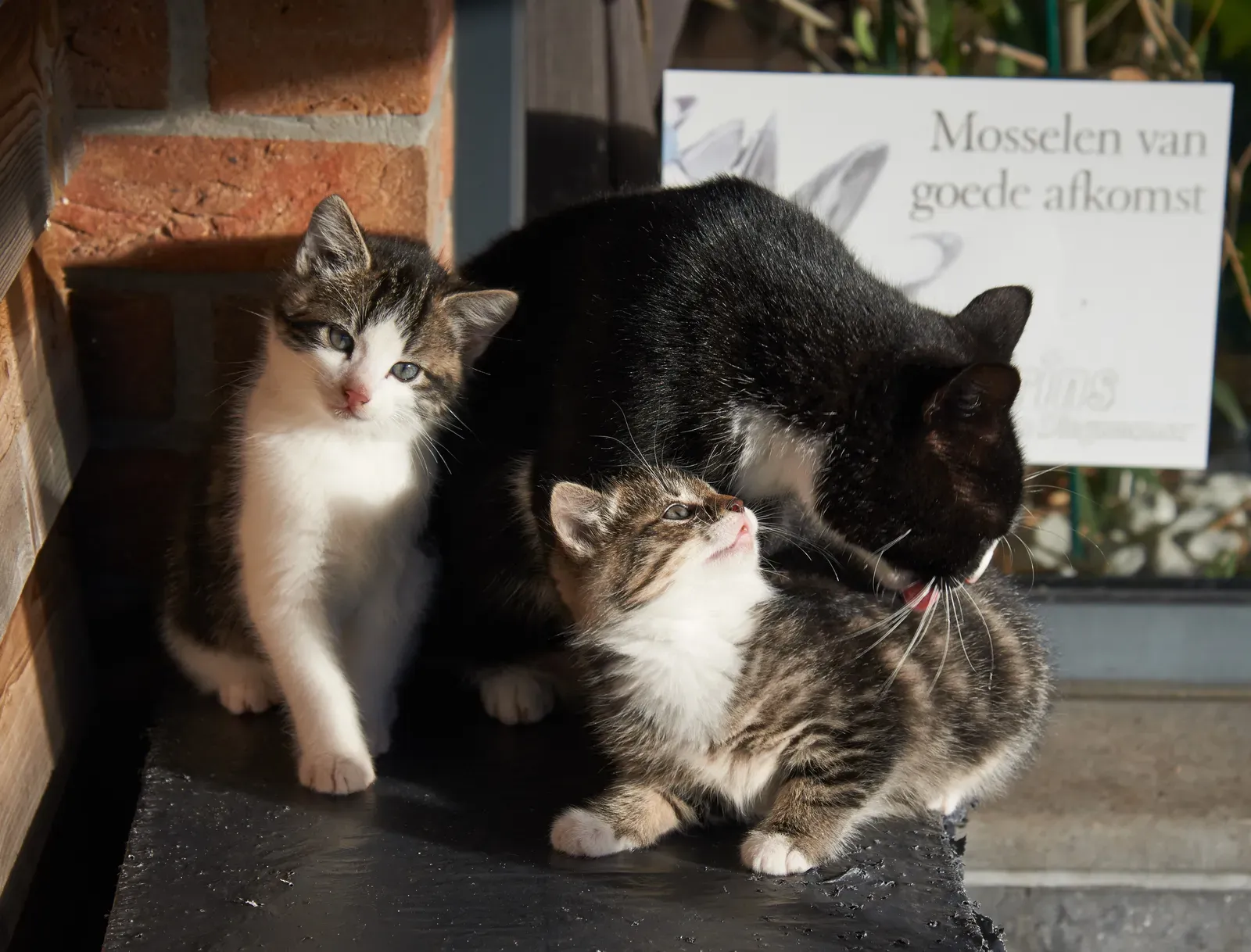
Cats are often described as solitary animals, and in many ways that is true. Yet the way they behave inside your home tells a different story. By gifting you a dead animal, your cat might be trying to signal that you’re part of their group. Essentially, they might view you as part of the pack, or clowder. You have been inducted into something ancient and exclusive.
According to ethologist Paul Leyhausen, cats adopt their humans into their social group. They possibly even assume that humans go hunting when they’re gone for long periods of time over the day, since they always have plenty of food. Cats want to contribute to this group, so they do – they proudly share their excess kill with you. The family that hunts together, stays together. Apparently.
When Hunger Isn’t the Point at All
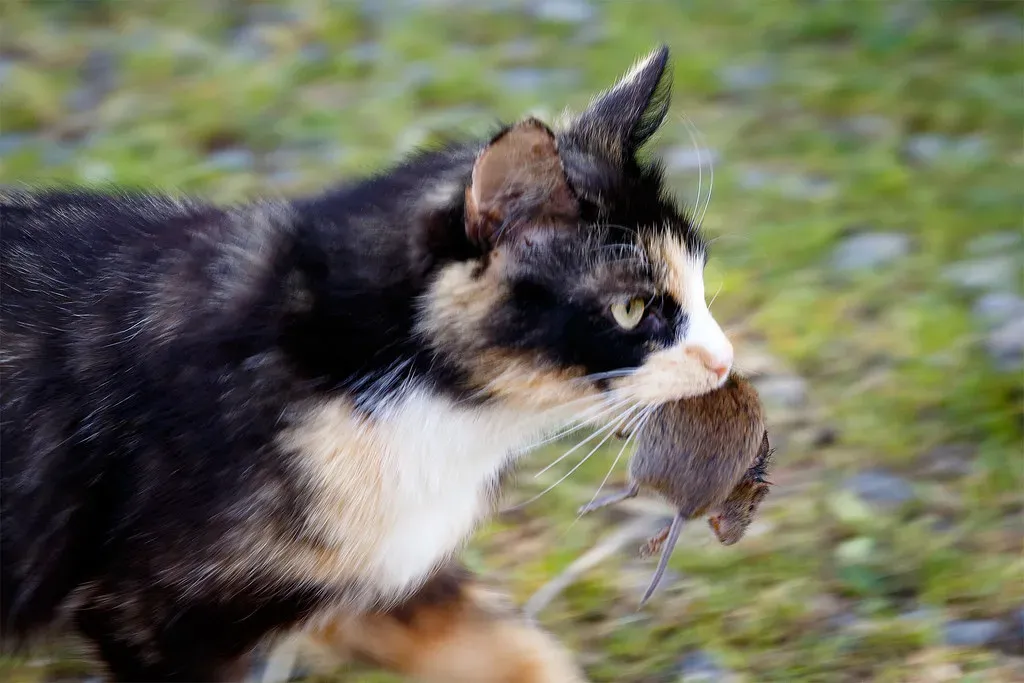
Here is something that surprises a lot of people. You could feed your cat the finest, most nutritionally complete meal every single day, and it would still hunt. Hunger has almost nothing to do with it. It is critical to understand that this hunting behavior is usually not driven by hunger. Domestic cats are, by nature, one of the most proficient hunters on the planet. Even when they no longer rely on hunting for survival, they retain a powerful “prey drive” from their wild ancestors.
Cats have learned to be opportunistic feeders, meaning they change their activity patterns depending on food availability, and if the opportunity to hunt presents itself, they’ll do so regardless of whether they’re hungry or not at the time. It is less like a meal and more like a compulsion. The desire to hunt is not governed by hormones and therefore does not diminish after neutering. In other words, no amount of full bowls will fully quiet that ancient, restless drive.
The Hidden Risks You Might Not Have Considered
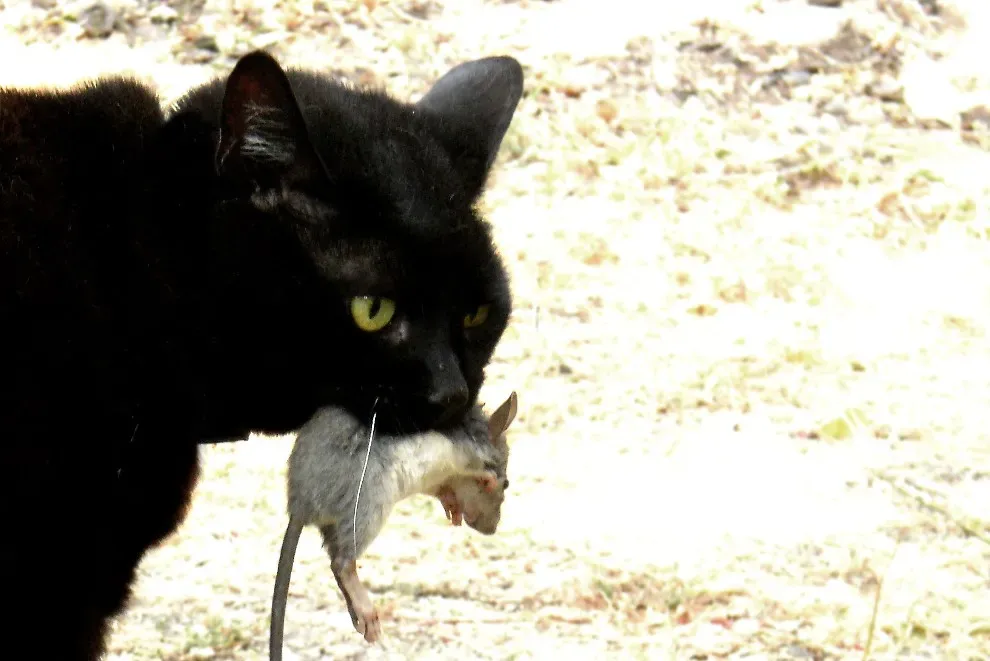
There is a darker side to this charming feline ritual that deserves serious attention. Small rodents, such as mice or rats, that your cat might put in their mouth can carry parasites like tapeworms or might have ingested rodenticide poisons, both of which can make your cat sick. That prize your cat dragged home might come with uninvited hitchhikers.
According to research published in Nature, domestic cats kill anywhere from 1.3 to 4 billion birds and 6.3 to 22.3 billion small mammals annually in the United States. This makes cats one of the country’s most significant non-human causes of animal death. That is a staggering number. Your single, well-fed, seemingly innocent tabby is part of an ecological force that is, quietly and systematically, reshaping local wildlife populations across entire continents.
What You Can Actually Do About It
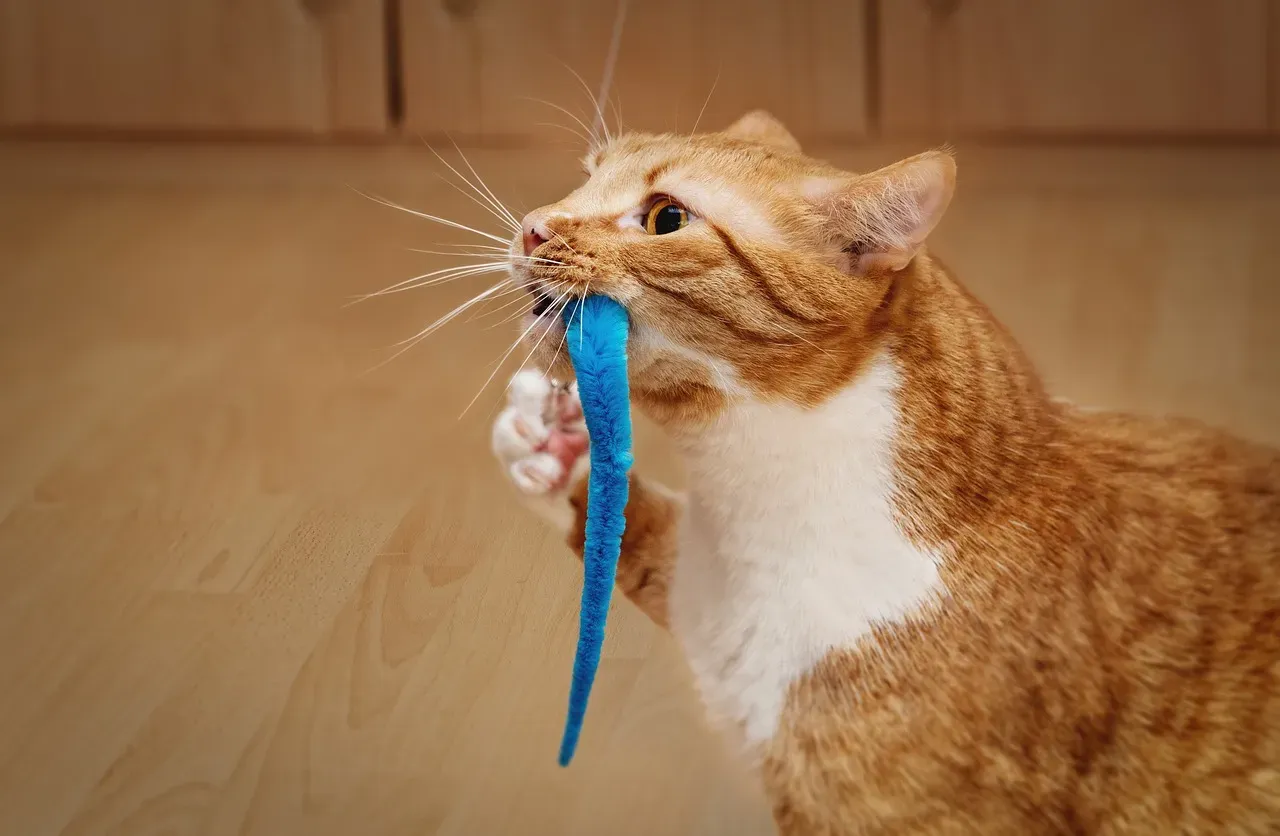
The instinct cannot be deleted. It is hardwired. Since hunting is so deeply ingrained in cats, you won’t be able to stop the behavior entirely. The good news is that you can redirect it, significantly reduce it, and channel it into something that does not involve corpses on your floor mat.
To truly suppress the urge to hunt live prey, you must satisfy the full biological cycle: Hunt, Catch, Kill, and Eat. Use a wand toy to mimic the movement of a bird or mouse. Let your cat catch and “kill” the toy after a vigorous session. Immediately after they catch the toy, give them a high-protein treat or their dinner. This is the full loop, and completing it consistently will do more than any collar or closed door ever could. Putting a bell on their collar and moving your bird feeders away from places where your cat might hide and lie in wait can also make a real practical difference for outdoor cats.
Conclusion: A Strange Gift, Wrapped in Something Real
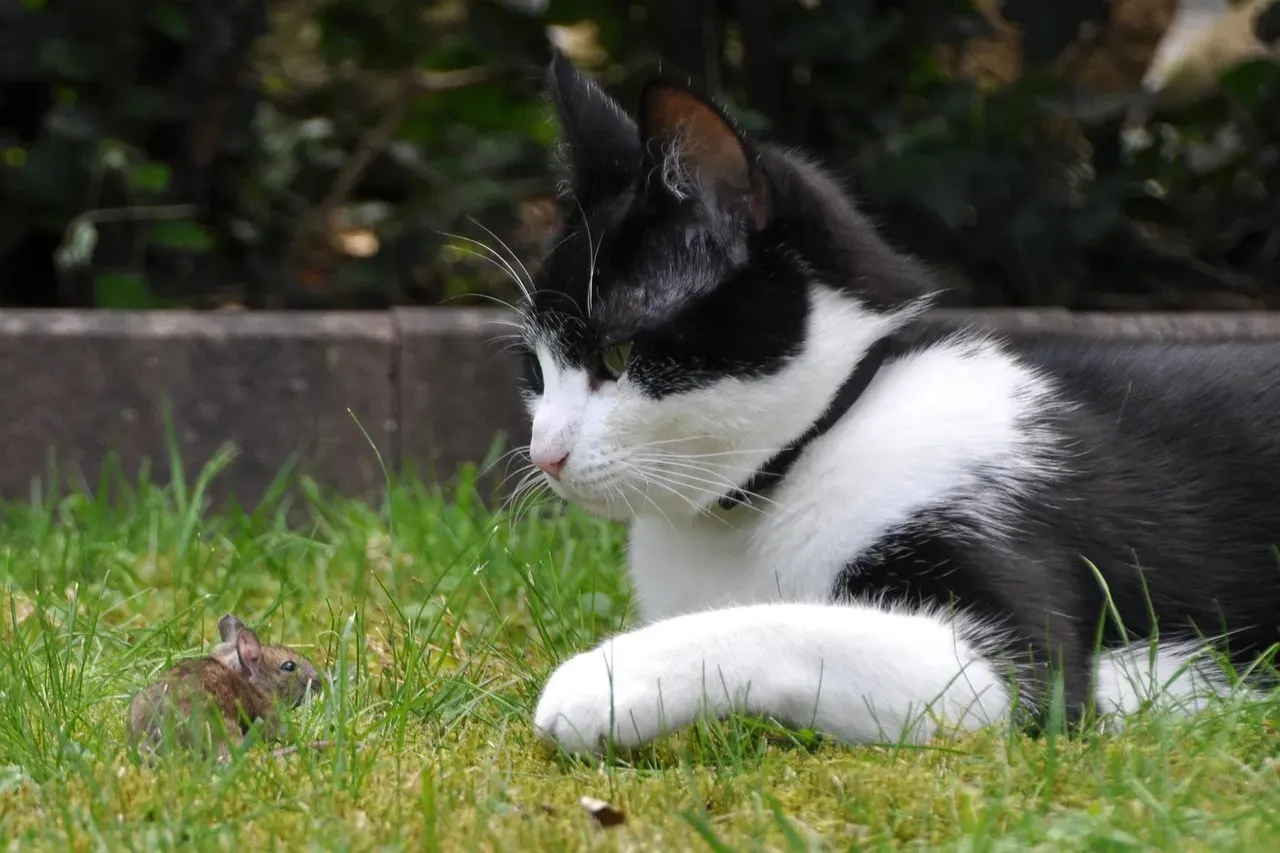
It is easy to see a dead mouse on the doorstep and feel only horror. But the fuller picture is actually quite remarkable. Your cat, a miniature predator shaped by millions of years of evolution, is choosing to share its most precious resource with you. It is teaching you, trusting you, including you in its world. That is not nothing. That is, in the most literal biological sense possible, love.
The challenge, of course, is honoring that instinct without letting it wreak havoc on your local bird population or your living room floor. With daily interactive play, a high-quality diet, strategic outdoor management, and a generous supply of toy prey, you can give your cat a full, satisfying inner life, dead wildlife optional. Because once you truly understand why your cat does this, the question stops being “How do I make it stop?” and becomes something closer to: “What else don’t I know about this extraordinary creature sitting on my lap right now?” What do you think about it? Tell us in the comments.
Kristina is a young writer from India. An arts graduate and an avid content creator, Kristina is passionate about animals and wildlife. She enjoys exploring topics related to pet care, animal behavior, conservation, and nature, combining thorough research with engaging storytelling.